Artwork
The Dying Procris
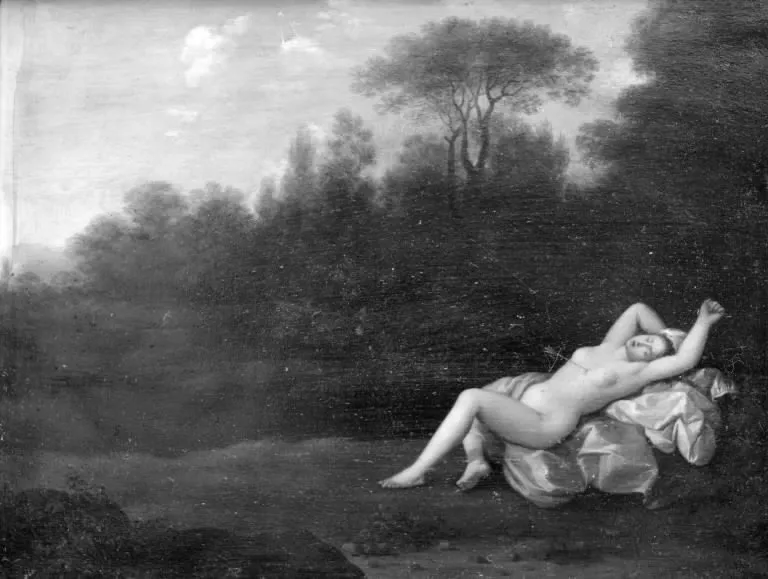
The Dying Procris is an oil painting by the Flemish Baroque painting artist Toussaint Gelton. It dates from 1662 and is held in the collection of the Statens Museum for Kunst.
About this work
Subject & Meaning
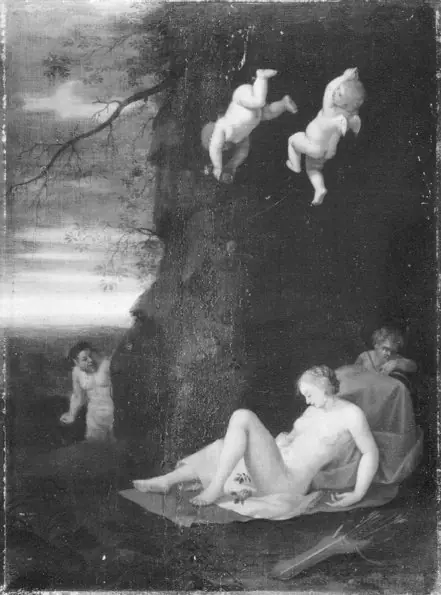
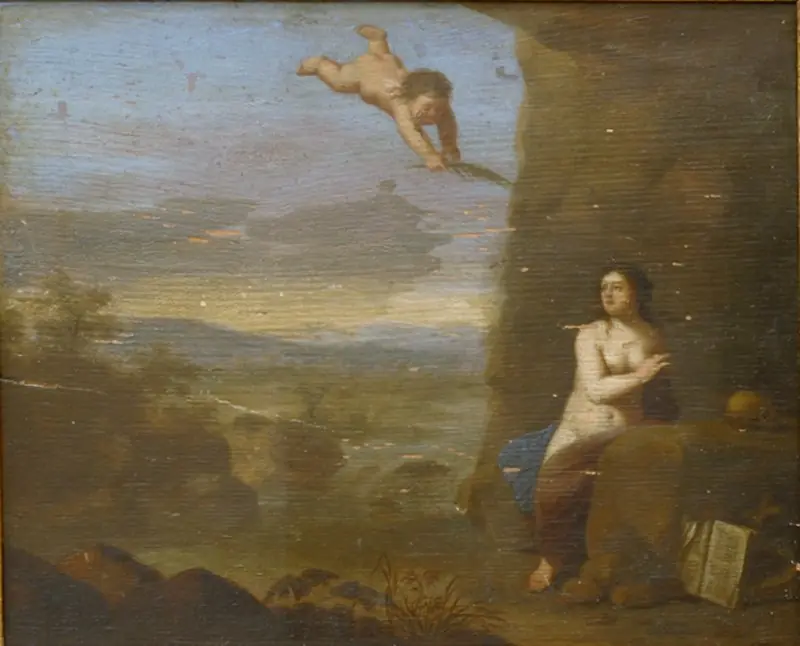
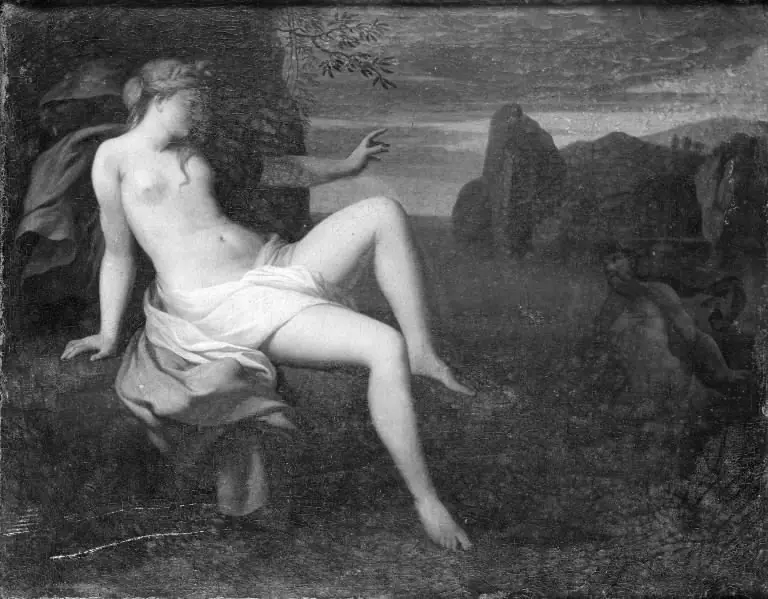
Procris, identified by name in the work’s description, is shown dying, the projectile emphasizing the sudden, violent nature of her demise.
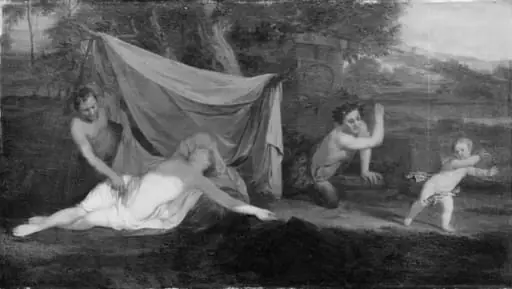
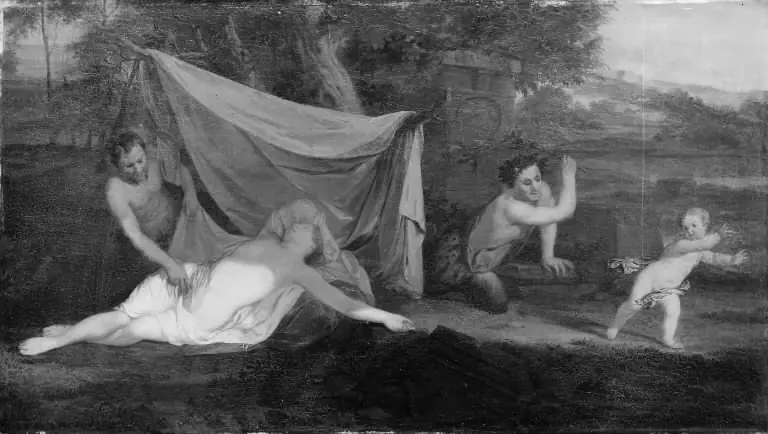
The painting portrays the figure Procris in the instant she is struck down by an arrow. Procris, identified by name in the work’s description, is shown dying, the projectile emphasizing the sudden, violent nature of her demise. The arrow functions as a clear symbol of the fatal wound that ends her life, directing the viewer’s attention to the moment of death. Consequently, the artwork represents a narrative of tragic mortality.
Technique & Style
The Dying Procris is an oil painting executed on copper support, measuring 27 cm in height and 35 cm in width, created in 1662 by Toussaint Gelton. The work depicts the mythological figure Procris in the moment of death, pierced by an arrow, rendered through oil paint applied to a metal support. Its composition and handling reflect Baroque sensibilities, with dramatic chiaroscuro and emotive gesture emphasizing the tragic narrative. The painting is housed in the collection of the Statens Museum for Kunst in Copenhagen.
The technique employed combines precise brushwork with layered glazing to achieve depth and luminosity on the reflective copper surface, a material choice that influenced both the visual effect and long-term preservation of the work. The formal qualities of the composition, including dynamic diagonal movement and intense emotional expression, align with late 17th-century French Baroque tendencies adapted in Northern European contexts.
History & Provenance
The Dying Procris was painted in 1662 by the French artist Toussaint Gelton on a copper support using oil paint. Measuring 27 cm in height and 35 cm in width, it depicts the mythological figure Procris struck by an arrow. The work’s earliest known provenance places it in the collection of the Statens Museum for Kunst in Copenhagen, where it remains today. No earlier owners or commission details are recorded in the available sources.
Overview
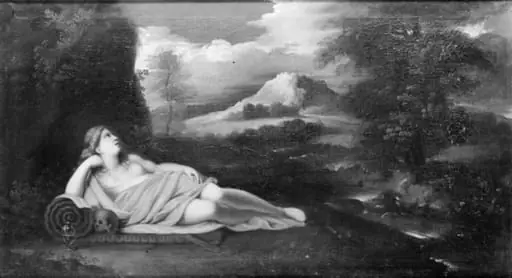
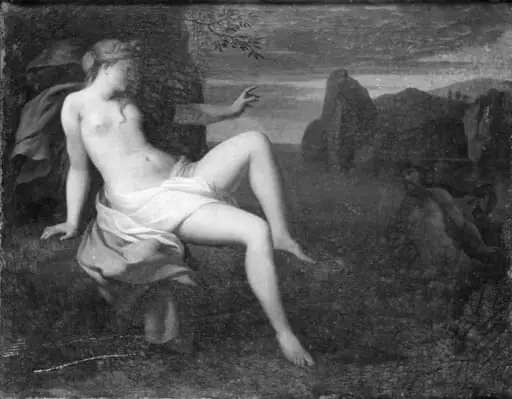
Created in 1662, The Dying Procris is a small-scale copper painting by Dutch-born artist Toussaint Gelton. Executed during the height of the Flemish Baroque, the work presents a solitary female figure lying in a wooded clearing, her body illuminated against a muted, atmospheric background. The piece is part of the permanent collection of Denmark’s Statens Museum for Kunst.
Artist & collection
Artist
Toussaint Gelton (1630 – 1680) was a Dutch painter known for his work buying paintings in 1658 for the Swedish king Charles X Gustav and the family of Swedish noble Magnus Gabriel de la Gardie.