Artwork
Büßende Magdalena
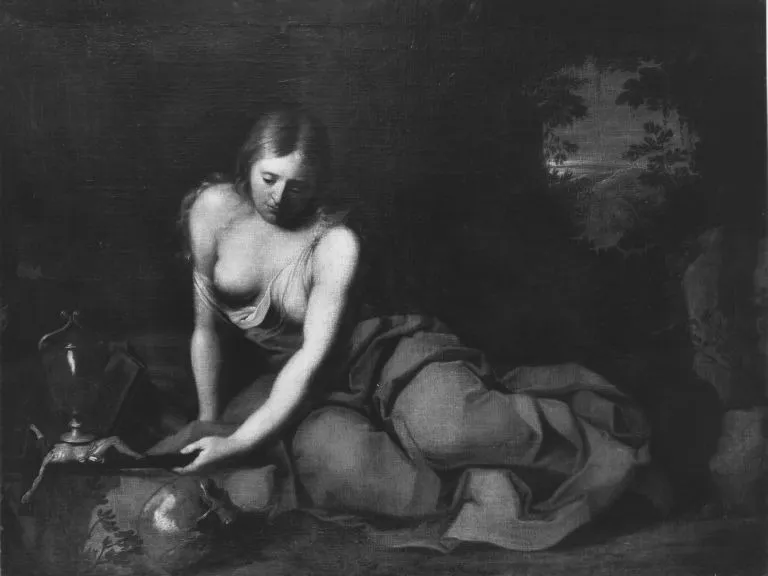
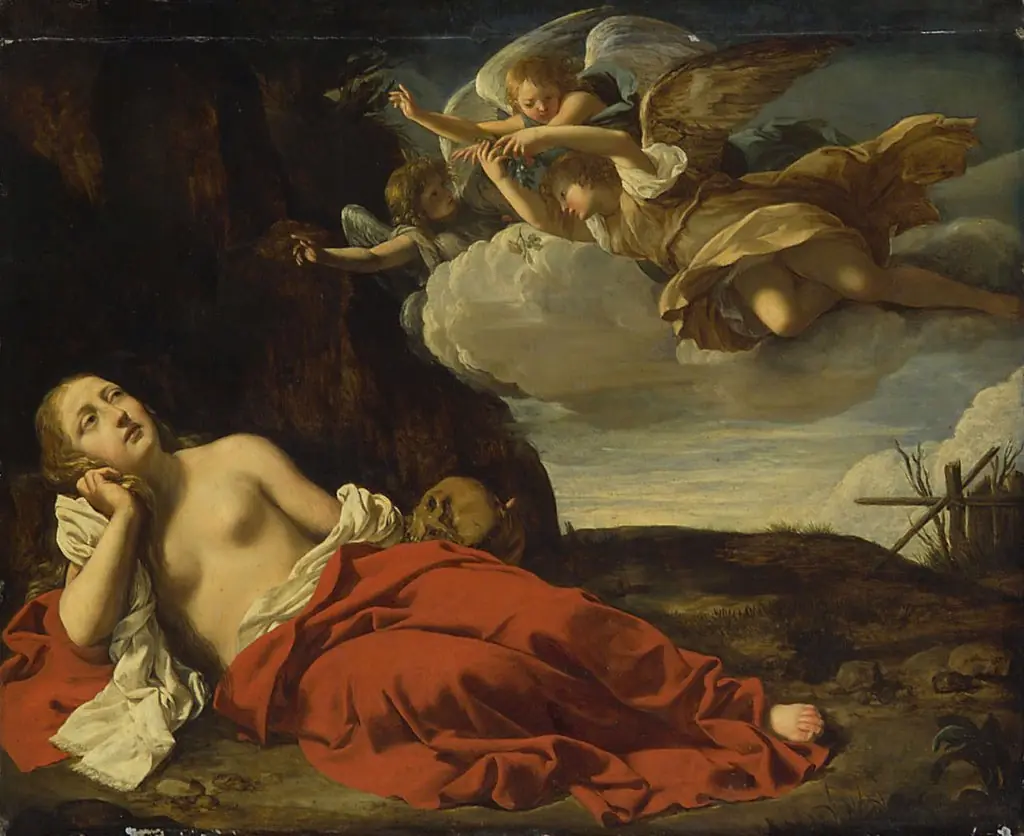
Büßende Magdalena is an unspecified painting by the Early Baroque Italian artist Guido Cagnacci. It dates from 1641 and is held in the collection of the Bavarian State Painting Collections.
About this work
Subject & Meaning
The classification of the piece as religious art underscores its function as a devotional image intended to inspire contemplation on these theological concepts.
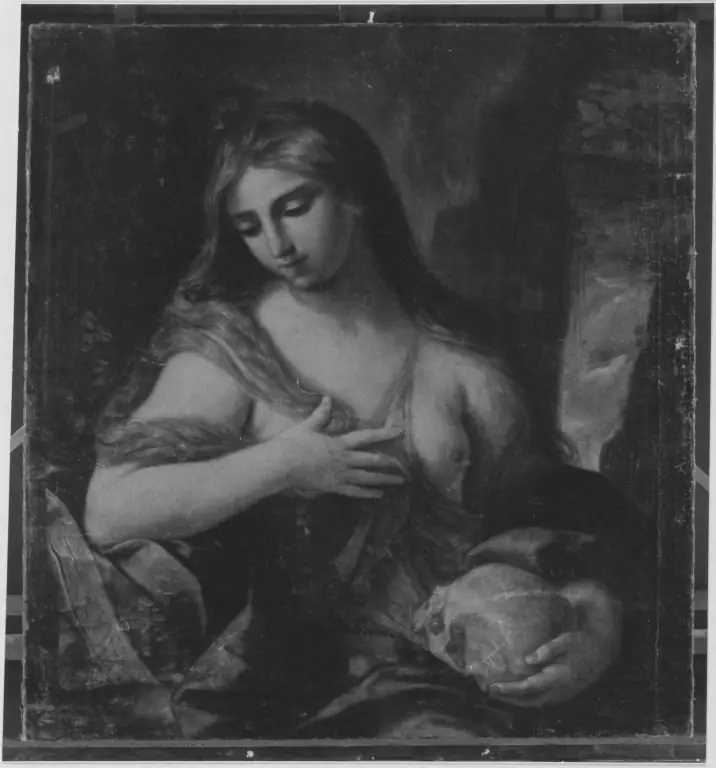
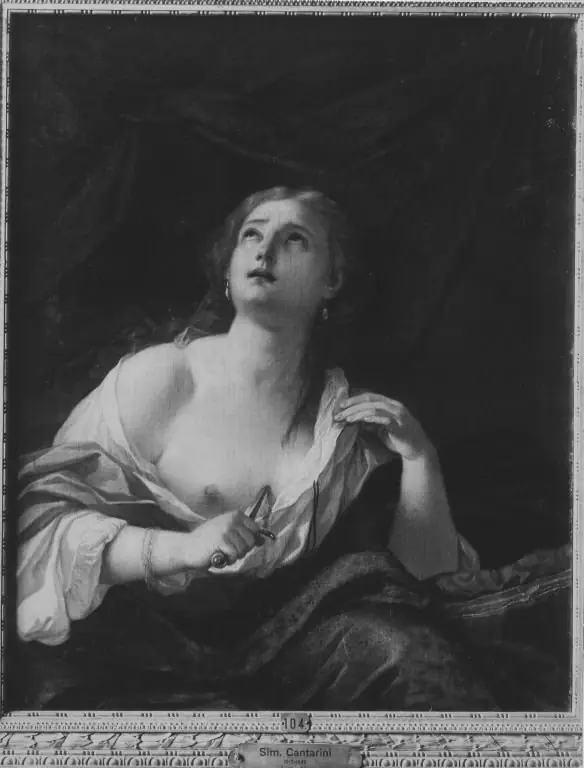
Painted in 1641 by Guido Cagnacci, this work depicts Mary Magdalene as the Penitent Magdalene, a specific iconographic type within religious art. The subject represents the biblical figure in a state of remorse and spiritual reflection following her conversion. By focusing on her penitence, the painting embodies themes of redemption, divine forgiveness, and the possibility of spiritual renewal through sorrow for past sins.
The classification of the piece as religious art underscores its function as a devotional image intended to inspire contemplation on these theological concepts.
Technique & Style
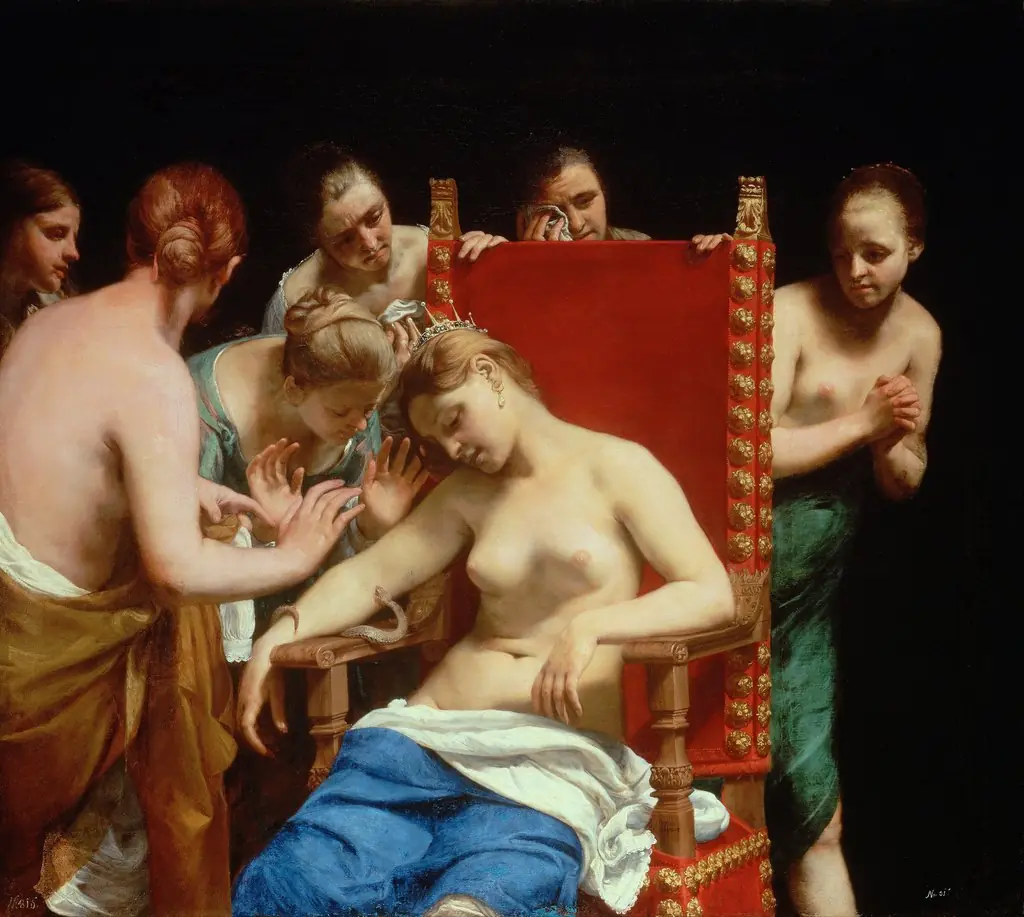
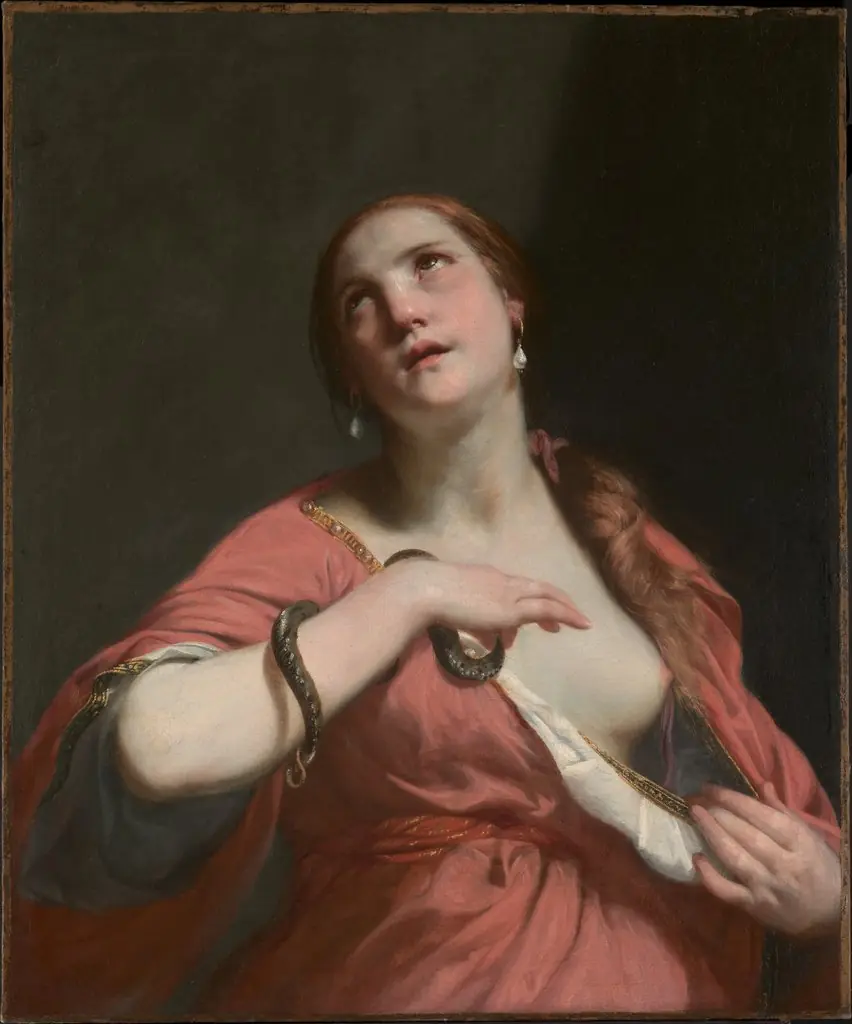
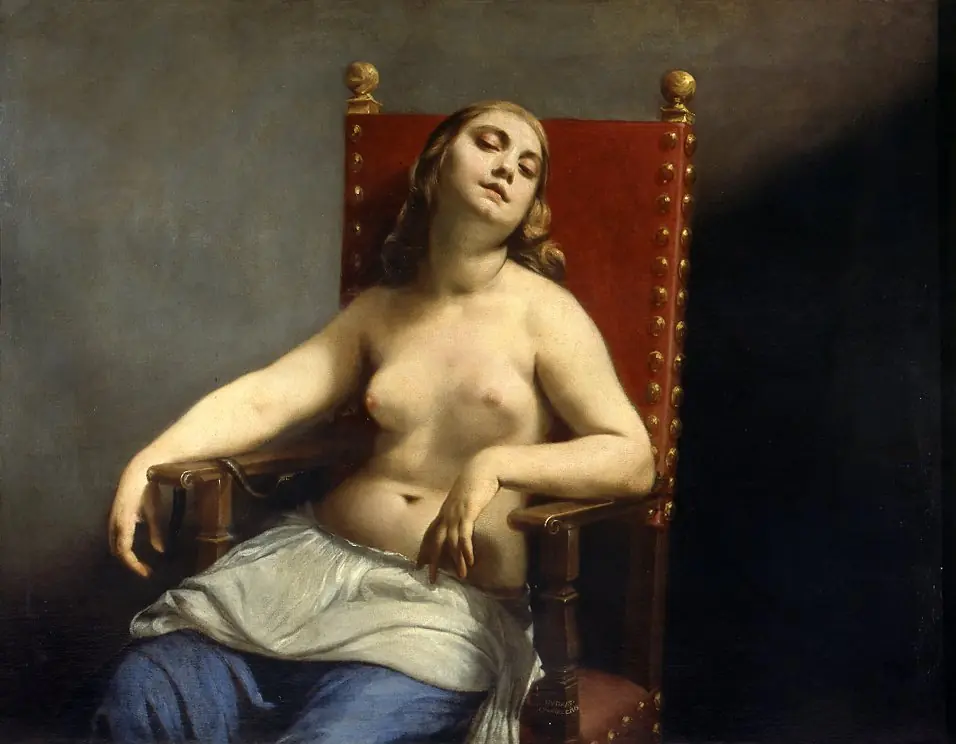
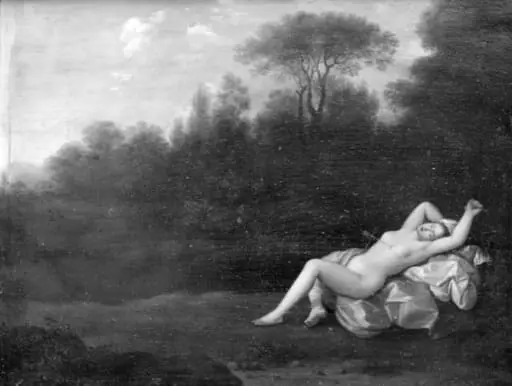
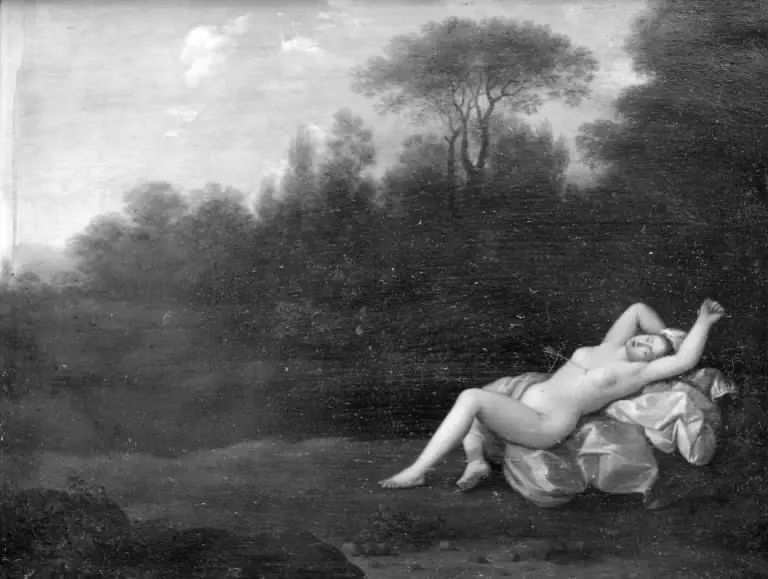
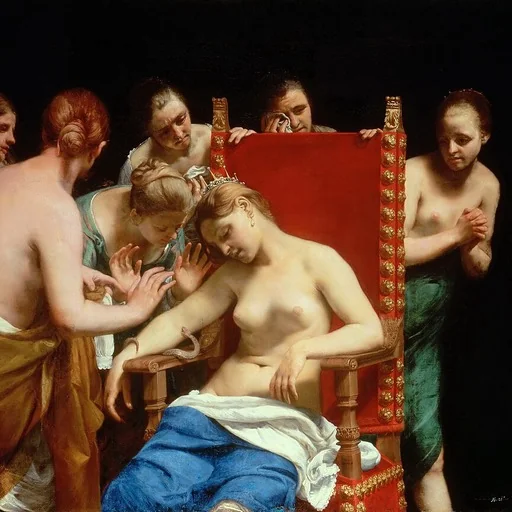
The work is executed in oil on canvas, a common support for 17th‑century religious paintings. Its dimensions are 122.8 cm in height by 162.5 cm in width, reflecting the large scale typical of devotional imagery. The composition portrays a penitent Magdalene in a moment of contemplation, rendered with chiaroscuro that emphasizes the figure’s emotional intensity and the texture of her drapery. The handling of light and shadow underscores the dramatic realism characteristic of Guido Cagnacci’s style.
History & Provenance
Created in 1641 by Guido Cagnacci, the painting depicts Mary Magdalene in a moment of penitence and was commissioned for religious purposes. It measures 162.5 cm in width and 122.8 cm in height. The work entered the collection of the Bavarian State Painting Collections and has been housed in the Alte Pinakothek since its acquisition.
Context
Critical reception of Büßende Magdalena has emphasized its powerful emotional intensity and dramatic realism, particularly in the portrayal of Mary Magdalene's penitential moment. Guido Cagnacci's work stands apart from his contemporaries through its psychological depth and unidealized physicality, reflecting Baroque innovations in narrative painting. The piece is situated within the broader context of 17th-century religious art in Rome and Northern Italy, where depictions of Magdalene evolved from traditional penitents to complex figures of spiritual transformation. Its composition and focus on embodied remorse influenced later artists exploring themes of conversion and divine mercy.
Overview
Created in 1641 by Italian Baroque artist Guido Cagnacci, the canvas known as Büßende Magdalena portrays a solitary female figure in a dimly lit interior. The composition centers on a woman seated amid deep shadows, her gaze lowered, embodying a moment of private contemplation. The work is part of the Alte Pinakothek’s holdings and exemplifies Cagnacci’s mature period.
Artist & collection
Artist
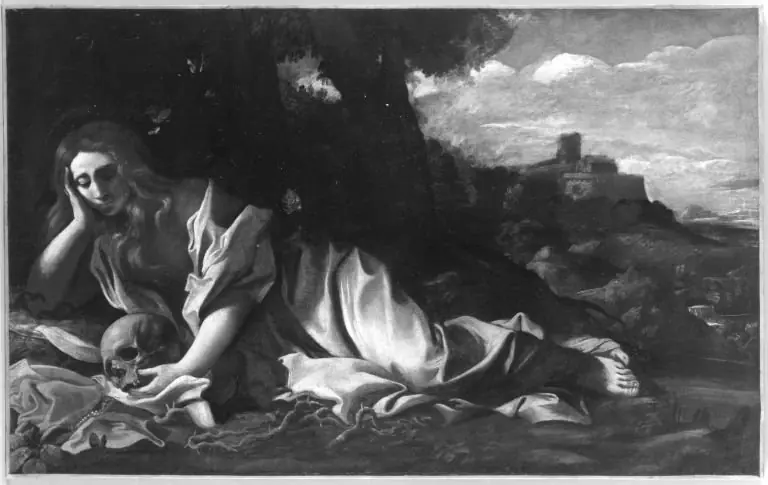
Guido Cagnacci (Italian:; 13 January 1601 – 1663) was an Italian Baroque painter originally from Santarcangelo di Romagna.