Artwork
The Junction of the Thames and the Medway
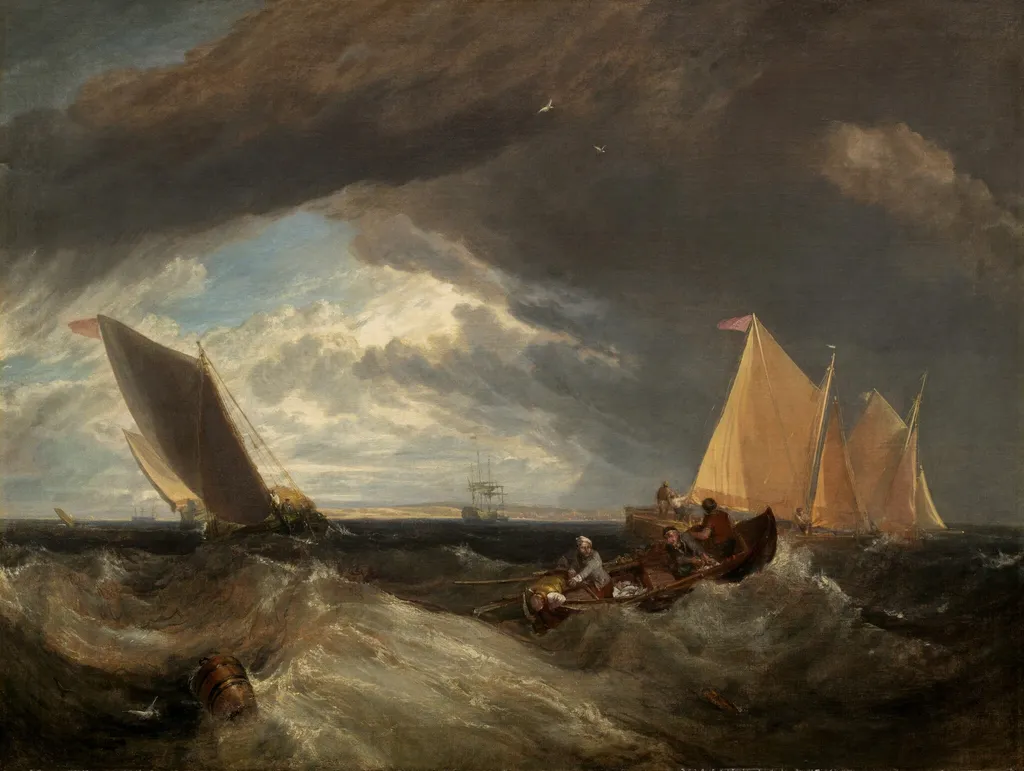
The Junction of the Thames and the Medway is an oil painting by the Romanticist artist Joseph Mallord William Turner. It dates from 1807 and is held in the collection of the National Gallery of Art. J.
- Inscription
- Inscribed:on reverse of lining canvas in black ink: The Junction of the / THAMES and MEDWAY, from the / NOREBUOY, with a distant view / of SHEERNESS and the Isle of SHEPPY. / Painted by J.W.M. [sic] TURNER Esq r RA / In o [sic] Newington Hughes Esq.r.; below: No54
About this work
Subject & Meaning
The composition aligns with Dutch marine precedents admired by Turner, emphasizing the rivers' navigational importance rather than a specific historical event.
Turner's 1807 painting depicts the confluence of the Thames and Medway rivers, a site freighted with Britain's maritime and military significance during the Napoleonic era. The composition aligns with Dutch marine precedents admired by Turner, emphasizing the rivers' navigational importance rather than a specific historical event. The absence of overt allegory shifts meaning toward a broader meditation on national power and commercial vitality, expressed through the rivers' convergence and the bustling boat traffic that signals Britain's imperial reach.
The atmospheric handling underscores the sublime forces of nature harnessed by human enterprise, aligning the scene with contemporary ideals of progress and British naval ascendancy.
Technique & Style
Created in 1807, The Junction of the Thames and the Medway is executed in oil paint on a canvas support measuring 108.8 by 143.7 centimeters. The work is classified as a marine painting that depicts a boat within a riverine landscape. Stylistically, the composition reflects the influence of seventeenth-century Dutch seascapes, a characteristic trait of Turner's early nautical works.
The piece was originally displayed in the artist's private studio gallery on Queen Anne Street in Marylebone rather than at the Royal Academy's Summer Exhibition.
History & Provenance
Completed in 1807, this oil painting was likely purchased directly from Joseph Mallord William Turner's Queen Anne Street gallery by Thomas Lister Parker of Brownsholme Hall, Yorkshire. The work entered the market shortly after, being bought in at a Christie's sale in March 1811. By 1826, John Newington Hughes owned the piece, which was subsequently sold at Christie's in April 1848 to Thomas Rought.
Rought quickly transferred it to Joseph Gillott of Birmingham later that same month. Following Gillott's death, the painting was auctioned in April 1872, where dealers Thos. Agnew & Sons acquired it for Richard Hemming.
After passing through Hemming's estate and returning to Agnew's in 1892, the work moved through Wallis & Son before John G. Johnson facilitated its purchase by Peter A.B. Widener in March 1894. Widener's son, Joseph E., eventually gifted the canvas to the National Gallery of Art in 1942, where it remains.
Context
Painted in 1807, The Junction of the Thames and the Medway belongs to a body of early marine works in which Turner drew on the conventions of seventeenth-century Dutch seascape painting. Rather than exhibiting the canvas at the Royal Academy's Summer Exhibition, Turner displayed it in his own gallery at Queen Anne Street in Marylebone, a private commercial strategy he used for several works during this period.
The painting's provenance has attracted scholarly attention, most notably in David Hill's 1975 Burlington Magazine article, which clarified Turner's relationship with the early patron Thomas Lister Parker of Brownsholme Hall. The work later entered the collection of Peter A.B. Widener and was given to the National Gallery of Art in 1942, where it remains a touchstone example of Turner's pre-Romantic nautical style.
Legacy
The painting was exhibited in Turner's private studio gallery at Queen Anne Street, a departure from the Royal Academy's Summer Exhibition, underscoring its importance to the artist.
After changing hands through several owners, it entered the National Gallery of Art, Washington, D.C., in 1942, marking its acceptance into a major public collection.
Scholars have highlighted its significance in Turner's early marine output and its role in shaping his reputation as a leading painter of coastal scenes. The work is catalogued in major databases as a seminal example of early 19th-century marine art.
Overview
J.M.W. Turner's 1807 oil painting, The Junction of the Thames and the Medway, captures a tranquil confluence of two significant English rivers. This landscape work illustrates the meeting point of the Thames and its tributary, the Medway, presenting a serene maritime vista. It exemplifies Turner's early engagement with nautical themes and his developing artistic approach to natural environments.
Own this work as a print
Artist & collection
Artist
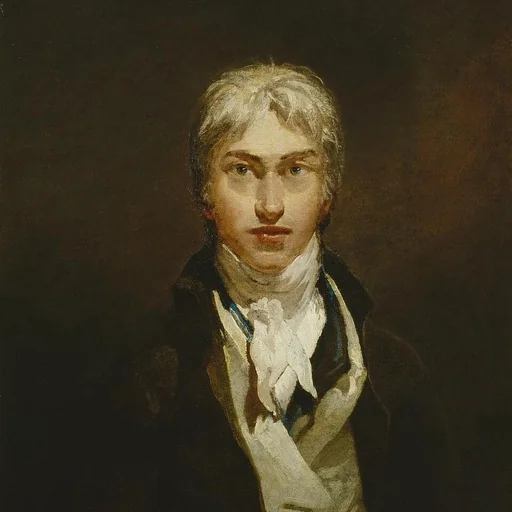
Joseph Mallord William Turner was born in 1775 at Maiden Lane, Covent Garden, where his father kept a barber and wig-making shop.

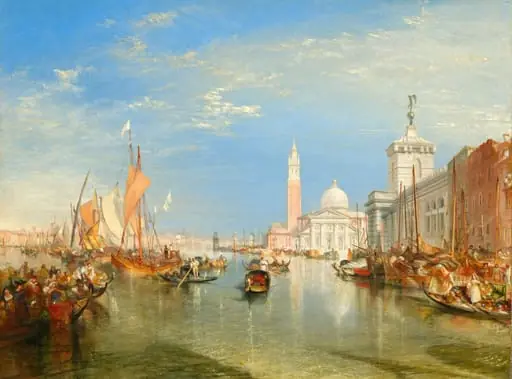
- Sheerness and the Isle of Sheppey (after J.M.W. Turner)
 After the Storm
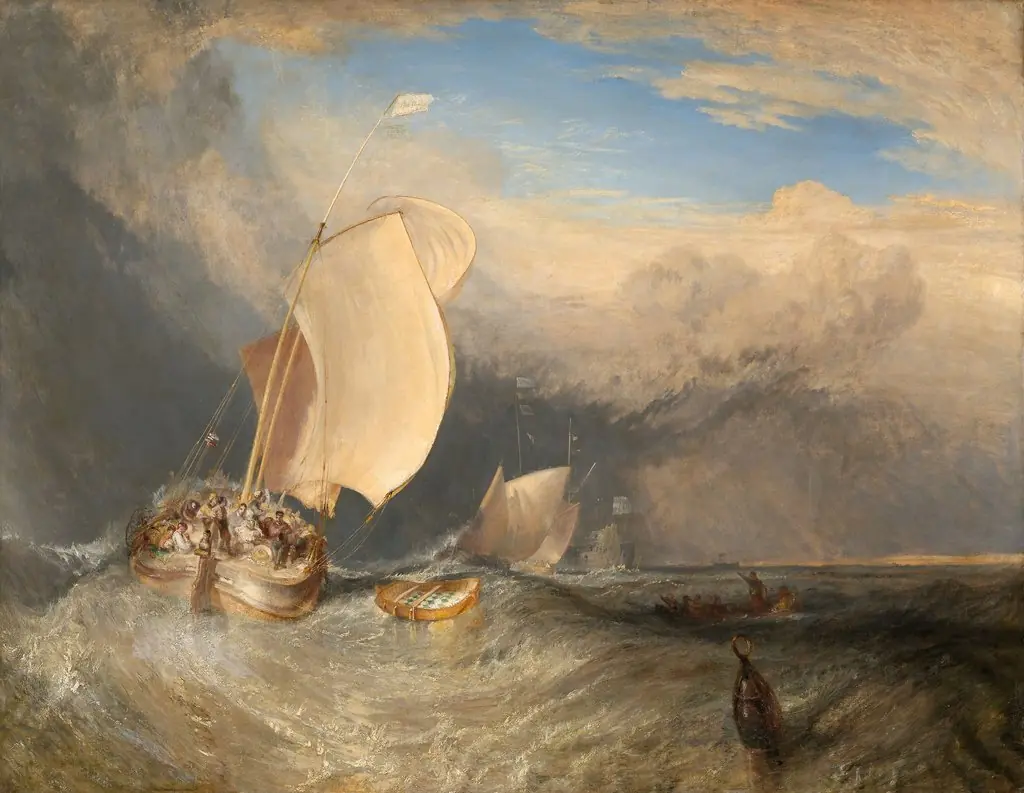 Fishing Boats with Hucksters Bargaining for Fish
 Fishing Boats with Hucksters Bargaining for Fish
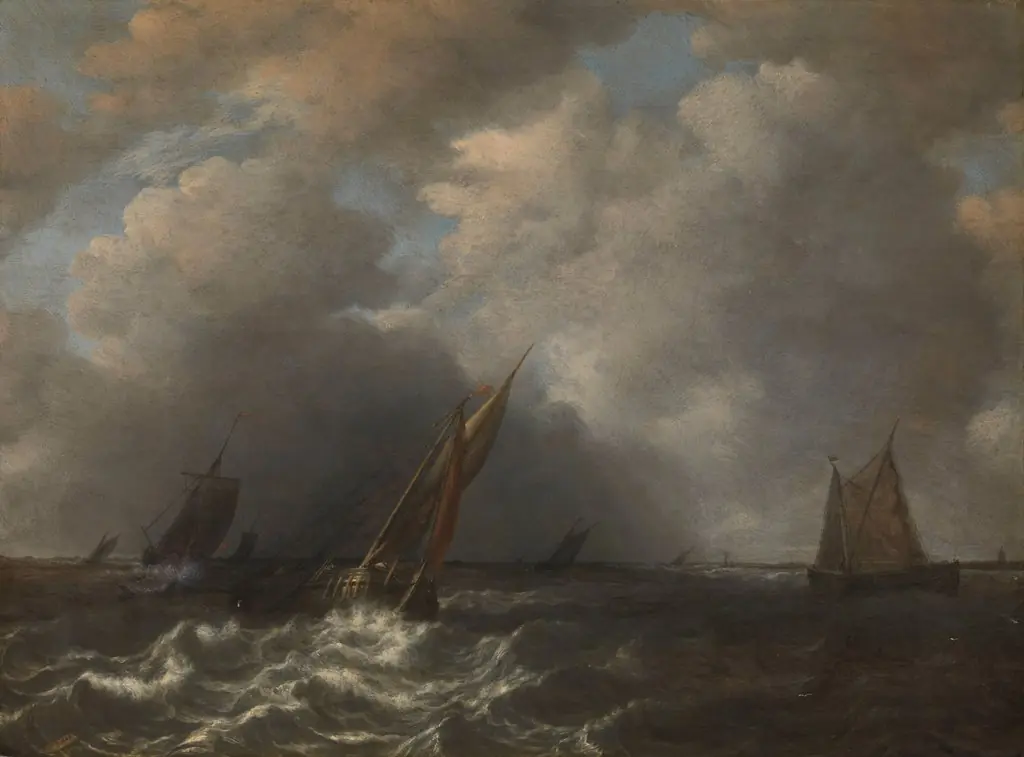 Storm on the Meuse River
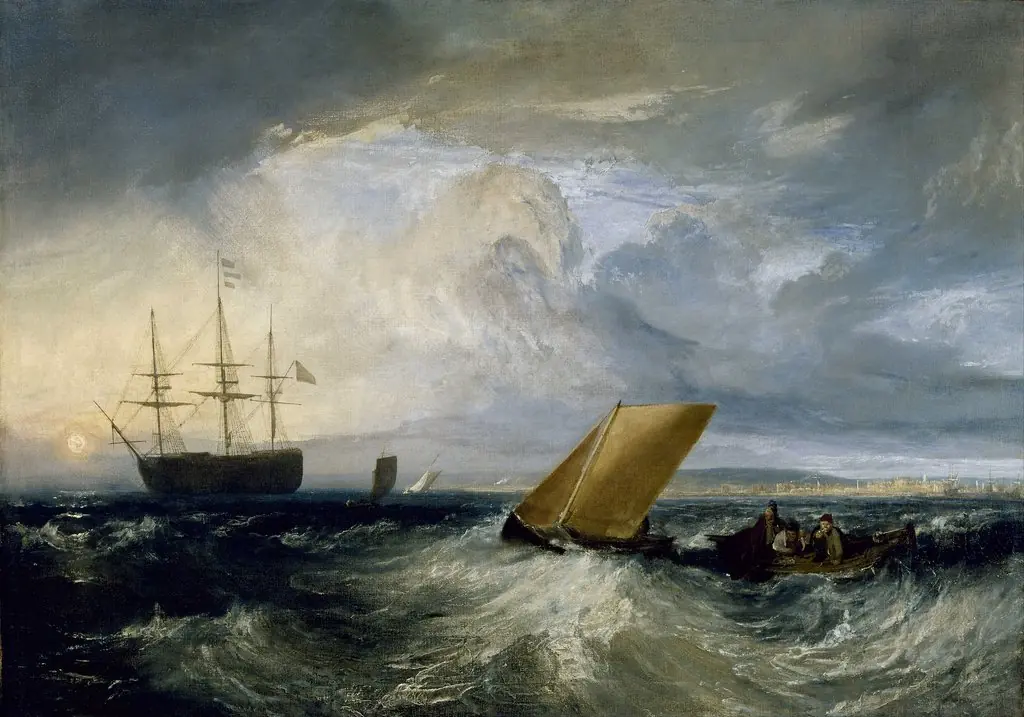 Sheerness as seen from the Nore
 Untitled
 Bewegte See mit Fischerbooten
 Fishing Boats Tossed before a Storm
 Seestück