Artwork
明 佚名 仿趙伯駒 春江行舟圖 團扇|Seascape
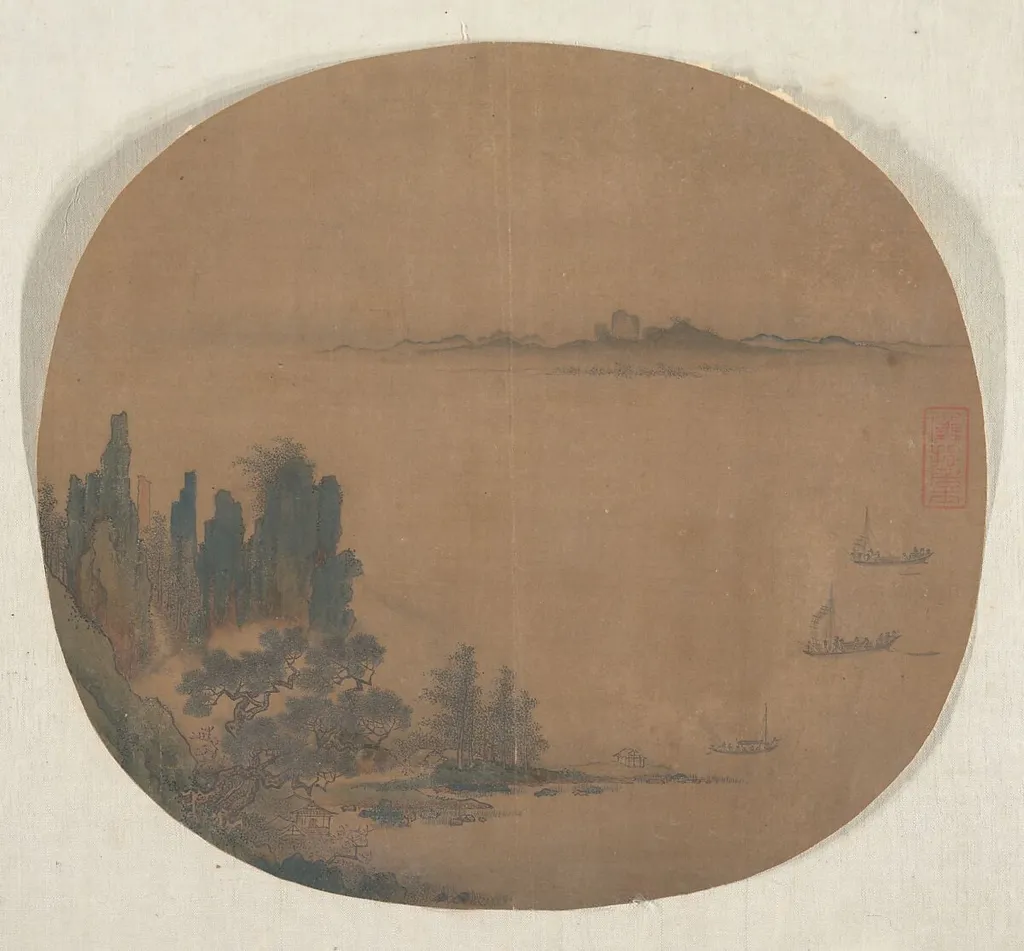
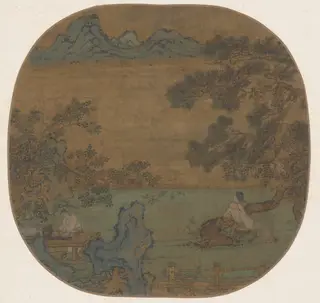
明 佚名 仿趙伯駒 春江行舟圖 團扇|Seascape is an ink painting. It dates from 1506 and is held in the collection of the Metropolitan Museum of Art. This album leaf, originally a fan, depicts a tranquil seascape.
About this work
Subject & Meaning
The artwork is executed in ink and color on silk, originally formatted as a fan before being mounted as an album leaf.
Created in 1506 by an anonymous Chinese artist, this work is classified as marine art. The painting depicts a boat, serving as the primary visual subject within the composition. While the title references a imitation of Zhao Boju and suggests a spring river setting with a traveling vessel, the available records specifically confirm the depiction of a boat within a marine genre context.
The artwork is executed in ink and color on silk, originally formatted as a fan before being mounted as an album leaf. The specific iconographic details beyond the presence of the vessel and the general marine classification are not elaborated upon in the provided documentation, nor is there explicit information regarding deeper symbolic meanings or representational intent associated with the scene.
Technique & Style
Created in 1506 by an anonymous Chinese artist, this work is executed in ink and color on silk. Although originally a round fan (tuanshan), the support has been mounted as an album leaf. The painting measures approximately 23.8 cm in height and 26.0 cm in width.
Stylistically, the piece is classified as a marine genre scene, depicting a boat within a seascape setting. The composition reflects the tradition of imitating the style of Zhao Boju, as indicated by its title, utilizing the fine brushwork and vibrant coloring characteristic of silk fan paintings from the Ming dynasty.
History & Provenance
The painting, a fan mounted as an album leaf executed in ink and color on silk, was created in China in 1506 by an anonymous artist working in the manner of Zhao Boju. It entered the collection of the Metropolitan Museum of Art, where it is identified by accession number 47.18.36. No information regarding an earlier ownership chain, commission, or pre-institutional provenance is documented in the available sources.
Legacy
The painting 明 佚名 仿趙伯駒 春江行舟圖 團扇|Seascape, dated 1506 and catalogued as a marine fan leaf in the Metropolitan Museum of Art, exemplifies early Qing anonymous imitation of Zhao Bicui’s style. Its presence in a major Western museum has drawn sustained scholarly interest, positioning it as a reference point for studies of anonymous Chinese fan art and marine genre development. The work’s attribution to an unnamed hand and its faithful rendering of a boat scene have informed later analyses of anonymity in Chinese visual culture, reinforcing its reputation as a key example of cross‑cultural artistic exchange.
Overview
This album leaf, originally a fan, depicts a tranquil seascape. Executed in ink and color on silk during the Ming dynasty by an anonymous artist, it is titled Seascape (or Spring River Boats). The work emulates the style of Zhao Boju, presenting a serene maritime scene with subtle details. Its original fan format contributes to the expansive feel of the water.
Context
Created during the Ming dynasty, this work by an unknown artist exemplifies the practice of emulating earlier masters. The specific reference to Zhao Boju indicates an engagement with historical painting styles, a common practice that allowed artists to demonstrate their skill and reverence for tradition. Such imitations were not merely copies but often reinterpretations, contributing to the ongoing dialogue within Chinese art history.
Artist & collection

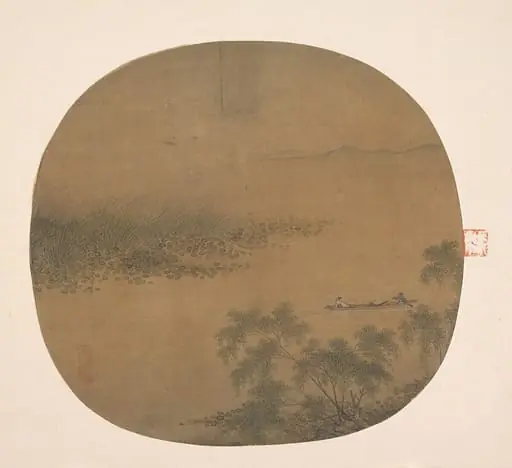 南宋 佚名 泛舟柳塘圖 團扇|Boating by a Willow Bank
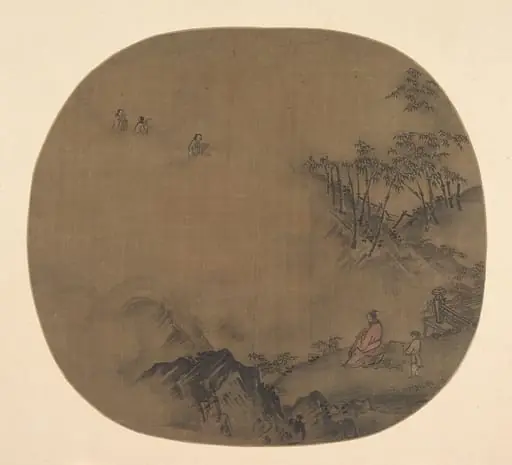 Untitled
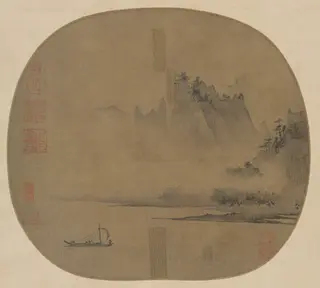 Full Sail on the Misty River
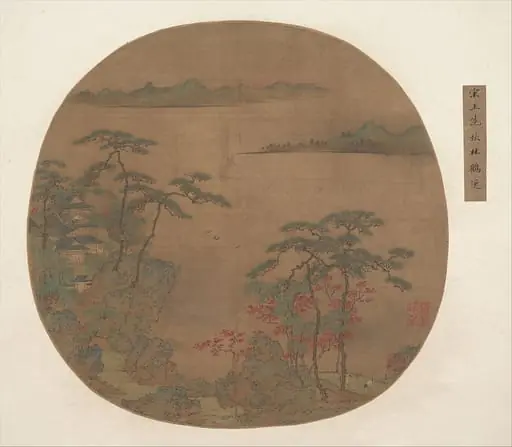 Untitled
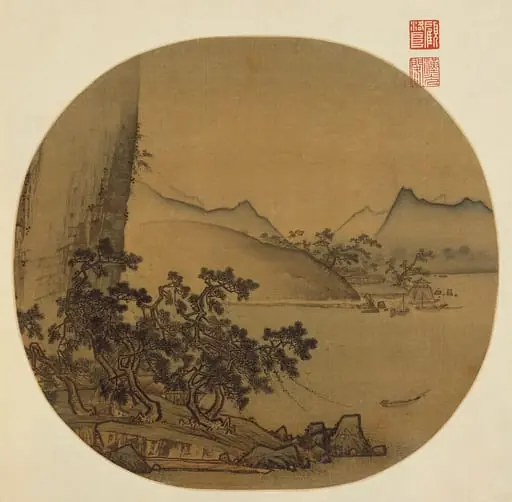 南宋 佚名 舊傳閻次于 風雨維舟圖 團扇|Boats Moored in Wind and Rain
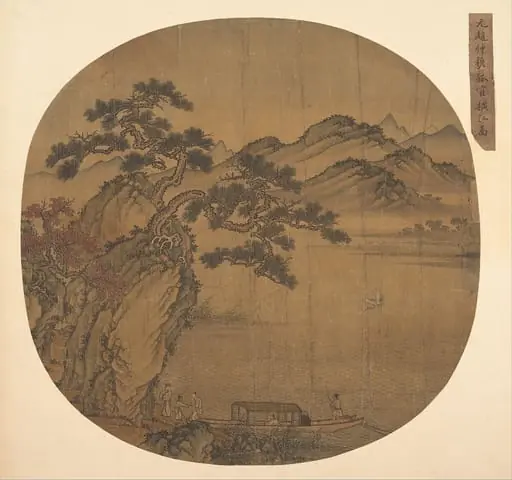 元/明 佚名 舊傳趙雍 倣盛懋 蘇軾後赤壁賦圖 團扇|元/明 佚名 後赤壁賦圖 扇|Illustration of Su Shi's "Second Ode on the Red Cliff"
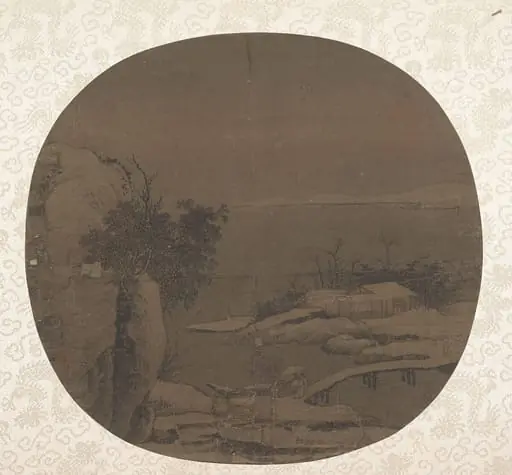 明? 佚名 舊傳燕文貴 雪橋送別 扇|Bridge in Snow
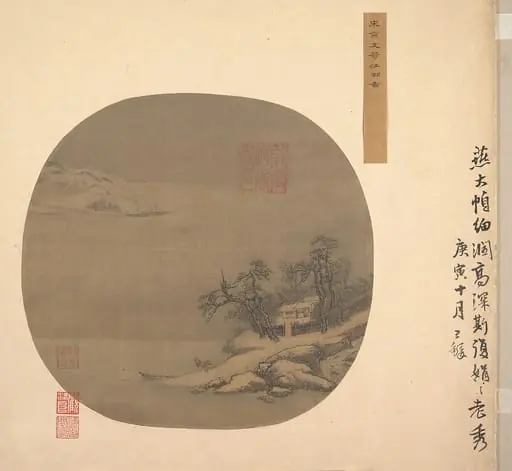 南宋 佚名 江邨圖 團扇|River Hamlet
 Landscape with Poet Tao Yuanming (365–472 CE)