Artwork
明? 佚名 舊傳燕文貴 雪橋送別 扇|Bridge in Snow
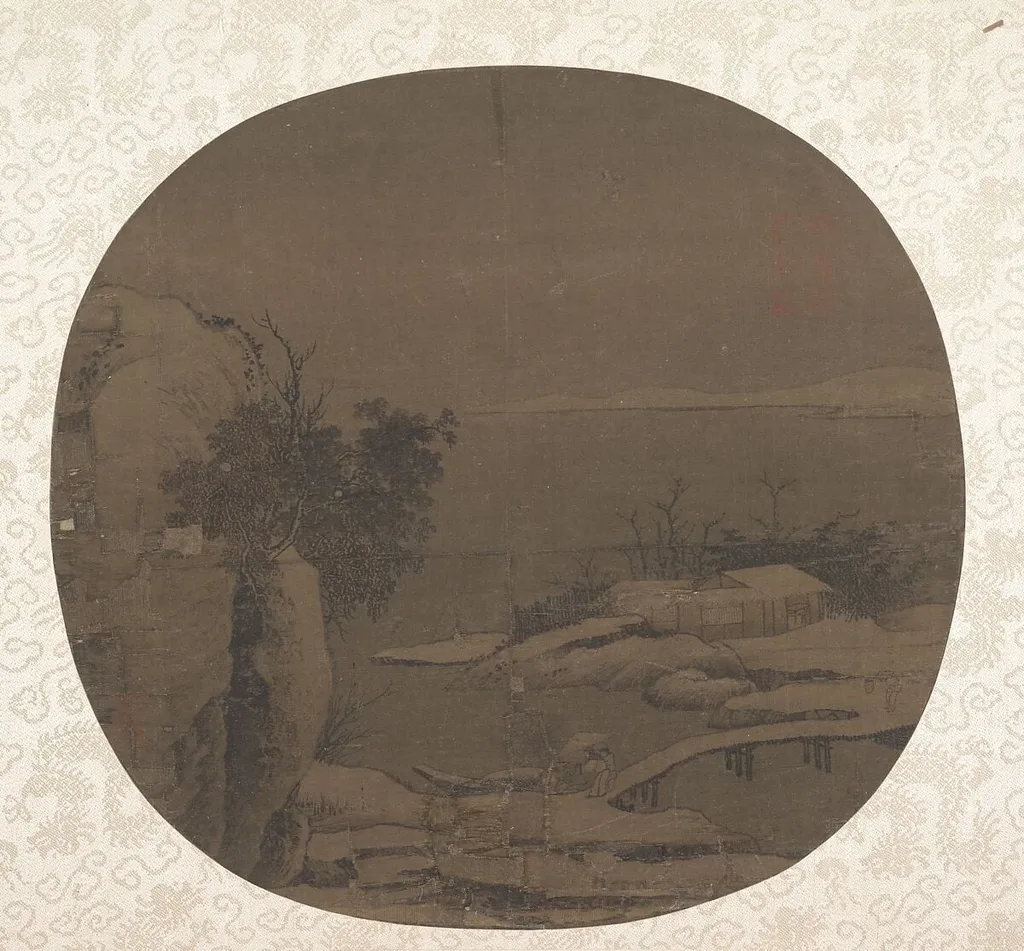
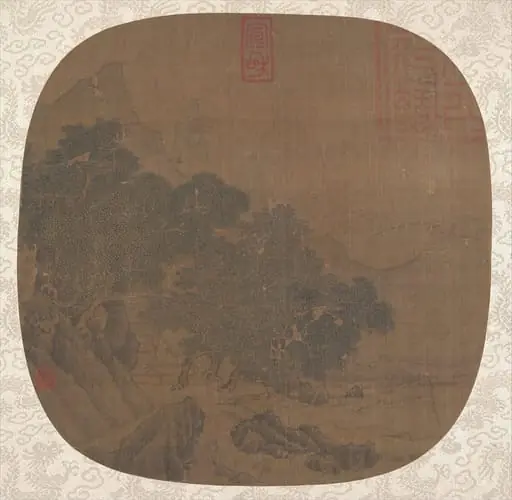
明? 佚名 舊傳燕文貴 雪橋送別 扇|Bridge in Snow is an ink painting. It dates from 983 and is held in the collection of the Metropolitan Museum of Art. This painting, titled Bridge in Snow, is rendered with ink and color on silk, originally a fan that has since been mounted as an album leaf.
About this work
Subject & Meaning
It belongs to the Chinese landscape tradition of the late tenth century and is classified as a landscape painting.
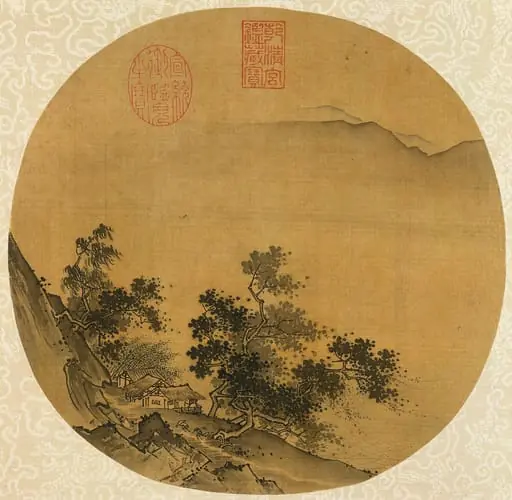
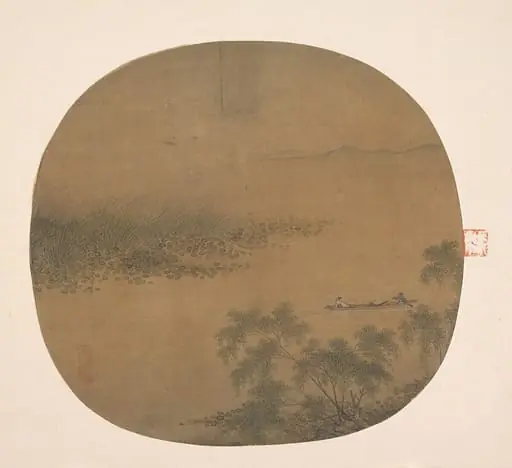
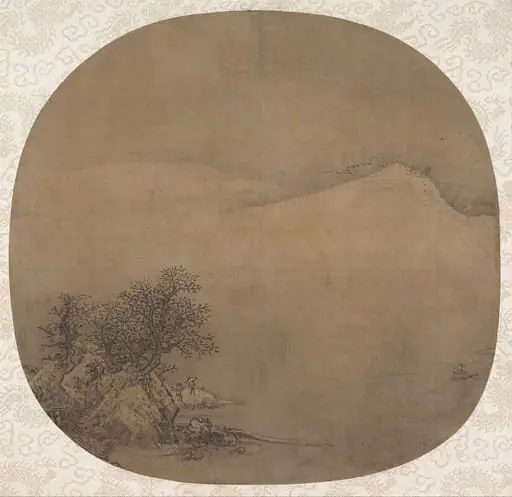
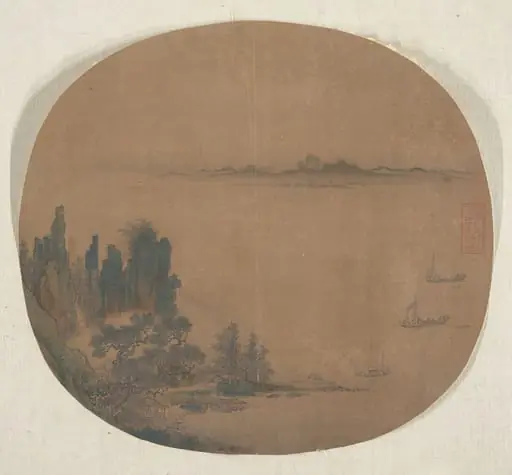
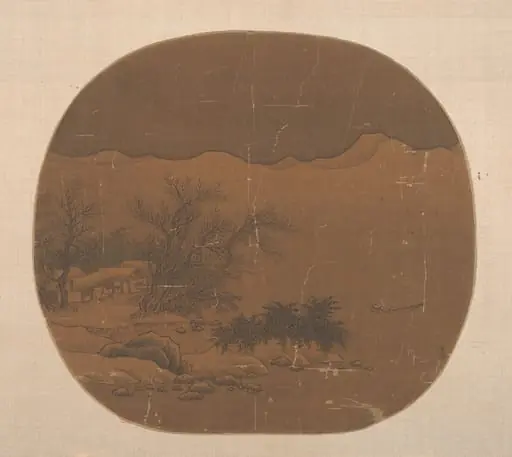
The painting shows a solitary bridge spanning a frozen river under a snowfall, rendered in ink and color on silk. It belongs to the Chinese landscape tradition of the late tenth century and is classified as a landscape painting. The depiction of a bridge in winter snow functions as a visual motif that emphasizes transitory seasonal conditions and the quiet stillness of the natural world. The work is part of the Metropolitan Museum of Art collection and was created anonymously in China.
Technique & Style
The work is a late‑10th‑century Chinese fan mounted as an album leaf, painted in ink and color on silk. Its support is silk, and the medium combines linear ink delineation with subtle pigment washes to render a snow‑covered bridge within a landscape format measuring approximately 24.8 × 26.0 cm. Executed by an anonymous painter in China, the piece exemplifies a restrained, atmospheric approach to landscape imagery, using delicate brushstrokes and muted tonal transitions to suggest depth and seasonal ambience. The condition is stable, with the silk support intact and pigments well‑preserved.
Overview
This painting, titled Bridge in Snow, is rendered with ink and color on silk, originally a fan that has since been mounted as an album leaf. It depicts a serene, snow-covered landscape centered around a bridge. The composition evokes a sense of profound quietude and stillness, characteristic of winter scenes in traditional Chinese art. The absence of human figures contributes to the tranquil atmosphere.
Context
While the artwork is currently attributed to an unidentified artist, its style has historically been associated with the tradition of Yan Wengui, a prominent landscape painter of the Five Dynasties period. The precise dating of the work is also uncertain, with scholars tentatively placing its creation within the Ming dynasty. This evolving attribution reflects the complexities of art historical scholarship for works from this era.
Artist & collection