Artwork
清 佚名 傳姚文瀚 歷代帝王真像 冊|Portraits of Emperors of Successive Dynasties
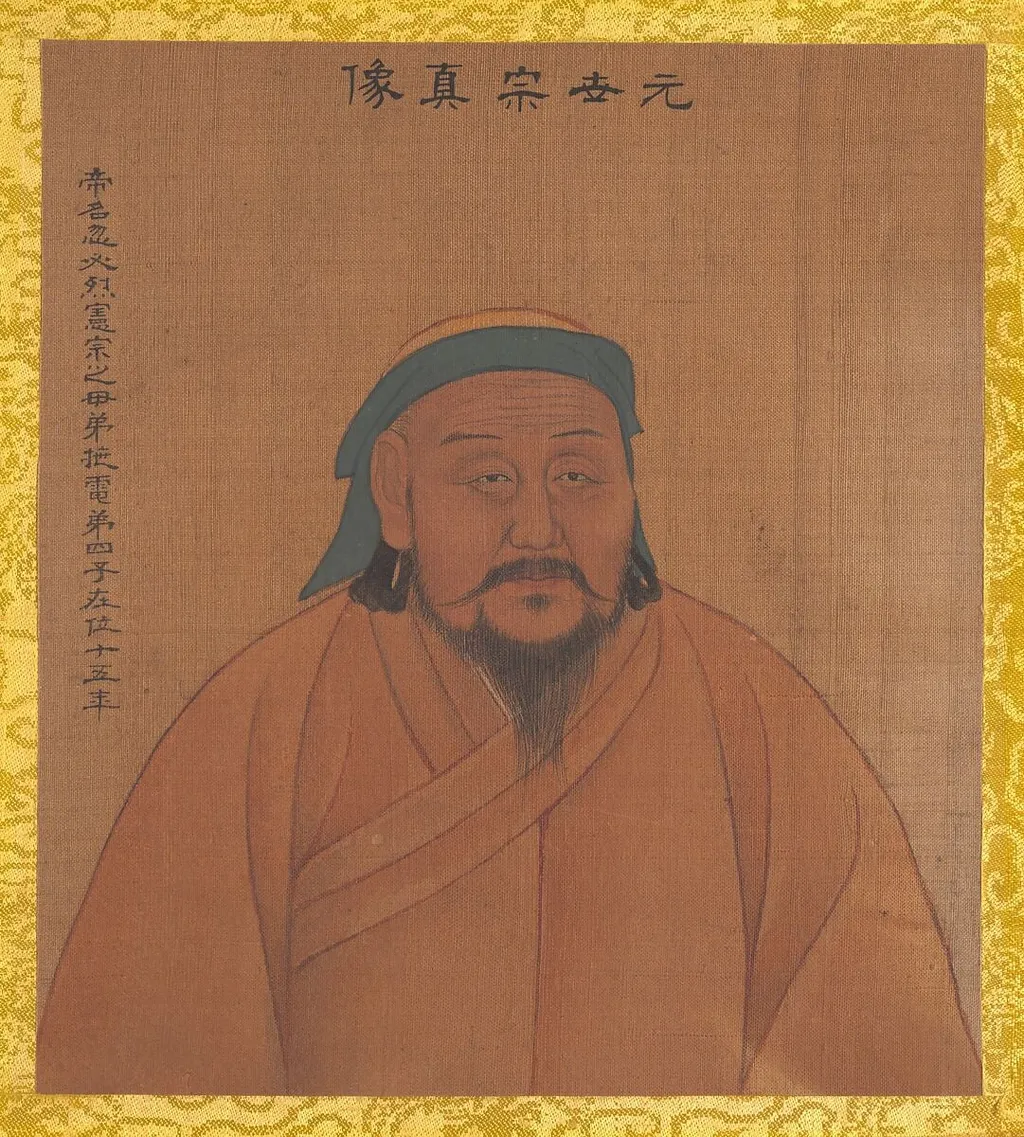
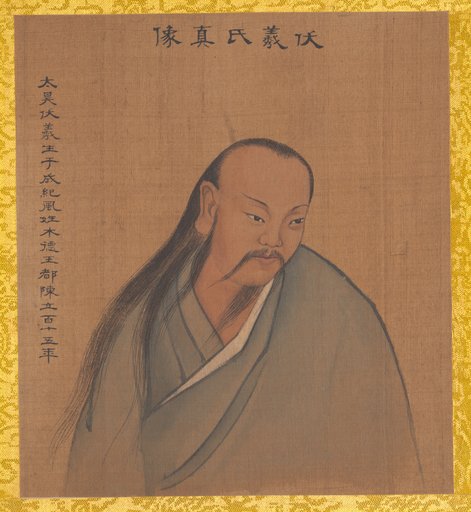
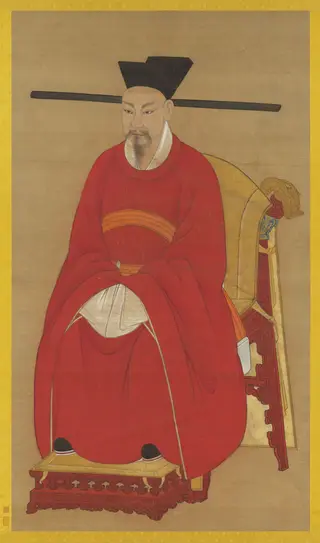
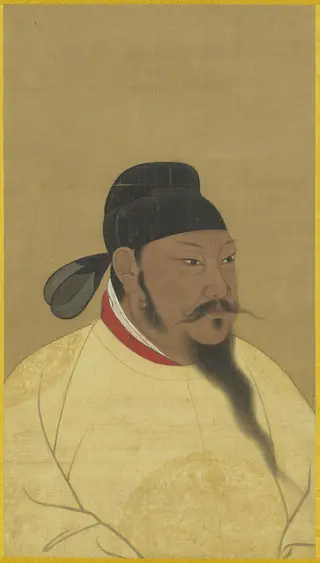
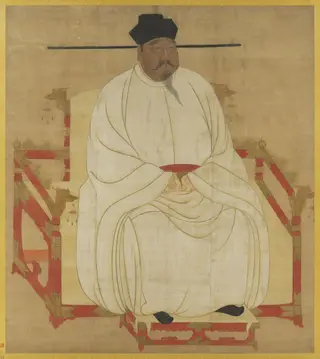
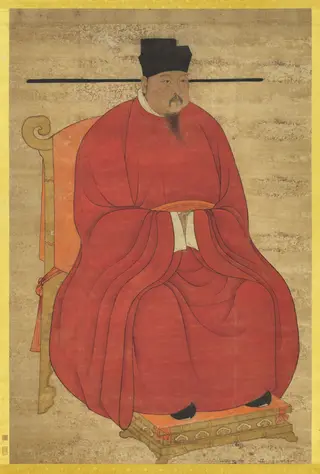
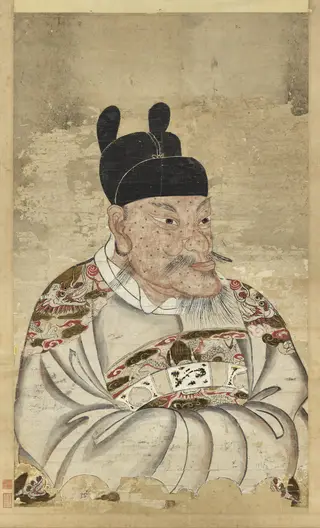
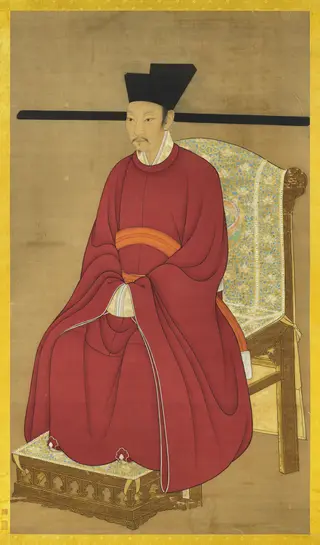
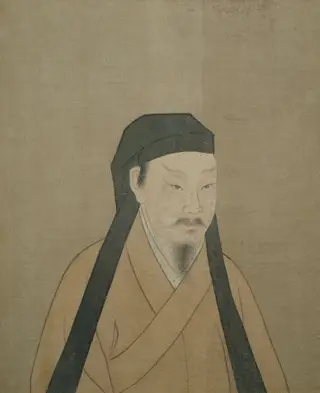
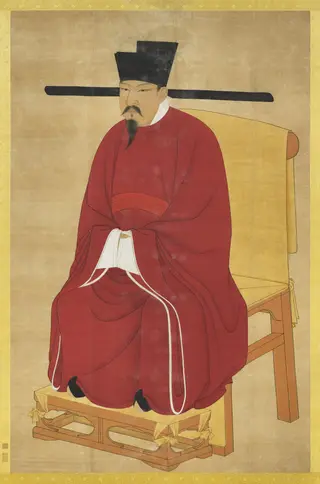
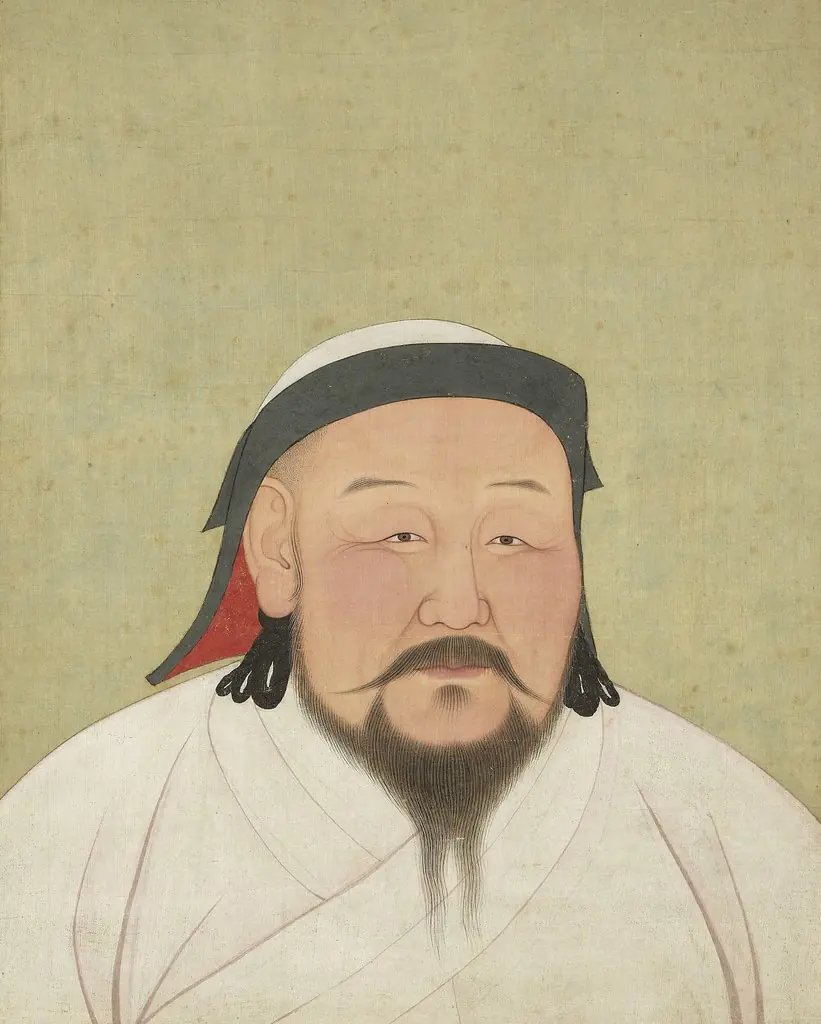
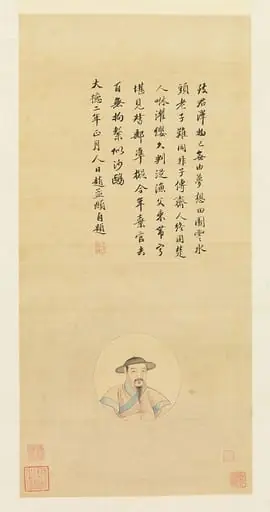
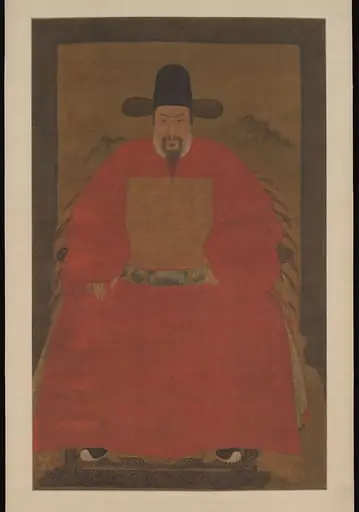
清 佚名 傳姚文瀚 歷代帝王真像 冊|Portraits of Emperors of Successive Dynasties is an ink painting by the Chinese Orthodox School artist After Yao Wenhan. It dates from 1916 and is held in the collection of the Metropolitan Museum of Art. Portraits of Emperors of Successive Dynasties is an album composed of twenty individual paintings rendered in ink and color on silk.
About this work
Overview
Portraits of Emperors of Successive Dynasties is an album composed of twenty individual paintings rendered in ink and color on silk.
Portraits of Emperors of Successive Dynasties is an album composed of twenty individual paintings rendered in ink and color on silk. Attributed to the style of Yao Wenhan, this Qing Dynasty work presents a series of historical figures. Each leaf within the album features a distinct imperial likeness, collectively forming a visual record of China's past rulers. The artwork serves as both an artistic endeavor and a historical document.
Subject & Meaning
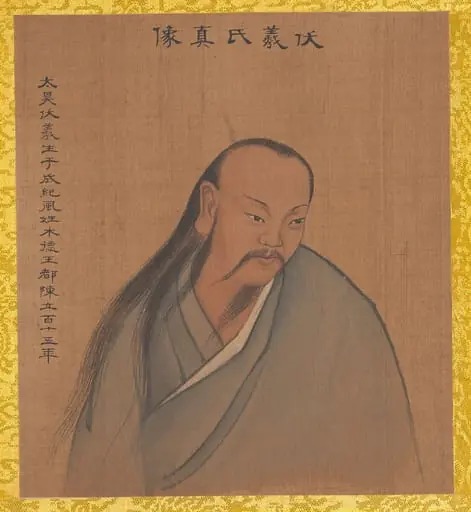
This album systematically presents twenty portraits of Chinese emperors, each depicted with a composed expression and distinct attire, including various robes and headwear. Beyond mere representation, the collection functioned as a didactic tool, intended to instruct viewers on the lineage of past rulers. The artist's method involved replicating earlier imperial images, thereby preserving and transmitting historical memory through visual means.
Technique & Style
Executed with ink and vibrant colors on delicate silk, each portrait in the album demonstrates meticulous attention to detail. The medium's inherent qualities allow for fine lines and subtle gradations, contributing to the serene yet authoritative presence of each emperor. Despite the passage of time, the colors retain their intensity, underscoring the enduring quality of the materials and the careful preservation of the artwork.
Context
The creation of "Portraits of Emperors of Successive Dynasties" reflects a long-standing tradition in Chinese art of documenting imperial lineage. Such albums were crucial for historical education and reinforcing dynastic continuity. By drawing upon older visual sources, the artist participated in a practice of historical transcription, ensuring that the visages of past emperors remained accessible and recognizable across generations.
Legacy
This album exemplifies how portraiture across diverse cultures often serves to articulate and reinforce power structures. The depiction of each emperor, with his specific regalia and composed demeanor, communicates authority and historical significance. For those interested in the cultural representation of leadership, examining how different societies visually convey power through facial depictions and symbolic attributes offers a comparative perspective.
Artist & collection