Artwork
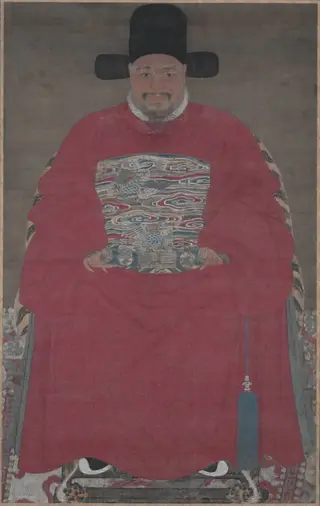
明 佚名 人物肖像 圖 鏡面|Portrait of a Gentleman
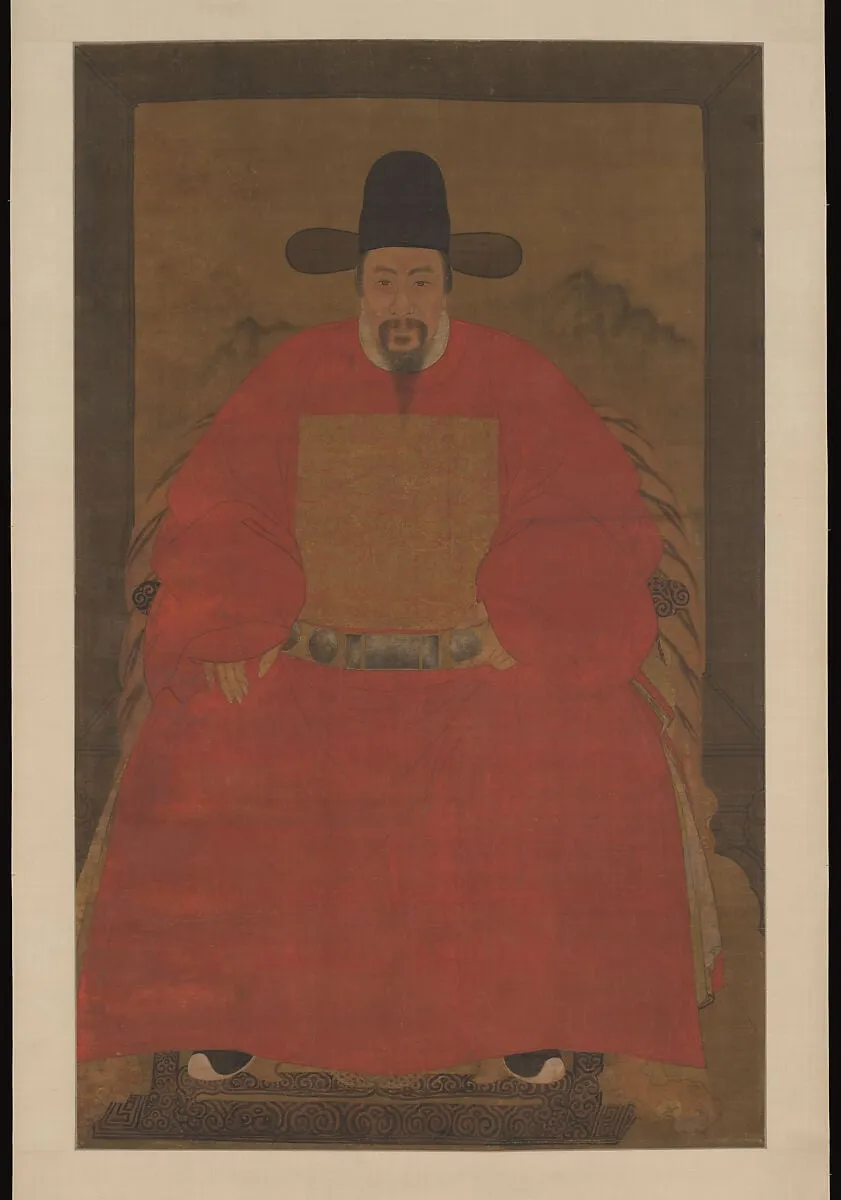
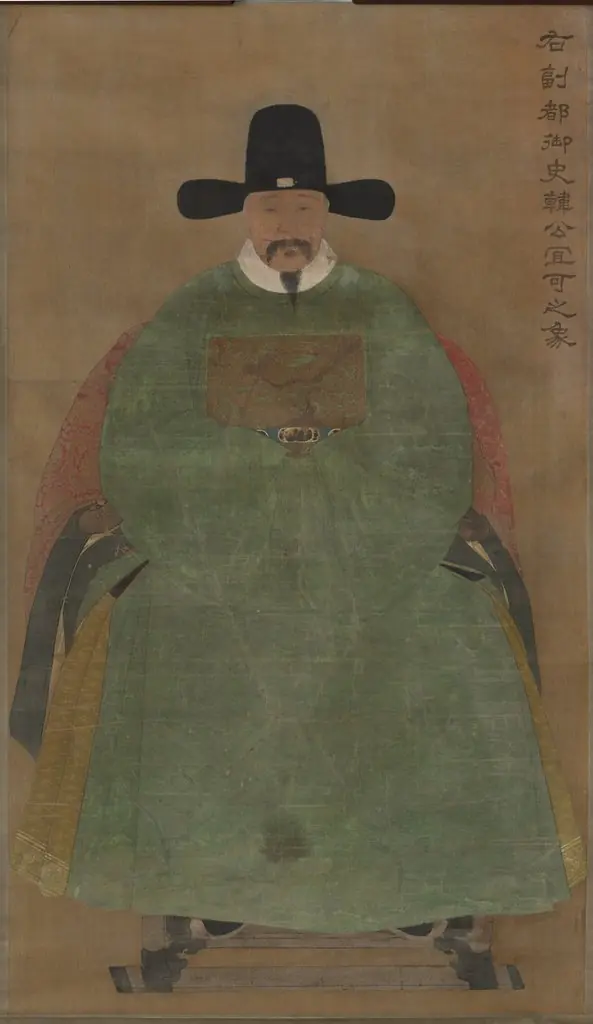
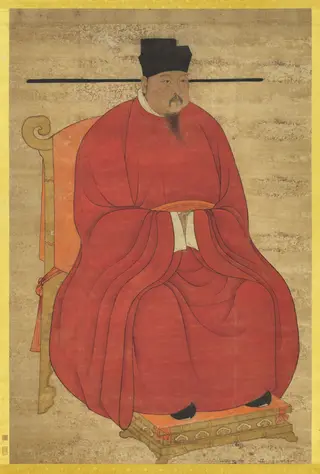
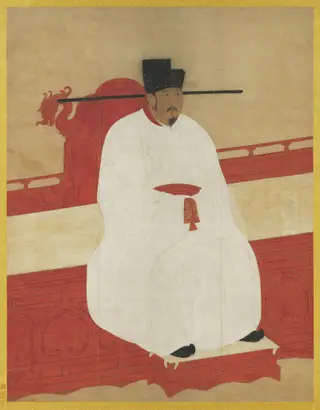
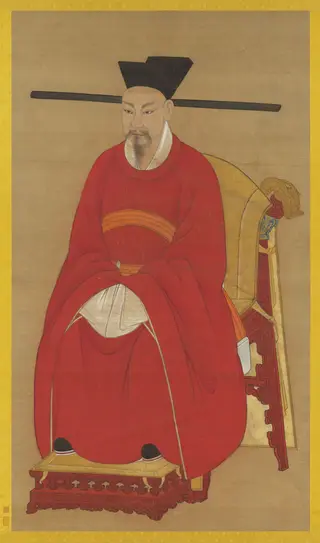
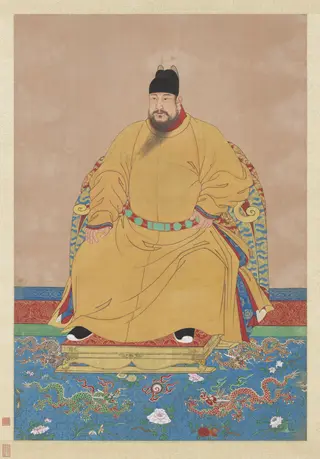
明 佚名 人物肖像 圖 鏡面|Portrait of a Gentleman is an ink painting. It dates from 1649 and is held in the collection of the Metropolitan Museum of Art. This Ming dynasty hanging scroll depicts an unidentified gentleman in traditional attire.
- Accession no.
- 51.39.4
- Credit line
- Gift of Jackson E. Reynolds, 1951
About this work
Subject & Meaning
The painting portrays a seated gentleman, identified as a man in the work's cataloguing, and functions as a conventional portrait of a literati figure.
The painting portrays a seated gentleman, identified as a man in the work's cataloguing, and functions as a conventional portrait of a literati figure. Its composition, formal attire, restrained pose, and inclusion of scholarly accessories, signifies the sitter's scholarly status and adherence to Confucian ideals of virtue and propriety. As a hanging scroll created in 1649, the piece reflects the aesthetic conventions of late Ming portraiture, where visual symbols of rank and moral character were emphasized.
The depiction thus serves both as a record of the individual's appearance and as a visual affirmation of his social role and ethical standing.
Technique & Style
Created in 1649, this portrait of a gentleman is executed as a hanging scroll utilizing ink and color on a silk support. The work measures 144.5 cm in height and 89.2 cm in width. As a product of Chinese painting traditions, the artist employs silk as the primary medium, applying mineral and organic pigments alongside ink to render the figure.
The formal qualities align with the portrait genre, focusing on the depiction of a single male subject. The piece is attributed to an unknown painter from the Ming period, reflecting the stylistic conventions of mid-17th-century portraiture. The physical format of a hanging scroll indicates its intended use for vertical display, a standard presentation method for such works in the tradition.
History & Provenance
The hanging-scroll portrait of a gentleman was produced in China in 1649 by an unidentified artist. Executed in ink and color on silk, the work bears no record of a specific patron or commission; its anonymous authorship suggests it may have been created for a private client or the open market. After its creation the painting entered the collection of the Metropolitan Museum of Art, where it is catalogued as accession 51.39.4 and remains on view as part of the museum's Chinese painting holdings. No further ownership transfers are documented in the available sources.
Legacy
The hanging scroll, ink and color on silk, dated 1649, is recorded in the Metropolitan Museum of Art's collection (accession 51.39.4) and is cited as a representative example of Ming-dynasty portraiture. Its presence in a leading Western museum has made it a reference point for scholarship on anonymous Chinese painters, shaping the understanding of court and literati portrait conventions in early modern China. The work's attribution to an unnamed master underscores the challenges of identifying individual artists within this genre, influencing subsequent research on attribution methods and the historical context of courtly representation.
Overview
This Ming dynasty hanging scroll depicts an unidentified gentleman in traditional attire. The composition emphasizes the subject's presence within a serene domestic setting. Rendered with a restrained palette and clear lines, the painting aims to capture the individual's character through a focused portrayal, typical of period portraiture intended to convey inner disposition.
Context
This work belongs to a tradition of Chinese portraiture from the Ming dynasty, a period when such depictions often served commemorative or ancestral purposes. The artist remains unidentified, a common circumstance for many works from this era, particularly those not produced by court painters or highly celebrated literati. The painting offers insight into the visual conventions for representing esteemed individuals of the time.
Artist & collection