Artwork
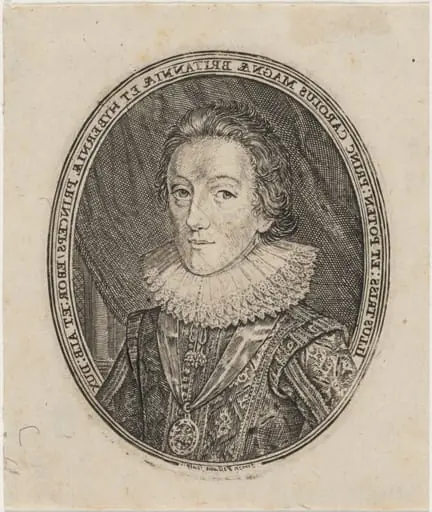
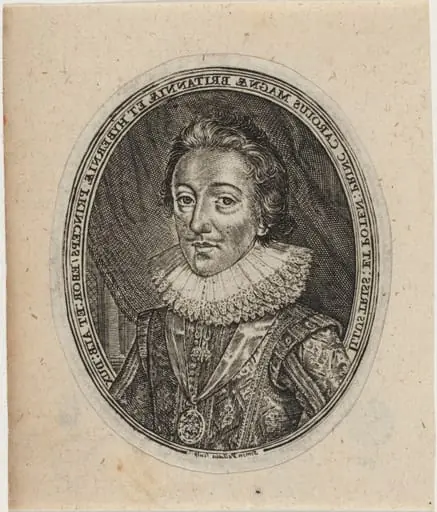
Charles I, at 13 Years of Age
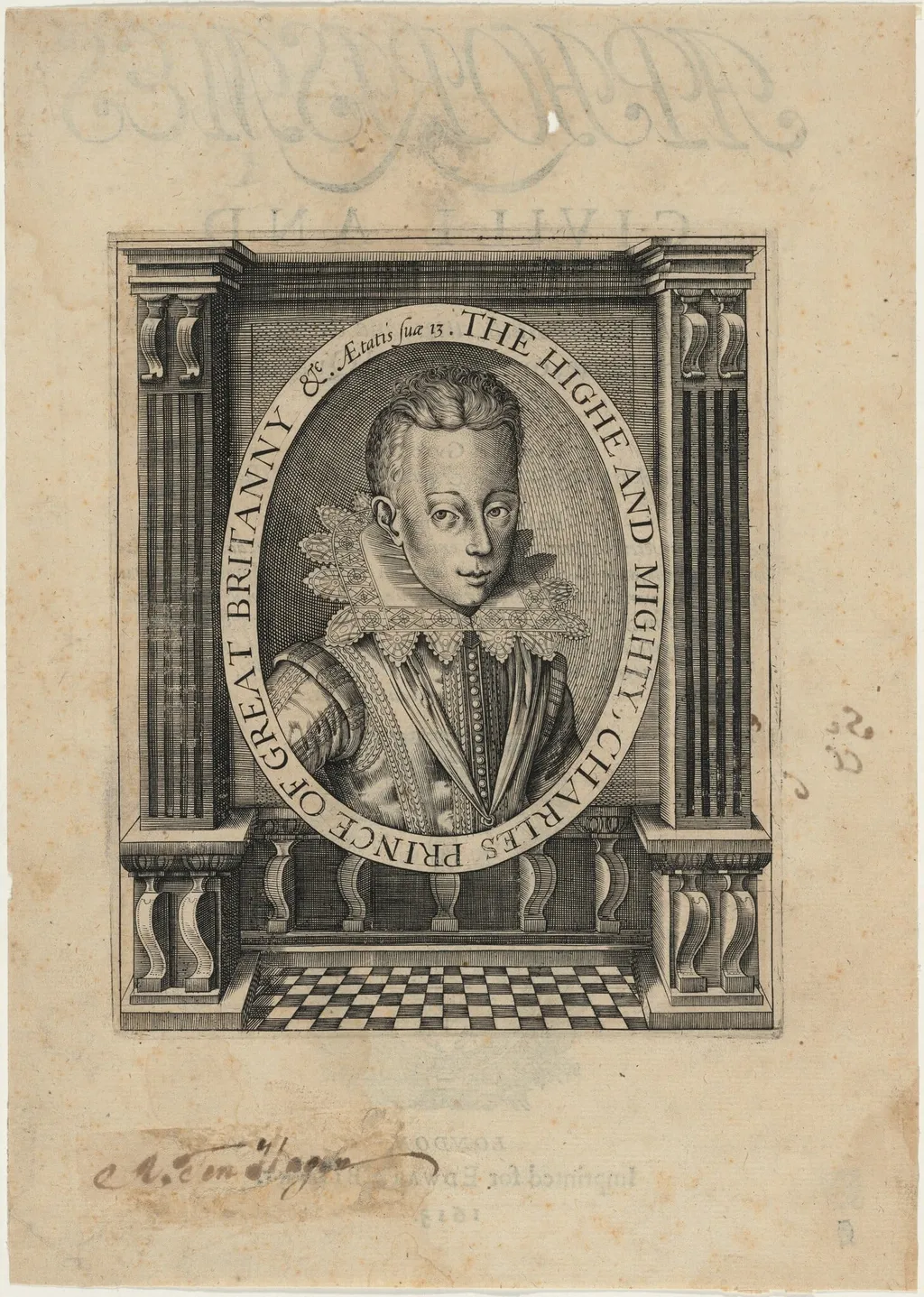
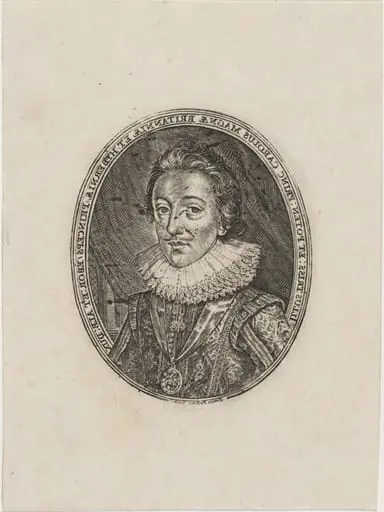
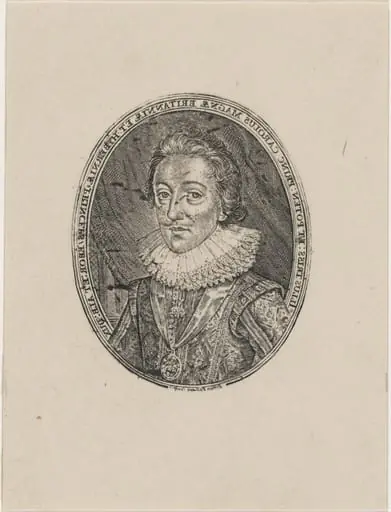
Charles I, at 13 Years of Age is an ink print by the Baroque artist Unknown 19th Century. It dates from 1613 and is held in the collection of the National Gallery of Art. This engraving portrays Charles I at age thirteen, rendered in the detailed, tonal style typical of early 17th-century printmaking.
About this work
Overview
This engraving portrays Charles I at age thirteen, rendered in the detailed, tonal style typical of early 17th-century printmaking.
This engraving portrays Charles I at age thirteen, rendered in the detailed, tonal style typical of early 17th-century printmaking. The image is enclosed in an oval frame bearing an inscription that identifies him as Prince of Great Britain. The composition emphasizes formality and royal status through architectural elements and precise shading, reflecting the conventions of portraiture for heirs to the throne during the Baroque period.
Subject & Meaning
The portrait presents Charles I not as a reigning monarch but as a young prince, emphasizing his lineage and future role. The ruffled collar and tailored jacket signify aristocratic dress, while the columns and checkered floor suggest permanence and order. The Latin inscription reinforces his dynastic position, framing the image as a statement of legitimacy rather than personal expression.
Technique & Style
The image is executed through fine cross-hatching, a technique that builds volume and texture through layered lines. Shading creates a sense of three-dimensionality, particularly in the folds of fabric and the contours of the face. The style aligns with Northern European engraving traditions, prioritizing precision and tonal gradation over color, typical of prints produced for elite audiences.
History & Provenance
Created during Charles’s adolescence, the engraving likely served as a diplomatic or commemorative object, circulated among courtiers and foreign dignitaries. Its survival suggests it was valued as a record of the prince’s early image before his accession. No specific artist is recorded, but the work reflects the workshop practices of English printmakers active in the 1610s.
Context
In the early 1600s, royal portraiture was a tool of political messaging, especially for heirs whose public image needed to project stability. Engravings like this one allowed the monarchy to disseminate controlled likenesses beyond the reach of painted portraits. The Baroque emphasis on grandeur and hierarchy is evident in the composition’s formality and symbolic architecture.
Legacy
This engraving preserves an early visual record of Charles I before the turbulence of his reign. It exemplifies how print media helped shape public perception of royalty in pre-Civil War England. Though not widely known today, it remains a significant artifact of Stuart-era visual culture and the role of portraiture in legitimizing dynastic authority.
Artist & collection

Artist