Subject
Boy
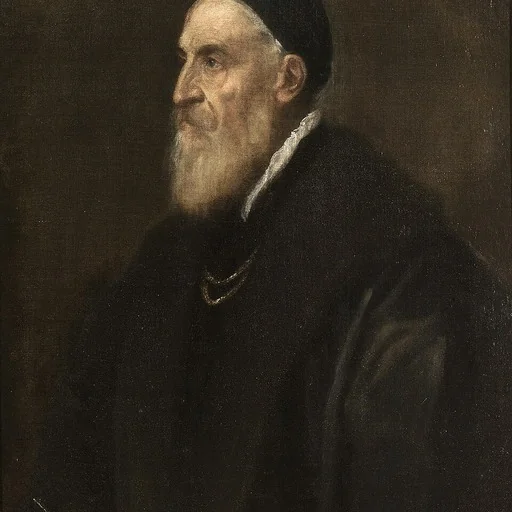
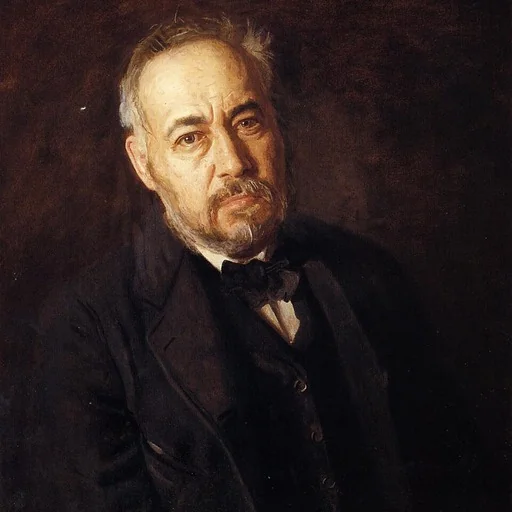
Boy is a subject in art. The gallery holds 200 works in this subject in art, including works by Titian, Thomas Eakins and Paolo Veronese.
A boy is a young male human, whether an infant, a child, or an adolescent—but in art the figure carries far more than biological fact. The earliest sustained images of boys in Western art are religious. Medieval painters rendered the infant Christ not as a baby but as a homunculus, a miniature adult with mature features and a solemn, stiff bearing, expressing the theological idea that Jesus was perfect and unchanging from birth. Alongside him developed the putto—the chubby, often winged nude boy inherited from pagan antiquity, who migrated into Christian art as the cherub and into secular art as an emblem of love, play, and passing emotion.
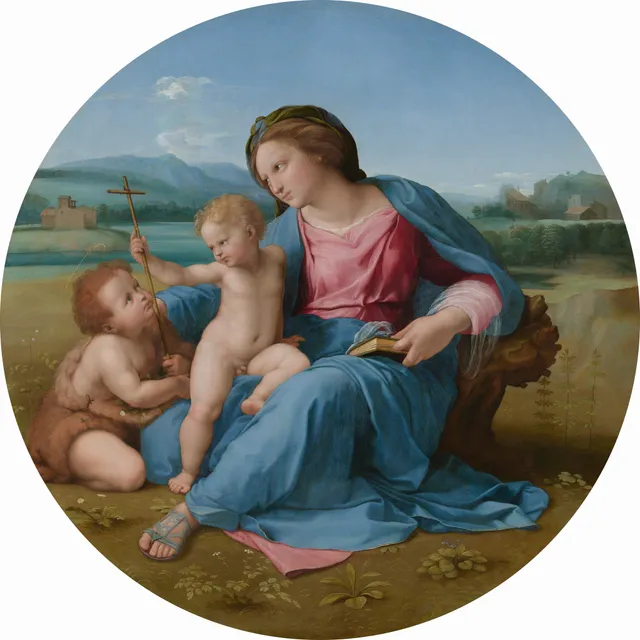
The Renaissance softened and humanized the boy. In countless variations on the Madonna and Child, painters studied infant anatomy and tender maternal gesture with new naturalism—as in Raphael's The Alba Madonna, Fra Bartolomeo's Madonna and Child with the Young Saint John the Baptist, and the many anonymous Italian Madonna and Child panels. Sixteenth-century portraiture, however, rarely treated boys as individuals: children typically appeared beside their parents as marks of lineage and dynastic continuity, posed and dressed as small adults.
A more direct, observed boy emerged in Baroque genre painting. Caravaggio's Boy with a Basket of Fruit (c. 1593) offered an unidealized adolescent—parted lips, flushed skin, slipping shirt—studied as closely as the ripe fruit he carries. In Seville, Bartolomé Esteban Murillo painted ragged street children with warmth and dignity, as in Children Eating Grapes and a Melon (c. 1645–50), works that fused poverty with charm.
The eighteenth century reinvented the boy as a symbol of innocence. Influenced by Rousseau's rejection of original sin, painters saw childhood as a tender, spontaneous state worth depicting for itself. Murillo's child-saints inspired British artists; Thomas Gainsborough and Joshua Reynolds set children in pastoral and classical settings, and Gainsborough's The Blue Boy (c. 1770), an homage to Van Dyck, became one of the most famous portraits ever painted.
The nineteenth century extended this intimacy into everyday life, as in Claude Monet's Woman with a Parasol—Madame Monet and Her Son. From divine homunculus to beloved individual, the boy remains a mirror of each era's ideas about innocence, family, and the human image itself.
Key artists
Works
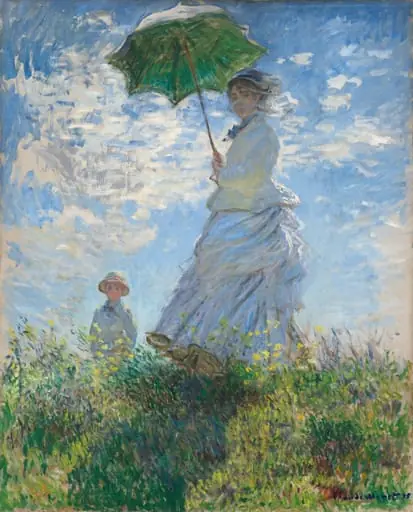 Woman with a Parasol - Madame Monet and Her Son
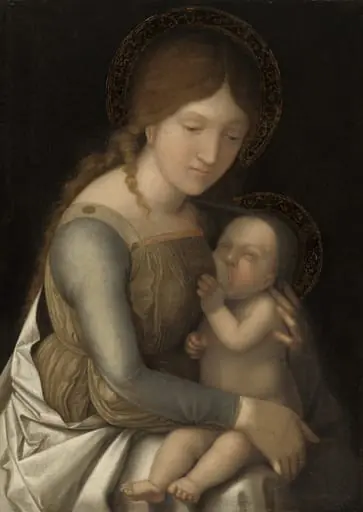 Madonna and Child
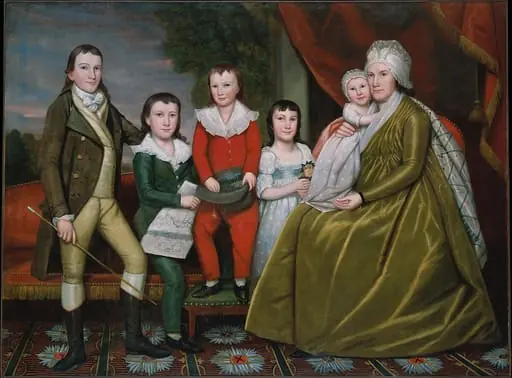 Mrs. Noah Smith and Her Children
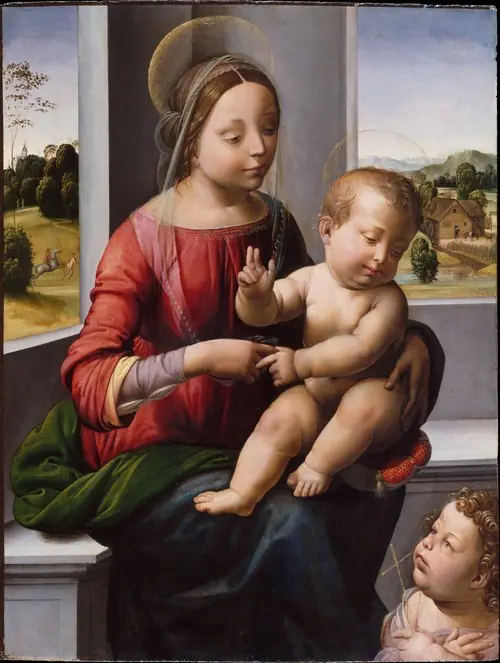 Madonna and Child with the Young Saint John the Baptist
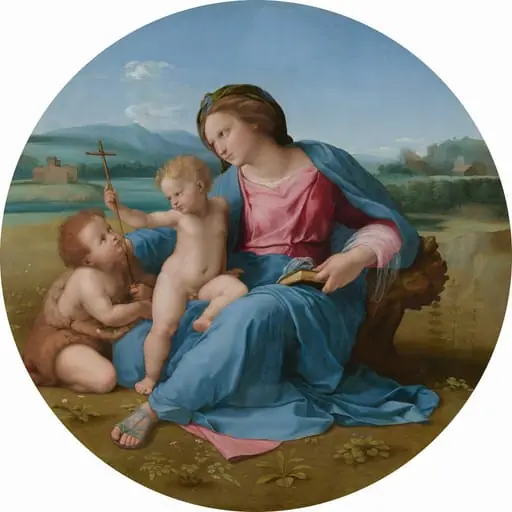 The Alba Madonna
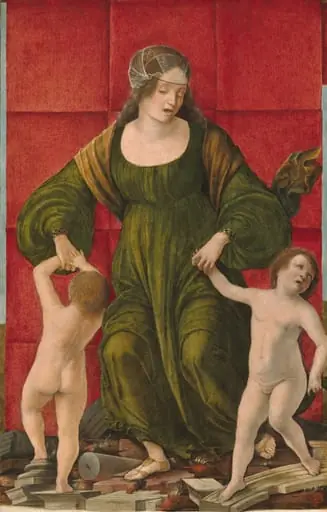 The Wife of Hasdrubal and Her Children
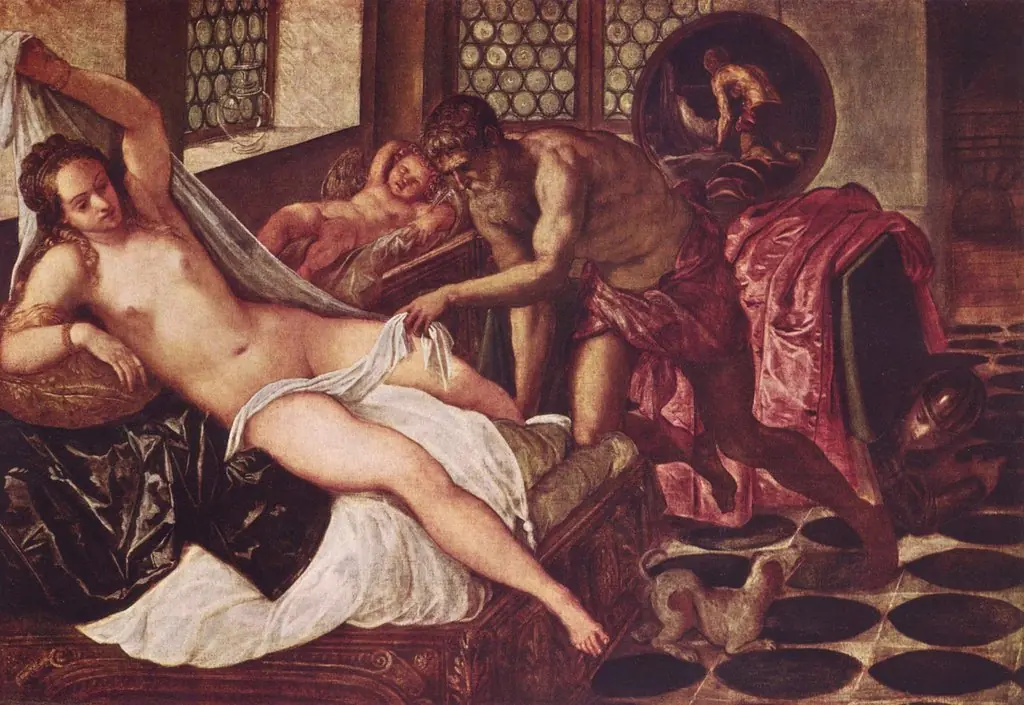 Venus and Mars Surprised by Vulcan
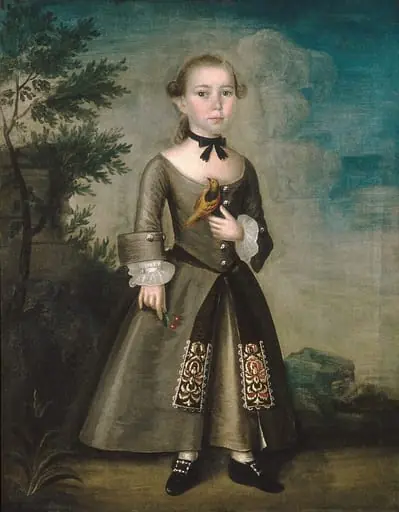 James Badger
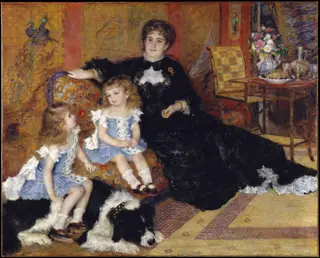 Madame Georges Charpentier and her Children
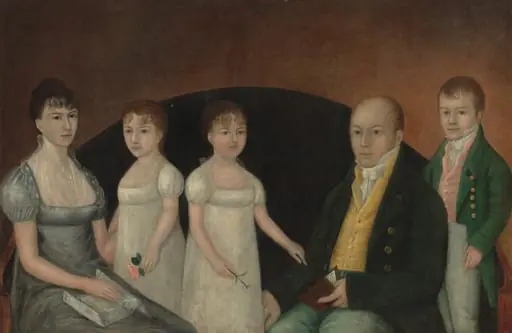 Family Group
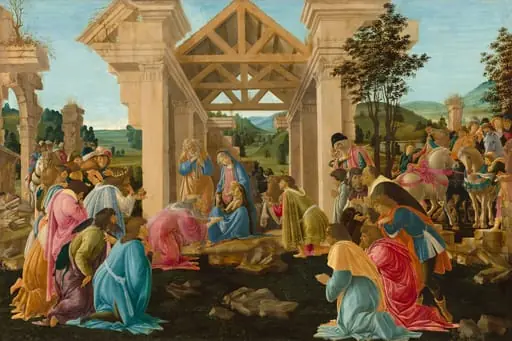 The Adoration of the Magi
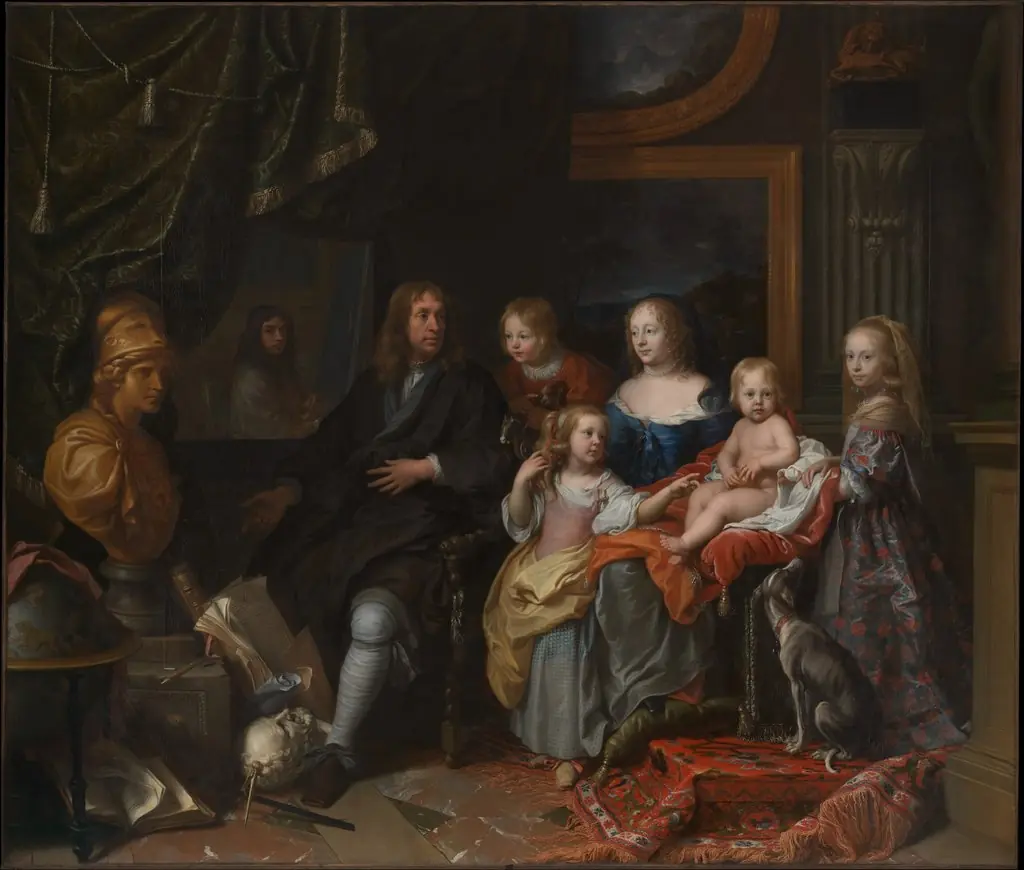 Everhard Jabach (1618–1695) and His Family
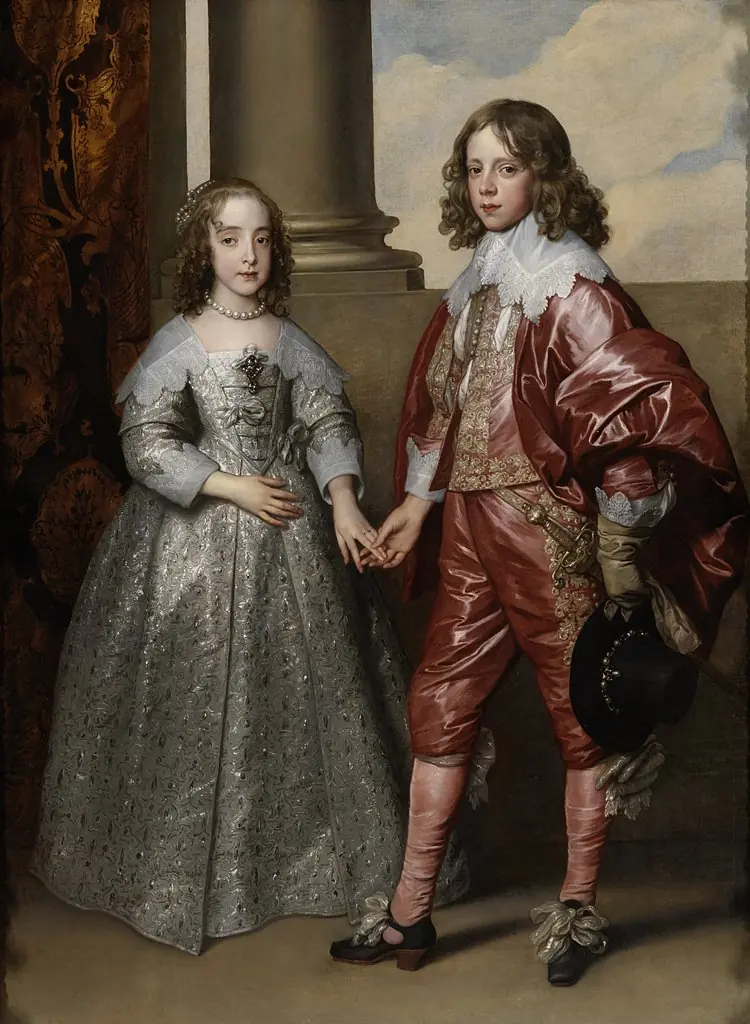 William II, Prince of Orange, and his Bride, Mary Stuart
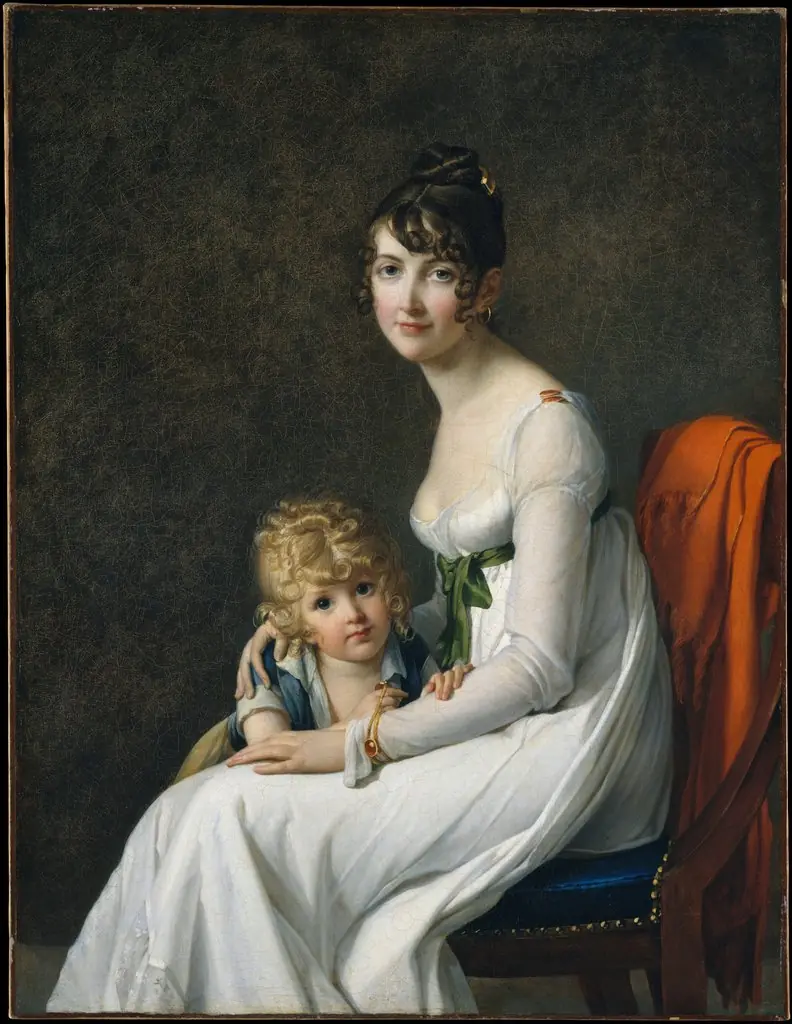 Madame Philippe Panon Desbassayns de Richemont (Jeanne Eglé Mourgue, 1778–1855) and Her Son, Eugène (1800–1859)
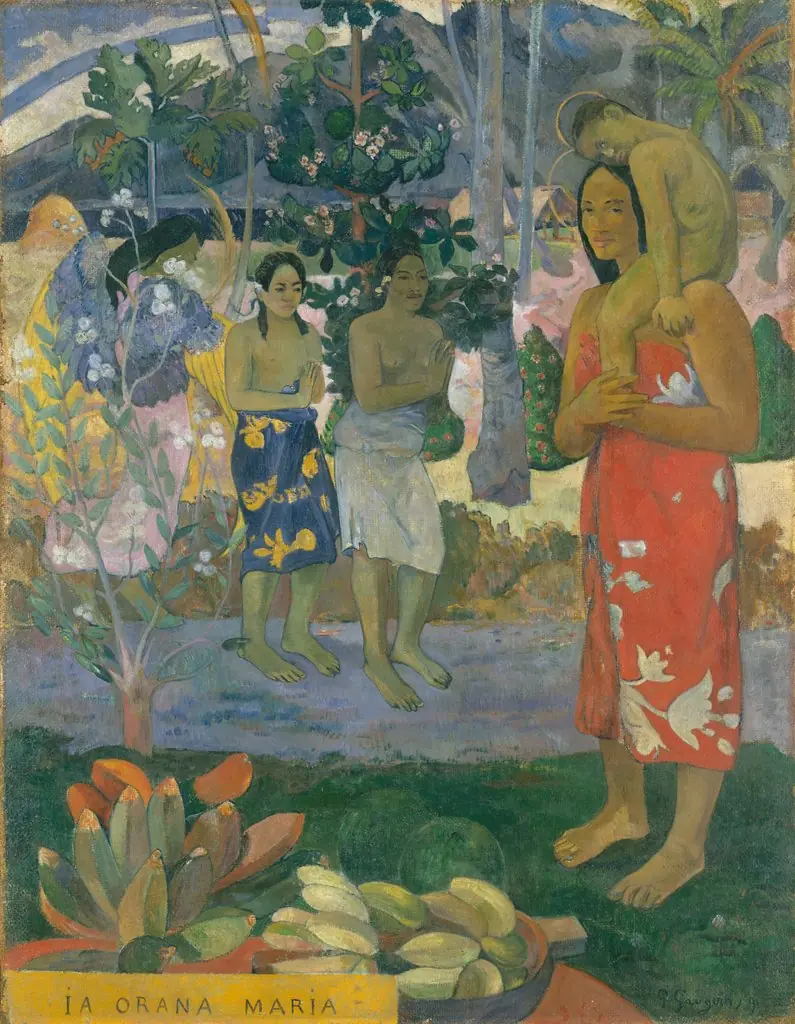 Ia Orana Maria
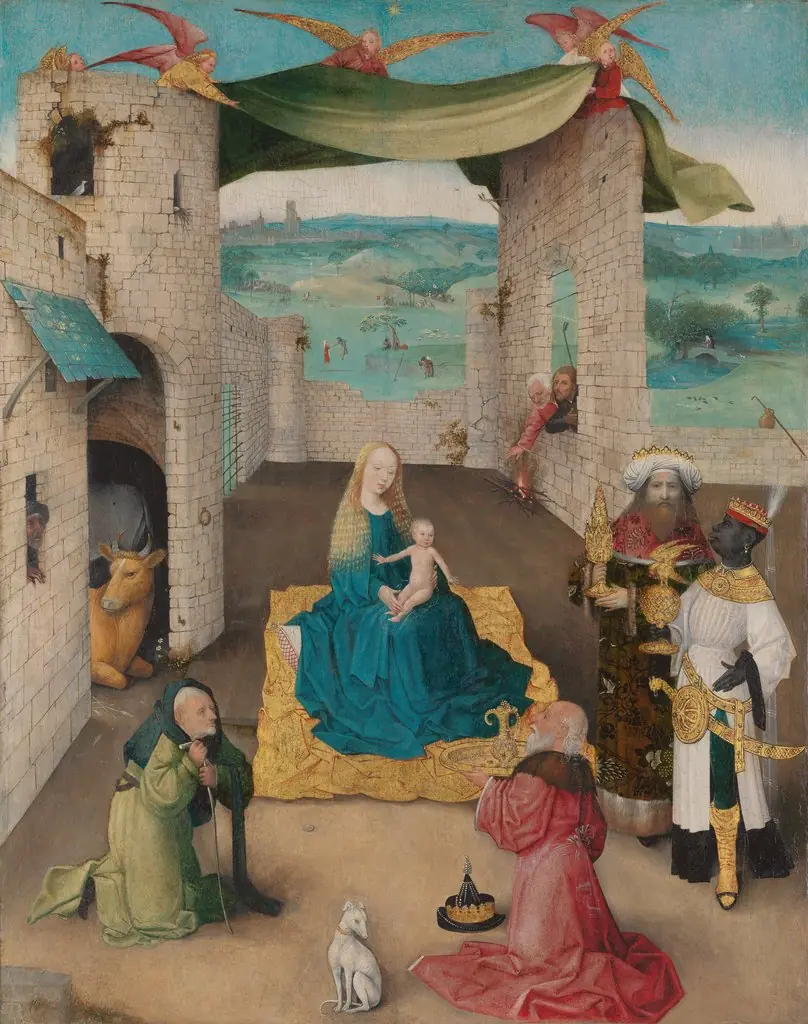 The Adoration of the Magi
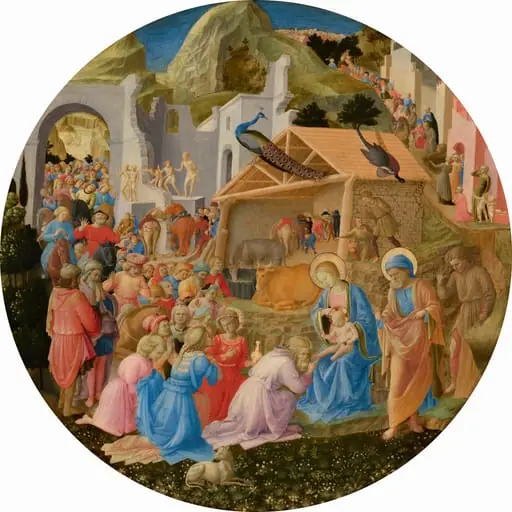 The Adoration of the Magi
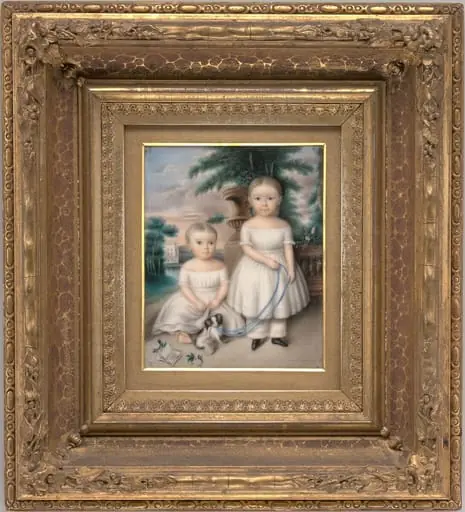 Watson Van Benthuysen II and Thomas Van Benthuysen
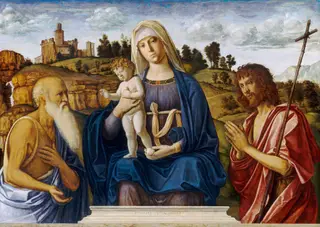 Madonna and Child with Saint Jerome and Saint John the Baptist
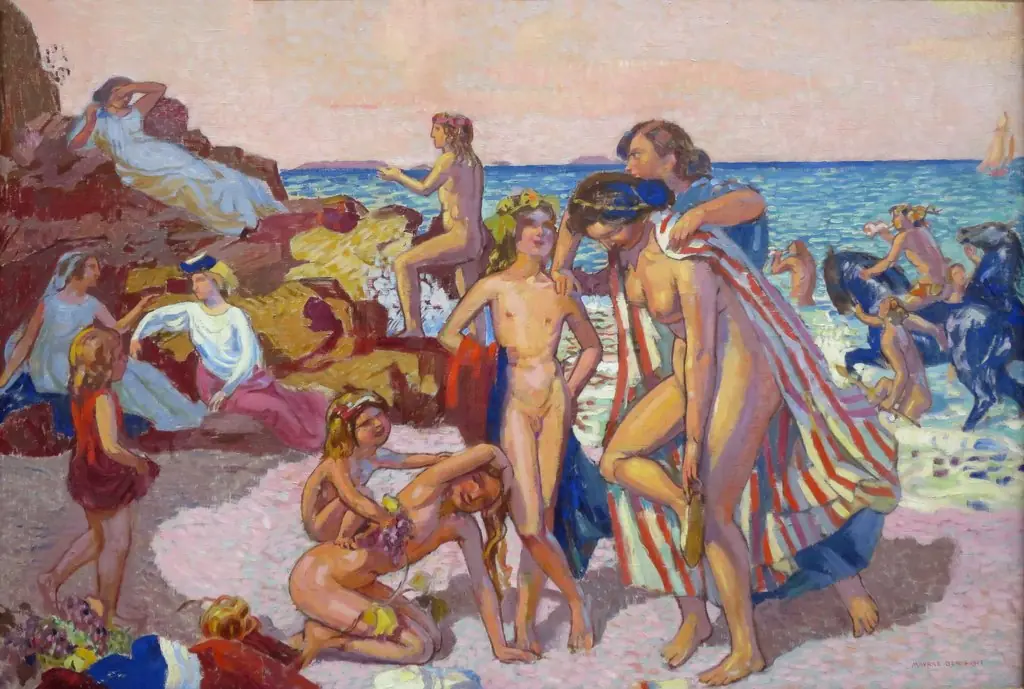 Bacchus and Ariadne
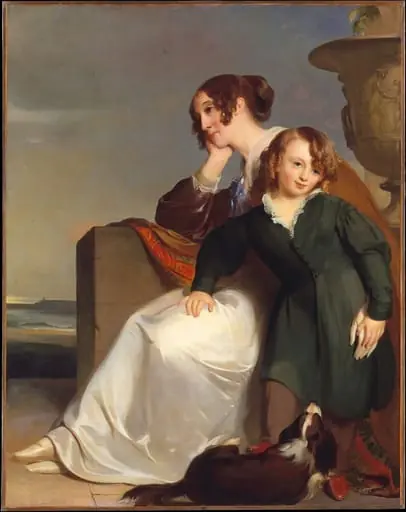 Mother and Son
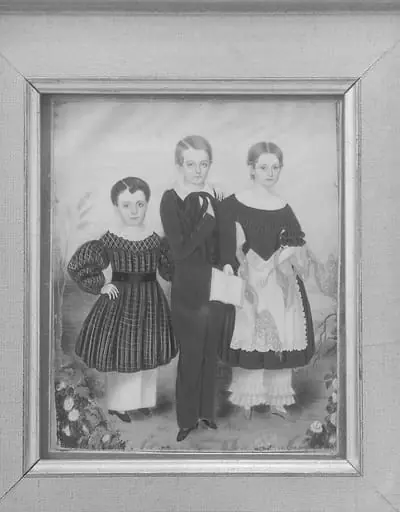 The Starbird Children
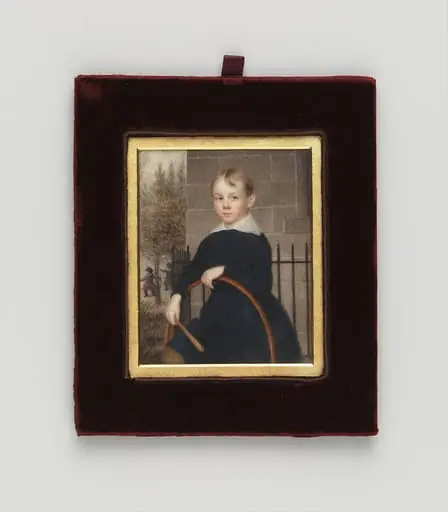 Paul Joseph Revere
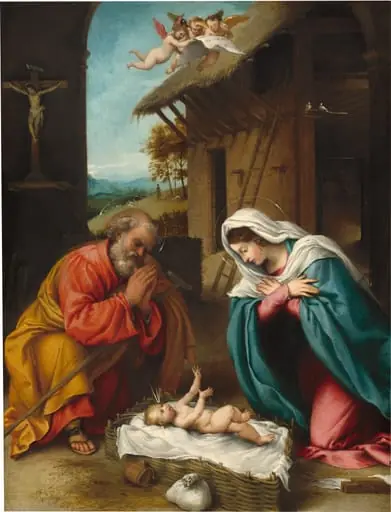 The Nativity
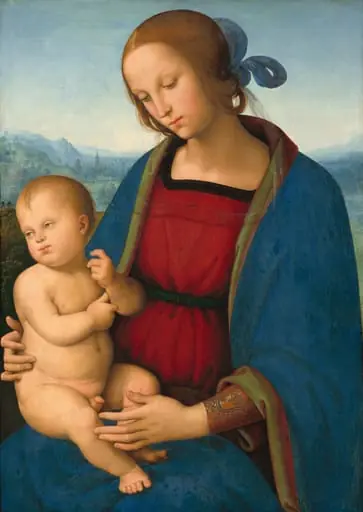 Madonna and Child
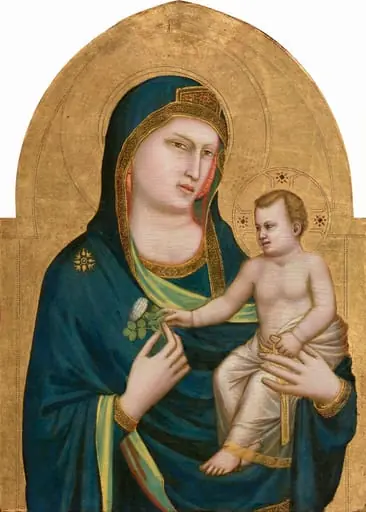 Madonna and Child
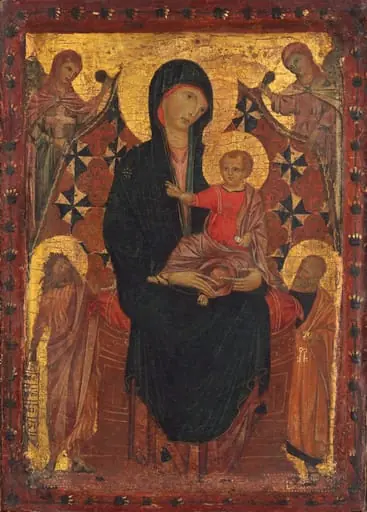 Madonna and Child with Saint John the Baptist, Saint Peter, and Two Angels
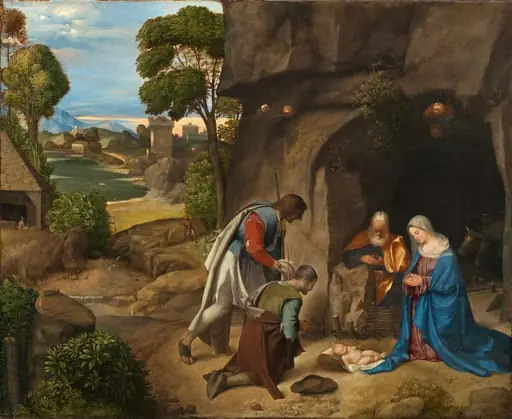 The Adoration of the Shepherds
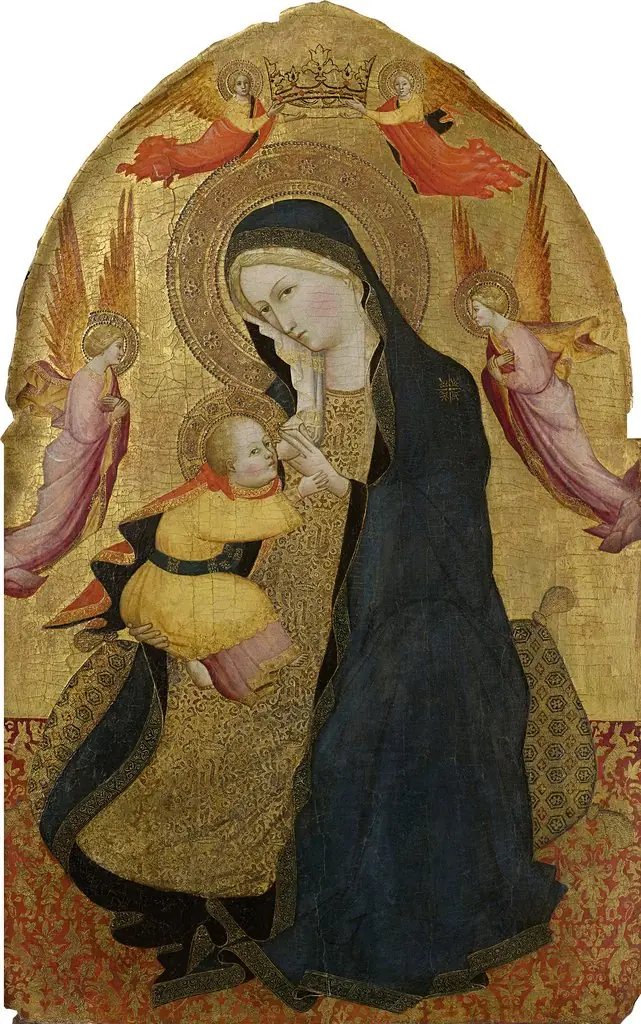 Madonna of Humility (Madonna dell'Umiltà)
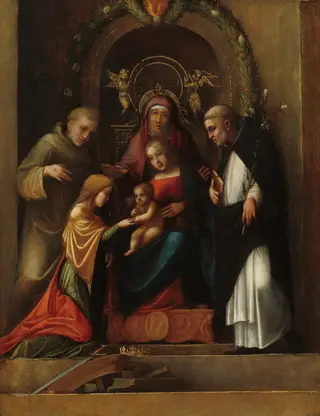 The Mystic Marriage of Saint Catherine
![Madonna and Child [obverse]](https://artifactworldgallery.com/img/albrecht-durer--madonna-and-child-obverse--d7b8ebf05d22ebe5-w320.webp) Madonna and Child [obverse]
Madonna and Child [obverse]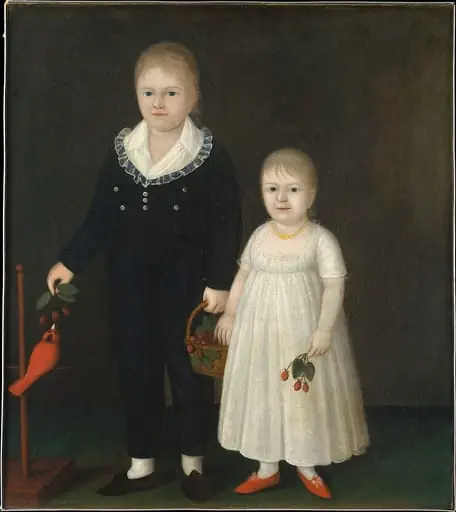 Edward and Sarah Rutter
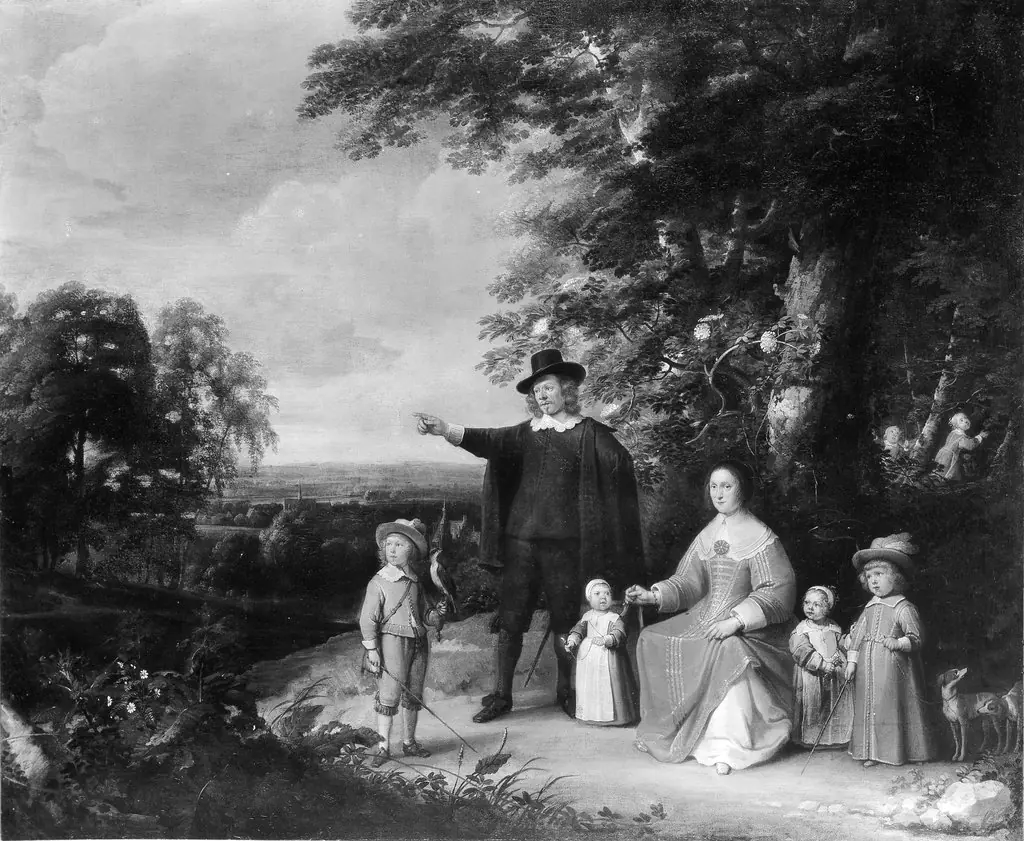 Family Group in a Landscape
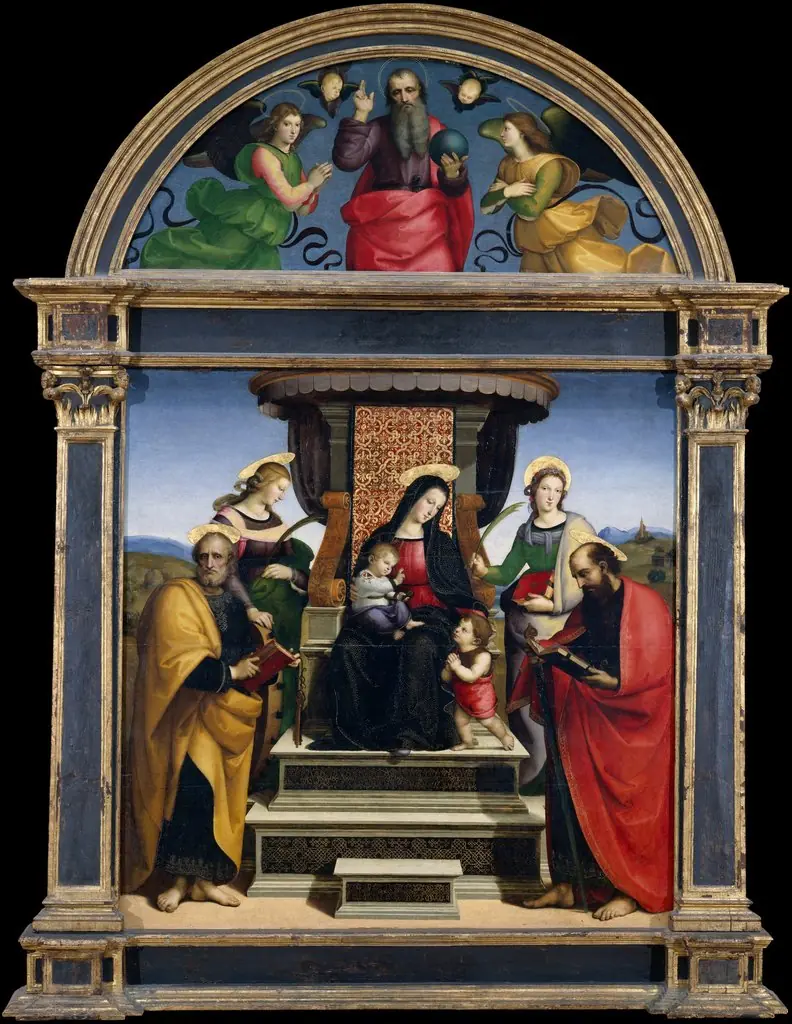 Madonna and Child Enthroned with Saints
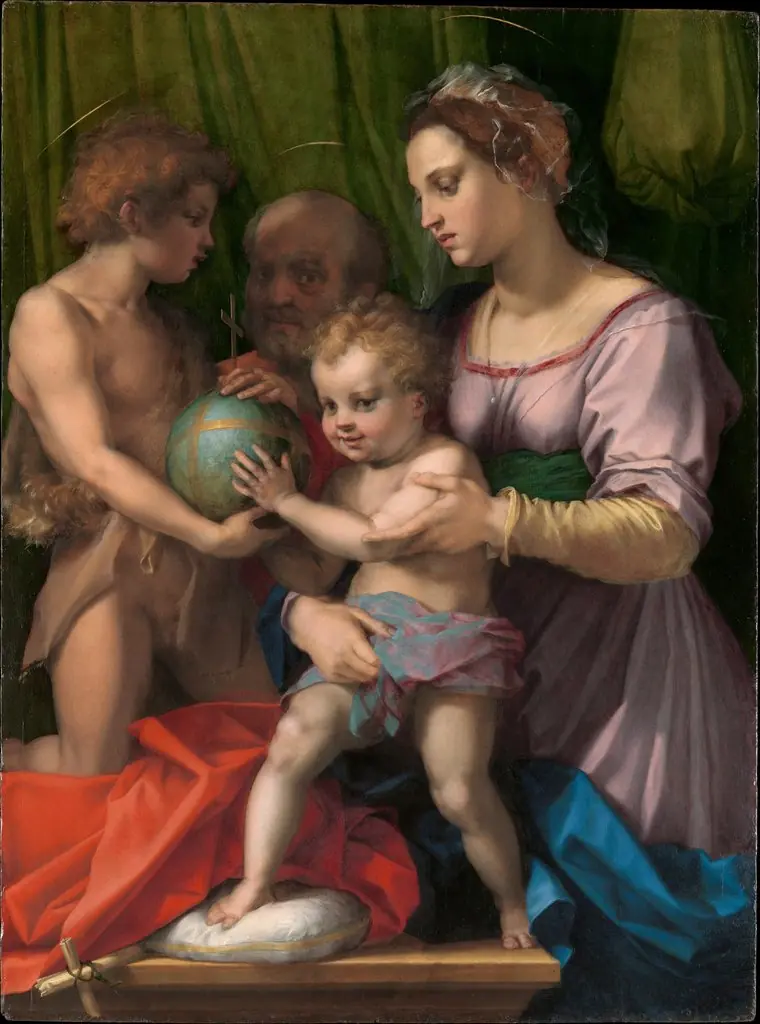 The Holy Family with the Young Saint John the Baptist
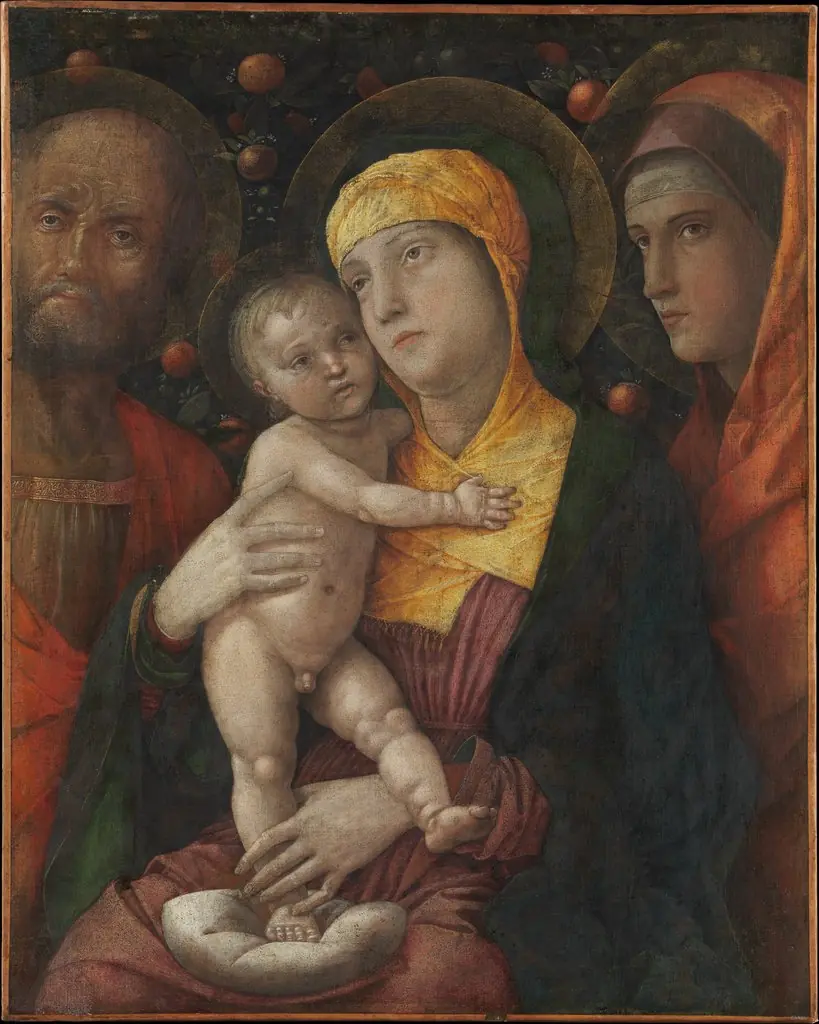 The Holy Family with Saint Mary Magdalen
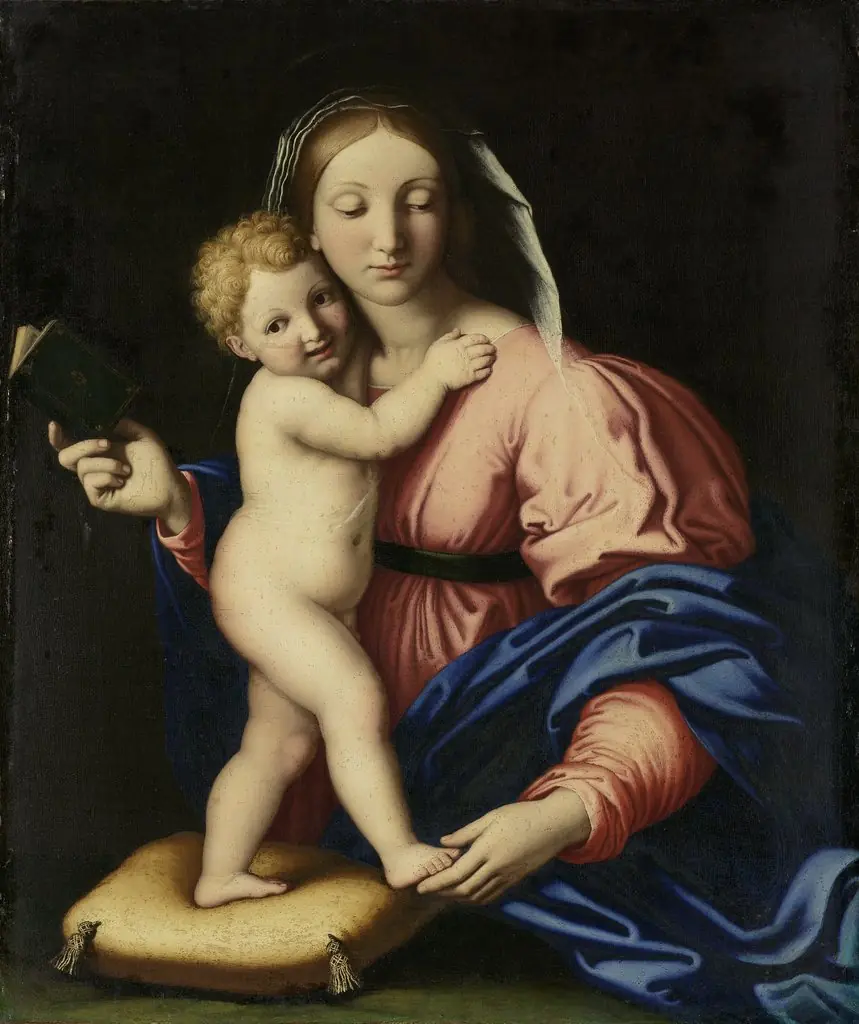 Virgin and Child
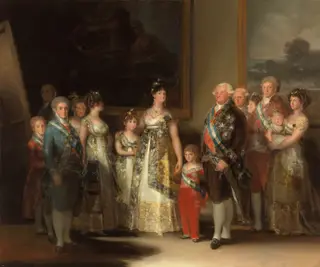 Charles IV of Spain and His Family
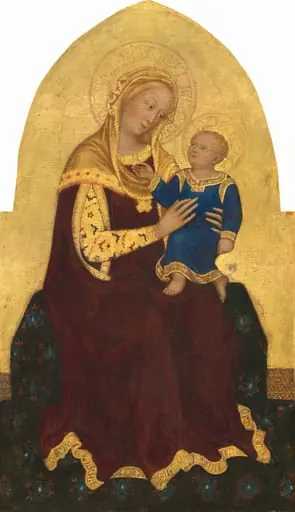 Madonna and Child Enthroned
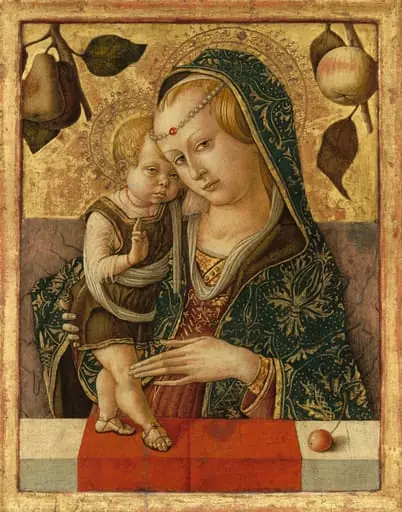 Madonna and Child
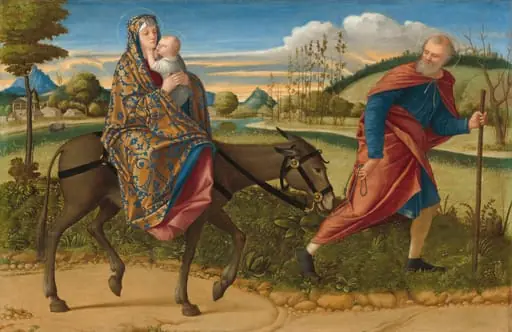 The Flight into Egypt
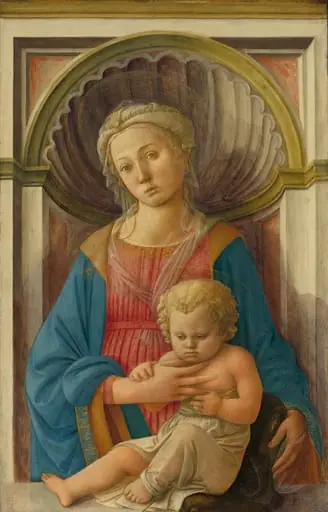 Madonna and Child
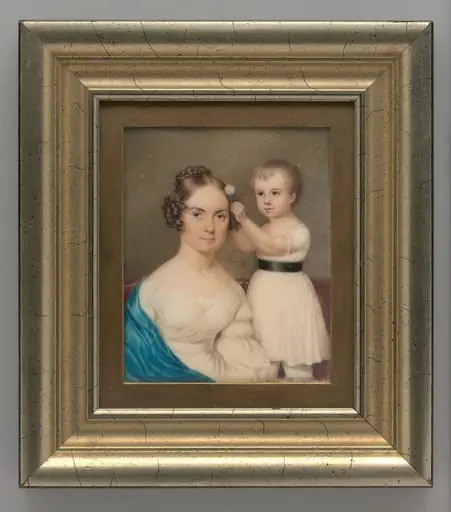 Mrs. William Gordon Ver Planck and Her Son Samuel Hopkins Ver Planck
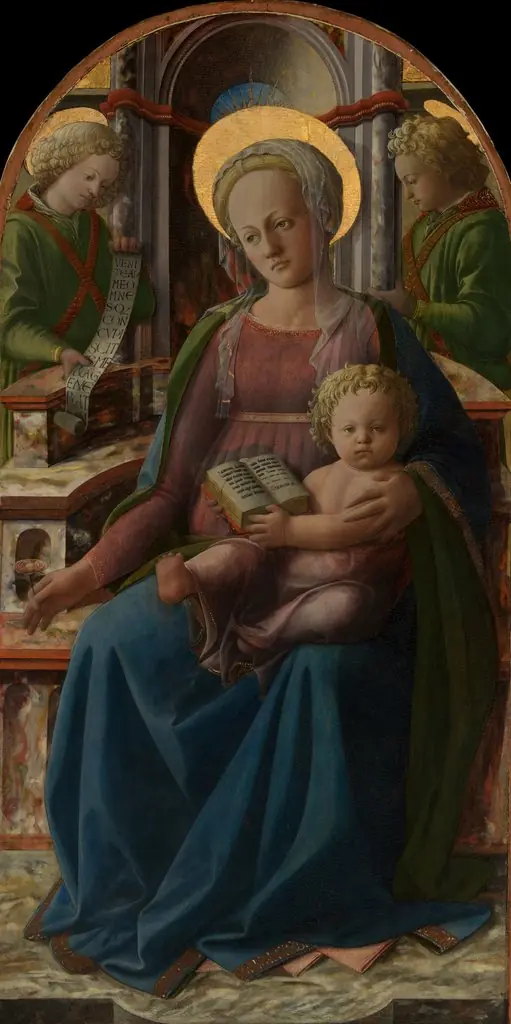 Madonna and Child Enthroned with Two Angels
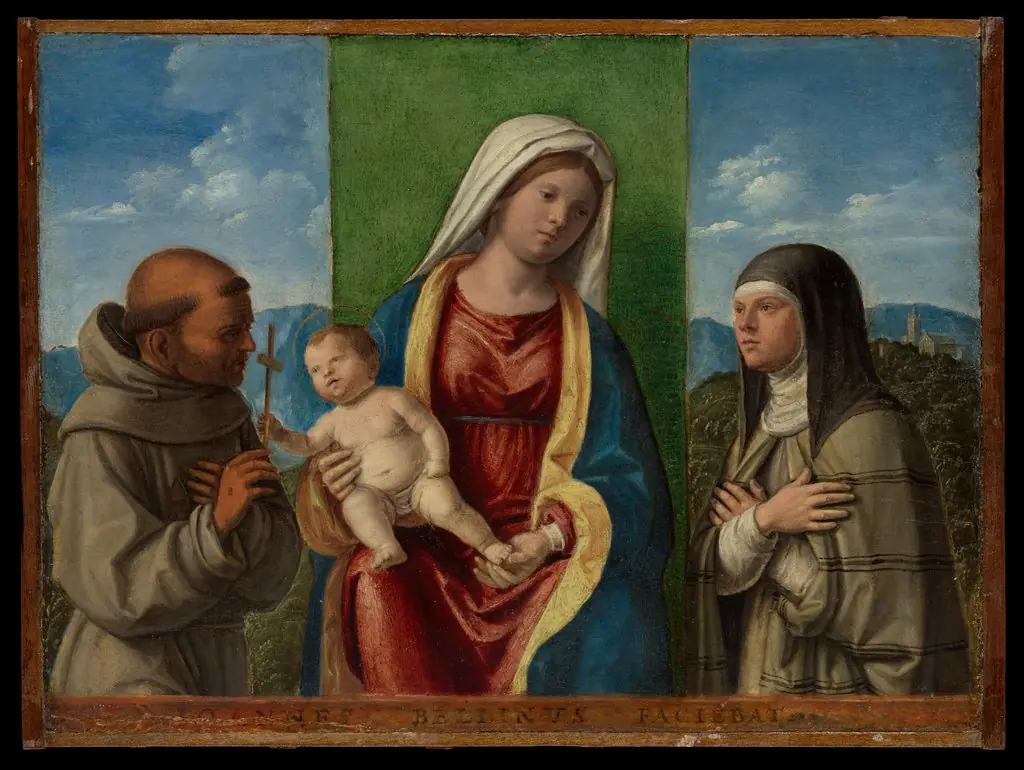 Madonna and Child with Saints Francis and Clare
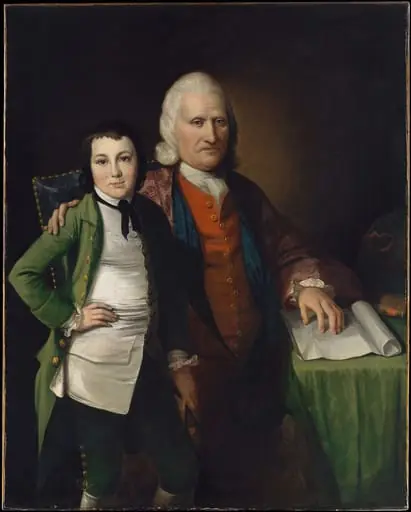 Cadwallader Colden and His Grandson Warren De Lancey
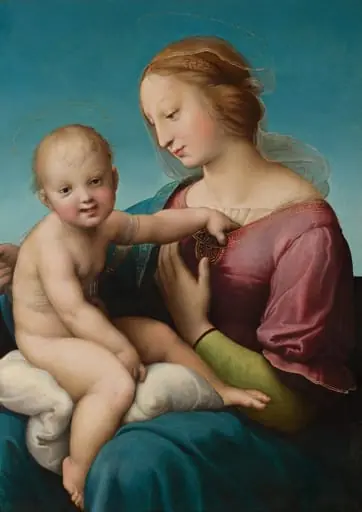 The Niccolini-Cowper Madonna
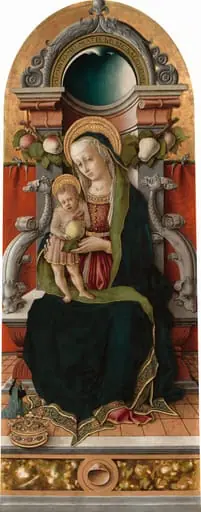 Madonna and Child Enthroned with Donor
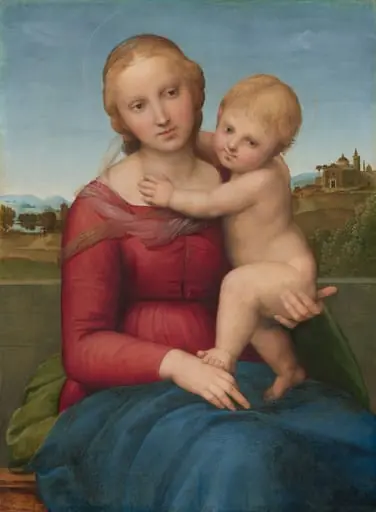 The Small Cowper Madonna
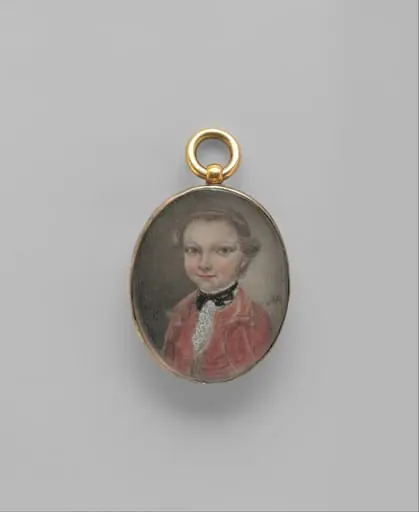 William Middleton
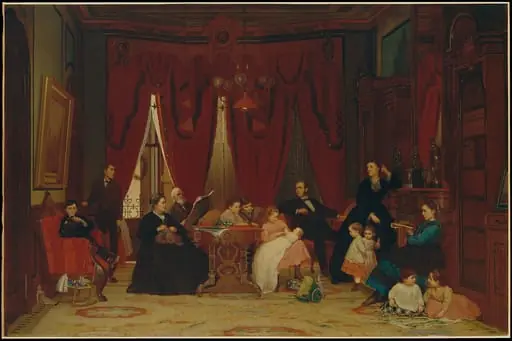 The Hatch Family
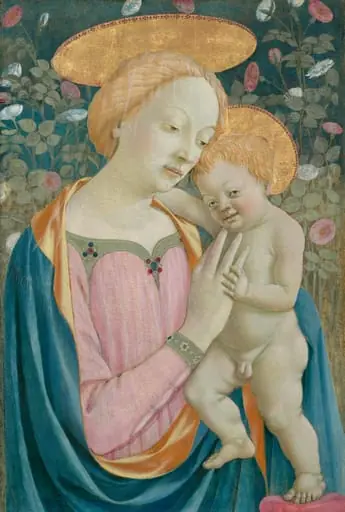 Madonna and Child
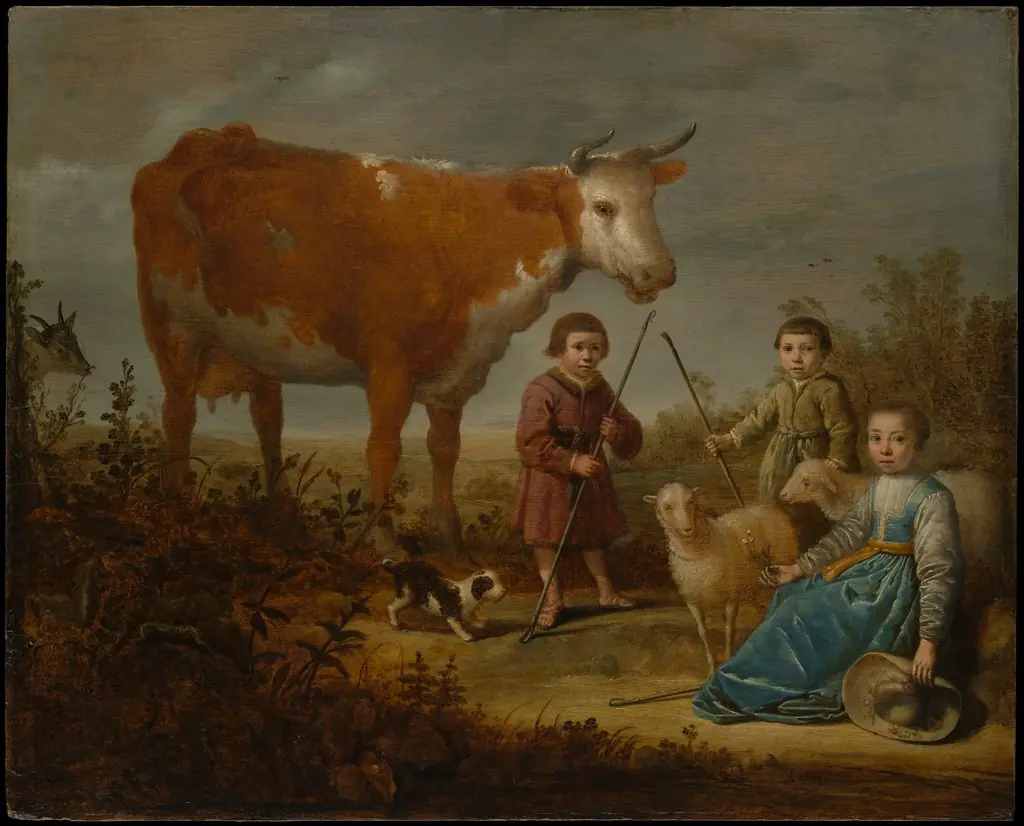 Children and a Cow
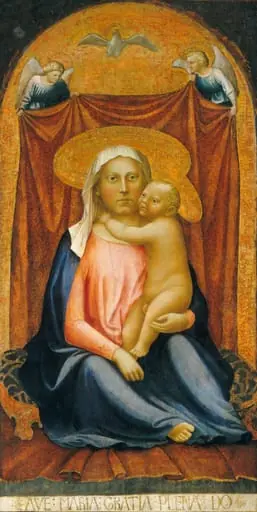 The Madonna of Humility
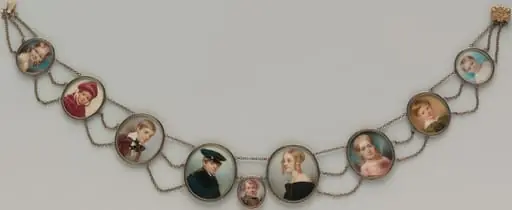 A Mother's Pearls
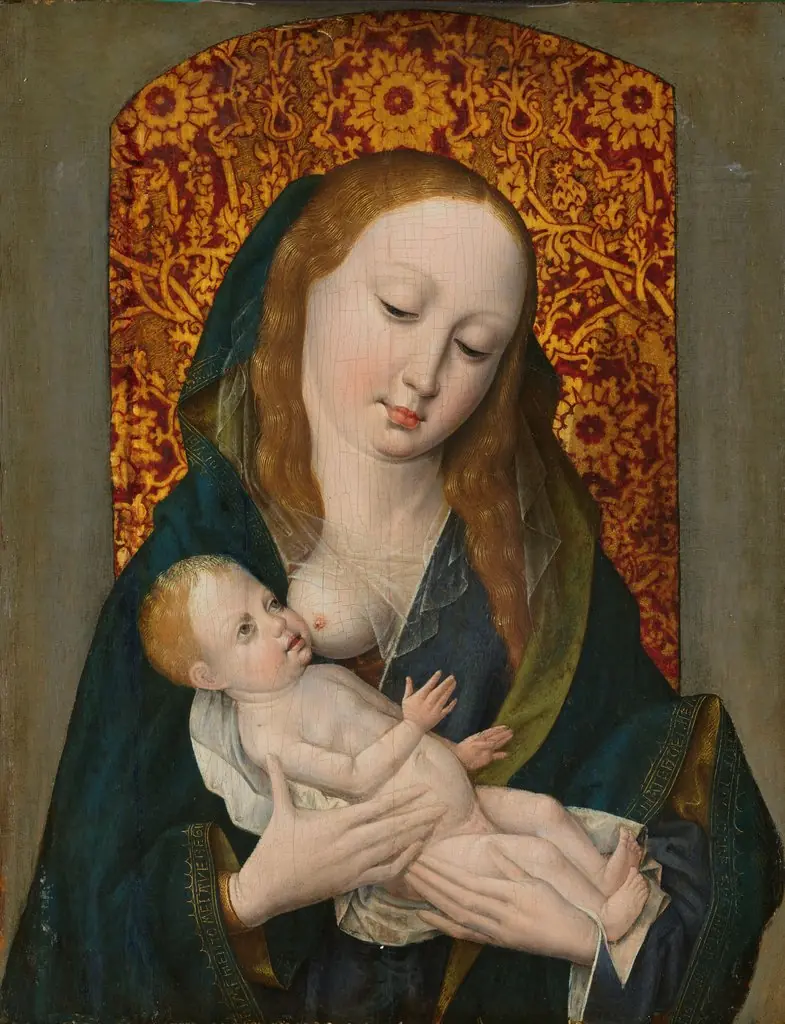 The Virgin and Child
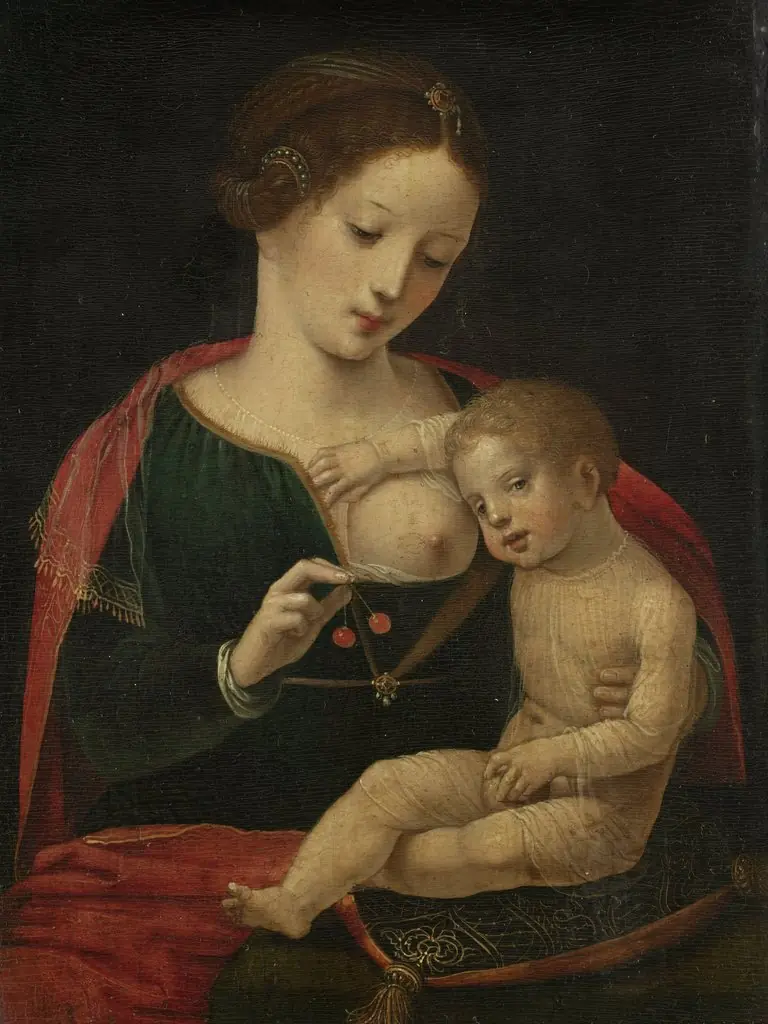 Madonna and child
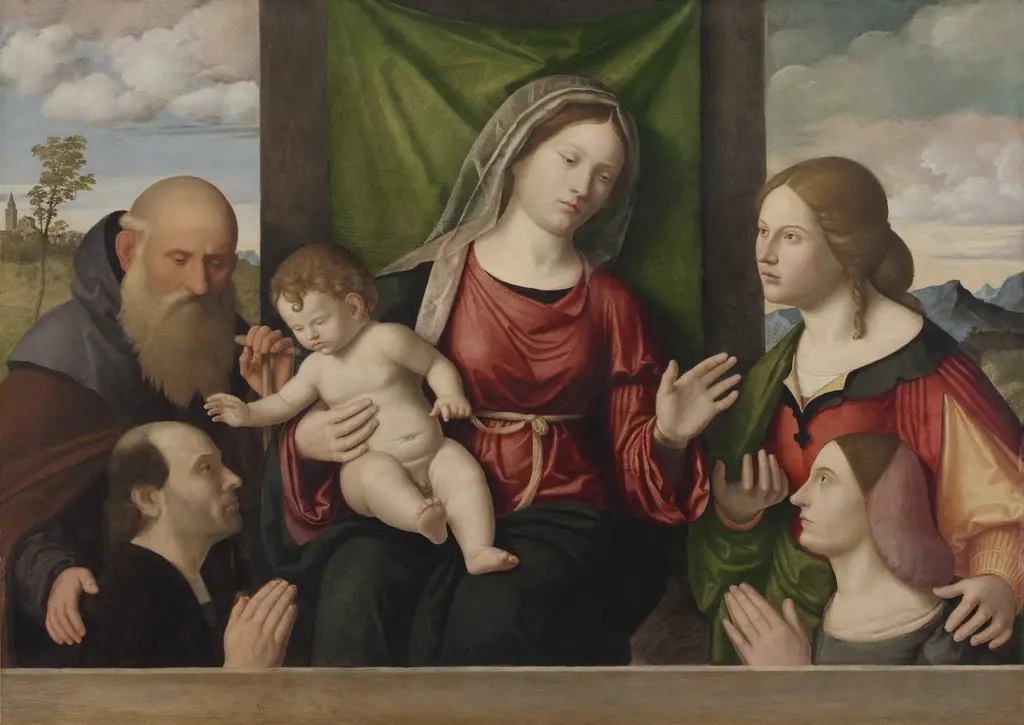 Virgin and Child with Saints and Donors
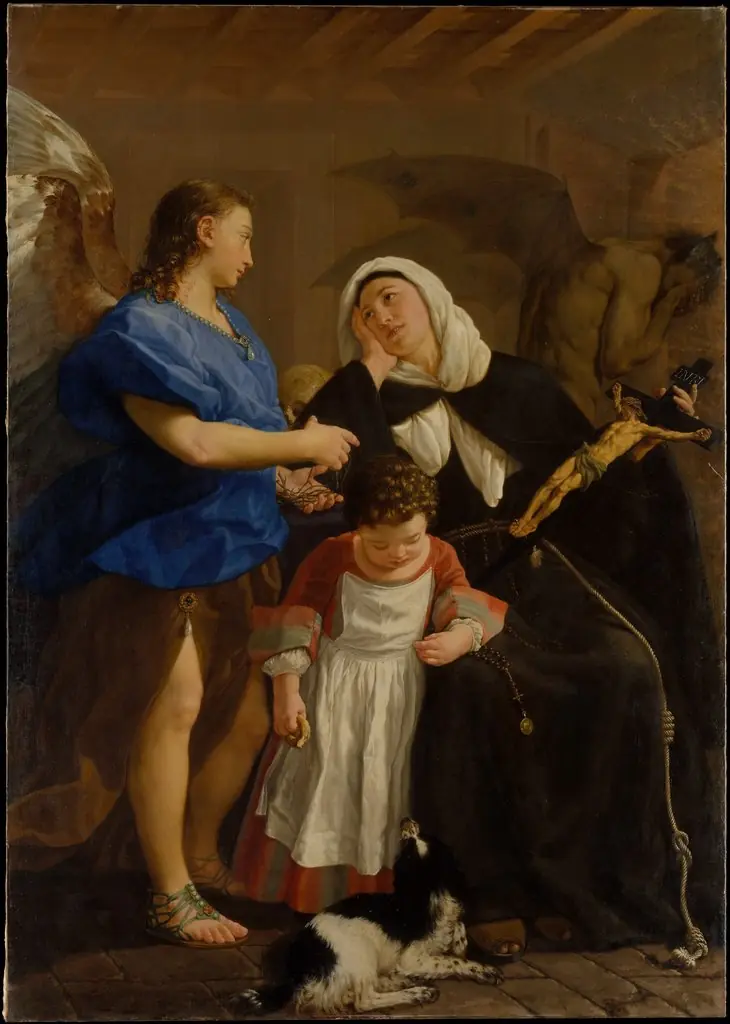 Saint Margaret of Cortona
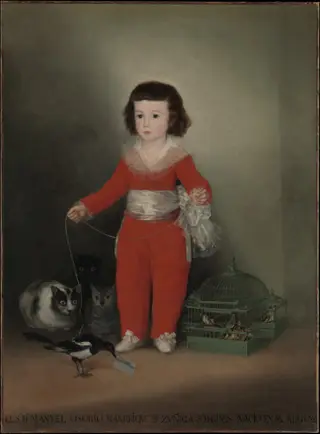 Don Manuel Osorio de Zuniga
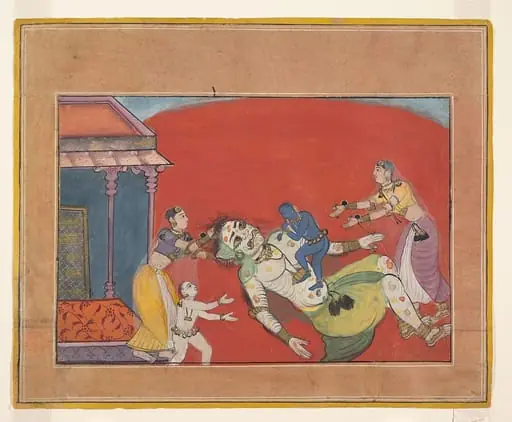 Untitled
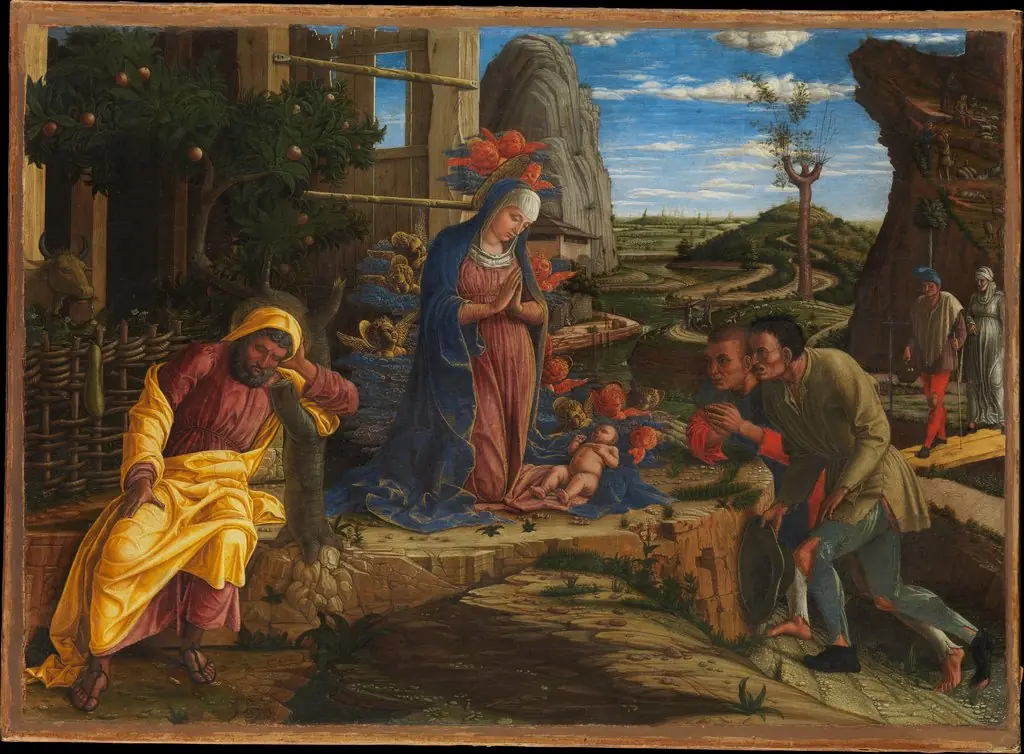 Adoration of the Shepherds
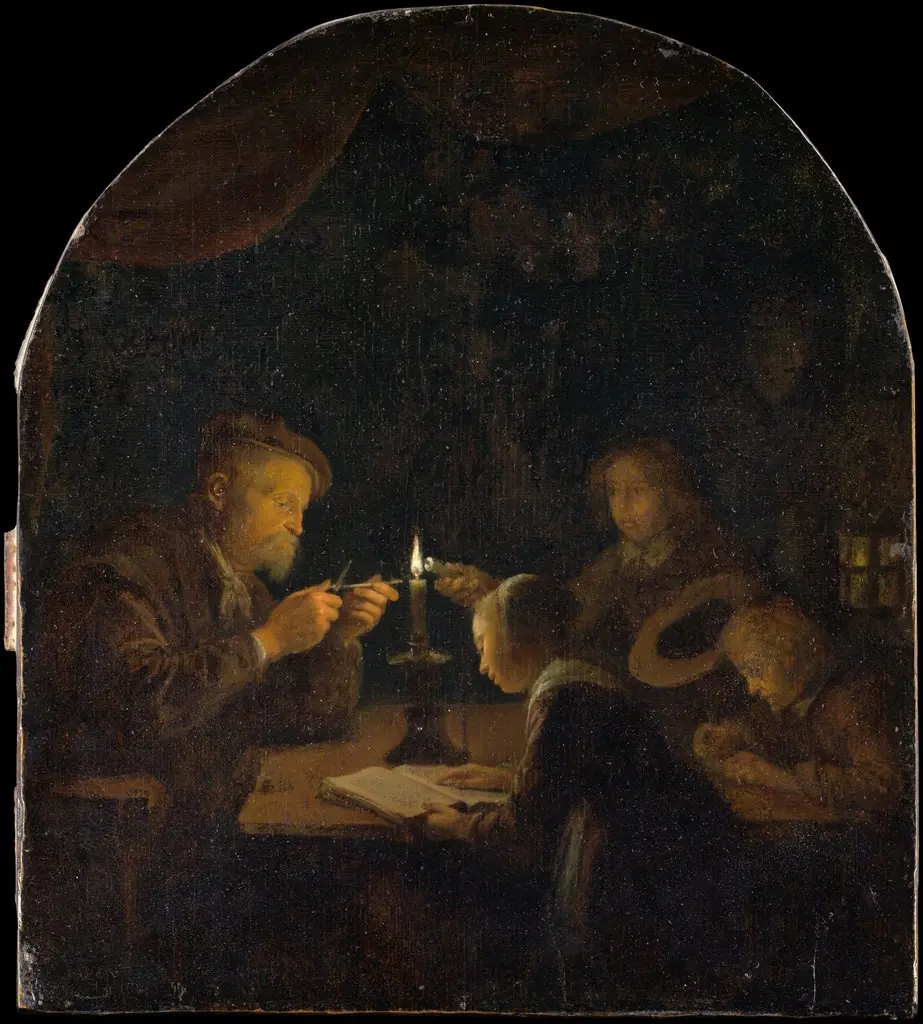 An Evening School
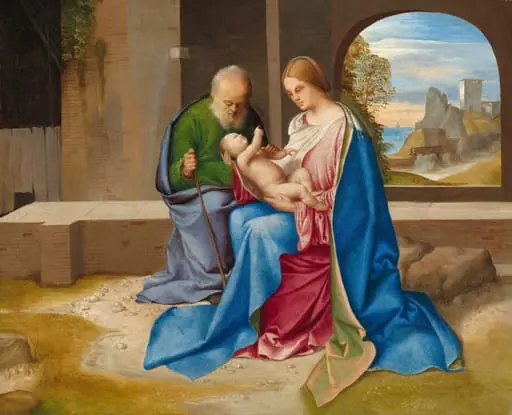 The Holy Family
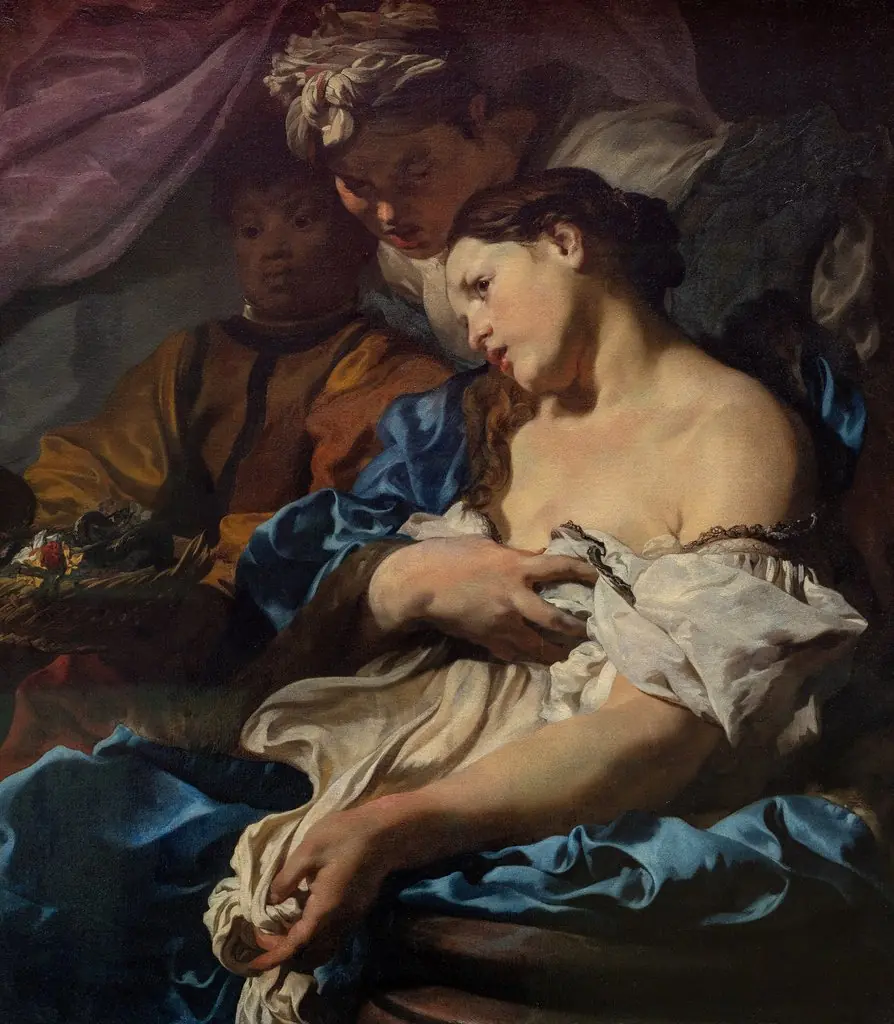 The Death of Cleopatra
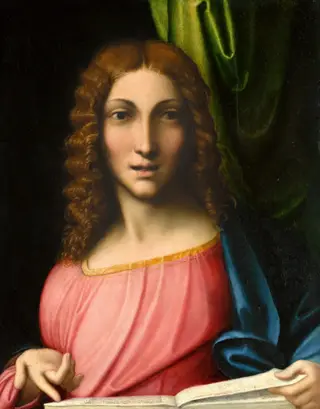 Salvator Mundi
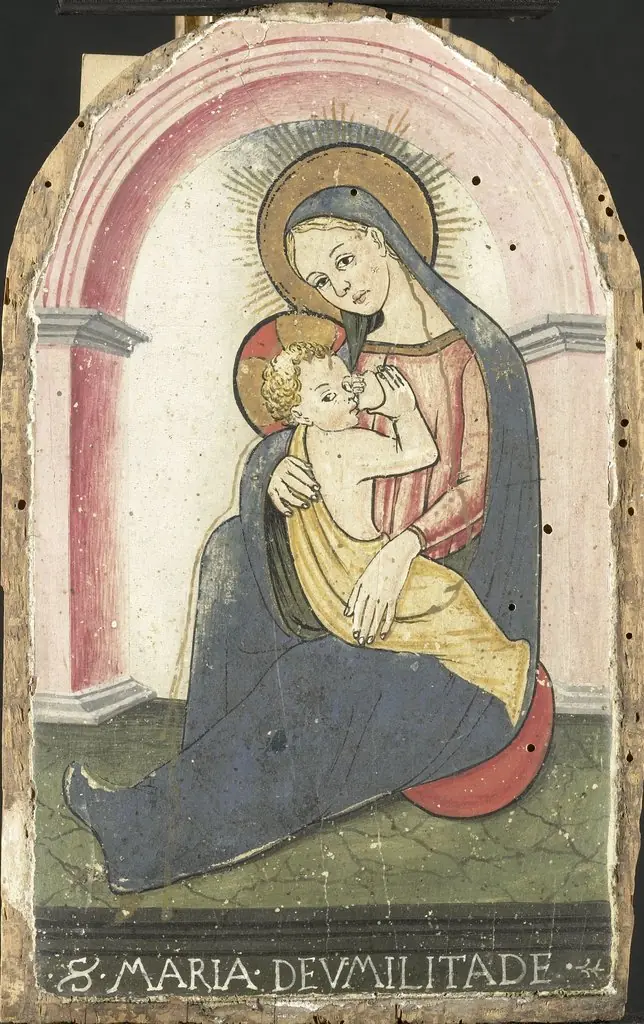 Madonna of Humility
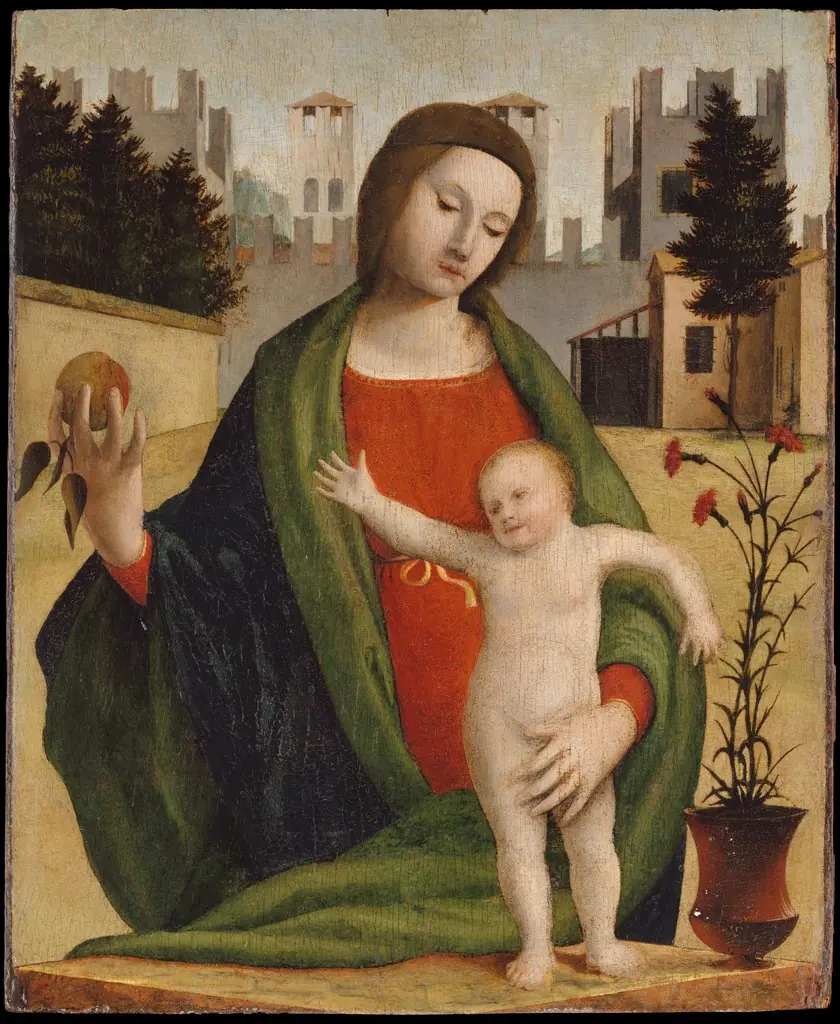 Madonna and Child
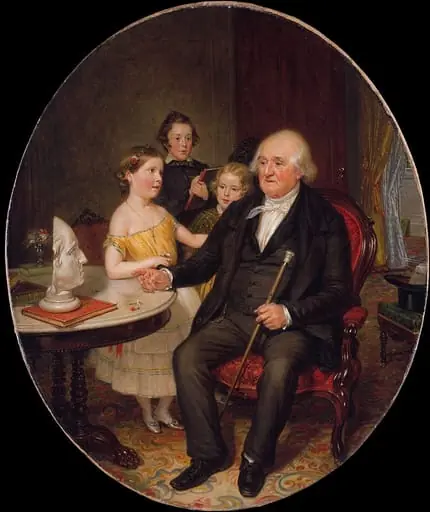 Great-Grand-Father's Tale of the Revolution—A Portrait of Reverend Zachariah Greene
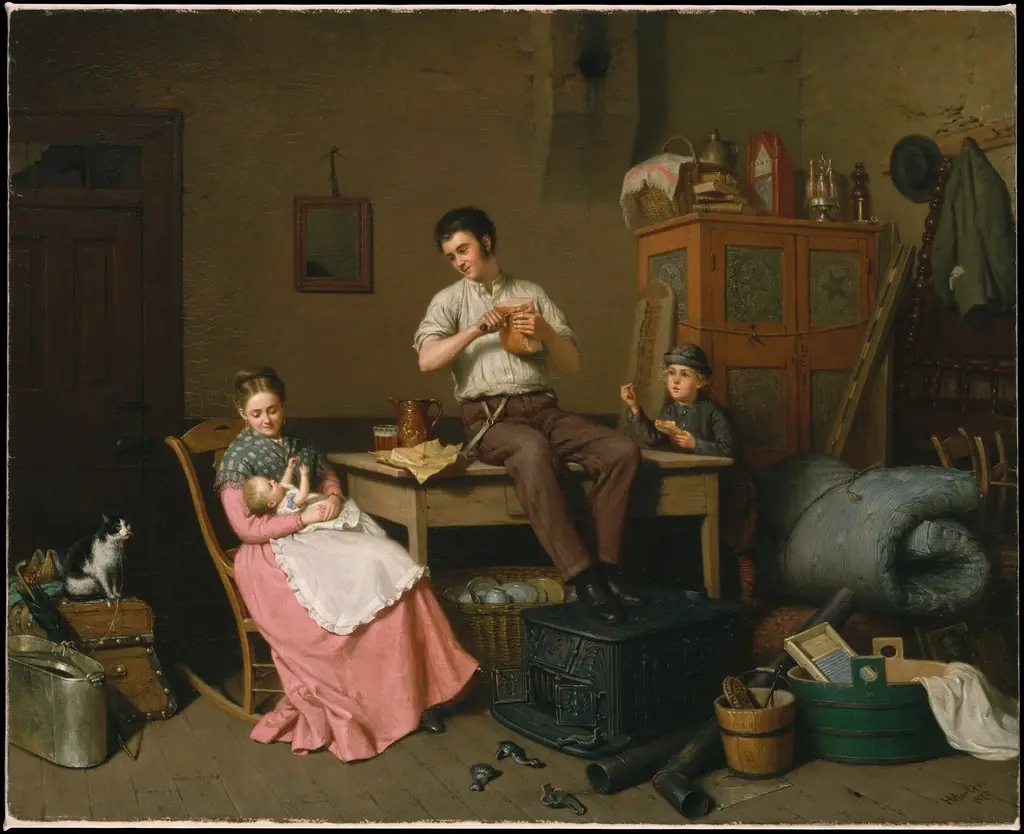 Just Moved
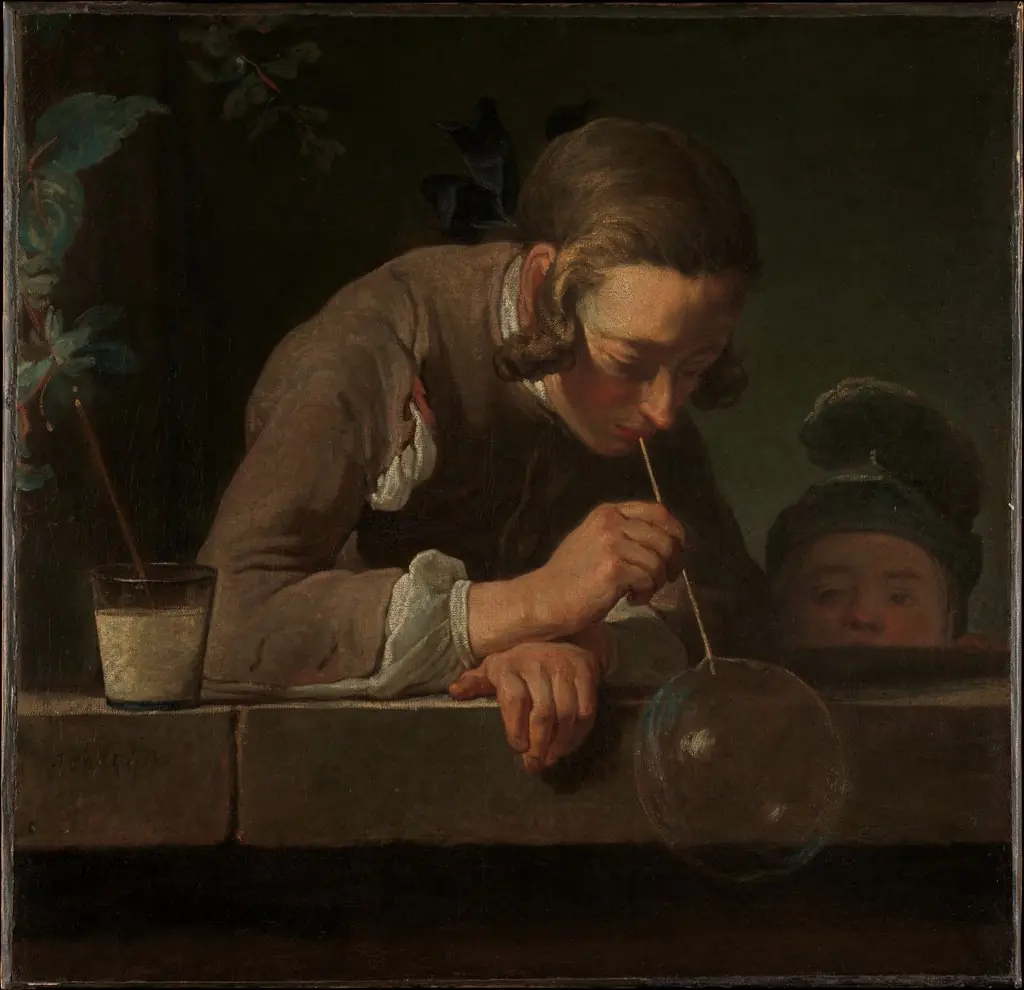 Soap Bubbles
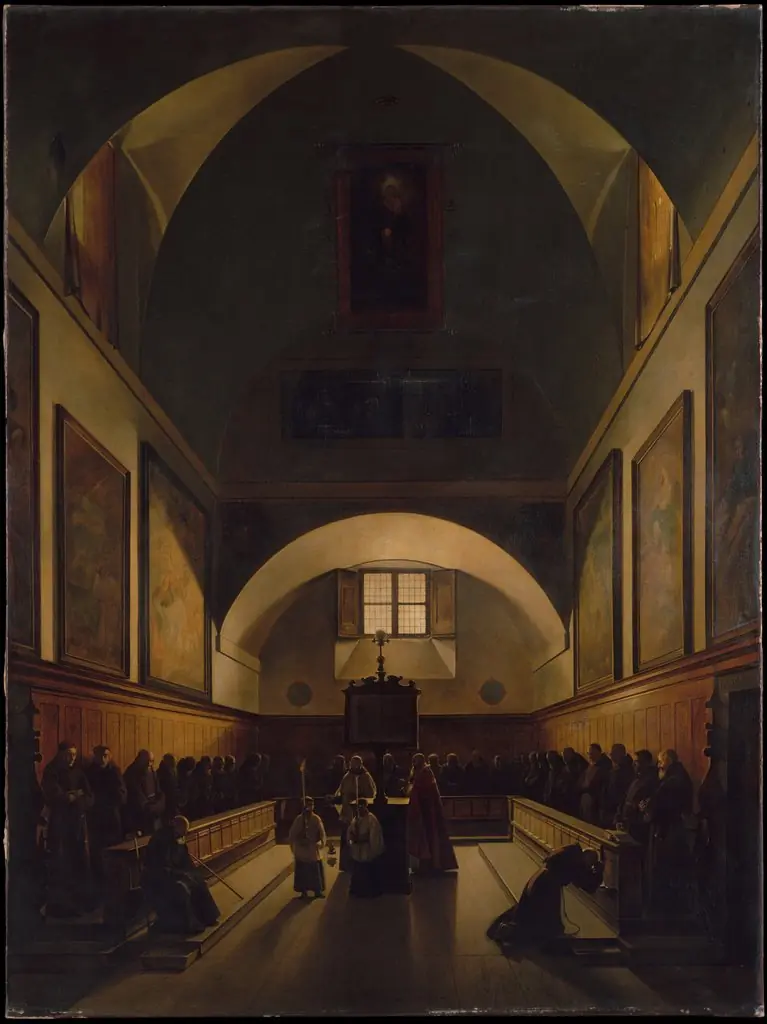 The Choir of the Capuchin Church in Rome
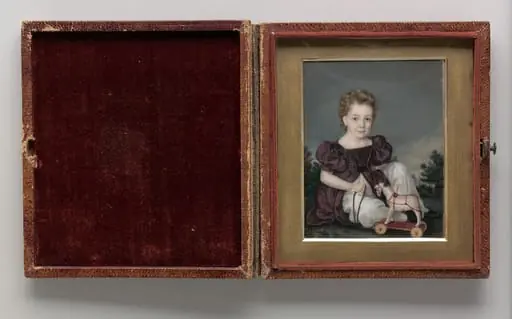 Portrait of a Boy
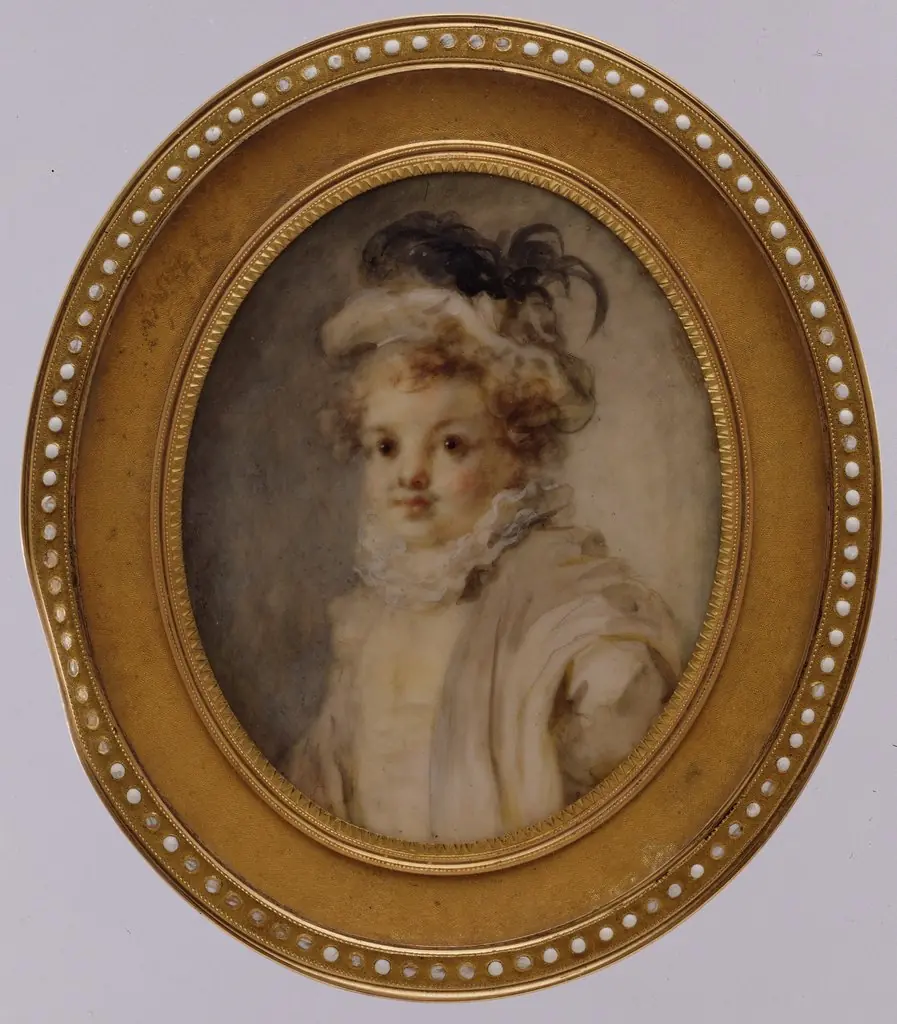 Portrait of a Boy
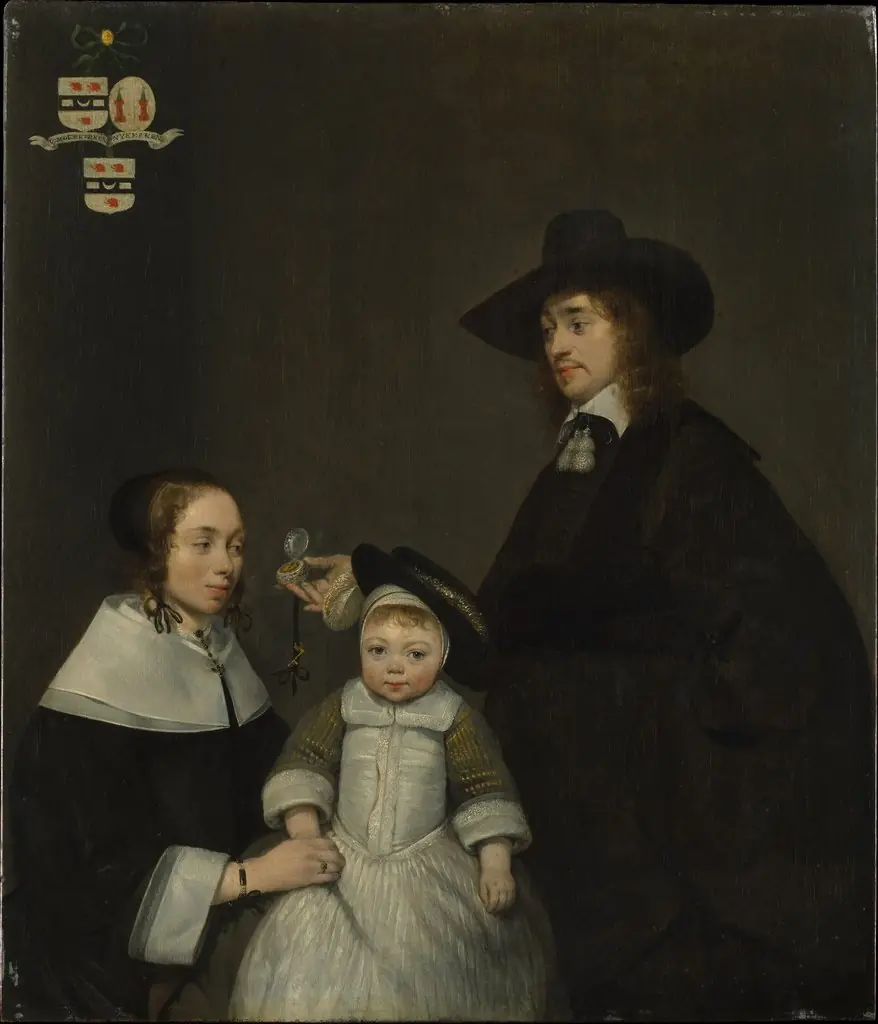 The Van Moerkerken Family
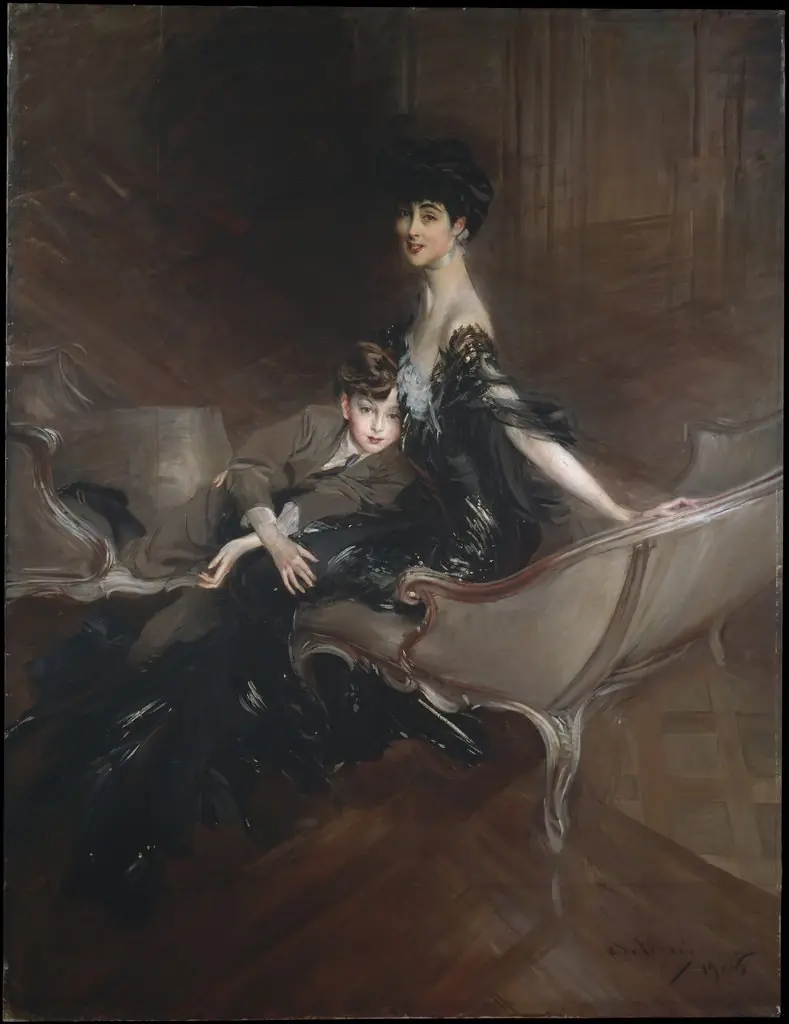 Consuelo Vanderbilt (1876–1964), Duchess of Marlborough, and Her Son, Lord Ivor Spencer-Churchill (1898–1956)
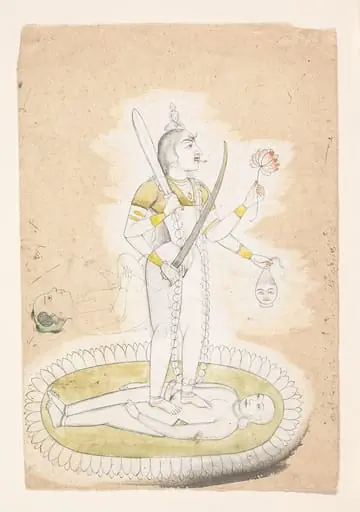 Untitled
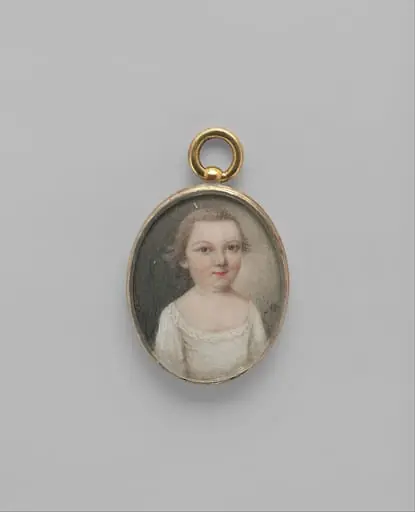 Thomas Middleton
 Caroline Maria Therese of Parma (1770–1804)
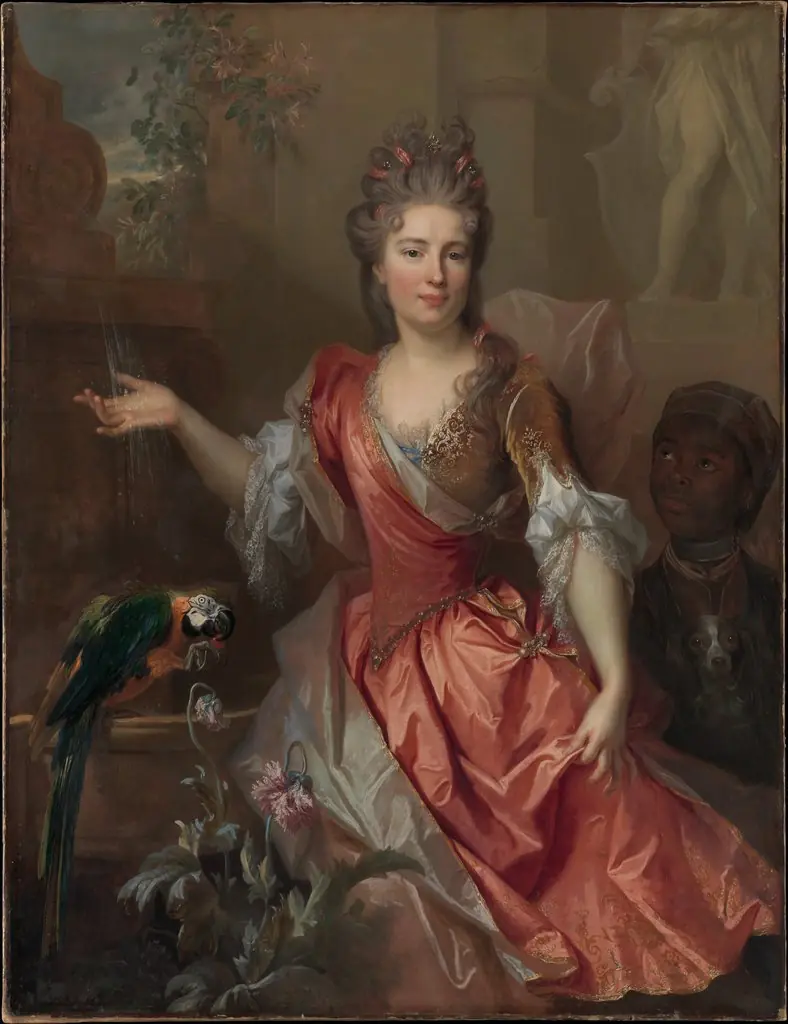 Portrait of a Woman, Possibly Madame Claude Lambert de Thorigny (Marie Marguerite Bontemps, 1668–1701)
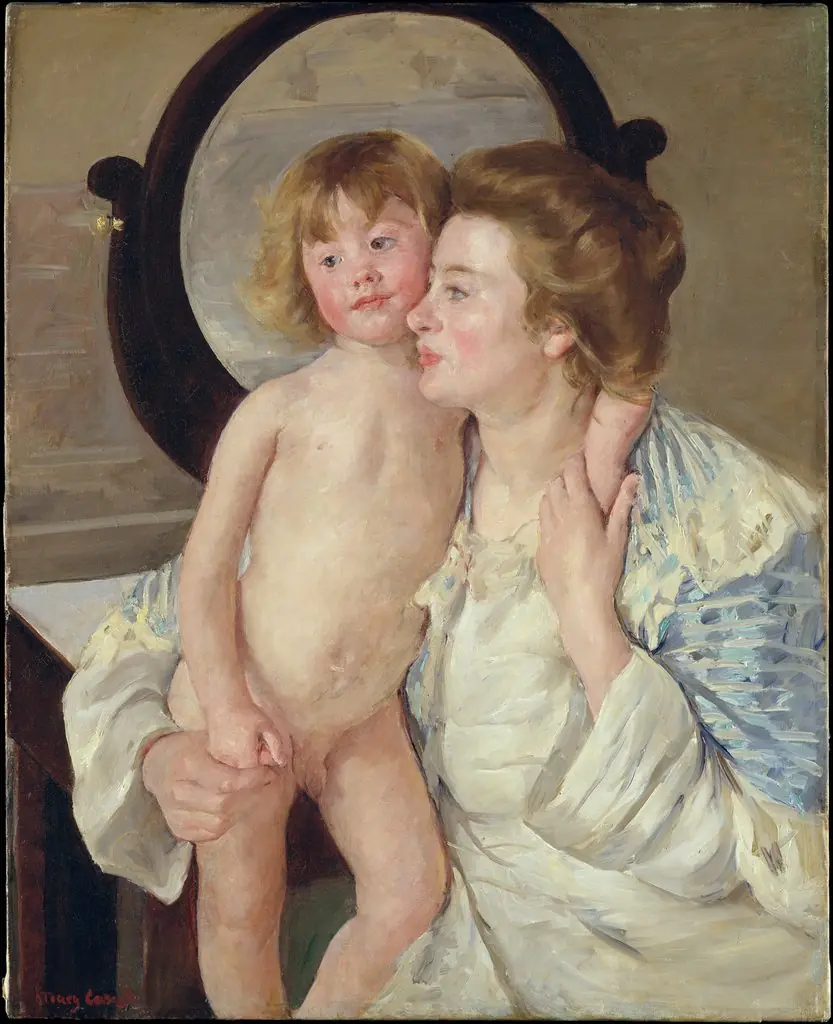 Mother and Child (The Oval Mirror)
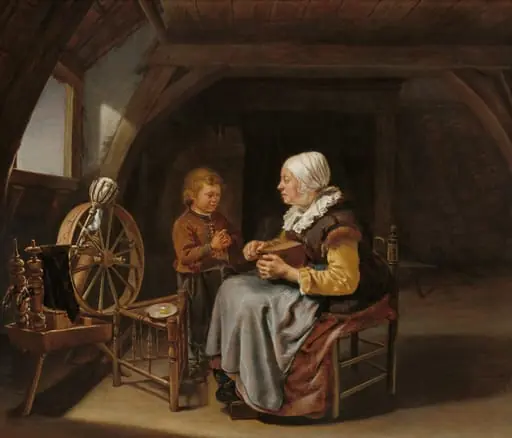 Saying Grace
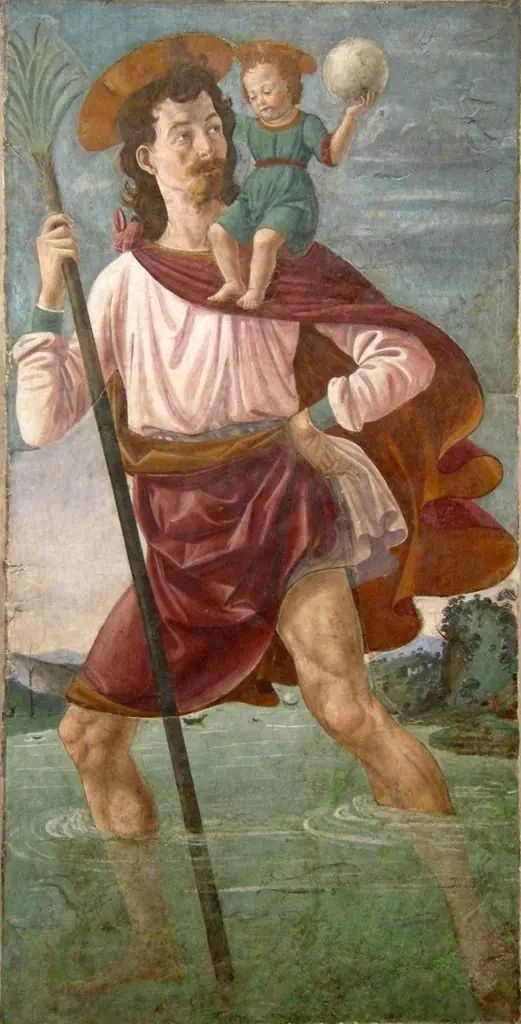 Saint Christopher and the Infant Christ
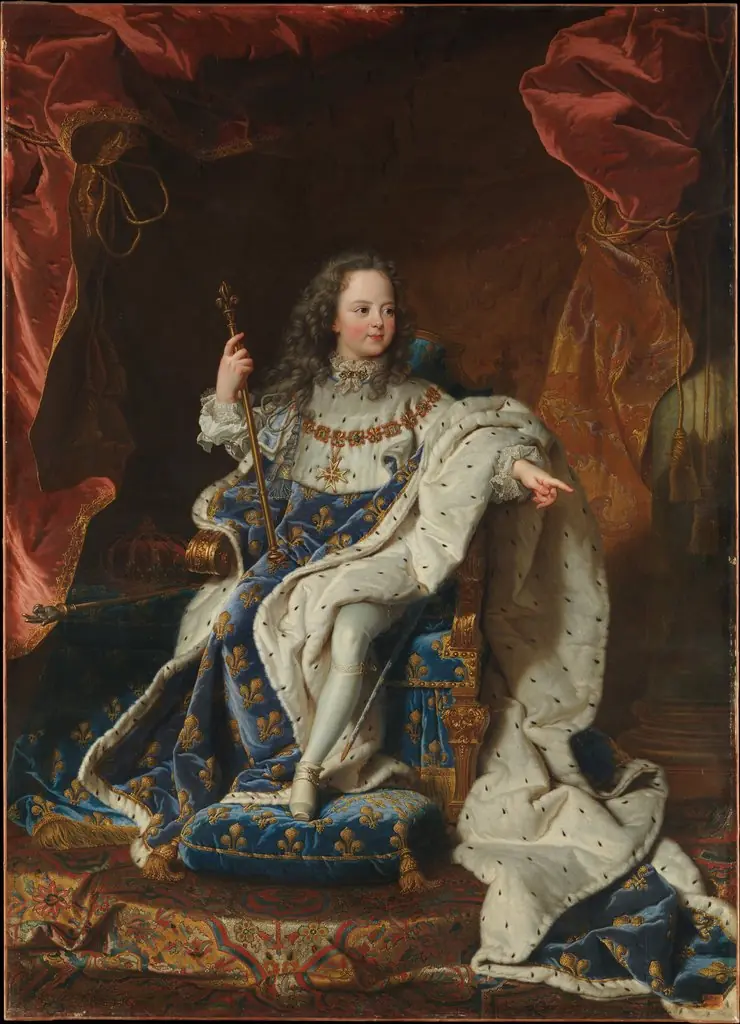 Louis XV at the Age of Five in the Costume of the Sacre
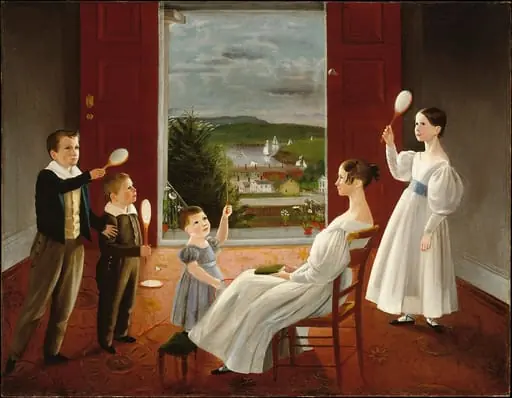 The Children of Nathan Starr
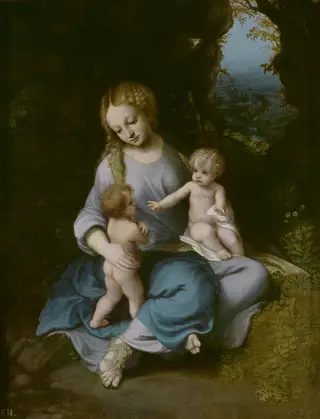 Madonna and Child with the Young Saint John
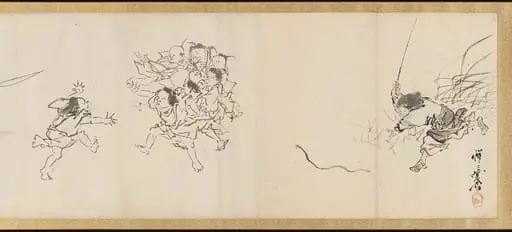 Untitled
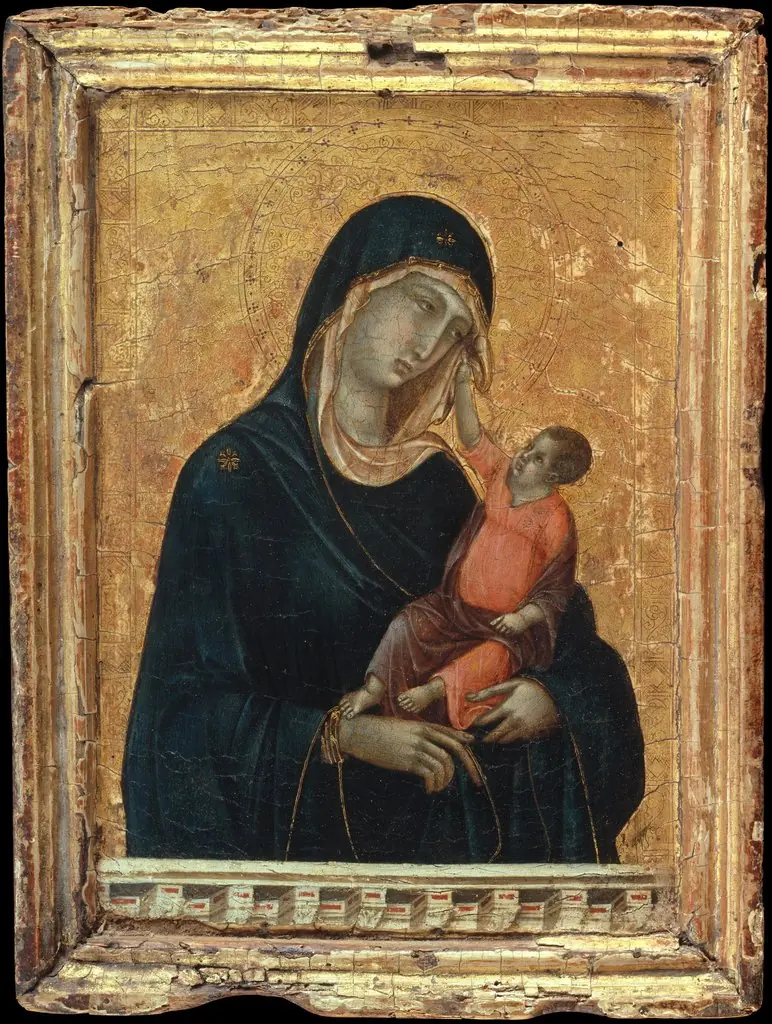 Madonna and Child
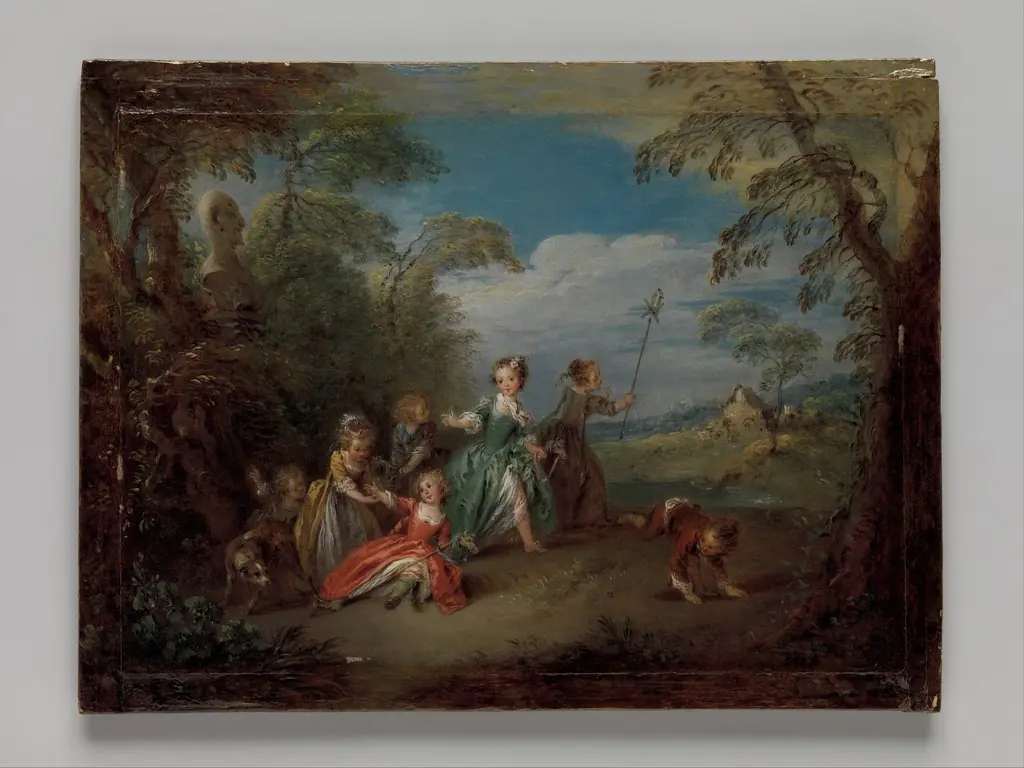 The Golden Age
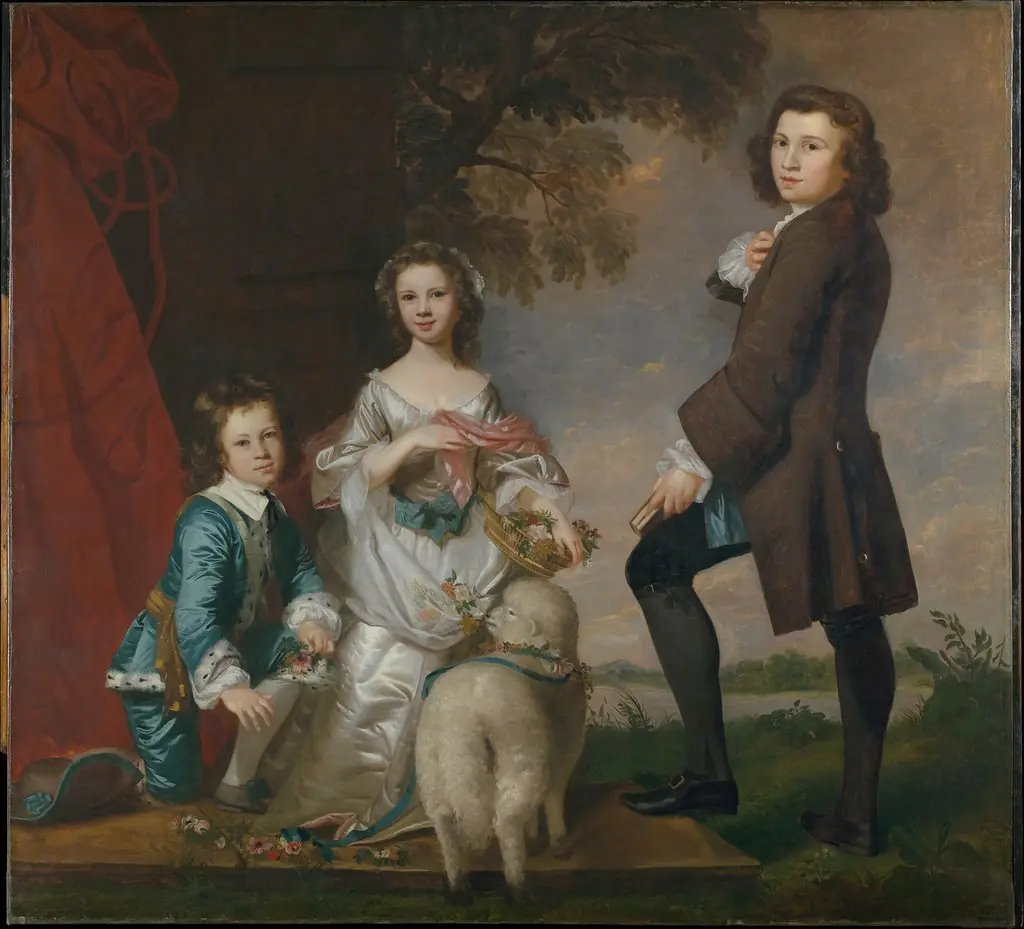 Thomas (1740–1825) and Martha Neate (1741–after 1795) with His Tutor, Thomas Needham
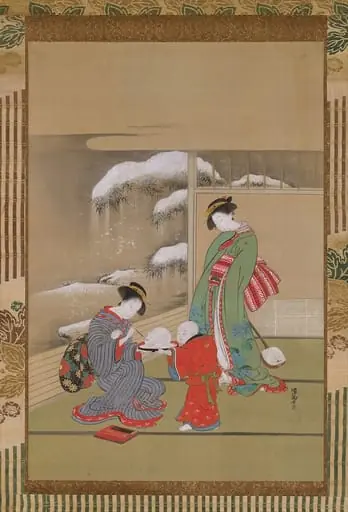 雪兎図|Painting the Eyes on a Snow Rabbit
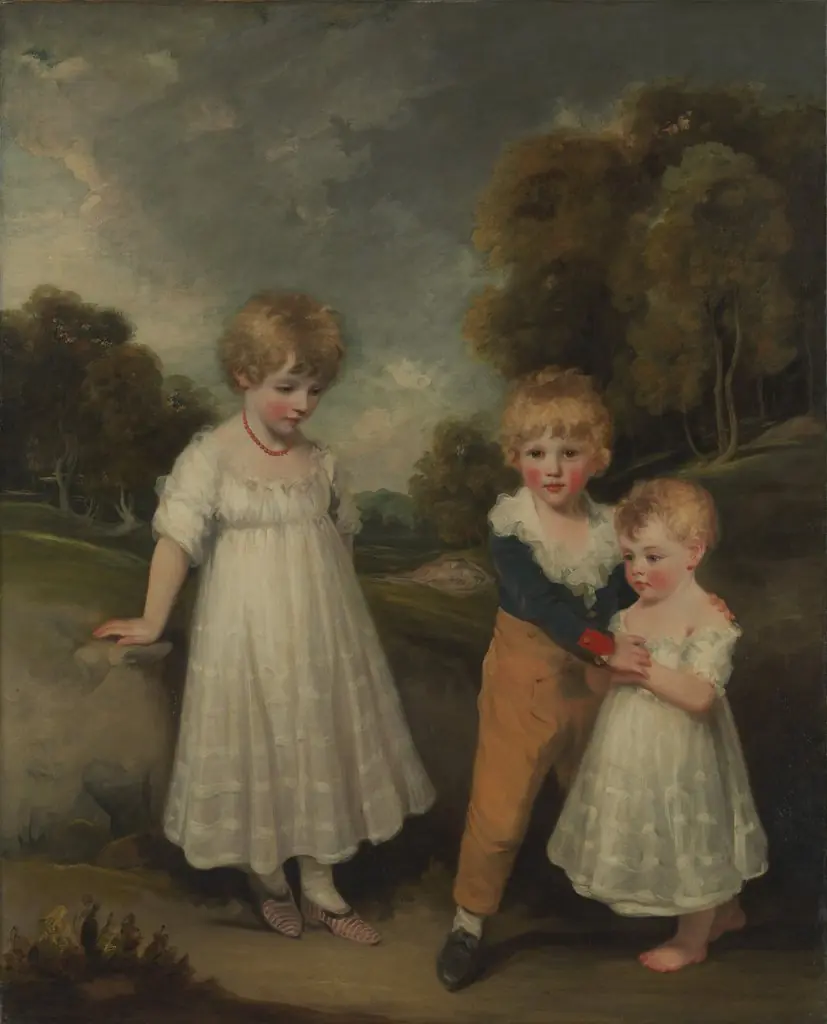 The Sackville Children
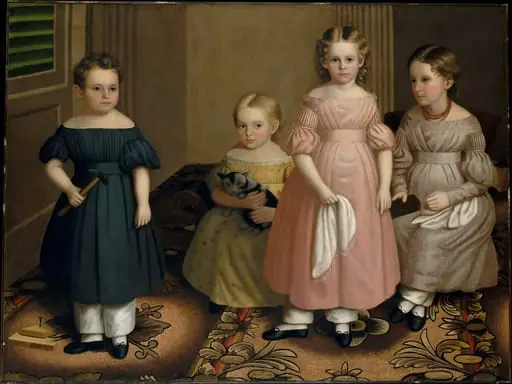 The Alling Children
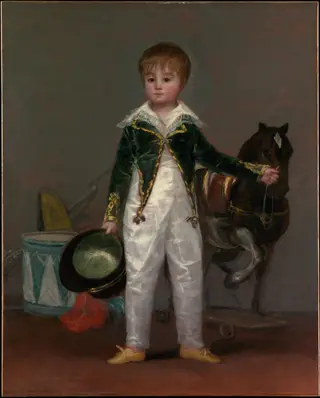 José Costa y Bonells, Called Pepito
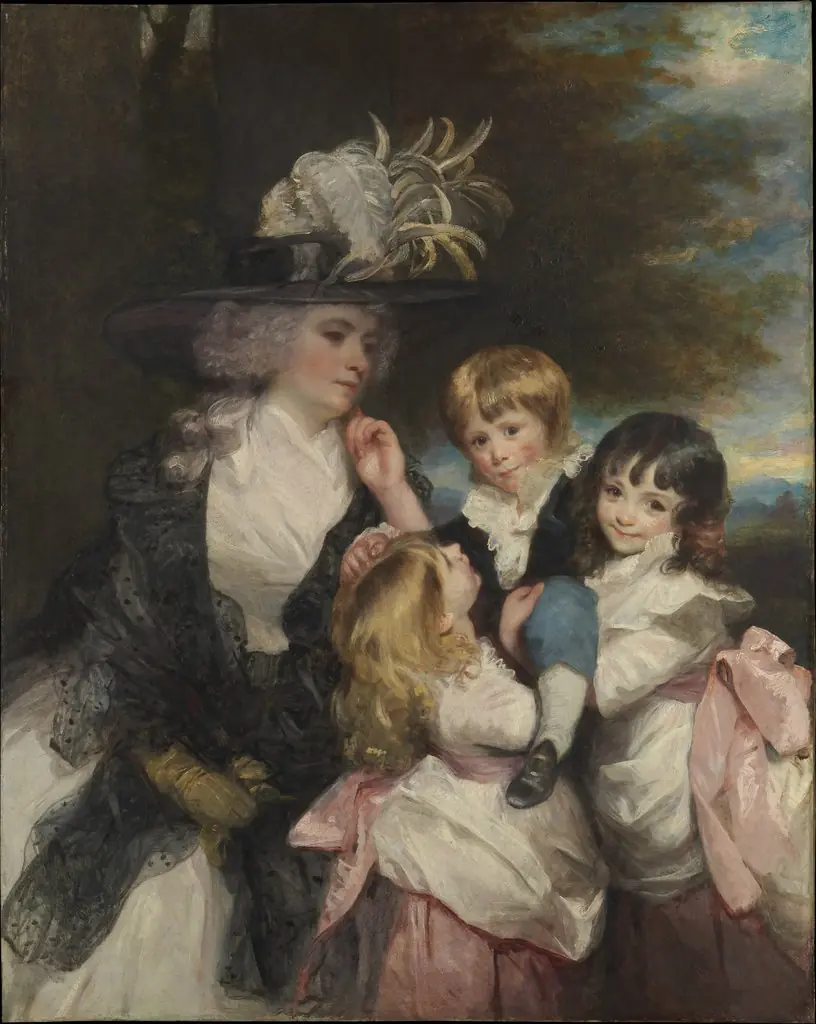 Lady Smith (Charlotte Delaval) and Her Children (George Henry, Louisa, and Charlotte)
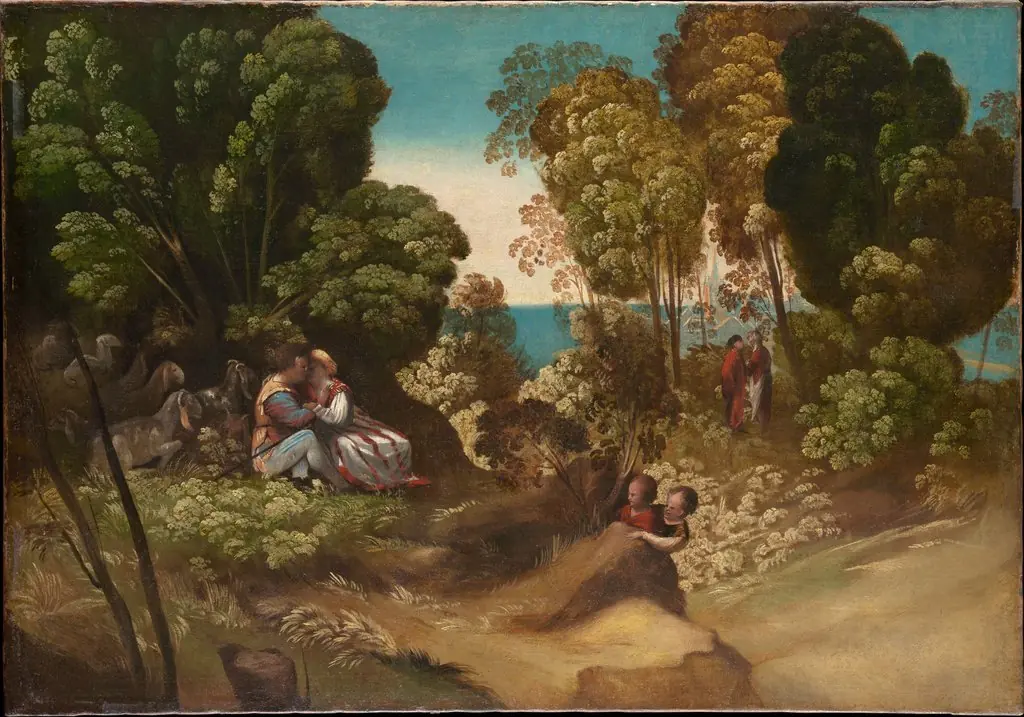 The Three Ages of Man
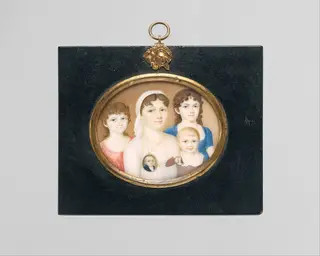 The Artist's Family
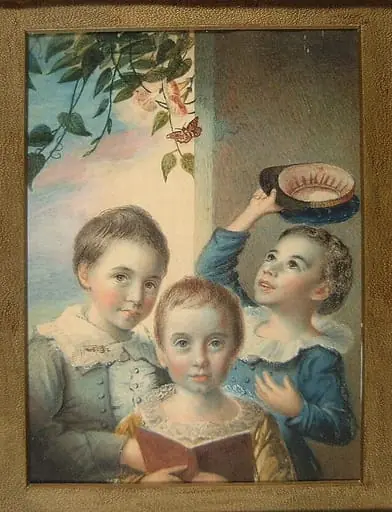 Portrait of Three Boys
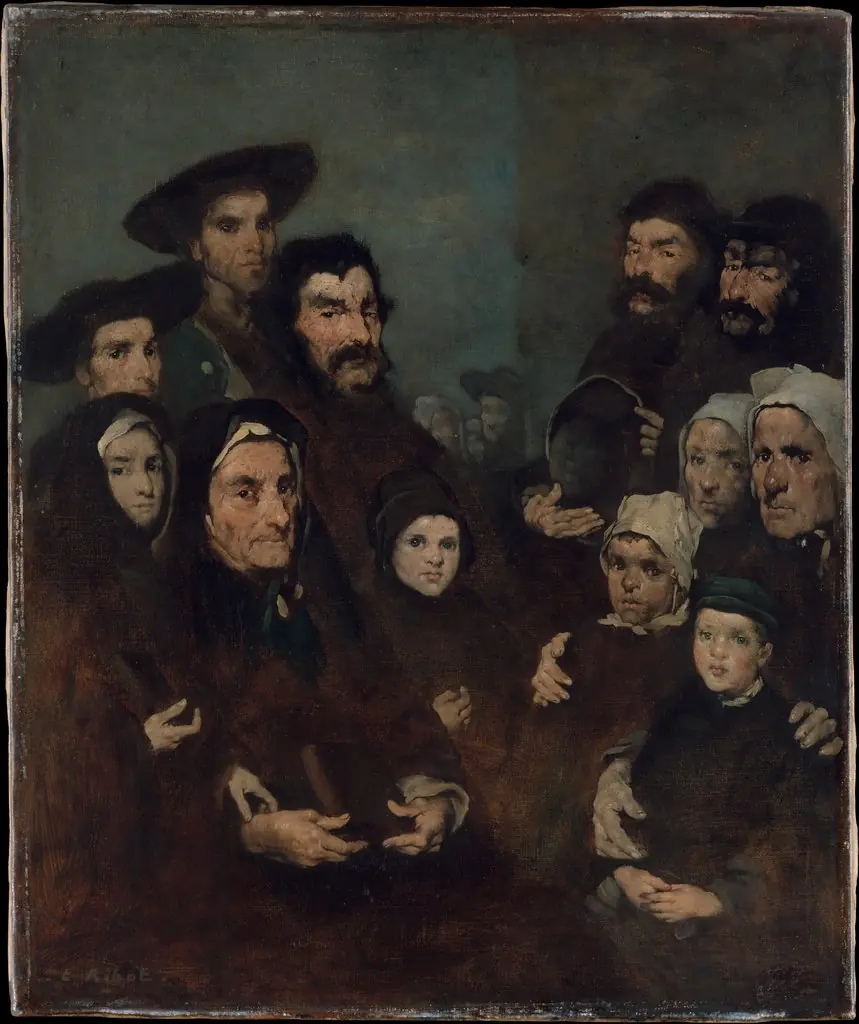 Breton Fishermen and Their Families
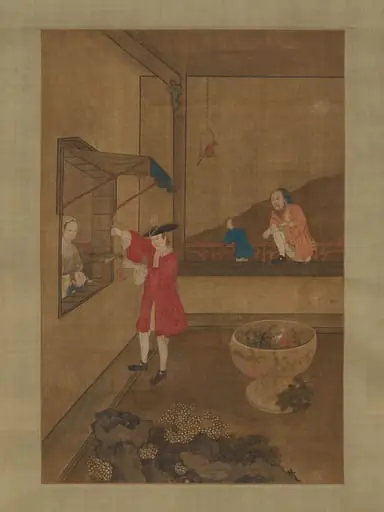 Untitled
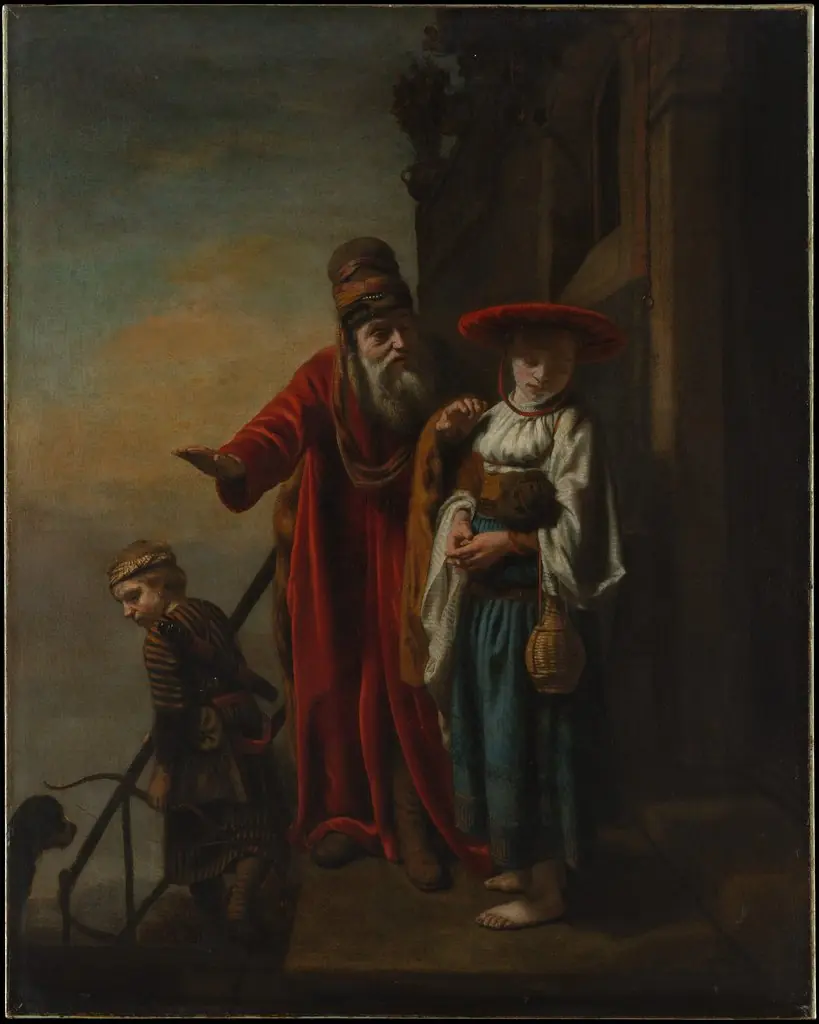 Abraham Dismissing Hagar and Ishmael
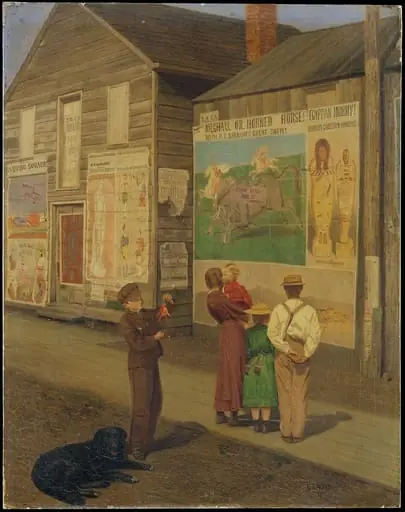 Coming Events Cast Their Shadows Before
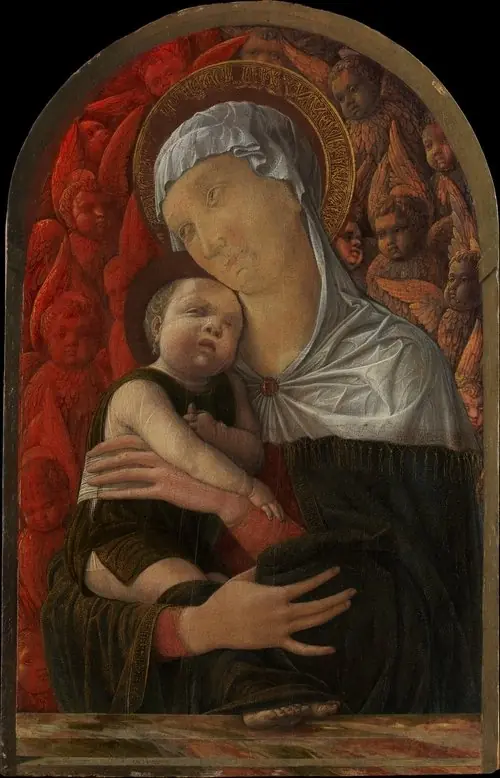 Virgin and Child
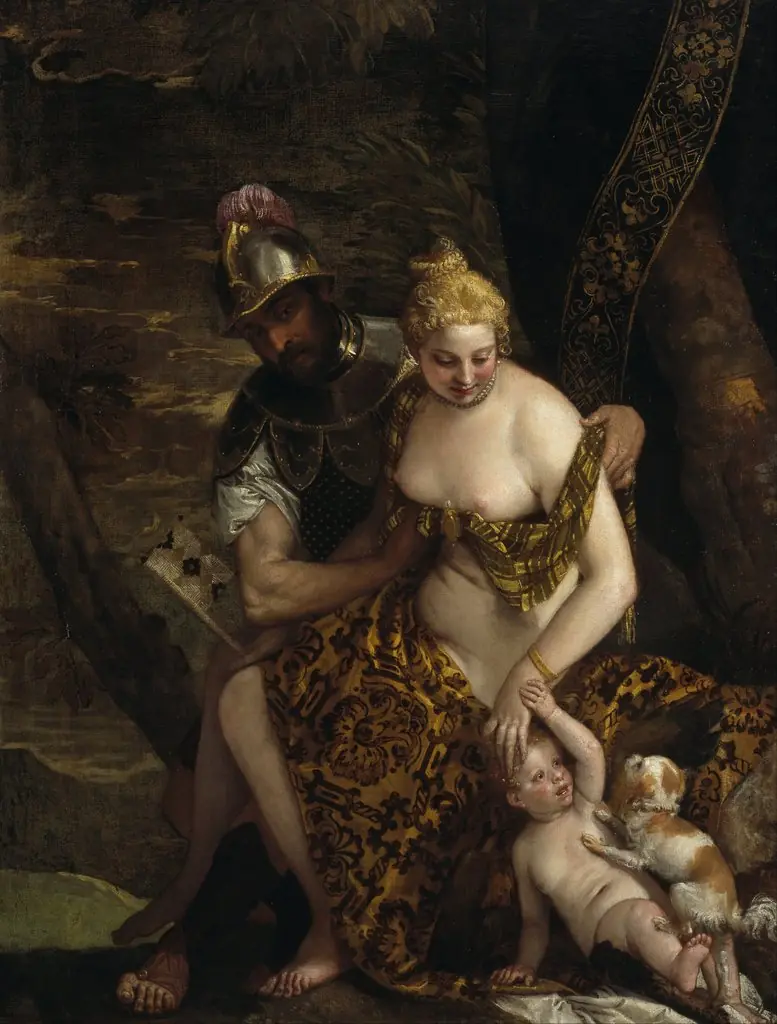 Mars and Venus with Cupid and a Dog
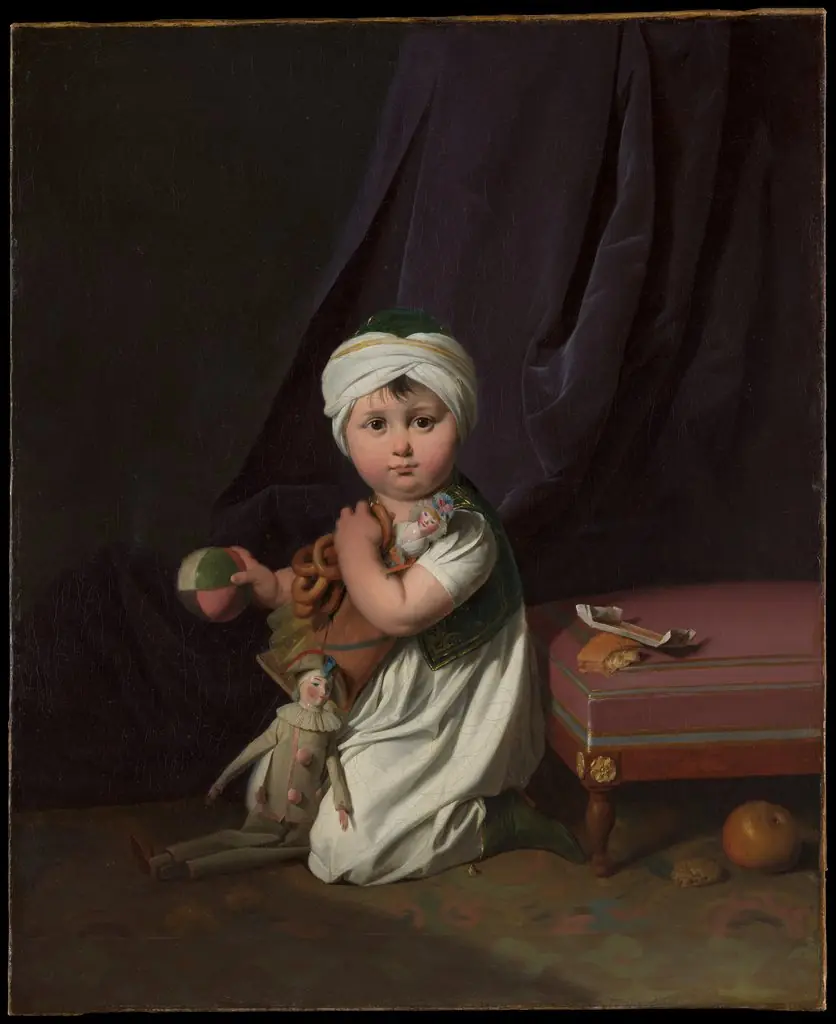 Portrait of a Boy
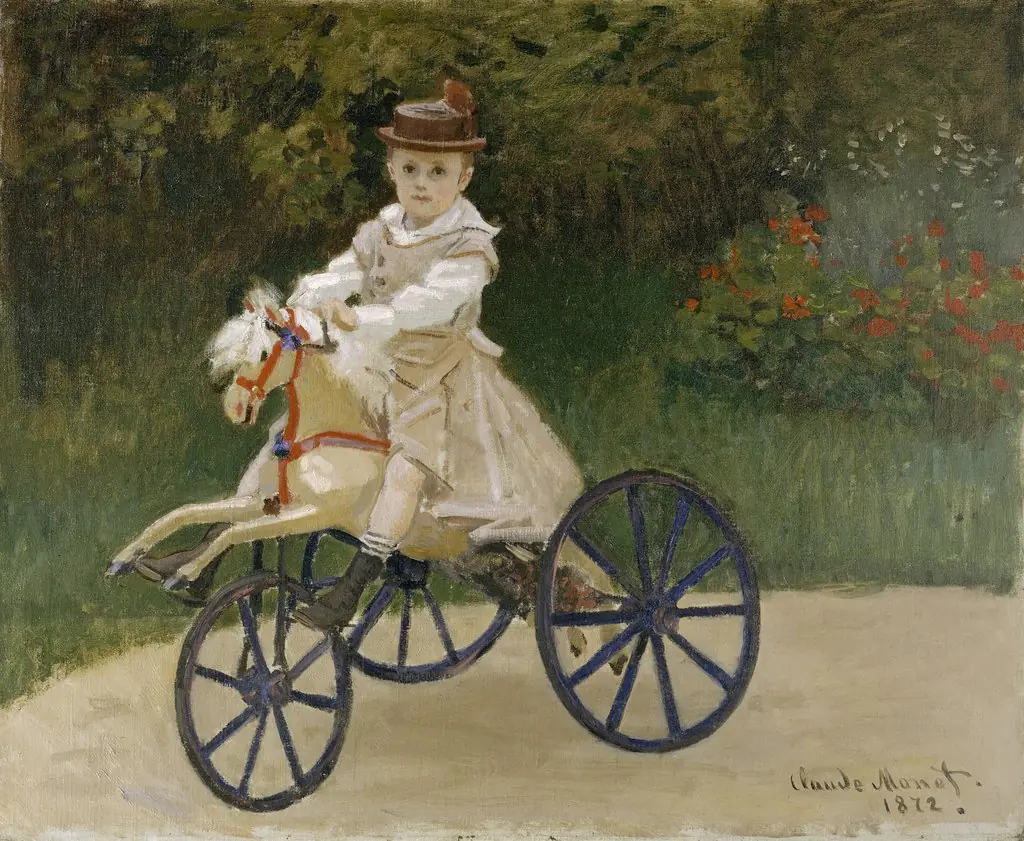 Jean Monet (1867–1913) on His Hobby Horse
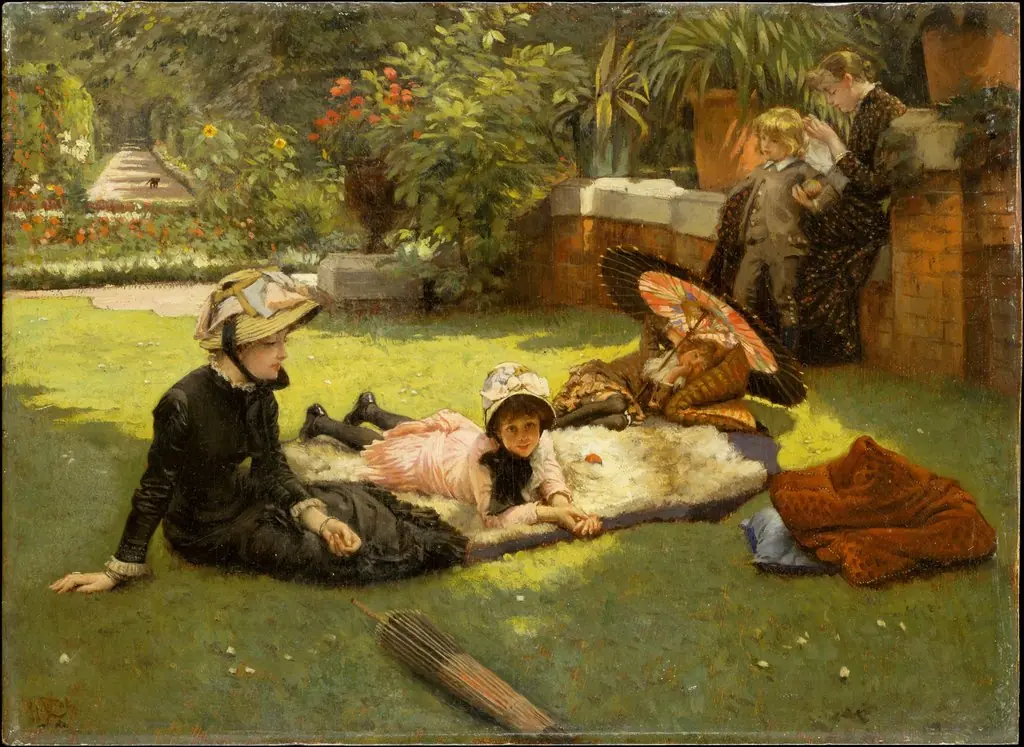 In Full Sunlight (En plein soleil)
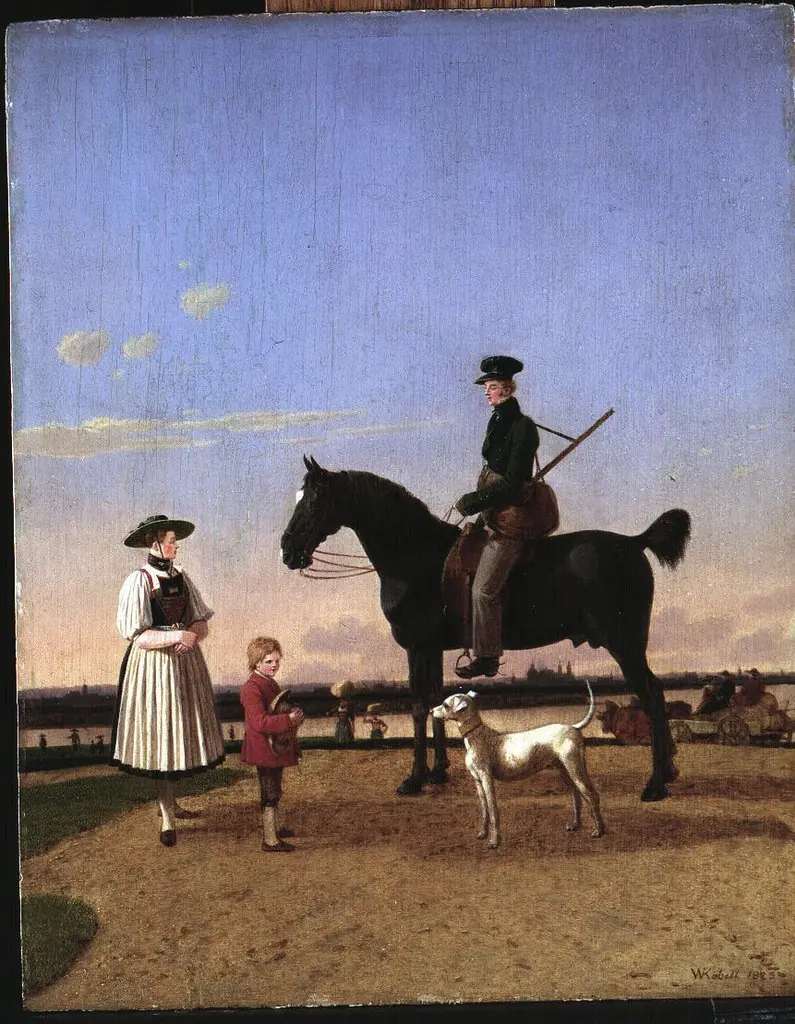 A Huntsman and a Peasant Woman by the Isar River with a View of Munich
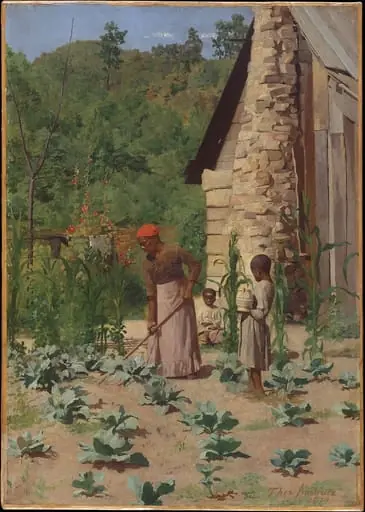 The Way They Live
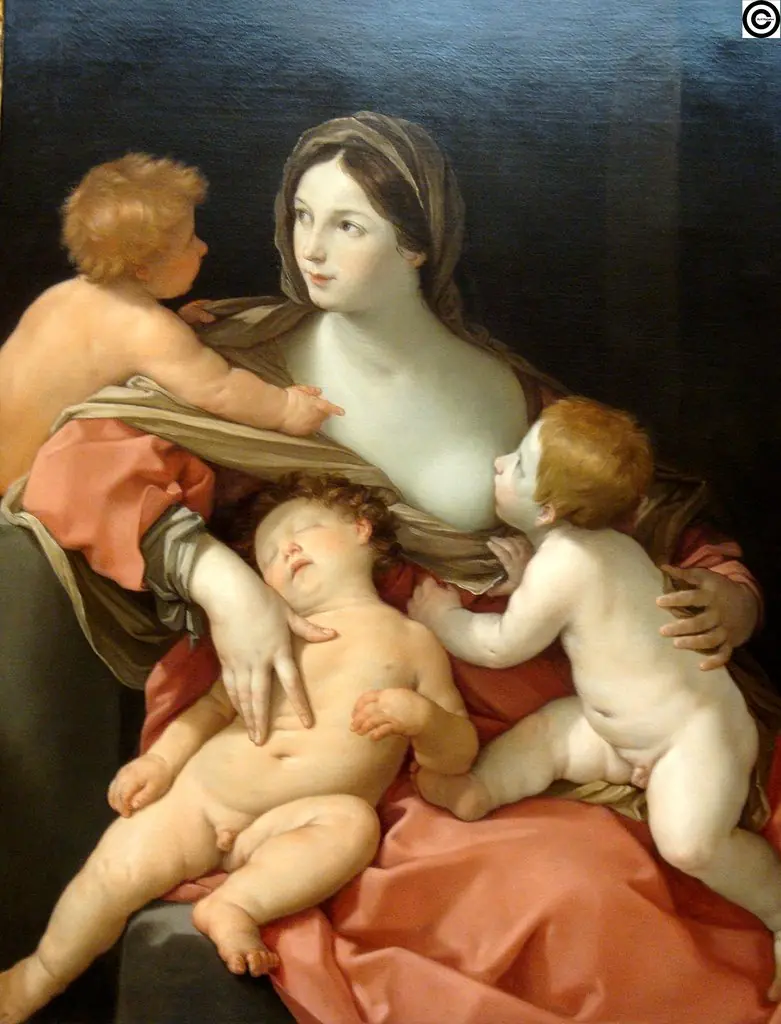 Charity
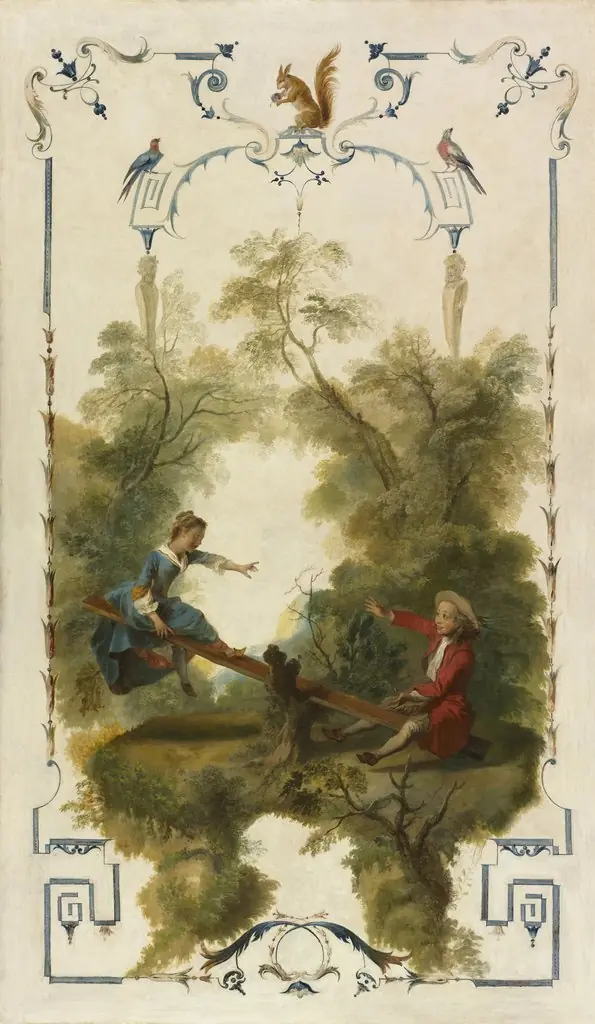 The See-Saw
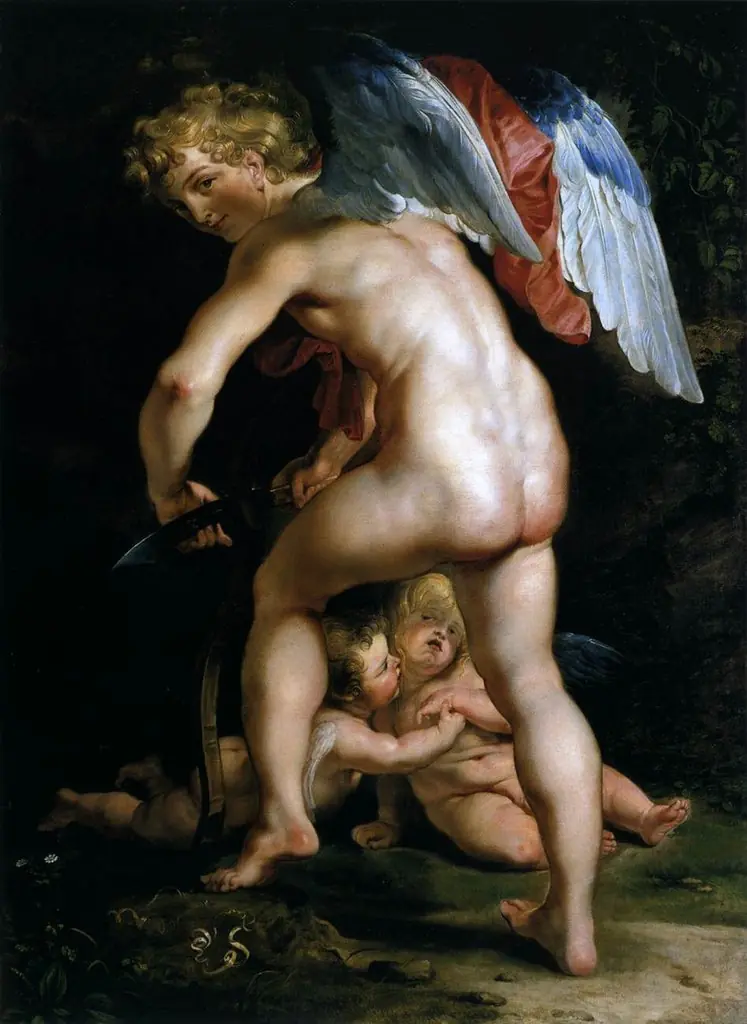 Cupid (Eros) Carves the Bow
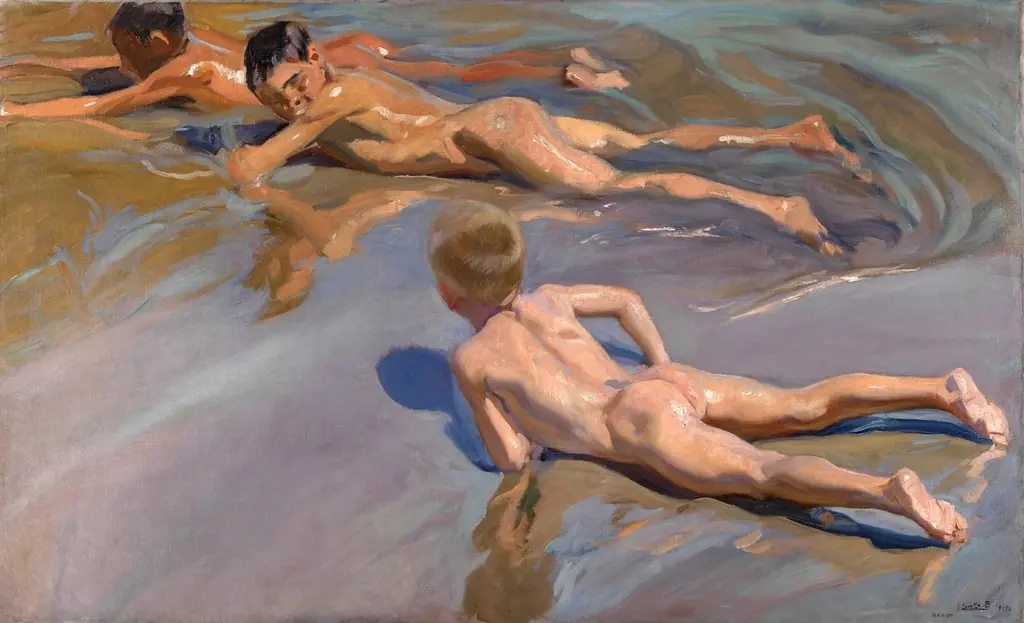 Chicos en la playa
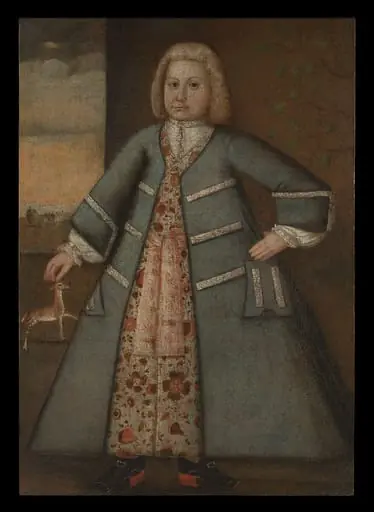 Boy with a Fawn
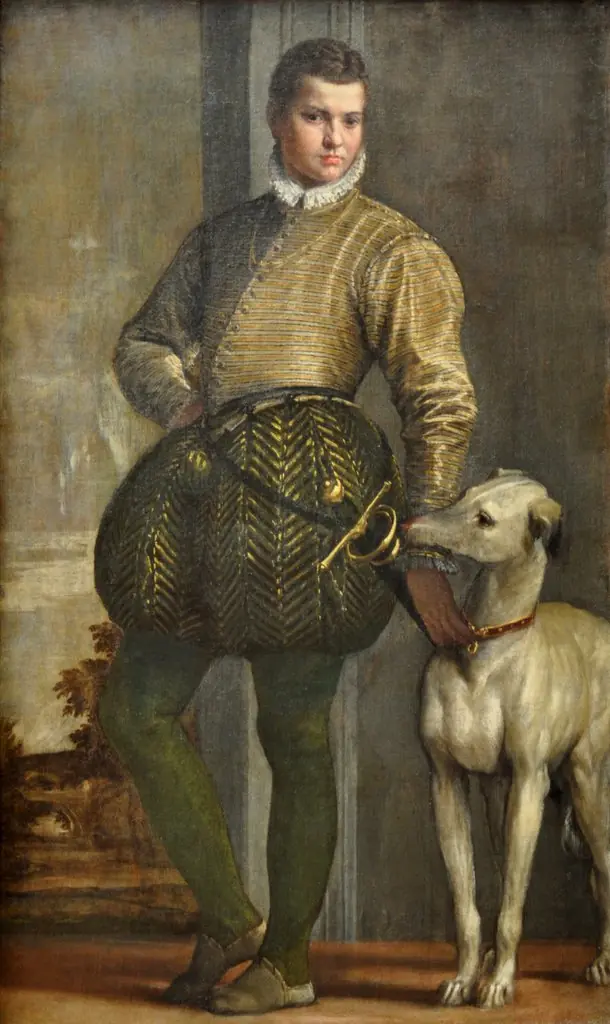 Boy with a Greyhound
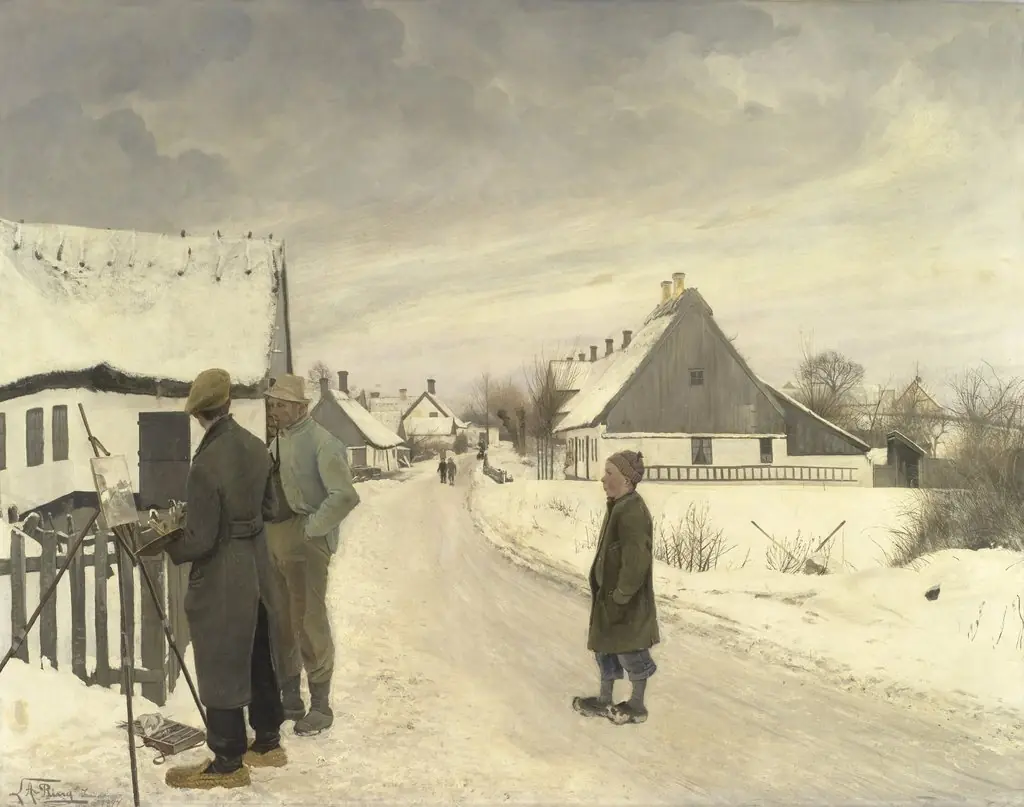 The Painter in the Village
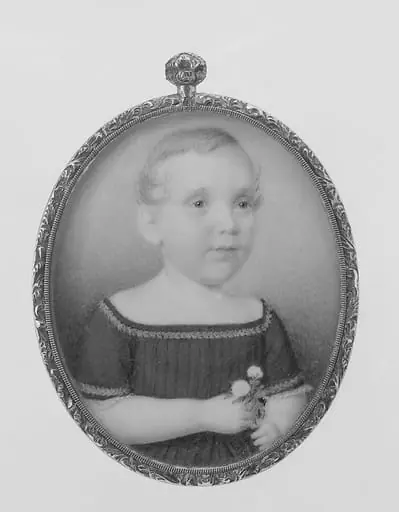 Portrait of a Boy
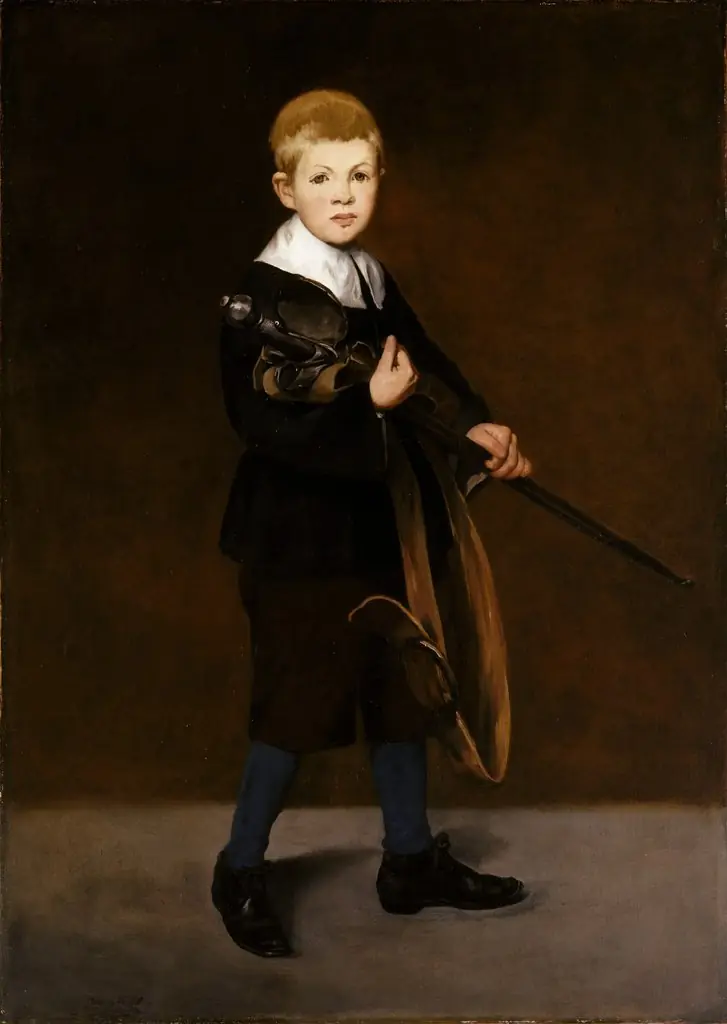 Boy Carrying a Sword
 Untitled
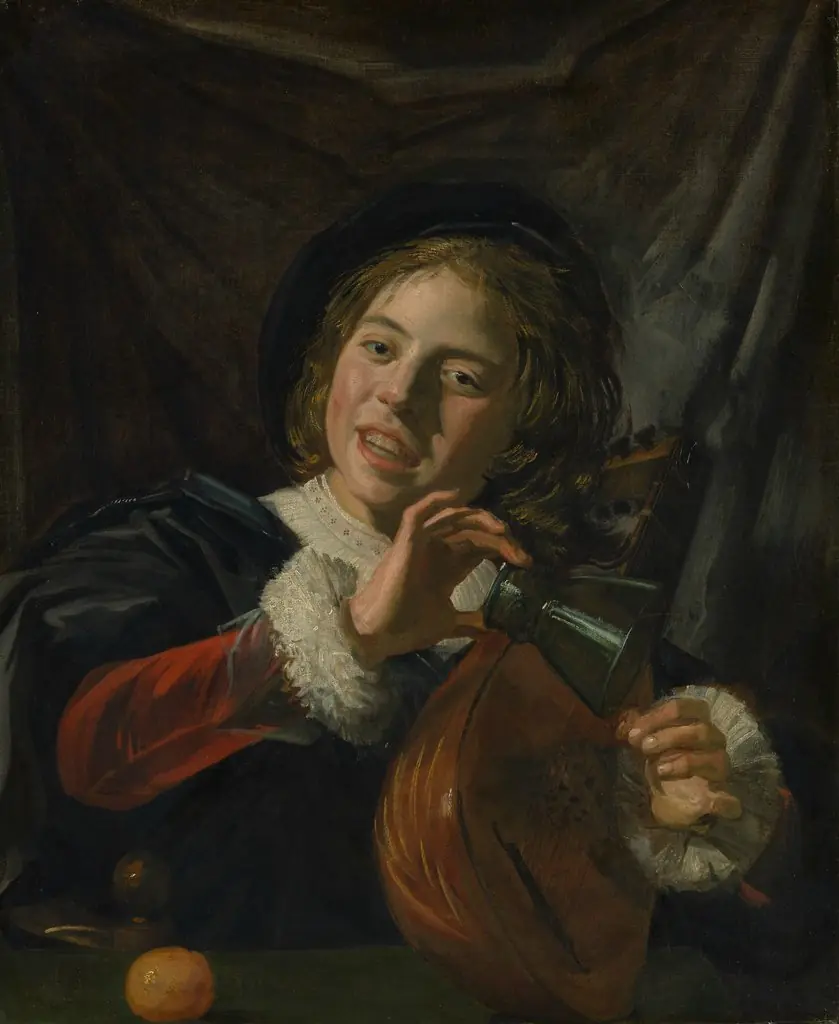 Boy with a Lute
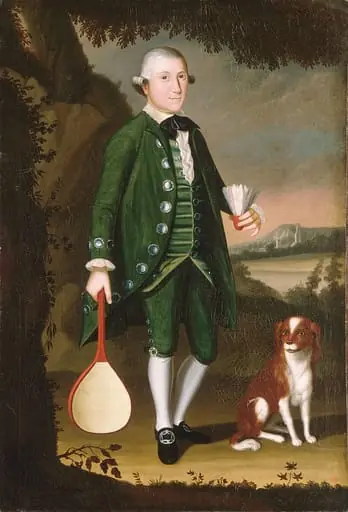 Portrait of a Boy, Probably of the Crossfield Family
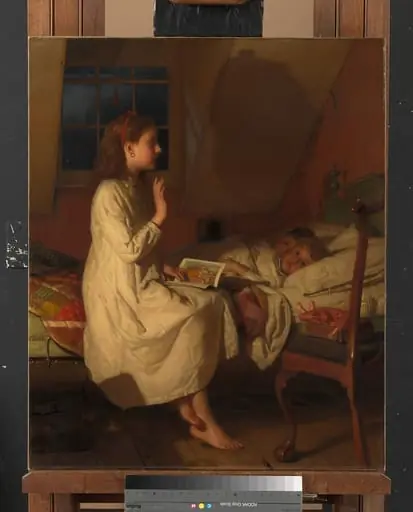 Story of Golden Locks
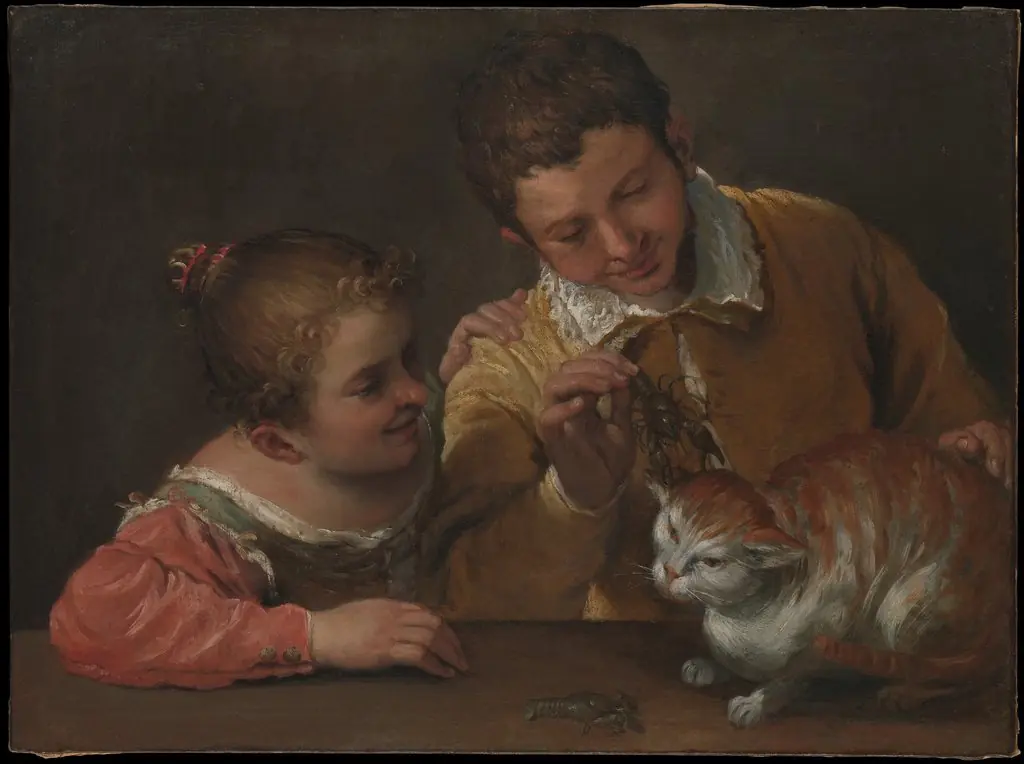 Two children teasing a cat
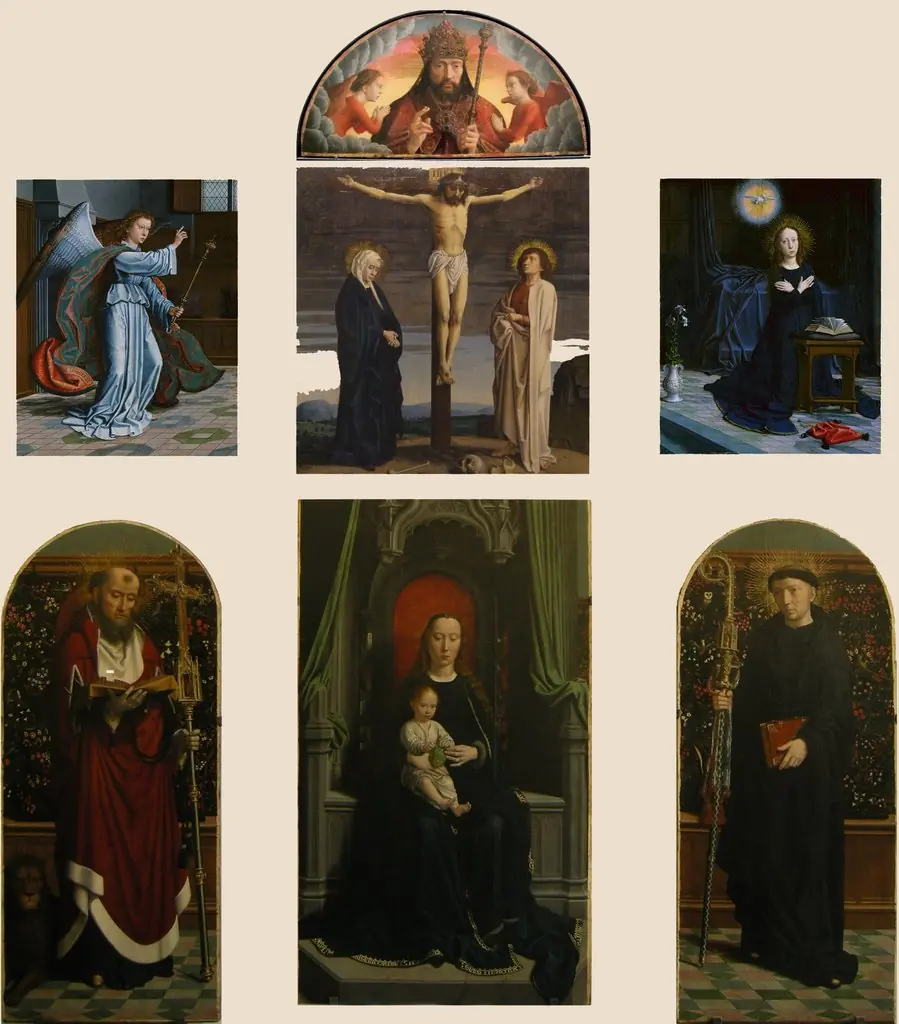 Cervara Polyptych
 Untitled
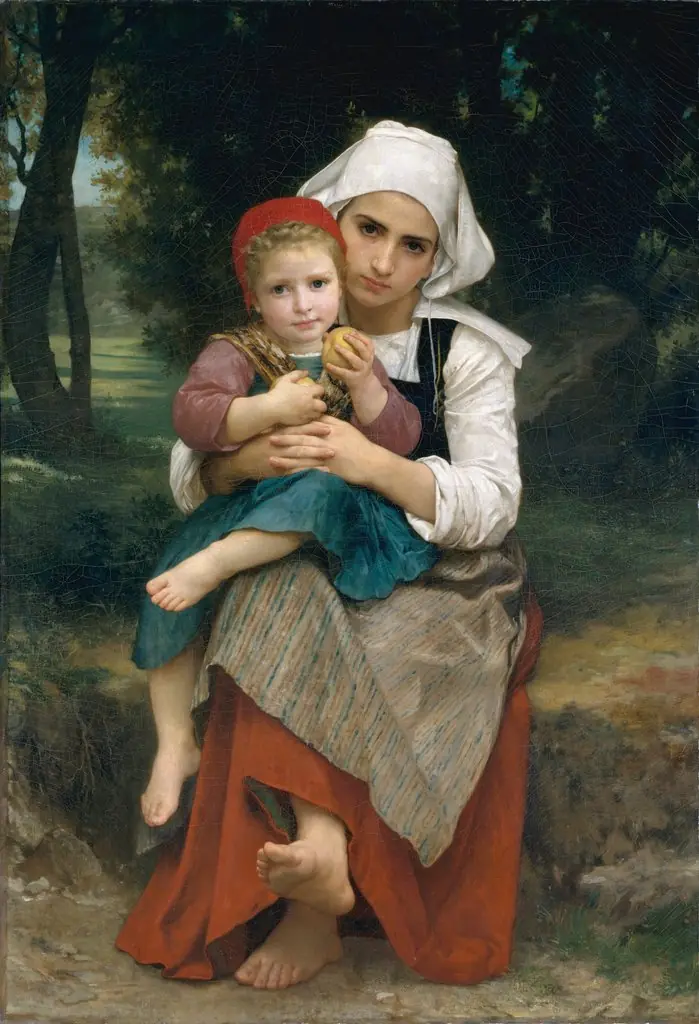 Breton Brother and Sister
 The Vigilant Stuyvesant's Wall Street Gate
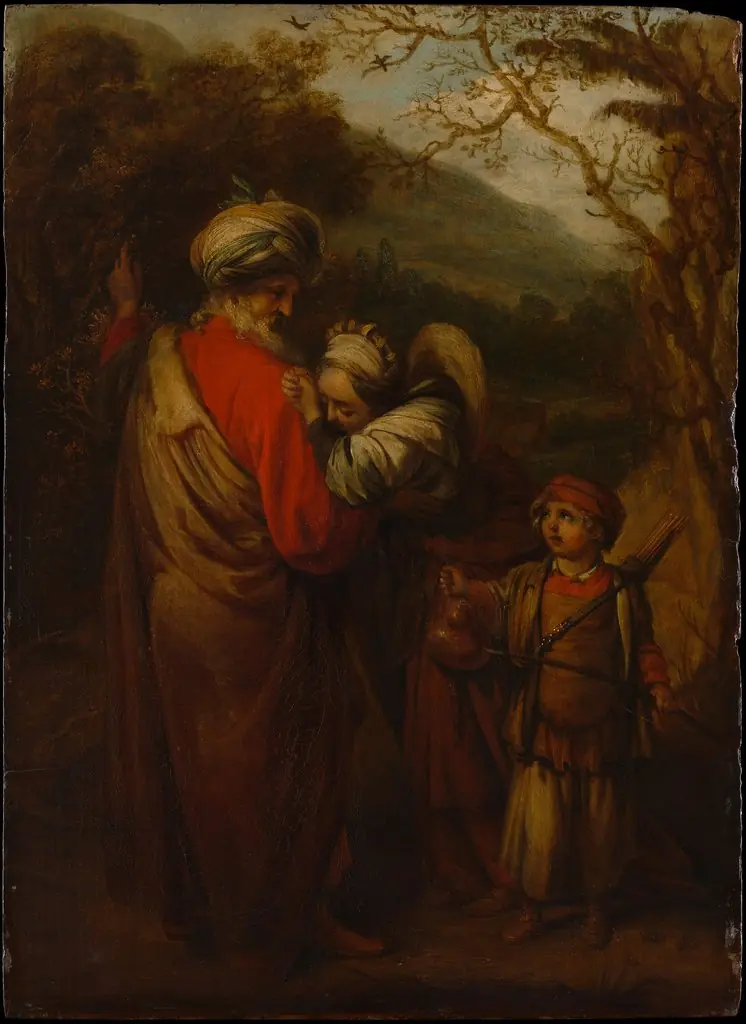 Abraham Dismissing Hagar and Ishmael
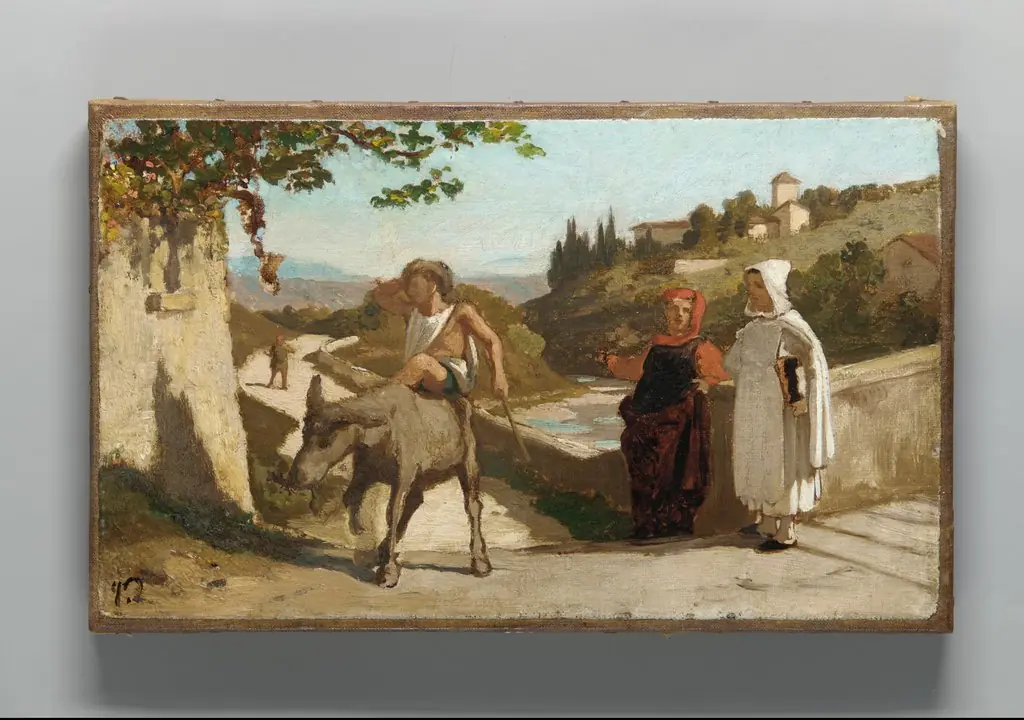 The Fable of the Miller, His Son, and the Donkey
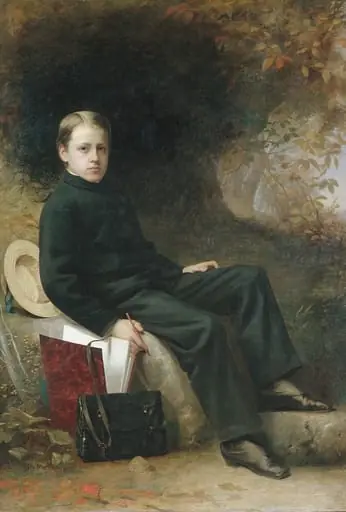 Amory Sibley Carhart
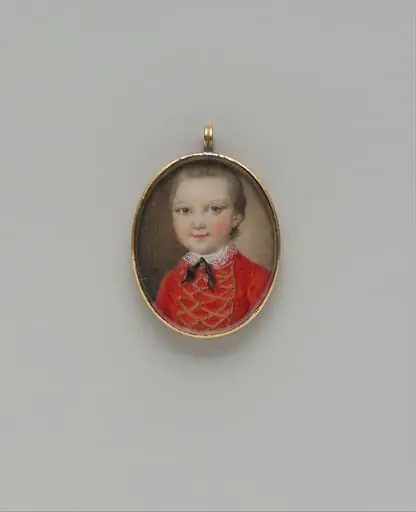 Williams Middleton
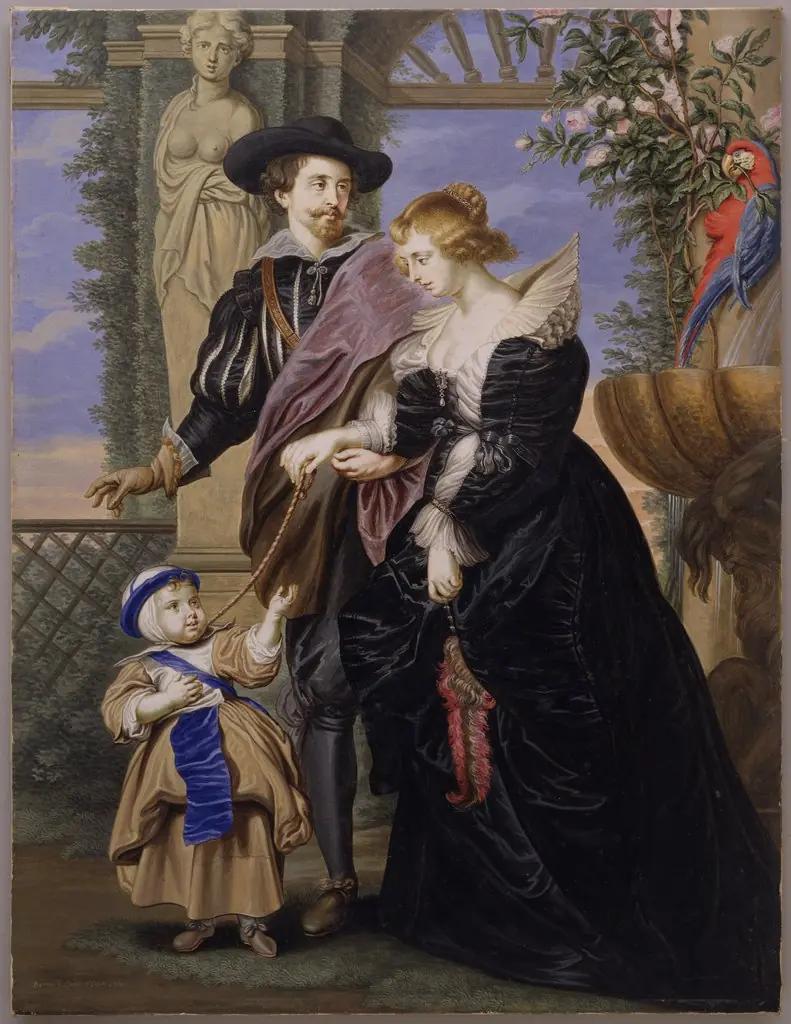 Copy after "Rubens, His Wife Helena Fourment (1614–1673), and Their Son Frans (1633–1678)"
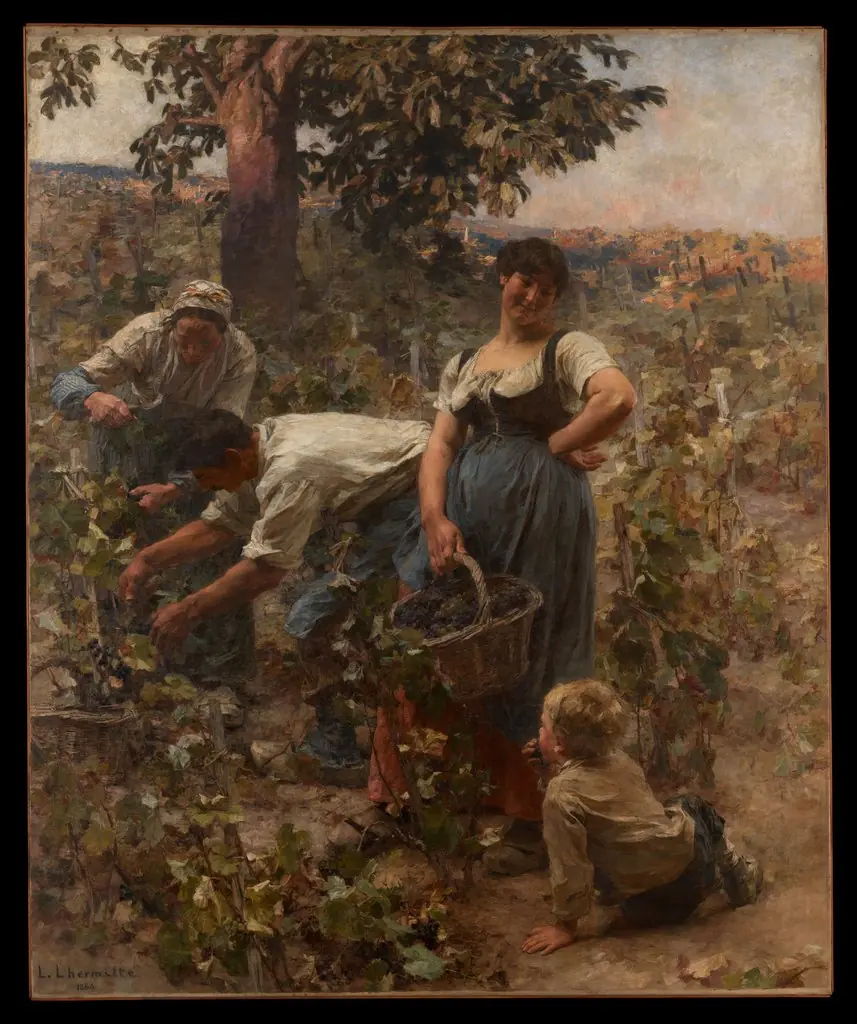 The Grape Harvest
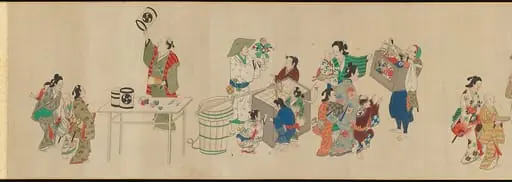 Untitled
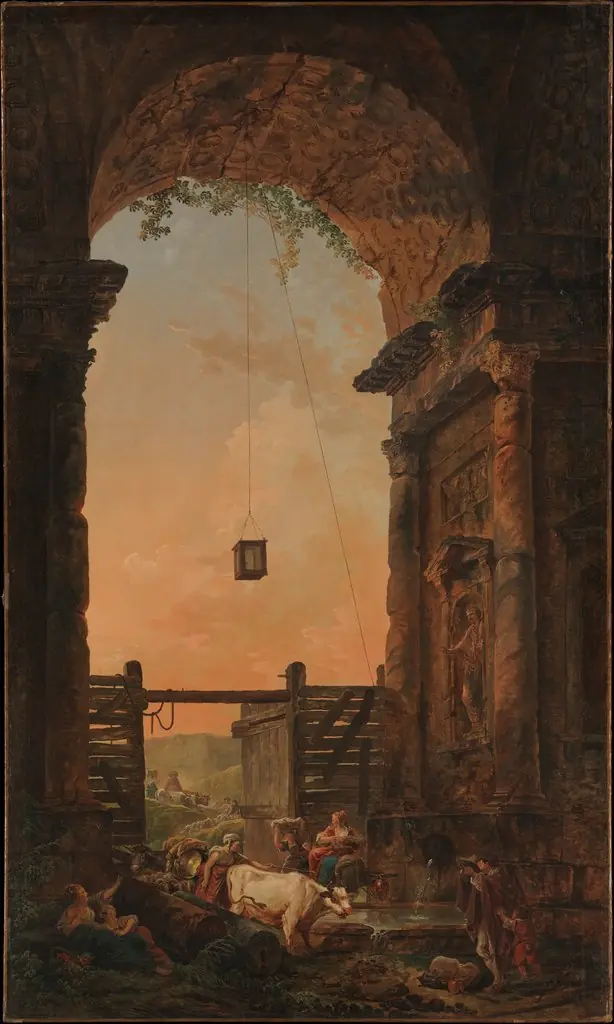 The Return of the Cattle
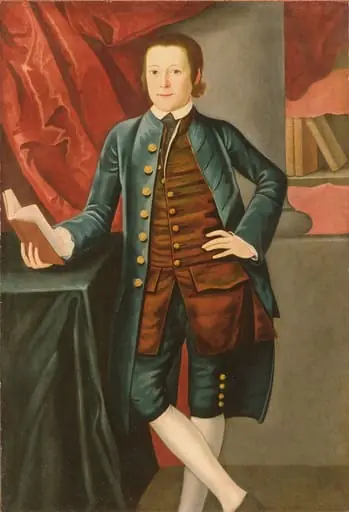 Boy of the Crossfield Family (Possibly Richard Crossfield)
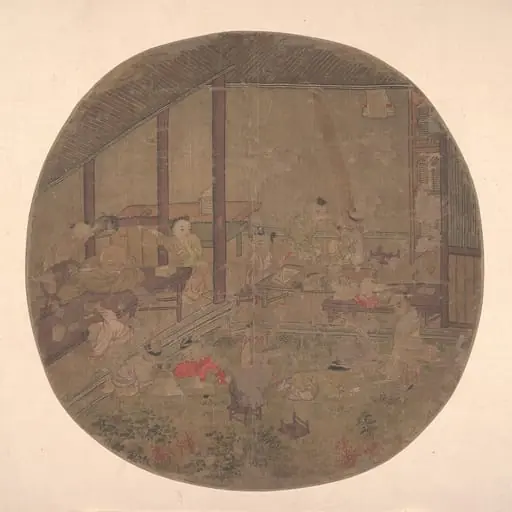 Untitled
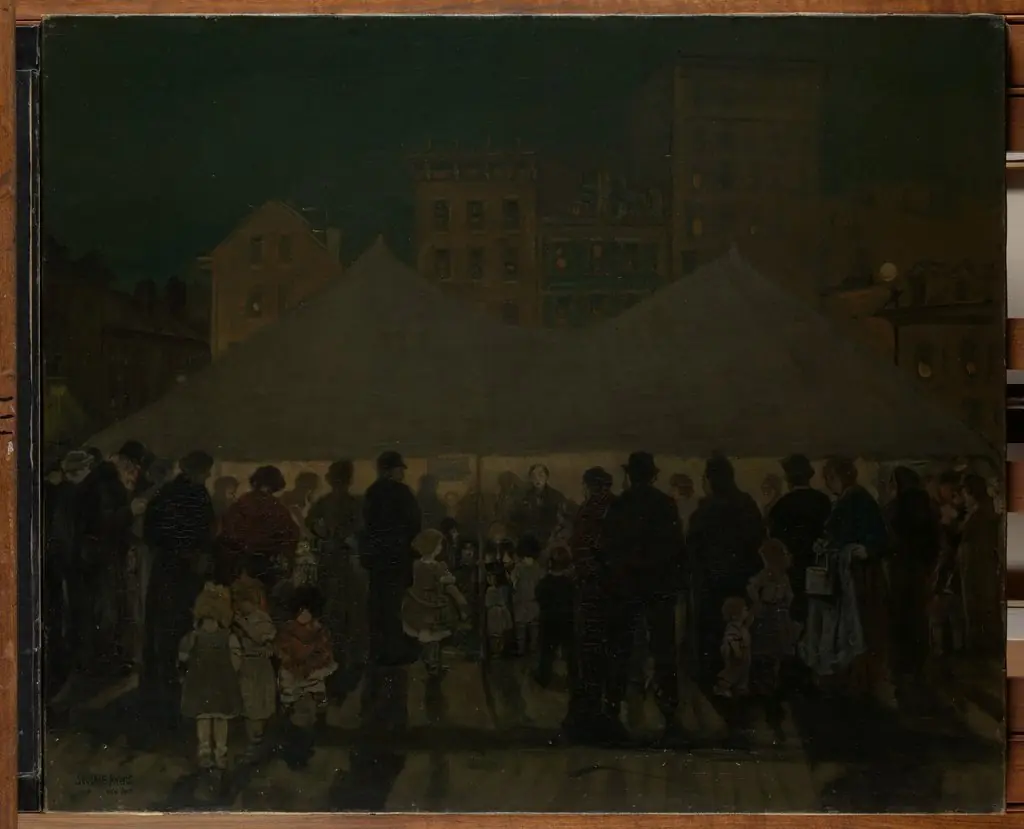 The Mission Tent
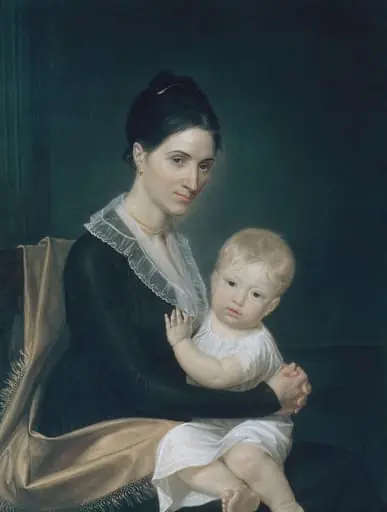 Mrs. Marinus Willett and Her Son Marinus, Jr.
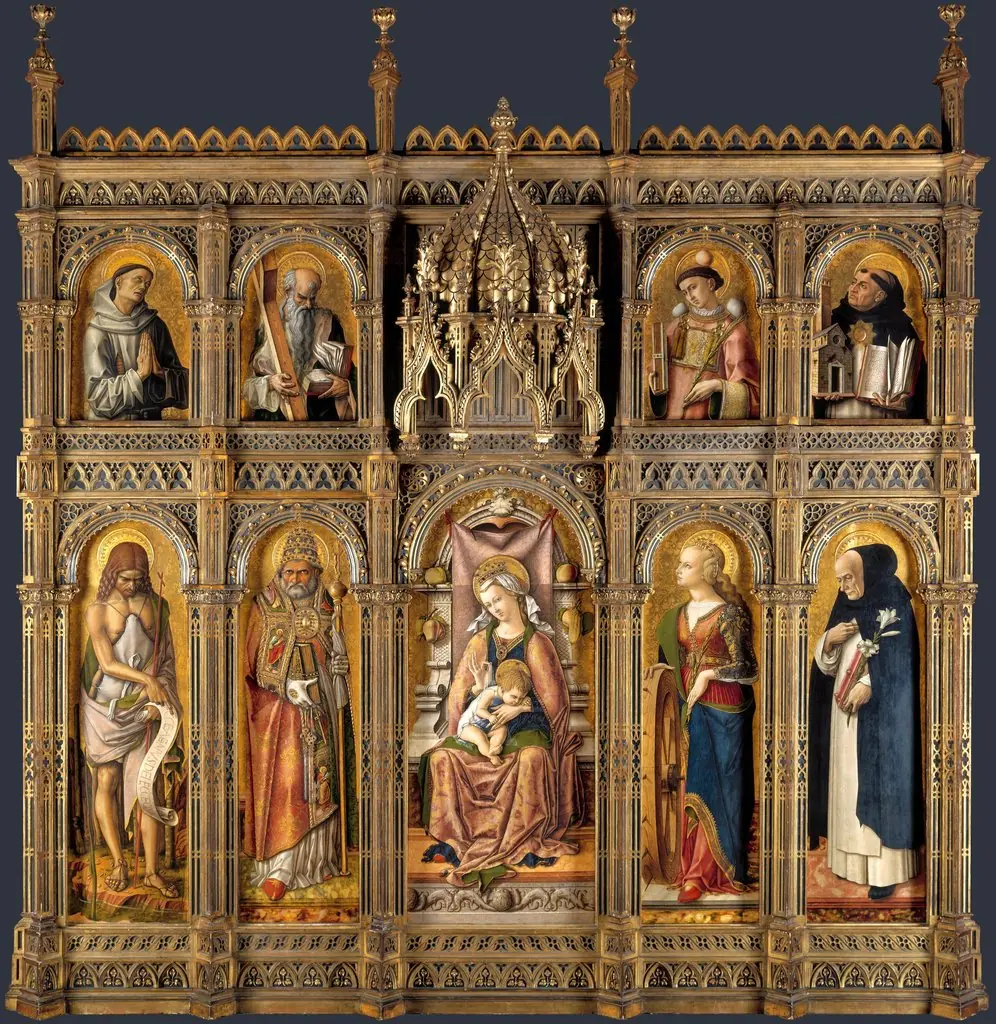 Demidoff Altarpiece
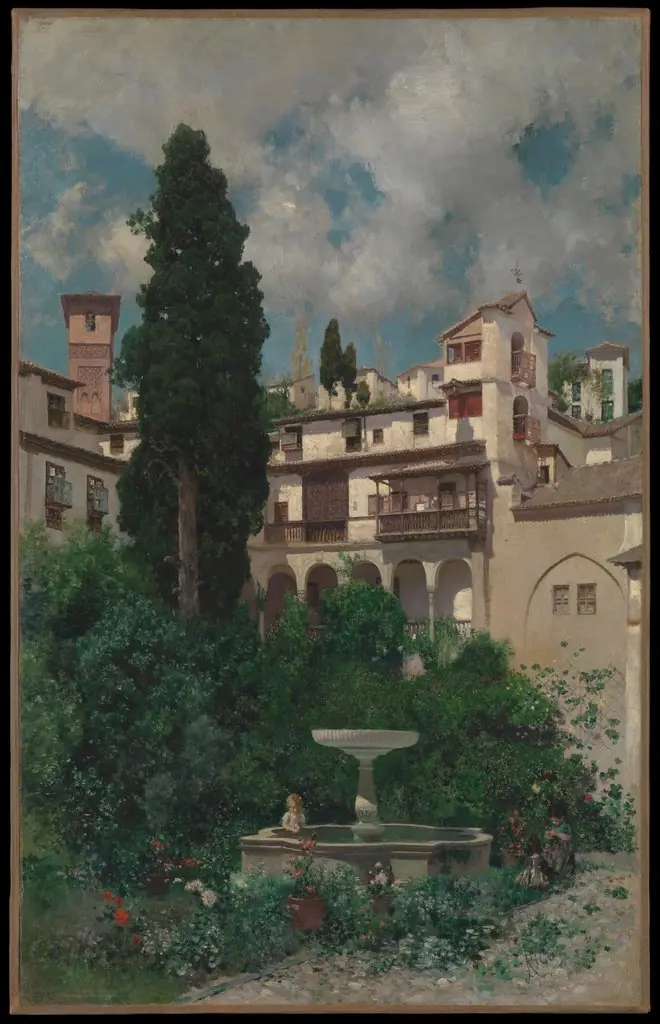 A Spanish Garden
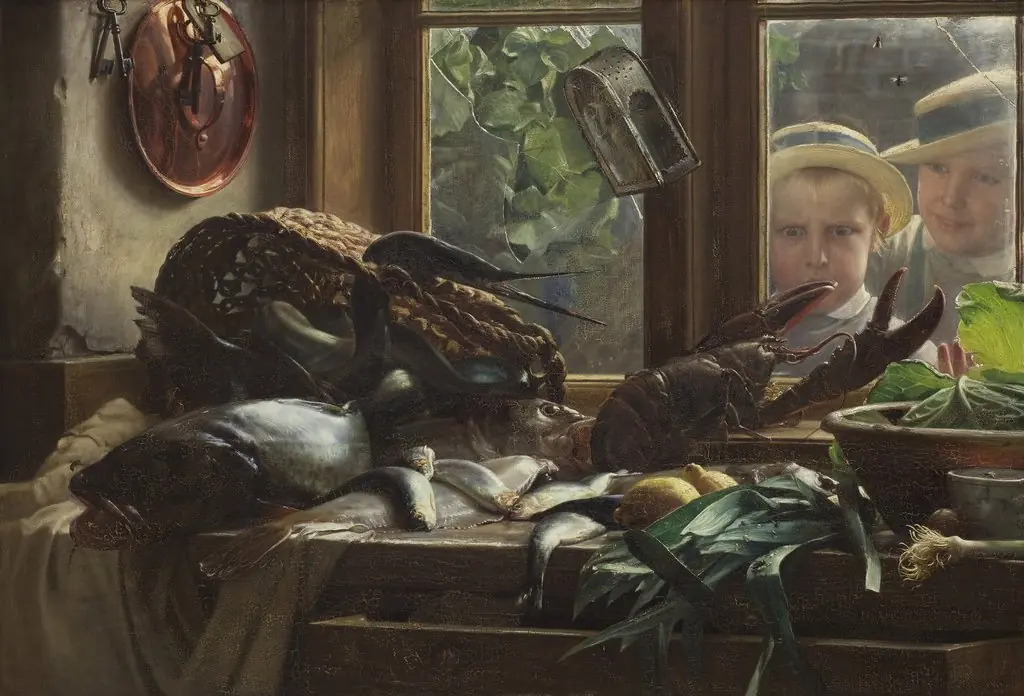 Still Life with Fish
 Anne Catherine Ward and John Ward
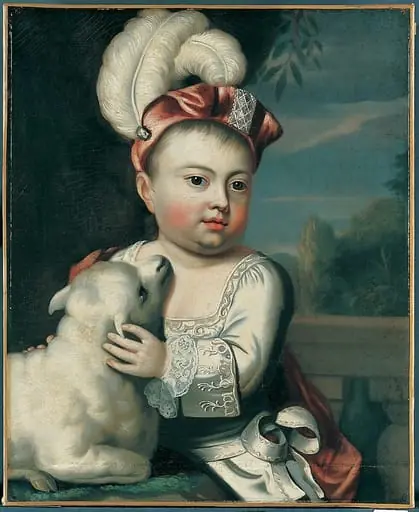 John Greenleaf
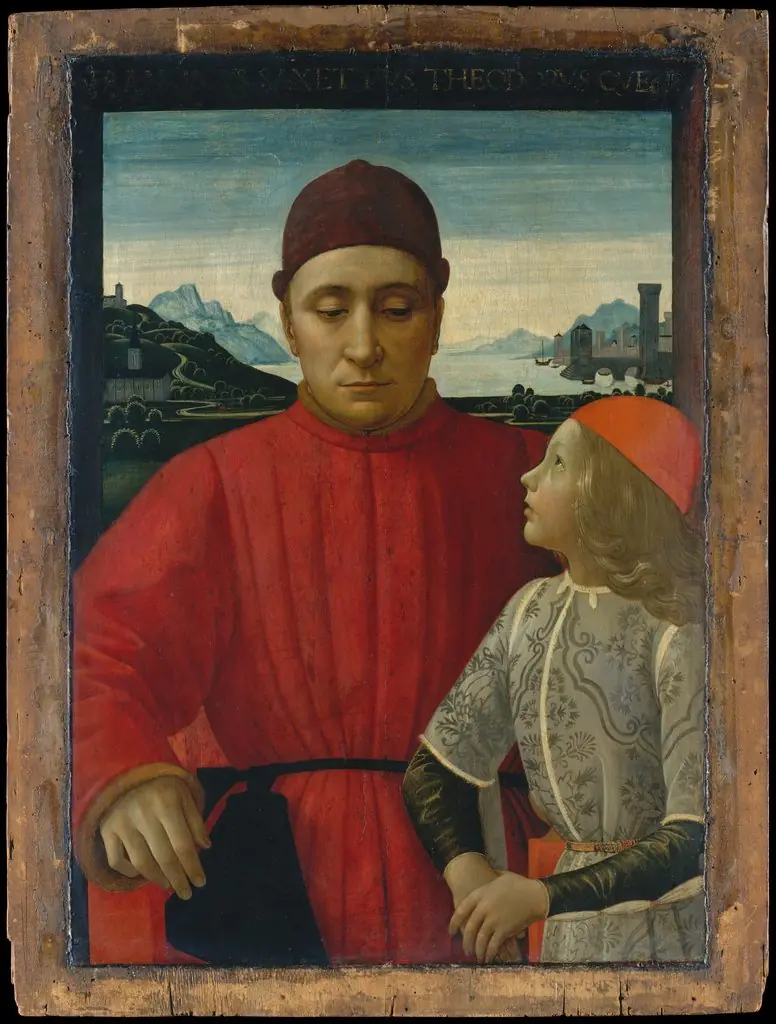 Francesco Sassetti and His Son Teodoro
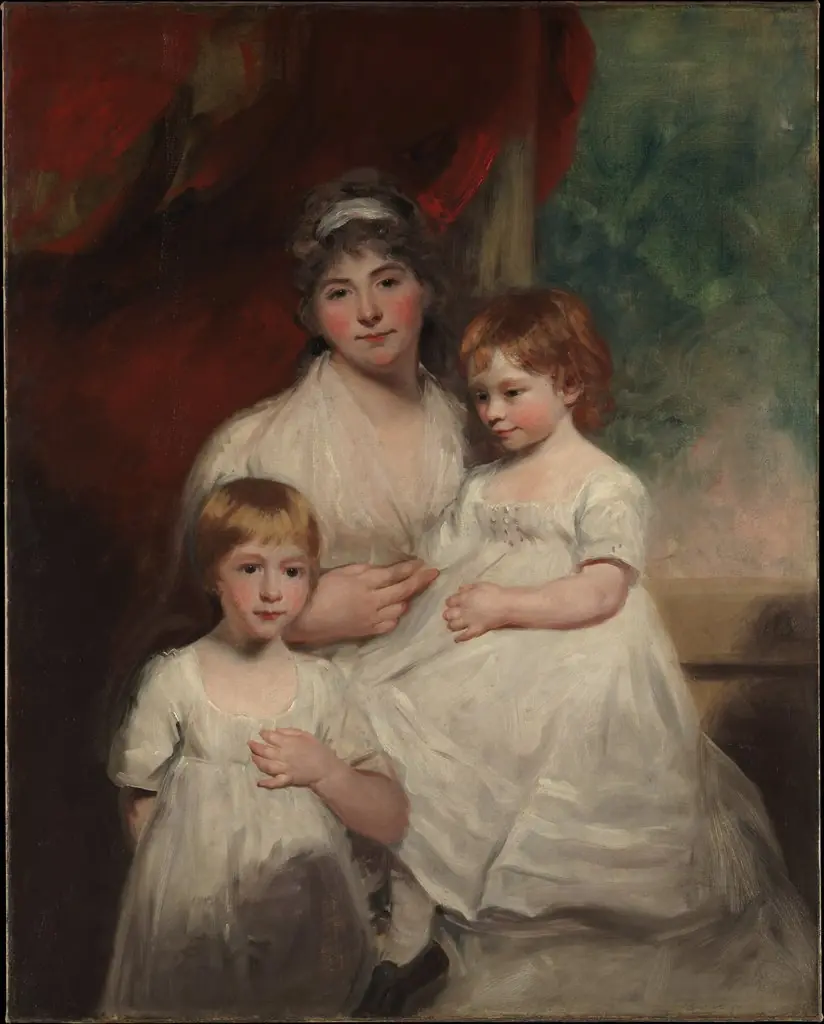 Mrs. John Garden (Ann Garden, 1769–1842) and Her Children, John (1796–1854) and Ann Margaret (born 1793)
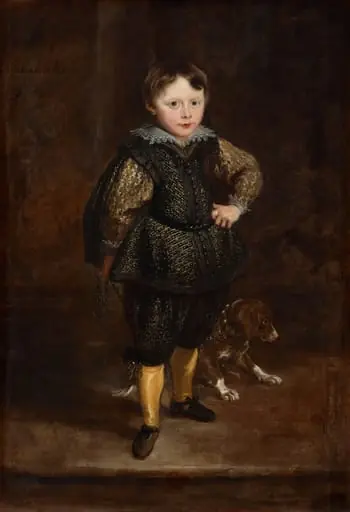 Filippo Cattaneo
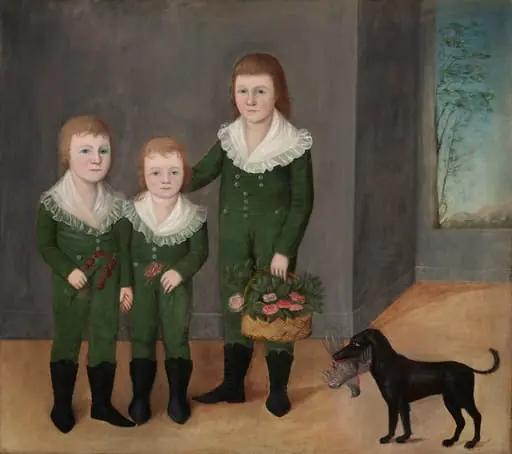 The Westwood Children
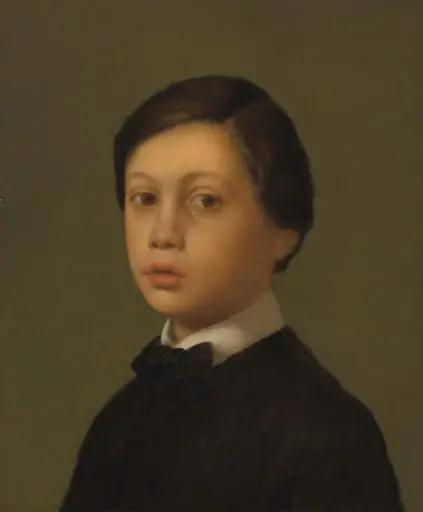 René de Gas
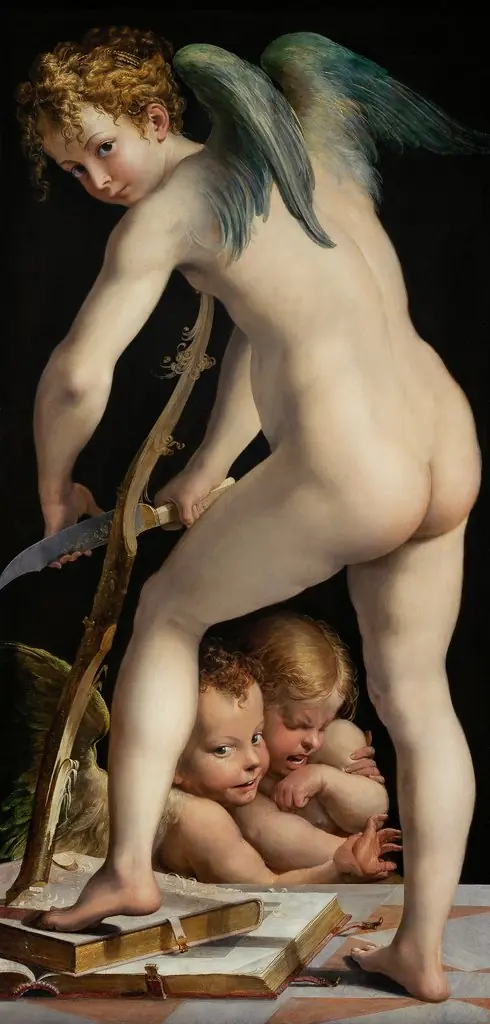 Cupid Making His Arch
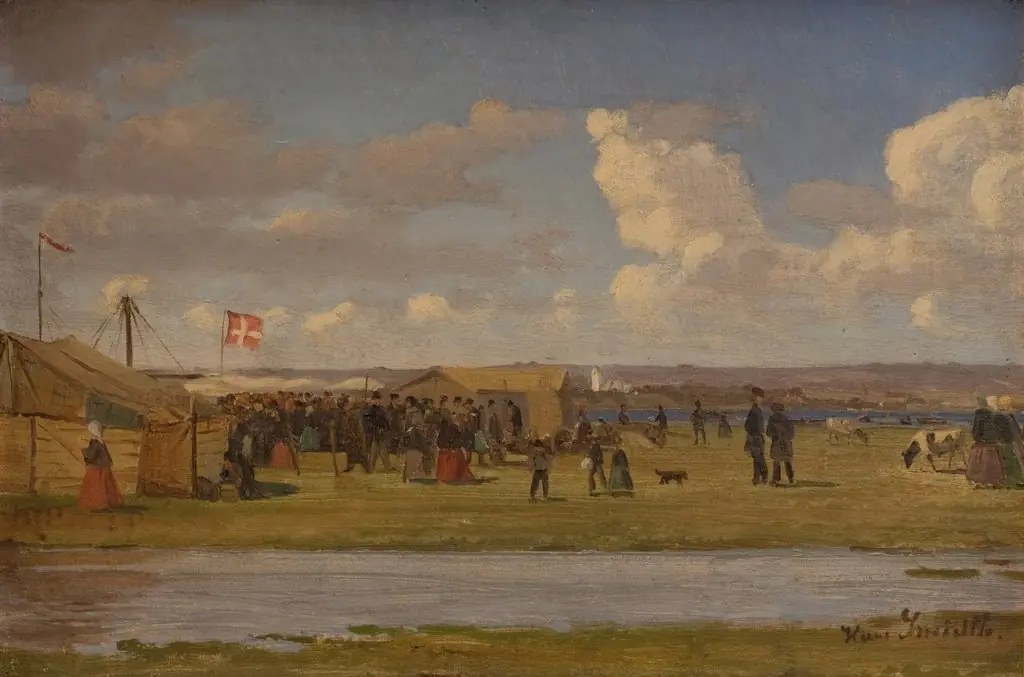 Fur marked
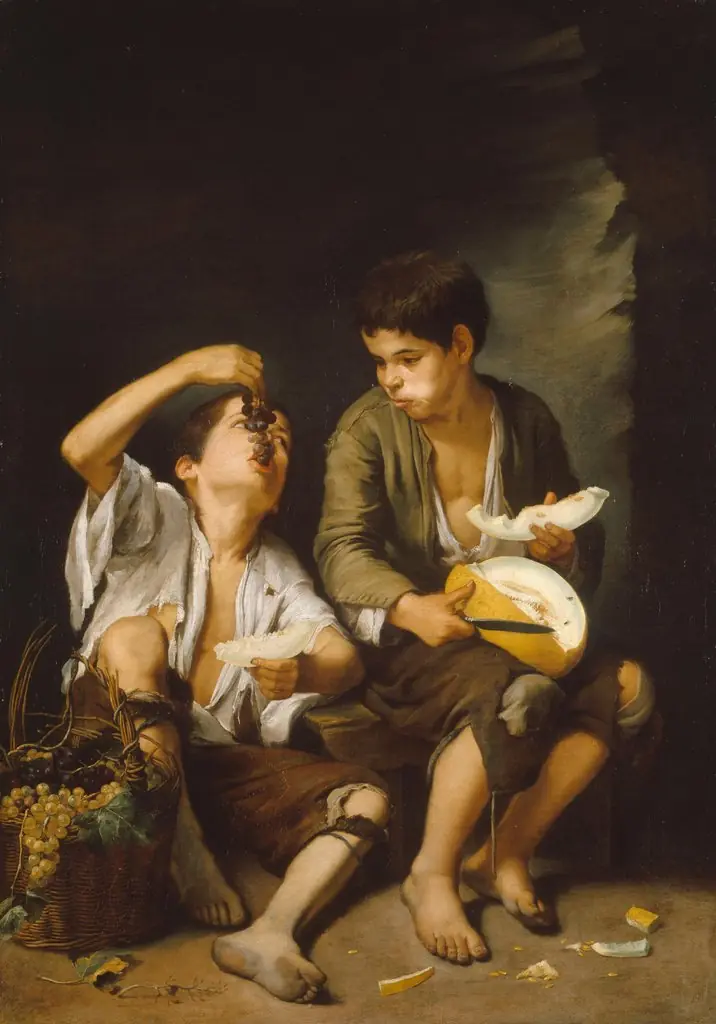 Grape and Melon Eaters
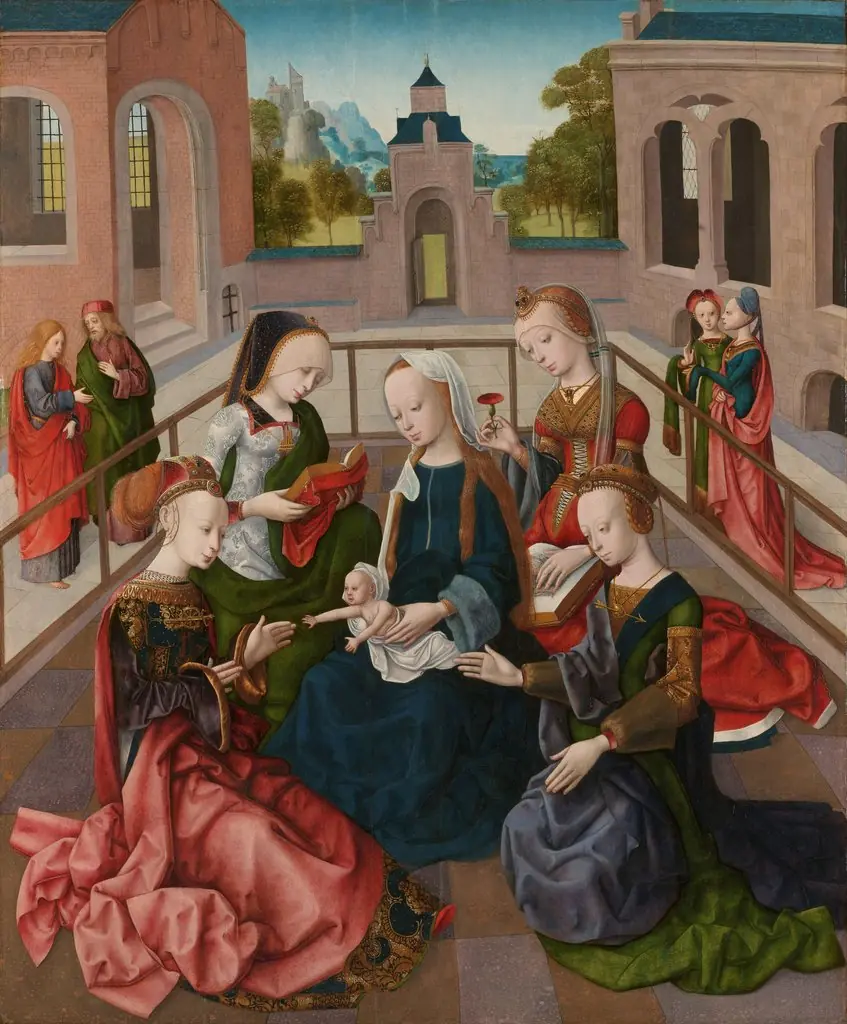 The Virgin and Child with Four Holy Virgins
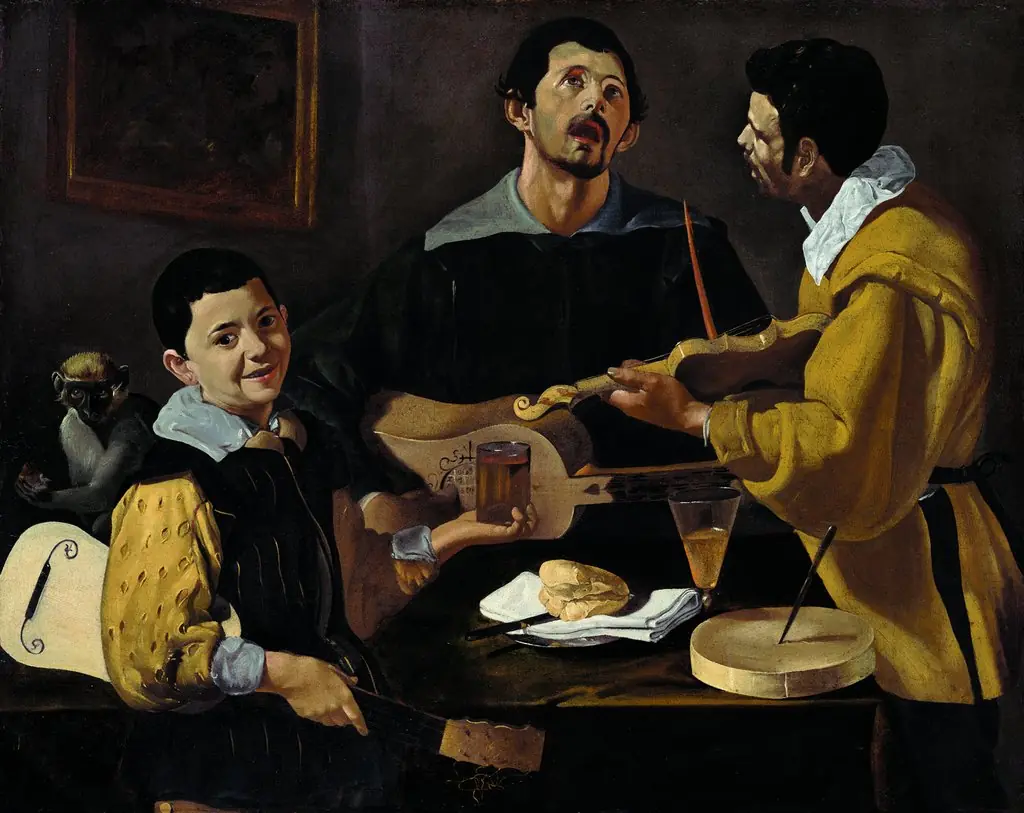 Three Musicians
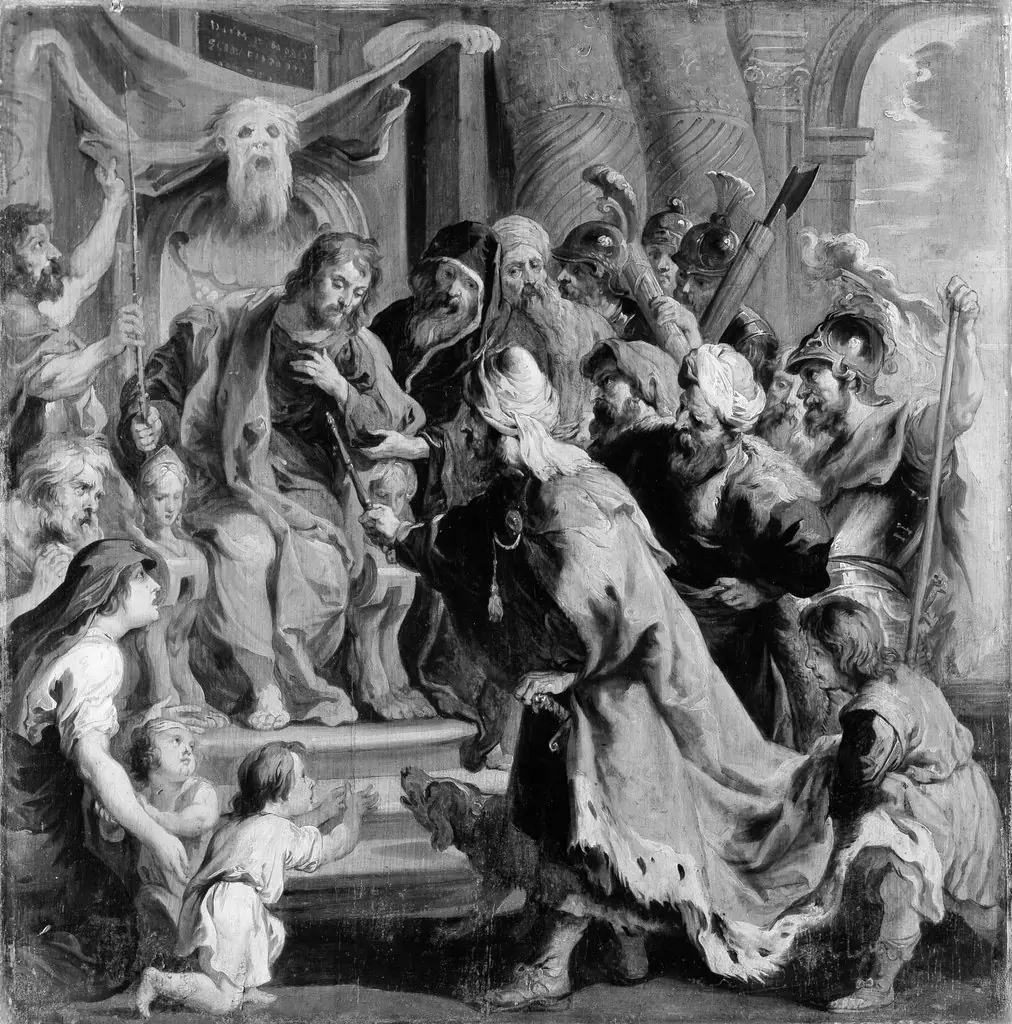 Cambyses Appointing Otanes Judge
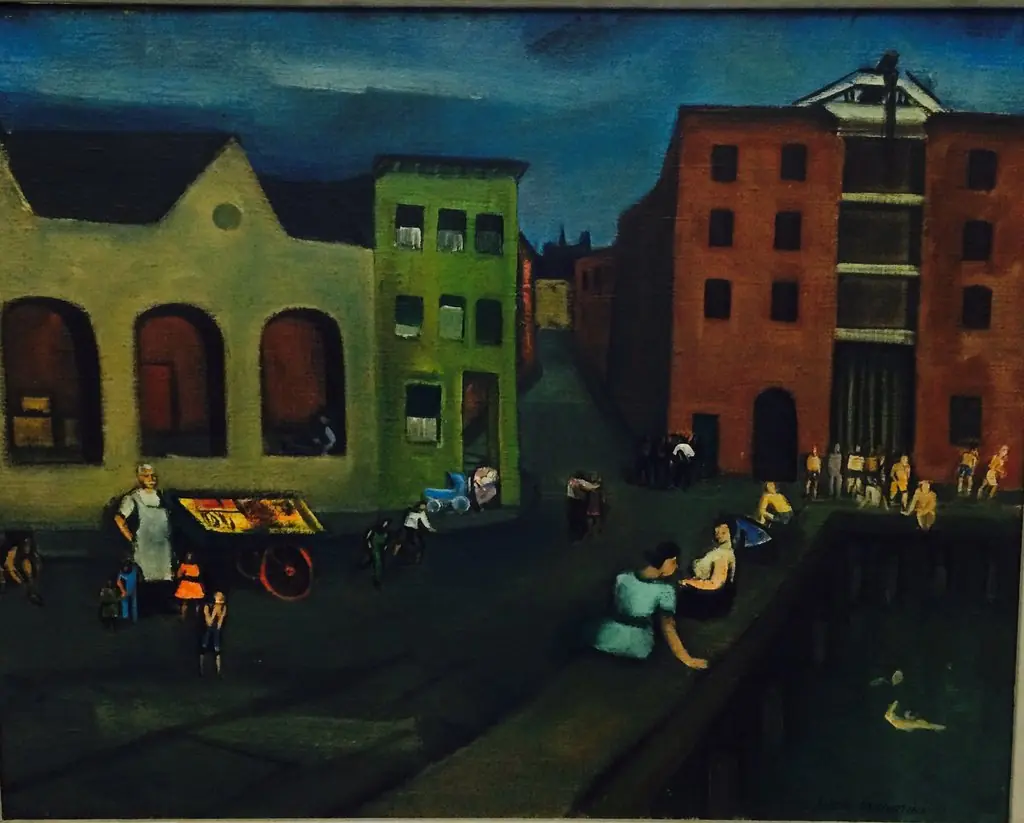 Docks on Sunday
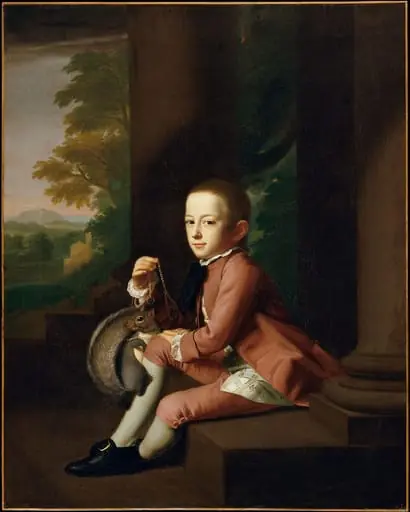 Daniel Crommelin Verplanck
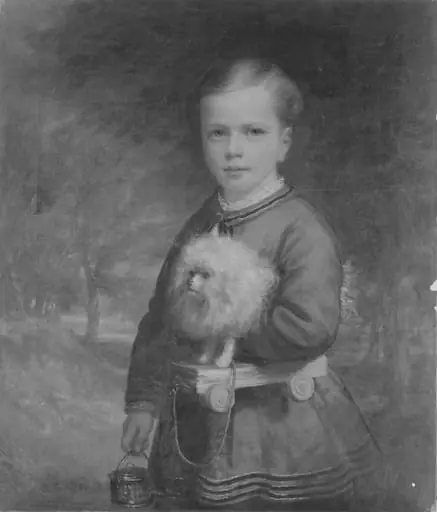 Nicoll Havens Dering
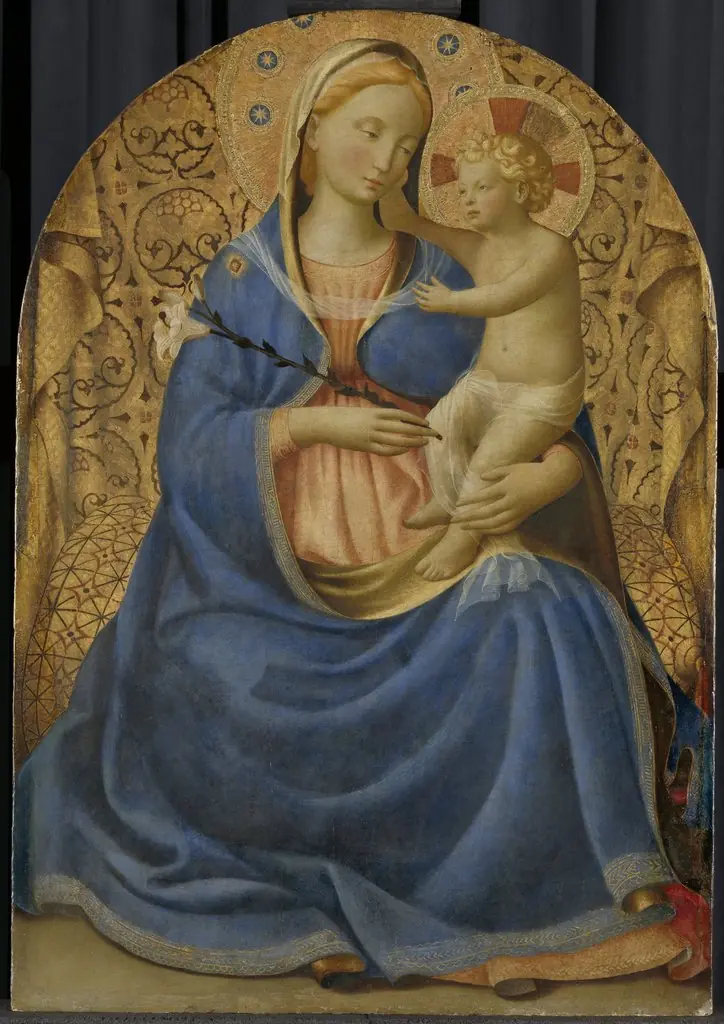 Madonna of Humility
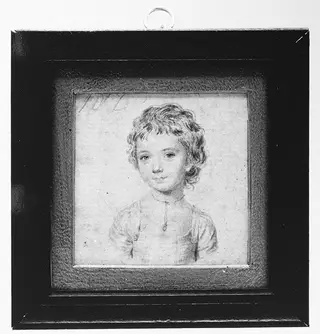 Sir George Armytage (1761–1836), Fourth Baronet
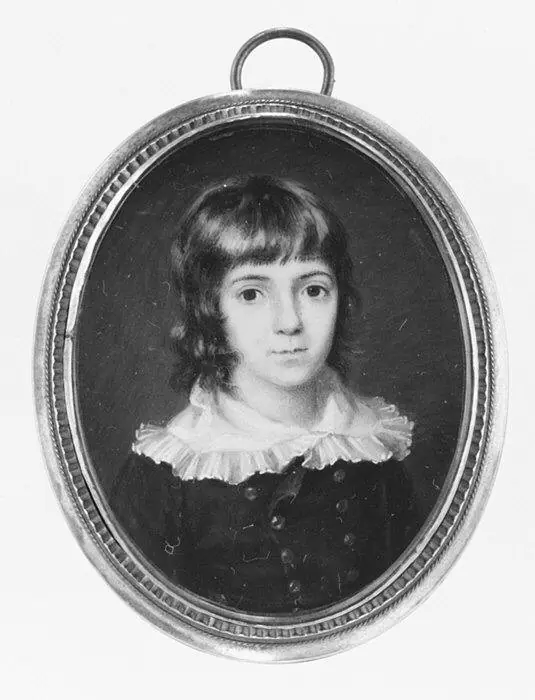 George Howard (1773–1848), Lord Morpeth
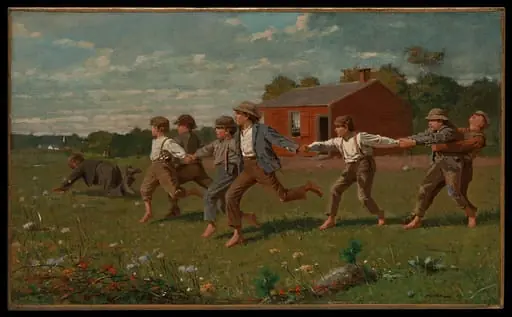 Snap the Whip
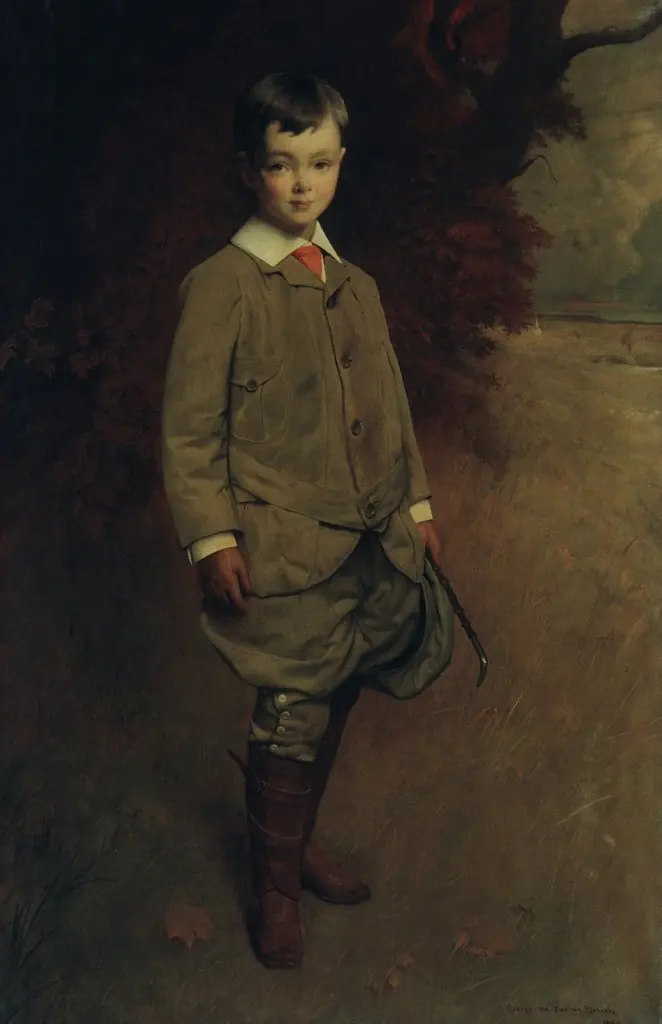 Alan Harriman
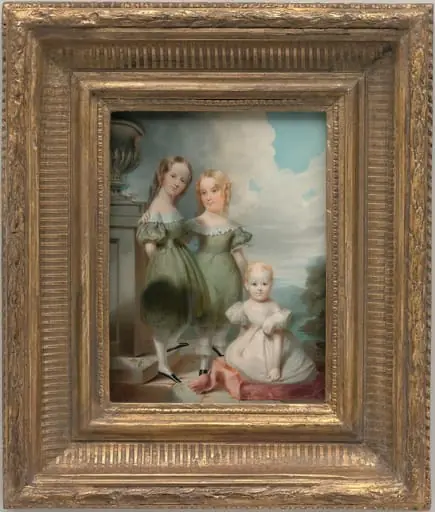 The Children of Homer Ramsdell, Esq.
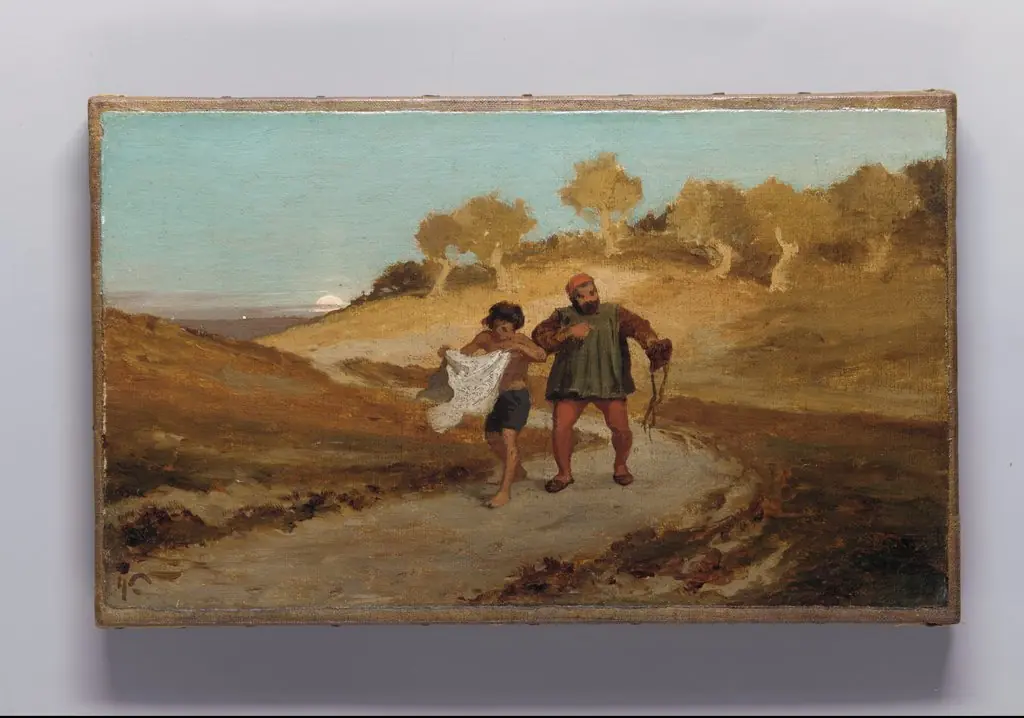 The Fable of the Miller, His Son, and the Donkey
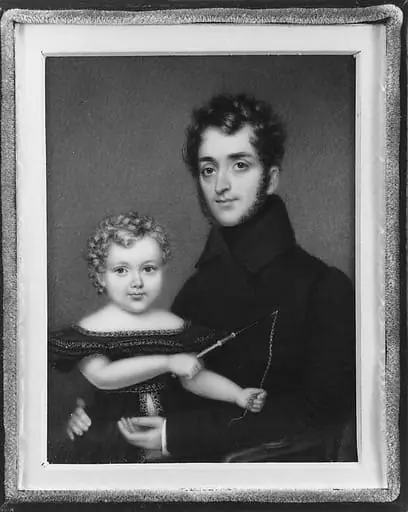 Ferdinand Sands and his Son Joseph
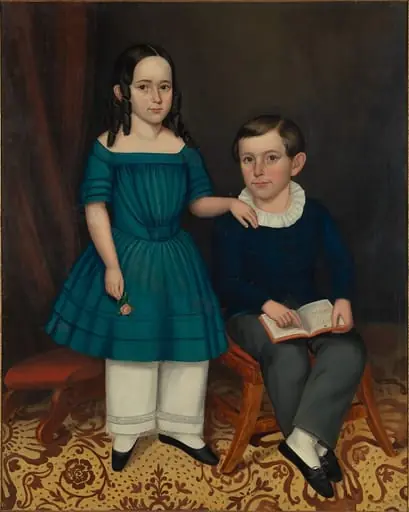 John and Louisa Stock
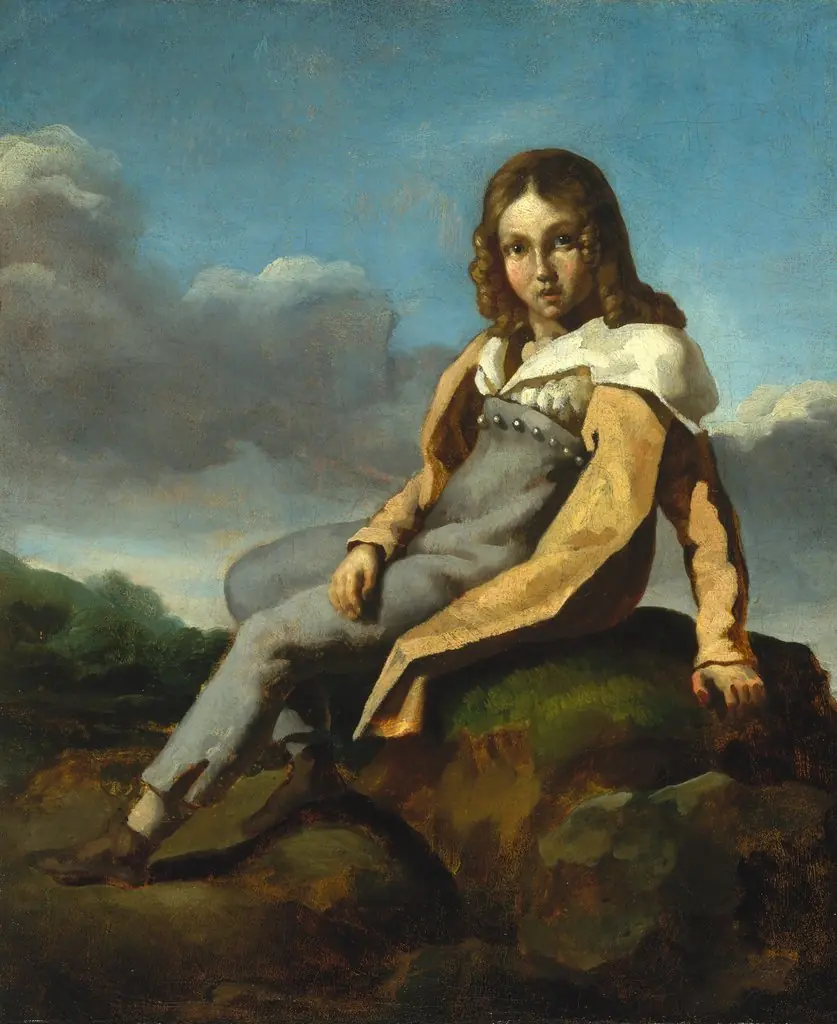 Alfred Dedreux (1810–1860) as a Child
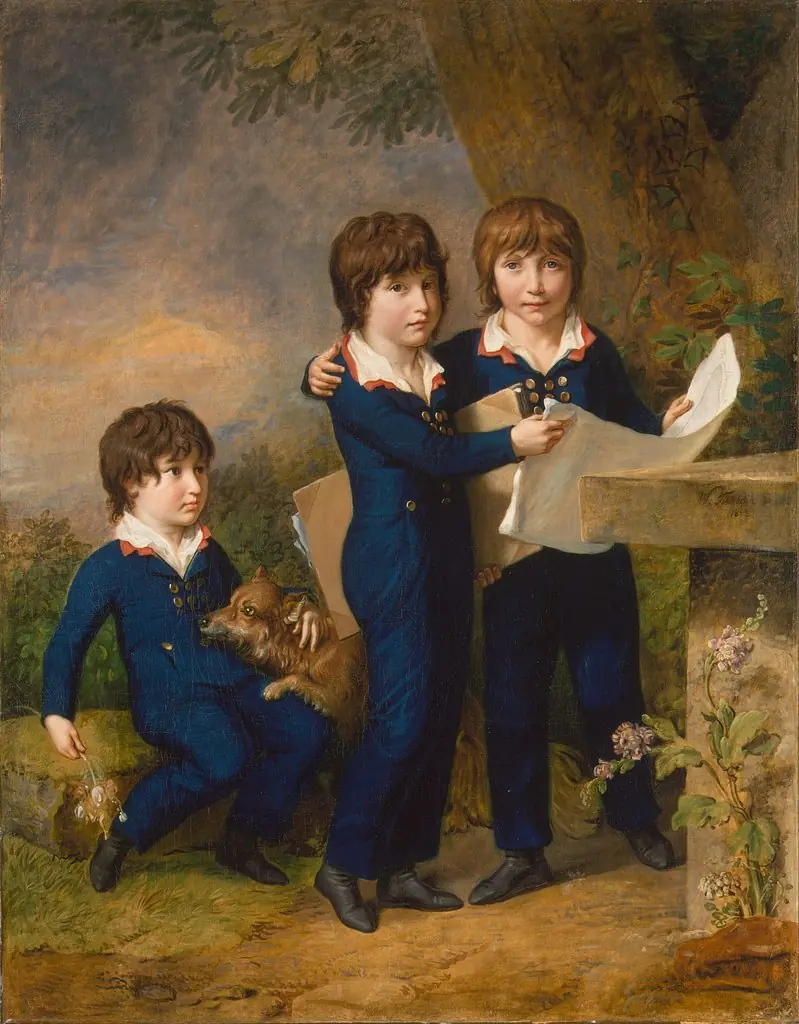 The Children of Martin Anton Heckscher: Johann Gustav Wilhelm Moritz (1797–1865), Carl Martin Adolph (1796–1850), and Leopold (born 1792)
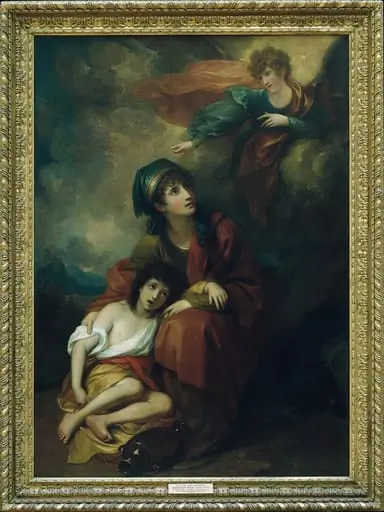 Hagar and Ishmael
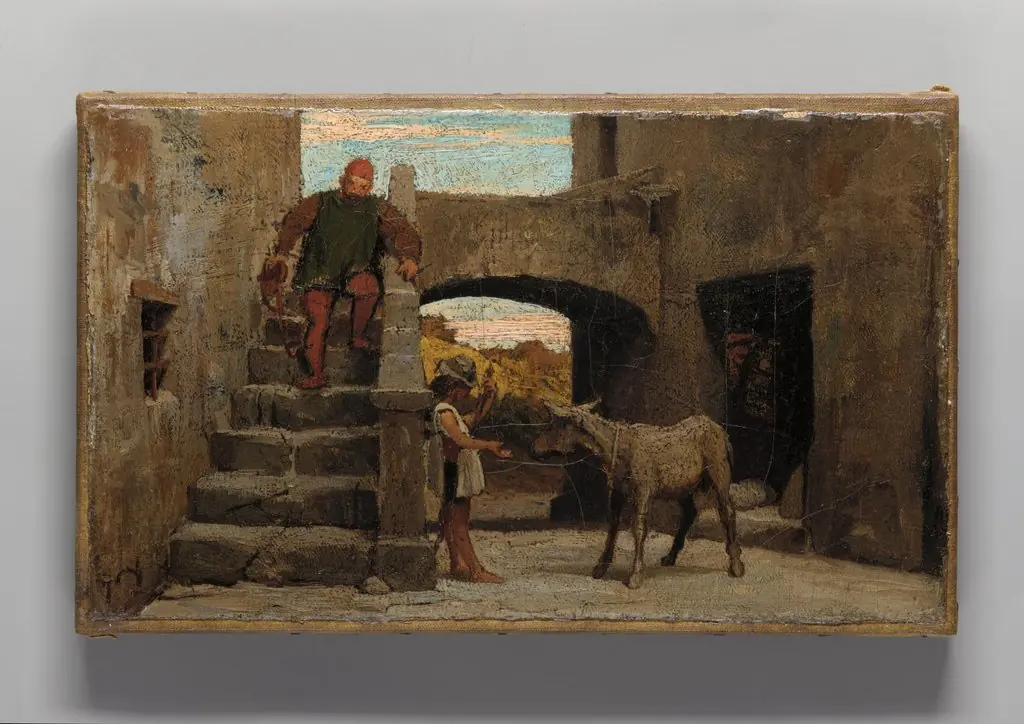 The Fable of the Miller, His Son, and the Donkey
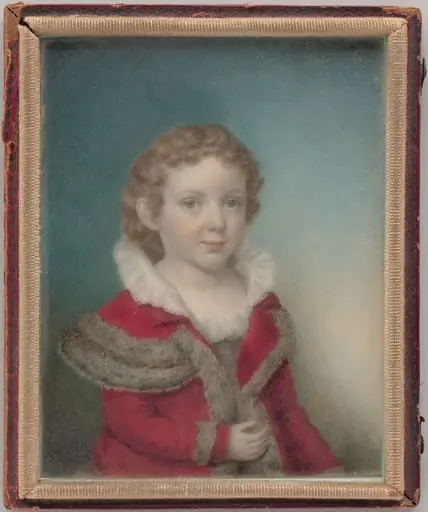 Edward Blake Parkman
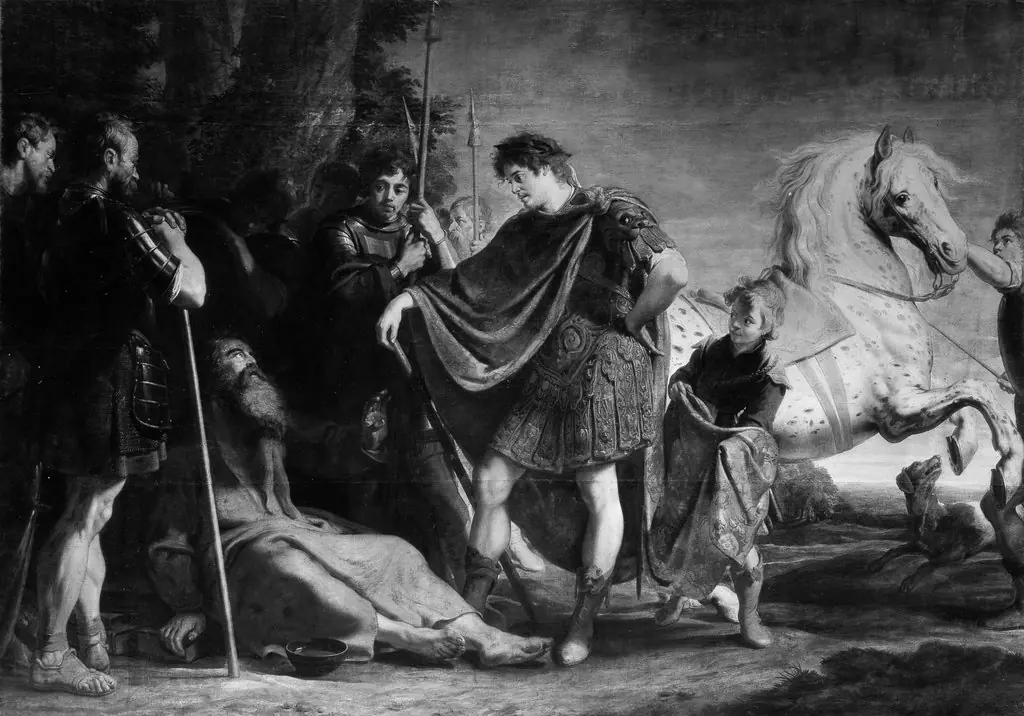 The Meeting of Alexander the Great and Diogenes
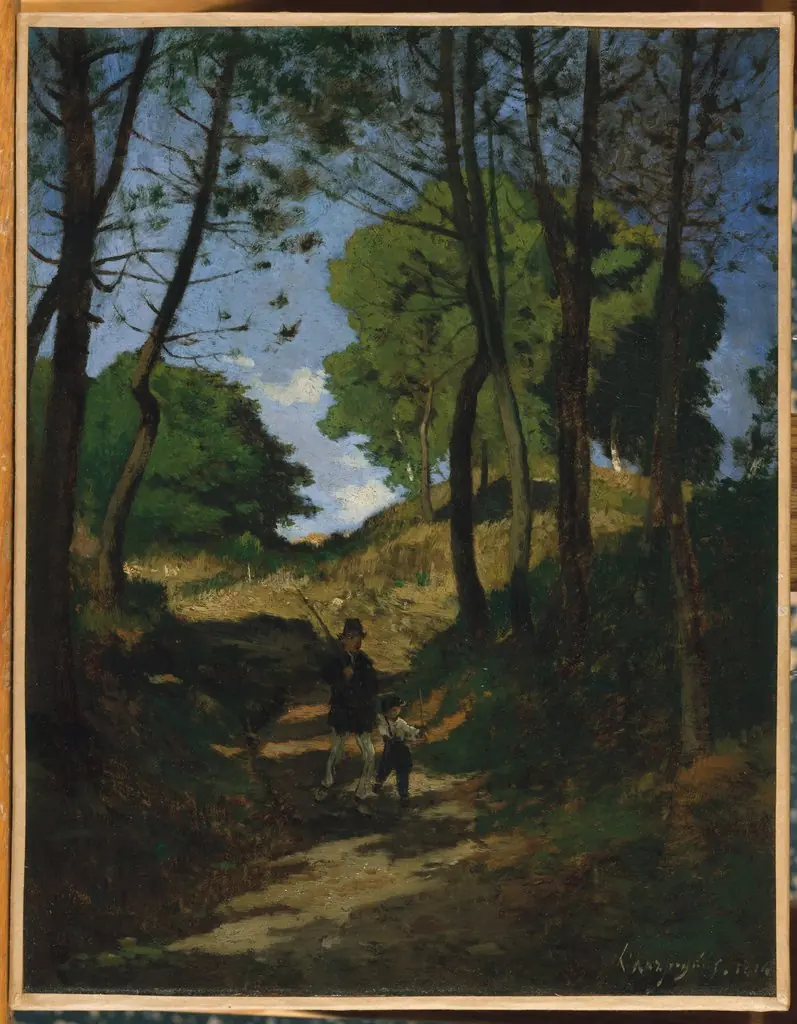 Fir Trees in Les Trembleaux, near Marlotte (Sapins aux Trembleaux à Marlotte)
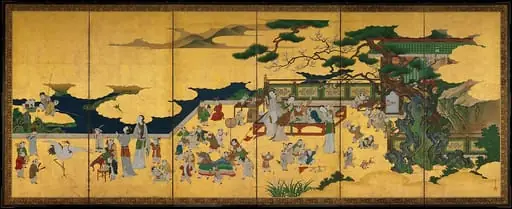 狩野永納筆 唐子遊図屏風|One Hundred Boys
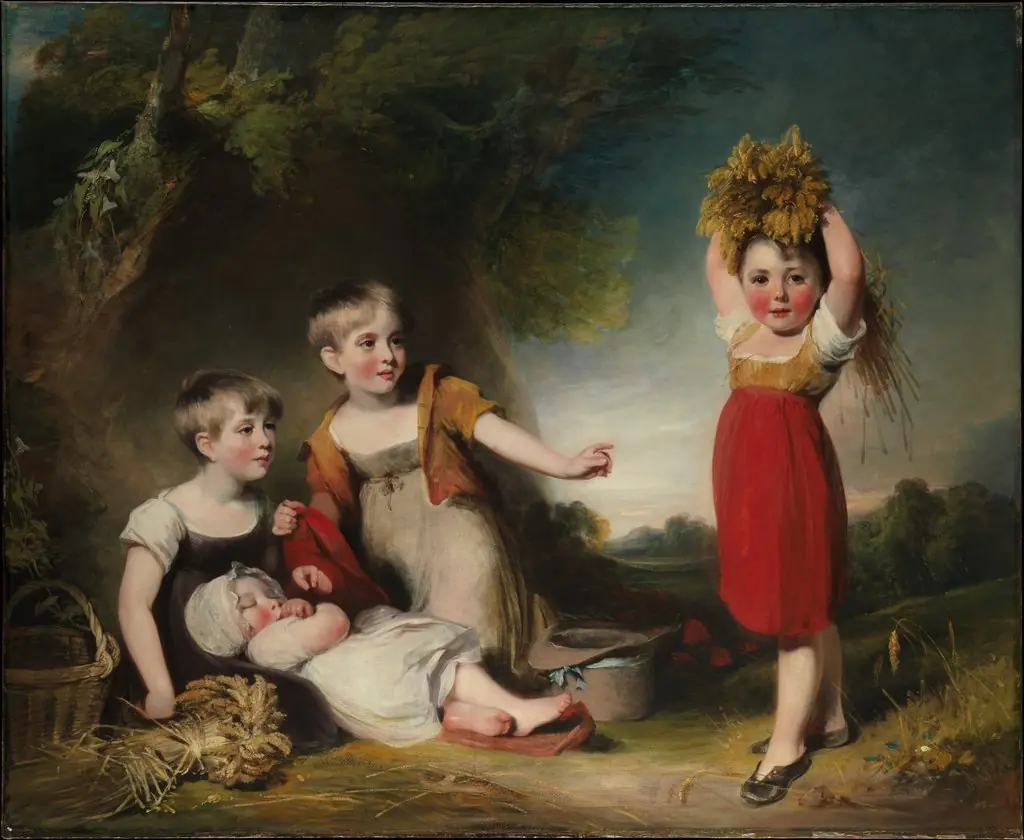 The Grandchildren of Sir William Heathcote, 3rd Baronet
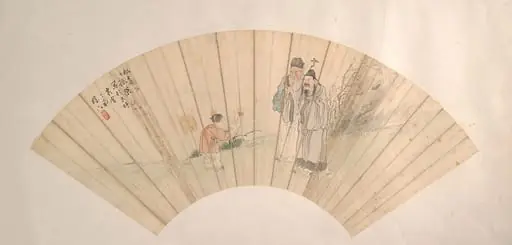 清 孫榮 觀鵝圖 扇頁|Two Scholars and Boy with Goose
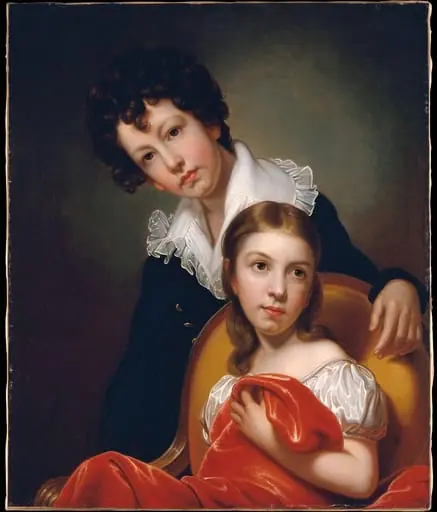 Michael Angelo and Emma Clara Peale
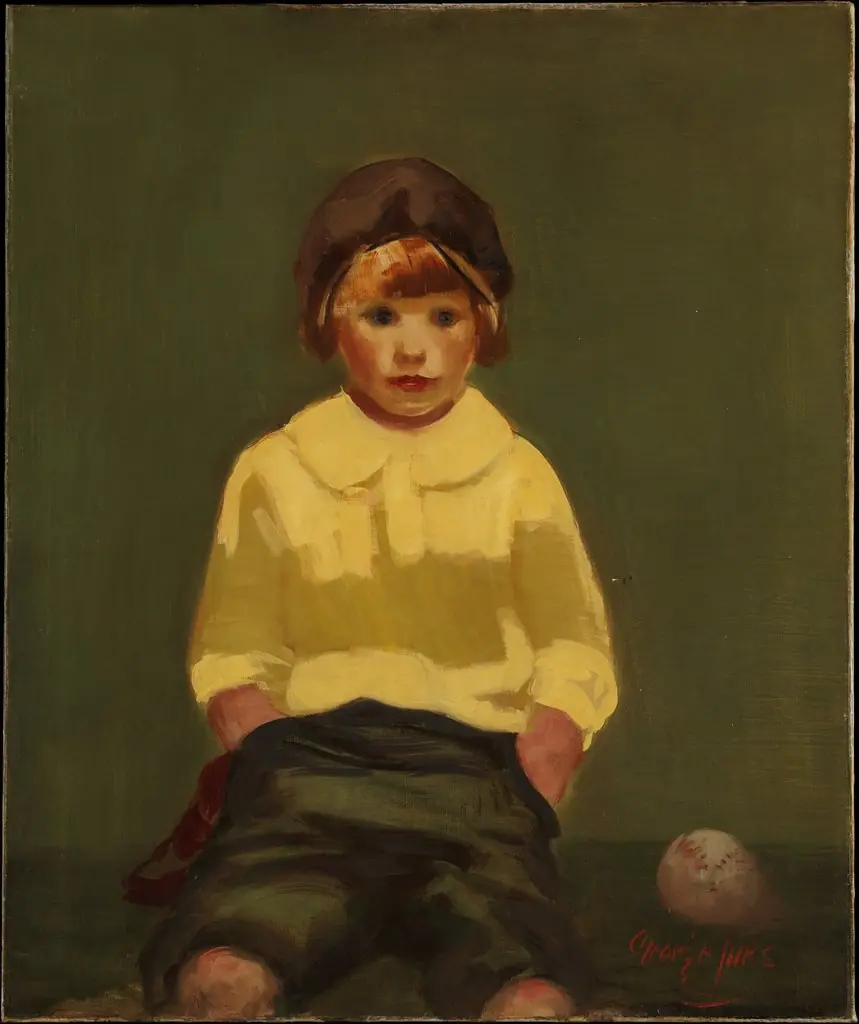 Boy with Baseball
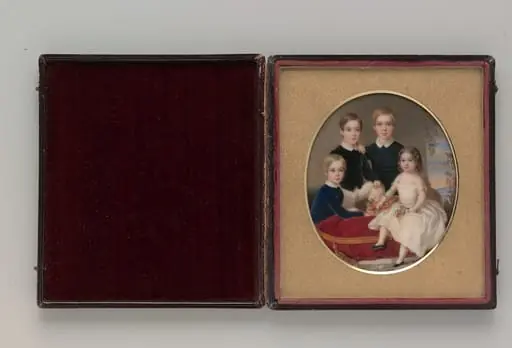 The Thompson Children
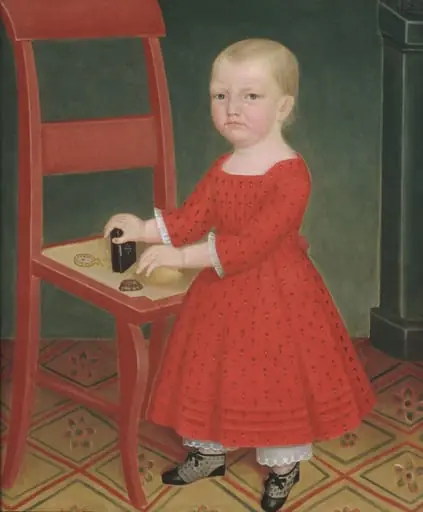 Boy with Blond Hair
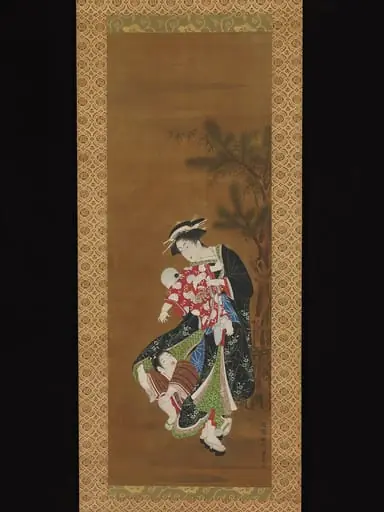 Untitled
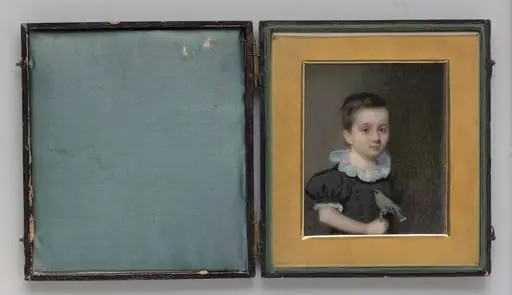 Henry Larcom Abbot
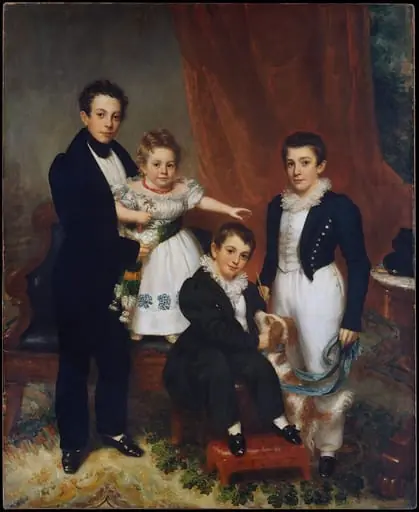 The Knapp Children
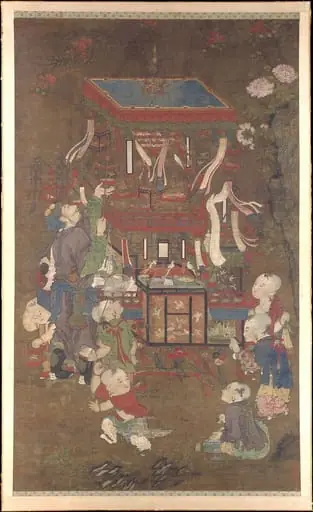 明 佚名 絹本設色 鳥販圖 軸|Bird peddler
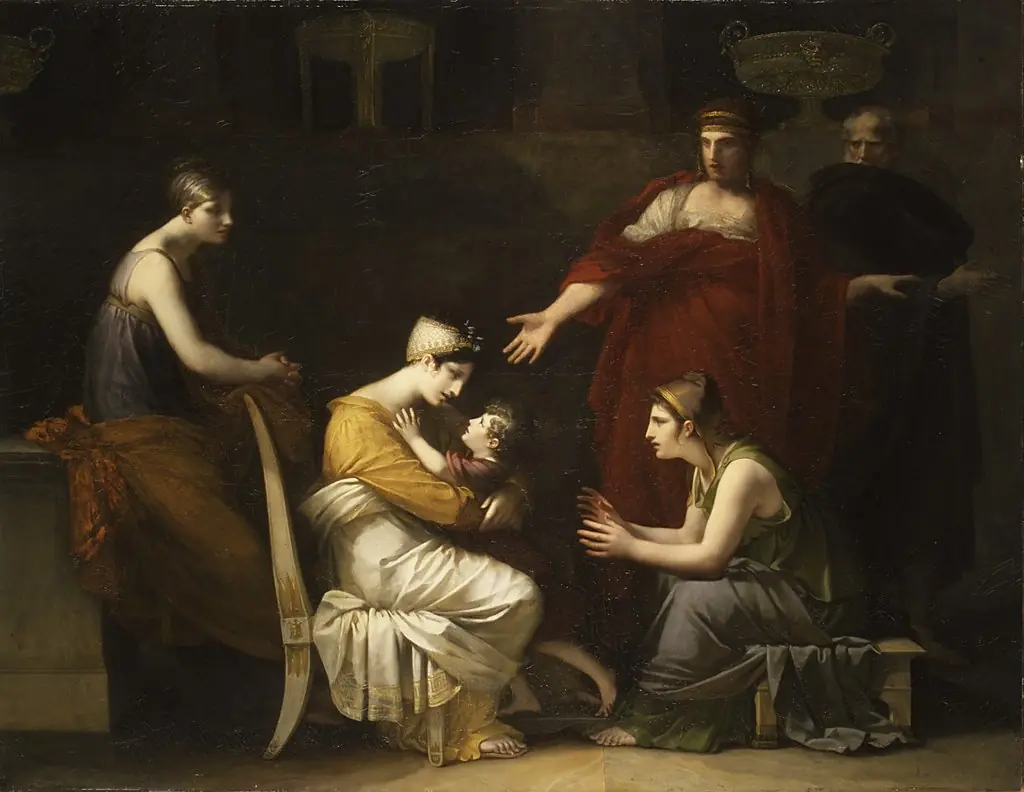 Andromache and Astyanax
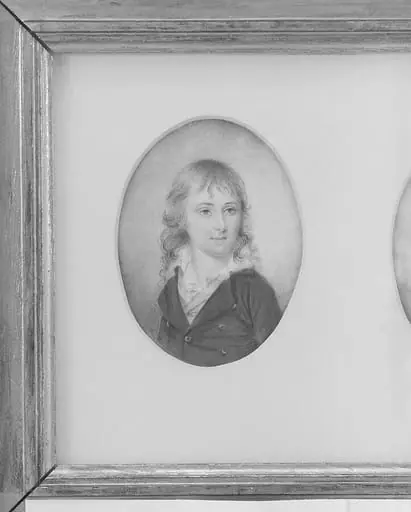 William Smallwood
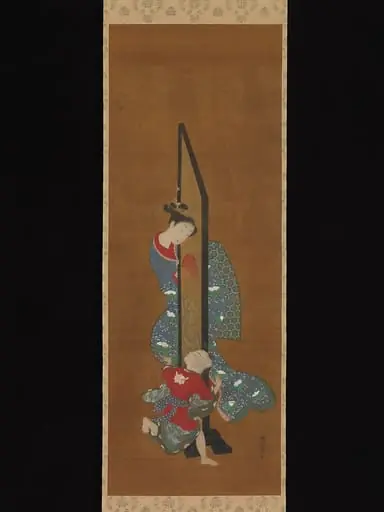 Untitled
 Portrait of a Man
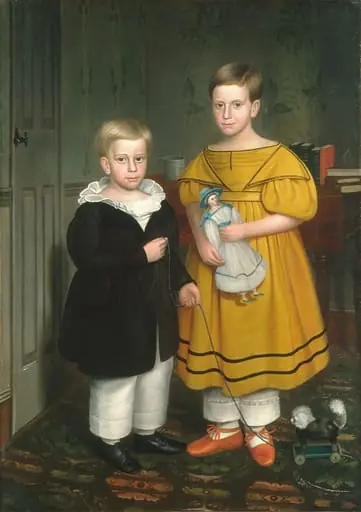 The Raymond Children
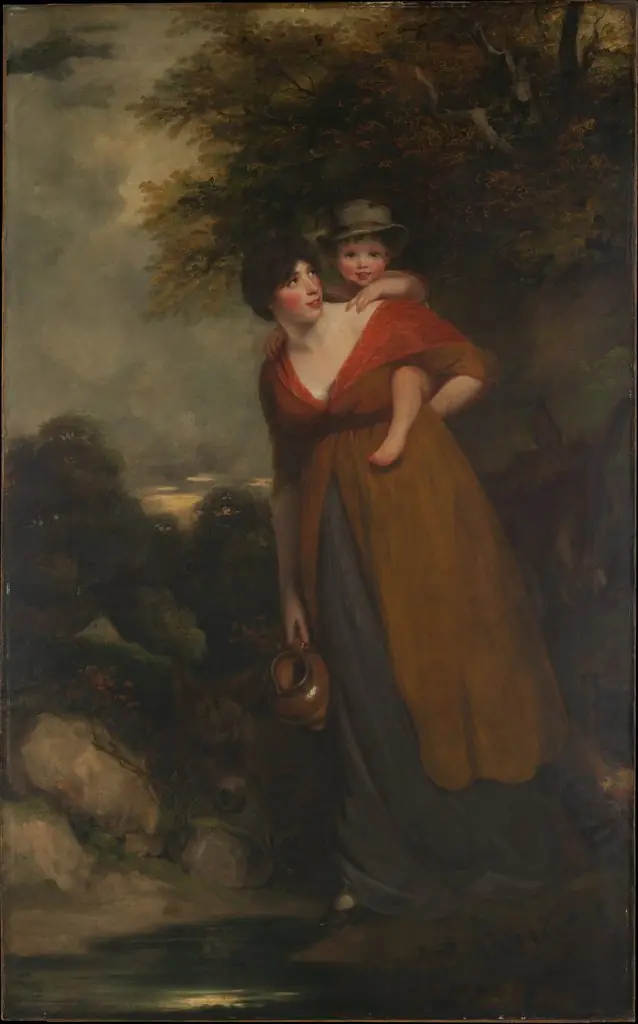 Mrs. Richard Brinsley Sheridan (Hester Jane Ogle, 1775/76–1817) and Her Son (Charles Brinsley Sheridan, 1796–1843)
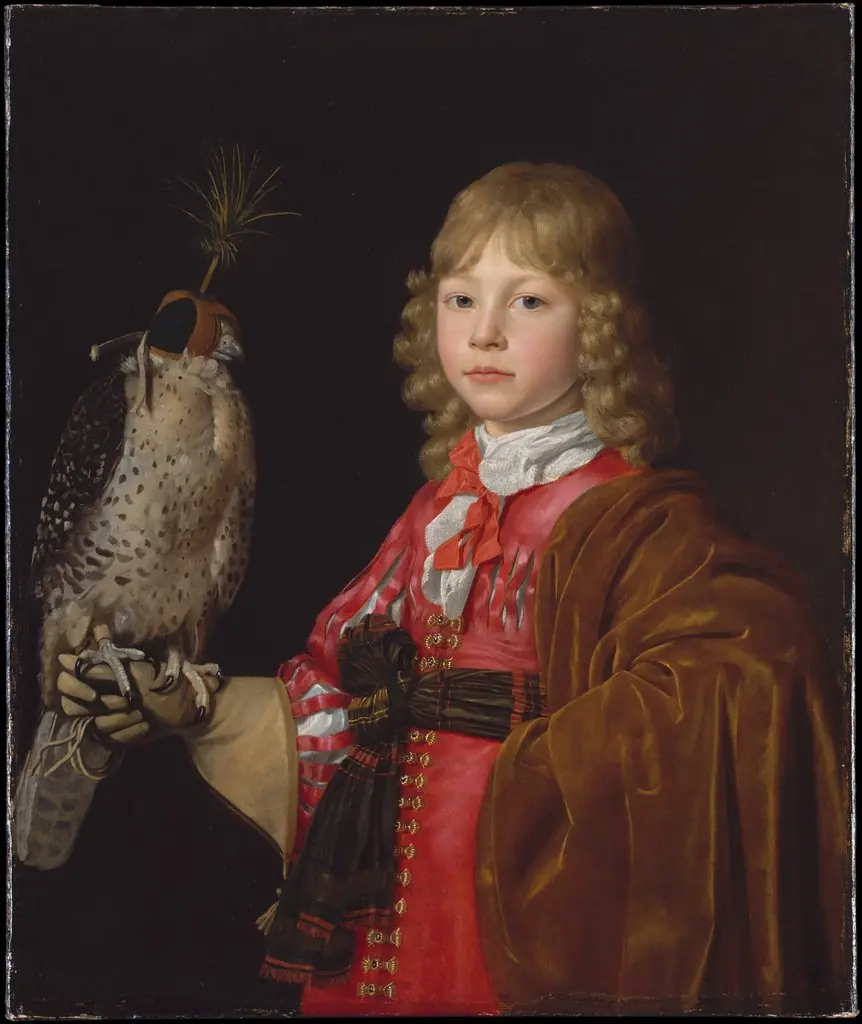 Portrait of a Boy with a Falcon
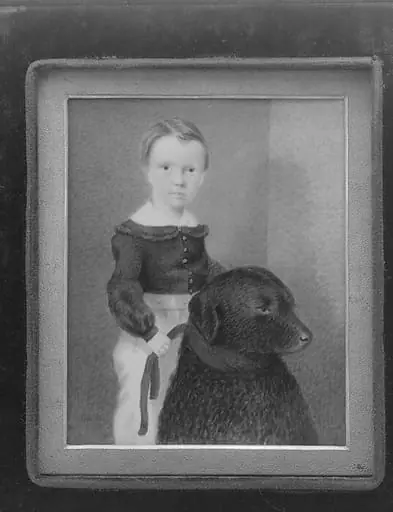 Portrait of a Boy
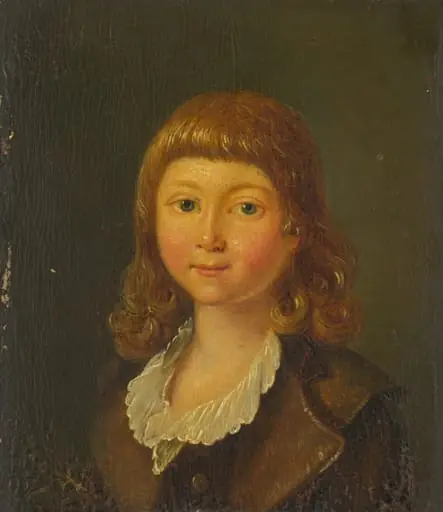 Portrait of a Young Boy
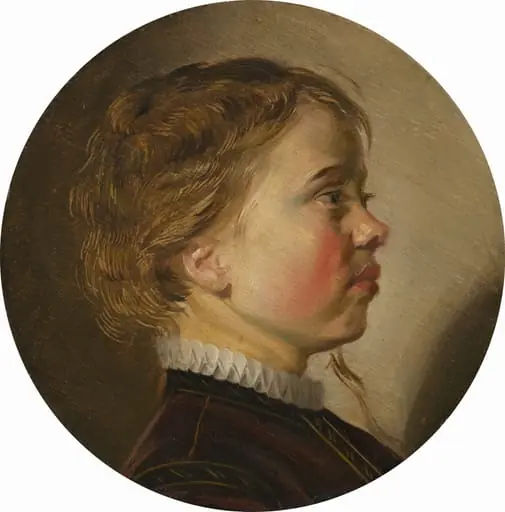 Young Boy in Profile
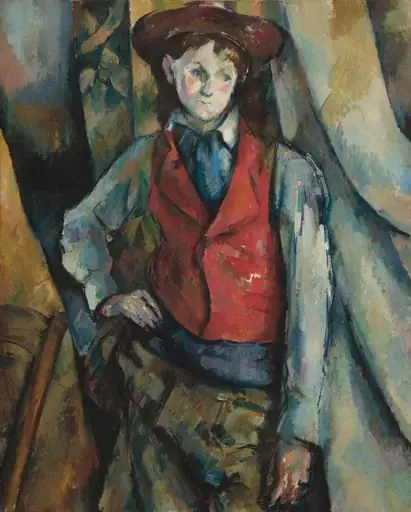 Boy in a Red Waistcoat
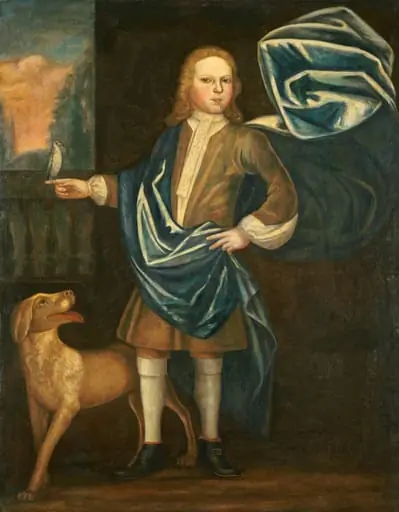 Boy of the Beekman Family
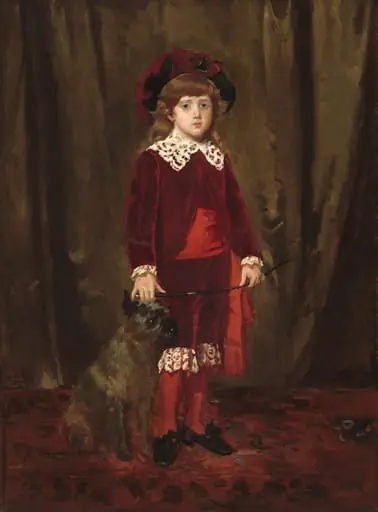 Eddy Cassatt (Edward Buchanan Cassatt)
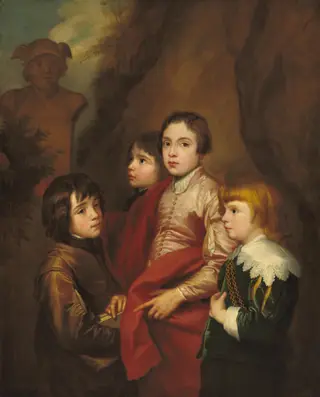 Group of Four Boys
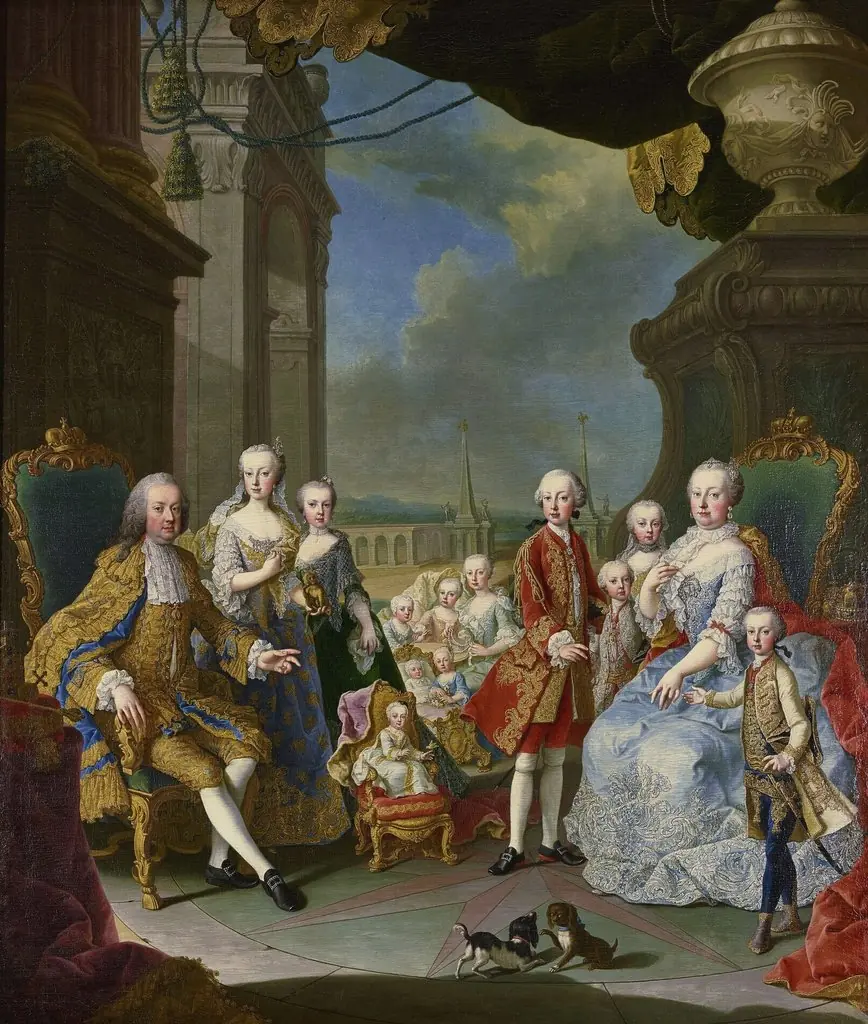 The Imperial family in 1756
Frequently asked questions
What is Boy?
Boy is a subject in art. A boy is a young male human.
How many Boy works does Artifact World Gallery have?
Artifact World Gallery holds 200 public-domain Boy works, all free to view and download.
Who are the key Boy artists?
Key Boy artists in the collection include Titian, Thomas Eakins and Paolo Veronese.
Where can I see Boy works?
Boy works in the collection are held by Metropolitan Museum of Art, Uffizi Gallery and Rijksmuseum.