Artwork
Portrait of a Lady
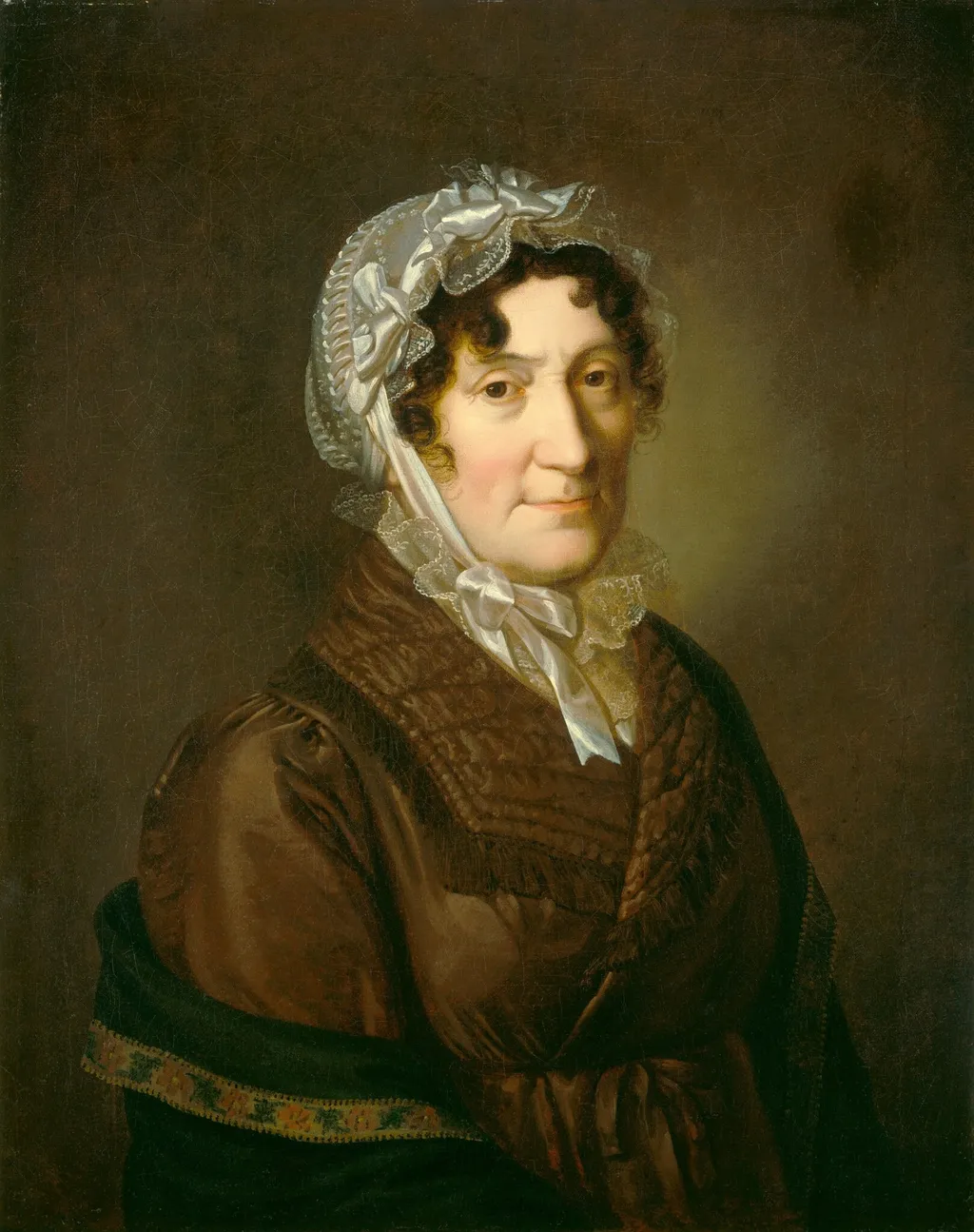
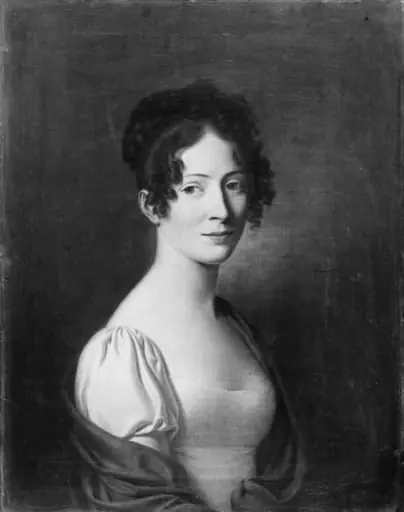
Portrait of a Lady is an oil painting. It dates from 1820 and is held in the collection of the National Gallery of Art.
About this work
History & Provenance
No documented commission or artist record survives, and the work is conventionally dated to circa 1820 based on stylistic comparison.
The painting’s early history is documented through a 1928 exhibition catalogue associated with Thomas B. Clarke, who acquired it on 2 August 1921 from the estate of Rose M. de Forest of New York. Before Clarke, the portrait was owned by Mrs. Augustus de Forest, suggesting prior private circulation in New York. Clarke’s collection was dispersed on 29 January 1936 through M. Knoedler & Co., which then sold it to The A. W. Mellon Educational and Charitable Trust in Pittsburgh.
In 1942 the Trust donated the work to the National Gallery of Art, Washington, D.C., where it remains as part of the Andrew W. Mellon collection. No documented commission or artist record survives, and the work is conventionally dated to circa 1820 based on stylistic comparison.
The Portrait of a Lady is held in the permanent collection of the National Gallery of Art in Washington, D.C., as part of the Andrew W. Mellon collection. The work was accessioned by the museum in 1942, following its transfer from the A. W. Mellon Educational and Charitable Trust in Pittsburgh. Prior to entering the national collection, the painting was owned by Thomas B. Clarke of New York, who acquired it from Rose M. de Forest in 1921.
Clarke's estate sold the piece through M. Knoedler & Co. in January 1936. While the sources confirm its long-term residence in the National Gallery of Art, they do not provide a specific inventory number or a detailed list of public exhibitions beyond a reference to a 1928 Clarke exhibition catalogue annotated with dealer records.
Legacy
The portrait entered the National Gallery of Art in 1942 through the A. W. Mellon Educational and Charitable Trust, a gift that followed its acquisition from the Thomas B. Clarke collection and the 1928 Clarke exhibition catalogue, reflecting its recognized stature in American art circles. Its inclusion in the Clarke sale and subsequent exhibition demonstrates contemporary appreciation of the work as a significant example of early‑19th‑century portraiture. Documentation in the National Gallery’s catalogue records its dimensions, medium, and provenance, ensuring ongoing scholarly attention to the piece as a representative work of the period.
Overview
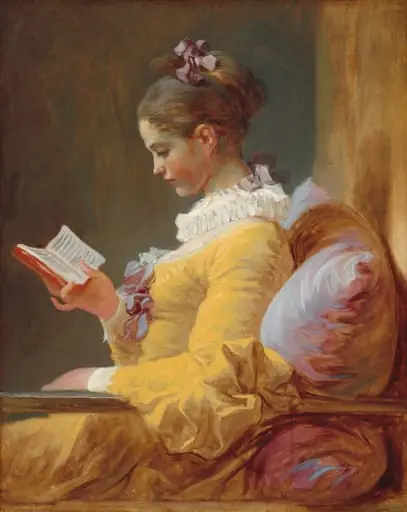
This oil on canvas, titled "Portrait of a Lady," presents an unnamed female subject in a formal, seated pose. The artist's attention to her facial features and attire indicates a deliberate effort to capture her likeness and convey aspects of her social identity. As a painting, it exemplifies a common genre dedicated to individual representation.
Subject & Meaning
The sitter is depicted in period clothing, adopting a composed posture. The meticulous rendering of her elaborate hairstyle and intricate jewelry serves to emphasize her social standing and material wealth. Through these carefully observed details, the portrait functions not merely as a likeness but also as a visual statement about the lady's position within society.
Technique & Style
Executed in oil on canvas, the painting demonstrates a focused approach to detail, particularly evident in the lady's face and personal adornments. The artist's technique highlights the textures of her garments and the gleam of her jewelry. The overall stylistic execution, which may incorporate elements such as chiaroscuro, contributes to the visual impact and depth of the composition, drawing the viewer's eye to the subject.
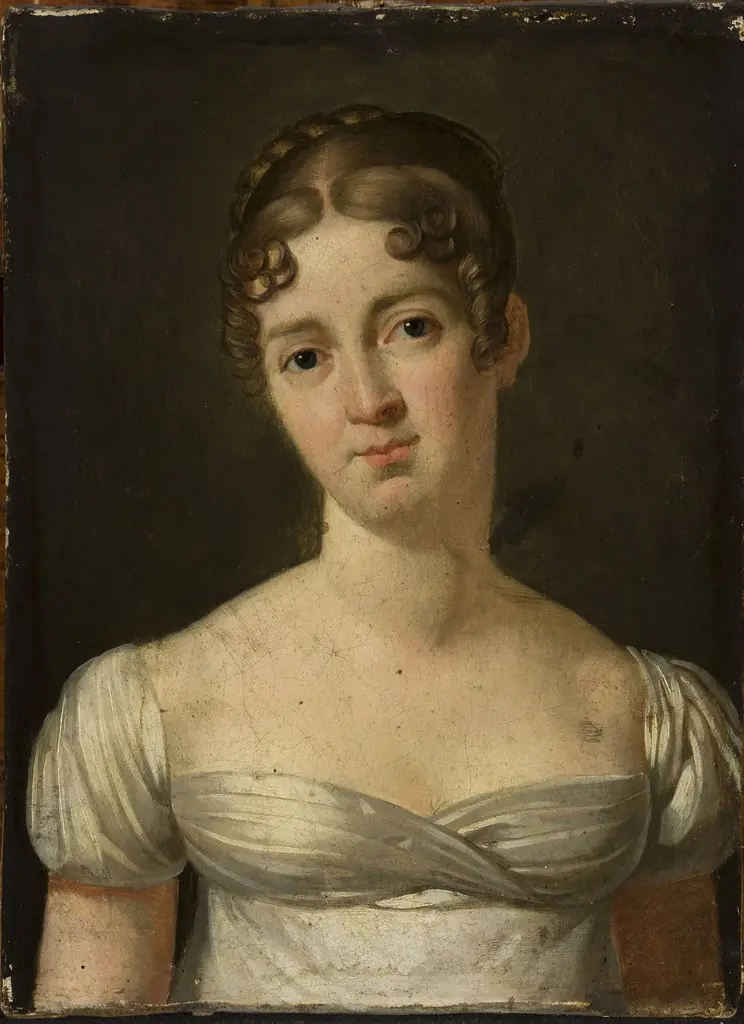
Artist & collection

- Portrait of a lady
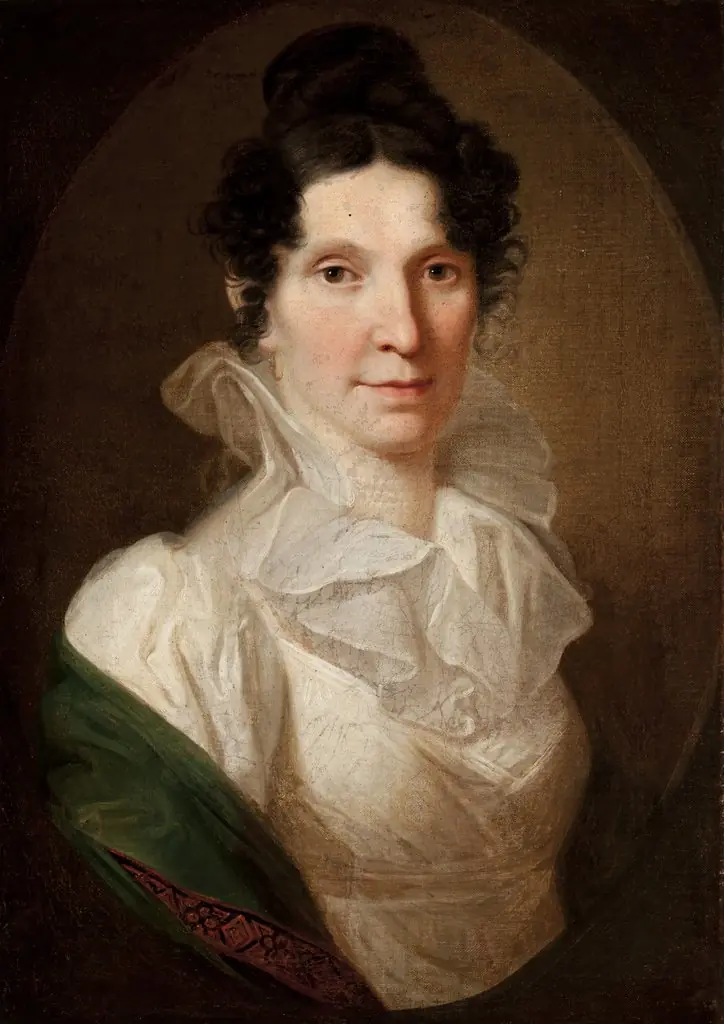 Portrait of Katarzyna Mężyńska née Działyńska
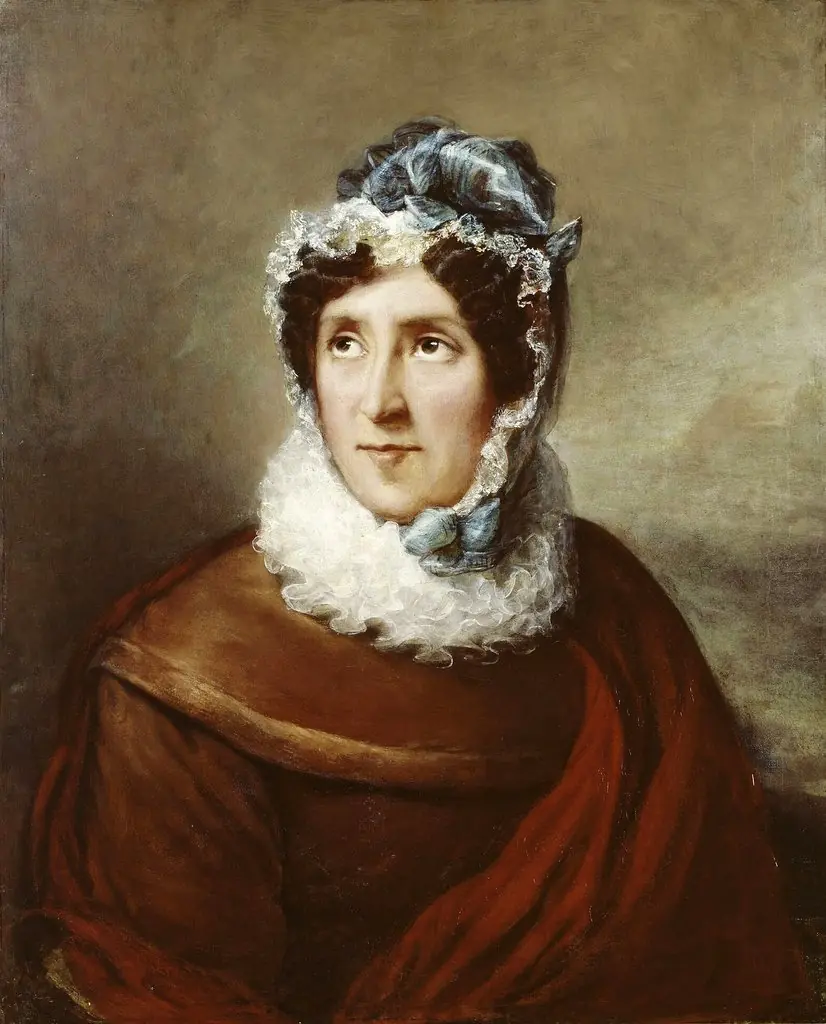 Jeanne Campan, née Genest (1752-1822)
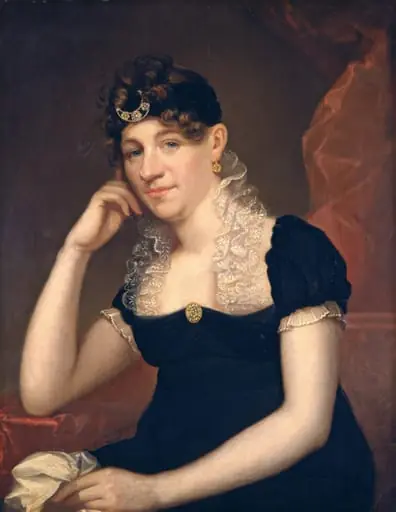 Maria Gansevoort Melvill (Mrs. Allan Melvill)
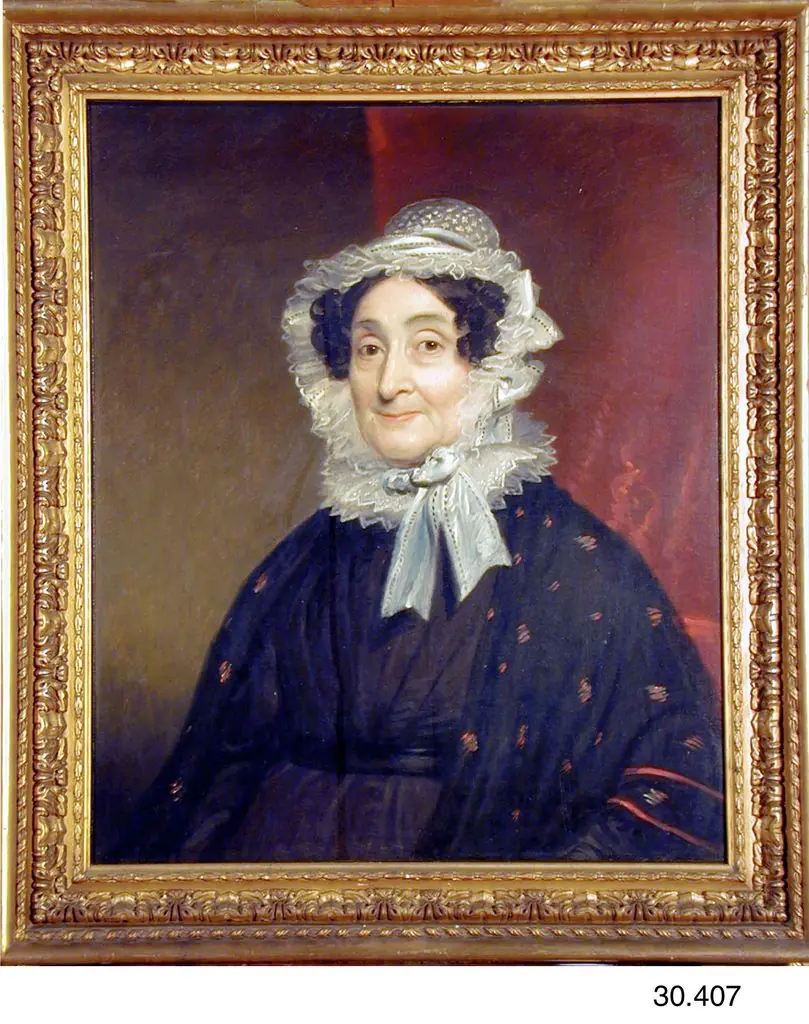 Mrs. Margaret Snelling
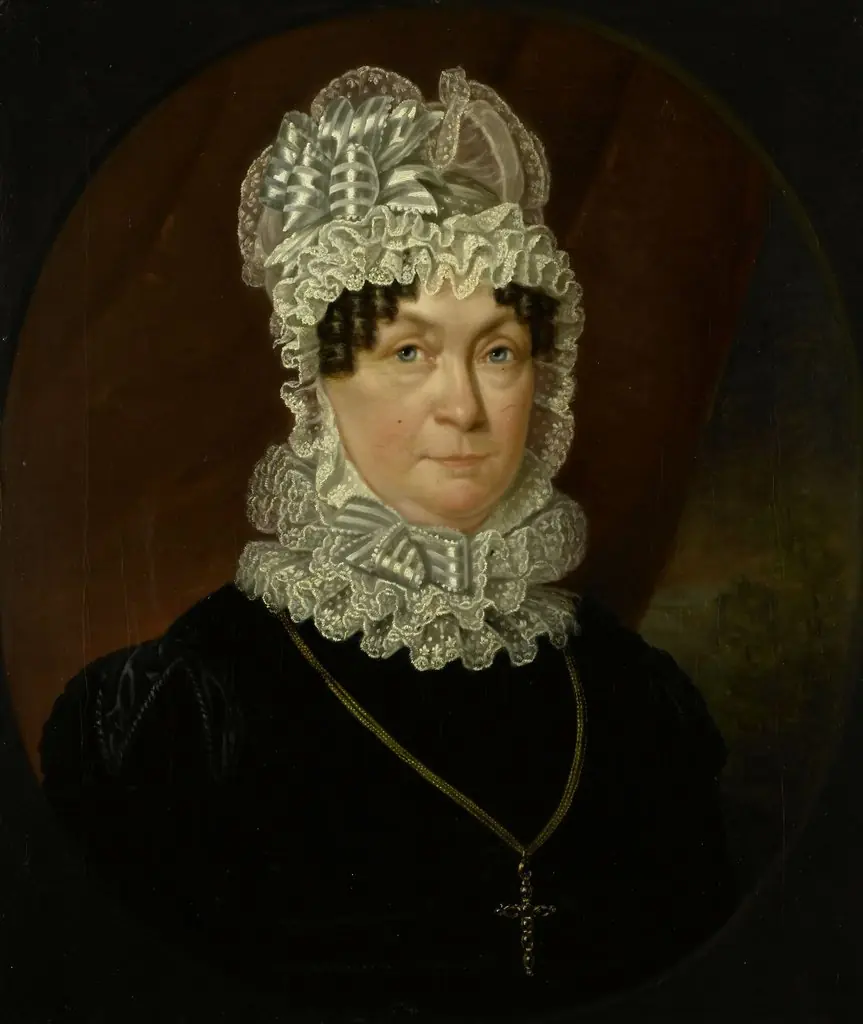 Portrait of Ann Brander (died 1837), Wife of Job Seaburne May
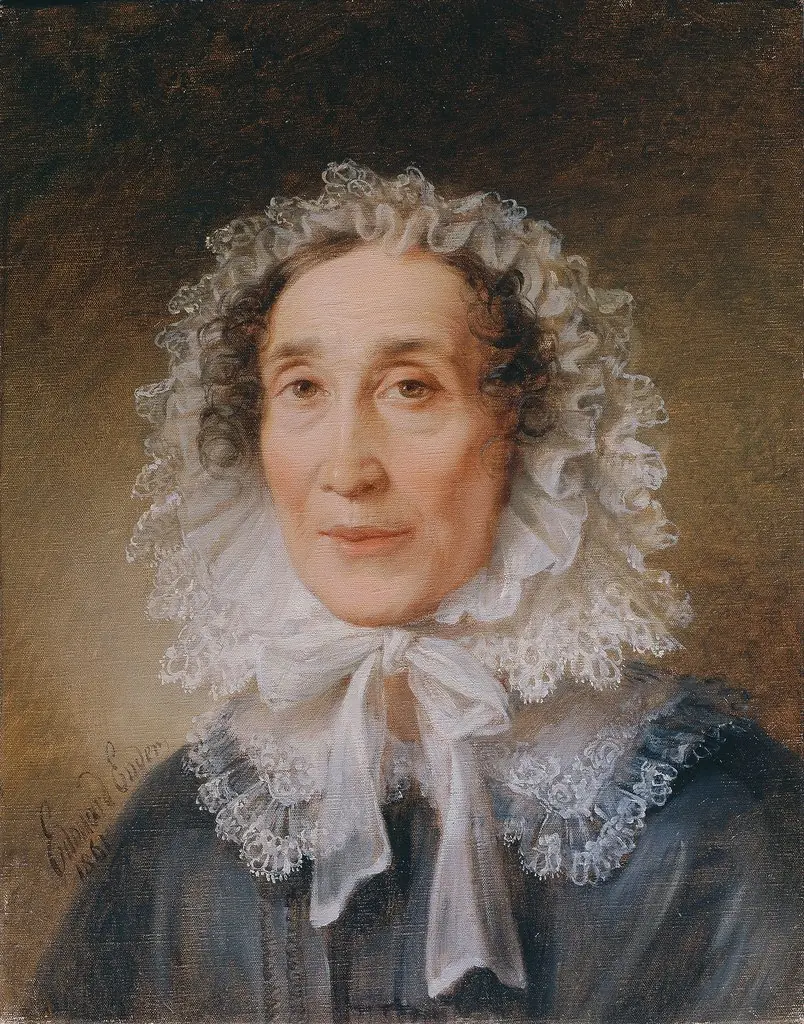 Anna Denk
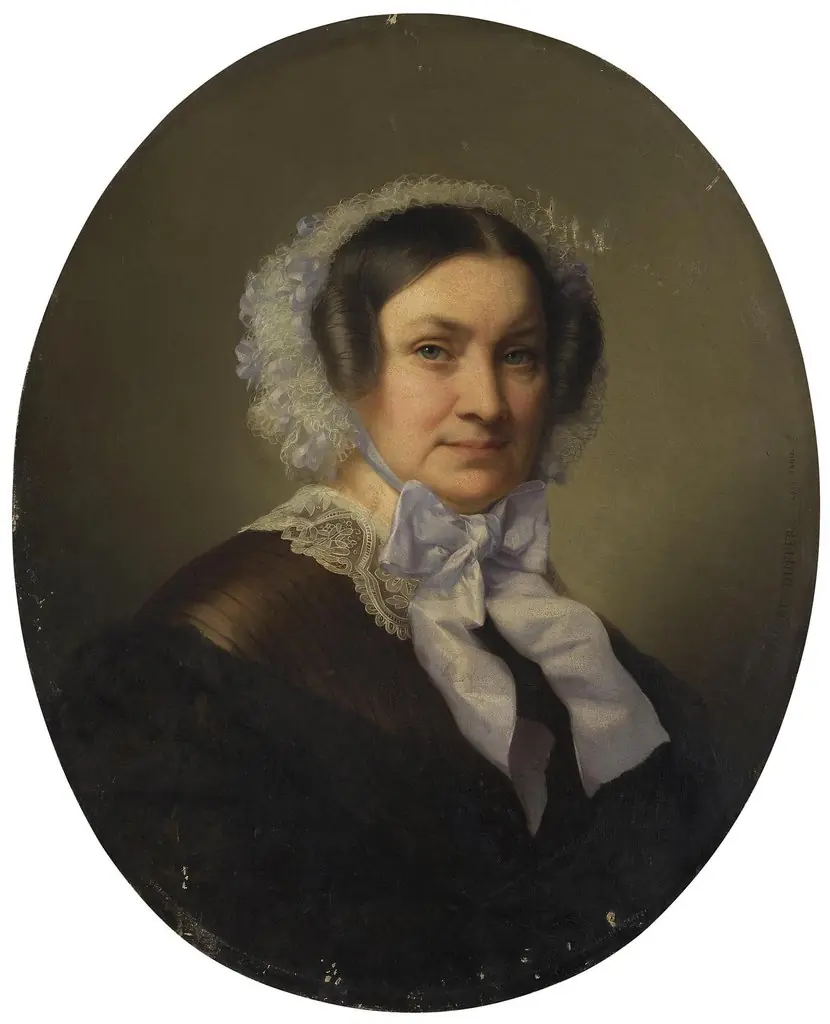 Portrait of an Elderly Woman
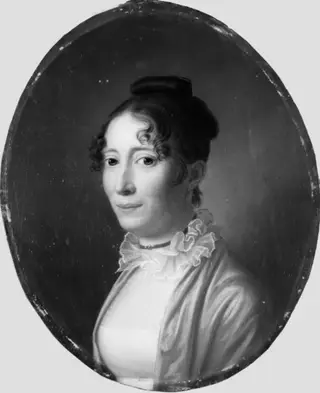 Appolone Smith, f. Lottrup, amtsprovst Troels Smiths anden hustru
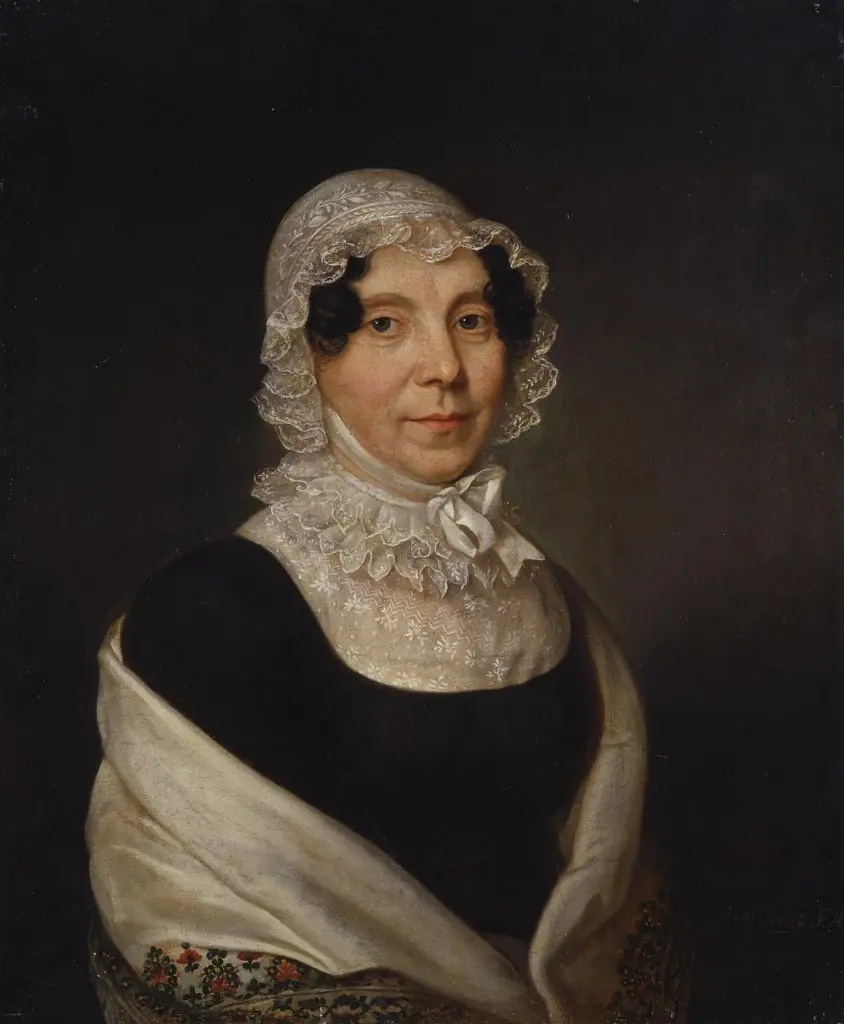 Portrait of Golitsyna
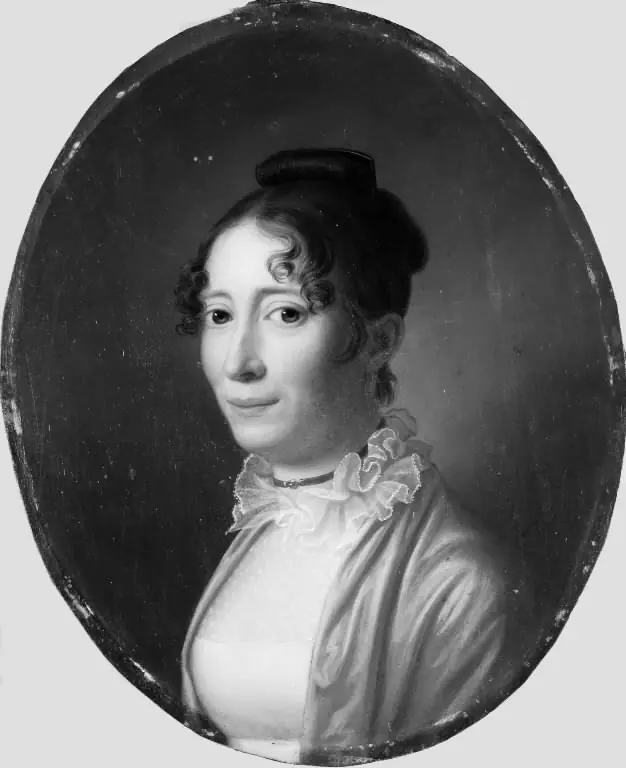 Appolone Smith, f. Lottrup, amtsprovst Troels Smiths anden hustru
 Konferensrådinde Marie Sophie Frølich, f. de Coninck