Artwork
Ferdinand I, Roman Emperor
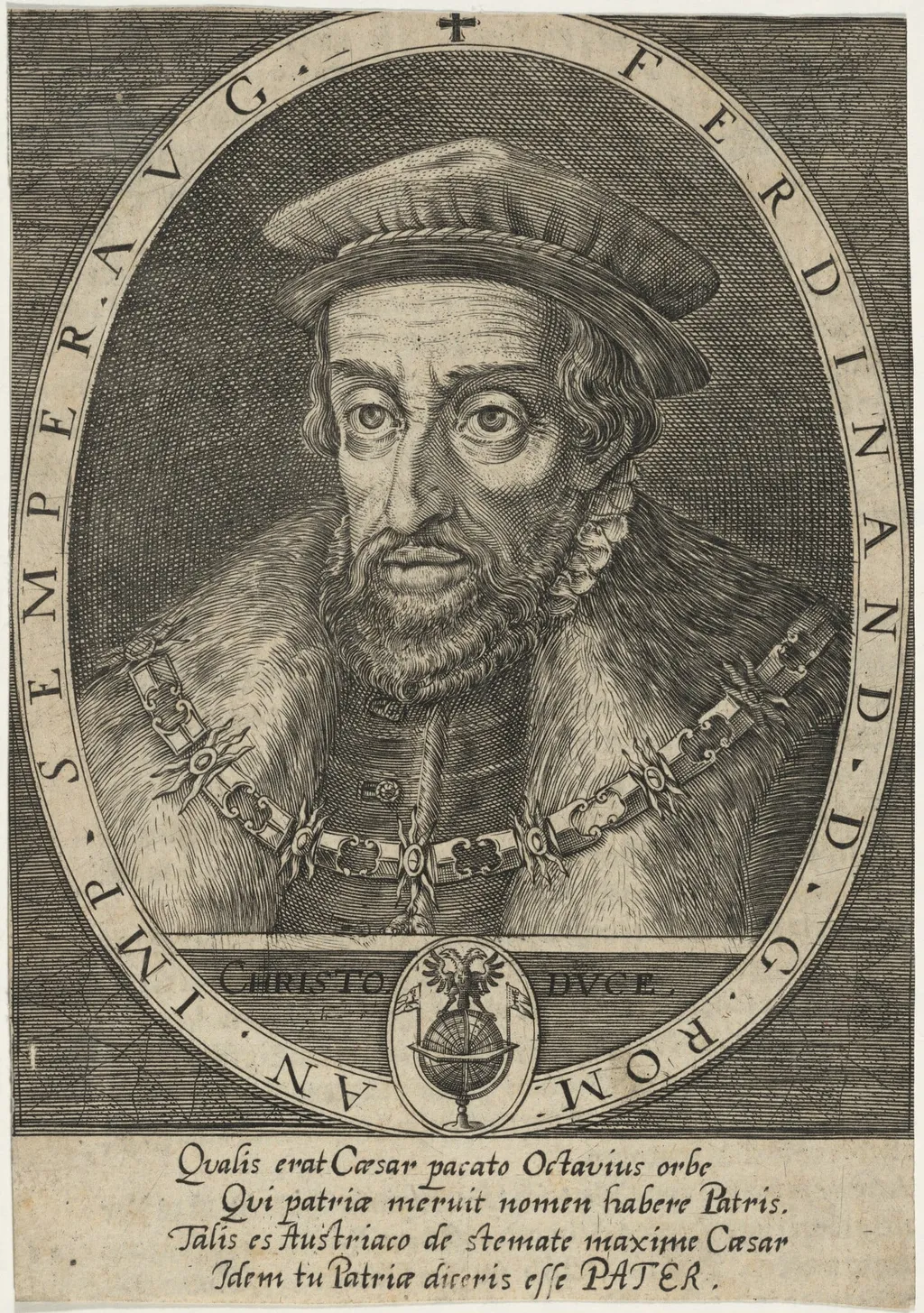
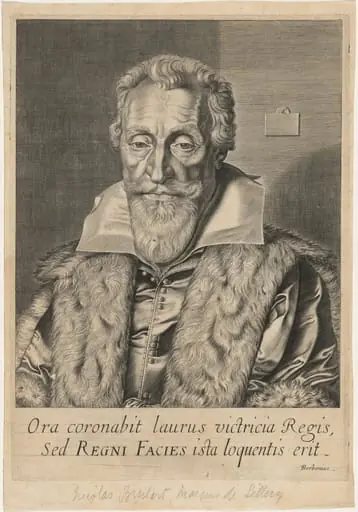
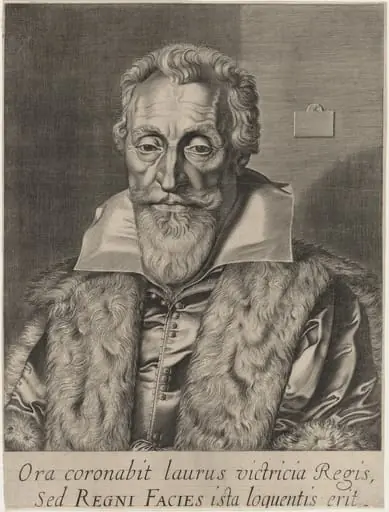
Ferdinand I, Roman Emperor is an ink print by the Romanticist artist Unknown 19th Century. It dates from 1850 and is held in the collection of the National Gallery of Art. This engraving depicts Ferdinand I, Holy Roman Emperor, rendered in fine-line black-and-white print.
About this work
Overview
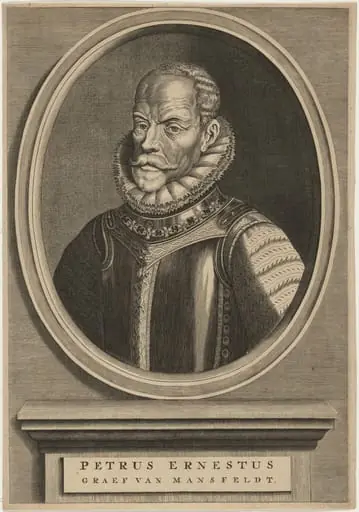
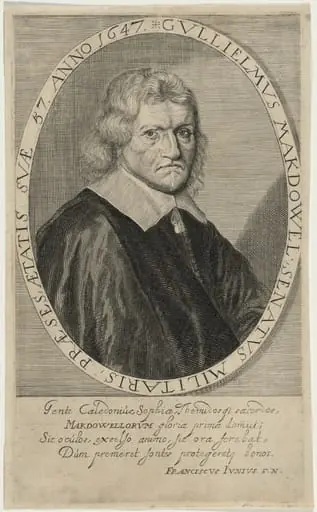
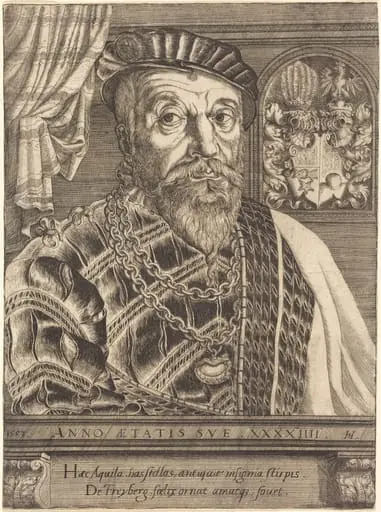
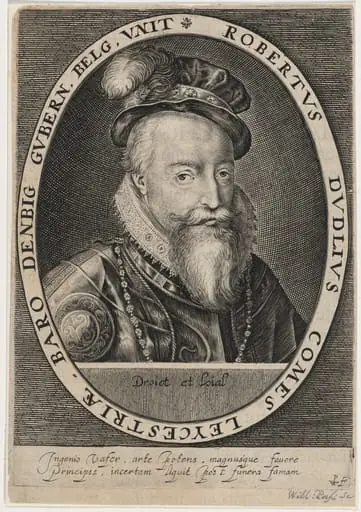
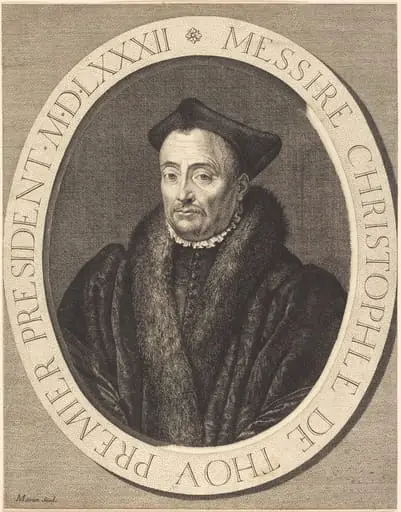
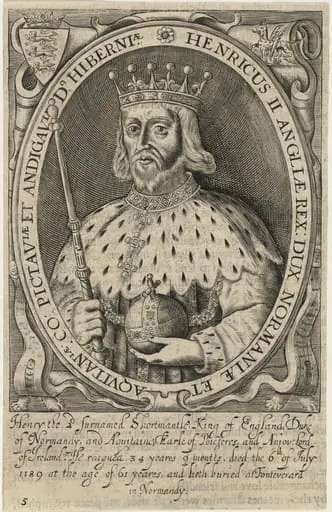
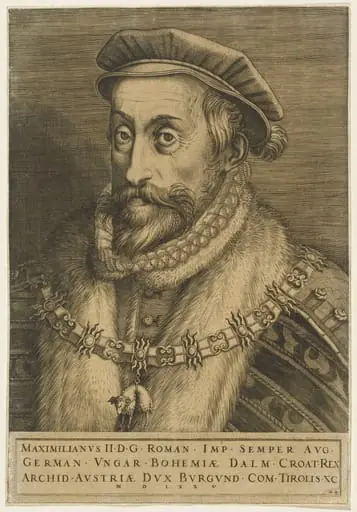
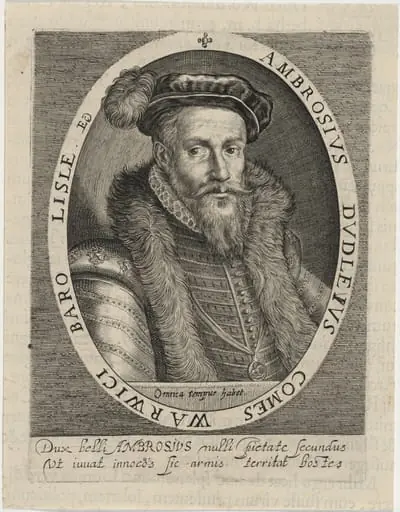
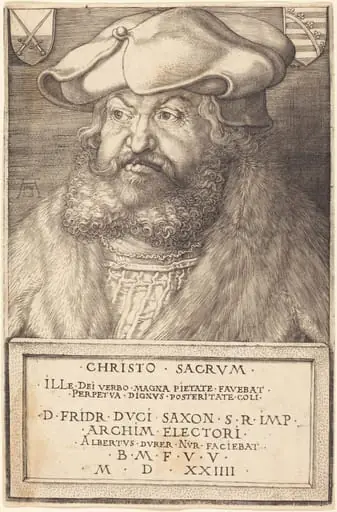
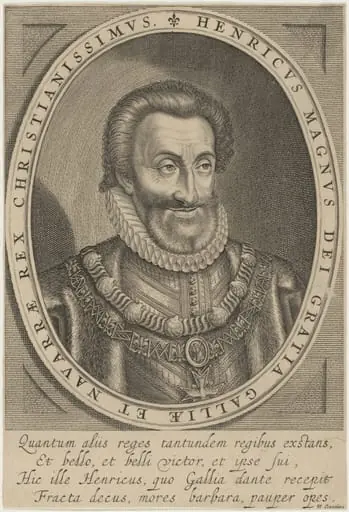
This engraving depicts Ferdinand I, Holy Roman Emperor, rendered in fine-line black-and-white print. Created as a portrait for dissemination, it reflects the Renaissance tradition of using printmaking to circulate images of rulers. The work emphasizes precision and restraint, typical of engraved portraiture in the 16th century, where clarity and authority were prioritized over ornamentation.
Subject & Meaning
Ferdinand I is portrayed in formal court attire, conveying his imperial status through dignified posture and restrained expression. The absence of overt symbolism suggests a focus on personal authority rather than divine right. The serious demeanor aligns with contemporary expectations of rulership, presenting him as a calculated and composed leader rather than a ceremonial figure.
Technique & Style
This method, common among Northern European printmakers, prioritized detail and reproducibility, allowing the image to be widely copied and distributed.
The portrait employs meticulous engraving techniques, with fine, controlled lines building texture in fabric, hair, and facial features. Cross-hatching and delicate stippling create subtle gradations of light and shadow, enhancing three-dimensionality. This method, common among Northern European printmakers, prioritized detail and reproducibility, allowing the image to be widely copied and distributed.
History & Provenance
Produced during Ferdinand I’s reign, the engraving likely served political or diplomatic purposes, reinforcing his image across the Habsburg domains. While the exact artist and date remain uncertain, its style aligns with mid-16th century workshops in Austria or Germany. Surviving impressions suggest it was circulated among nobility and imperial officials as a tool of visual legitimacy.
Context
In the mid-1500s, engraved portraits of rulers became essential for projecting power beyond court circles. With limited access to painted likenesses, prints offered a reliable means of visual propaganda. Ferdinand’s image, like those of his brother Charles V, was reproduced to affirm continuity and authority amid religious and territorial upheavals in the Holy Roman Empire.
Legacy
This engraving exemplifies how printmaking shaped the public perception of early modern rulers. Its technical precision influenced later portrait engravers, and surviving copies remain valuable for studying Habsburg iconography. Though not widely known today, it contributes to the broader understanding of how visual media reinforced political identity in pre-modern Europe.
Artist & collection

Artist