Artwork
A Palace
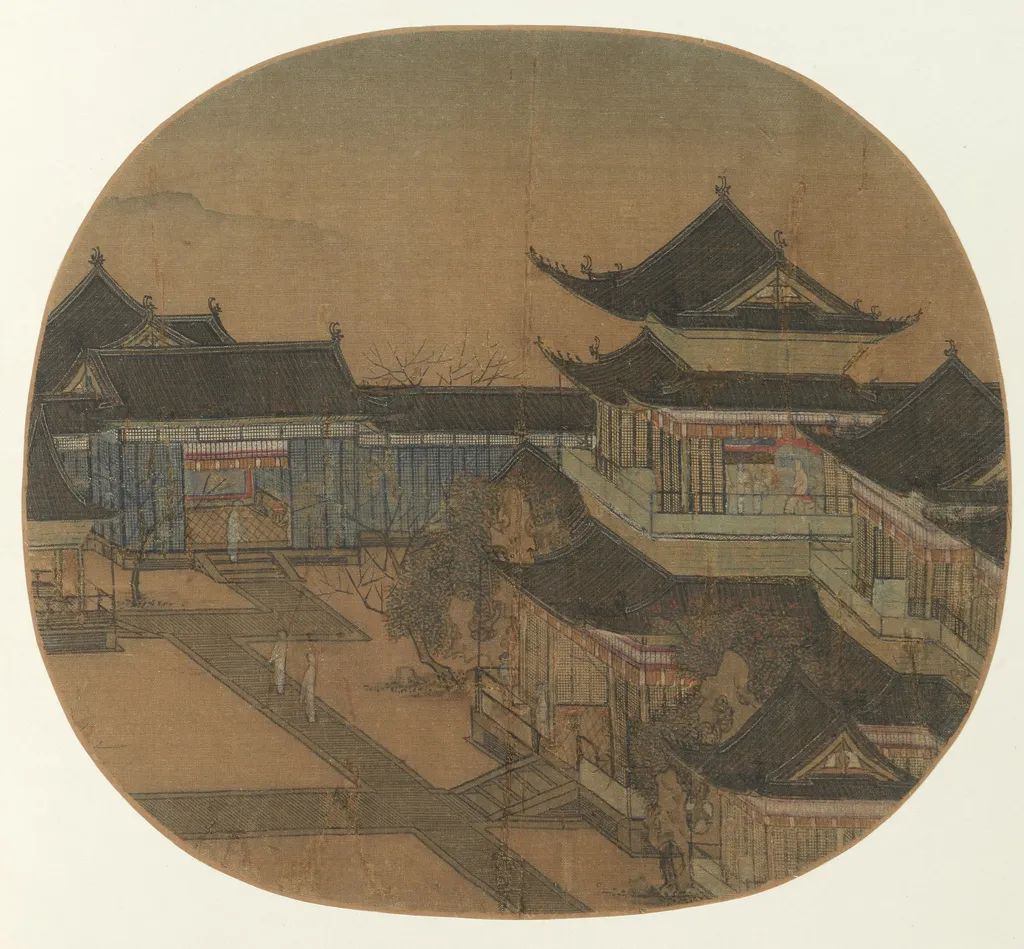
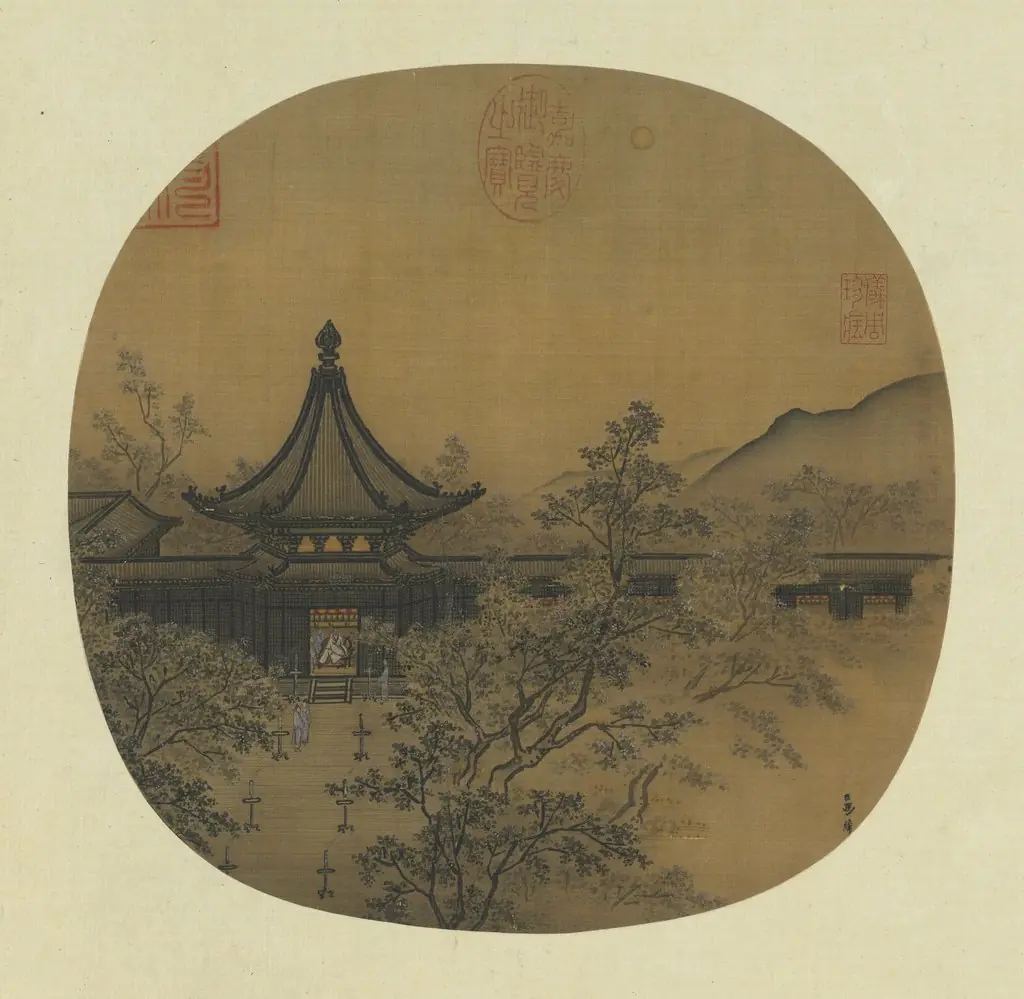
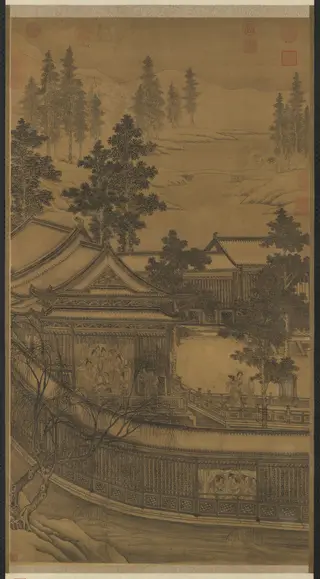
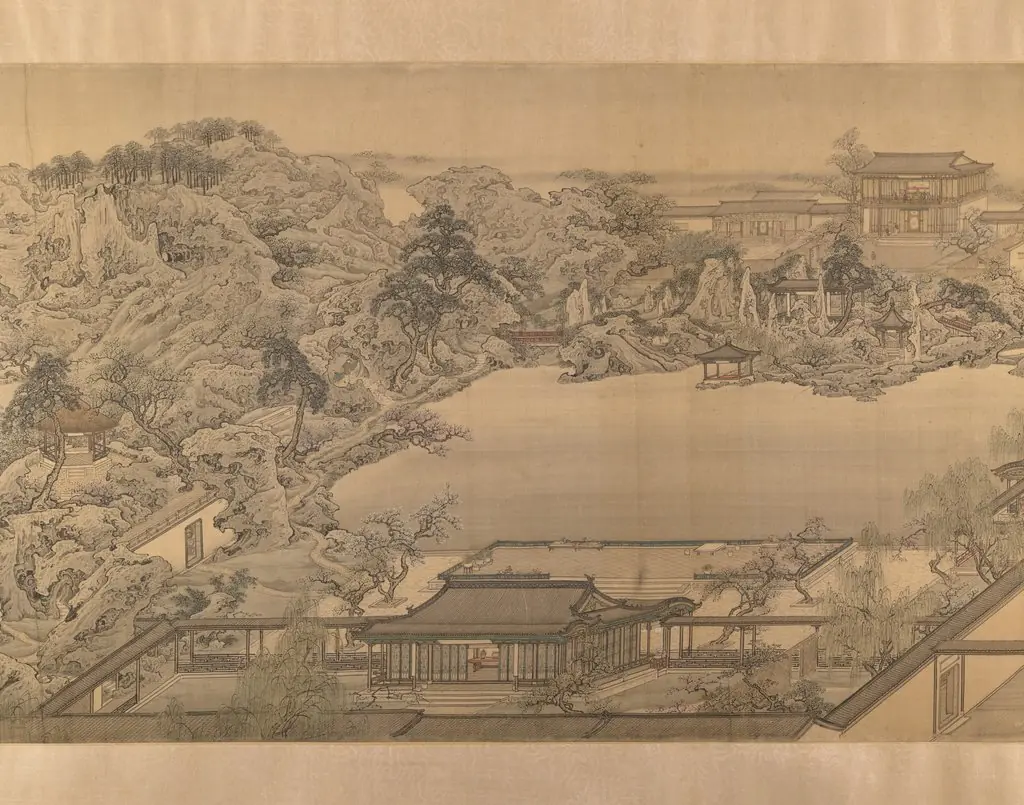
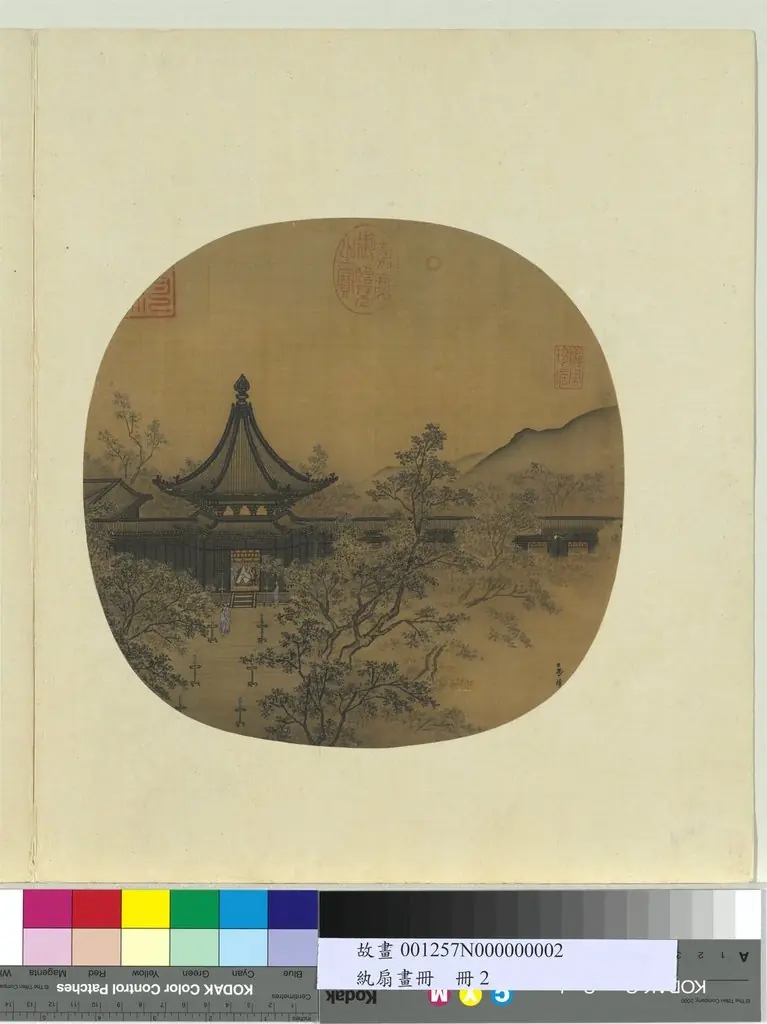
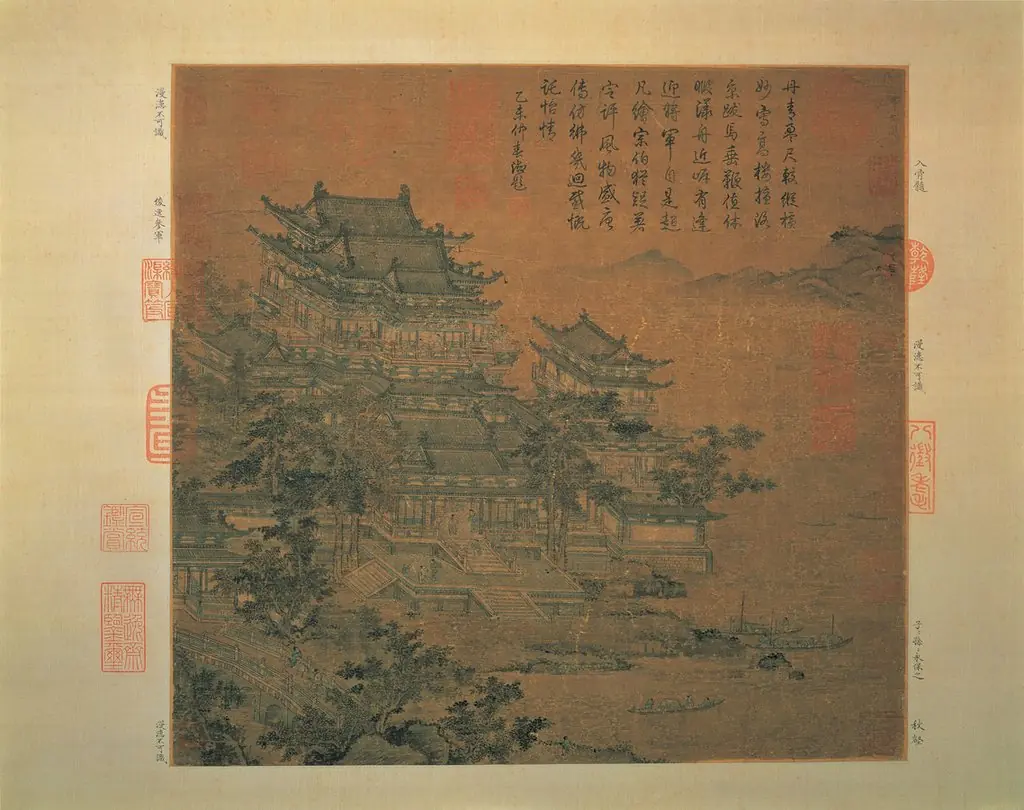
A Palace is an unspecified painting. It dates from 1319 and is held in the collection of the Cleveland Museum of Art. The work depicts an expansive palace complex characterized by sweeping, tiled roofs and open walkways.
About this work
History & Provenance
No further details regarding its original commission or the specific chain of ownership prior to its museum acquisition are provided in the available records.
The painting titled A Palace was created in 1319 by an unknown artist. It is currently held in the collection of the Cleveland Museum of Art in Cleveland. The work's inception is recorded as January 1, 1319, establishing its early fourteenth-century origin.
No further details regarding its original commission or the specific chain of ownership prior to its museum acquisition are provided in the available records.
Context
The work titled A Palace was created in 1319, situating it within the early Renaissance period and reflecting the artistic developments of that era. Its presence in the collection of the Cleveland Museum of Art underscores its significance within the museum's holdings and broader art historical narratives. Scholarship on the piece highlights its importance in the context of early Italian painting, contributing to discussions on artistic practices and cultural patronage during the 14th century.
Overview
The work depicts an expansive palace complex characterized by sweeping, tiled roofs and open walkways. Dark wooden frames outline the structures, while the walls appear in lighter tones. Sparse vegetation, including trees and leafless branches, punctuates the scene, and a few horses stand near the pathways.
Subject & Meaning
Figures dressed in modest robes traverse bridges and paths that interconnect the palace’s various sections, suggesting daily activity within a ceremonial or residential setting. Their presence, alongside the stationary horses, conveys a sense of routine movement through an architecturally ordered environment.
Technique & Style
Rendered in a flat, almost sketch‑like manner, the painting avoids deep chiaroscuro, relying instead on clear outlines and uniform color fields. This approach emphasizes the geometric forms of the roofs, walls, and walkways, directing attention to spatial organization rather than realistic lighting.
Artist & collection

![名繪集珍 冊 李□焚香祝聖, by Li[?]](https://artifactworldgallery.com/img/li--7ca1a4e908900d79-w320.webp)