Artwork
曲技図巻|Acrobats
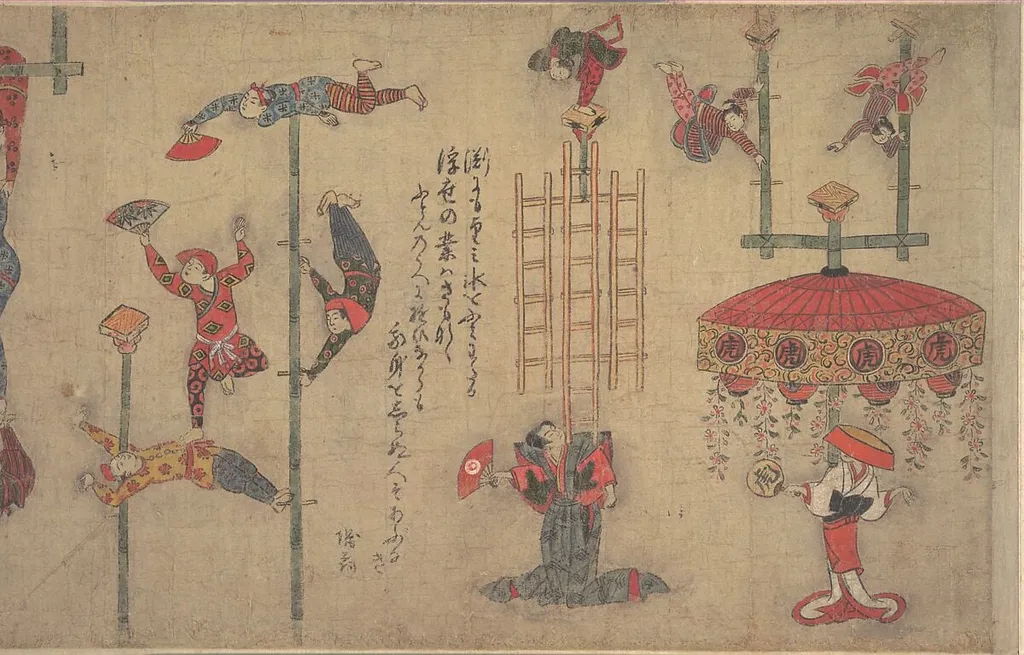
曲技図巻|Acrobats is an ink painting. It dates from 1804 and is held in the collection of the Metropolitan Museum of Art. This handscroll, titled Acrobats (Kyokugi zukan), presents a dynamic sequence of performances rendered in ink and color on paper.
About this work
Subject & Meaning
The composition exemplifies a popular pastime captured in visual form, using the ladder as a prop that emphasizes balance and skill.
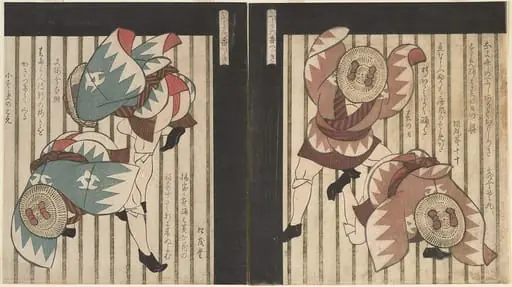
The handscroll titled 曲技図巻 (Acrobats), dated 1800, belongs to the genre‑scene category of Japanese paintings and portrays a group of acrobats performing on a ladder. The composition exemplifies a popular pastime captured in visual form, using the ladder as a prop that emphasizes balance and skill. As an iconographic element, the ladder underscores the physical daring inherent in such displays, while the depiction of acrobats reflects the cultural fascination with circus‑like entertainments in early nineteenth‑century Japan. The work is part of the Metropolitan Museum of Art collection, preserving this representation of leisure activity.
Technique & Style
Acrobats is executed as a handscroll on paper, utilizing ink and color as its primary media. Created in Japan around 1800 by an anonymous artist, the work belongs to the genre scene tradition. The composition depicts figures performing acrobatic feats, including scenes involving a ladder.
The physical support is paper, a standard material for Japanese handscrolls of this period, allowing for the continuous narrative flow characteristic of the format.
History & Provenance
The handscroll titled Acrobats, also known as 曲技図巻, is dated to 1800. It is executed in ink and color on paper and was produced in Japan by an anonymous painter. The work entered the collection of the Metropolitan Museum of Art, where it remains on view.
Its subject matter includes an acrobat and a ladder, reflecting genre‑scene interests of the period. No earlier ownership records are documented, and no evidence of a specific commission survives.
The handscroll titled Acrobats is held in the collection of the Metropolitan Museum of Art in New York. While the specific inventory or accession number is not provided in the available records, the work is attributed to an anonymous Japanese painter and dated to 1800. The scroll, executed in ink and color on paper, depicts acrobats performing with a ladder. No exhibition history for this specific work is documented in the provided sources.
Context
The handscroll titled 曲技図巻 (Acrobats), dated to 1800 and executed in ink and color on paper, exemplifies Edo‑period genre scenes that celebrated popular performance. As an anonymous work in the Metropolitan Museum of Art collection, it has been discussed in scholarship as a representative example of anonymous painter activity in early 19th‑century Japan, reflecting both the technical virtuosity of handscroll production and the cultural fascination with acrobatic display. Academic analyses cite its depiction of acrobats and ladders as illustrative of contemporary entertainment, positioning the piece within broader studies of Japanese visual culture and the historiography of unsigned paintings.
Overview
This handscroll, titled Acrobats (Kyokugi zukan), presents a dynamic sequence of performances rendered in ink and color on paper. It unfolds a continuous panorama of Japanese acrobats engaged in various feats, from balancing on tall ladders to executing mid-air flips and forming intricate human pyramids. Created for enjoyment rather than a formal purpose, the scroll captures the lively spirit of popular entertainment.
Artist & collection

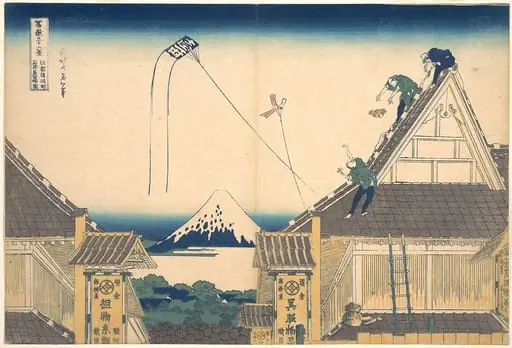
- 冨嶽三十六景 江都駿河町三井見世略図|Mitsui Shop at Surugachō in Edo (Edo Surugachō Mitsui mise ryaku zu), from the series Thirty-six Views of Mount Fuji (Fugaku sanjūrokkei)
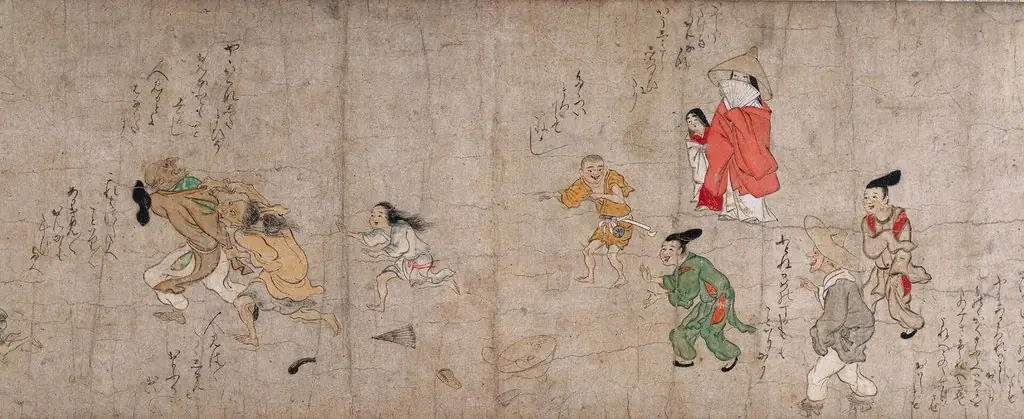 The Story of Fukutomi
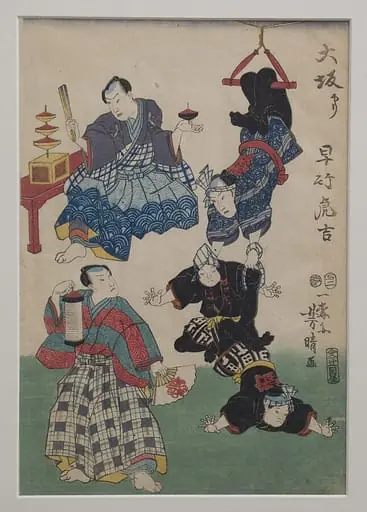 大坂下り早竹虎吉|Hayatake Torakichi from Osaka
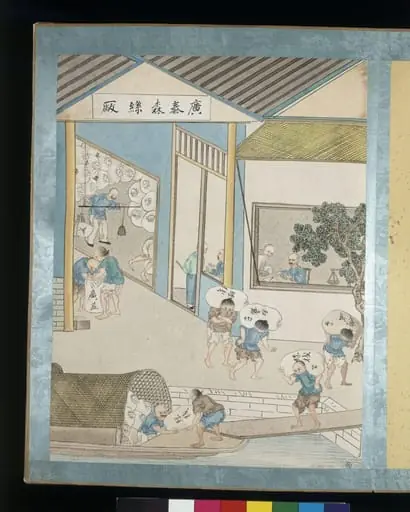 Weighing and Loading on to Boat
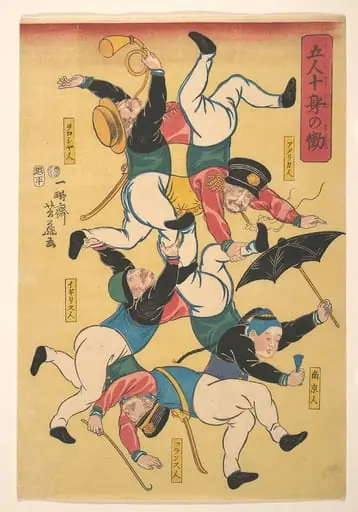 Gojin jūshin no hataraku|Five People Working Like Ten
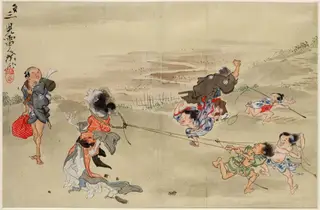 An Unfortunate Tale, III
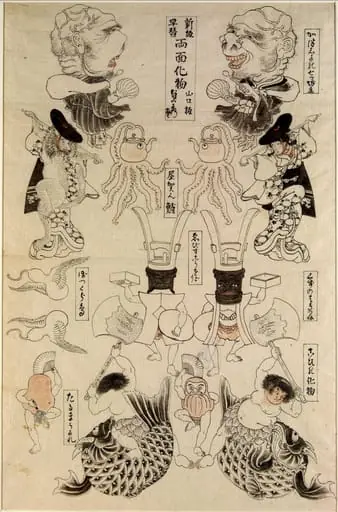 Mendicant Monk in Katsushika and Others
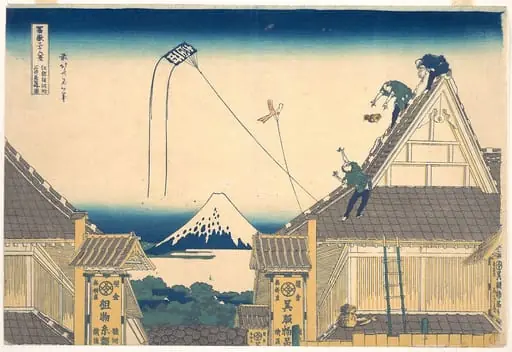 冨嶽三十六景 江都駿河町三井見世略図|Mitsui Shop at Surugachō in Edo (Edo Surugachō Mitsui mise ryaku zu), from the series Thirty-six Views of Mount Fuji (Fugaku sanjūrokkei)
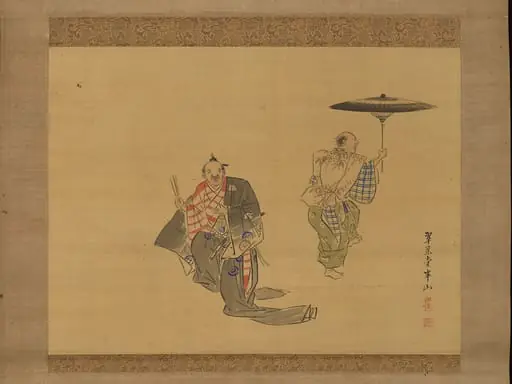 Untitled
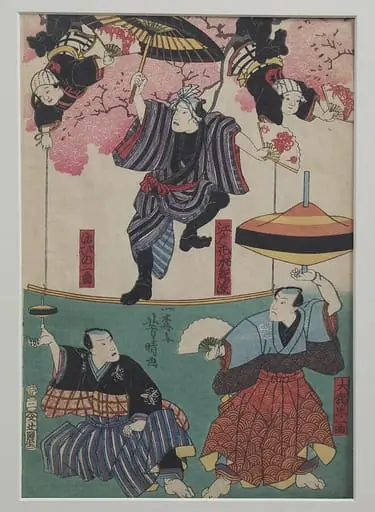 Untitled
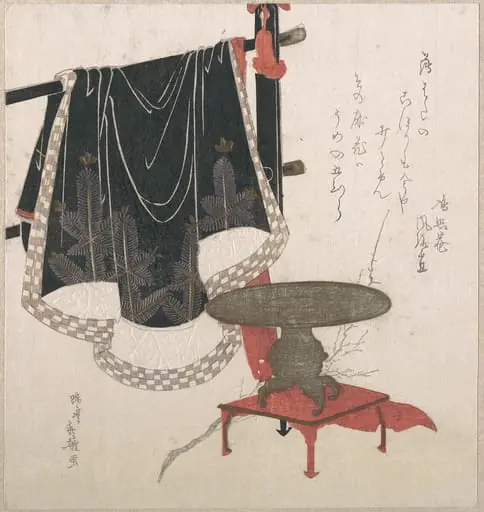 Untitled
 Untitled