Artwork
The Story of Fukutomi
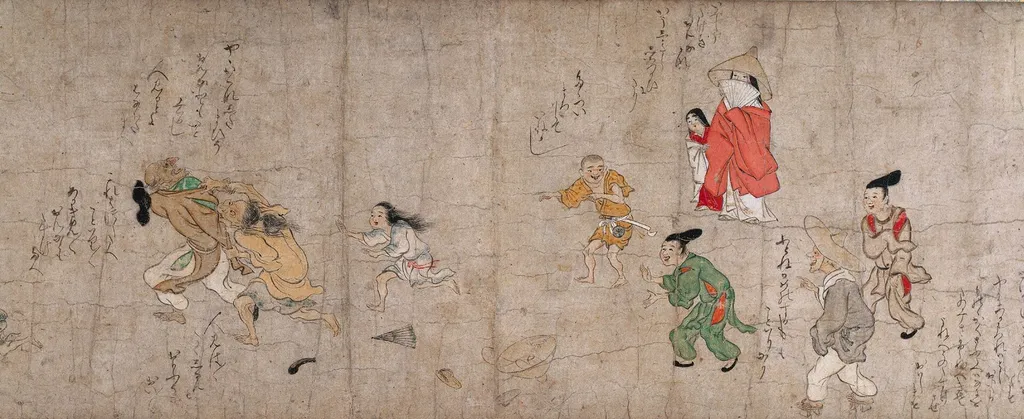
The Story of Fukutomi is an unspecified painting. It dates from 1449 and is held in the collection of the Cleveland Museum of Art.
About this work
Technique & Style
The surface shows fine craquelure consistent with age, while the pigments retain their original luminosity, suggesting careful handling over centuries.
Executed as a painting on a wooden support, the work originates from Japan and dates to 1449. It is cataloged in the Cleveland Museum of Art collection and is attributed to an unknown artist. The composition and brushwork reflect traditional Japanese narrative techniques, emphasizing flat perspective and stylized figures that convey the story's moral lesson.
The surface shows fine craquelure consistent with age, while the pigments retain their original luminosity, suggesting careful handling over centuries.
History & Provenance
The Story of Fukutomi is a painting created in Japan in 1449. The work was produced by an artist whose identity remains unknown. It currently resides in the collection of the Cleveland Museum of Art, where it is cataloged under the accession number 1953.358.
The museum's records indicate the work was acquired in 1953, though specific details regarding its ownership history prior to this acquisition or the circumstances of its original commission are not documented in the available sources.
Overview
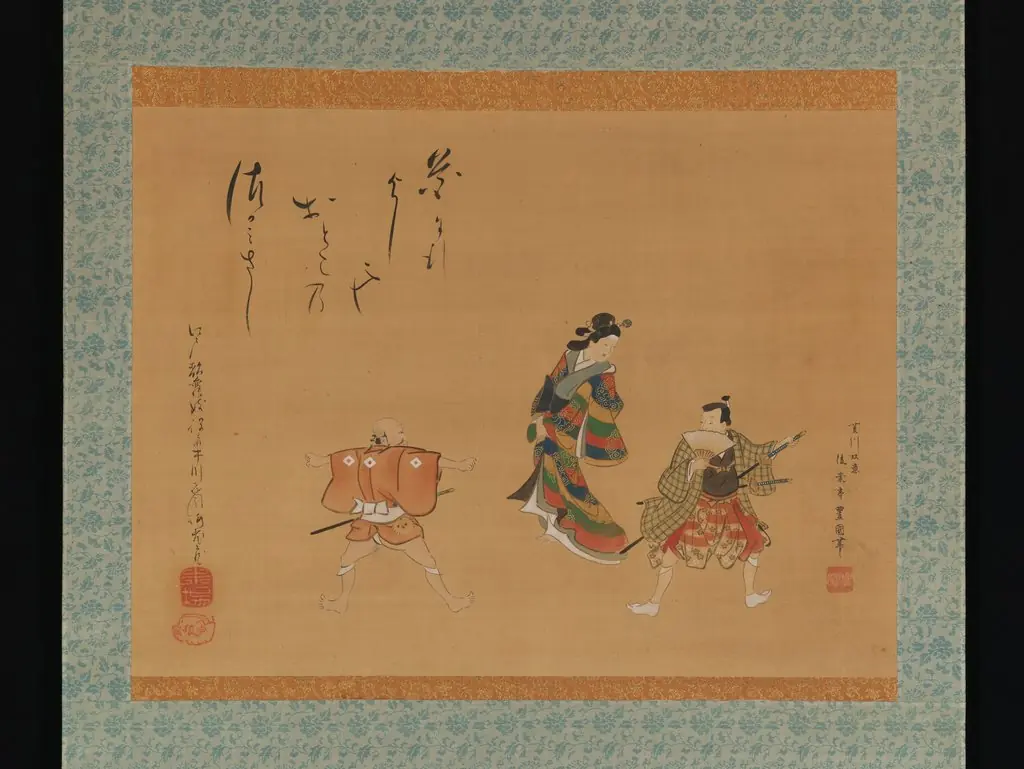
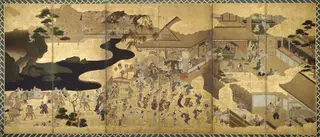
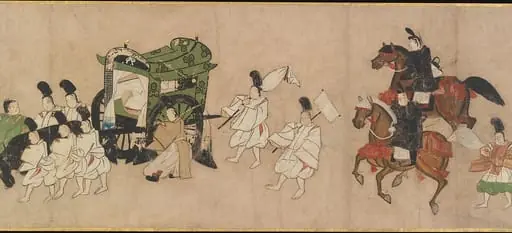
The work titled “The Story of Fukutomi” is a painted composition that depicts a procession of figures in vivid garments. The characters are arranged in a line, some engaged in a playful chase while others hold fans or assorted objects, creating a sense of movement and interaction across the canvas.
Subject & Meaning
The scene suggests a festive or ritualistic gathering, with the exaggerated, cartoonish figures emphasizing a light‑hearted narrative. The inclusion of Japanese characters in the background hints at a cultural or textual reference, though the script is not readily legible, leaving the precise story open to interpretation.
Context
The painting’s aesthetic aligns with mid‑20th‑century Japanese popular art that blended folk motifs with modern graphic sensibilities. Its playful depiction of communal activity reflects broader trends in visual storytelling that prioritize narrative clarity over realistic representation.
Artist & collection

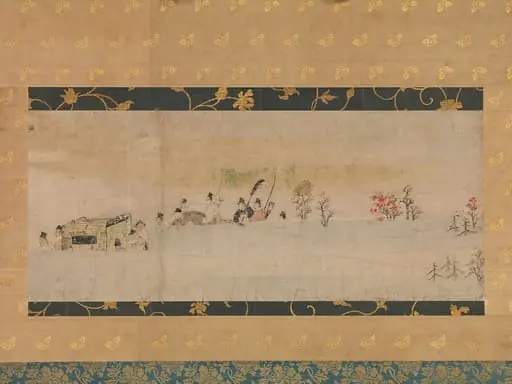
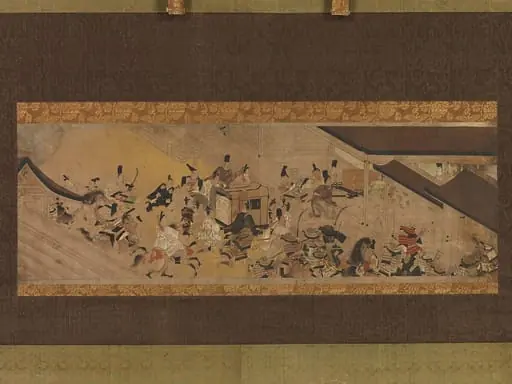
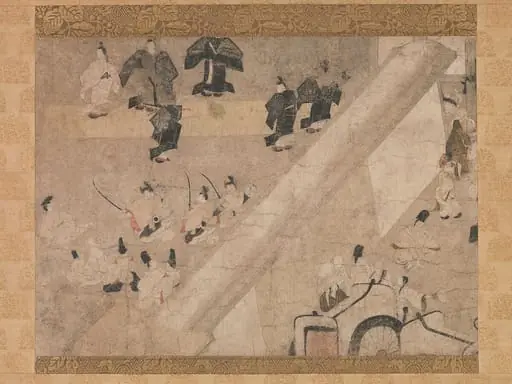 「高陽院駒競行幸絵巻」『栄花物語』 断簡|"Imperial Visit to the Great Horse Race at the Kaya-no-in Mansion" from the Tale of Flowering Fortunes
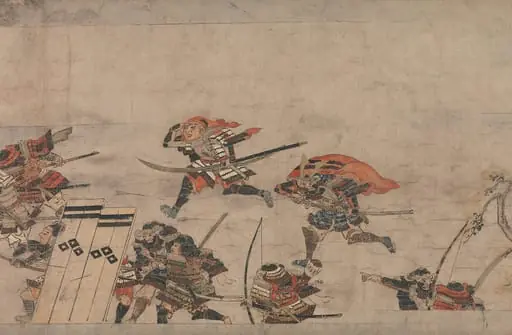 秋夜長物語|A Long Tale for an Autumn Night (Aki no yo nagamonogatari)
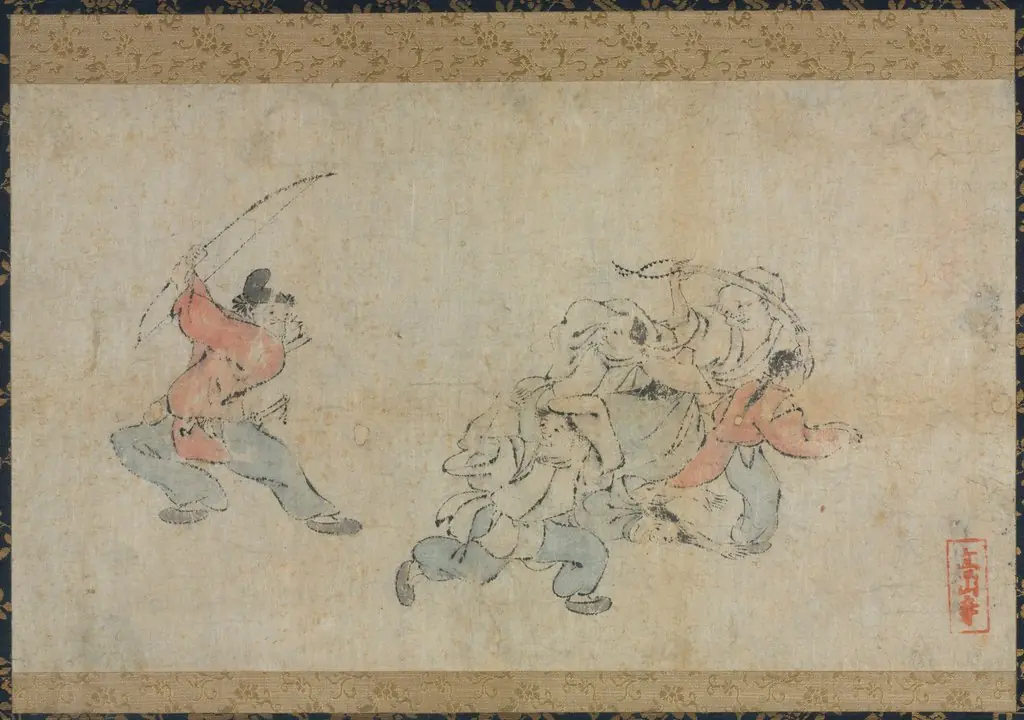 Toba-e (Comic Picture)
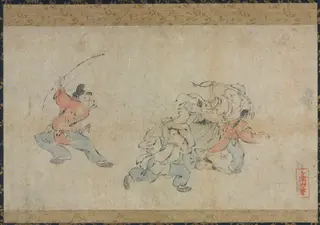 Toba-e (Comic Picture)
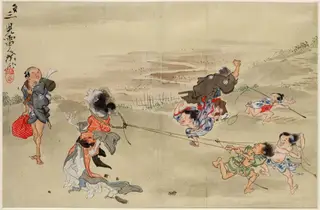 An Unfortunate Tale, III
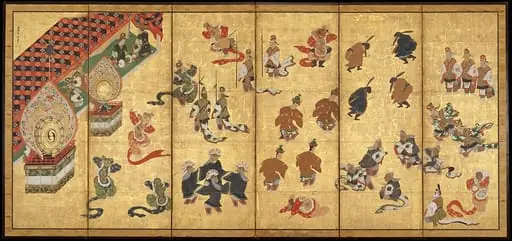 Untitled
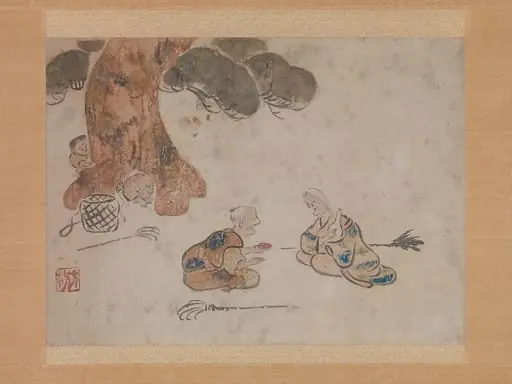 Untitled
 源氏物語絵巻 「澪標」|“Channel Markers” (Miotsukushi)