Artwork
Adoration of the kings
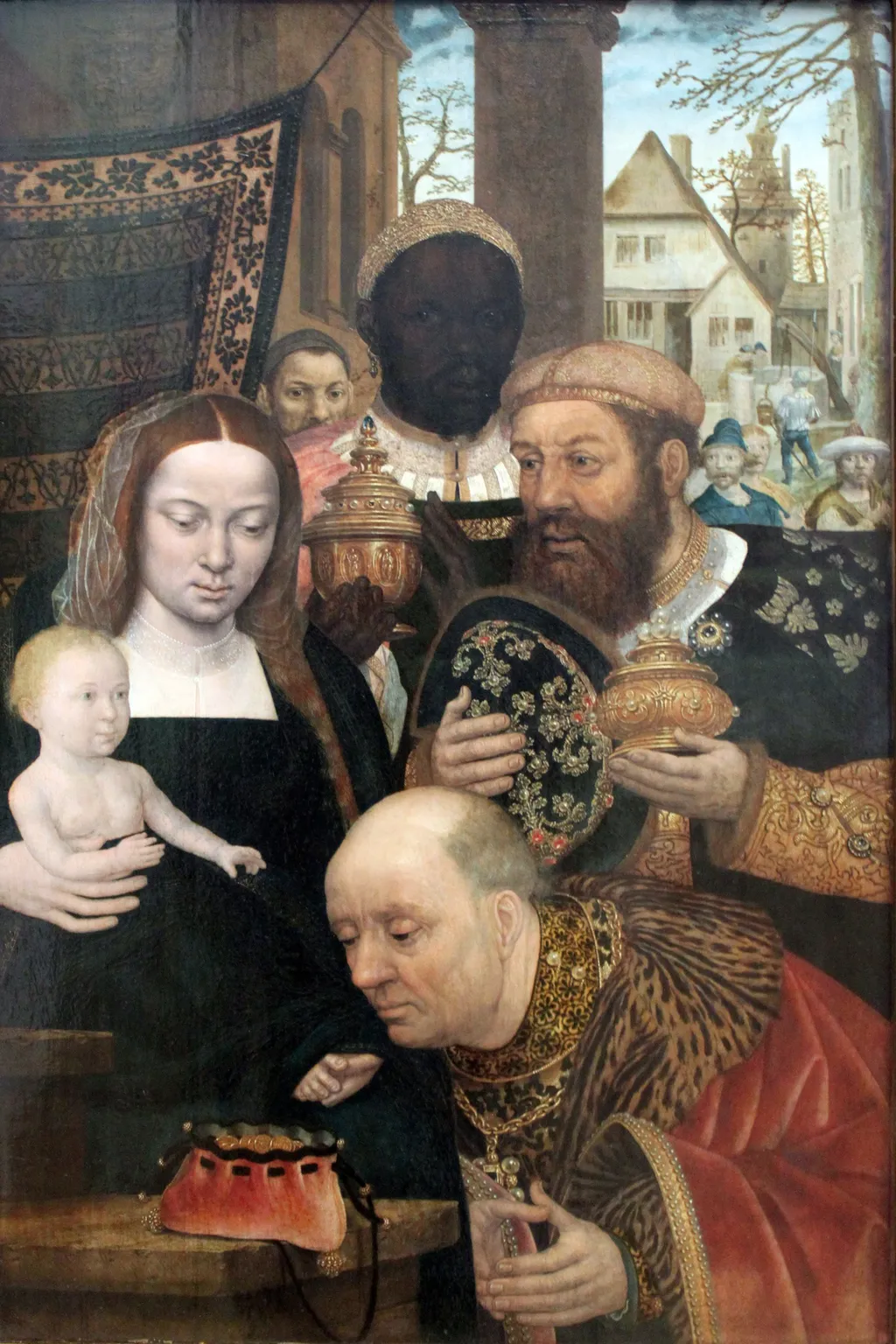
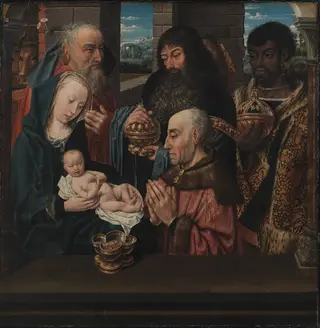
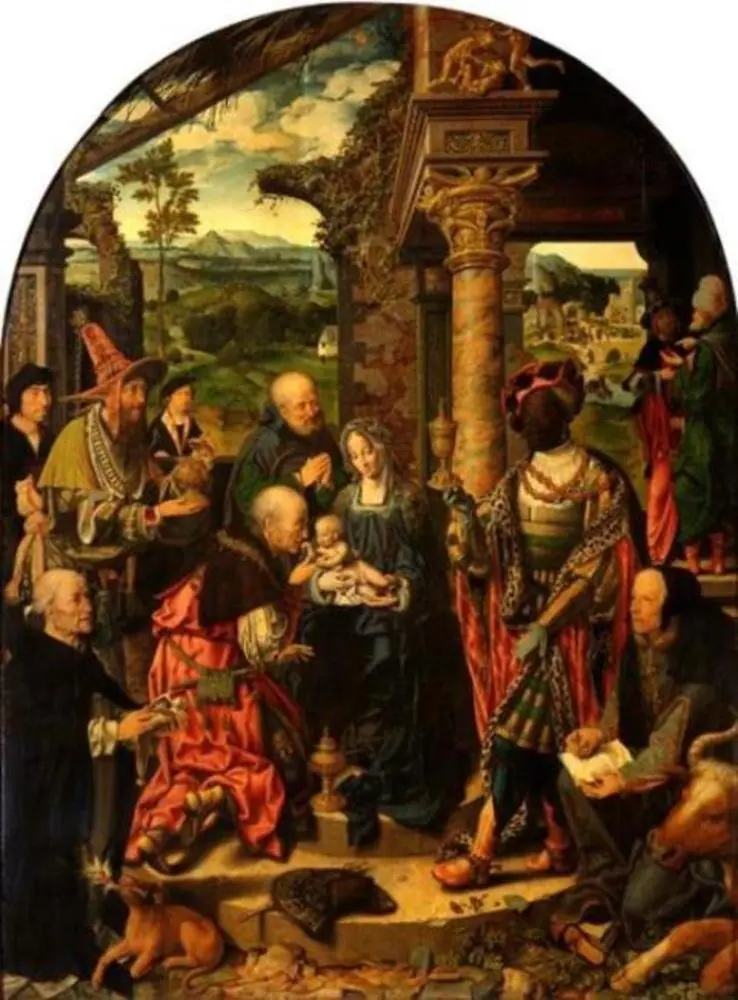
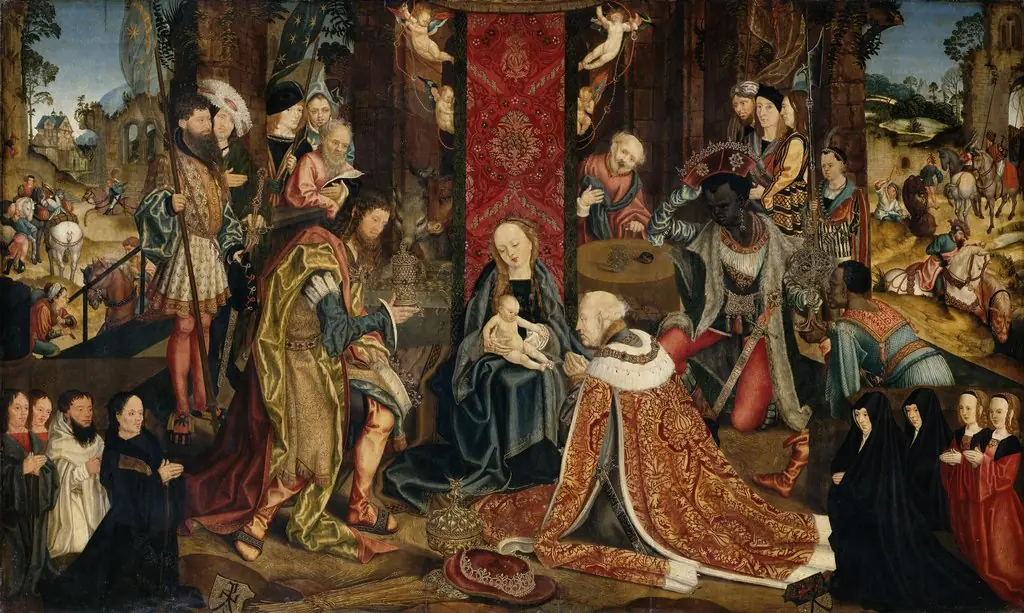
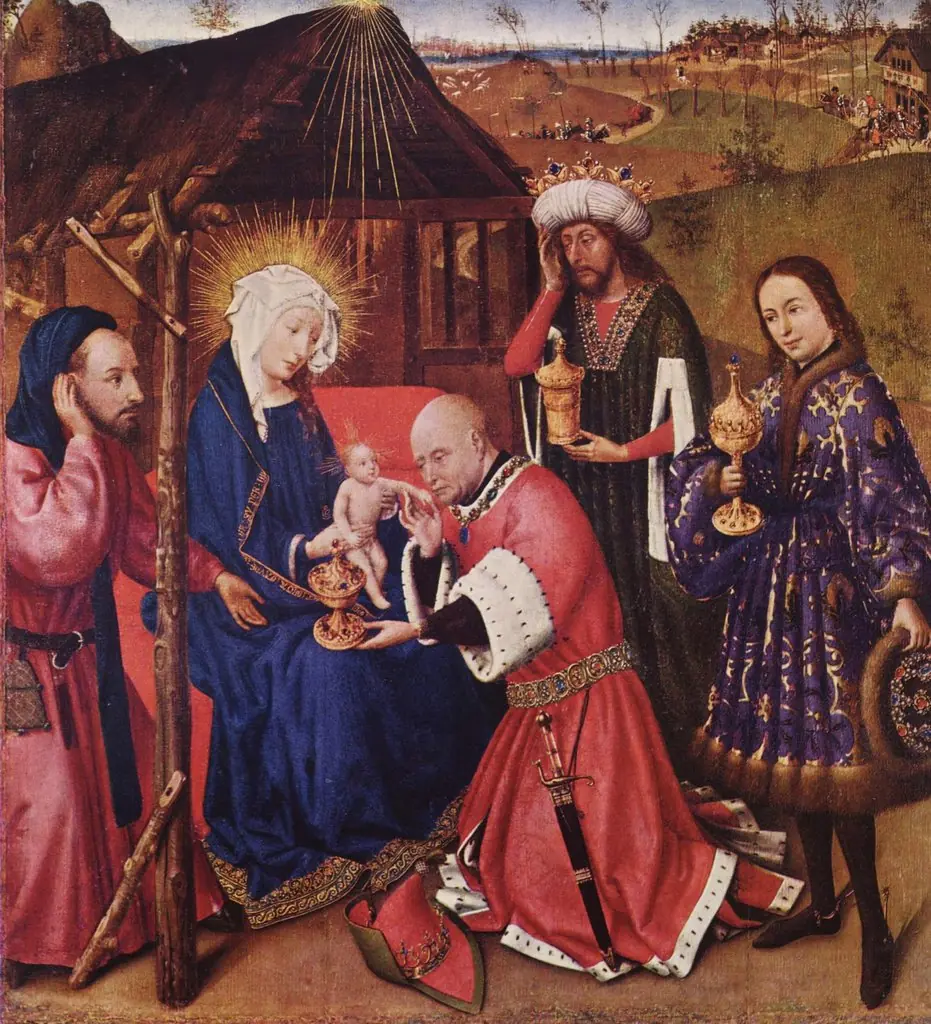
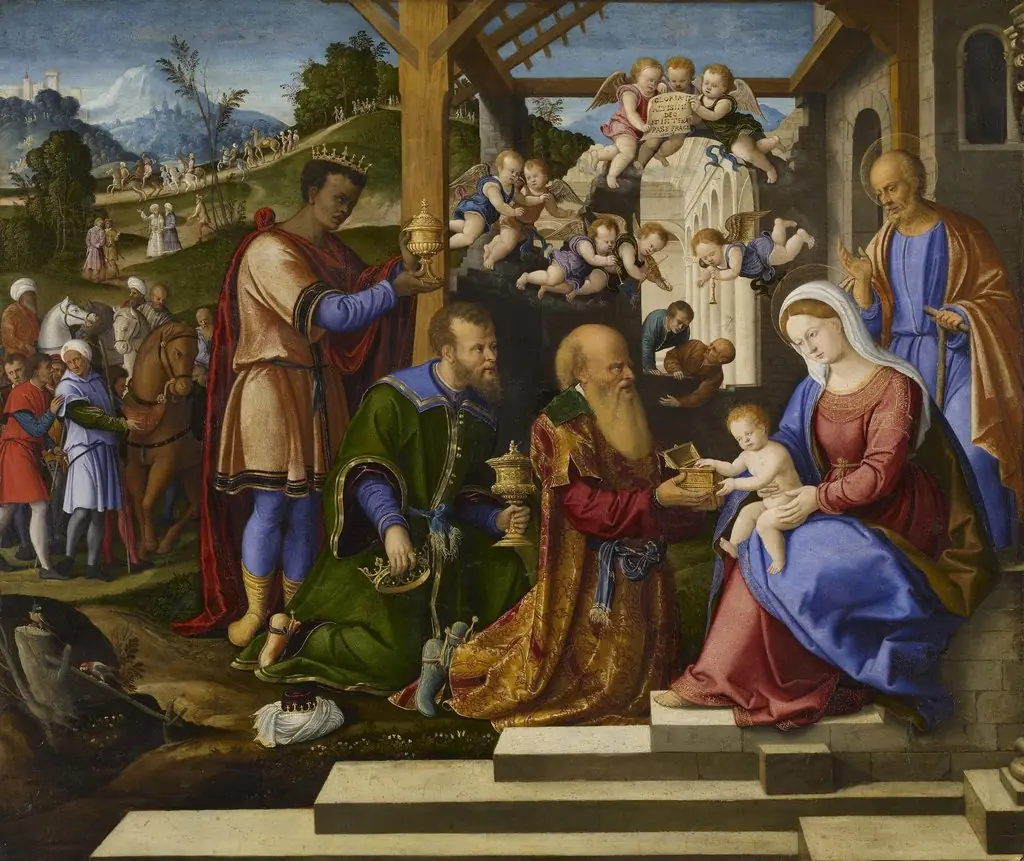
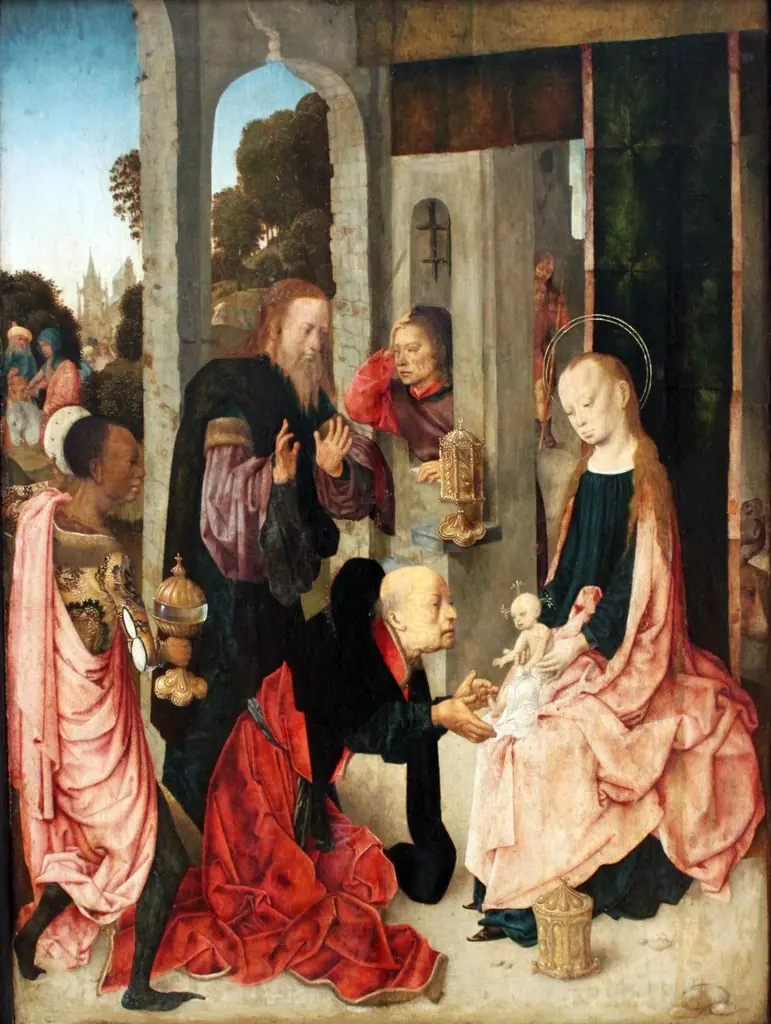
Adoration of the kings is a paint painting. It dates from 1520 and is held in the collection of the Gemäldegalerie Berlin. The work portrays the biblical episode of the Magi’s homage to the infant Jesus.
About this work
Subject & Meaning
This subject embodies Epiphany, emphasizing revelation to the Gentiles and the fulfillment of messianic prophecy within a religious framework.
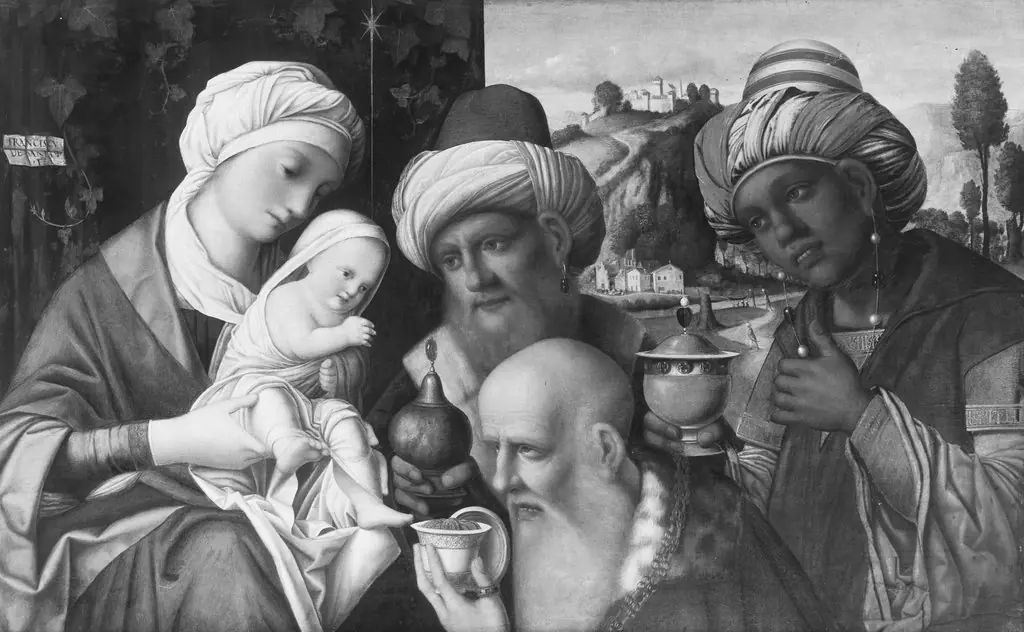
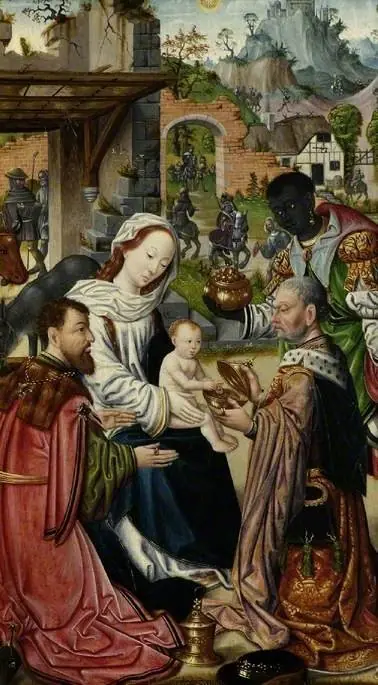
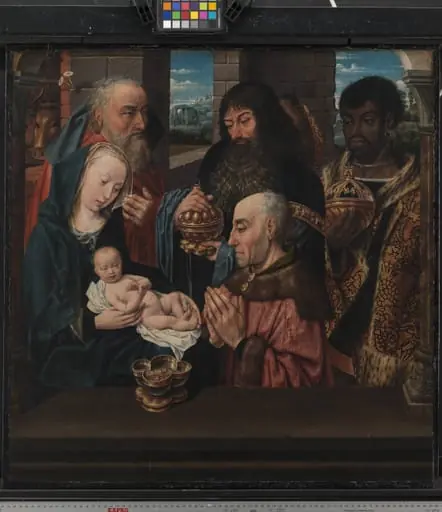
The Adoration of the Magi depicts the biblical scene of the infant Christ receiving gifts from the three Wise Men. The composition shows Mary holding the Christ Child while Melchior, Caspar, and Balthazar present gold, frankincense, and myrrh, symbolizing recognition of his divinity and kingship. This subject embodies Epiphany, emphasizing revelation to the Gentiles and the fulfillment of messianic prophecy within a religious framework.
Technique & Style
Created circa 1520, this religious painting is executed on a panel support. The work measures 83 cm in height and 53 cm in width. It depicts the Adoration of the Magi, featuring the Christ Child, the Virgin Mary, and the three biblical Magi identified as Melchior, Caspar, and Balthazar presenting their gifts.
The composition is classified within the genre of religious art and is currently held in the Gemäldegalerie Berlin as part of the Solly Collection.
History & Provenance
The Adoration of the Kings was created circa 1520 as a religious painting executed on panel. It entered the collection of the Gemäldegalerie Berlin through the Solly Collection, forming part of the museum's holdings of early Renaissance works. The composition depicts the infant Christ held by Mary, surrounded by the Magi, Melchior, Caspar, and Balthazar, presenting gifts in a biblical scene of adoration.
Its dimensions measure 83 cm in height and 53 cm in width, and it is catalogued under the subject 'adoration of the Magi' in the museum's records.
Overview
The work portrays the biblical episode of the Magi’s homage to the infant Jesus. Central to the composition is the Virgin Mary cradling the newborn, while the three wise men, traditionally named Melchior, Caspar and Balthazar, approach from either side, each presenting a distinct offering. A modestly detailed cityscape and foliage form the backdrop, situating the scene within a recognizable, though idealized, environment.
Context
The Adoration of the Magi has long served as a popular subject for painters, offering opportunities to display opulent costumes and exotic attributes. This particular rendition aligns with that tradition, focusing on the dignified presence of the three visitors and the intimate interaction between mother and child, reflecting the broader Renaissance and post‑Renaissance interest in combining devotional content with refined portraiture.
Artist & collection