Artwork
The Adoration of the Kings
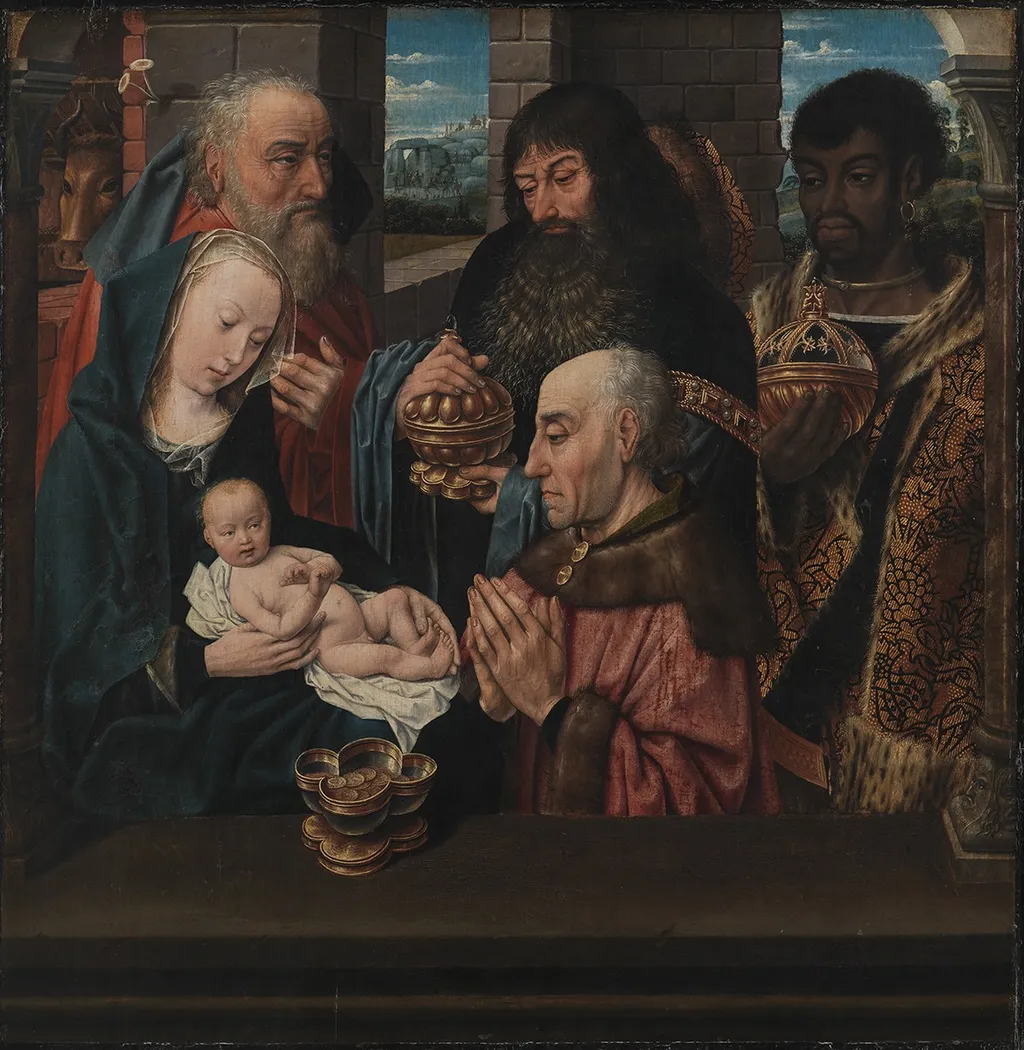
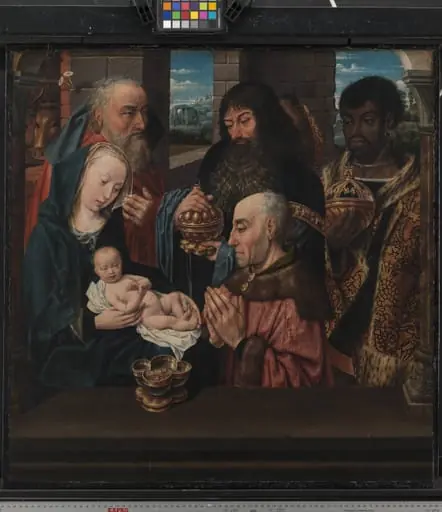
The Adoration of the Kings is an oil painting by the Northern Renaissance artist Unknown. It dates from 1500 and is held in the collection of the Statens Museum for Kunst.
About this work
Subject & Meaning
The composition reflects a devotional focus on the incarnation, inviting viewers to contemplate the convergence of celestial prophecy and human history.
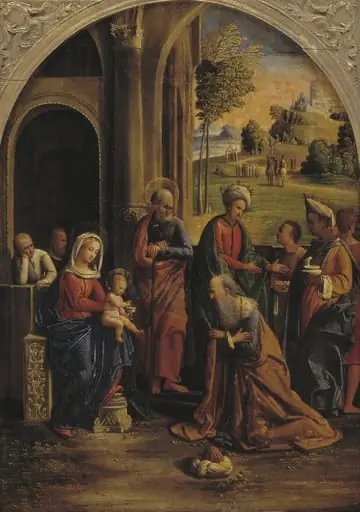
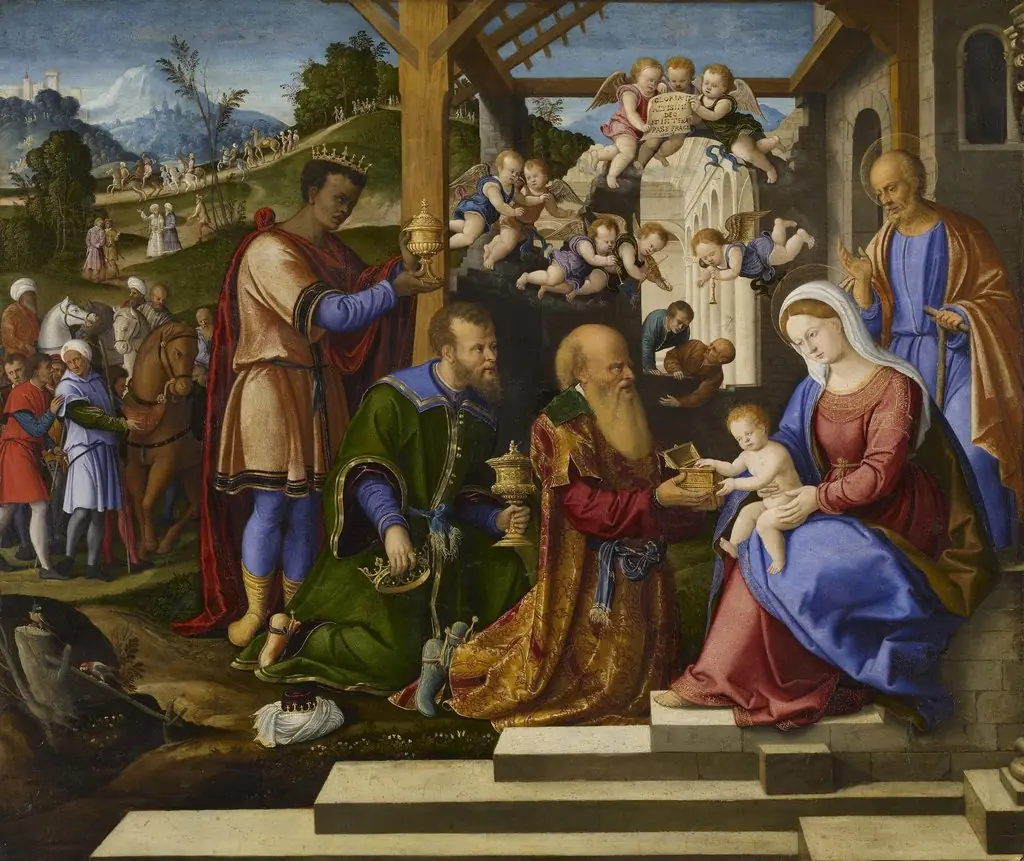
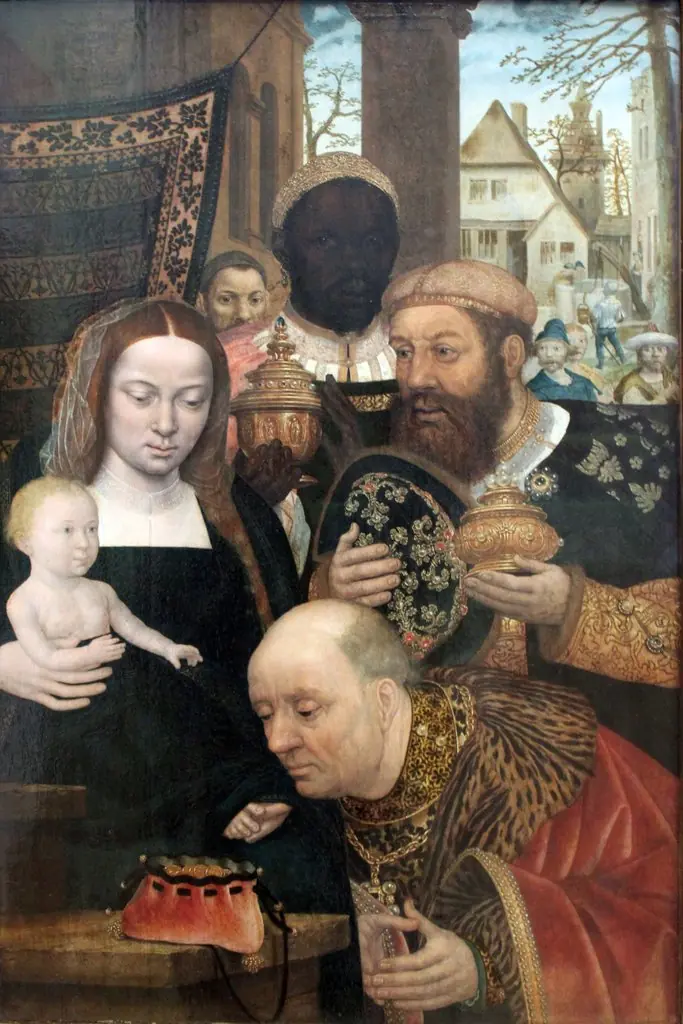
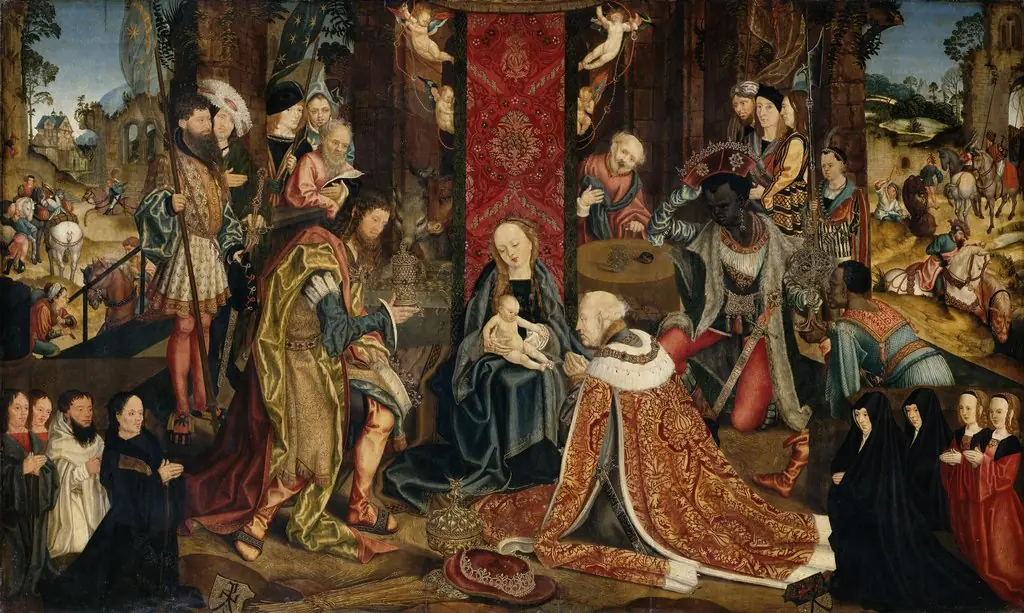
The painting depicts the moment of the Magi presenting gifts to the infant Christ, a scene drawn from the biblical Nativity narrative. The central figures are the three kings kneeling before the Christ Child, who sits on the Virgin Mary’s lap, emphasizing the divine humanity of Jesus and the kings’ recognition of his kingship. Symbolic elements include the gifts of gold, frankincense, and myrrh, which signify Jesus’ royal, priestly, and sacrificial roles, as well as the lavish clothing and richly detailed interiors that underscore the kings’ earthly authority yielding to divine humility.
The composition reflects a devotional focus on the incarnation, inviting viewers to contemplate the convergence of celestial prophecy and human history.
History & Provenance
The Adoration of the Kings was created around the year 1500. The work is executed in oil paint on a panel and measures 73.5 cm in height by 72.5 cm in width. Art historical analysis attributes the painting to a follower of Hugo van der Goes, an artist whose workshop was active between approximately 1440 and 1482.
The piece depicts the biblical scene of the Magi adoring the Christ Child. It is currently held in the collection of the Statens Museum for Kunst, where it remains on display. No specific details regarding the original commission or the intermediate ownership chain prior to its arrival at the museum are provided in the available records.
The Adoration of the Kings is held by the Statens Museum for Kunst in Denmark, according to the Wikidata record for the work. The painting, executed in oil on panel, is catalogued within that national collection.
No specific inventory or accession number is provided in the available sources, and no exhibition history is documented.
Legacy
The Adoration of the Kings by a follower of Hugo van der Goes exerted quiet influence on later religious painting, particularly in its compositional treatment of the Magi's adoration. Its depiction of the Christ Child within a domestic interior helped shape devotional imagery in Northern European art through the 16th century. The work's technical approach to oil paint on panel influenced workshop practices in the Low Countries, though it never achieved widespread fame.
Its legacy is primarily studied through archival records of the Statens Museum for Kunst's collection and scholarly analyses of van der Goes' followers.
The painting's dimensions of 73.5 cm by 72.5 cm were noted in the museum's cataloging, establishing its physical presence within the institution's holdings.
Overview
The work, executed in oil on canvas, portrays a modest interior illuminated by a subdued light that defines five figures gathered around a swaddled infant. The setting is a simple brick-walled space where a woman in blue cradles the child, while two bearded elders stand behind her, a richly dressed man with a staff holds a golden orb, and a balding figure in red kneels with a small bowl of coins at his feet.
Technique & Style
The painter employs chiaroscuro, using strong contrasts between light and shadow to model the figures and emphasize the warm reds and gold accents against cooler blues. The handling of oil paint renders the textures of fabric, fur, and brick with subtle gradations, while the luminous details on the robes draw attention to the central figures.
Artist & collection