Artwork
Bamboo in Four Seasons: Summer
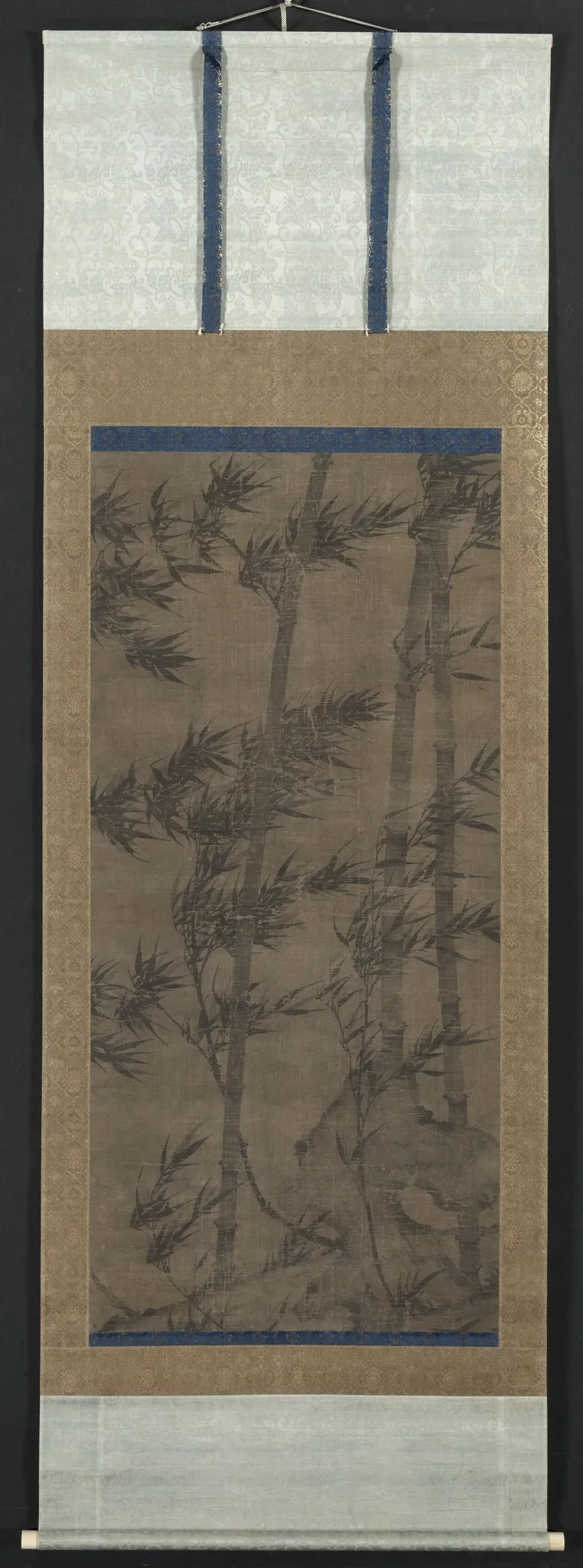
Bamboo in Four Seasons: Summer is an unspecified painting. It dates from 1323 and is held in the collection of the Cleveland Museum of Art.
About this work
Subject & Meaning
Its imagery is tied to the seasonal theme suggested by the title, using bamboo as the visual representation of summer.
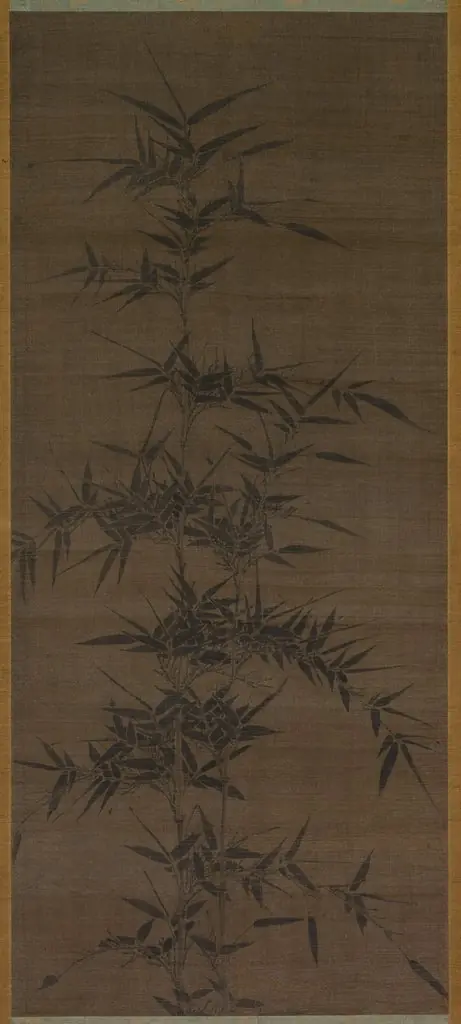
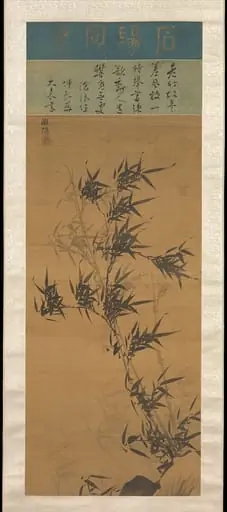
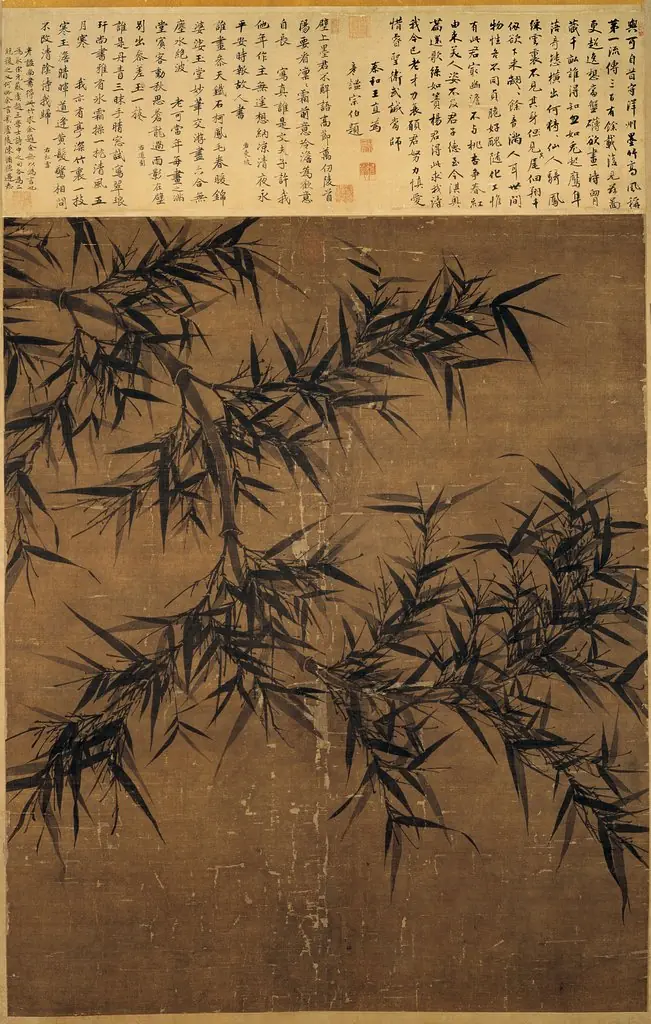
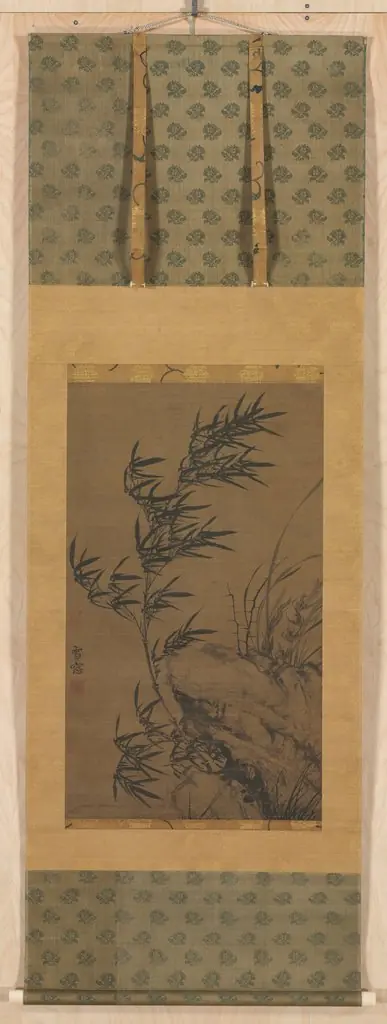
Bamboo in Four Seasons: Summer depicts a solitary stalk of bamboo rendered in ink and color, directly linking the plant to the season of summer within a four‑season series. The work was produced in 1323 in China and is classified as a painting. Its imagery is tied to the seasonal theme suggested by the title, using bamboo as the visual representation of summer.
The painting is part of the Cleveland Museum of Art collection, where it is catalogued under the identifier 1982.150.1 and displayed in Cleveland, Ohio.
History & Provenance
Bamboo in Four Seasons: Summer is a Chinese painting dated to 1323, with its inception recorded as the first day of that year. The work was produced in China and entered the holdings of the Cleveland Museum of Art, where it is catalogued under accession number 1982.150.1. The artist is recorded as unknown in the documentation, and no further details of commission, intermediate ownership, or acquisition history are provided in the available sources.
The painting's provenance chain prior to its accession by the Cleveland Museum of Art in 1982 is not documented in the available records.
Overview
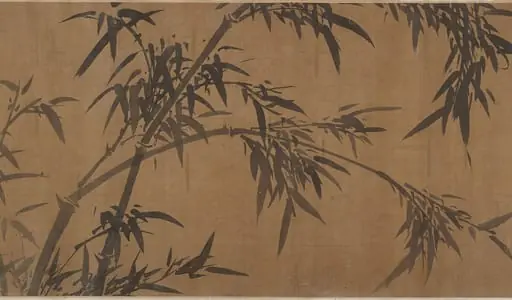
This painting, titled Bamboo in Four Seasons: Summer, presents a depiction of tall bamboo rendered in black ink on a light, textured paper. It is one component of a larger artistic series that explores the visual characteristics of bamboo throughout the year. The composition highlights the plant's natural form, a subject frequently celebrated in East Asian art.
Technique & Style
The artist utilized black ink to delineate the towering bamboo stalks, with branches shown curving and leaning in diverse directions. The light, textured paper provides a subtle ground, allowing the dark ink lines to stand out prominently. The background is intentionally sparse, ensuring the bamboo remains the central focus.
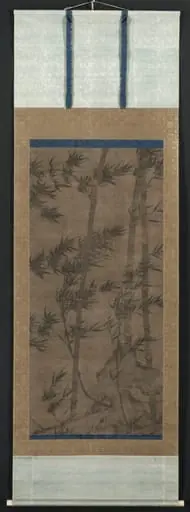
Distinct blue borders, visible at both the top and bottom, appear to be subsequent additions to the original artwork.
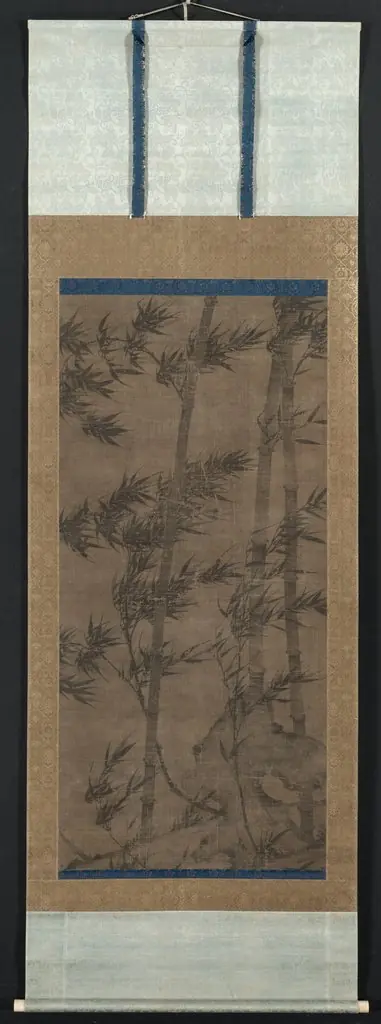
Artist & collection

- Bamboo in Four Seasons: Summer and Winter
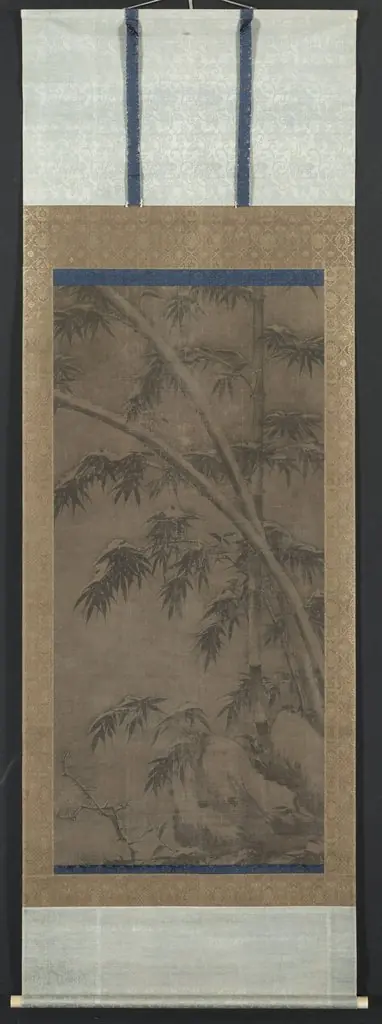 Bamboo in Four Seasons: Winter
 Bamboo in Four Seasons: Spring
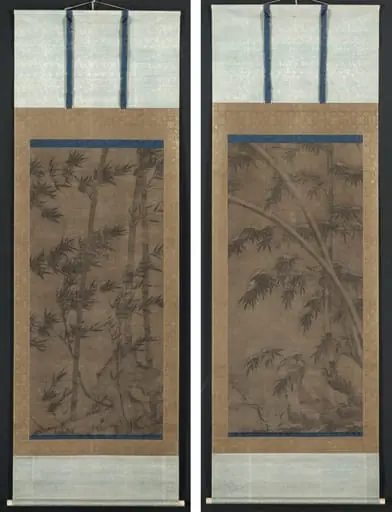 Bamboo in Four Seasons: Summer and Winter
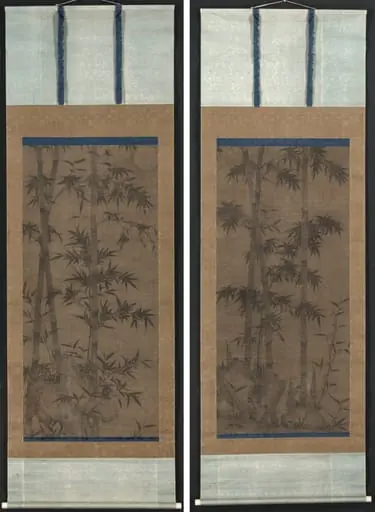 Bamboo in Four Seasons: Spring and Autumn
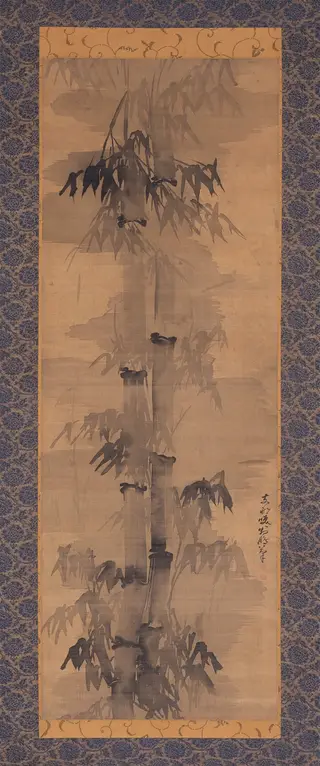 Bamboo
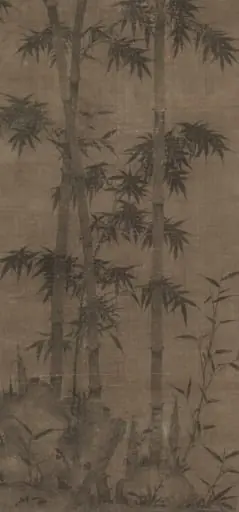 Bamboo in Four Seasons: Autumn
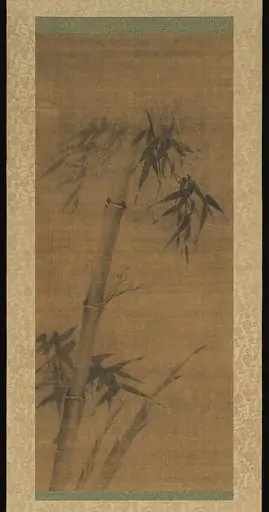 伝可翁筆 竹図|Bamboo
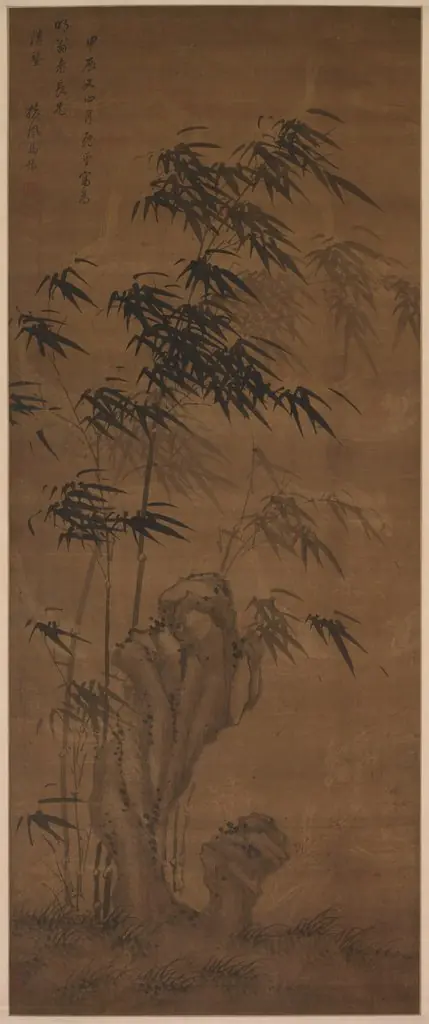 Bamboo in the Wind
 Bamboo in the Wind
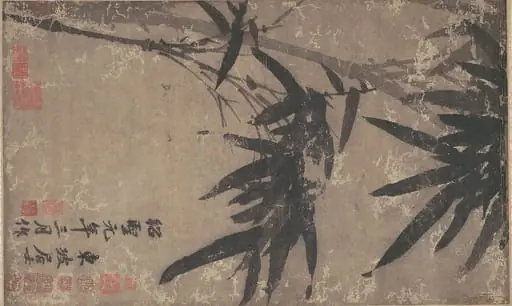 傳南宋 蘇軾 墨竹圖 卷|Bamboo
 Bamboo in the Wind