Artwork
Bamboo in Four Seasons: Winter
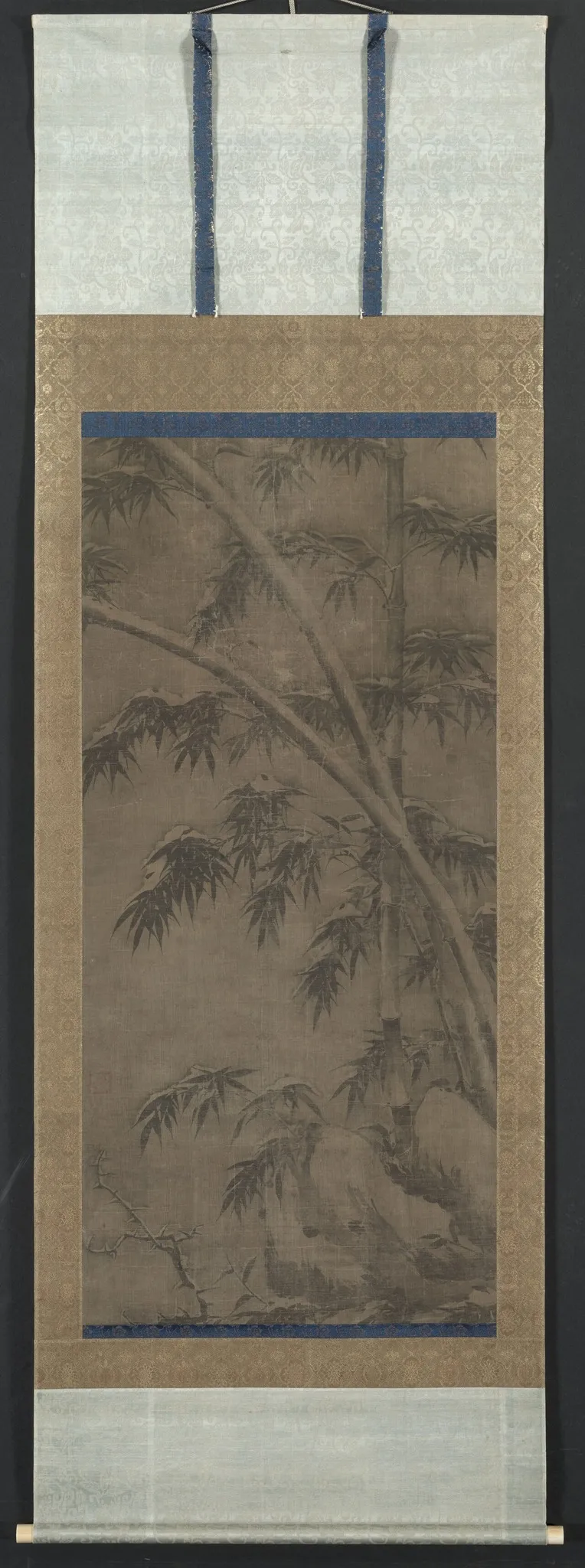
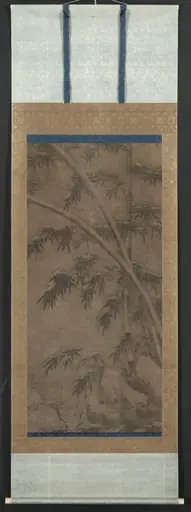
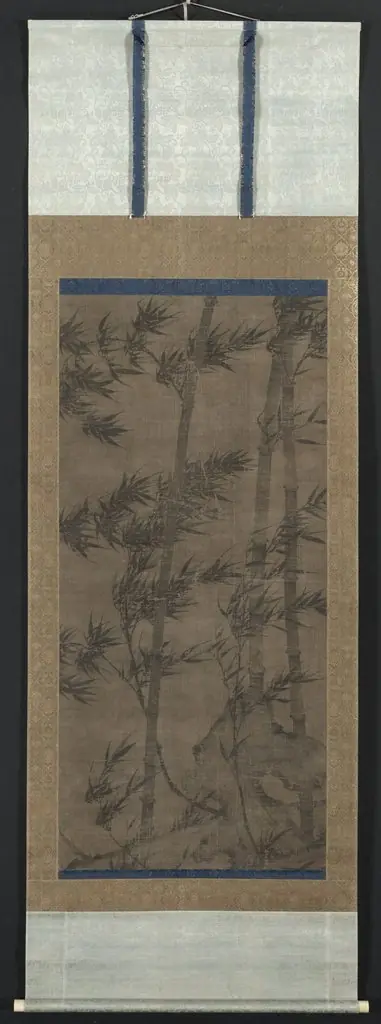
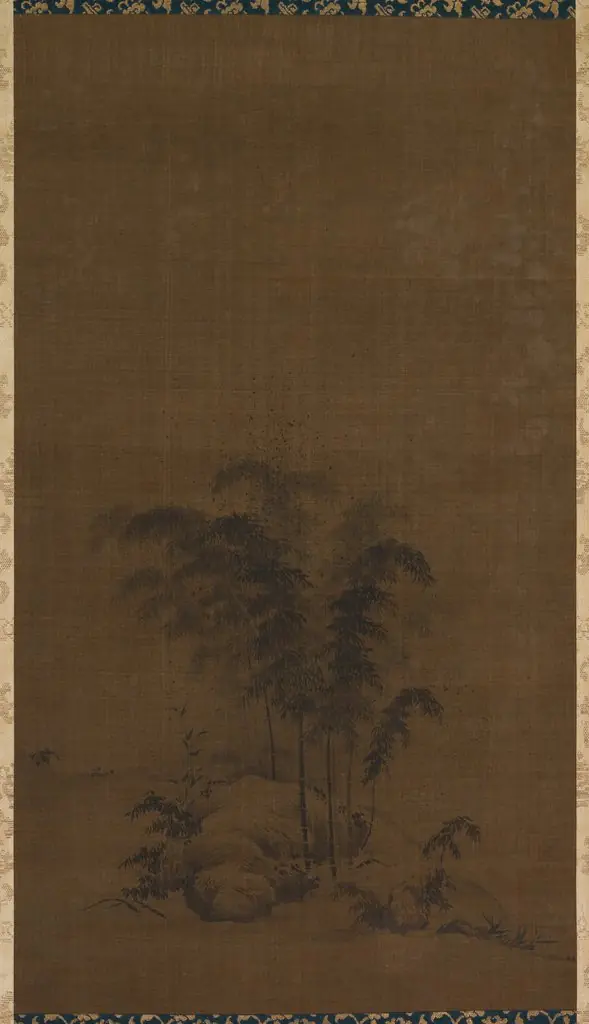
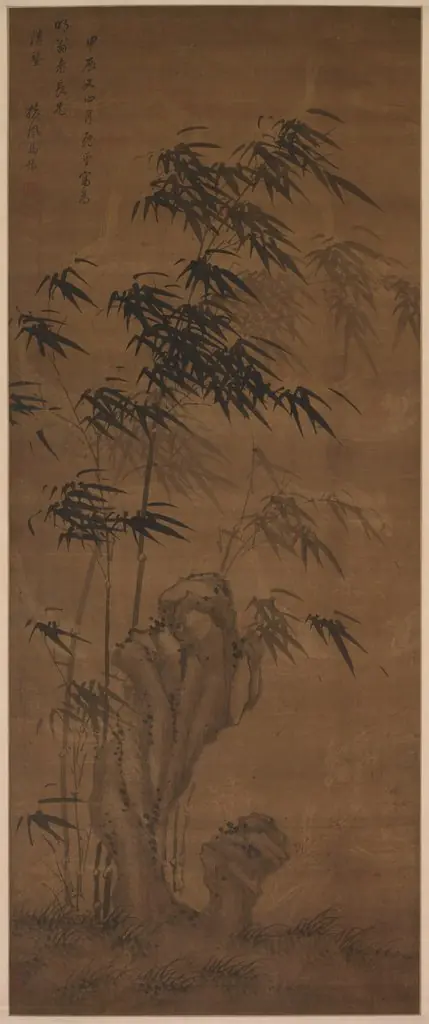
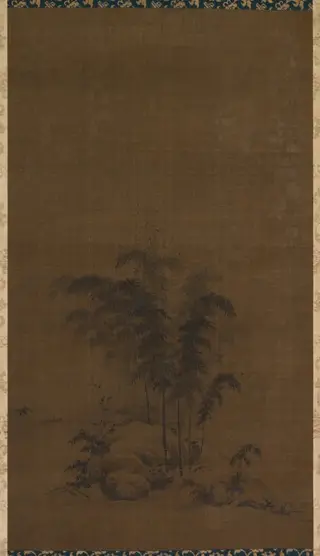
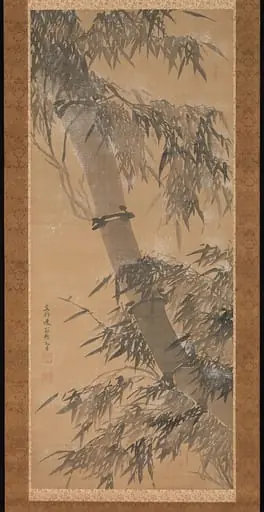
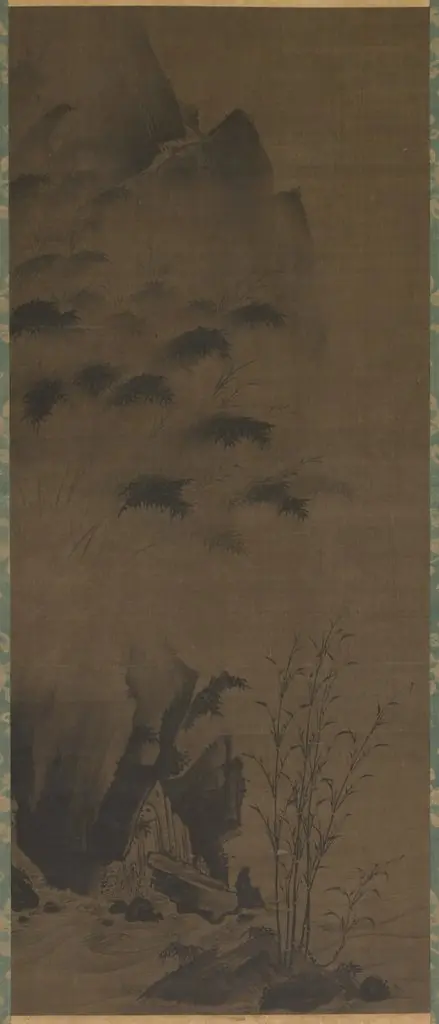
Bamboo in Four Seasons: Winter is an unspecified painting. It dates from 1323 and is held in the collection of the Cleveland Museum of Art. The work is a painting that depicts a stand of bamboo rendered in a winter setting.
About this work
Subject & Meaning
This work belongs to a four-season series exploring seasonal transitions through botanical subjects, with winter representing both dormancy and inner fortitude.
Winter bamboo depicts a solitary stalk bending under snow, symbolizing resilience and endurance through hardship. The bare branches against a barren landscape convey stillness and quiet strength, reflecting Daoist ideals of harmony with nature. This work belongs to a four-season series exploring seasonal transitions through botanical subjects, with winter representing both dormancy and inner fortitude.
The painting's monochrome ink technique emphasizes texture and form over color, reinforcing the contemplative mood of the season.
Technique & Style
Painted on silk, this work exemplifies Yuan dynasty courtly brushwork with restrained ink tones and precise seasonal symbolism. Winter bamboo stalks emerge from rocky outcrops, rendered through controlled dry-brush strokes and subtle gradations that emphasize structural resilience against snow-laden branches. The composition balances negative space with vertical rhythm, reflecting contemporary Chinese literati aesthetic principles while demonstrating exceptional pigment stability and surface integrity after seven centuries.
The painting's technical execution reveals deliberate material choices: fine silk support prepared with traditional sizing, mineral-based pigments applied in translucent layers, and fine-tipped brush handling that creates feathery texture effects. Formal analysis identifies compositional harmony through axial symmetry and graduated tonal transitions, while stylistic examination confirms adherence to Southern Song academic traditions adapted for Mongol-period patronage, evident in its restrained palette and emphasis on scholarly observation over decorative flourish.
History & Provenance
Attributed to a fourteenth-century Chinese painter, Bamboo in Four Seasons: Winter dates to 1323 and is associated with the Cleveland Museum of Art’s accession number 1982.150.2. The painting enters the historical record as part of a set depicting the four seasons, with this panel representing winter. It was produced in China during the Yuan dynasty, a period noted for literati ink painting focused on seasonal flora. By 1982, the work had entered the Cleveland Museum of Art’s collection, where it remains housed.
The painting Bamboo in Four Seasons: Winter, created in 1323, is held in the collection of the Cleveland Museum of Art in Cleveland. The work is cataloged under the accession number 1982.150.2. While the specific exhibition history is not detailed in the provided records, the piece remains part of the museum's permanent holdings.
Overview
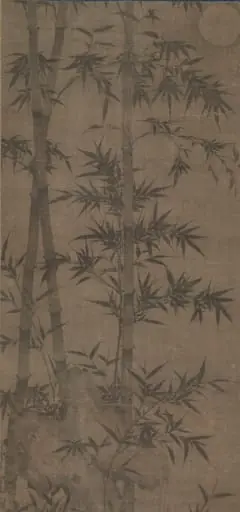
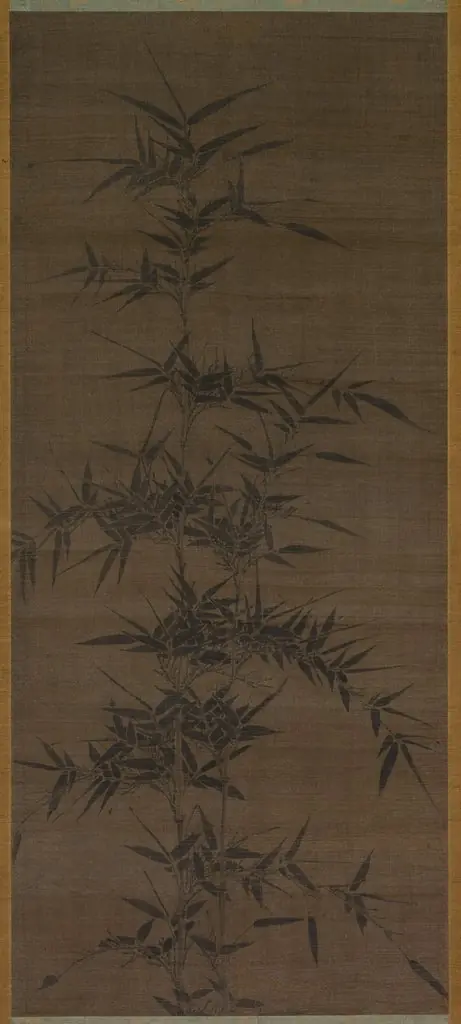
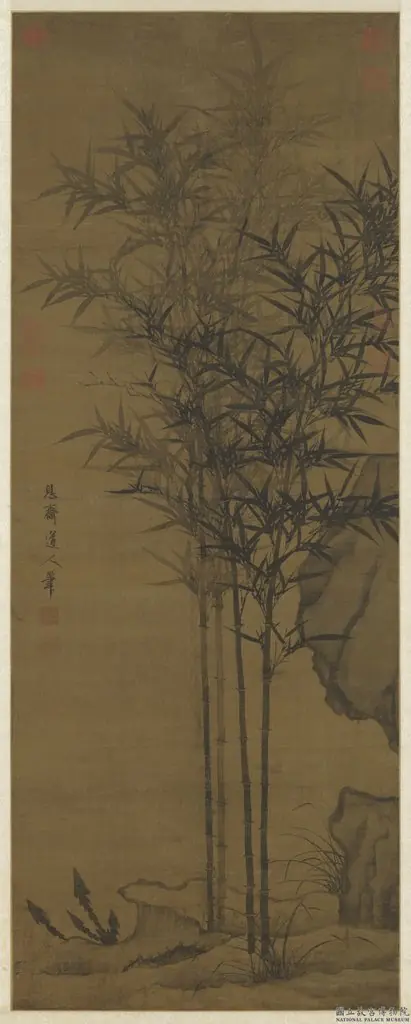
The work is a painting that depicts a stand of bamboo rendered in a winter setting. Tall culms rise with slender, elongated leaves, their branches twisting and bending in varied directions, some extending upward, others sagging. A uniform, light‑toned background isolates the foliage, emphasizing the plant’s form and movement without additional landscape elements.
Context
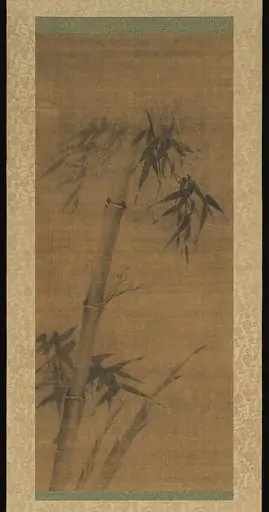
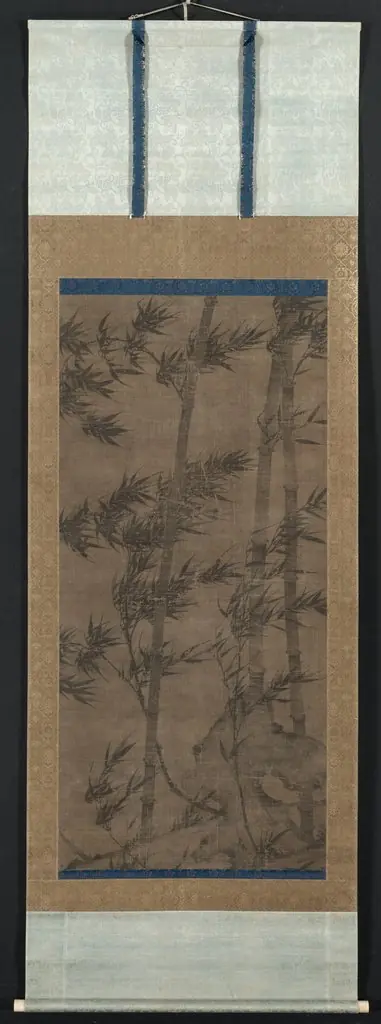
This painting belongs to a quartet titled Bamboo in Four Seasons, each piece representing a different time of year. The winter installment continues the series’ exploration of seasonal change through a single botanical motif, highlighting how bamboo’s appearance and atmosphere shift across the annual cycle.
Artist & collection