Artwork
傳南宋 蘇軾 墨竹圖 卷|Bamboo
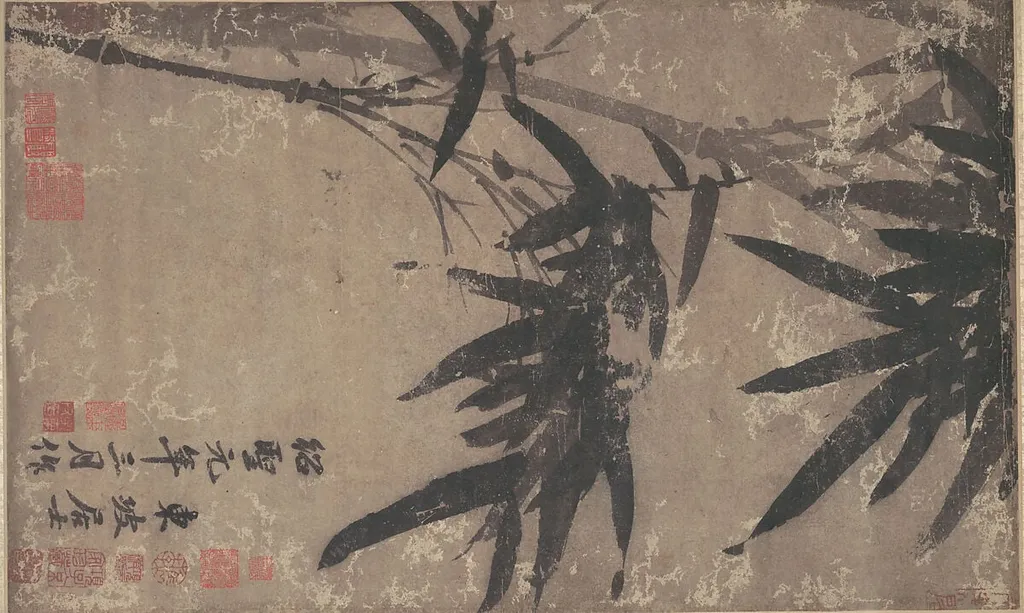
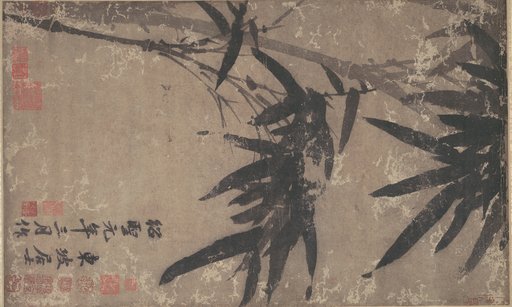
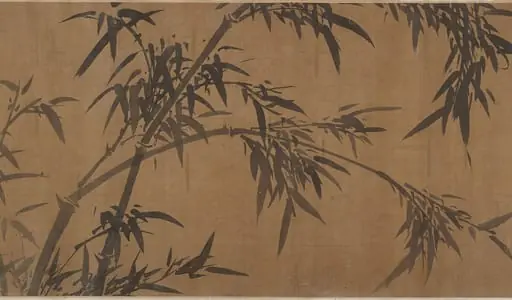
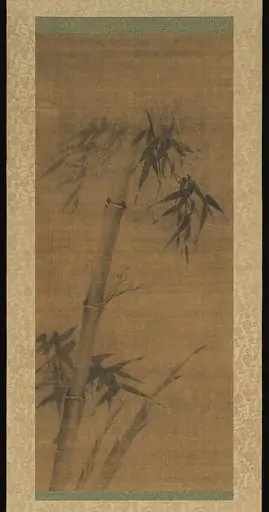
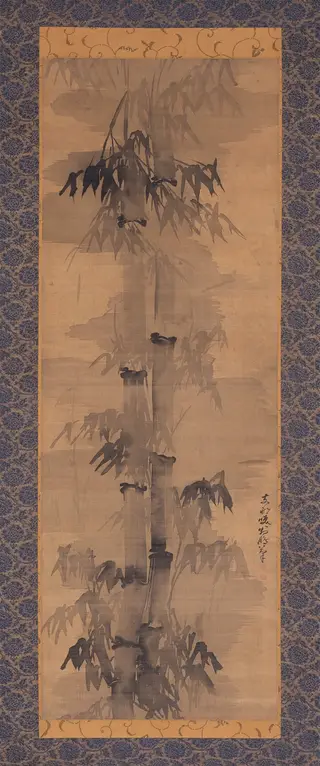
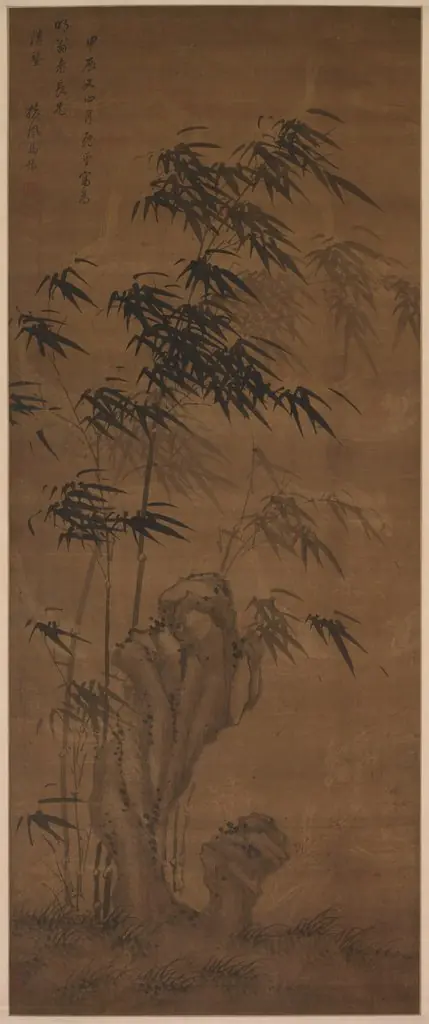
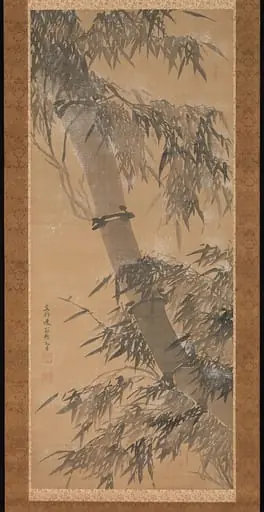
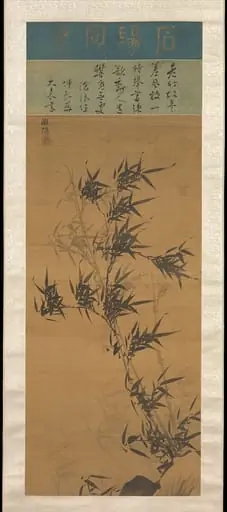
傳南宋 蘇軾 墨竹圖 卷|Bamboo is an ink painting by the Song dynasty landscape artist Su Shi. It dates from 1069 and is held in the collection of the Metropolitan Museum of Art.
About this work
Technique & Style
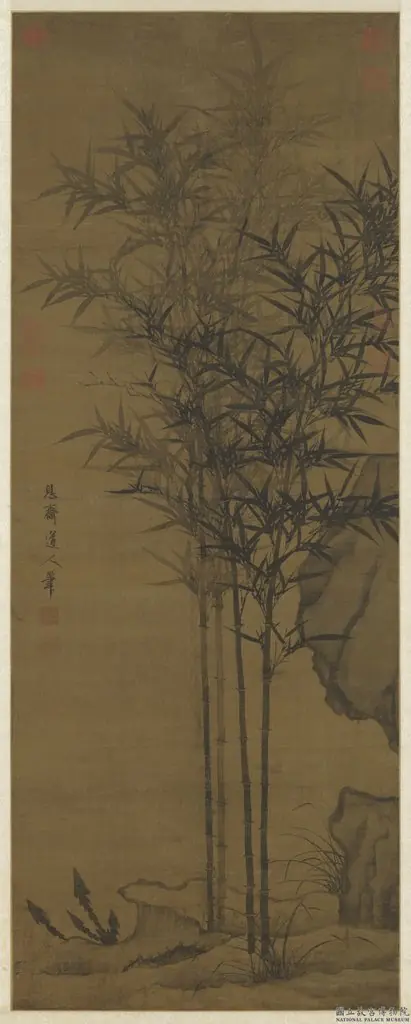
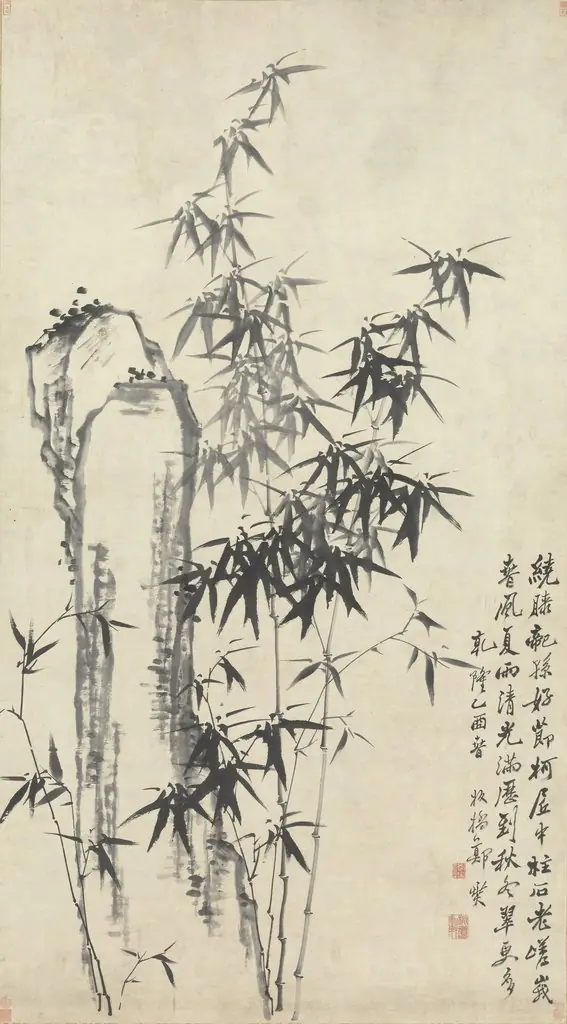
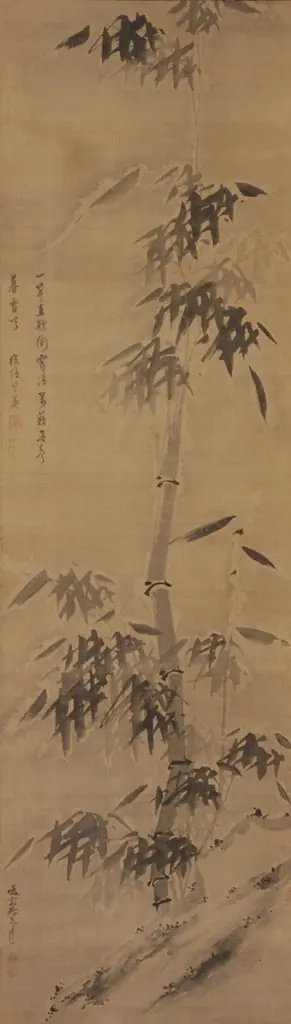
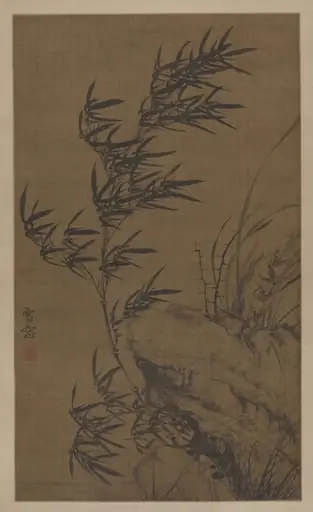
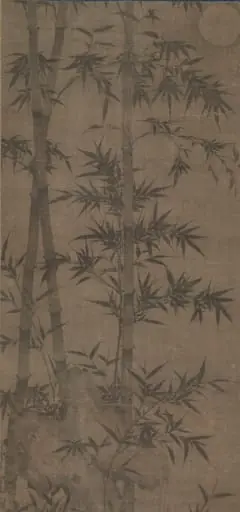
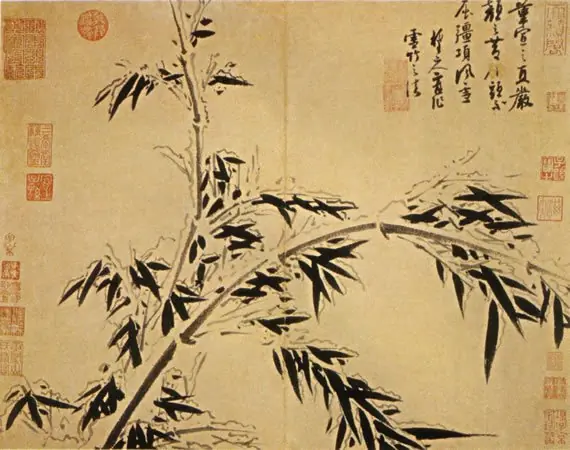
The composition depicts bamboo (Bambusoideae) in a landscape genre, executed in the traditional monochrome ink technique characteristic of literati painting.
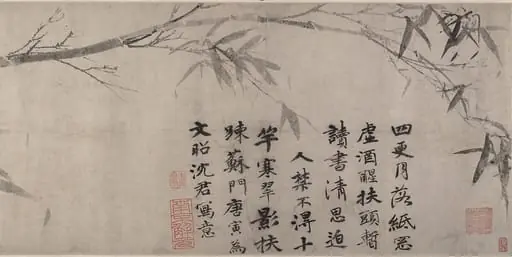
Attributed to the Southern Song period but likely executed by an unidentified artist, this work is a handscroll painted with ink on paper. Although the original format is a hanging scroll, it has been remounted as a handscroll for viewing. The composition depicts bamboo (Bambusoideae) in a landscape genre, executed in the traditional monochrome ink technique characteristic of literati painting.
The support material is paper, which serves as the ground for the ink application. The work is currently held in the collection of the Metropolitan Museum of Art, having been accessioned in 1989. While traditionally linked to the date 1069, the attribution to Su Shi remains unconfirmed, reflecting the common practice of later attribution to famous masters for works of this style.
History & Provenance
The work is dated to 1069 according to both internal cataloguing and its Wikidata entry, and was made in China as an ink-on-paper hanging scroll later mounted as a handscroll. It is classified as a painting in the landscape genre, depicting bamboo. The piece is presently held by the Metropolitan Museum of Art (accession 1989.363.3), which lists it as a painting by an anonymous artist attributed to Su Shi. No earlier ownership, commission, or further creation details are provided in the supplied sources.
The work 傳南宋·蘇軾·墨竹圖 is housed in the Metropolitan Museum of Art in New York, where it is catalogued under accession number 1989.363.3. It belongs to the museum’s collection of Chinese paintings and is classified as a hanging scroll mounted as a handscroll, ink on paper, dating to 1069. The painting depicts Bambusoideae (bamboo) and is part of the museum’s Asian Art department holdings. Exhibition records do not list any specific exhibitions for this piece in the sources consulted.
Overview
Attributed to Su Shi, this ink painting on paper depicts a single stalk of bamboo. Originally a hanging scroll, it is now presented as a handscroll. Created around 1069, the work exemplifies the restrained aesthetic favored by scholar-artists of the period.
Its composition is spare, focusing solely on the plant rendered in black ink against an unadorned background, reflecting a contemplative approach to nature.
Subject & Meaning
The painting features a solitary bamboo stalk, shown bending as if in a breeze. In Chinese cultural tradition, bamboo holds significant symbolic weight, often representing resilience, integrity, and the upright character of a scholar. Its ability to bend without breaking, and its evergreen nature, made it a powerful metaphor for enduring virtue, a concept frequently explored in the art of the literati.
Context
This painting emerged during a period in China when scholar-officials, known as literati, increasingly turned to simple ink paintings as a means of personal expression. Such works were not merely decorative but served as visual reflections of the artist's inner thoughts, moral character, and philosophical outlook. The choice of bamboo as a subject aligned with these intellectual and aesthetic values.
Artist & collection