Artwork
탄은 이정 대나무 조선|灘隱 李霆 墨竹圖 朝鮮|Bamboo in the Wind
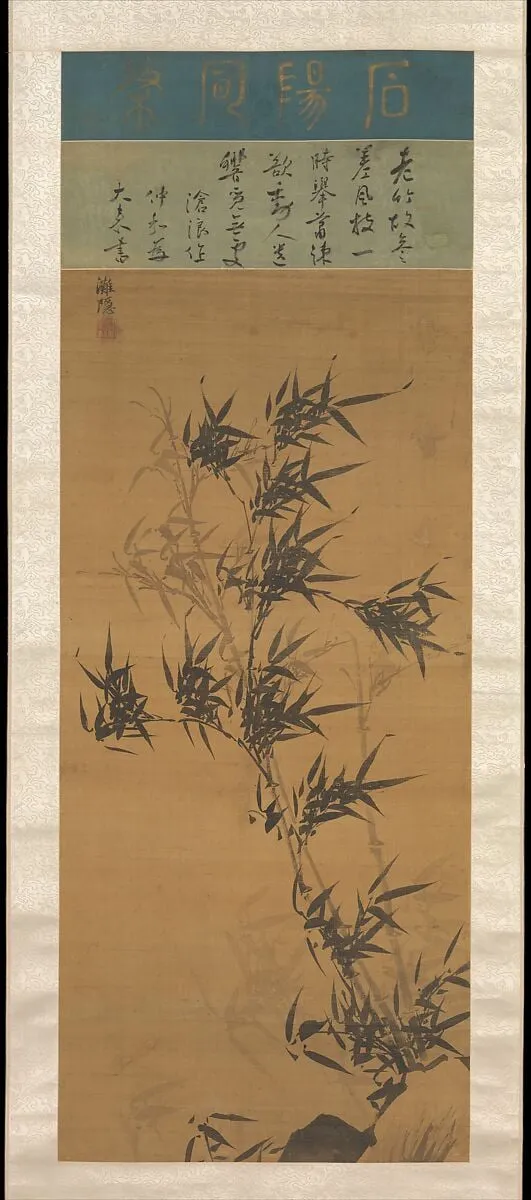
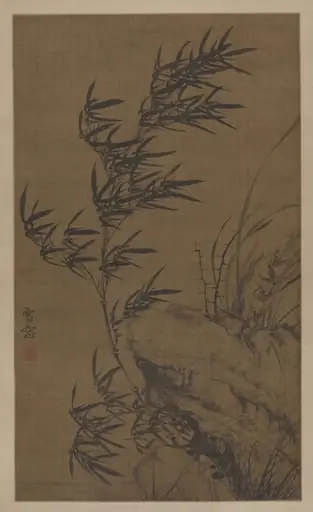
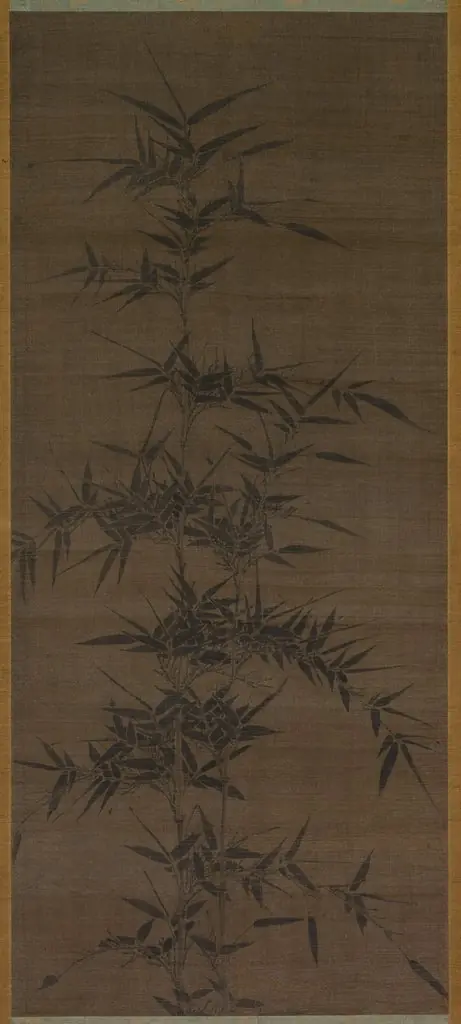
탄은 이정 대나무 조선|灘隱 李霆 墨竹圖 朝鮮|Bamboo in the Wind is an ink painting by the Baroque artist Yi Jeong. It dates from 1616 and is held in the collection of the Metropolitan Museum of Art.
About this work
Overview
This hanging scroll, titled Bamboo in the Wind, was created by the artist Yi Jeong in 1616. Executed in ink on silk, the painting captures a solitary bamboo stalk. The work is characterized by its dynamic depiction of the plant, suggesting movement and vitality despite its quiet composition. It serves as a notable example of traditional Korean ink painting, focusing on a revered natural subject.
Subject & Meaning
The central subject of this painting is a single bamboo stalk, rendered in a moment of gentle sway as if responding to a breeze.
The central subject of this painting is a single bamboo stalk, rendered in a moment of gentle sway as if responding to a breeze. In East Asian art, bamboo often symbolizes scholarly integrity, resilience, and steadfastness in the face of adversity, due to its ability to bend without breaking. Yi Jeong's depiction emphasizes the plant's inherent strength and graceful flexibility, inviting contemplation on these virtues.
Technique & Style
Yi Jeong employed ink on silk to create this hanging scroll, utilizing a refined yet expressive technique. The bamboo stalk and its leaves are rendered with thin, sharp lines, while quick, uneven strokes impart a sense of lively motion, suggesting the plant's response to the wind. A subtle detail of gold marks on the colophon in the upper right corner provides a delicate visual accent, complementing the monochromatic inkwork.
Artist & collection

- 伝可翁筆 竹図|Bamboo
 Bamboo in the Wind
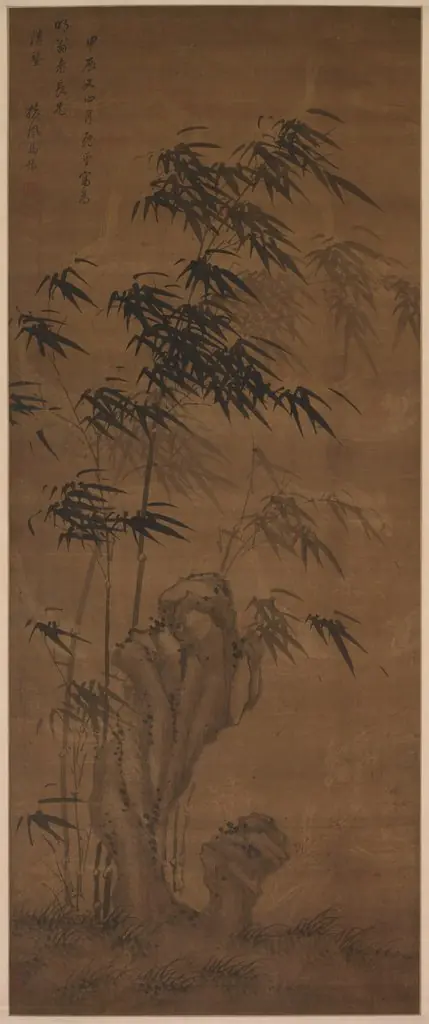 Bamboo in the Wind
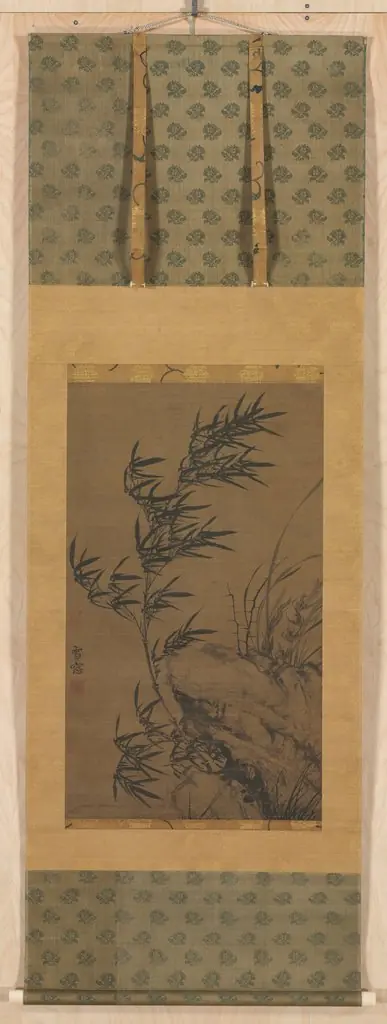 Bamboo in the Wind
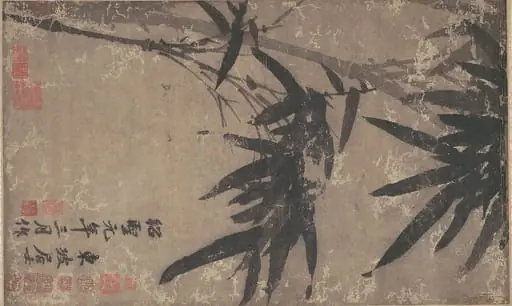 傳南宋 蘇軾 墨竹圖 卷|Bamboo
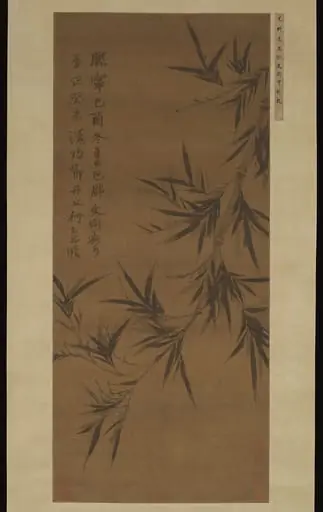 元 柯九思 臨文同墨竹圖 軸|Bamboo copied after Wen Tong
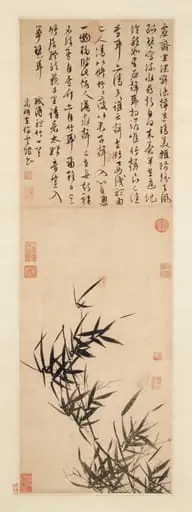 Listening to the Bamboo
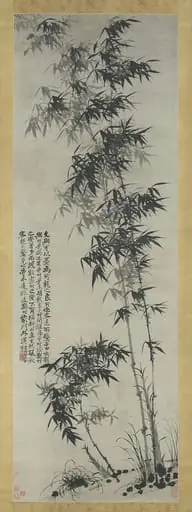 清 石濤 (朱若極) 風雨竹圖 軸|Bamboo in wind and rain
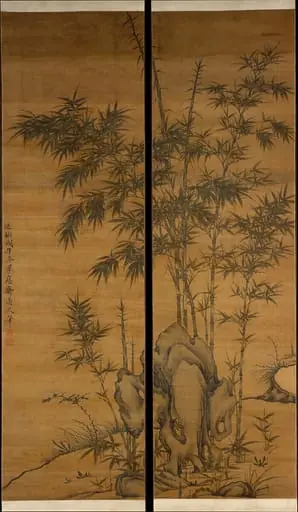 元 李衎 竹石圖 對軸|Bamboo and rocks
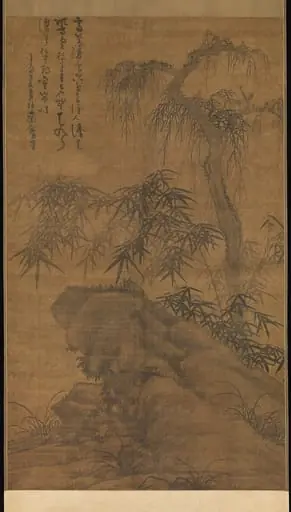 元 吳鎮 高節凌雲圖 軸|Bamboo, old tree, and rock
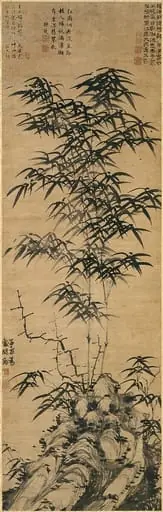 元 鄧宇 竹石圖 軸|Bamboo and rock
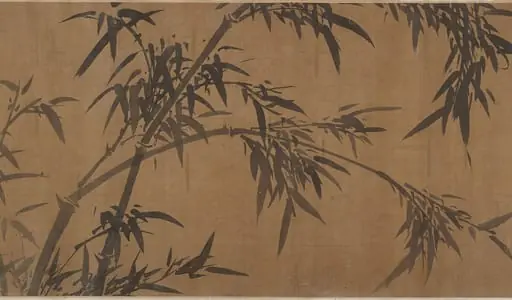 明 佚名 吳鎮(僞款) 枯木竹石圖 卷|Bamboos