Artwork
北魏(?) 佛像壁畵|Buddha
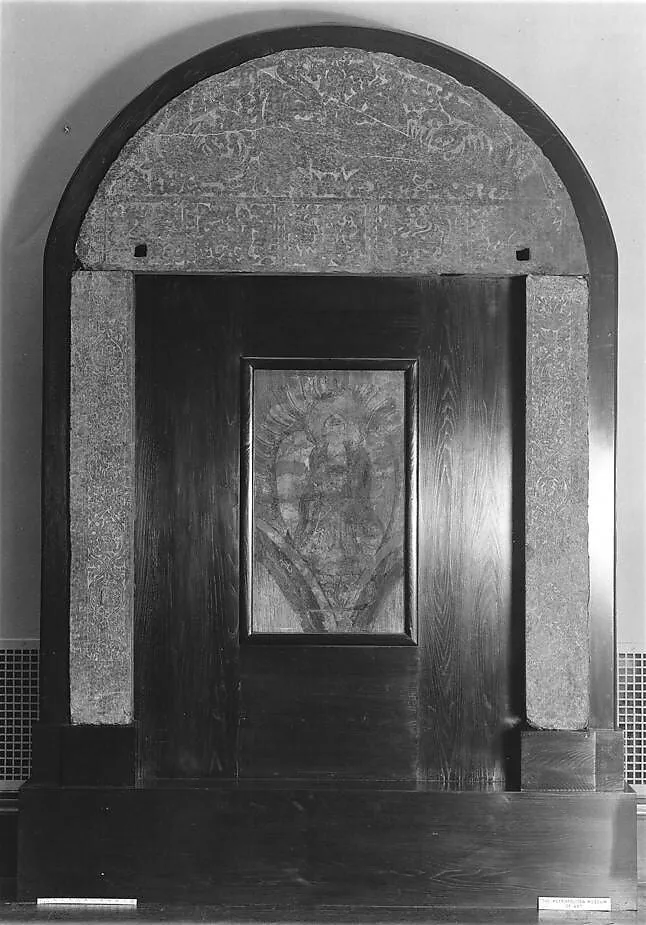
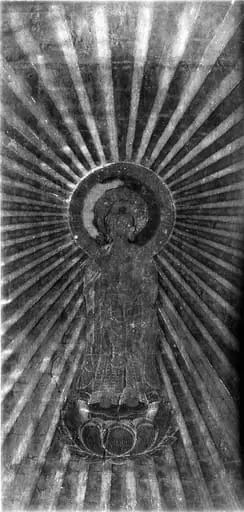
北魏(?) 佛像壁畵|Buddha is a paint painting. It dates from 400 and is held in the collection of the Metropolitan Museum of Art. This Buddhist wall painting, attributed to the Northern Wei dynasty, is presented in a dark wooden frame resembling a window.
About this work
Subject & Meaning
The wall painting depicts a Buddha figure rendered in early 5th-century Chinese Buddhist art.
The wall painting depicts a Buddha figure rendered in early 5th-century Chinese Buddhist art. The iconography follows traditional Buddhist conventions of the period, representing the Buddha in a seated posture typical of early Northern Wei religious imagery. As a framed wall painting housed in the Metropolitan Museum of Art, the work reflects the transmission of Buddhist iconographic traditions from China to international collections.
History & Provenance
This wall painting, attributed to an anonymous artist, was created in China around the year 400. The work is classified as a religious painting from the Northern Wei period, though the specific dating remains tentative. It is currently held in the collection of the Metropolitan Museum of Art.
The sources do not provide details regarding the original commission, the specific site of creation, or the chain of ownership prior to its presence in the museum's collection.
Overview
This Buddhist wall painting, attributed to the Northern Wei dynasty, is presented in a dark wooden frame resembling a window. The faded, grayish-toned scene features a row of figures with blurred faces and raised arms set against a rocky cliff backdrop with sparse vegetation.
Technique & Style
The painting exhibits a muted, grayish palette, suggesting an emphasis on chiaroscuro, a technique leveraging light and shadow to create depth. The overall style aligns with the subdued, contemplative aesthetic often associated with Northern Wei Buddhist art.
Context
Created during a period of significant Buddhist influence in Northern China, the painting reflects the dynasty's religious and artistic inclinations. Its style and subject matter would have been typical of the era's devotional art.
Artist & collection

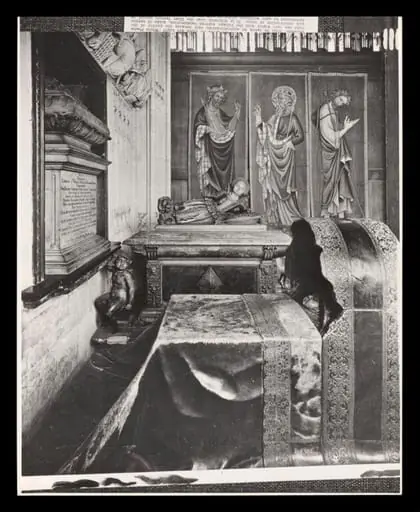
- Church Interior with Sculptures
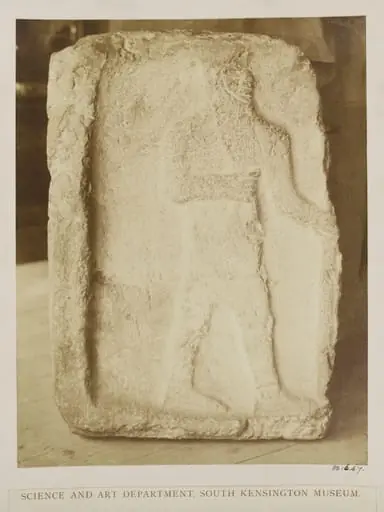 Assyrian sculpture relief of a bearded man
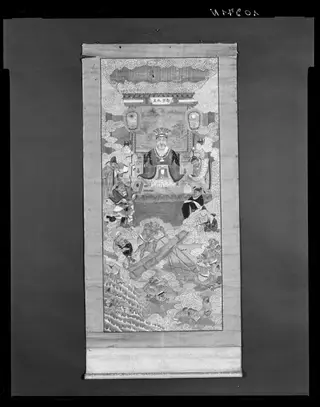 Celestial judge and his assessors
 Flower thread
 Flower Garland
 The wooden mihrab of the Madrasa Halawiyya, Aleppo
 Suprescu
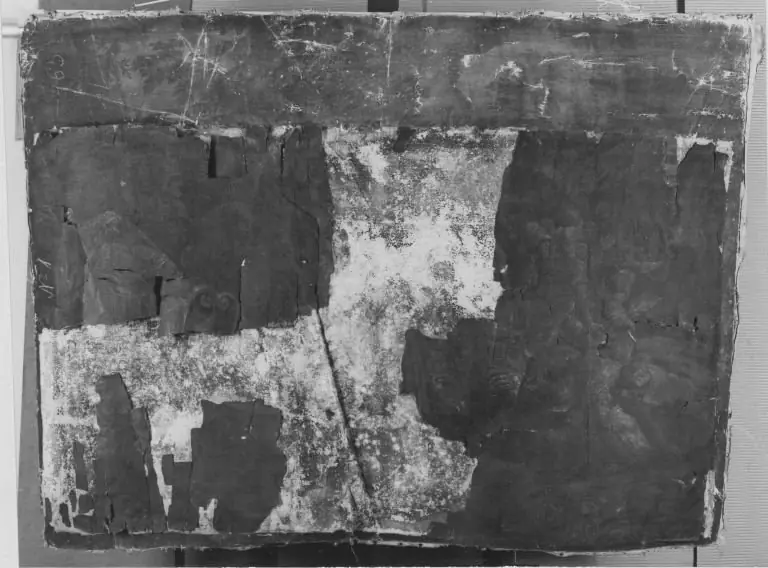 Schlachtenbild (zugeschrieben)
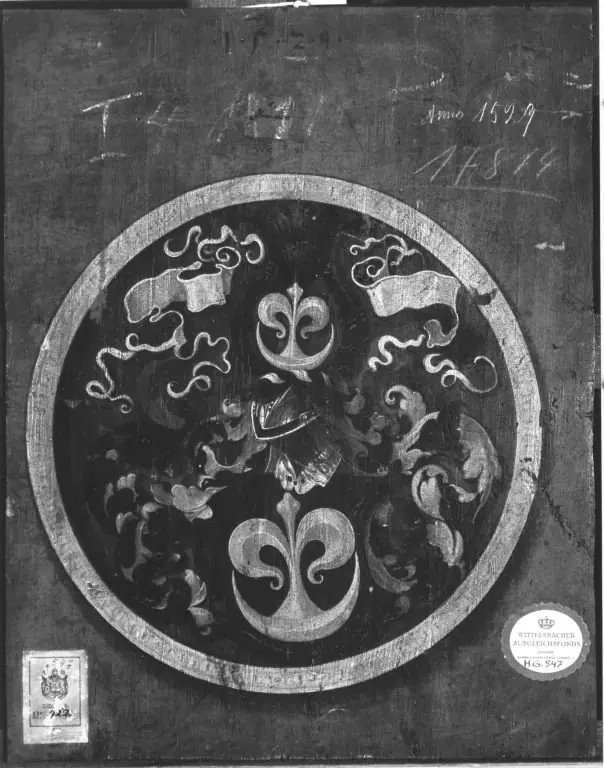 Schiebedeckel zum Bildnis Ronner (WAF 547 a)
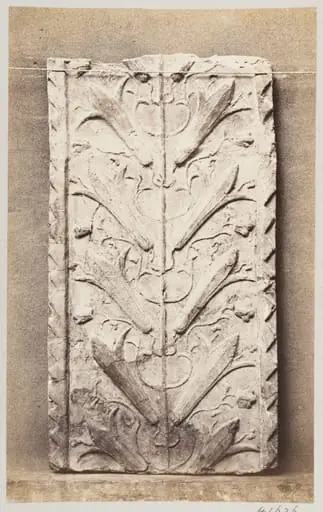 Bas-relief portion of friez of fleur de lys in terra cotta
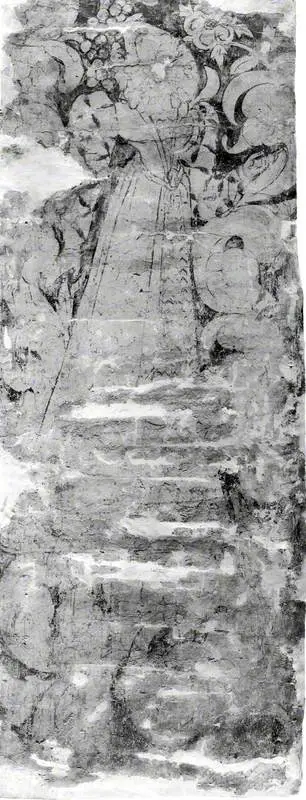 Woman with Rose and Grapes (from Stodmarsh Court, Kent)
 Untitled