Artwork
Funerary Portrait of a Woman
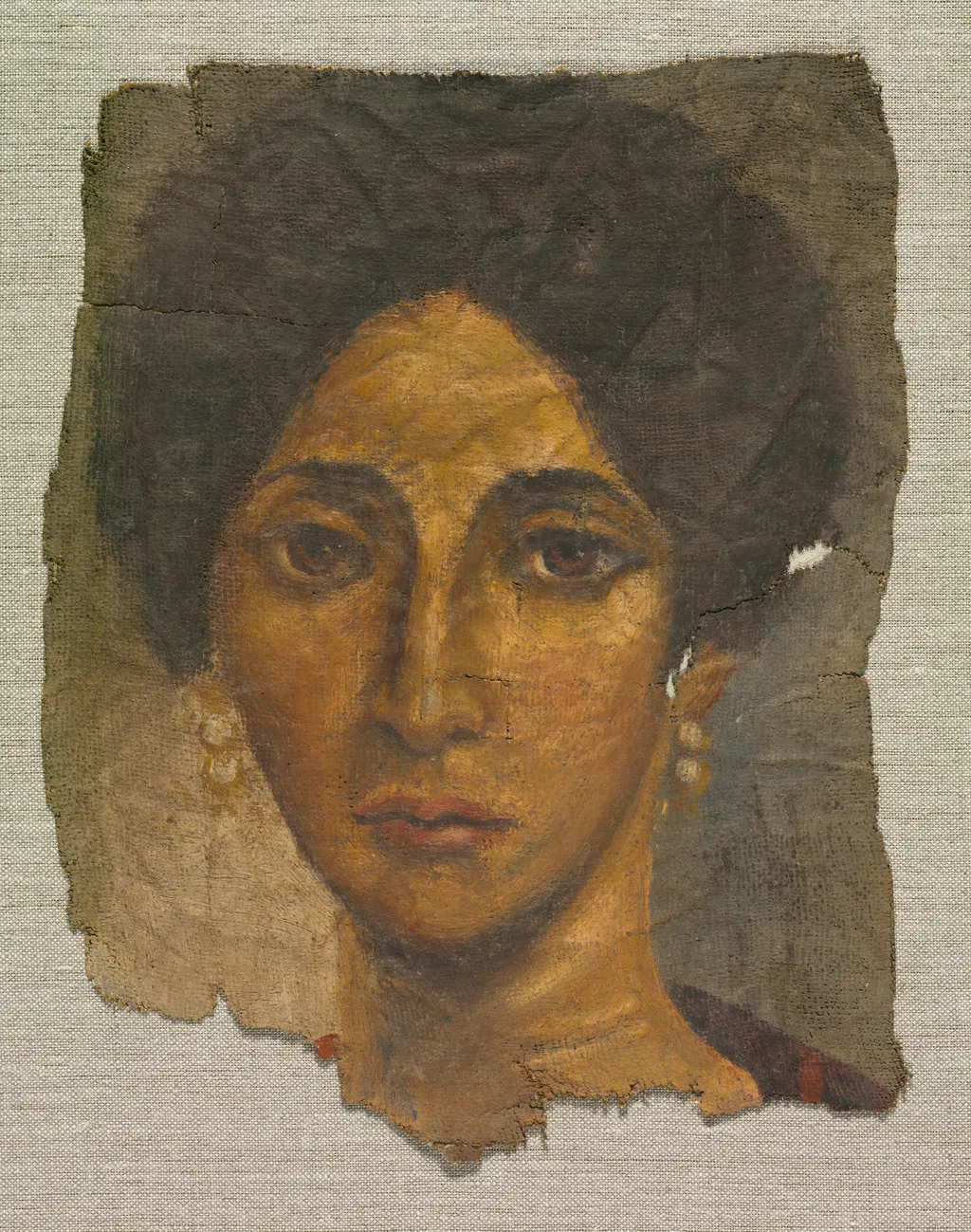
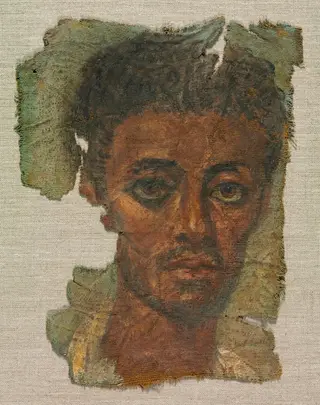
Funerary Portrait of a Woman is an unspecified painting. It is held in the collection of the Cleveland Museum of Art. The work is a portrait of a woman rendered in oil on a support that has become cracked and worn with age.
About this work
Subject & Meaning
The painting depicts an unnamed woman in a funerary context, presented as a portrait intended to preserve her likeness for the afterlife.
The painting depicts an unnamed woman in a funerary context, presented as a portrait intended to preserve her likeness for the afterlife. Its iconography aligns with funerary traditions that emphasize remembrance and status beyond death, while the work’s symbolic function lies in its role as a commemorative image within mortuary practice. The piece is housed in the Cleveland Museum of Art, underscoring its significance within the museum’s collection of funerary art.
Technique & Style
The work is a tempera painting on wood panel, created as a funerary portrait intended for burial contexts. Its formal qualities reflect Egyptian funerary portraiture with stylized facial features and frontal composition emphasizing symbolic rather than naturalistic representation. The surface condition shows expected age-related craquelure and pigment fading consistent with centuries of handling and storage.
History & Provenance
The Funerary Portrait of a Woman is a portrait painting created in the early 2nd century CE, likely depicting a Roman Egyptian woman of means. The work entered the collection of the Cleveland Museum of Art, where it remains on view in the museum's galleries dedicated to ancient Mediterranean art. Its provenance traces from an unknown private collection to acquisition by the museum in 1971 through documented purchase.
Overview
The work is a portrait of a woman rendered in oil on a support that has become cracked and worn with age. Her gaze meets the viewer directly, set against a muted, darkened background that isolates the figure. The composition is compact, focusing on the head and shoulders, and the overall effect is one of quiet presence despite the passage of time.
Context
Portraits of this type were common in funerary settings, where a realistic yet dignified representation served as a visual reminder of the deceased. The use of chiaroscuro aligns the work with broader Baroque tendencies toward dramatic light and shadow, while the restrained composition reflects a more intimate, personal mode of commemoration.
Legacy
Although the painting’s provenance is not documented, its condition, marked by cracked edges and a faded ground, offers insight into the material practices and preservation challenges of early portraiture. The work continues to inform scholars about the intersection of personal memorialization and evolving artistic techniques in its period.
Artist & collection

- Funerary Portrait of a Woman
 Portrait of a Noblewoman
 Portrait of a young woman with a gilded wreath
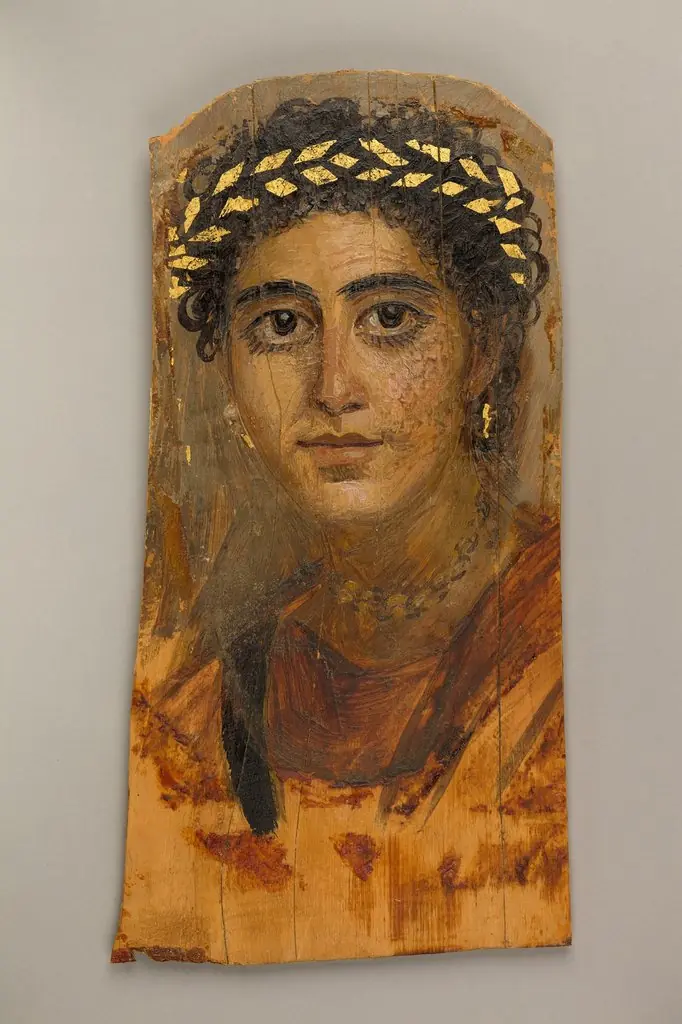 Portrait of a young woman in red
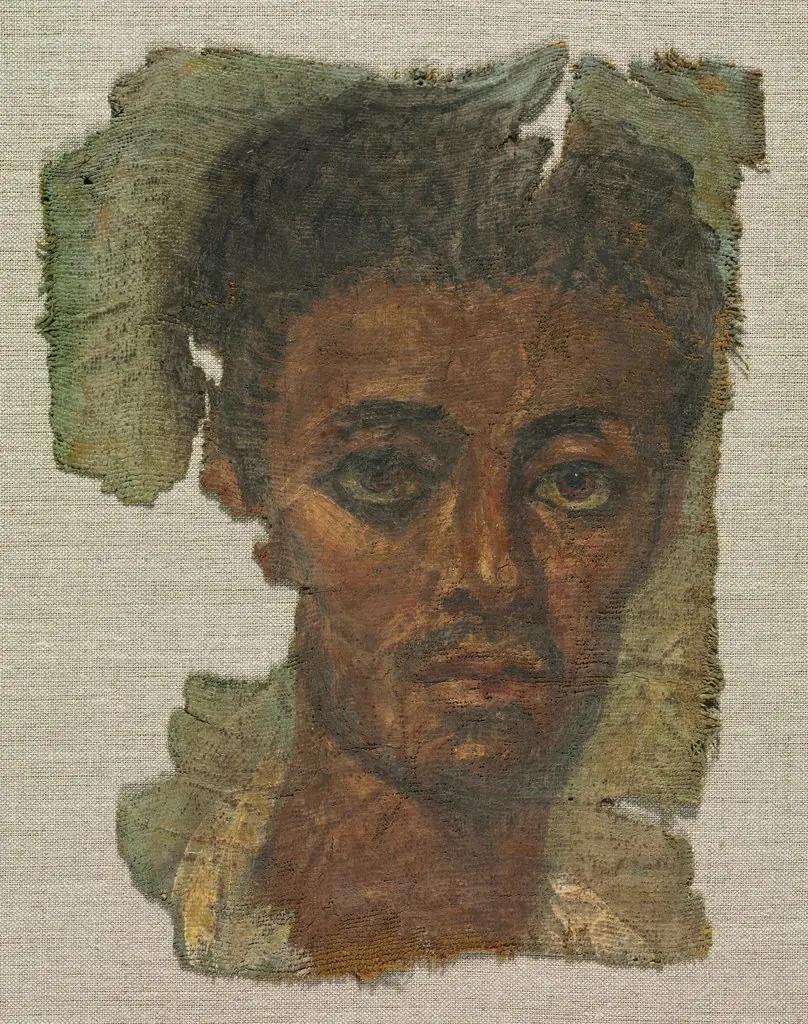 Funerary Panel of a Man
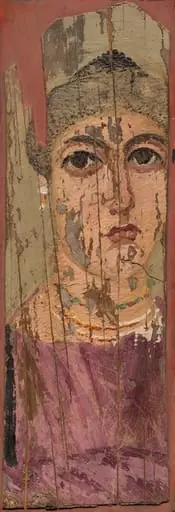 Portrait of a Woman
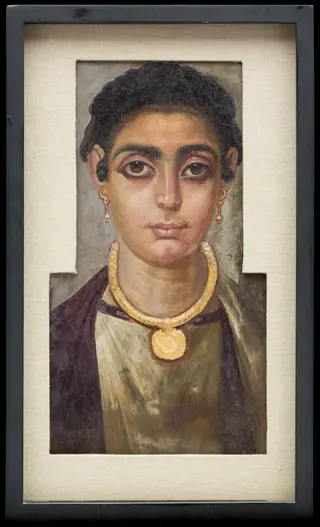 Head of a Woman
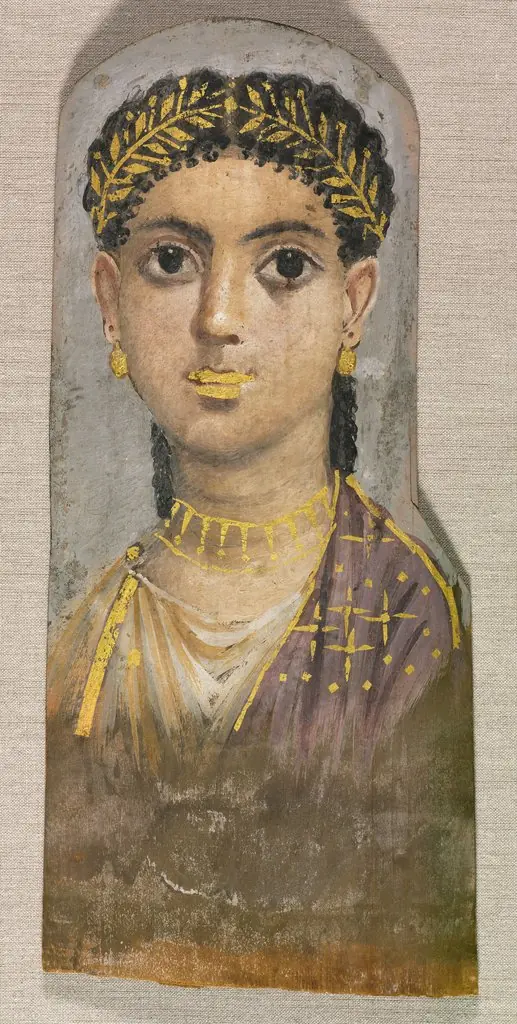 Funerary Portrait of a Young Girl
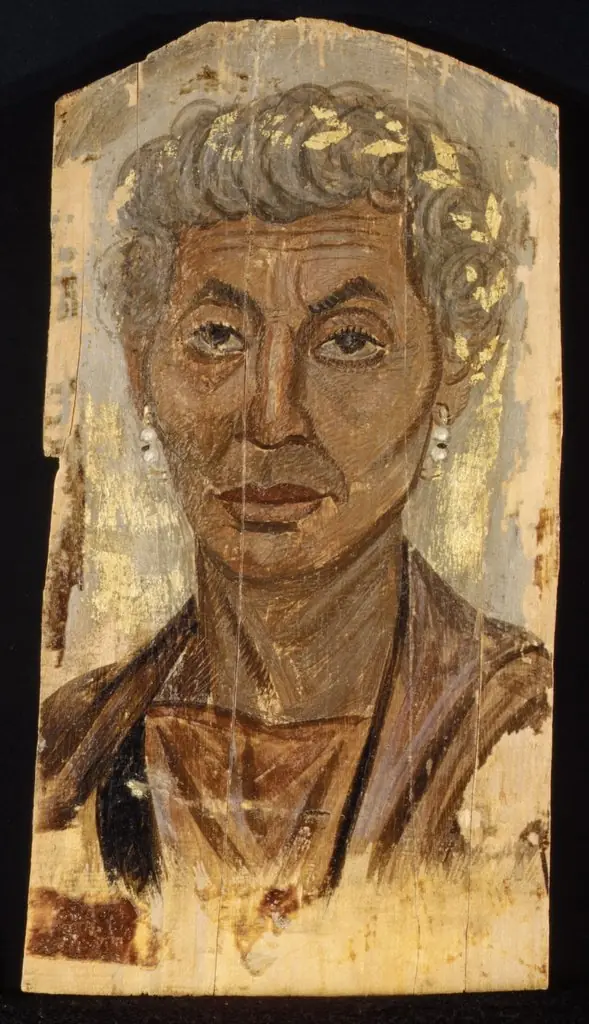 Portrait of an elderly lady with a gold wreath
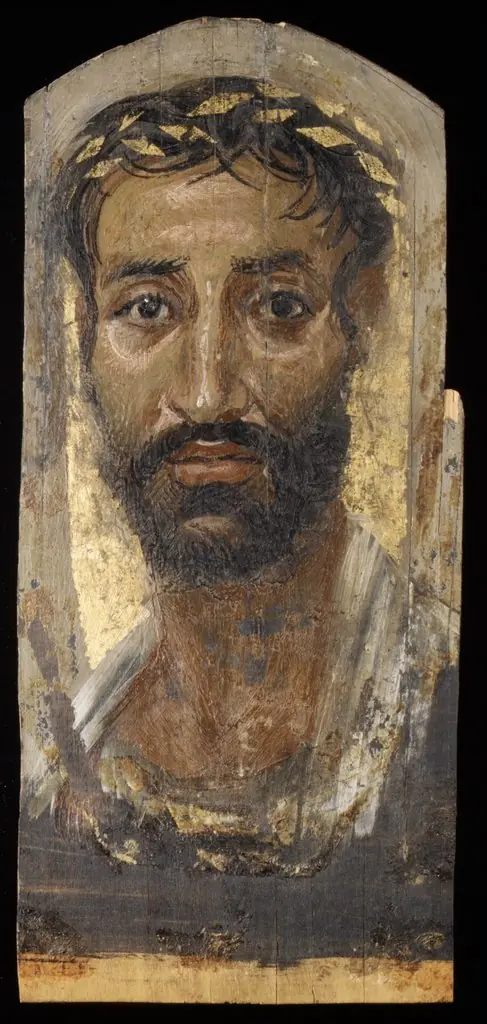 Portrait of a thin-faced man
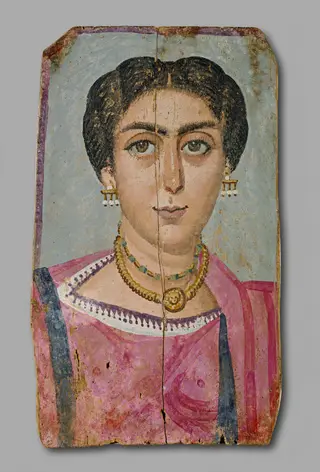 Mummy Portrait - Woman with Necklace
 Funerary Panel of a Man