Artwork
Helena Fourment (1614-73). The artist's second wife
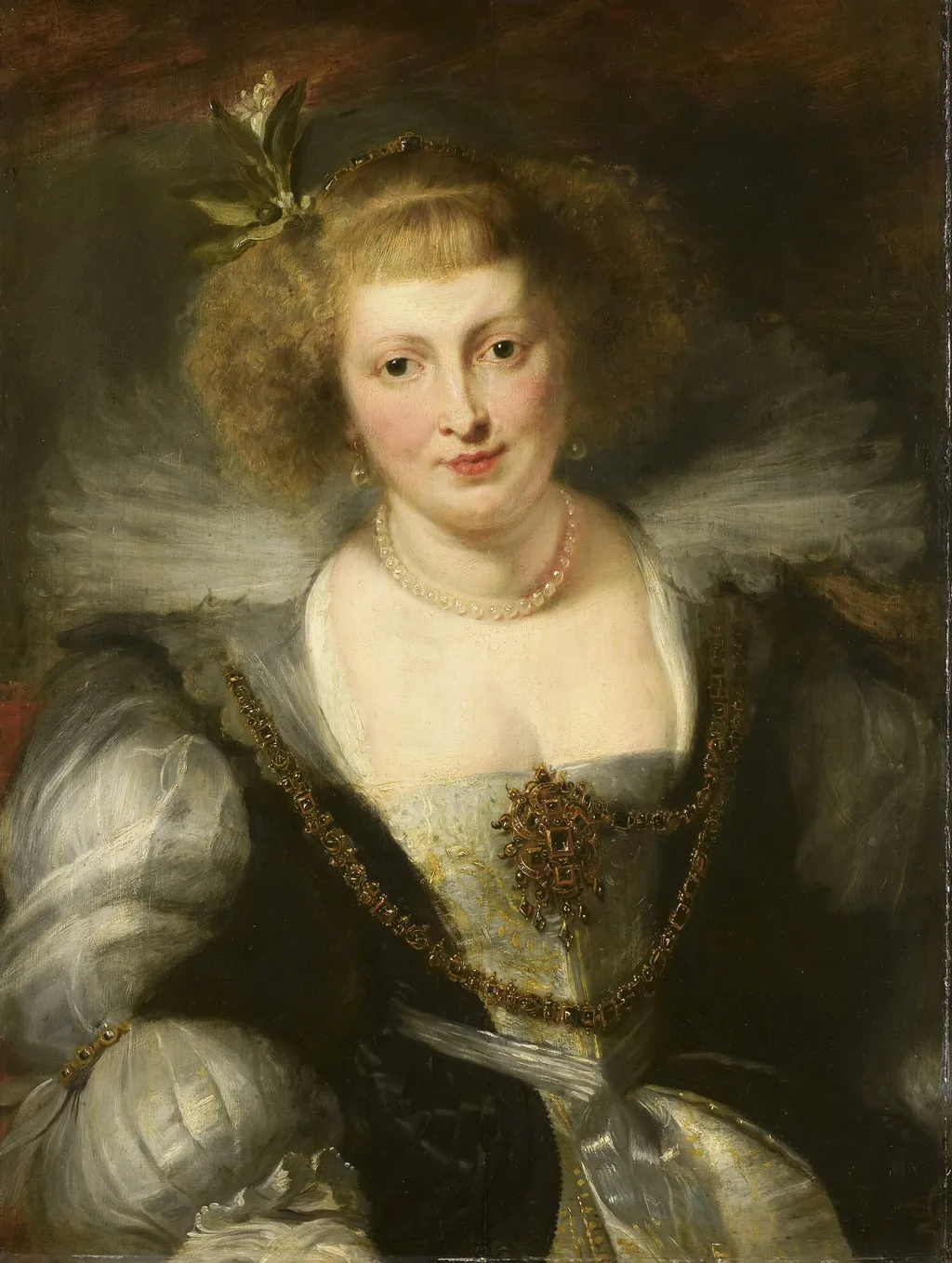
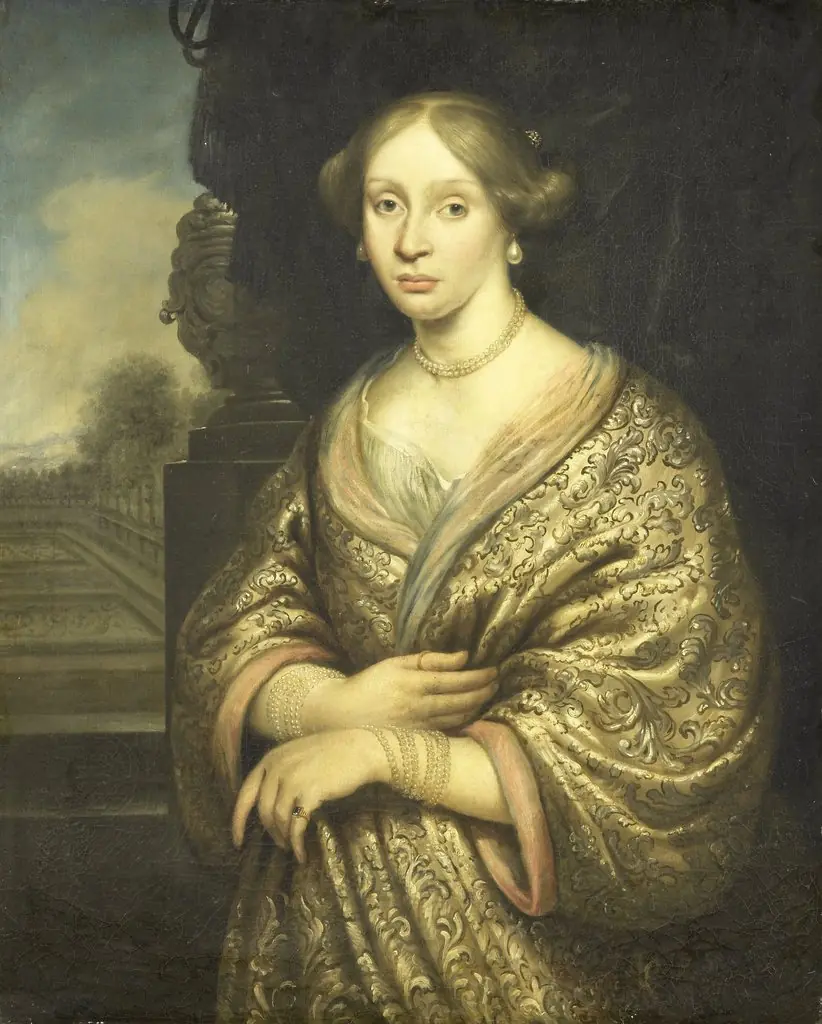
Helena Fourment (1614-73). The artist's second wife is an oil painting. It dates from 1635 and is held in the collection of the Rijksmuseum. The oil painting depicts Helena Fourment, the second spouse of the Flemish Baroque painter, seated in a white gown against a dark backdrop.
About this work
Subject & Meaning
The image functions as a personal record of Fourment, preserving her features for posterity within the artist's body of work.
The work is a portrait depicting Helena Fourment, who was the second wife of the artist Peter Paul Rubens. The composition focuses entirely on her likeness, capturing her with a direct gaze toward the viewer. As a portrait, the painting serves primarily as a representation of the sitter's identity and presence rather than employing complex allegorical symbolism or narrative iconography.
The image functions as a personal record of Fourment, preserving her features for posterity within the artist's body of work.
Technique & Style
The portrait depicts Helena Fourment in oil on wood panel, measuring 75 by 56 centimeters. The work showcases a lifelike rendering with meticulous brushwork that emphasizes the sitter's serene expression and direct gaze toward the viewer, characteristic of Baroque portraiture. Its formal composition and handling of light reflect Rubens' mastery in conveying psychological depth within a restrained spatial framework.
History & Provenance
The painting was produced in Antwerp in 1635, executed in oil paint on panel, and depicts Helena Fourment, the artist's second wife, gazing toward the viewer.
Ownership history begins with Adriaan van der Hoop, after whom the work entered collections associated with the Rubenshuis and the Amsterdam Museum. The painting is now held in the Rijksmuseum.
A separate inception date of 1665 also appears in the records, but the primary creation date is 1635, consistent with Rubens's marriage to Helena Fourment in that year.
The panel measures 75 cm in height by 56 cm in width.
Overview
The oil painting depicts Helena Fourment, the second spouse of the Flemish Baroque painter, seated in a white gown against a dark backdrop. Her posture is relaxed, hands resting on a draped fabric, while a pearl necklace and an elaborate brooch accent her chest. The composition emphasizes her illuminated face and hands, creating a clear focal point within the surrounding shadows.
Context
During the 1630s the painter produced several intimate portraits of his wife, marking a shift from grand mythological commissions to more personal subjects. This period coincides with the artist’s later years, when his style softened and his palette grew more restrained, reflecting a mature, introspective phase.
Legacy
The portrait contributes to the broader understanding of 17th‑century Flemish portraiture, illustrating how personal relationships influenced artistic output. It also serves as a visual record of contemporary fashion and domestic ideals, informing scholars about the intersection of private life and artistic practice in the Baroque era.
Artist & collection

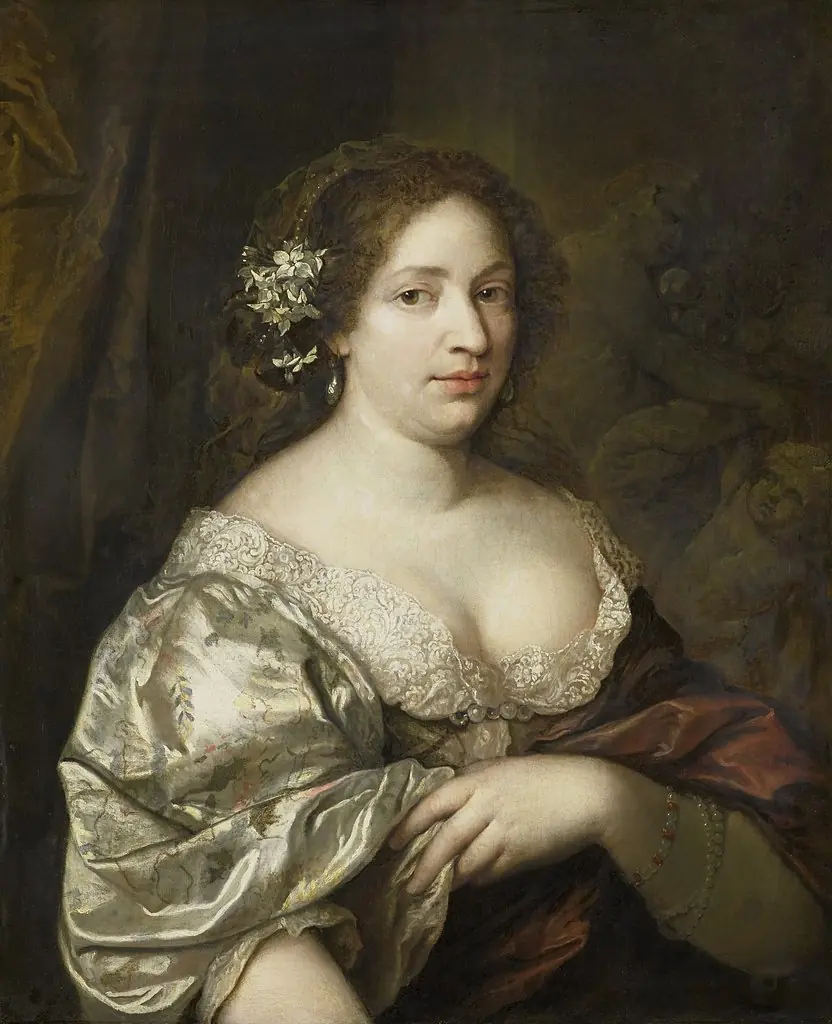 Portrait of Margaretha Godin (d. 1694), wife of the artist
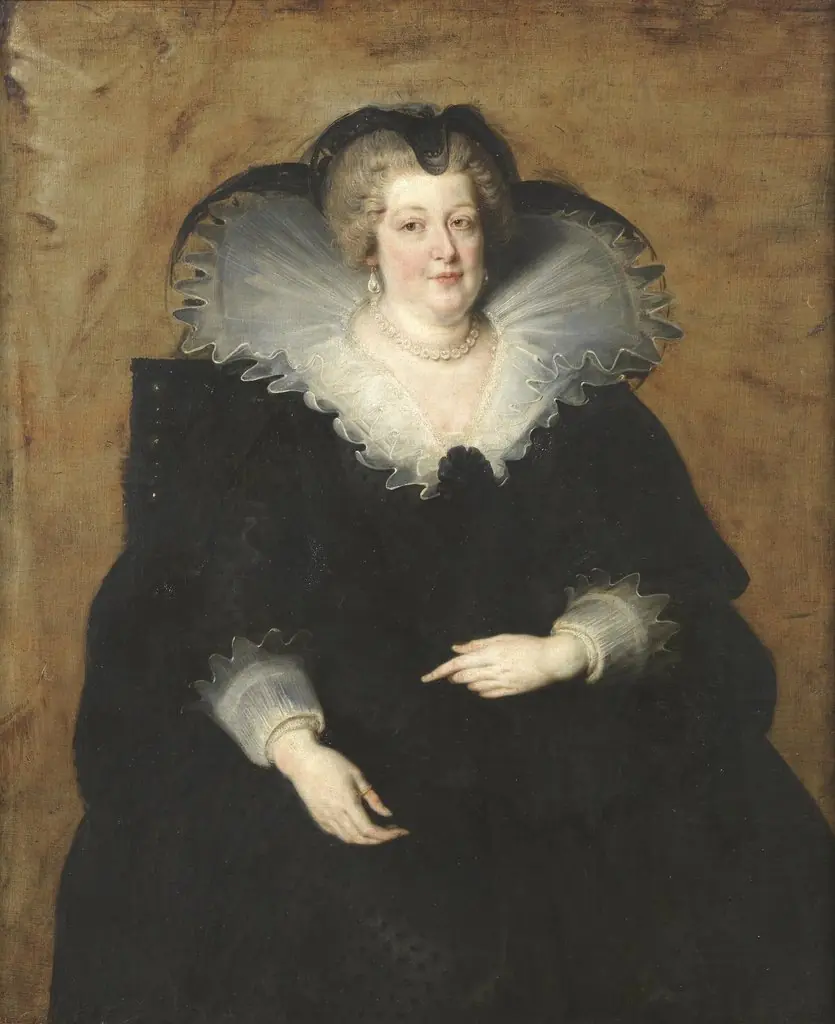 Marie de Medici, Queen of France
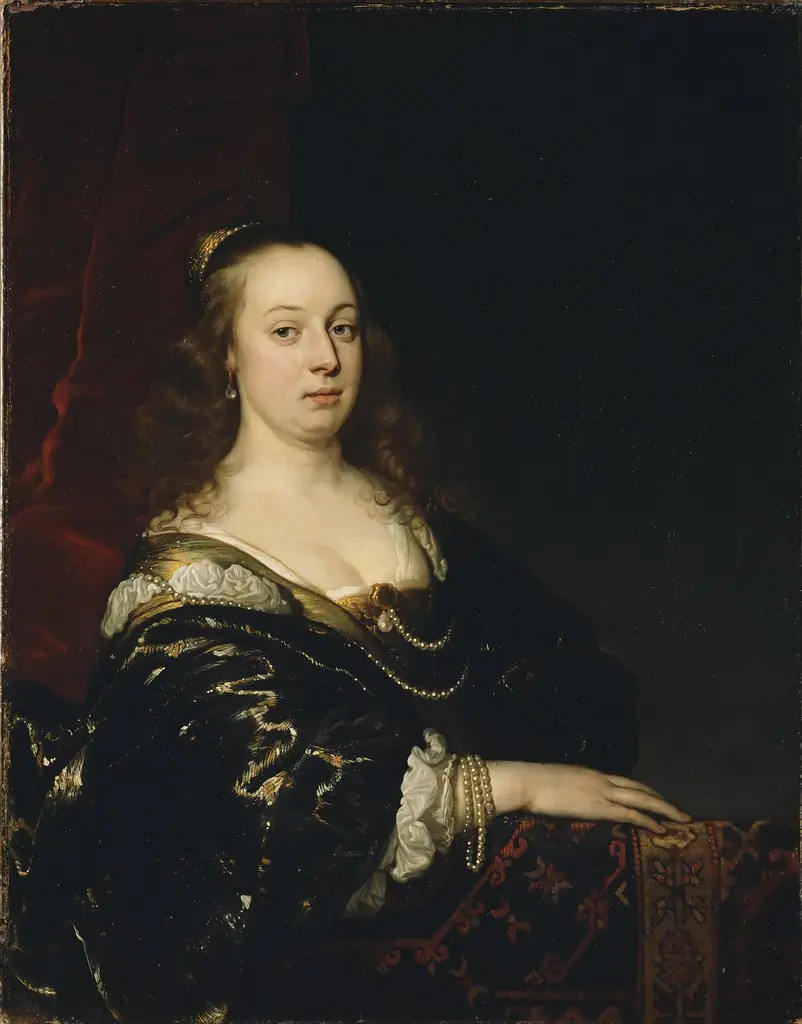 Portrait of a Woman
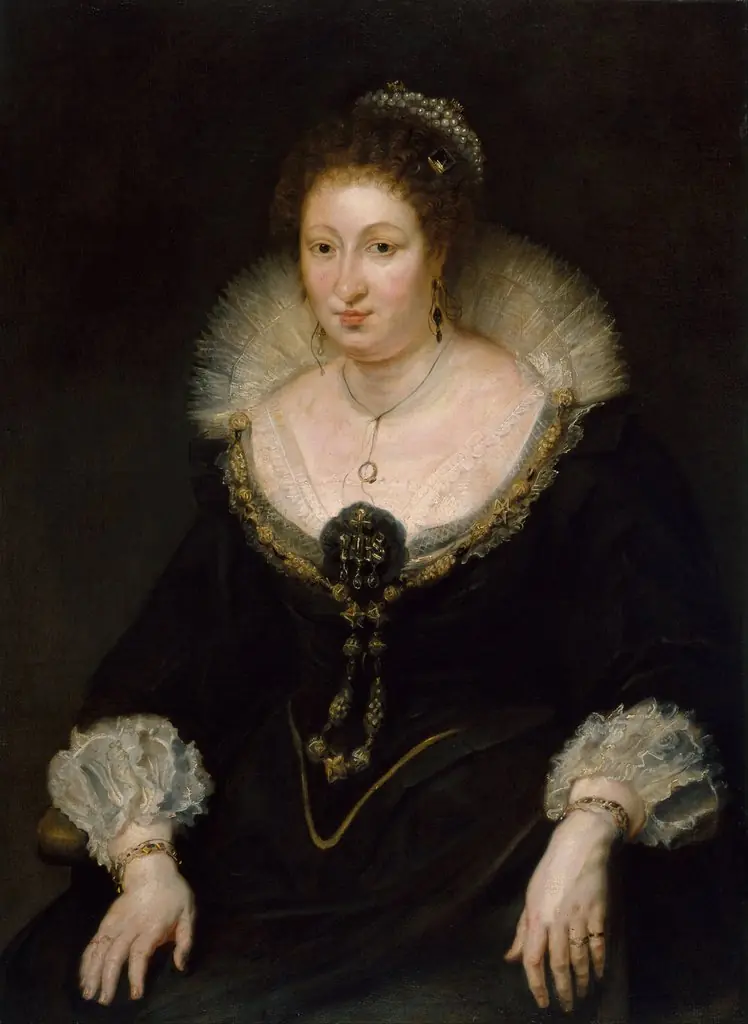 Lady Alethea Talbot, Countess of Arundel
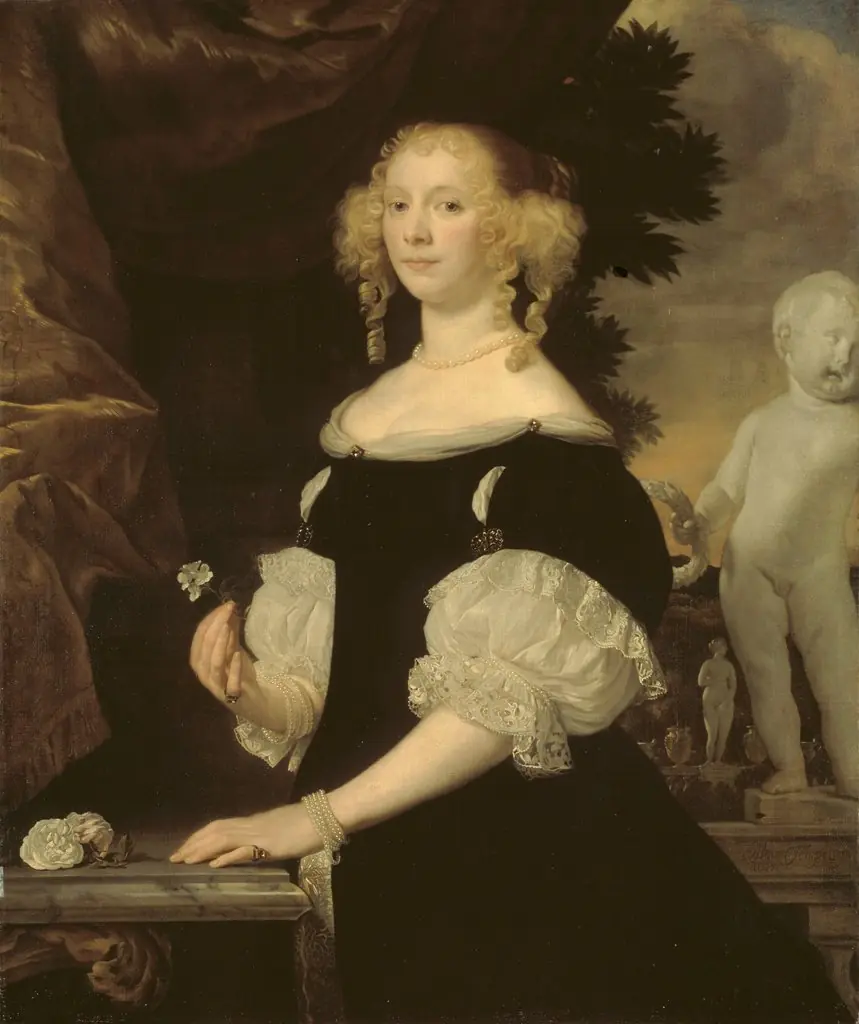 Portrait of a Lady in Black
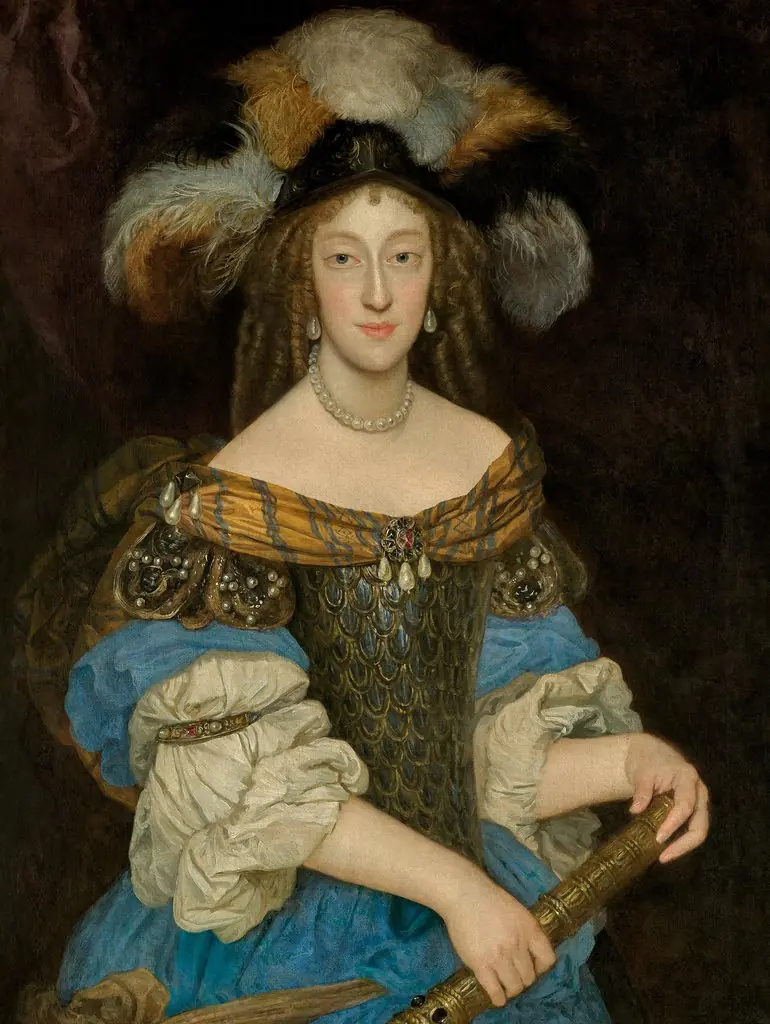 Henriette Adelaide (1636-1676)
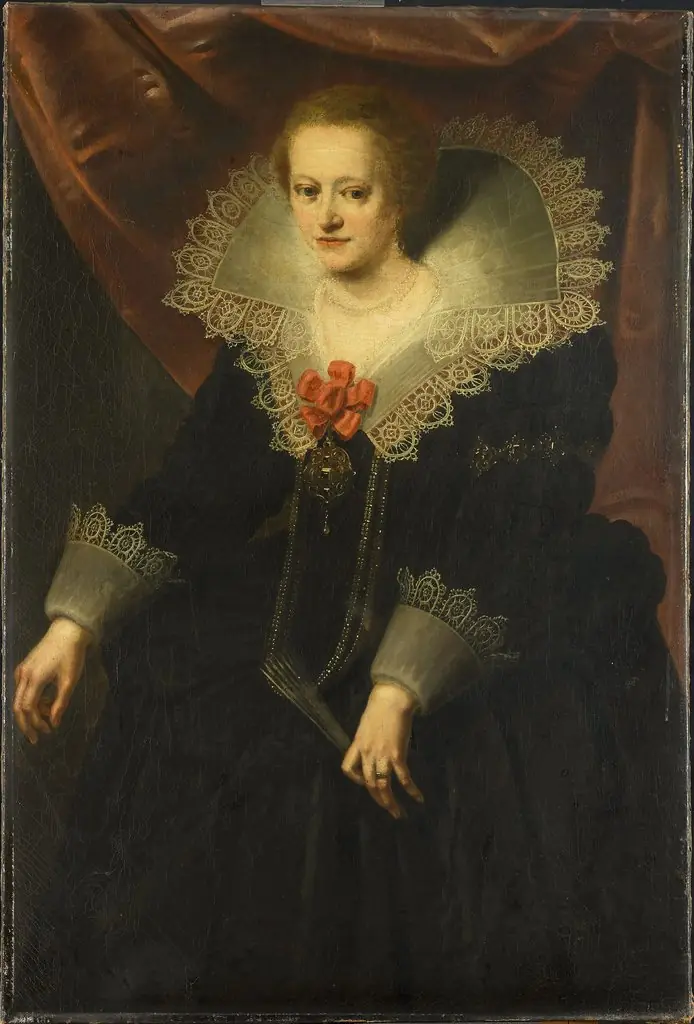 Portrait of a Woman
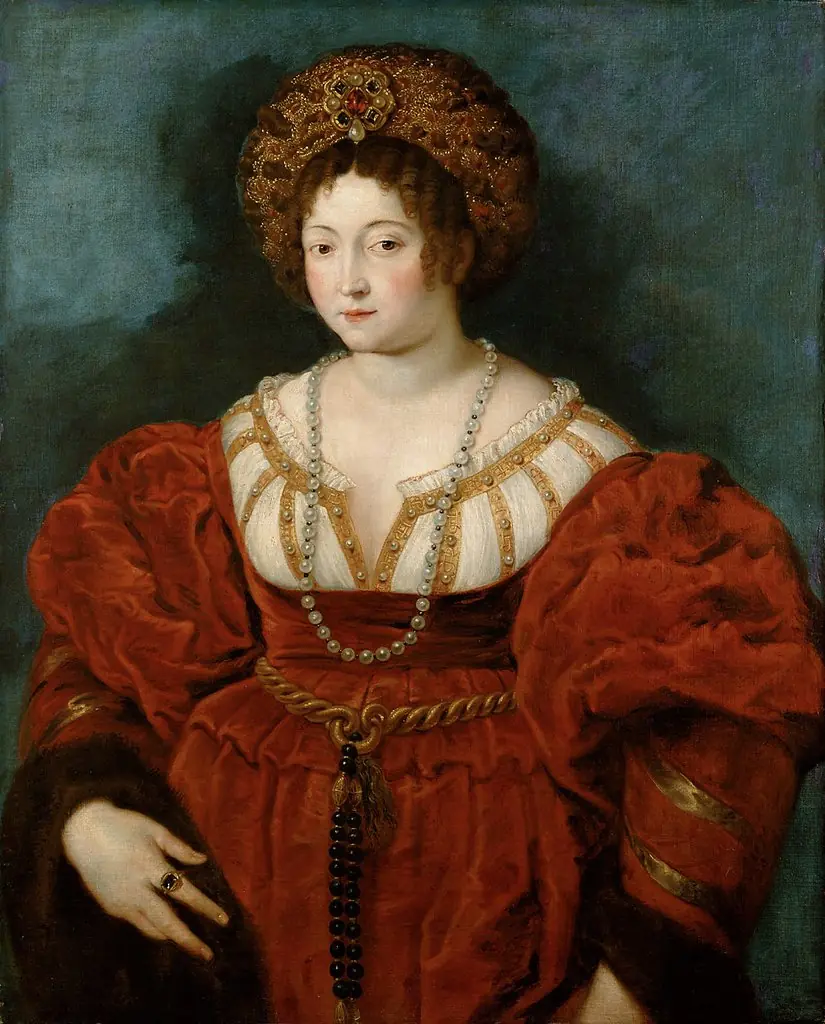 Isabella d'Este
 Maria van der Burght, eerste echtgenote van François Leidecker