Artwork
Isabella d'Este
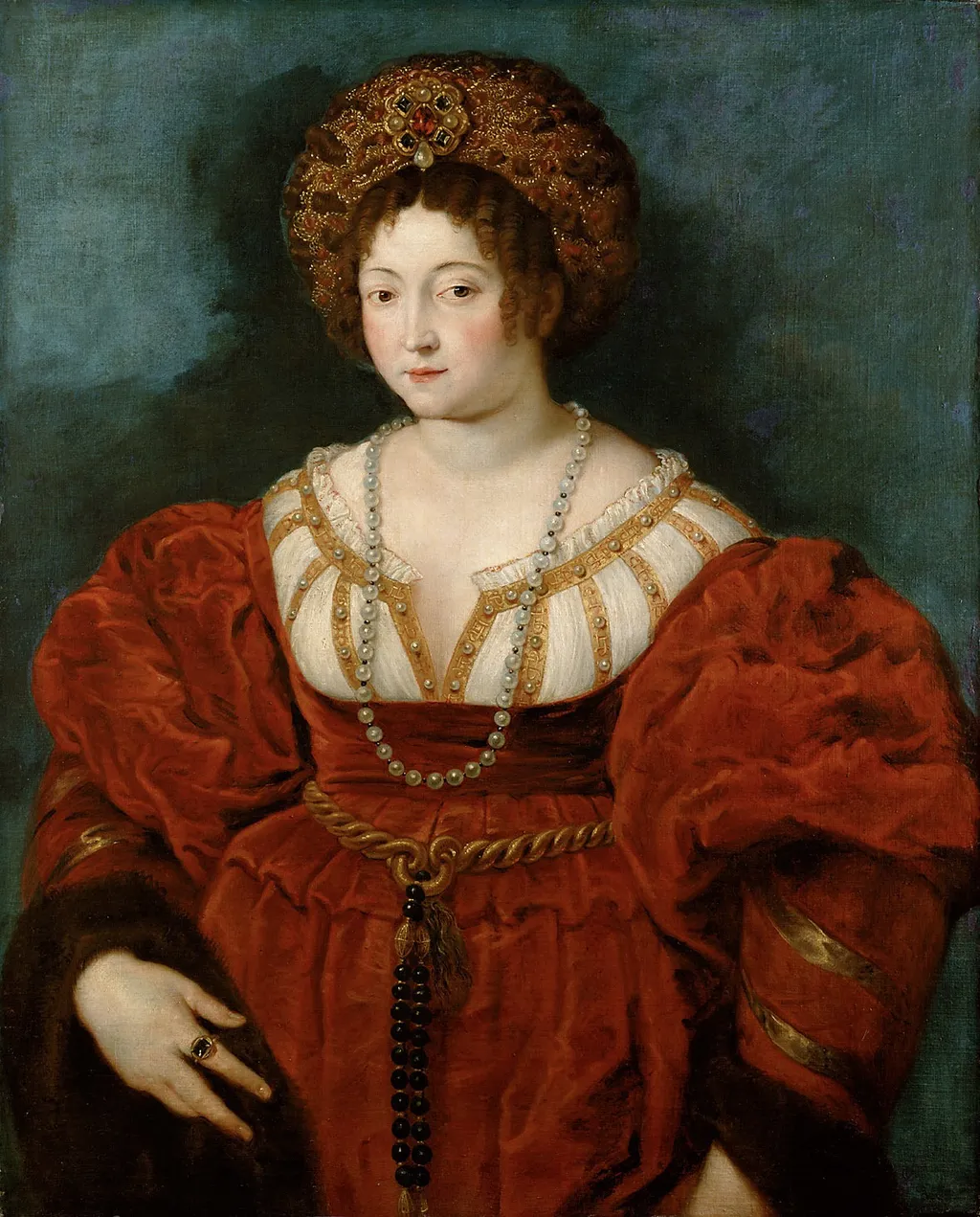
Isabella d'Este is an oil painting by the Flemish Baroque painting artist Peter Paul Rubens. It dates from 1605 and is held in the collection of the Kunsthistorisches Museum.
About this work
Subject & Meaning
The sitter is identified as Isabella d’Este (1474-1539), marchioness of Mantua, through the distinctive headwear and inscriptions associated with her image.
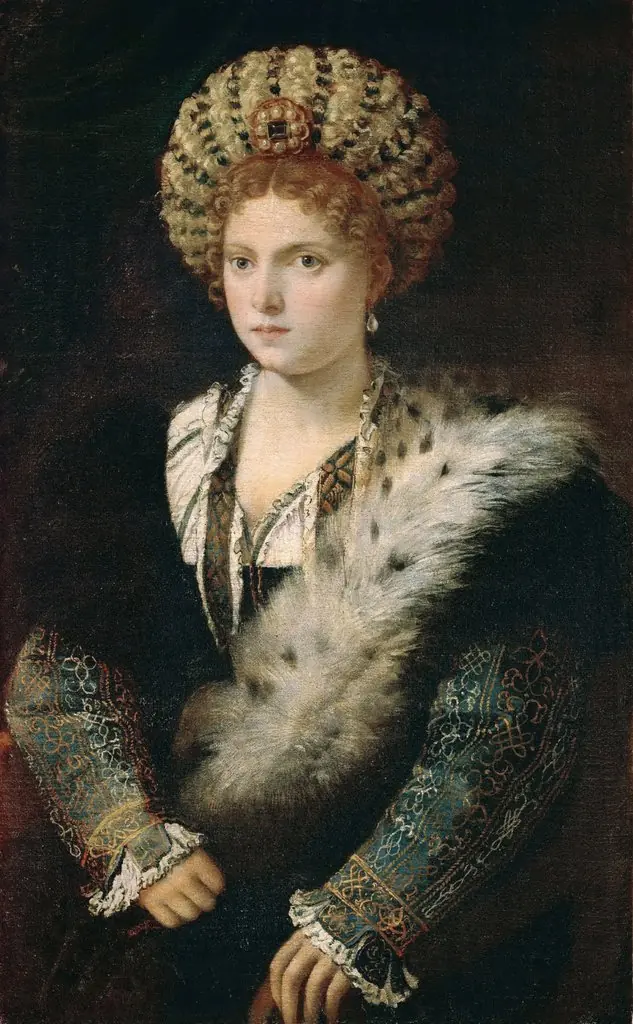
The sitter is identified as Isabella d’Este (1474-1539), marchioness of Mantua, through the distinctive headwear and inscriptions associated with her image. She wears a balzo, the turban-like headdress she popularized after 1509, which became a northern Italian fashion in the 1530s, reinforcing the identification despite later confusion among portraits. The red velvet dress and turquoise background frame a mature woman with reddish-brown curls, brown eyes, and arched eyebrows, aligning with documented features of the historical figure. Scholarly debate persists because three color portraits in the Kunsthistorisches Museum, this Rubens copy, an anonymous Ambras miniature, and Titian’s Isabella in Black, show contradictory physiognomic traits. Experts propose the discrepancies stem from misidentification in Titian’s Isabella in Black rather than in the Rubens version or the Ambras miniature, which both bear the inscription “Isabella Estensis” and share consistent features with the sitter’s later years.
Technique & Style
The work is executed in oil paint on a canvas support, measuring 101.8 cm in height and 81 cm in width. It presents a knee-length portrait of a middle-aged woman with reddish-brown curls, brown eyes, and classically arched eyebrows, set against a turquoise background. The sitter wears a red velvet dress and a balzo, a fashionable headpiece originating from Isabella d'Este around 1509. The painting is stylistically characterized as a close copy of a lost original by Titian, reflecting Peter Paul Rubens' practice of replicating Italian masterworks during his time as a court painter in Mantua. The figure is depicted as somewhat chubby, adhering to the specific visual traits found in other contemporary copies of the lost archetype.
History & Provenance
Peter Paul Rubens created this oil-on-canvas portrait, known as *Isabella in Red*, around 1605 while serving as a court painter in Mantua. The work is a close copy of a lost original by Titian, which scholars date variously between 1524 and 1536. Rubens produced at least two such copies of Titian's Isabella portraits, both of which appeared in the artist's inventory following his death in Antwerp. The specific provenance of this version traces from Rubens's estate to the collection of Archduke Leopold Wilhelm of Austria before entering the holdings of the Kunsthistorisches Museum in Vienna. While some sources suggest a date of 1600, the creation period remains generally associated with the early 17th century.
The painting Isabella in Red, a full-length portrait of Isabella d'Este, is held in the Kunsthistorisches Museum in Vienna. Its inventory number is KHM 2259. The work was originally part of the collection of Archduke Leopold Wilhelm of Austria before being transferred to the museum. It is documented as a copy after a lost original by Titian, painted by Peter Paul Rubens around 1605. The painting has been exhibited in museum contexts as part of displays on Isabella d'Este, though specific exhibition histories are not detailed in the sources beyond its presence in the museum's collection.
The work is also referenced in scholarly literature, including entries in the Kunsthistorisches Museum's database and publications such as those by Sylvia Ferino-Pagden and Jeremy Wood, which discuss its provenance and relationship to Titian's lost portrait of the same sitter.
Context
Rubens’s Isabella d’Este in Red (c. 1605) is widely cited as a close copy after a lost Titian original and is central to debates about the sitter’s identity and the afterlife of Renaissance portraiture in early modern collections. Scholarship has repeatedly revisited the problem of conflated physiognomic traits across three variants in the Kunsthistorisches Museum: an anonymous Ambras miniature, Rubens’s copy, and Titian’s Isabella in Black (1530s). The contradictions in features, eye color, nose shape, eyebrows, have led many museums to withdraw color identifications, while the presence of the balzo and inscriptions such as “Isabella Estensis” on related copies (Walker Art Gallery) continue to support attributions to the Marchioness of Mantua. The painting’s reception reflects broader patterns in the reception of Renaissance portraiture: copies by Rubens were valued as faithful records of lost masterpieces and circulated within Habsburg collections, shaping later perceptions of Isabella’s iconography.
Legacy
Peter Paul Rubens's portrait of Isabella d'Este, painted around 1605, serves as a crucial visual record of a lost original by Titian. This work, titled *Isabella in Red*, preserves the likeness of the Marchioness wearing a *balzo*, a headpiece she invented that became a fashion staple in northern Italy by the 1530s. Rubens created the painting while serving as a court painter in Mantua, where he actively copied Italian Renaissance masters. The portrait's legacy is complicated by conflicting identifications of Isabella within the Kunsthistorisches Museum, where it hangs alongside *Isabella in Black* and the Ambras Miniature. While the 1640 inventory after Rubens's death listed multiple versions, modern analysis suggests the *Isabella in Red* and the Ambras Miniature likely retain the most accurate contemporary identification, whereas *Isabella in Black* may represent a misidentified subject or an idealized 'face-lift'.
Artist & collection
Artist
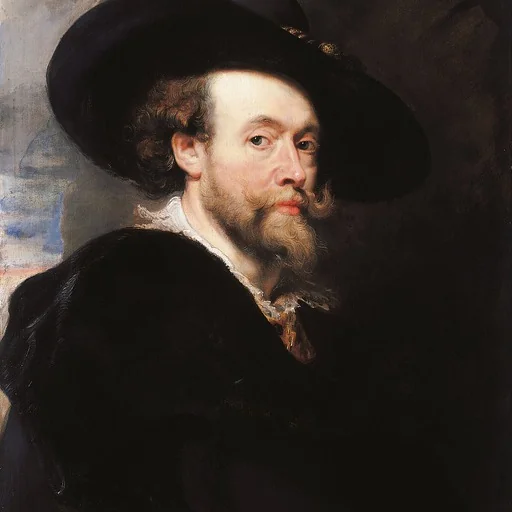
Sir Peter Paul Rubens ( ROO-bənz; Dutch:; 28 June 1577 – 30 May 1640) was a Flemish artist and diplomat.

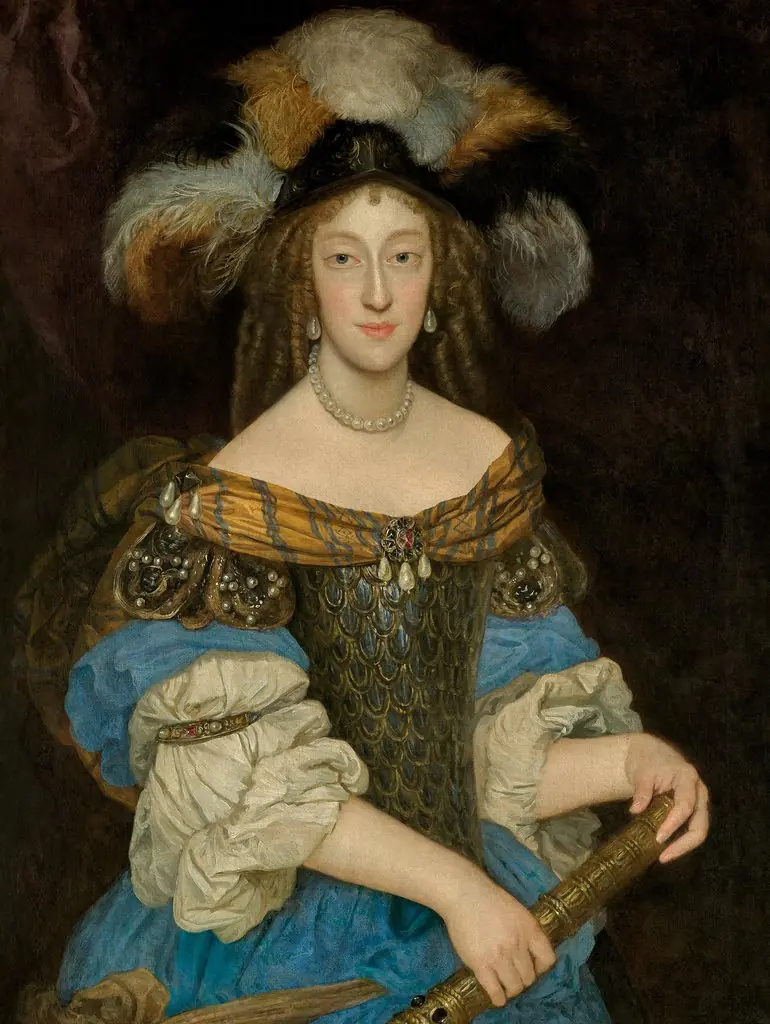 Henriette Adelaide (1636-1676)
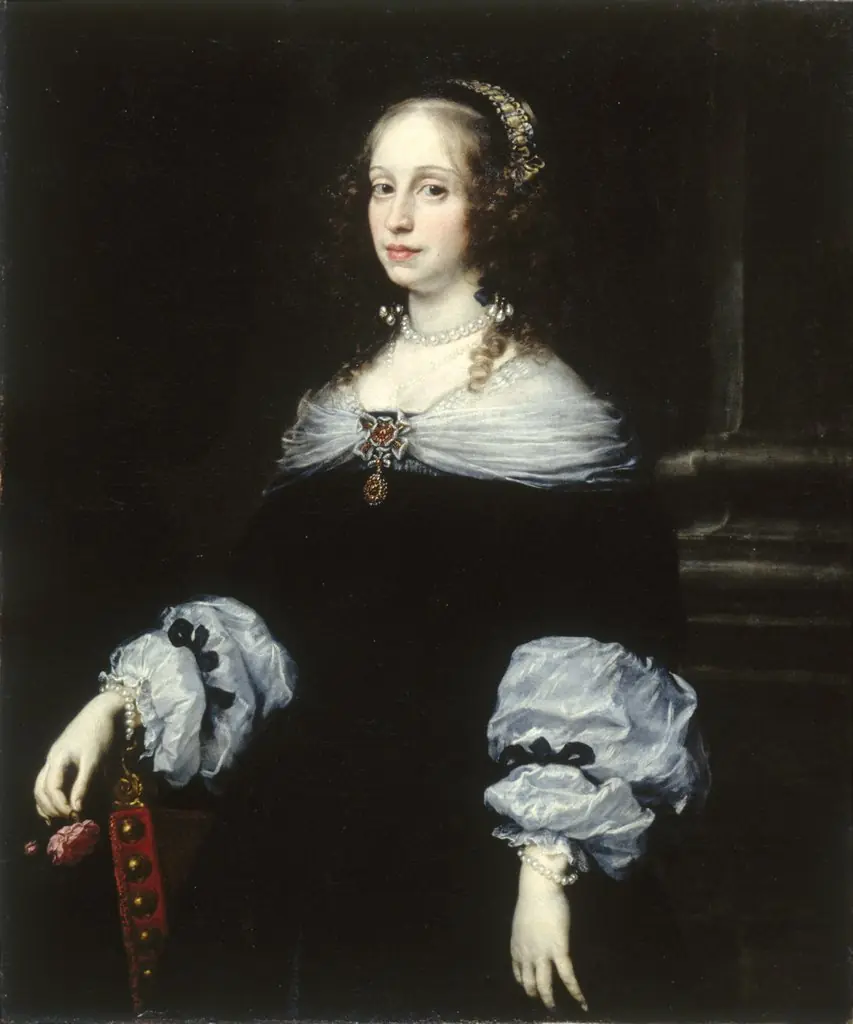 Portrait of Countess Teresa Dudley di Carpegna
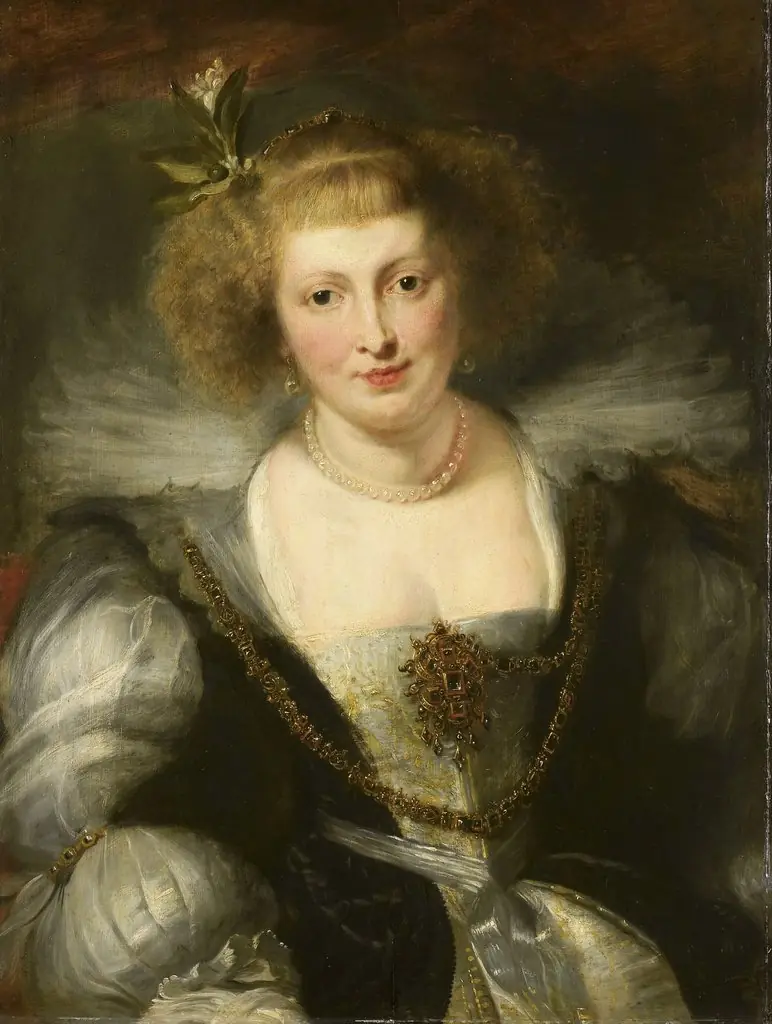 Helena Fourment (1614-73). The artist's second wife
 Untitled
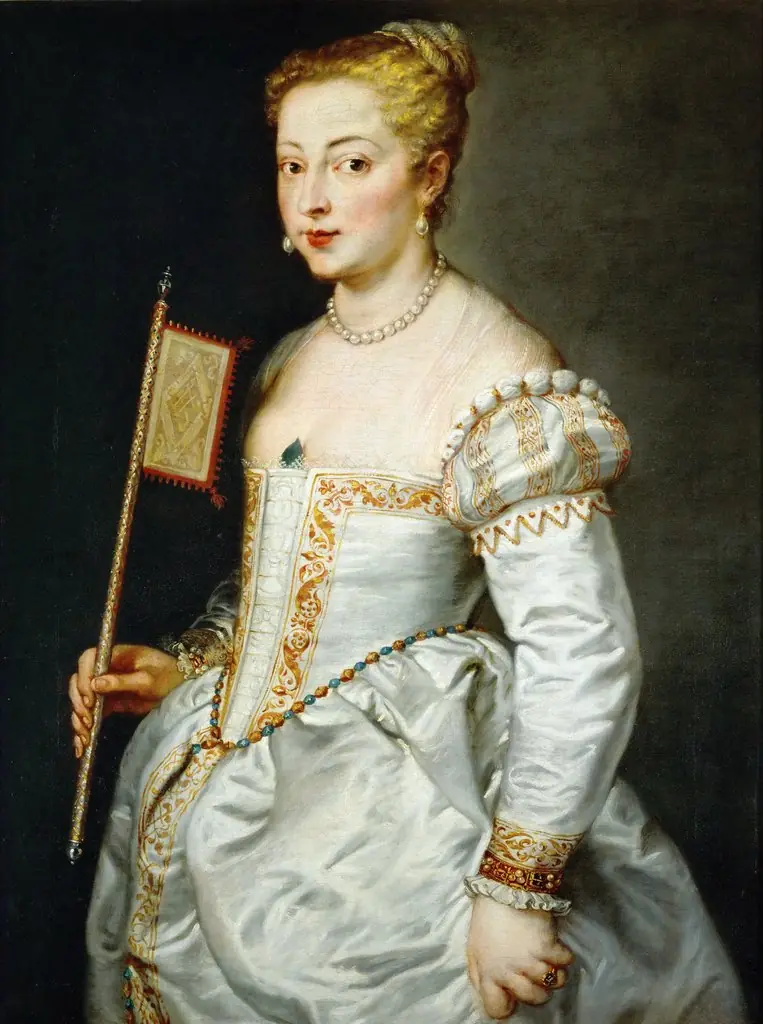 Girl with a Fan
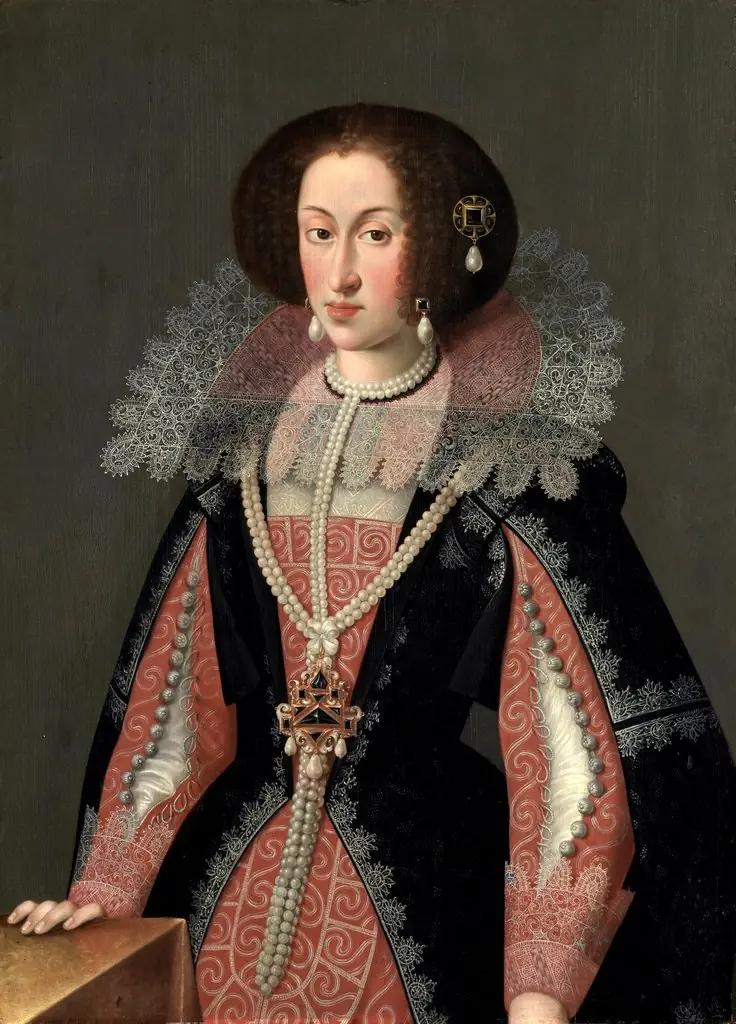 Portrait of Maria Anna of Austria, Electress of Bavaria
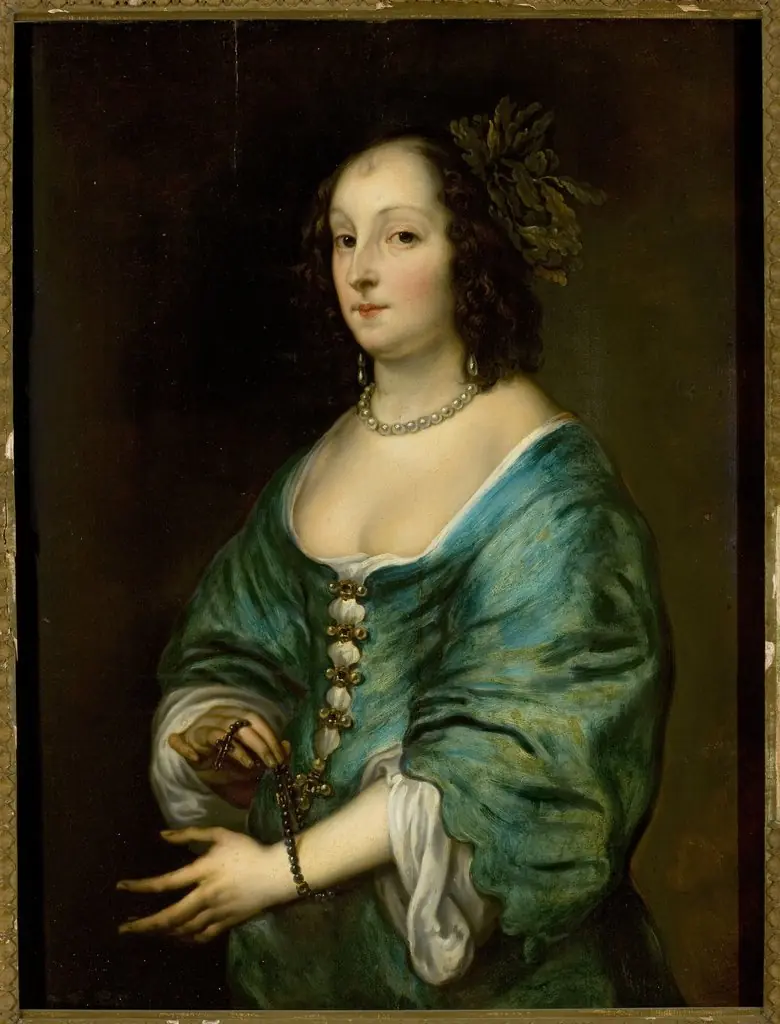 Portrait of Anthony van Dyck's wife Mary Ruthven
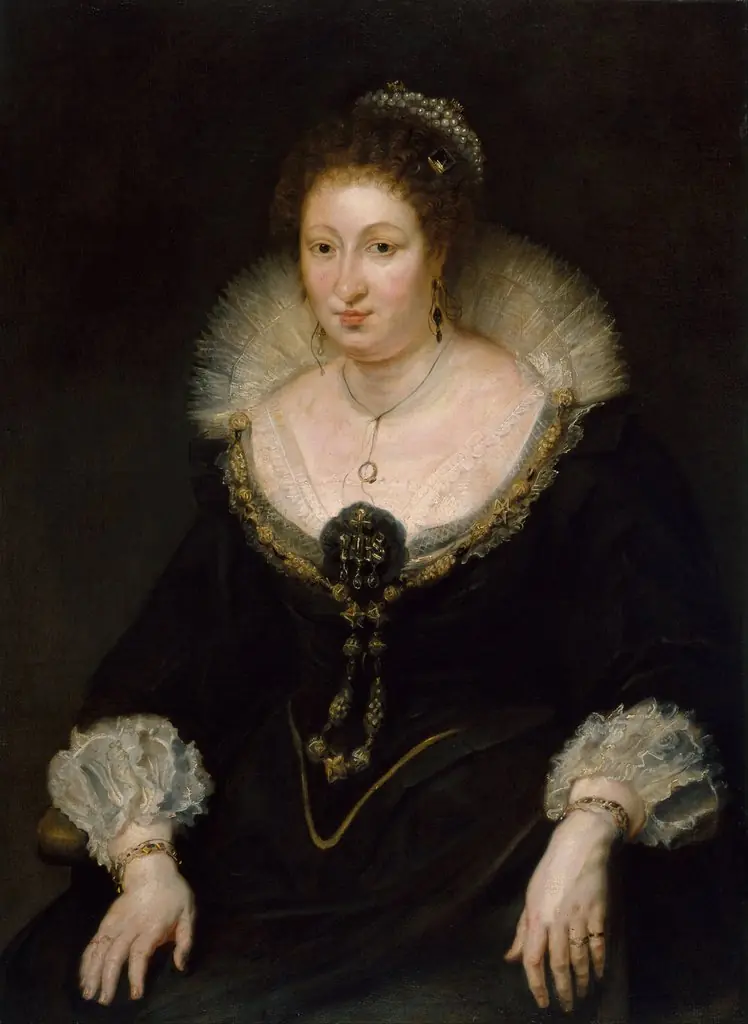 Lady Alethea Talbot, Countess of Arundel
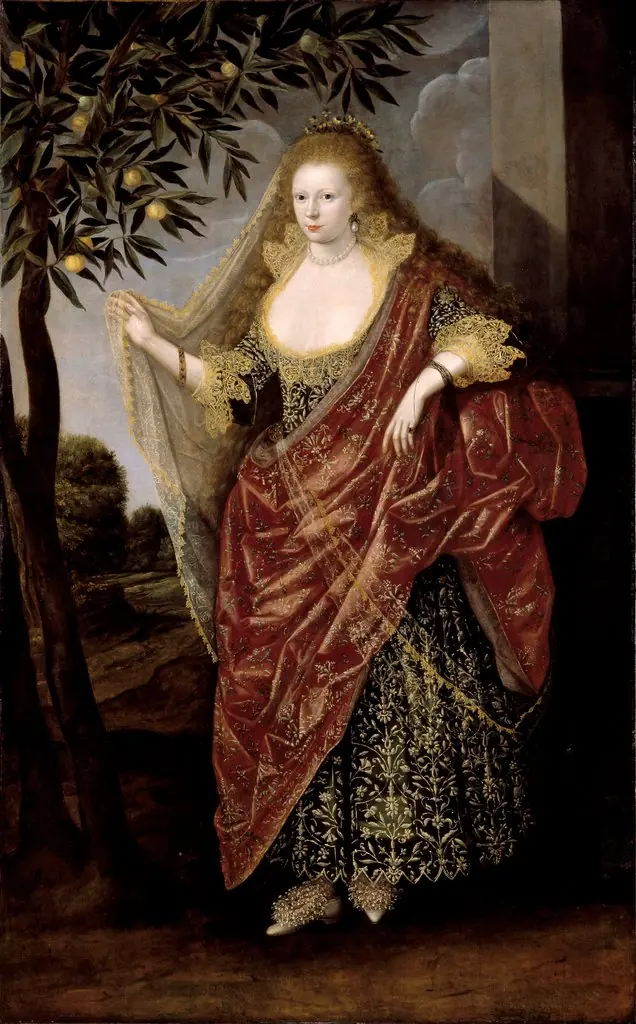 Elizabeth, Lady Tanfield