Artwork
Le Monument à Lucerne
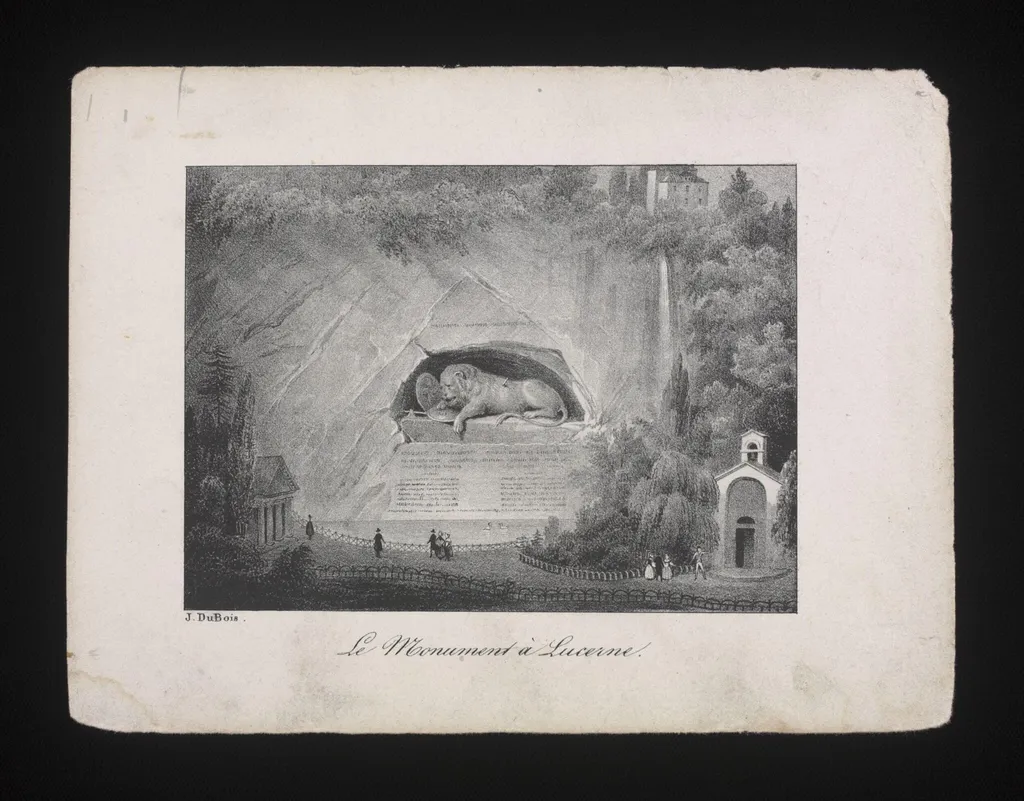
Le Monument à Lucerne is a print by Unknown. It dates from 1850 and is held in the collection of the Victoria and Albert Museum. A printed image captures the Lion Monument in Lucerne, Switzerland, rendered in detailed line work and tonal shading.
About this work
Overview
A printed image captures the Lion Monument in Lucerne, Switzerland, rendered in detailed line work and tonal shading. Created as part of the Harry Beard Collection, this print serves as a documentary record of the sculpture, emphasizing its emotional gravity and architectural setting within a natural rock niche.
Subject & Meaning
The monument commemorates Swiss Guards who died defending the Tuileries Palace during the French Revolution in 1792. The carved lion, wounded and dying, rests beneath a shield bearing the Swiss coat of arms, symbolizing loyalty, sacrifice, and the tragic cost of duty. The composition conveys solemnity without overt drama, inviting quiet reflection.
Technique & Style
The print employs fine engraving or etching techniques to render the lion’s muscular form and the rough texture of the rock face. Subtle gradations of ink suggest depth and shadow, while precise lines define the monument’s contours. The style is restrained, prioritizing clarity and emotional resonance over ornamental flourish.
History & Provenance
This print originated in the 19th century, likely produced for tourists or collectors interested in European memorials. It entered the Harry Beard Collection, a trove of illustrated materials related to theater and historical commemoration, where it was preserved as a cultural artifact reflecting public memory of the Swiss Guards.
Context
During the 1800s, the Lion Monument became a pilgrimage site for travelers across Europe, symbolizing Swiss neutrality and moral integrity. Prints like this one circulated widely, helping to standardize its visual representation and reinforce its status as a national emblem of quiet heroism.
Legacy
The print preserves a widely recognized image of the monument before modern photography became dominant. It contributes to the historical record of how public memorials were interpreted and disseminated in the 19th century, offering insight into the era’s visual culture of remembrance.
Artist & collection









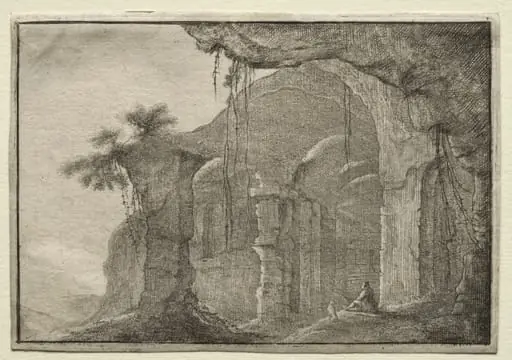
- Ruins of an Amphitheatre
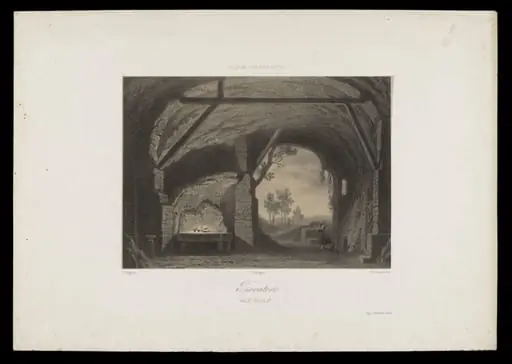 H Beard Print Collection
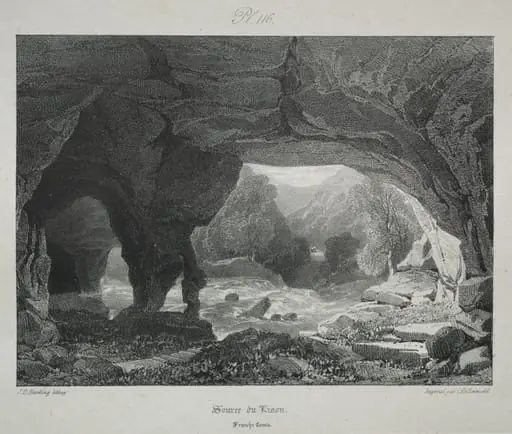 Voyages pittoresques et romantiques dans l'ancienne France. Franche-Comté: Source du Lison
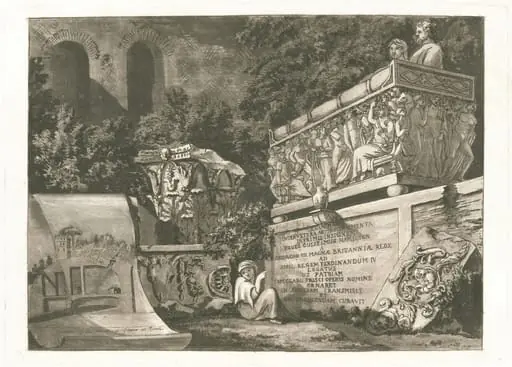 Title Page
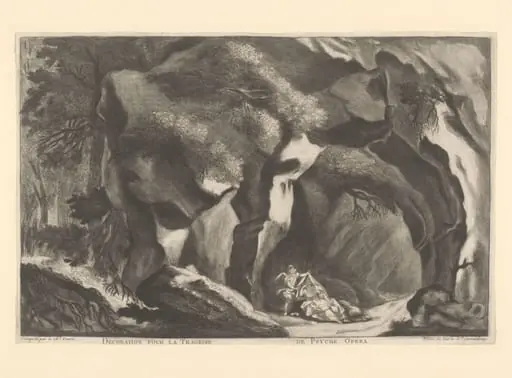 H Beard Print Collection
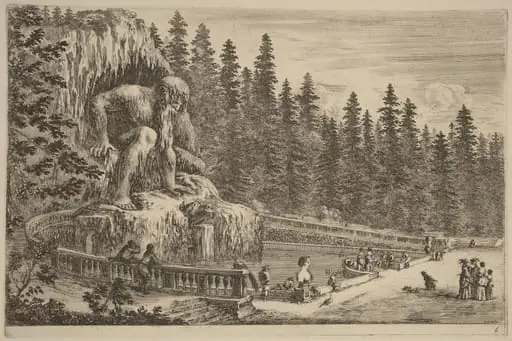 Colossal Statue of the Apennines
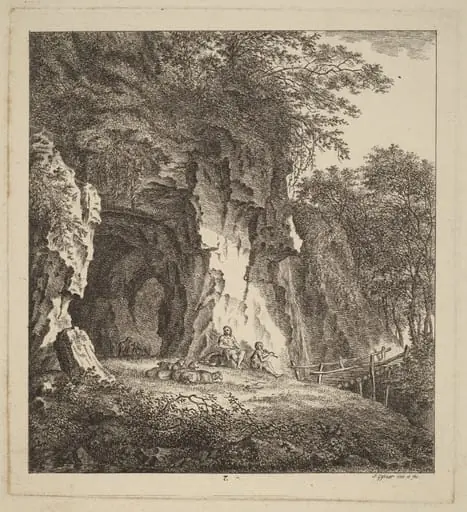 Two Shepherds in a Rocky Landscape
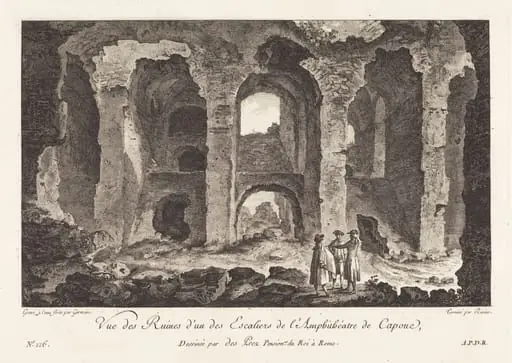 Vue des Ruines d'un des Escaliers de l'Amphithéatre de Capue
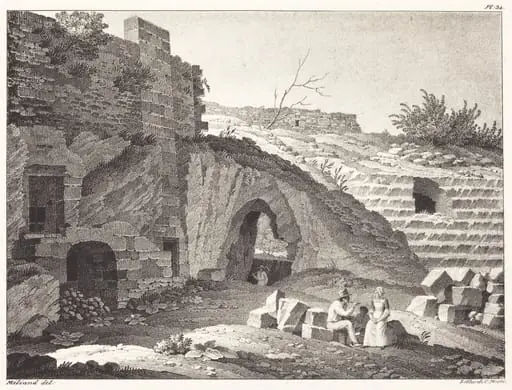 Rustics Picnicking in Ruins
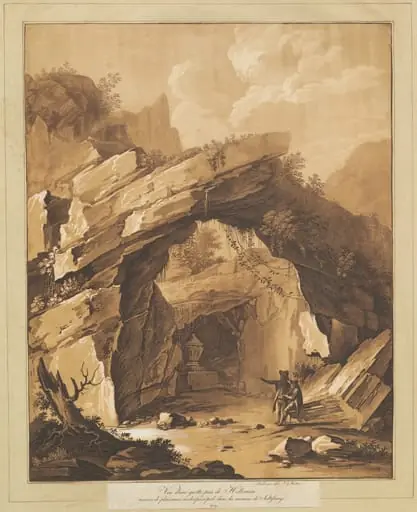 View of the Grotto by Heilbrunn, near Salzburg
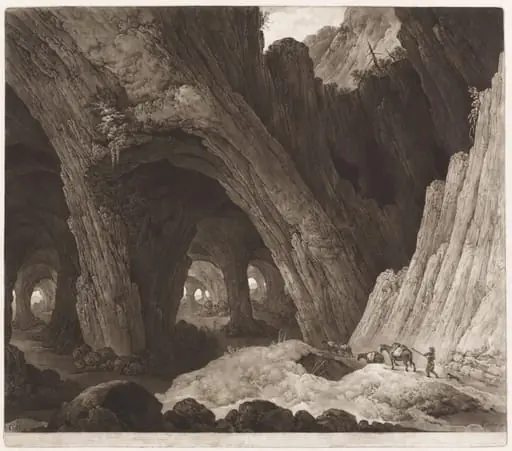 Travelers Resting in Gigantic Caverns
 H Beard Print Collection