Artwork
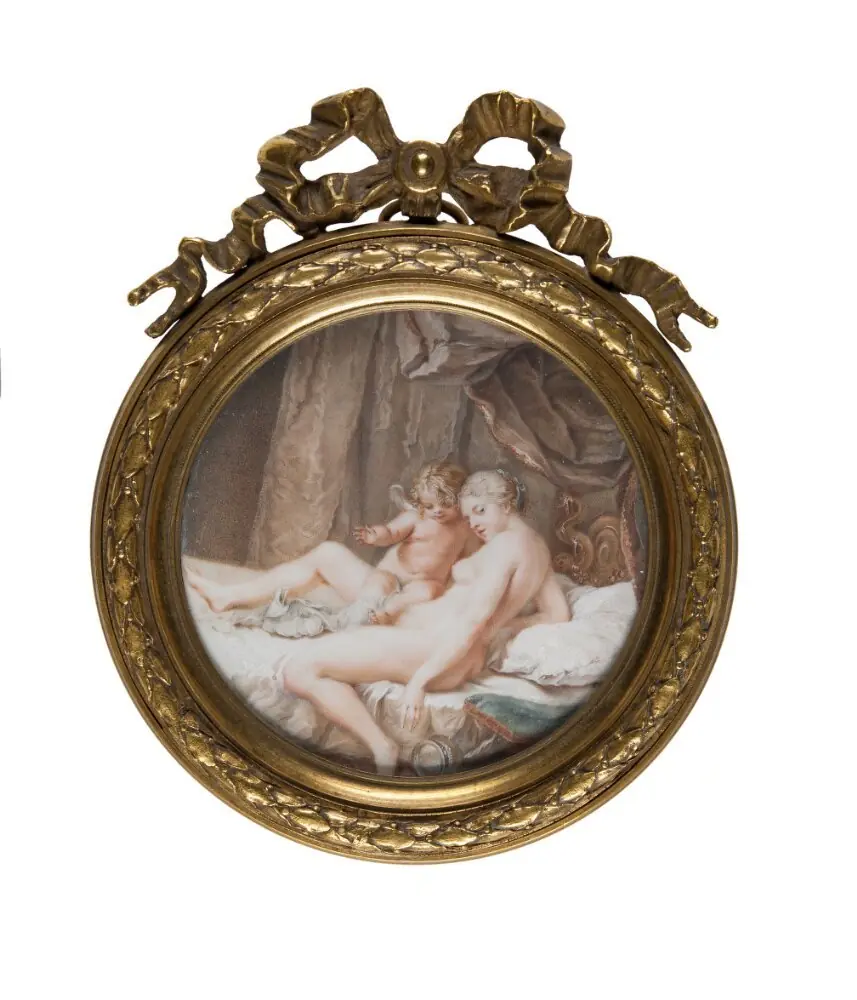
Leda and the Swan, after Boucher
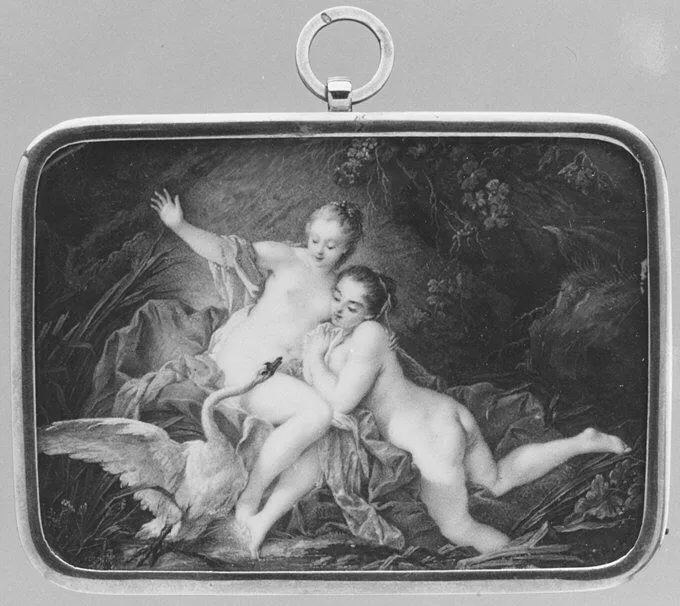
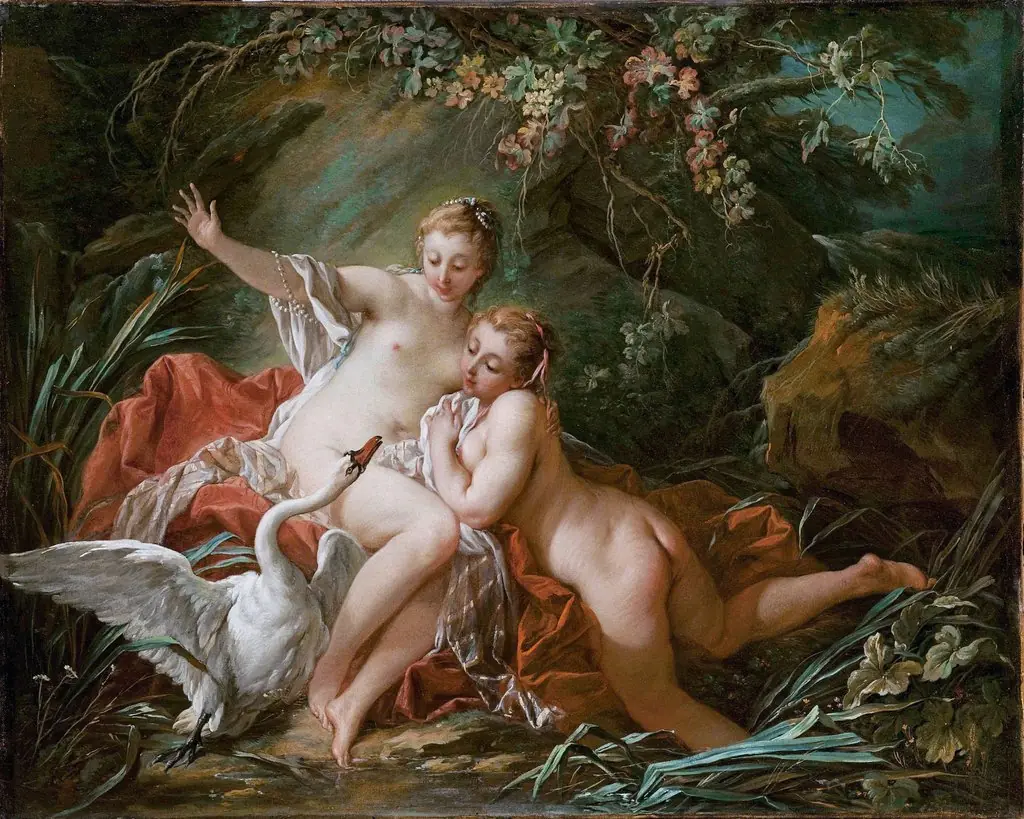
Leda and the Swan, after Boucher is an unspecified painting. It dates from 1900 and is held in the collection of the Metropolitan Museum of Art.
About this work
Subject & Meaning
As a work of mythological genre, the imagery draws upon the ancient story wherein Zeus, disguised as a swan, seduces or assaults Leda.
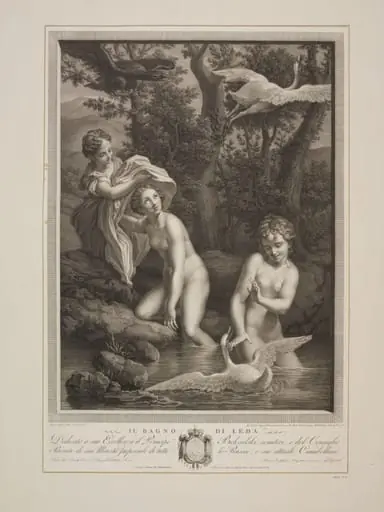
Created around 1900, this mythological painting illustrates the classical narrative of Leda and the Swan. The composition focuses on the depiction of a nude female figure, identified as Leda, in direct interaction with a swan. As a work of mythological genre, the imagery draws upon the ancient story wherein Zeus, disguised as a swan, seduces or assaults Leda.
The iconography centers on the juxtaposition of the human form and the bird, a visual convention used to represent this specific divine transformation and encounter. The piece serves as a later interpretation of this enduring subject, maintaining the traditional elements of the nude and the swan to convey the mythological event.
History & Provenance
Created in 1900, this mythological painting depicts the classical subject of Leda and the Swan. While the work is identified as being after François Boucher, it is executed in the style of Jacques Charlier. The piece entered the collection of the Metropolitan Museum of Art, where it remains located.
The available records establish the inception year as 1900 but do not provide specific details regarding the original commission, the identity of the first owner, or the subsequent chain of custody prior to its acquisition by the museum.
Context
The 1900 painting titled Leda and the Swan, after Boucher, is classified as a mythological work and exemplifies the style of Jacques Charlier, as documented in its Wikidata entry. Its depiction of a nude Leda with a swan aligns with the mythological genre, and the composition is part of the Metropolitan Museum of Art's collection, underscoring its significance within early‑20th‑century mythological painting. The piece reflects the artistic milieu of the period, where reinterpretations of classical subjects were influenced by contemporary academic trends. No specific critical reception or scholarly commentary is recorded in the available sources.
Overview
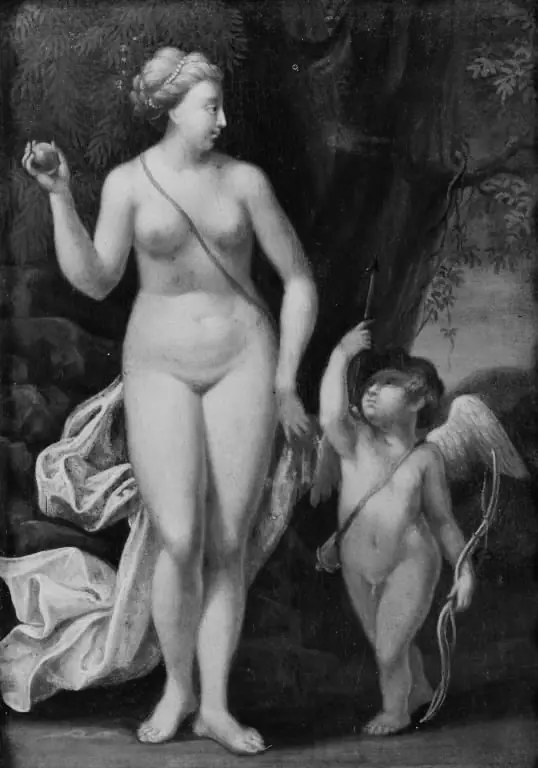
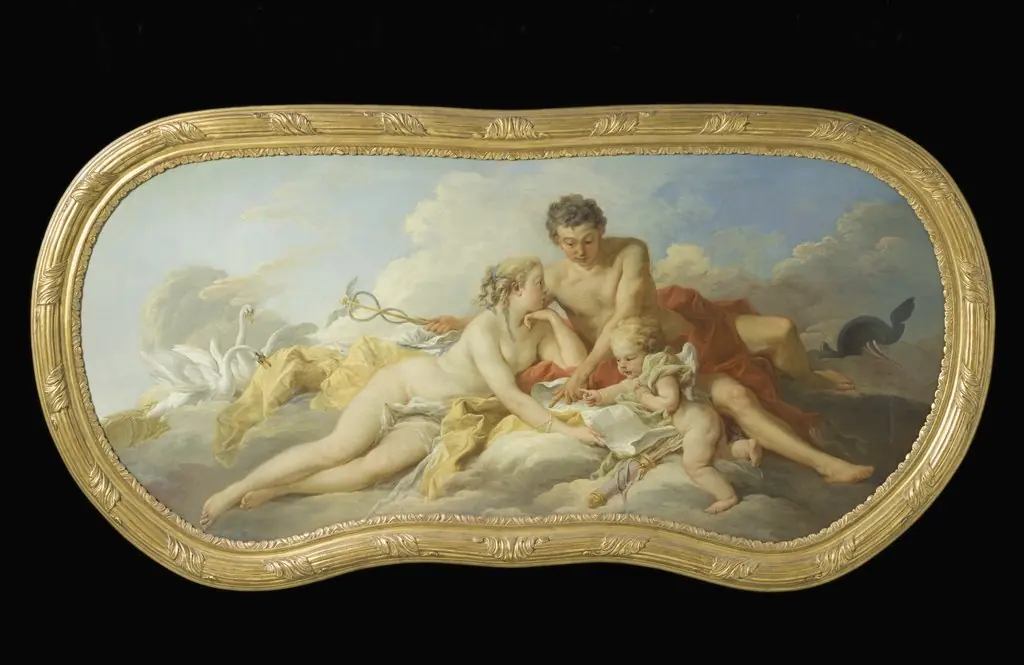
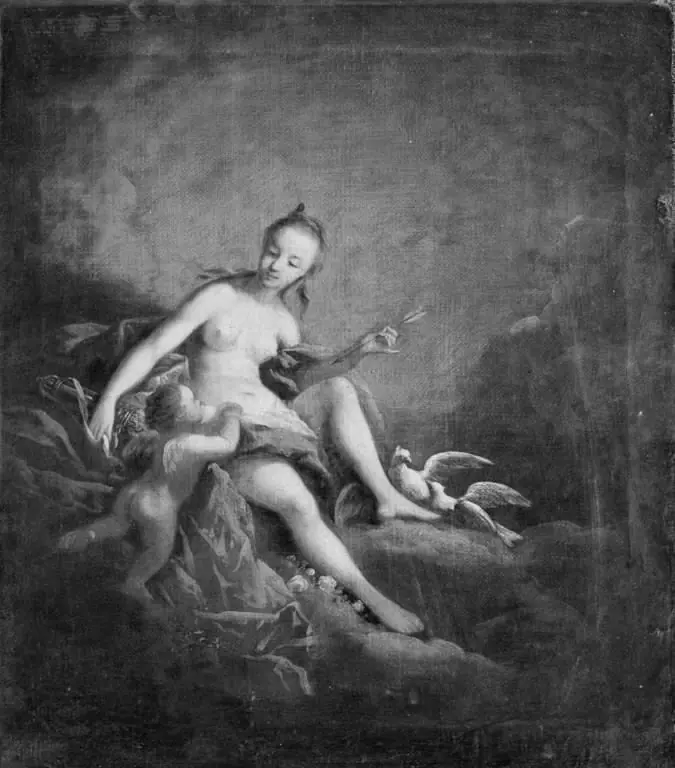
This painting, titled Leda and the Swan, after Boucher, presents a classical narrative within a small, framed composition. It depicts three figures, two adults and a child, in a dimly lit, natural environment. The work is a reinterpretation by an unnamed artist, drawing inspiration from an earlier rendition of the mythological subject by François Boucher. The scene captures a moment of intimate interaction, characteristic of the story it illustrates.
Technique & Style
The composition features a dark, leafy setting that emphasizes the figures through dramatic contrasts of light and shadow, a technique known as chiaroscuro. This approach enhances the emotional intensity and three-dimensionality of the scene. The figures are rendered with a focus on the human form, partially draped, creating a sense of classical beauty and narrative focus within the intimate frame.
Artist & collection