Artwork
Venus and Cupid
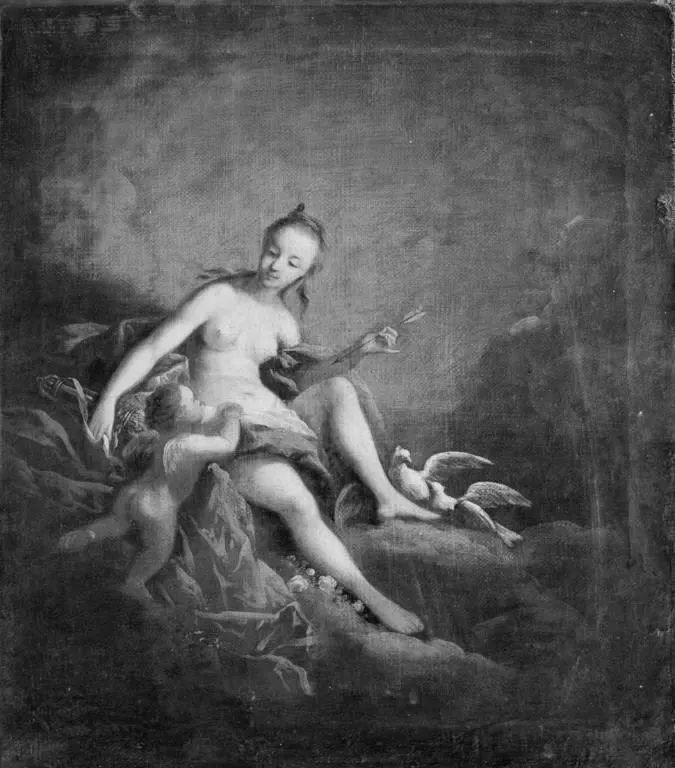
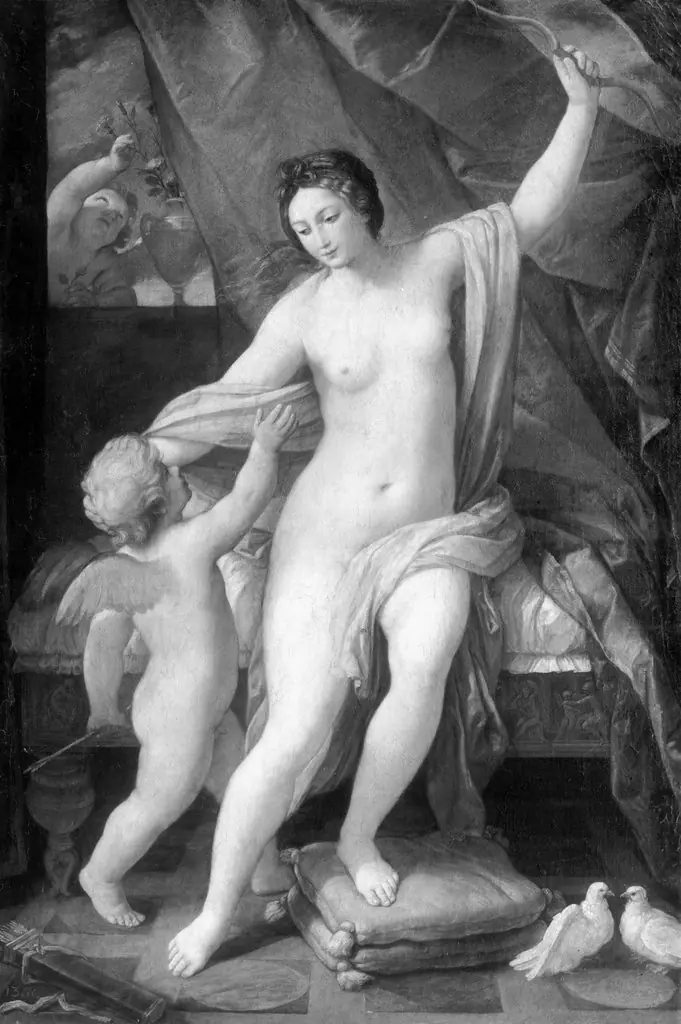
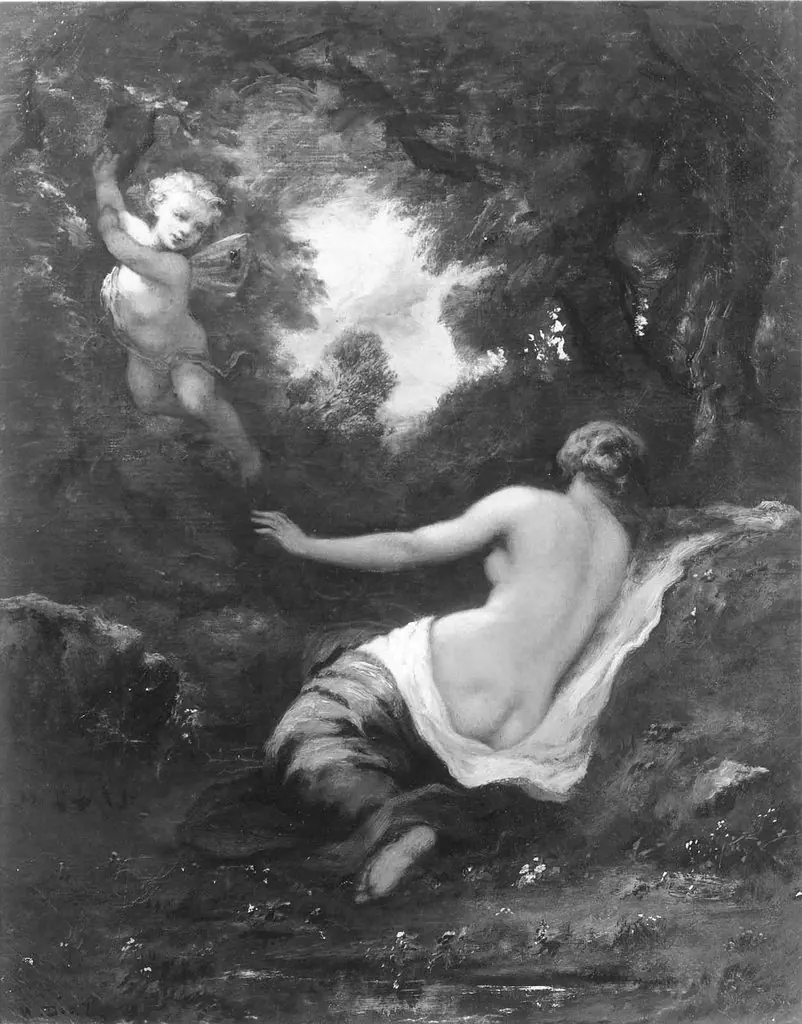
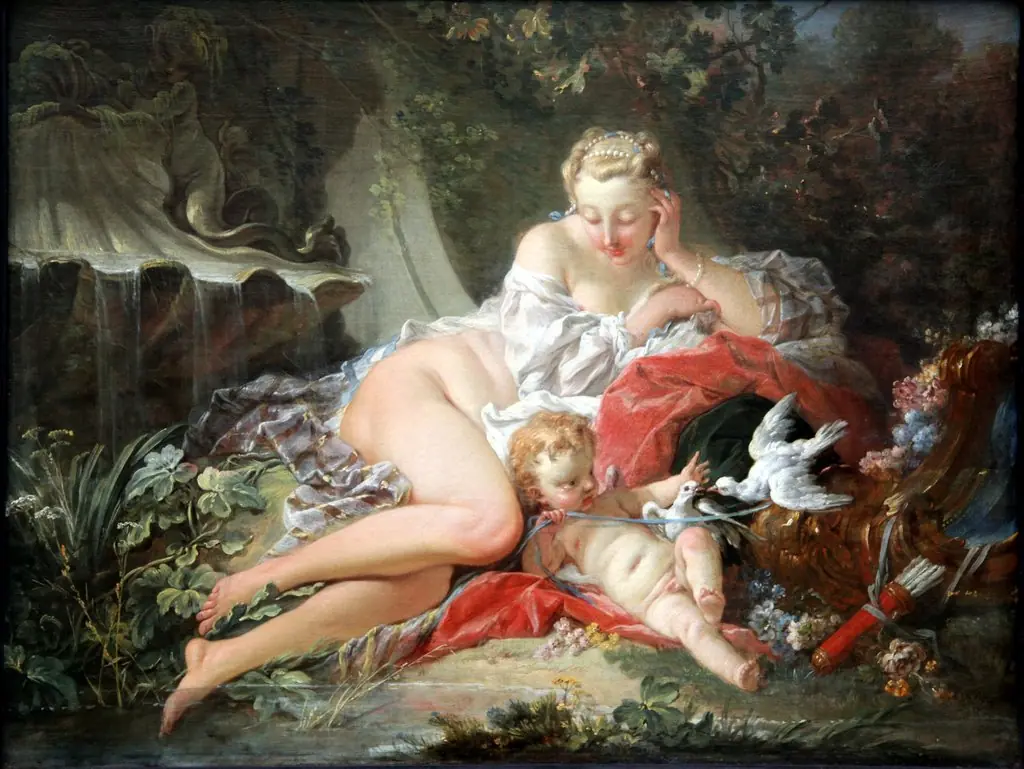
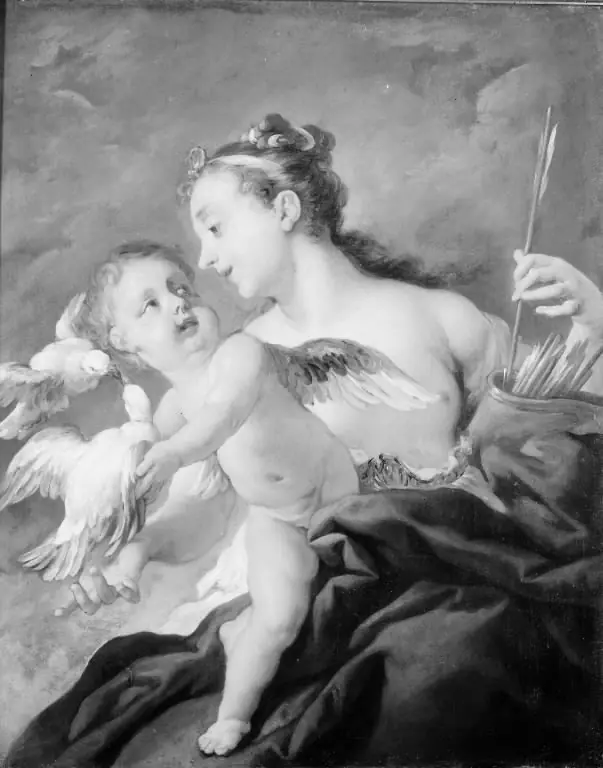
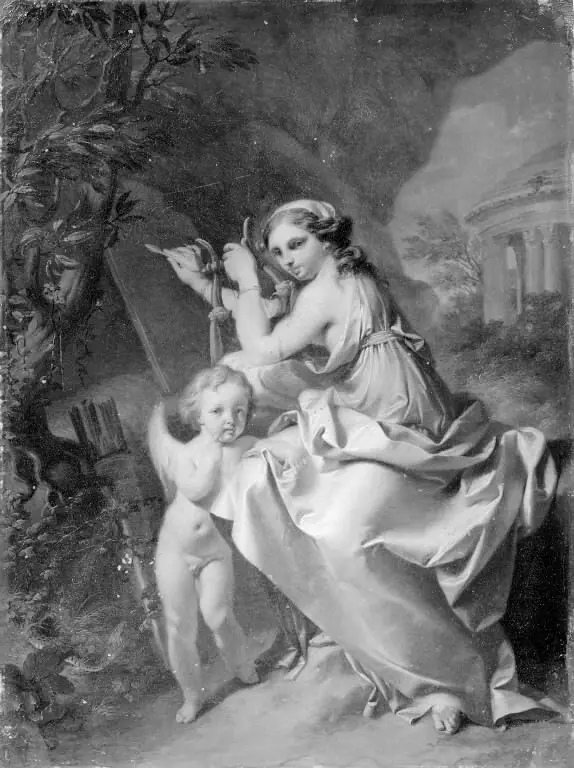
Venus and Cupid is an oil painting by the Rococo painting artist Johann Heinrich Tischbein. It dates from 1763 and is held in the collection of the Statens Museum for Kunst.
About this work
Subject & Meaning
Venus is depicted with traditional attributes of beauty and divinity, reinforcing her role as the embodiment of idealized love and beauty.
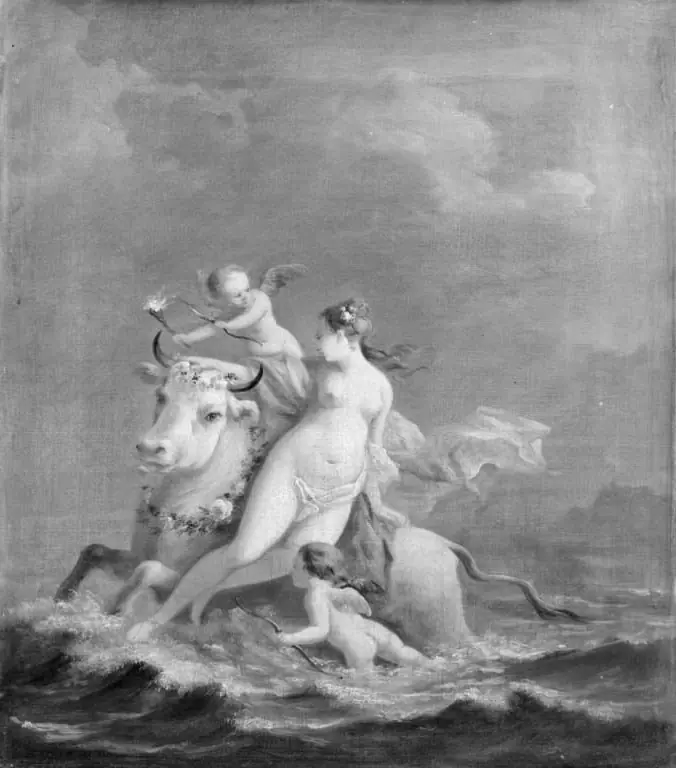
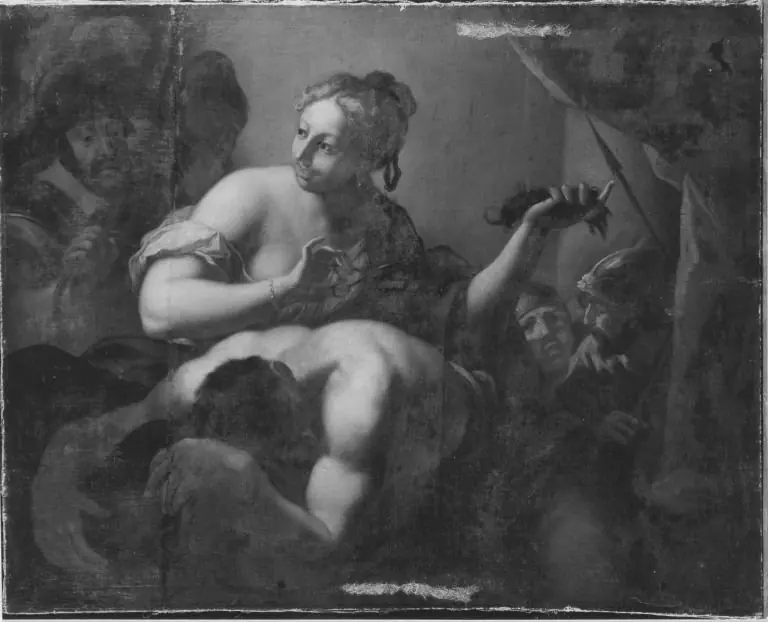
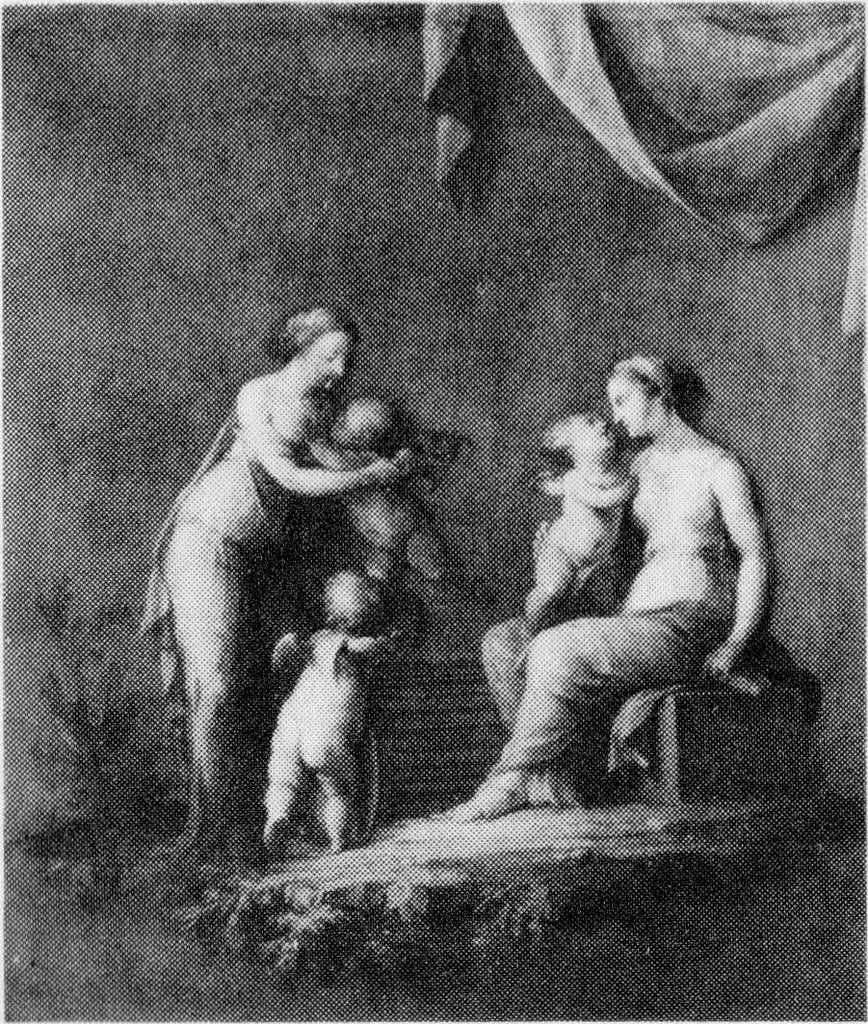
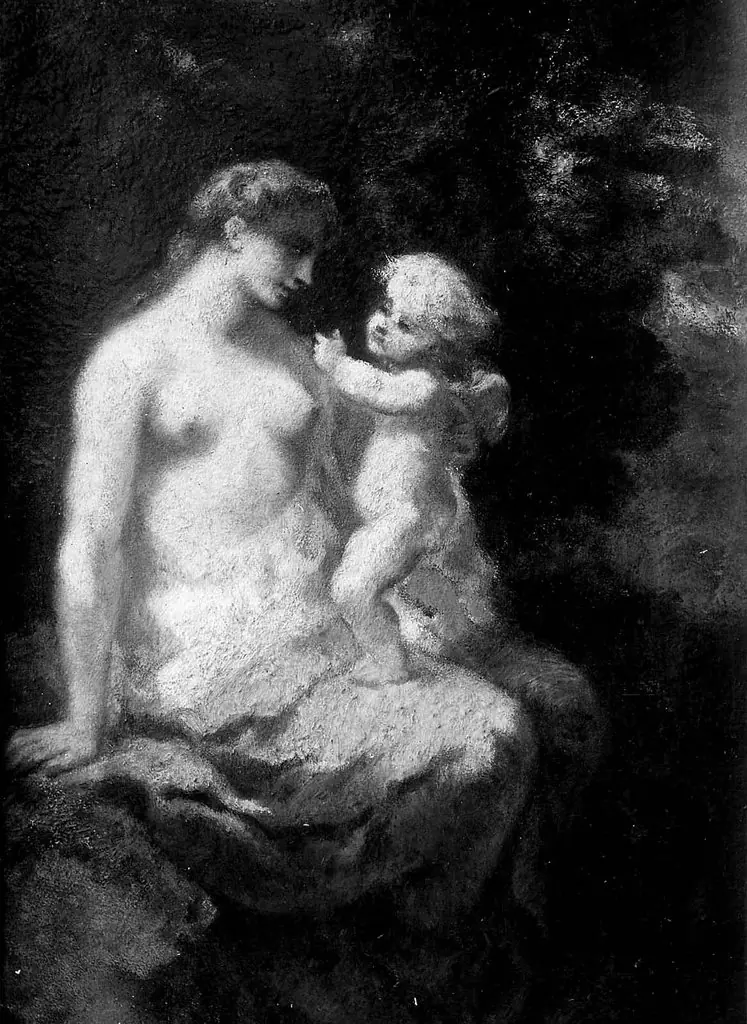
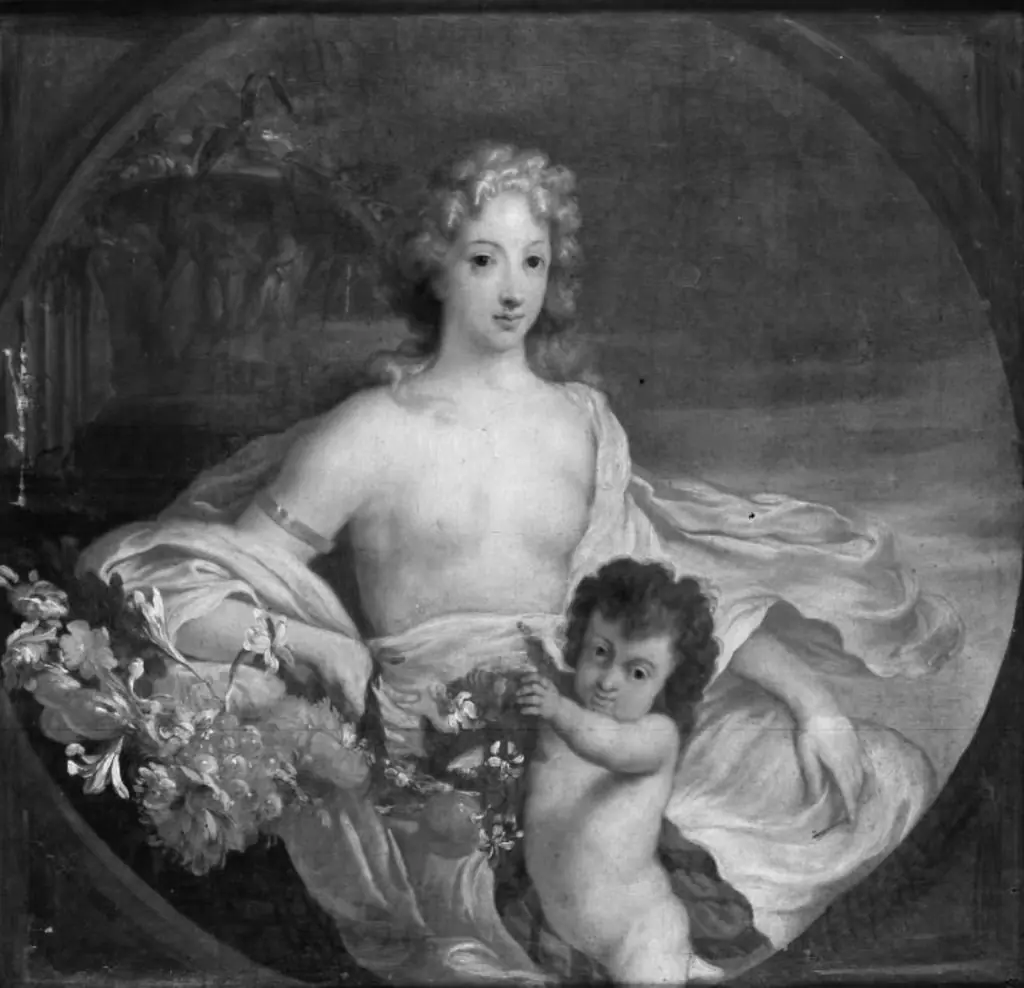
The painting portrays Venus, the Roman goddess of love, embracing her son Cupid, the god of desire, in an intimate mythological embrace. Their tender interaction symbolizes the harmonious union of love and desire, a common theme in mythological art of the period. Venus is depicted with traditional attributes of beauty and divinity, reinforcing her role as the embodiment of idealized love and beauty.
The composition reflects the neoclassical interpretation of classical mythology, blending sensuality with allegorical meaning. The work's presence in the collection of the Statens Museum for Kunst underscores its cultural and artistic significance as a representation of 18th-century mythological painting.
Technique & Style
The work is an oil painting executed on canvas, reflecting the mythological genre characteristic of Johann Heinrich Tischbein's output in the mid-18th century. The composition centers on Venus accompanied by Cupid, rendered with a delicate handling of pigment that emphasizes the sensuality of the figures against a softly modeled background. The stylistic approach combines the Rococo's ornamental grace with emerging Neoclassical clarity, producing a balanced arrangement that foregrounds the interaction between the goddess and her cherub.
The canvas support has retained its original tension, and the surface shows only minor craquelure consistent with age, preserving the integrity of the paint layer.
History & Provenance
Venus and Cupid is an oil painting created in 1763 by Johann Heinrich Tischbein, depicting the mythological figures Venus and Cupid. The work was produced as part of Tischbein's broader mythological series and was painted on canvas using oil paint, consistent with his technique during this period. It entered the collection of the Statens Museum for Kunst, where it remains today, and was formally accessioned with an inception date of January 1, 1763, as recorded in its cataloging history. The painting has maintained continuous provenance within this institution since its creation.
The painting Venus and Cupid by Johann Heinrich Tischbein is held in the collection of the Statens Museum for Kunst. The work, executed in oil on canvas, depicts the mythological figures of Venus and Cupid. While the artwork's creation is dated to 1763, the provided sources do not list a specific inventory or accession number for the piece within the museum's holdings. Furthermore, no information regarding the exhibition history of this specific work is available in the current documentation.
Context
Venus and Cupid is a mythological painting by Johann Heinrich Tischbein created in 1763. The work depicts the goddess Venus with her son Cupid and is classified within the mythological genre. It is held in the collection of the Statens Museum for Kunst, where it remains on display as part of their European art holdings.
Scholarship on the piece emphasizes its role within Tischbein's broader oeuvre and the Neoclassical period's engagement with classical mythology. The painting's composition and iconography have been analyzed in studies of 18th-century German and Danish artistic circles, particularly regarding Tischbein's adaptation of mythological themes. Its provenance and exhibition history are documented in museum records and art historical surveys of the period.
The work is recognized as an example of mythological painting in European art, reflecting the cultural and artistic currents of the late 18th century.
Legacy
The painting Venus and Cupid by Johann Heinrich Tischbein influenced the development of mythological painting in early modern art, particularly shaping interpretations of classical themes in German academic circles during the late 18th century. Its depiction of Venus and Cupid contributed to evolving visual narratives around love and divinity, reflected in subsequent artistic representations of mythological subjects. The work remains part of the collection at the Statens Museum for Kunst, where it continues to be studied within the context of neoclassical mythological painting.
Overview
Johann Heinrich Tischbein painted Venus and Cupid in 1763, employing oil on canvas within the Rococo aesthetic. The work portrays the Roman goddess Venus alongside her son, Cupid, and is part of the collection of Denmark’s Statens Museum for Kunst.
Artist & collection
Artist
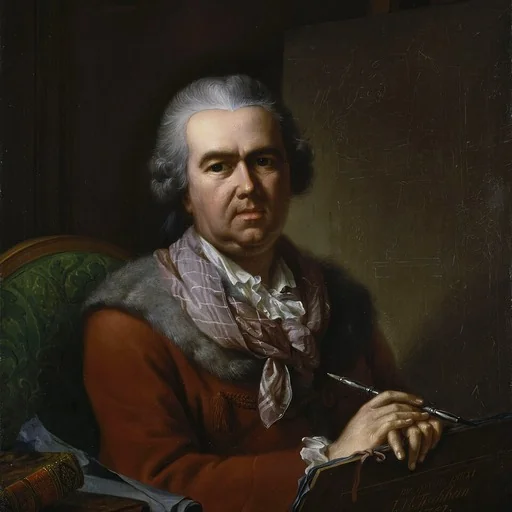
Johann Heinrich Tischbein (3 October 1722 – 22 August 1789) was a German painter.