Artwork
Madonna and Child Enthroned
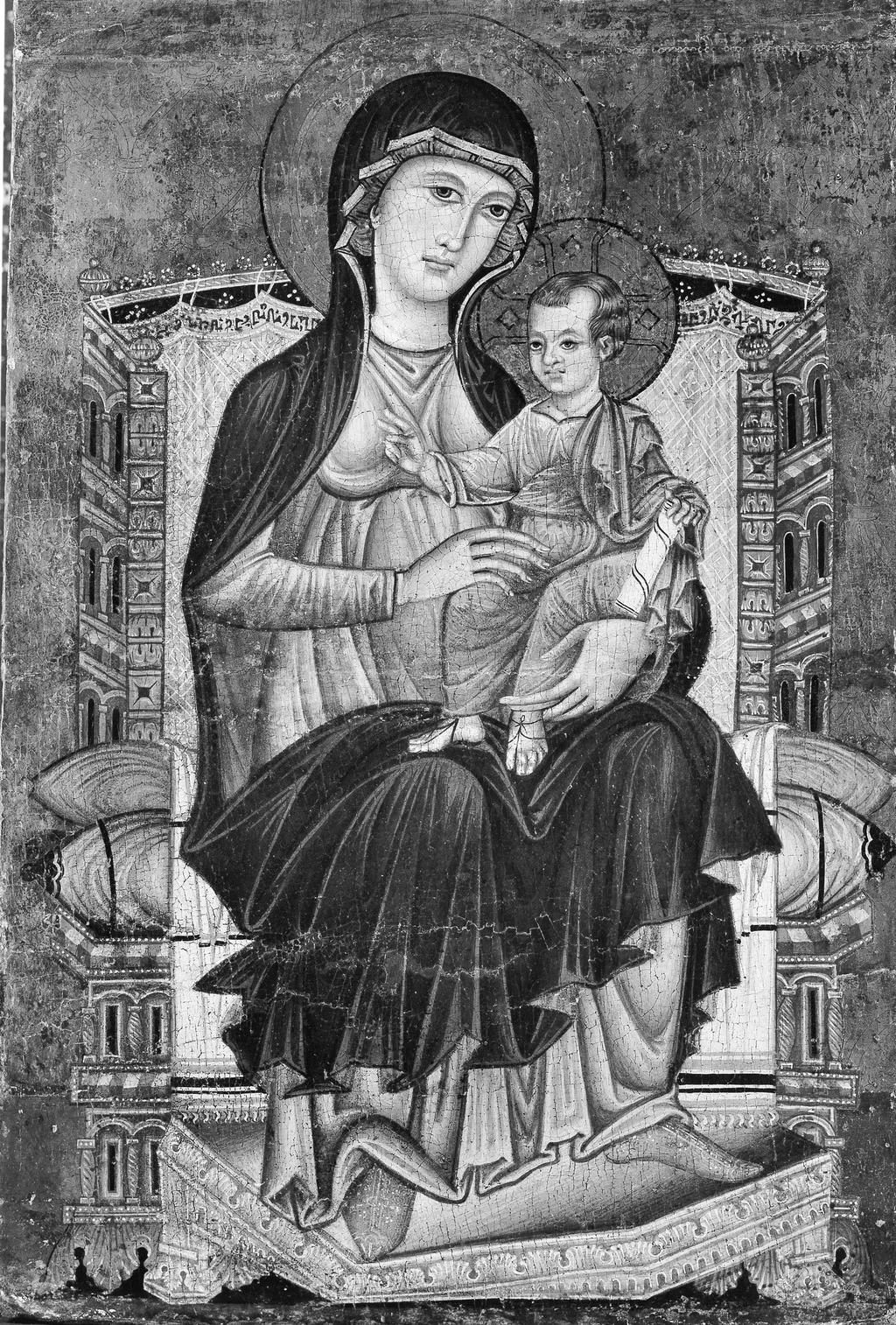
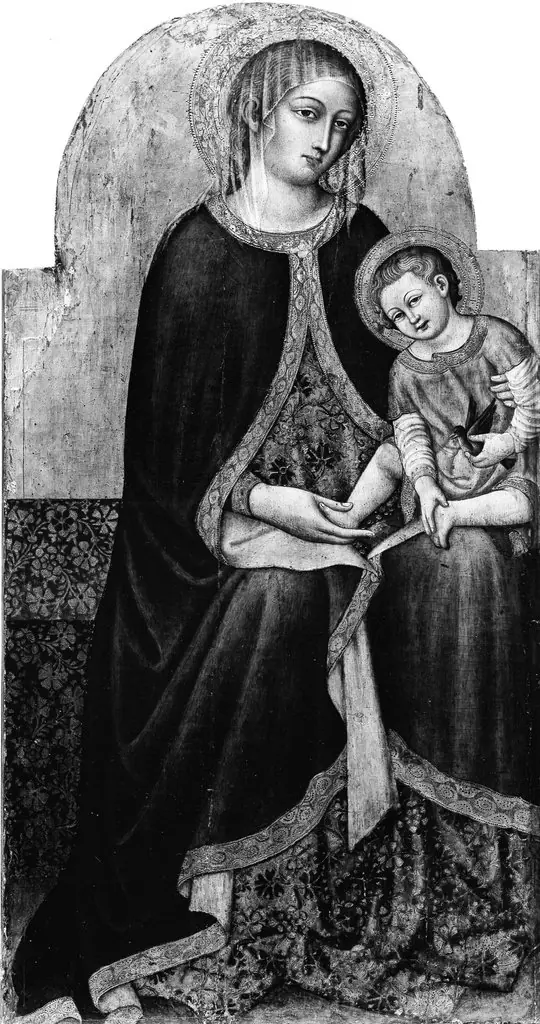
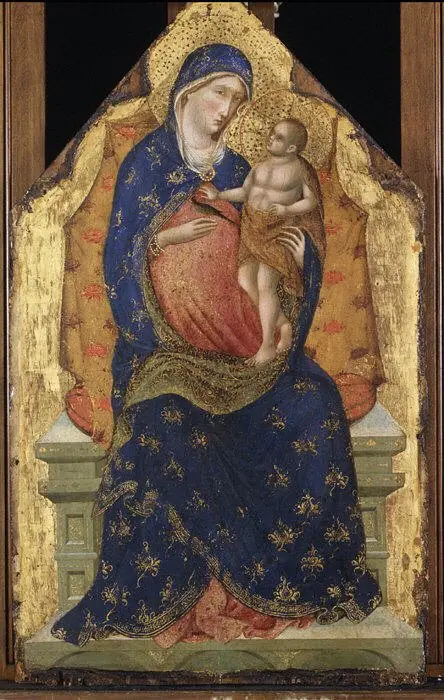
Madonna and Child Enthroned is a tempera painting. It dates from 1300 and is held in the collection of the Metropolitan Museum of Art. This tempera painting depicts the Virgin Mary seated on a throne, cradling the infant Jesus.
About this work
Subject & Meaning
The work depicts the Madonna and Child Enthroned, a central subject in religious art featuring the Virgin Mary and the Christ Child.
The work depicts the Madonna and Child Enthroned, a central subject in religious art featuring the Virgin Mary and the Christ Child. The imagery focuses on the theological representation of Mary as the mother of Jesus, presenting the two figures as the main subject in keeping with the traditional iconography of the enthroned mother and child. Created around 1300, the painting uses tempera on panel to render this sacred scene.
The visual narrative centers on the relationship between Mary and the infant Christ, establishing the work's primary meaning as a devotional image of the holy pair within the context of early fourteenth-century Florentine religious expression.
Technique & Style
The work is executed in tempera on panel, a technique characteristic of early fourteenth-century Italian devotional painting. Its panel support measures 83.2 cm in height by 55.6 cm in width, yielding a vertical format suited to an enthroned Madonna composition. The medium and dimensions are consistent with portable altarpieces produced in Florence around 1300, where egg tempera on a gessoed wood panel allowed for the layered, luminous surface treatment associated with the period.
The painting is held in the Metropolitan Museum of Art collection, preserving the original panel construction. No specific handling notes, condition reports, or stylistic analyses beyond the medium and support are documented in the available sources.
History & Provenance
The Madonna and Child Enthroned is dated to circa 1300, aligning with the late Duecento period in Florentine painting. The work is attributed to an anonymous Italian (Florentine) master, likely active in the late thirteenth century, based on stylistic and technical analysis of the tempera-on-panel medium. Its small scale (83.2 × 55.6 cm) and devotional iconography, depicting the Virgin Mary and Christ Child, suggest it was created for private or small-scale ecclesiastical use rather than a large public commission.
No documented records of its early provenance or original commission survive, so its early history remains obscure. The painting is held by the Metropolitan Museum of Art in New York, where it is inventoried as 11.126.2.
Overview
This tempera painting depicts the Virgin Mary seated on a throne, cradling the infant Jesus. The composition presents a traditional religious subject, characterized by a serene portrayal of the figures against a restrained background. The artist utilized tempera, a medium known for its distinct visual qualities, to render the scene with a palette dominated by subdued tones.
Artist & collection

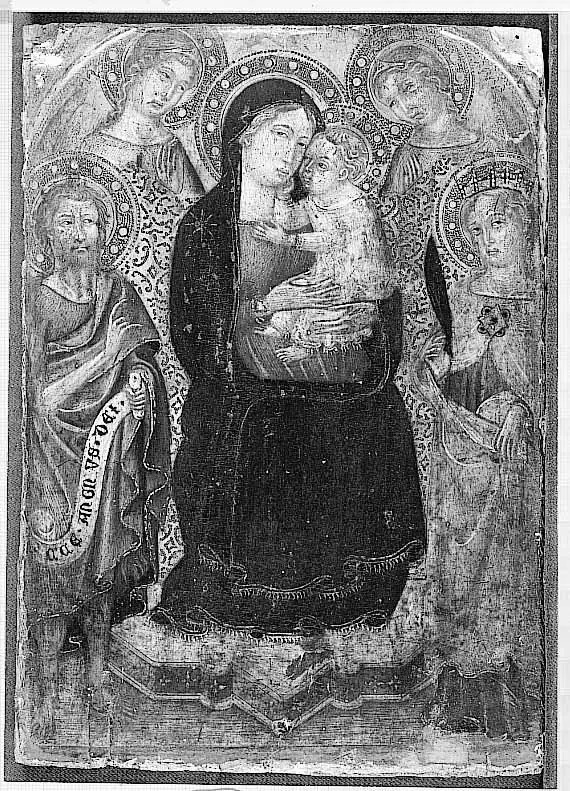
- The Virgin and Child with two Saints and two Angels
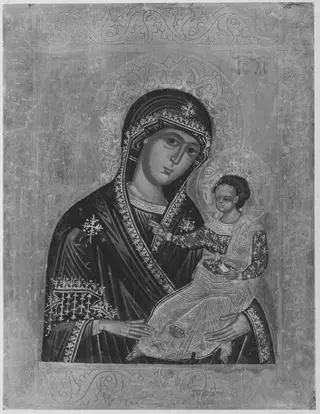 Mary with Christ-child (epitaphe of Oswald von Straubing)
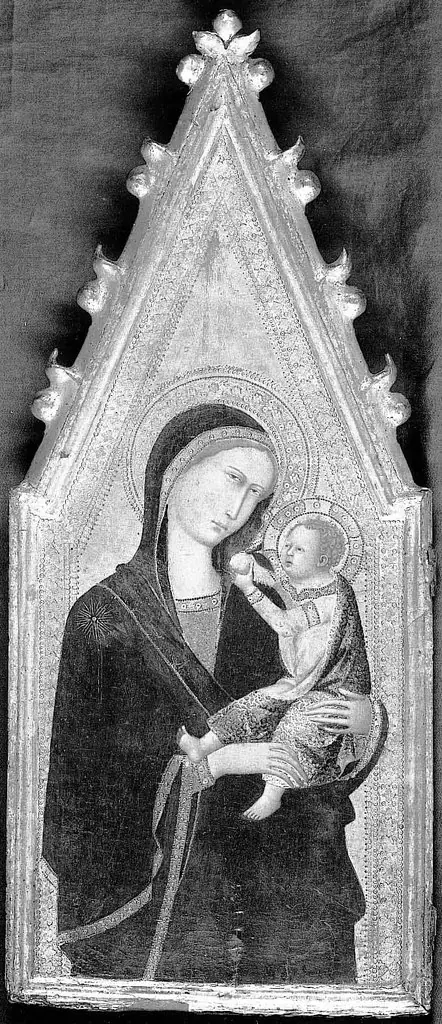 The Virgin and Child
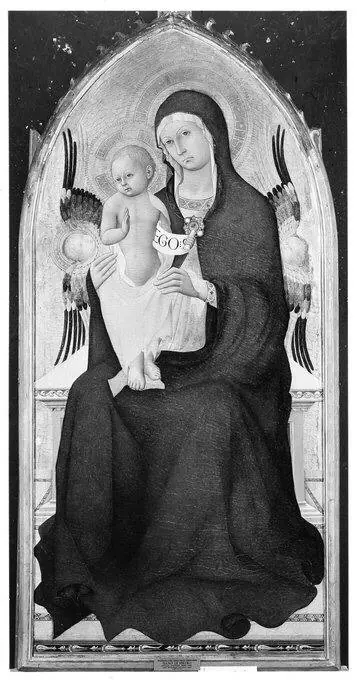 Madonna and Child Enthroned with Two Cherubim
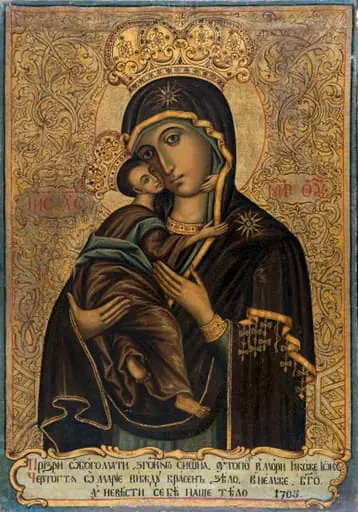 Madona cu pruncul
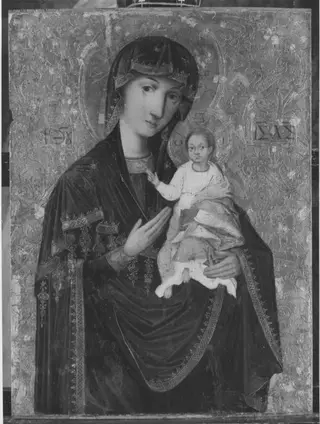 Ikone: Maria mit Kind
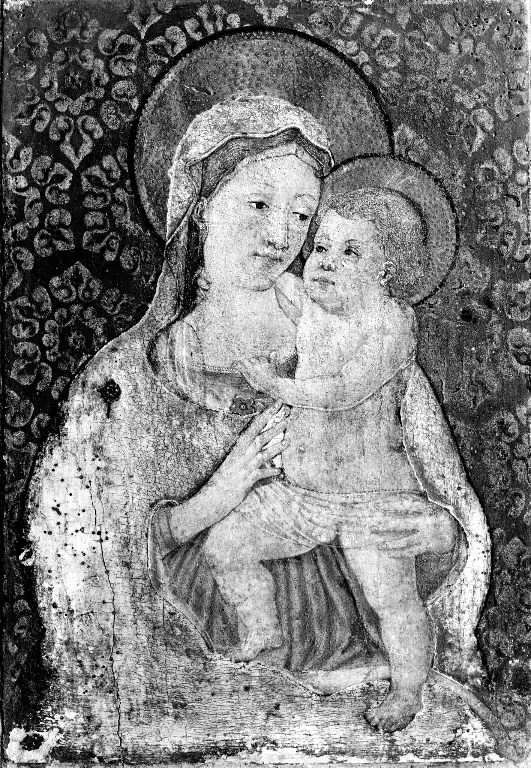 The Virgin and Child
 Madonna and Child with Saints
 Maica cu Pruncul-Axionița
 The Virgin and Child
 Maica Domnului cu Pruncul
 Madonna and Child Enthroned