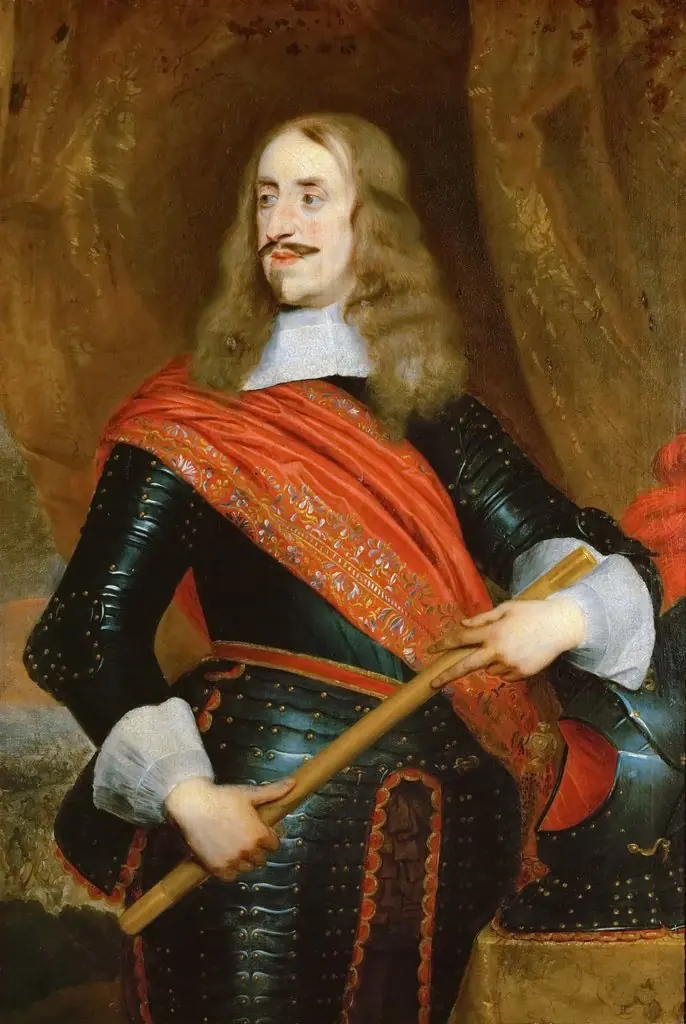
Artwork
Michiel Adriaensz de Ruyter (1607-76), vice admiral
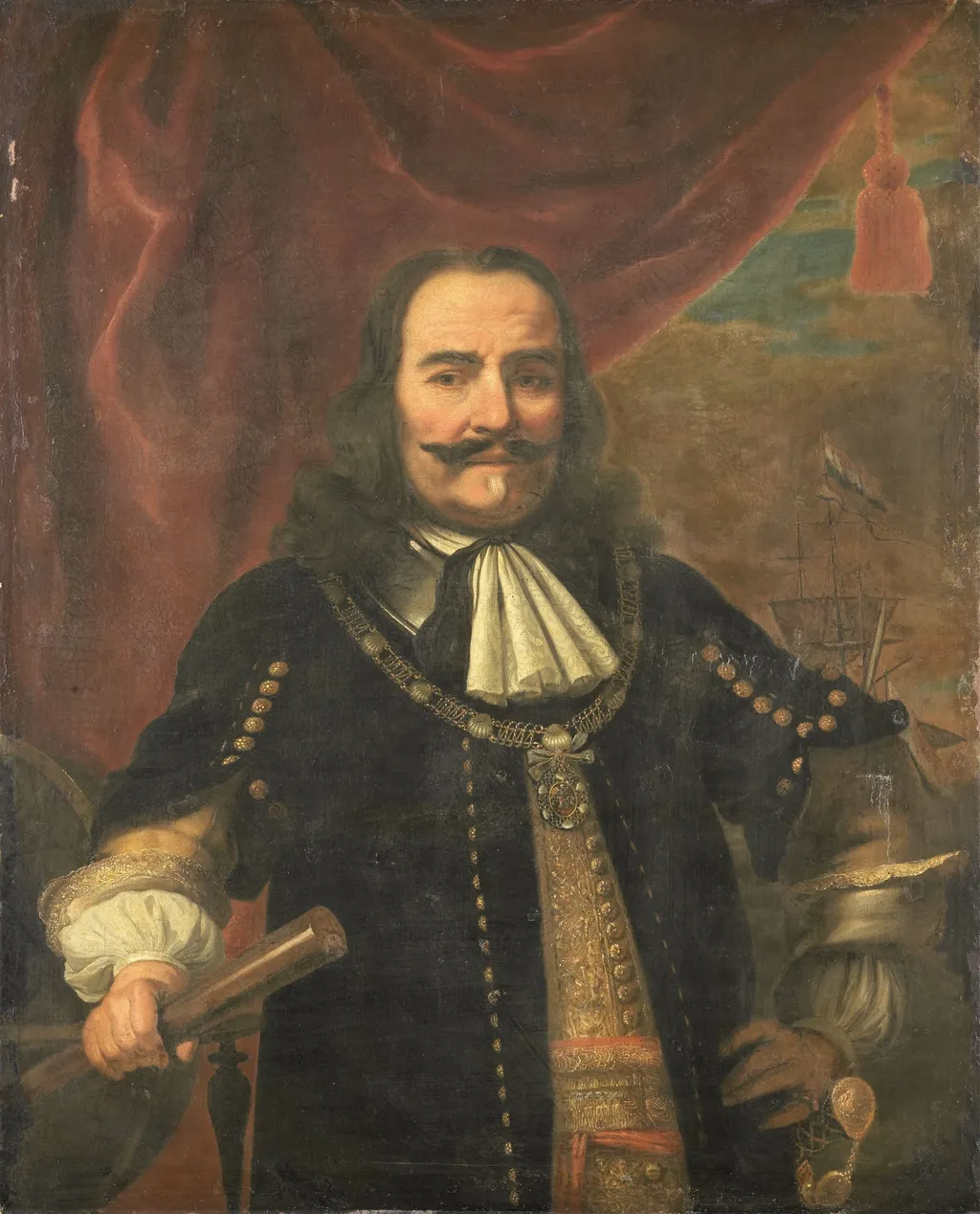
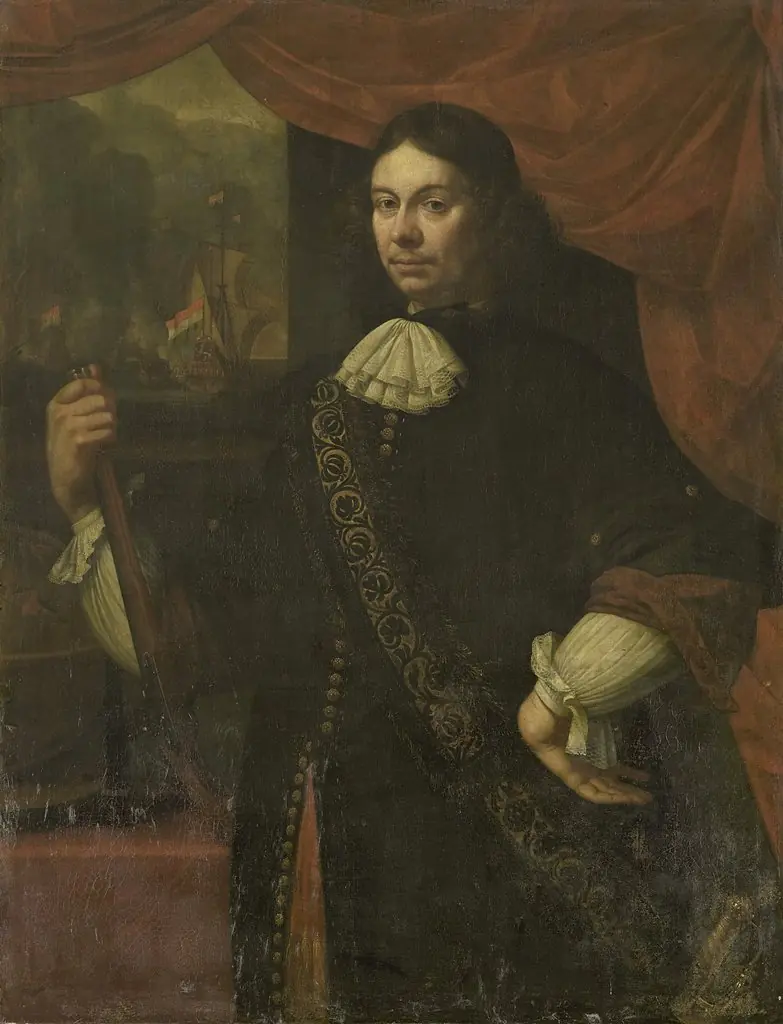
Michiel Adriaensz de Ruyter (1607-76), vice admiral is an oil painting. It dates from 1700 and is held in the collection of the Rijksmuseum. The oil painting portrays Michiel Adriaensz de Ruyter, a Dutch vice admiral who lived from 1607 to 1676.
About this work
Technique & Style
Oil paint on canvas was the medium employed for the 1700 portrait of Michiel Adriaensz de Ruyter, a work classified as a painting within the portrait genre.
Oil paint on canvas was the medium employed for the 1700 portrait of Michiel Adriaensz de Ruyter, a work classified as a painting within the portrait genre. The piece measures 112 centimeters in height and 90 centimeters in width and was created in the Netherlands, reflecting a formal approach typical of Dutch portraiture from that period.
The handling of oil paint and compositional balance convey a dignified presence, while the stylistic qualities align with 17th‑century portrait conventions, emphasizing clarity of form and restrained detail.
History & Provenance
The painting is held by the Rijksmuseum in the Netherlands, where it forms part of the museum's collection. According to the Wikidata record, the work is catalogued as a painting copy after Ferdinand Bol and is located at the Rijksmuseum. The canvas, measuring 112 cm in height and 90 cm in width, depicts the vice admiral Michiel Adriaensz de Ruyter and is dated to 1700. No specific accession number or exhibition history is recorded in the available sources.
Context
The work is recognized as a 1700 portrait painted in oil on canvas, likely a copy after Ferdinand Bol, and is part of the Rijksmuseum's collection in Amsterdam. Scholars consider it a representative example of Dutch portraiture from the late 17th century, reflecting the enduring legacy of Michiel Adriaensz de Ruyter within maritime art history. Its formal qualities and composition have been discussed in studies of the Rijksmuseum's holdings of 18th‑century portraiture, highlighting its role in illustrating the evolution of portrait conventions in the Netherlands.
The painting's provenance and stylistic analysis situate it within the broader context of Dutch Golden Age portraiture, where the depiction of naval figures served both commemorative and propagandistic purposes. Researchers have noted its technical execution and the influence of Bol's workshop on the rendering of light and texture, contributing to ongoing discussions about the transmission of artistic techniques in 18th‑century Dutch art.
Overview
The oil painting portrays Michiel Adriaensz de Ruyter, a Dutch vice admiral who lived from 1607 to 1676. He is shown standing before a red drapery, his posture dignified and authoritative, while a ship can be seen in the distant background, linking the portrait to his naval career.
Subject & Meaning
De Ruyter is rendered with long dark hair, a moustache, and a white collar beneath a black coat trimmed with gold buttons. In his right hand he grips a sword, a conventional symbol of military rank and command, underscoring his status as a senior officer of the Dutch fleet.
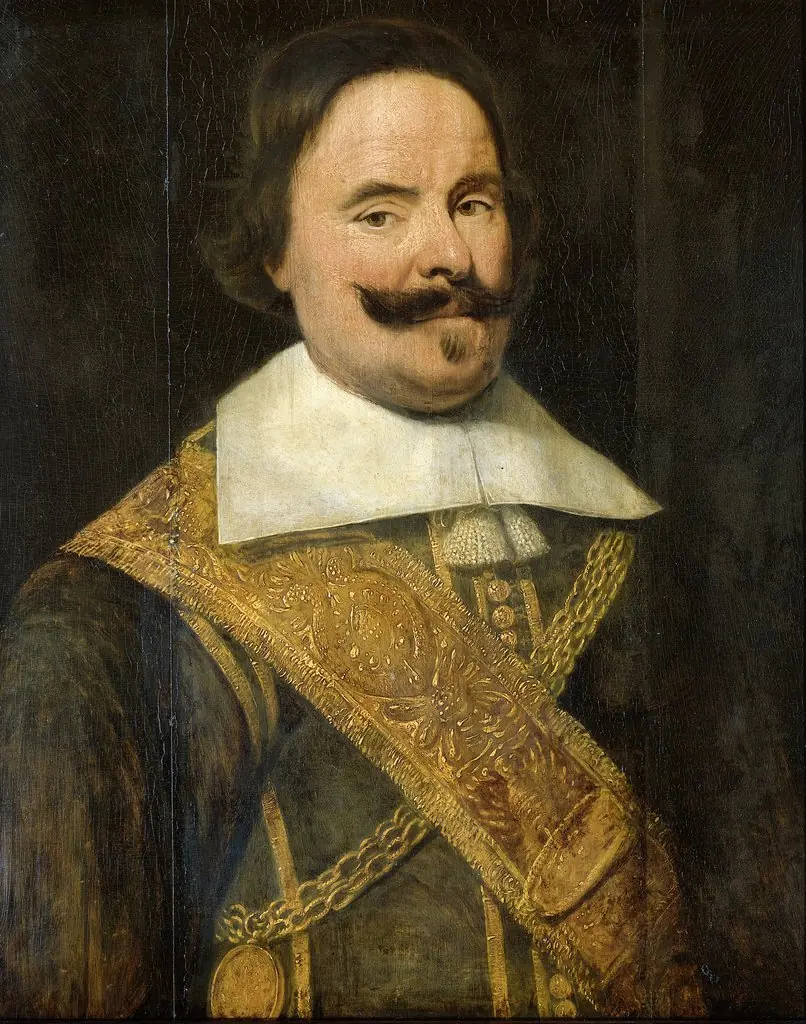
Artist & collection

- Michiel Adriaensz de Ruyter (1607-1676). Vice Admiral
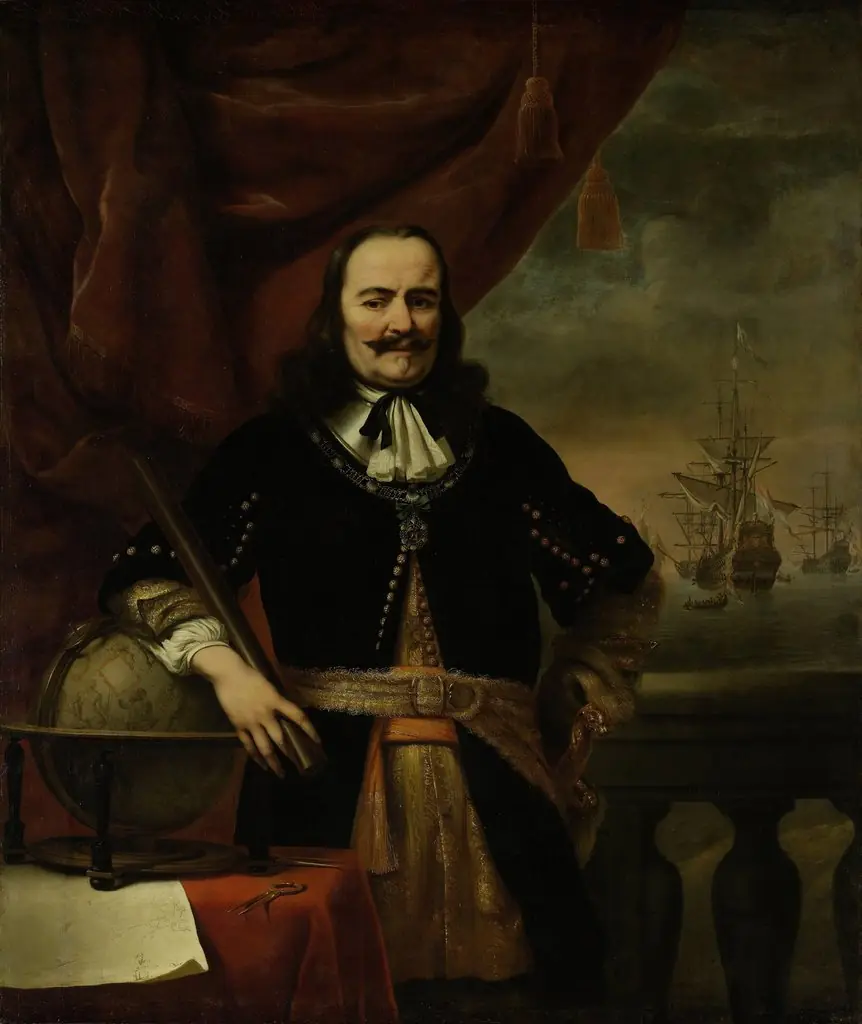 Michiel de Ruyter as Lieutenant-Admiral
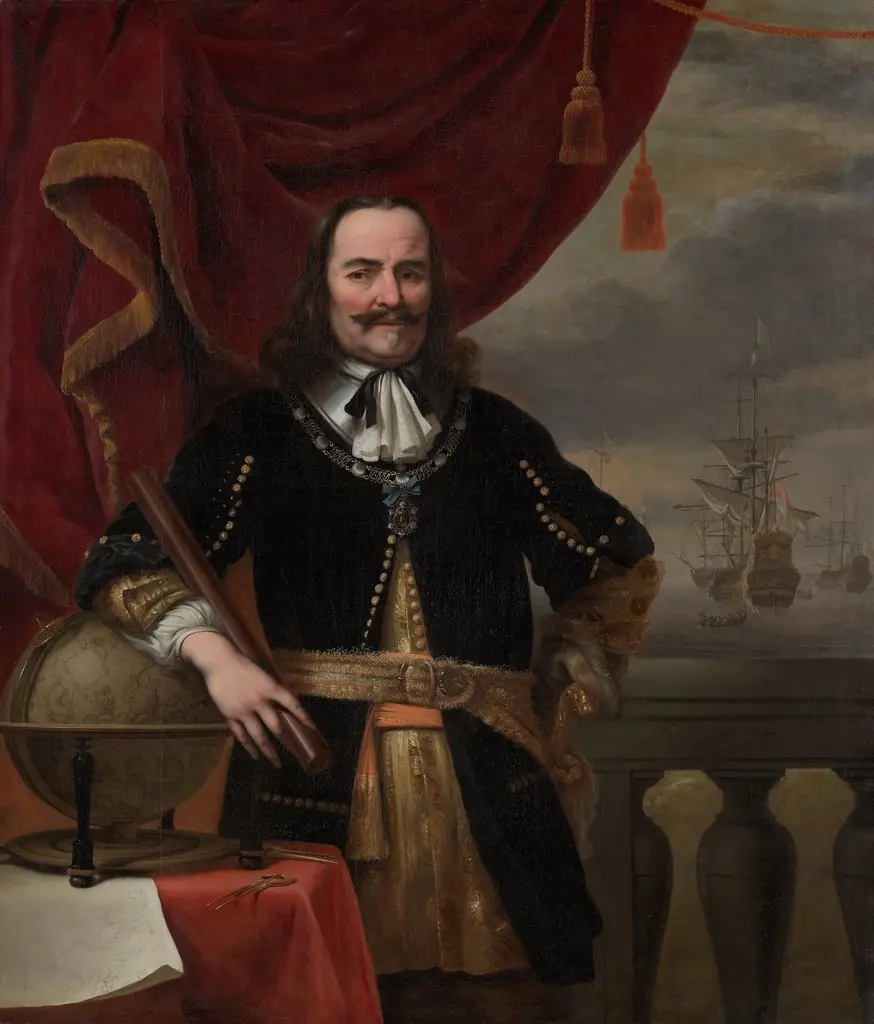 Portrait of Michiel de Ruyter (1607-1676)
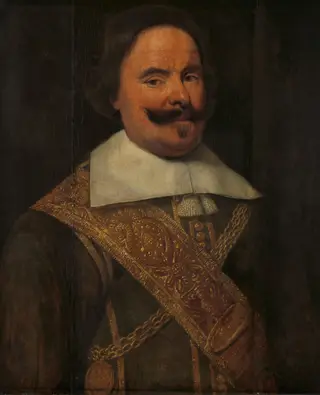 Untitled
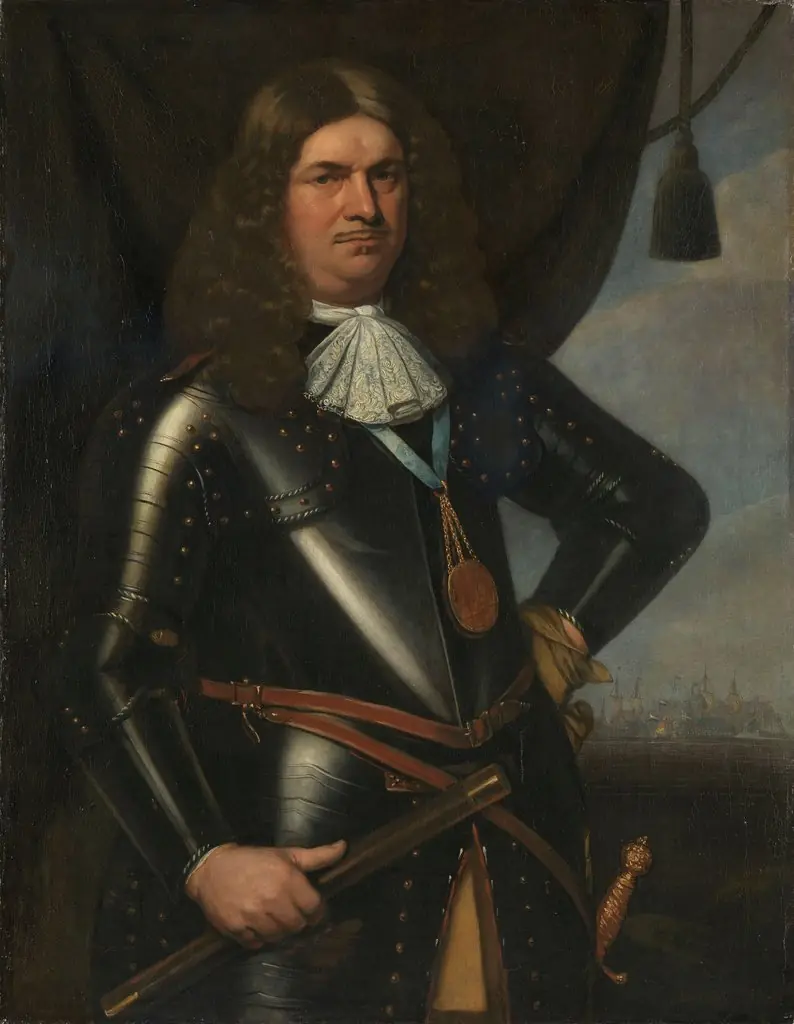 Adriaen Banckert (c 1620-1684), Vice Admiral of Zeeland
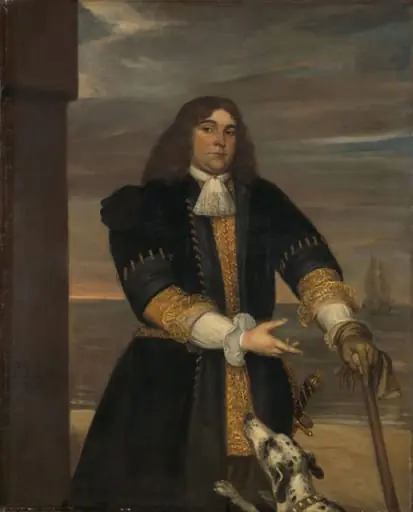 Jan van Gelder (1647-73), Naval Captain, Stepson of Michiel Adriaensz de Ruyter
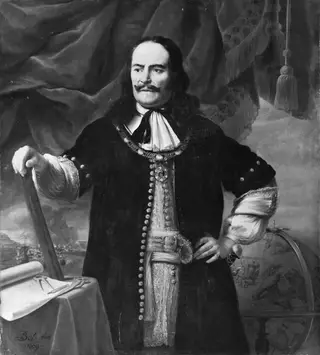 Portrait of Admiral Michael Adriansz de Ruijter
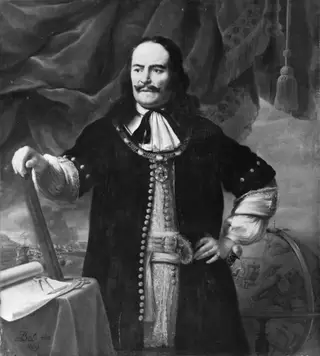 Portrait of Admiral Michael Adriansz de Ruijter
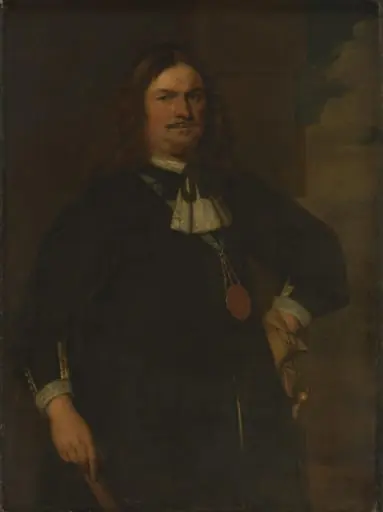 Portrait of Adriaen Banckert (c. 1620-1684), Vice Admiral of Zeeland
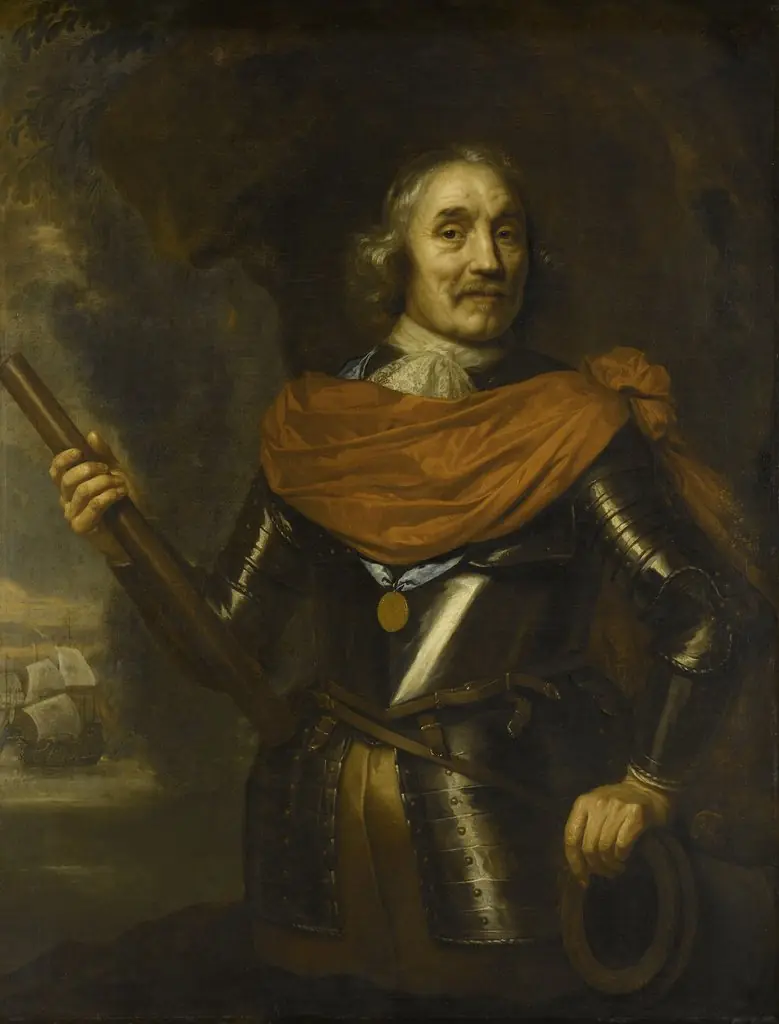 Maerten Harpertsz Tromp (1597-1653). Vice admiral
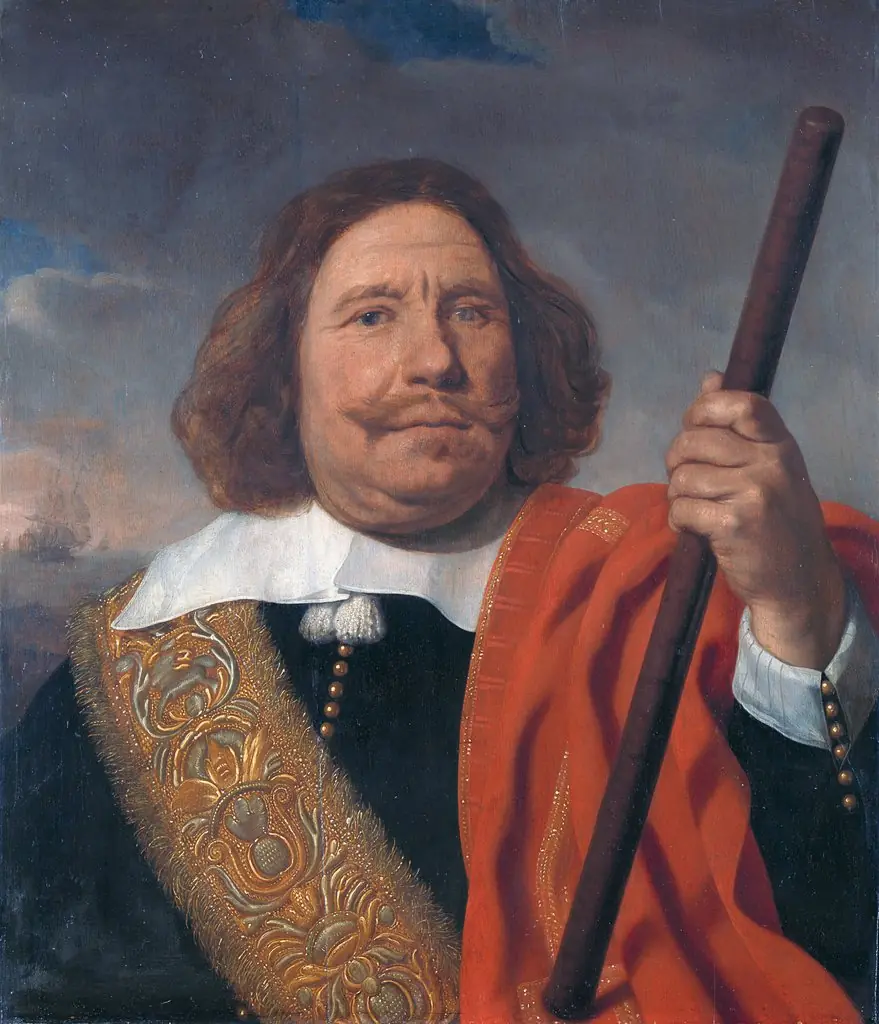 Egbert Meeuwsz Cortenaer (1605-65). Vice admiral, admiralty of the Maas, Rotterdam
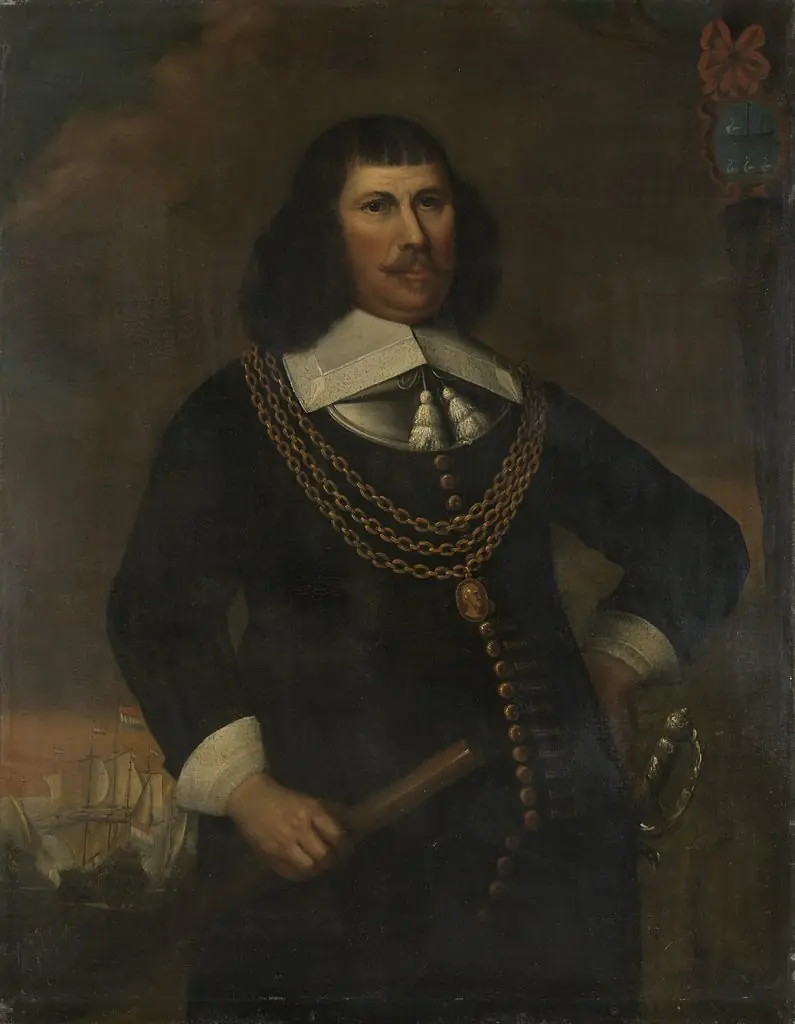 Portrait of Pieter Florisz (1605-58), vice-admiral of the northern district