Artwork
Portrait of Pieter Florisz (1605-58), vice-admiral of the northern district
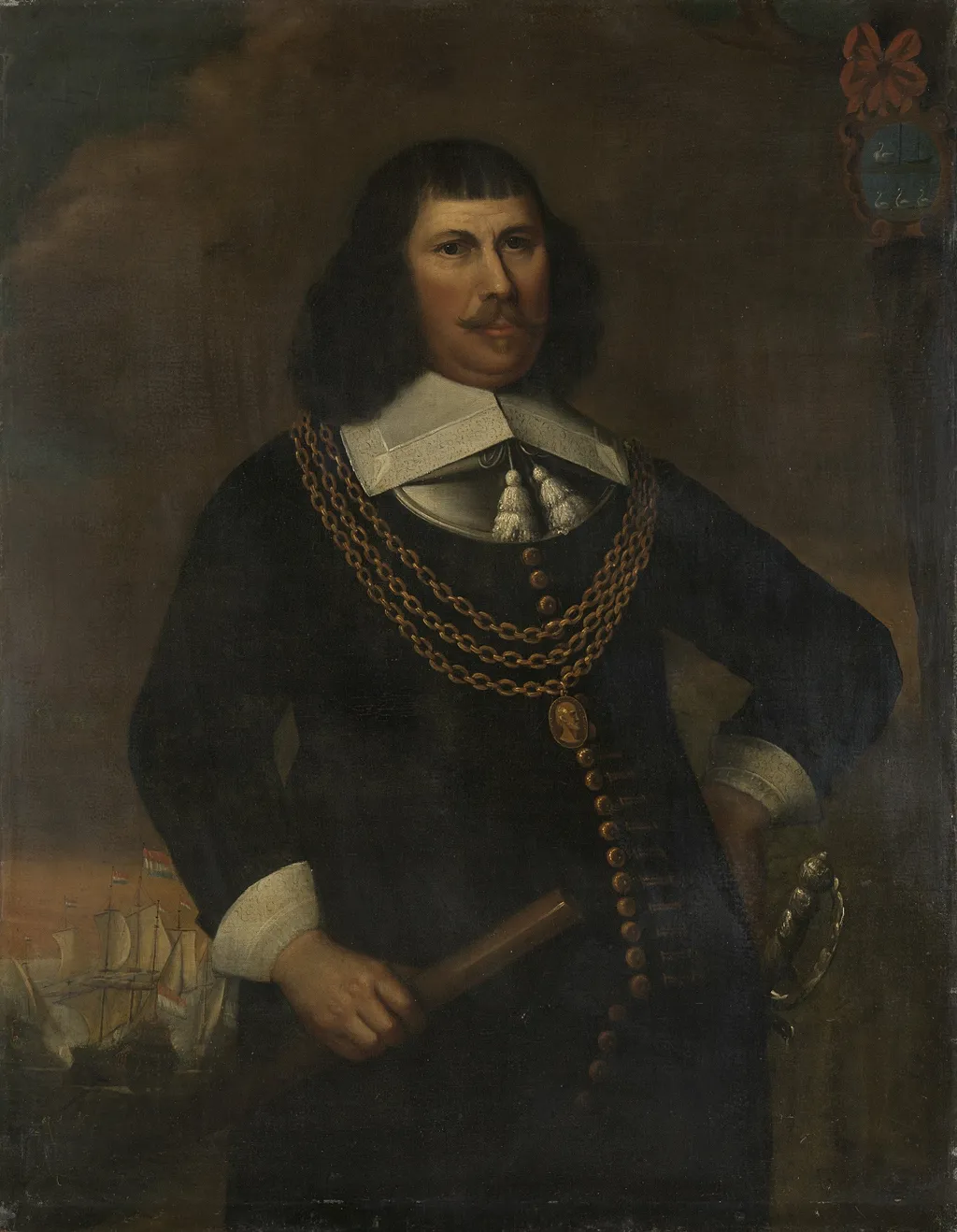
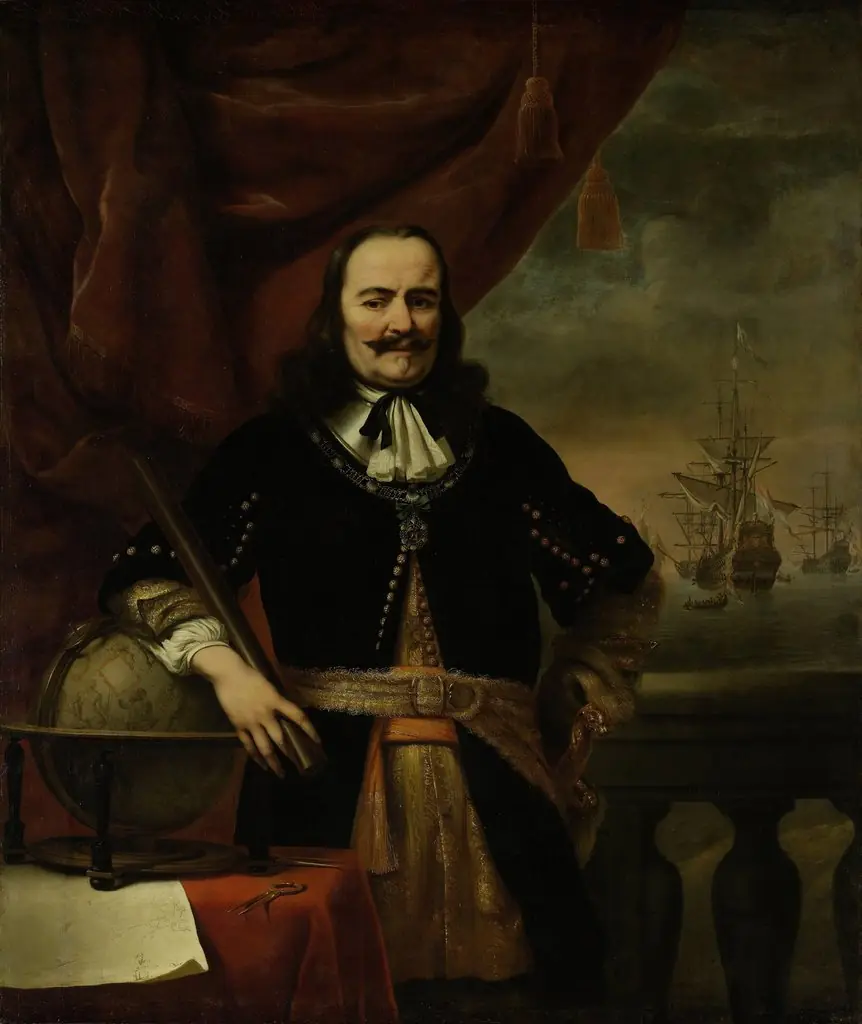
Portrait of Pieter Florisz (1605-58), vice-admiral of the northern district is an oil painting by the Dutch Golden Age artist Abraham Liedts. It is held in the collection of the Rijksmuseum.
About this work
Subject & Meaning
The painting depicts Pieter Floriszoon, a 17th-century Dutch naval officer who served as vice-admiral of the northern district. He is shown in formal attire, reflecting his high rank and status within the Dutch maritime hierarchy. The work was created by Abraham Liedts in 1685 and is part of the Rijksmuseum's collection, where it remains on display.
Technique & Style
The Portrait of Pieter Florisz is executed in oil paint on a canvas support. Created by Abraham Liedts in 1685, the work measures 119 cm in height and 92 cm in width. It is classified formally as a portrait genre painting depicting the vice-admiral of the northern district.
History & Provenance
Abraham Liedts executed this oil-on-canvas portrait of Vice-Admiral Pieter Florisz in 1685. The work measures 119 cm in height and 92 cm in width. Historical records indicate that the painting was once owned by Adriaan Justus Enschedé.
It currently resides in the collection of the Rijksmuseum, where it is preserved as a depiction of the naval officer.
Overview
Abraham Liedts painted this oil portrait in 1693, portraying Pieter Floriszoon (1605‑58), who served as vice‑admiral of the northern district. The work is part of the Rijksmuseum’s collection and presents the naval officer in formal attire, emphasizing his rank and responsibilities.
Context
The inclusion of a miniature maritime scene at the lower left, depicting ships on water, directly references Floriszoon’s naval career. Such background elements were common in Dutch portraiture of the period to allude to the sitter’s profession or achievements without overt inscription.
Legacy
As a documented likeness of a senior Dutch naval officer, the painting offers historians visual evidence of military dress and insignia of the late 17th century. Its preservation in the Rijksmuseum ensures continued scholarly access to both the individual’s image and the broader visual culture of the Dutch Republic.
Own this work as a print
Artist & collection

- Portrait of Cornelis Jacobsz de Boer, Captain in the Navy
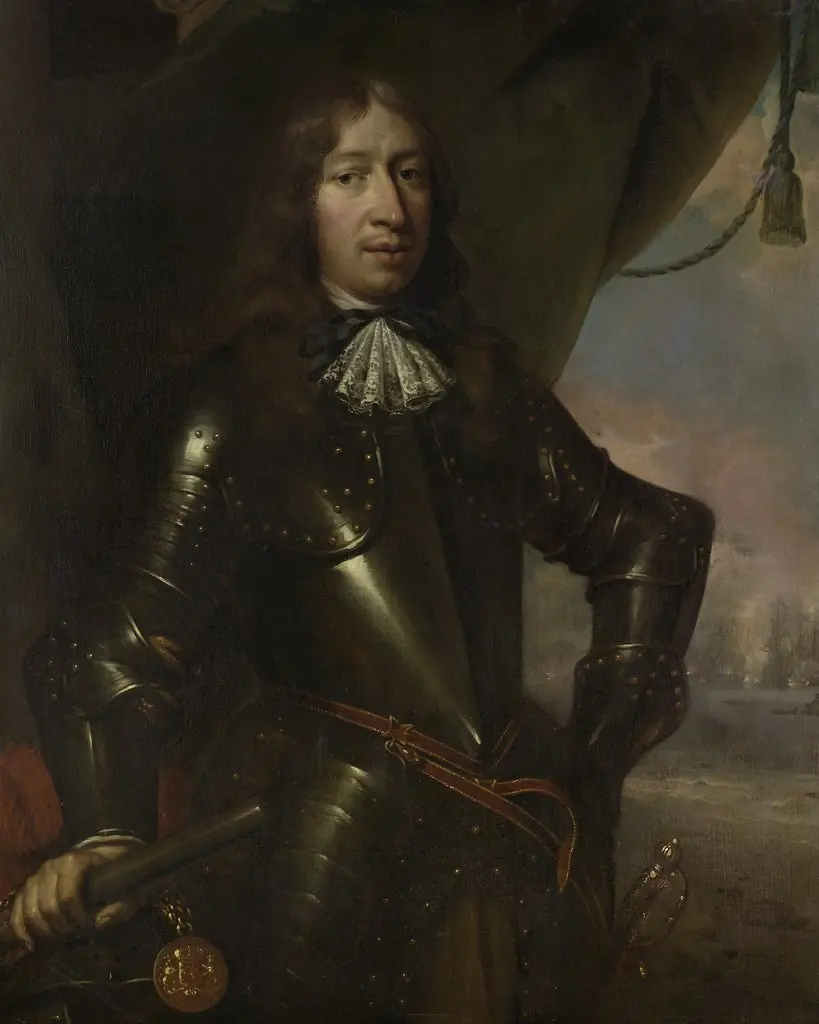 Portrait of Willem Joseph Baron van Ghent (1626-72), vice-admiral
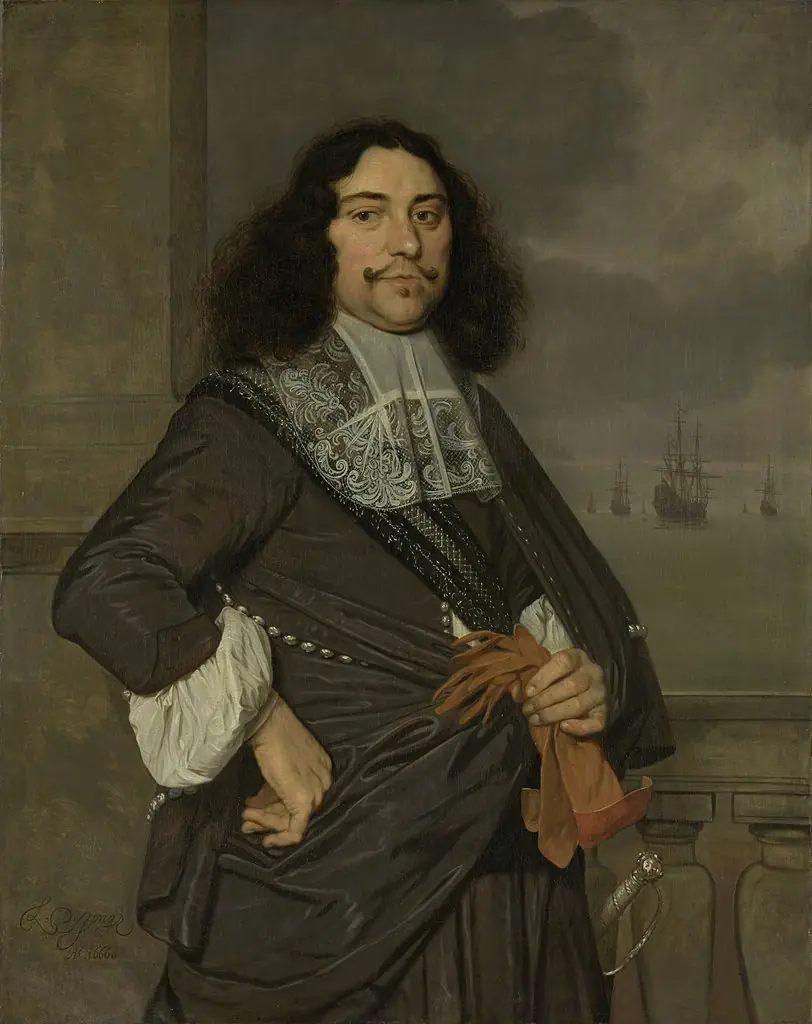 Portrait of Jan van Nes (1631-80). Vice admiral of Holland and West-Friesland
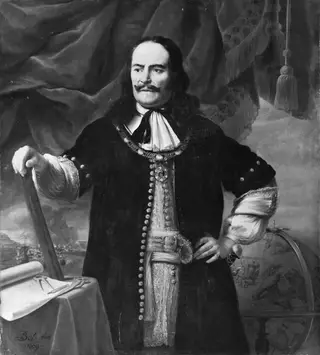 Portrait of Admiral Michael Adriansz de Ruijter
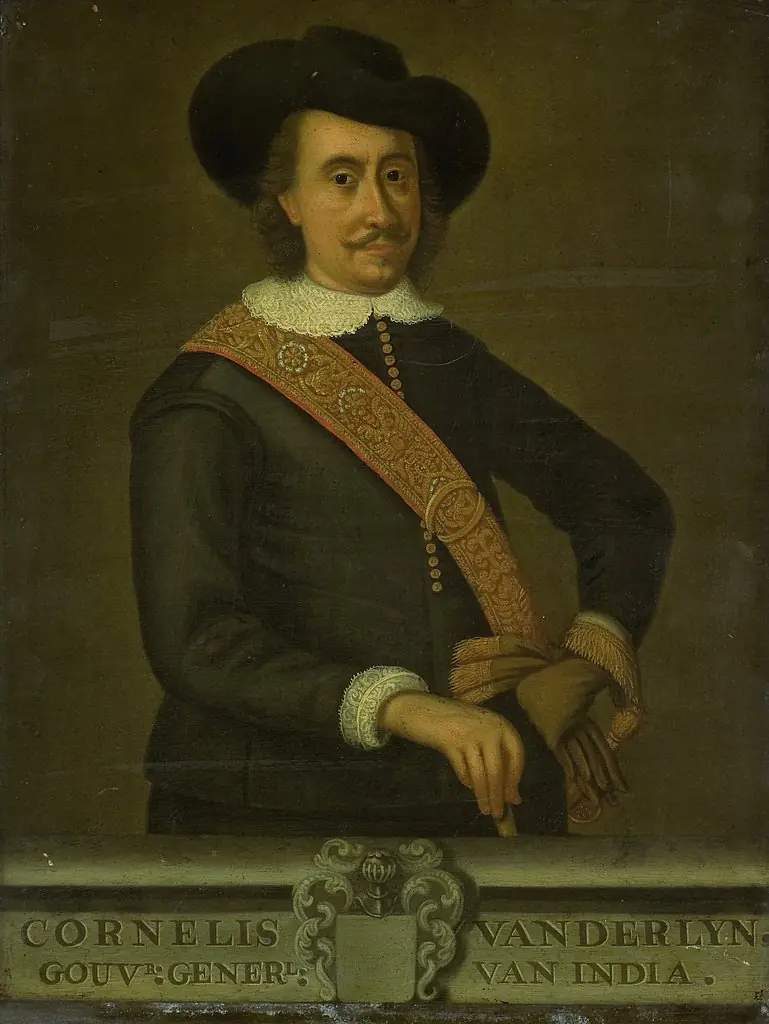 Portrait of Cornelis van der Lijn (1608-1679)
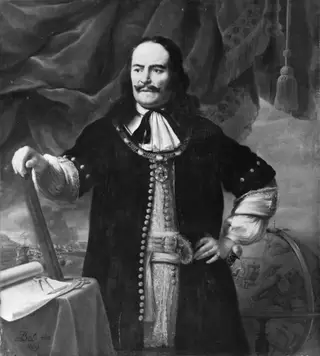 Portrait of Admiral Michael Adriansz de Ruijter
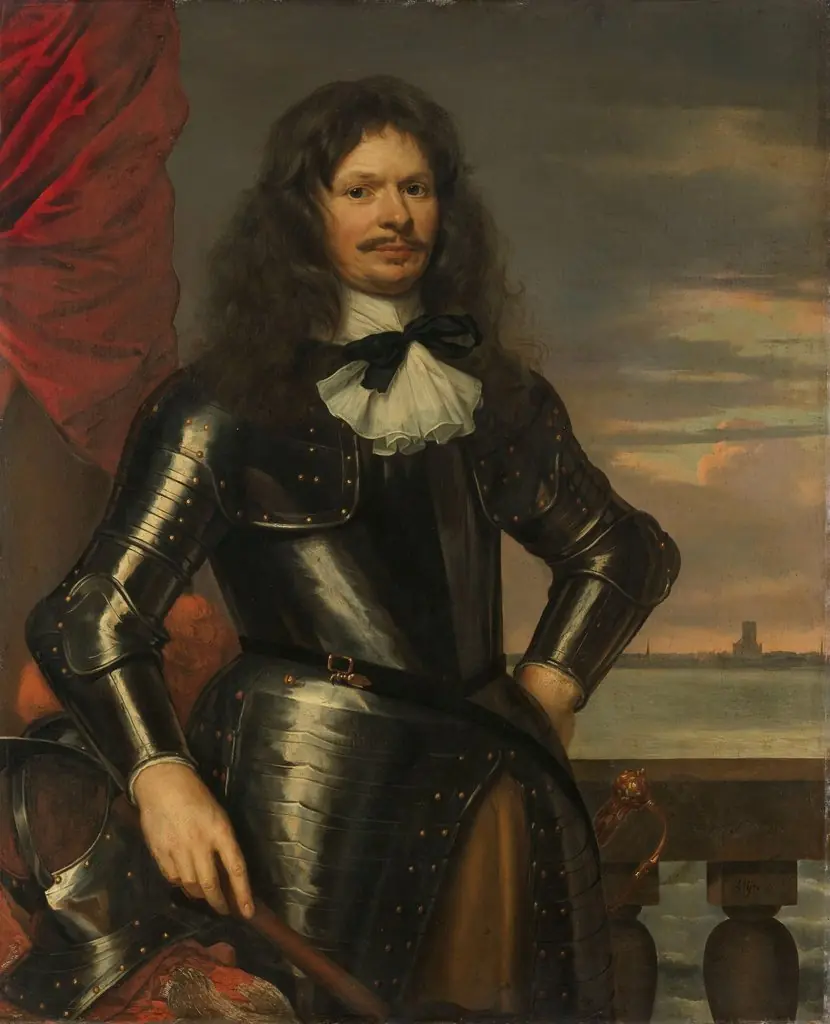 Portrait of Johan van Beaumont. Colonel in the Holland guards and commander of Den Briel
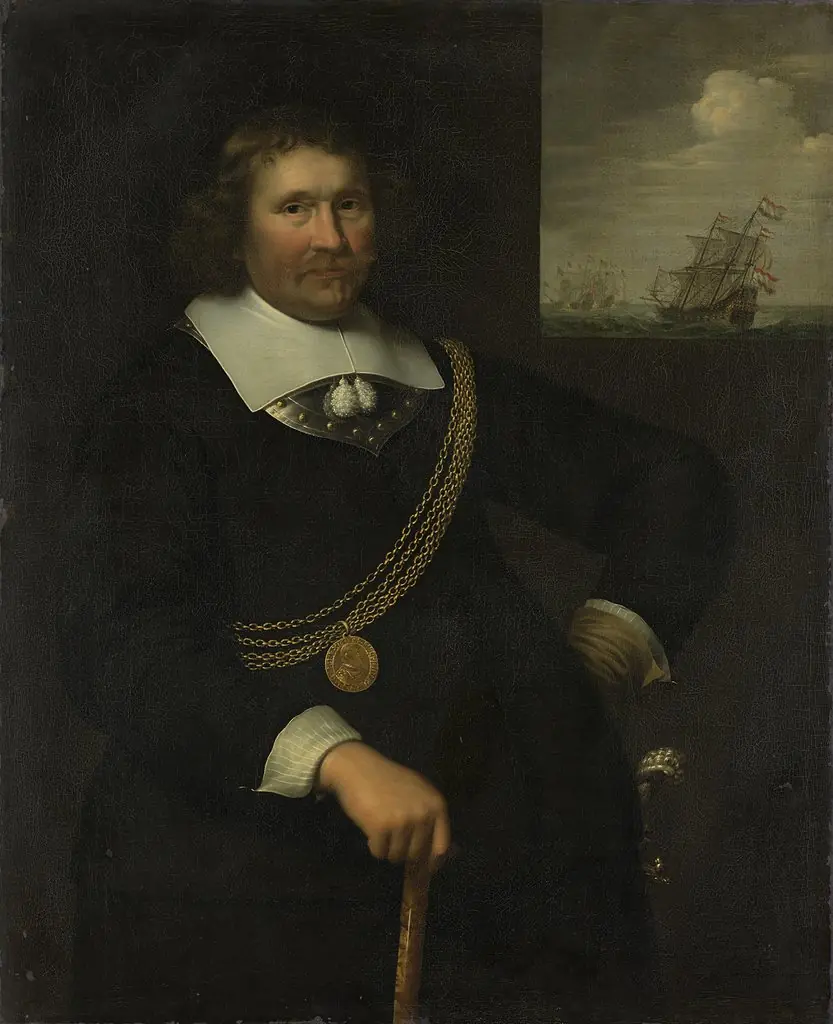 Jan Cornelisz Meppel (1609-69). Lieutenant-admiral of Holland and West-Friesland
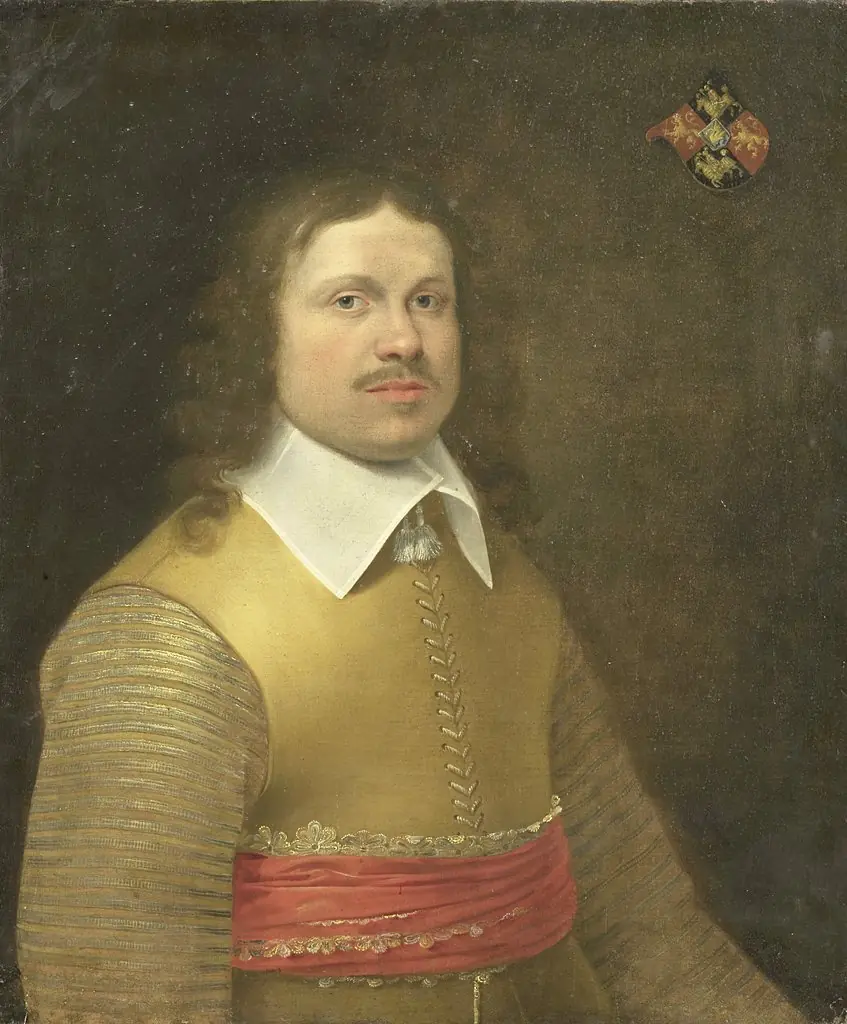 Portrait of Herman van der Hem van Nederstein (Herman Gysbert van der Hemm van Niederstein) (died 1671)
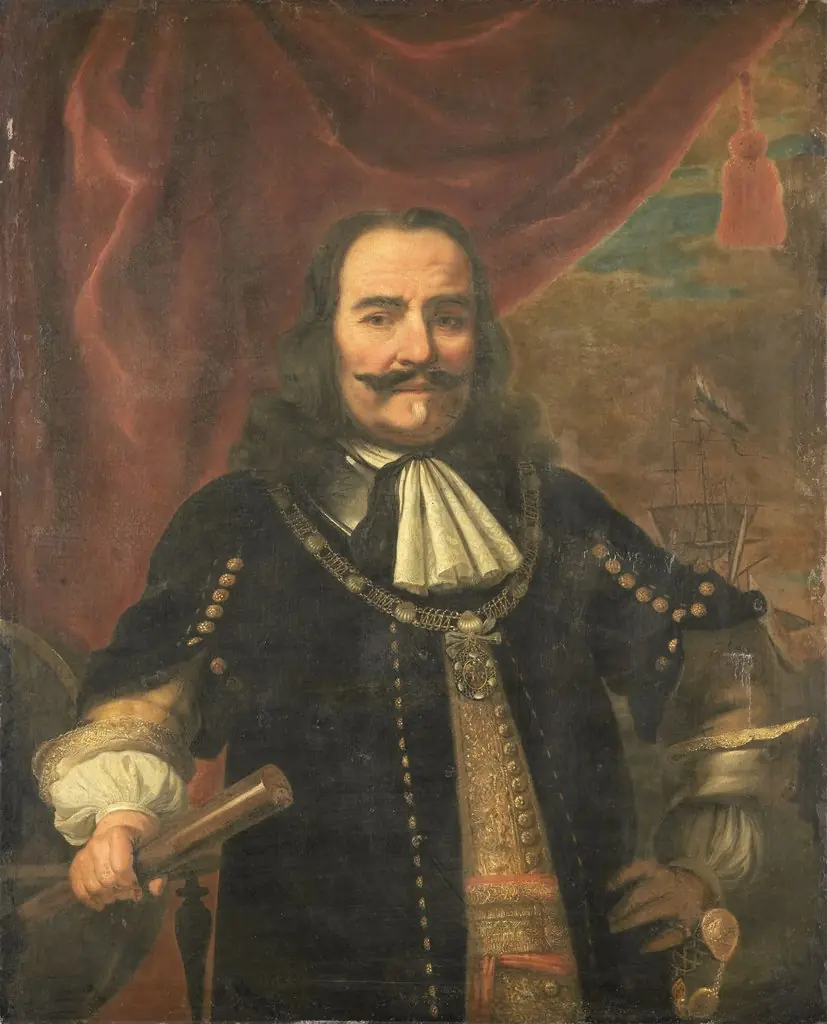 Michiel Adriaensz de Ruyter (1607-76), vice admiral
 Kunstkammerforvalter Bendix Grodtschilling den ældre, kunstnerens fader
 Michiel de Ruyter as Lieutenant-Admiral