Artwork
Napoleon Bonaparte (1769–1821)
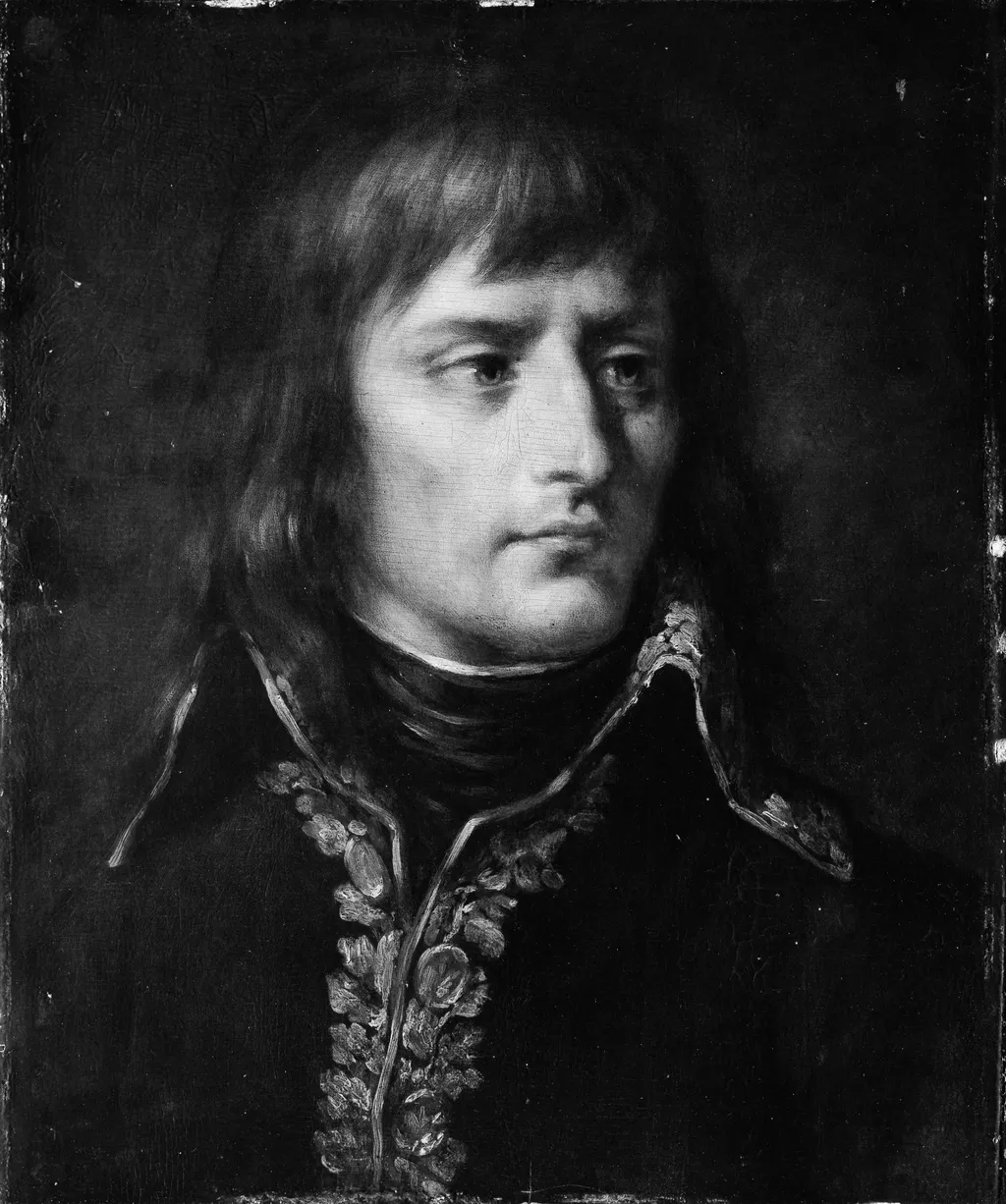
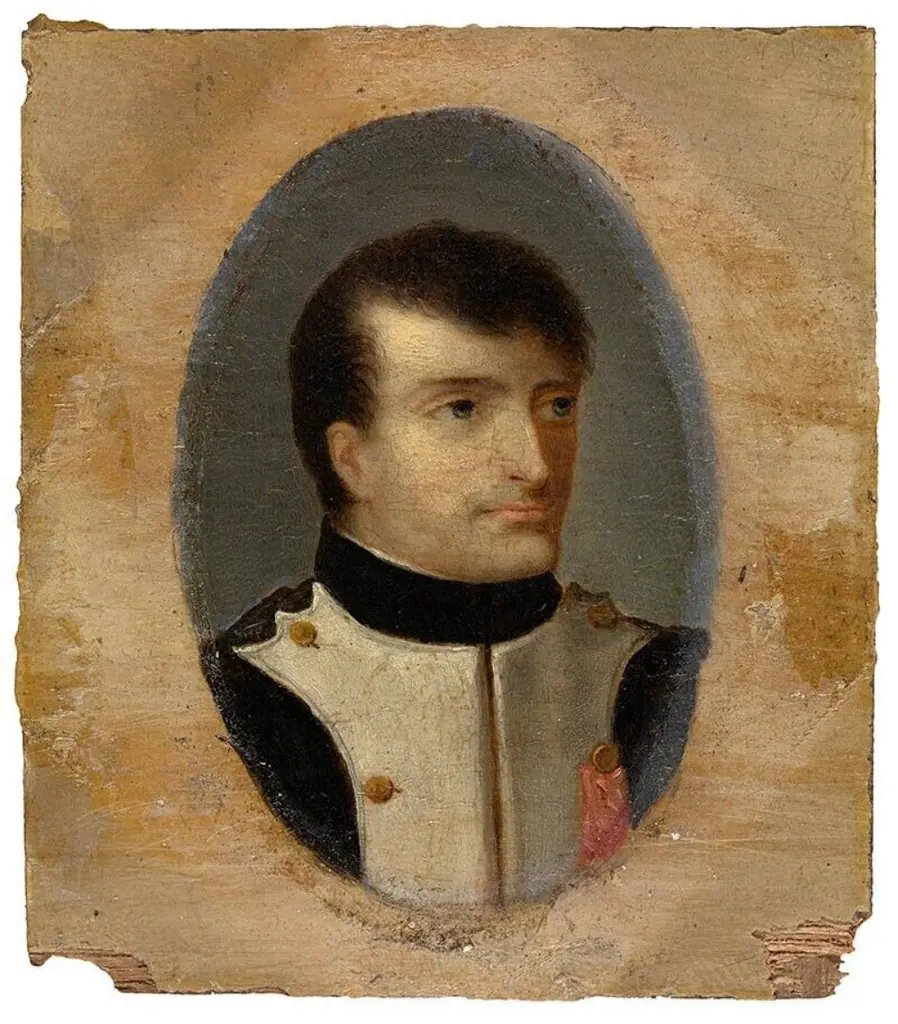
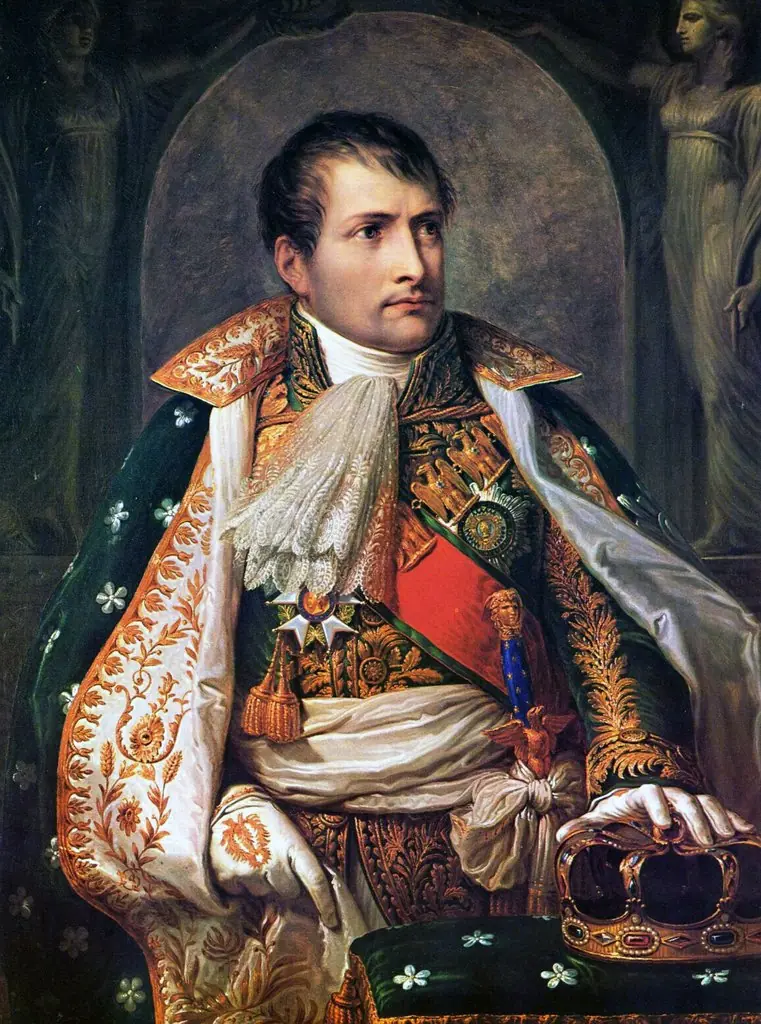
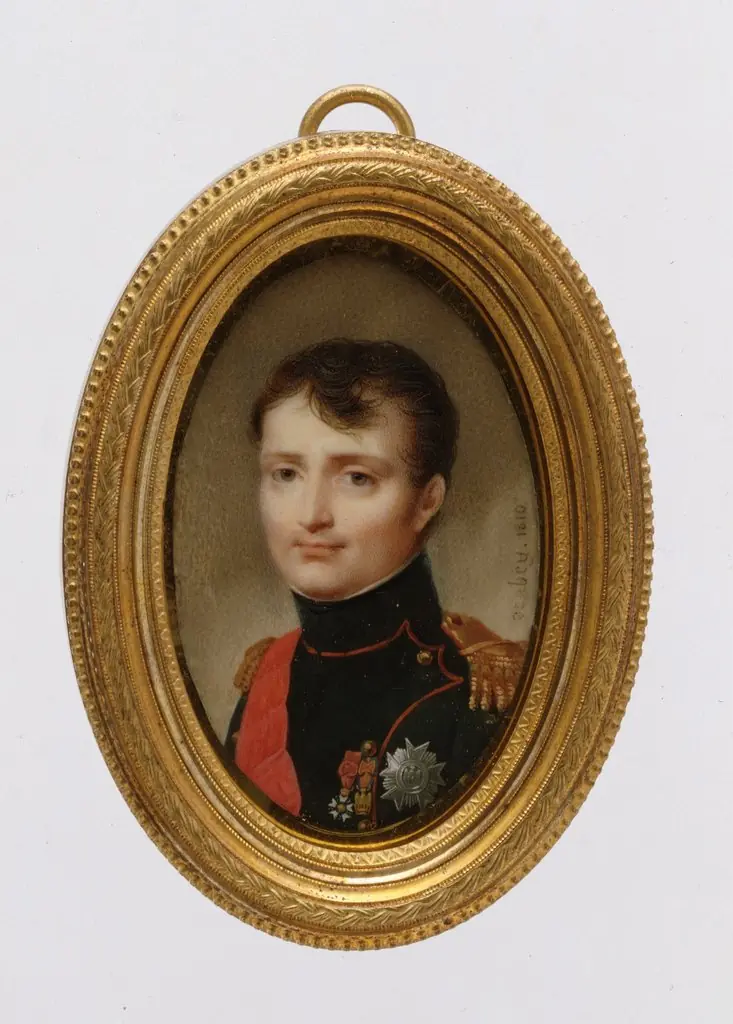
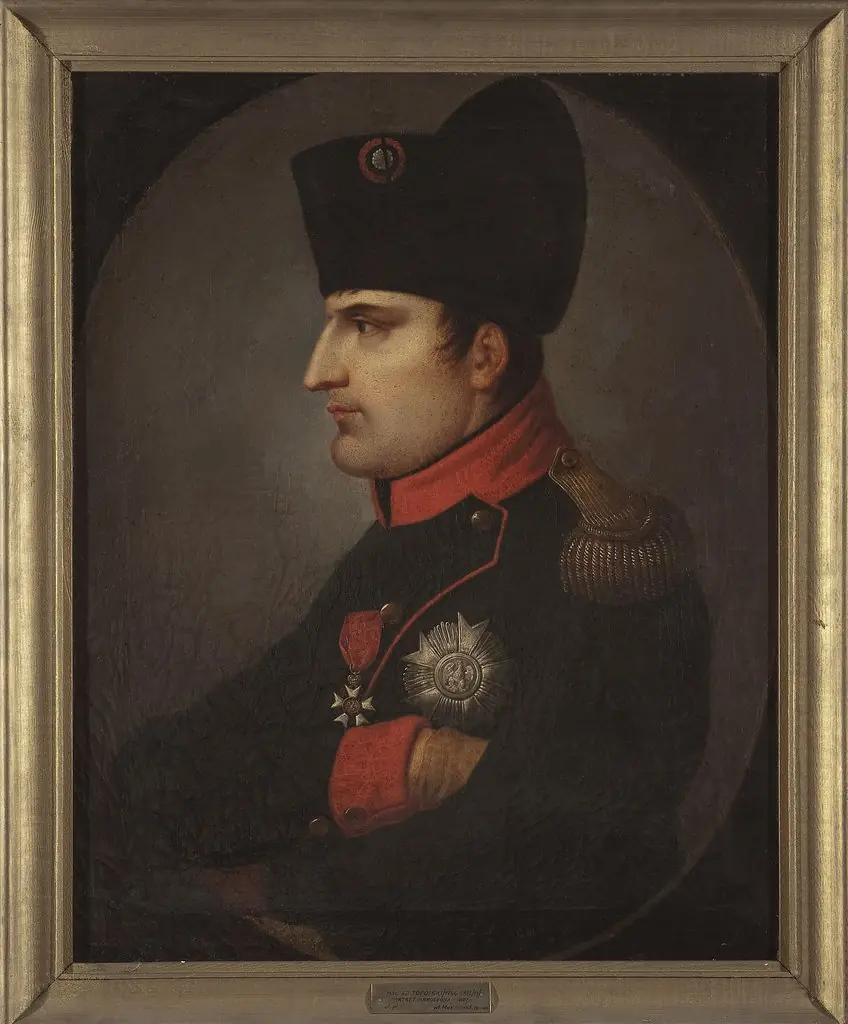
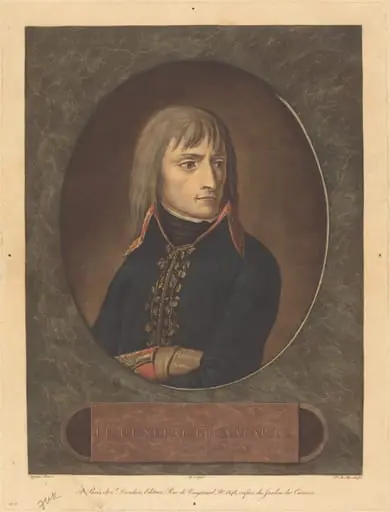
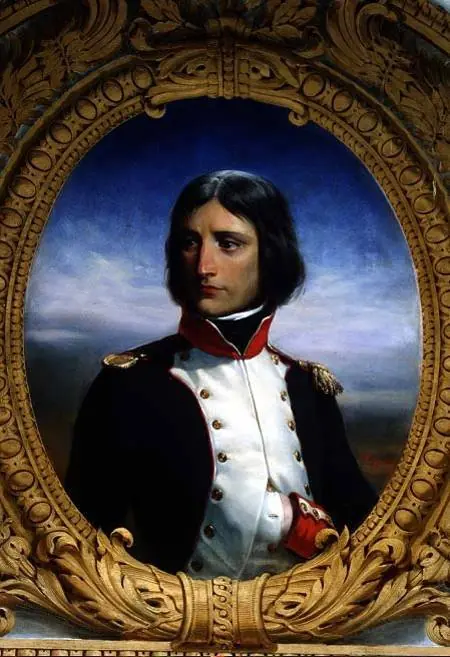
Napoleon Bonaparte (1769–1821) is an oil painting. It dates from 1900 and is held in the collection of the Metropolitan Museum of Art. This oil painting depicts Napoleon Bonaparte, a prominent figure from the late 18th and early 19th centuries.
About this work
Subject & Meaning
The subject is rendered in oil paint on a panel, capturing the likeness of the former French leader within the context of early 20th-century portraiture.
The work is a portrait depicting Napoleon Bonaparte, identified as the main subject of the composition. Created by an anonymous French painter, the painting presents the historical figure as a man, adhering to the conventions of the portrait genre. While the specific iconographic details or symbolic attributes associated with his imperial status are not detailed in the available records, the piece functions primarily as a visual representation of the individual.
The subject is rendered in oil paint on a panel, capturing the likeness of the former French leader within the context of early 20th-century portraiture.
Technique & Style
Created in 1900 by an anonymous French artist, this portrait of Napoleon Bonaparte is executed in oil paint applied to a wooden panel support. The work measures 46.4 centimeters in height and 38.1 centimeters in width, adhering to the traditional format of small-scale portraiture. As an oil-on-panel piece, the medium allows for the smooth blending and rich saturation typical of the genre, while the rigid panel provides a stable foundation that differs from the flexibility of canvas.
The painting remains part of the Metropolitan Museum of Art collection, preserving its physical condition and stylistic attributes as a late 19th-century or early 20th-century interpretation of the former emperor.
History & Provenance
The portrait of Napoleon Bonaparte, executed in oil on panel around 1900 by an anonymous French artist, is held in the collection of the Metropolitan Museum of Art. While the specific accession number is not detailed in the provided records, the work is cataloged within the museum's holdings as an oil painting on panel depicting the historical figure. The artwork measures 46.4 cm in height and 38.1 cm in width.
The available documentation identifies the piece as part of the museum's permanent collection but does not list specific exhibition histories or prior provenance details beyond its current institutional location.
Legacy
The 1900 portrait of Napoleon Bonaparte, attributed to an anonymous French painter and held by the Metropolitan Museum of Art, has become a reference point for the visual representation of the emperor in modern scholarship. Its composition, emphasizing the sitter’s stature and austere expression, reinforced the iconography that later artists and popular media adopted when depicting Napoleon. The work’s inclusion in the Met’s European paintings collection has allowed continual public exposure, contributing to the perpetuation of Napoleon’s legacy as a decisive political and military figure. Contemporary analyses cite the painting when discussing the construction of imperial iconography in the late nineteenth century.
Overview
This oil painting depicts Napoleon Bonaparte, a prominent figure from the late 18th and early 19th centuries. The artwork presents a focused, head-and-shoulders view of the subject, rendered in a monochromatic palette. Its primary aim is to capture the individual's likeness and demeanor, emphasizing his presence through a direct and unadorned presentation. The composition directs the viewer's attention entirely to the sitter's features and attire.
Artist & collection