Artwork
Portrait of a Gentleman
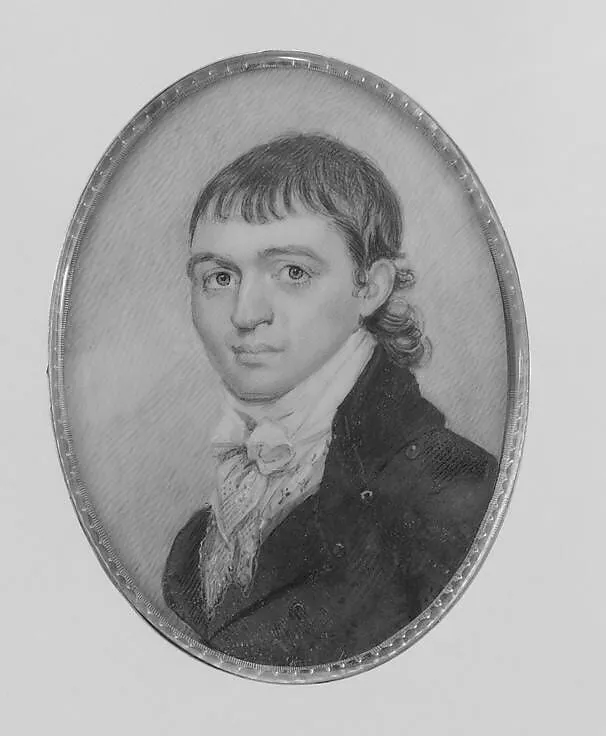
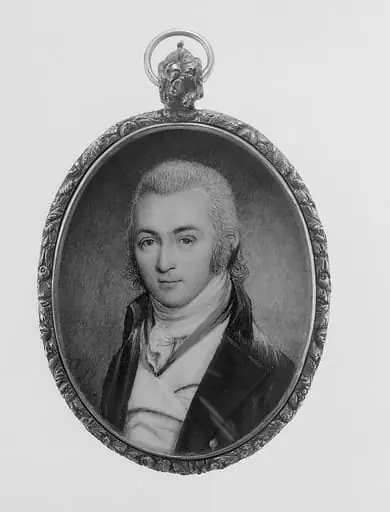
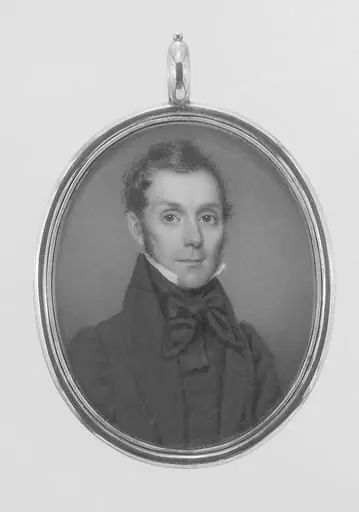
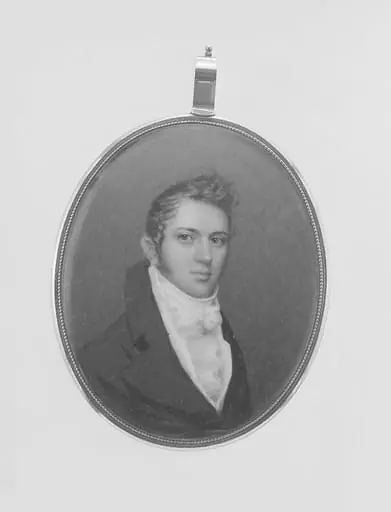
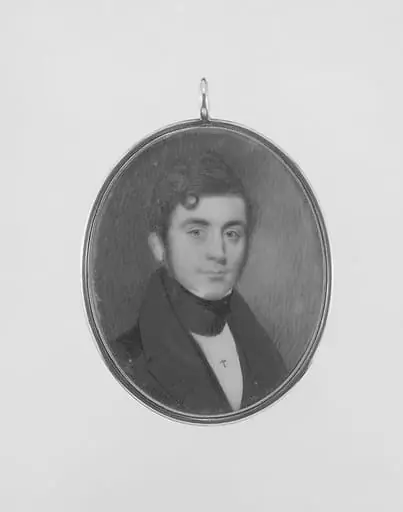
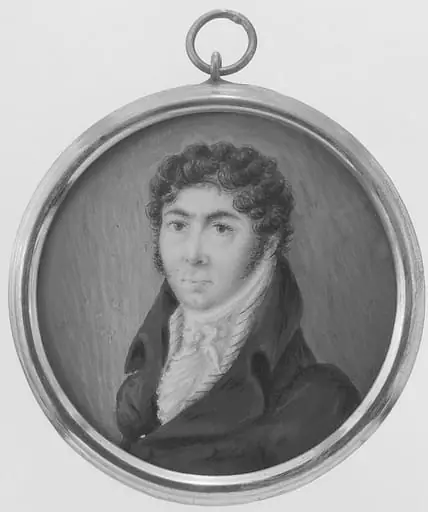
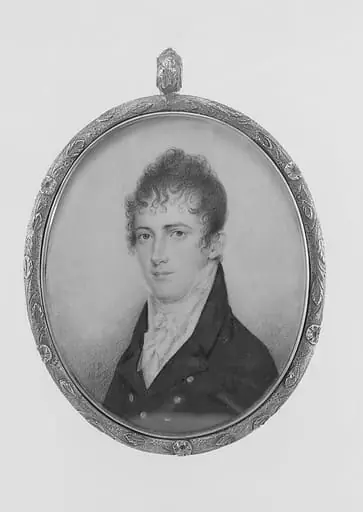
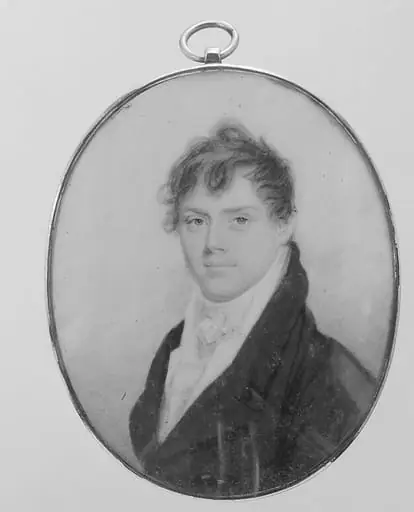
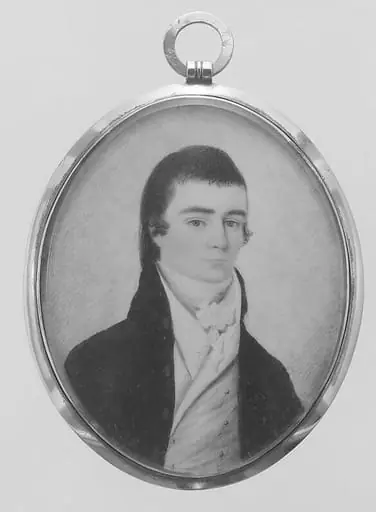
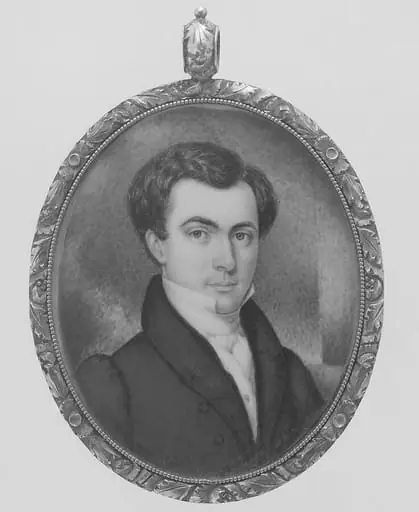
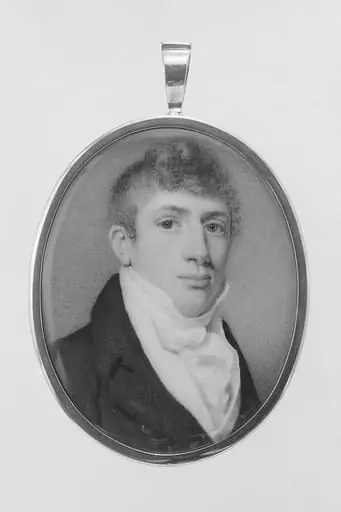
Portrait of a Gentleman is a watercolor painting. It dates from 1830 and is held in the collection of the Metropolitan Museum of Art.
About this work
Subject & Meaning
The work is a portrait depicting a single male subject, identified simply as a man.
The work is a portrait depicting a single male subject, identified simply as a man. Created in 1830 by an unknown artist, the piece focuses entirely on the representation of this individual without additional narrative scenes or specific iconographic attributes mentioned in the records. As a straightforward portrait, the image serves to capture the likeness of the gentleman, reflecting the genre's primary function of documenting personal appearance rather than conveying complex symbolic meaning or allegorical content.
Technique & Style
The work is executed in watercolor on ivory, a medium prized in early nineteenth-century American portraiture for its capacity to render delicate tonal gradations and minute detail. The miniature measures 6.4 cm in height by 4.8 cm in width, and is housed in a gilded copper case that serves as both protective support and ornamental frame.
The watercolor technique on ivory support would have demanded exceptional control, as the non-absorbent surface requires rapid, precise handling to prevent pigment from pooling or lifting. The intimate scale and portrait genre suggest a formal presentation of the sitter, consistent with conventions of the period for private commemorative images.
History & Provenance
The Portrait of a Gentleman is a watercolor on ivory housed in a gilded copper case, created in 1830 by an unknown artist. The work depicts a man and is classified within the genre of portraiture. It is currently held in the collection of the Metropolitan Museum of Art, where it was accessioned in 2006 with the catalog number 2006.235.211. The piece measures 6.4 cm in height and 4.8 cm in width.
Legacy
The work titled Portrait of a Gentleman, dating to 1830, exemplifies early American miniature portraiture executed in watercolor on ivory within a gilded copper case. It is housed in The American Wing of the Metropolitan Museum of Art, where it is studied as a representative example of anonymous portraiture from the period. Its presence in a major encyclopedic museum underscores its significance in the narrative of 19th‑century American art, illustrating the prevalence of intimate, elite portraiture before the rise of larger-scale oil paintings.
The documented dimensions of 6.4 cm by 4.8 cm and its classification as a portrait further clarify its function as a personal likeness of an unidentified male sitter.
Overview
This "Portrait of a Gentleman" is a watercolor miniature painted on ivory, encased within a gilded copper frame. Though small enough to fit in one's hand, it captures the likeness of an unidentified man with remarkable detail. Such intimate portraits were commonly produced for personal adornment and remembrance, reflecting a practice of keeping loved ones' images close. It is part of The American Wing collection.
Context
During the period when this portrait was created, miniature paintings served a role akin to modern photographs, often worn as jewelry or kept in small cases. They were highly personal objects, enabling individuals to maintain a constant connection with absent loved ones. The gilded copper case not only protected the delicate ivory but also enhanced its value as a precious item, suitable for display or intimate contemplation.
Artist & collection