Artwork
Portrait of Amalia van Solms (1602-75)
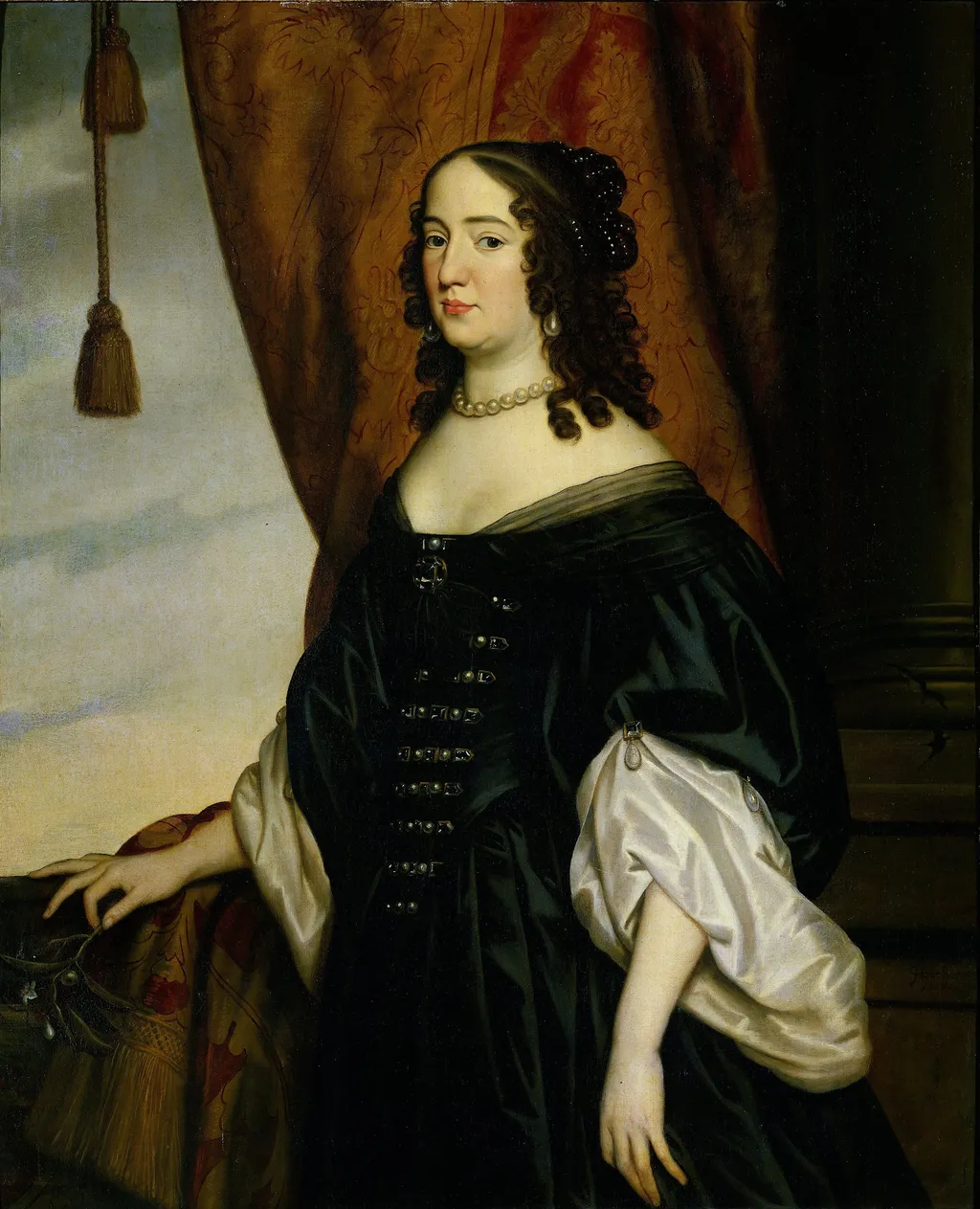
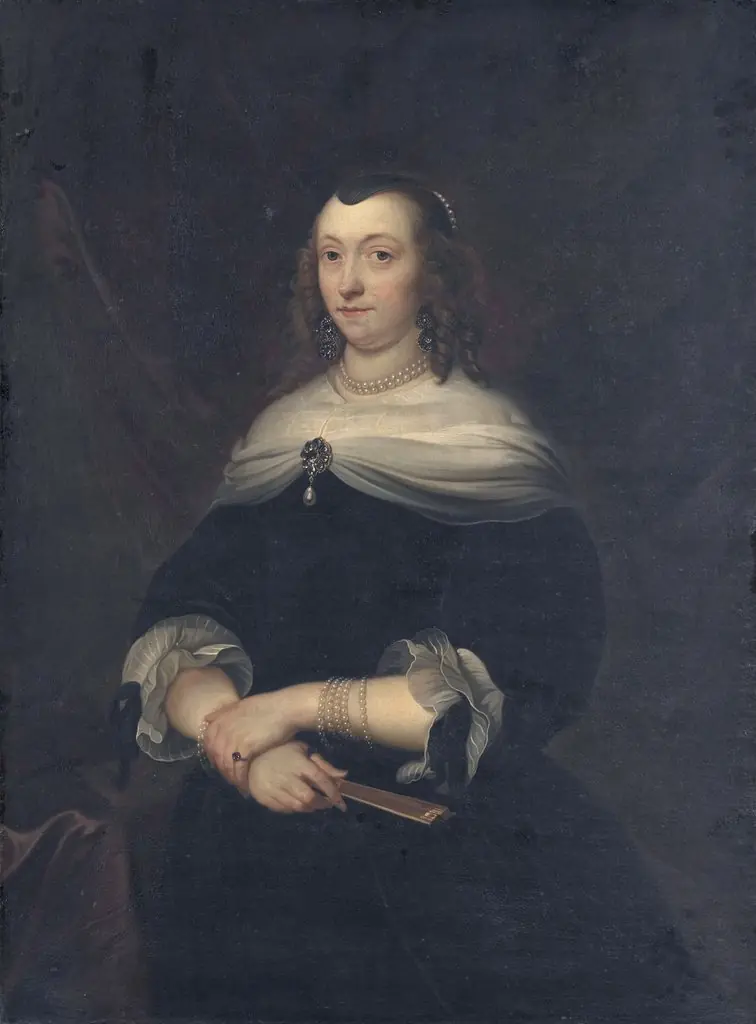
Portrait of Amalia van Solms (1602-75) is an oil painting. It dates from 1650 and is held in the collection of the Rijksmuseum. The work is an oil painting portraying a seated woman, Amalia van Solms (1602‑1775).
About this work
Subject & Meaning
Created in 1650, the portrait presents her in the genre of portraiture, focusing on her individual likeness rather than a broader narrative scene.
The painting depicts Amalia of Solms-Braunfels, a woman identified as the main subject of the work. Created in 1650, the portrait presents her in the genre of portraiture, focusing on her individual likeness rather than a broader narrative scene. The work functions as a formal representation of the sitter, capturing her identity as a specific historical figure within the context of mid-17th-century Dutch art.
Technique & Style
Created in 1650, this portrait is executed in oil paint on a canvas support. The work measures 125.2 cm in height and 102.2 cm in width. Classified as a portrait, the painting depicts Amalia of Solms-Braunfels and is held within the collection of the Rijksmuseum in the Netherlands.
History & Provenance
The portrait is held in the collection of the Rijksmuseum in Amsterdam, the National Art Gallery of the Netherlands. While the source identifies the institution and location, it does not provide a specific inventory or accession number for the work. The available records do not list any exhibition history for this painting by Gerard van Honthorst.
Overview
The work is an oil painting portraying a seated woman, Amalia van Solms (1602‑1775). She is positioned beside a table, one hand resting upon it, and is dressed in a dark, front‑buttoned gown complemented by a pearl necklace and a black hat whose curls frame her face. A richly patterned red‑and‑gold curtain forms the backdrop, while a feather duster rests near the edge of the composition.
Context
Created during the Dutch Golden Age, the portrait reflects contemporary conventions of elite portraiture, where status was conveyed through clothing, accessories, and controlled lighting. The combination of luxurious fabrics, jewelry, and a modest domestic setting aligns with the period’s emphasis on both wealth and moral propriety in the representation of noble women.
Artist & collection

 Untitled
 Retrato de la Condesa de Goldstein
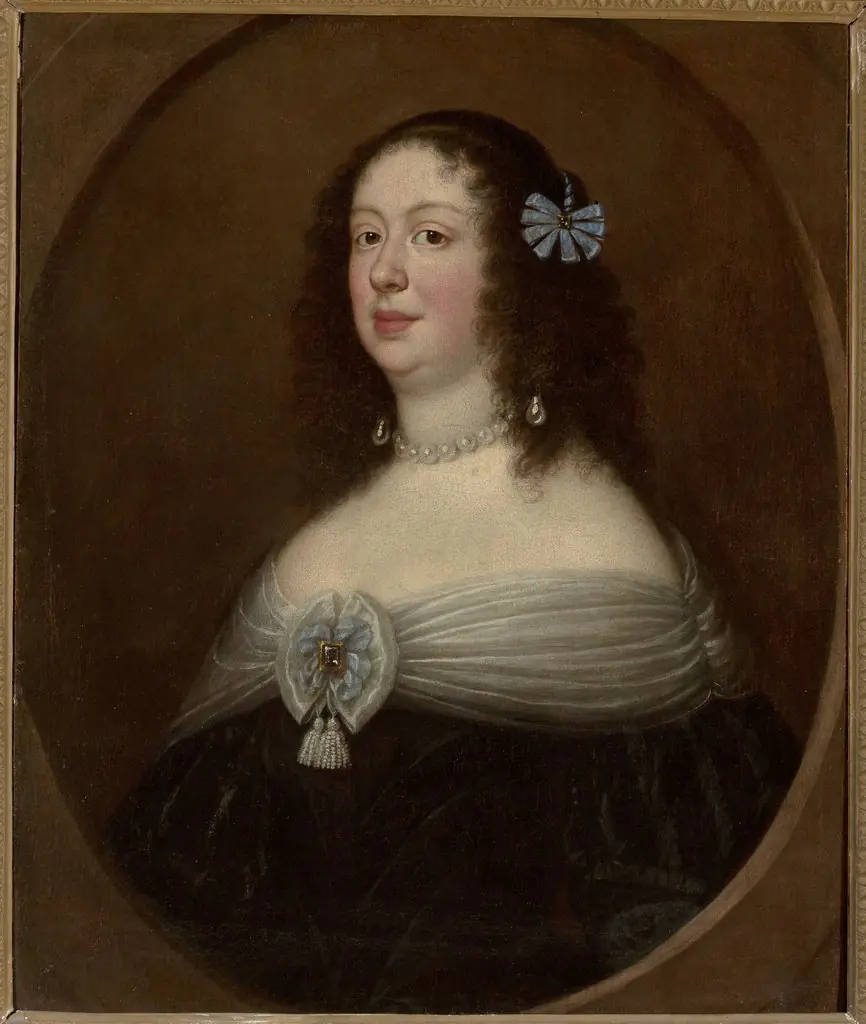 Portrait of princess Anna de Medici
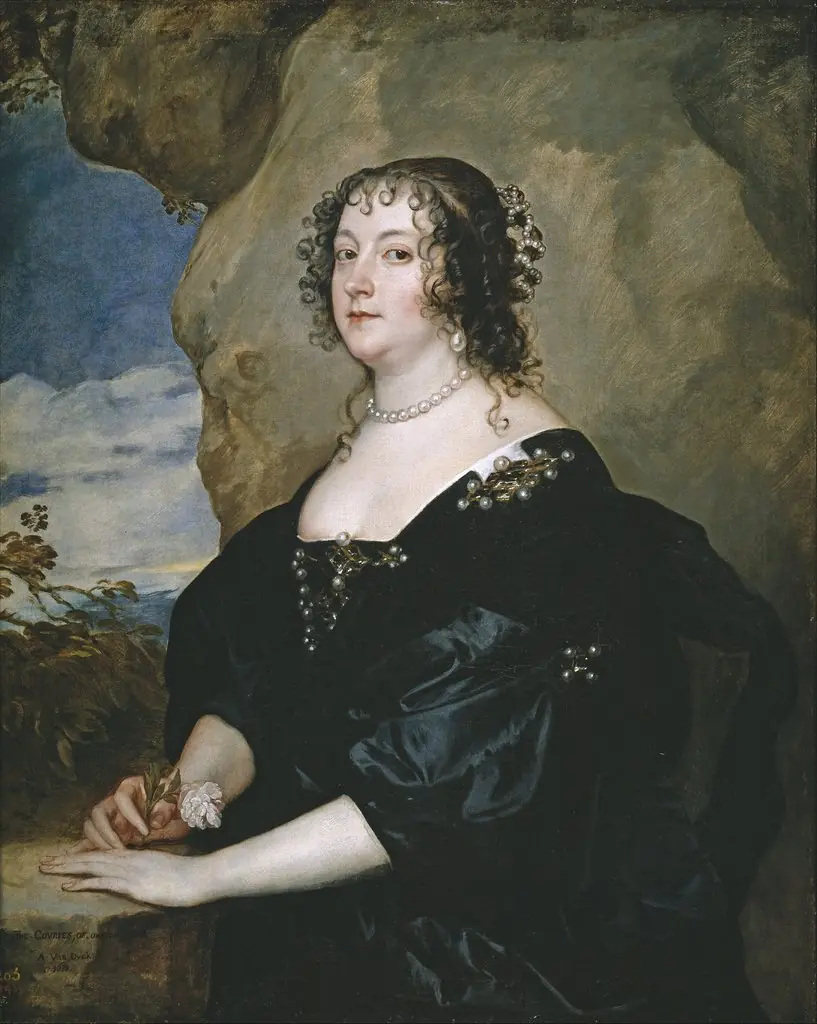 Beatriz van Hemmema, Countess of Oxford (formerly called Diana Cecil)
 Barbara Villiers, Duchess of Cleveland
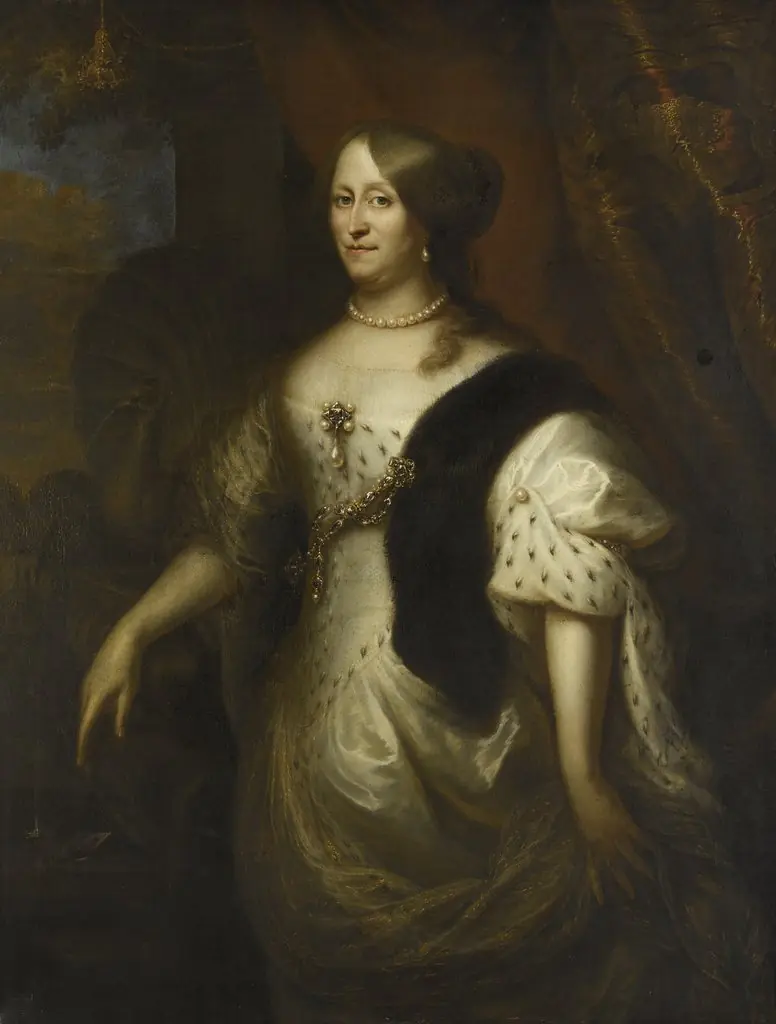 Cornelia Teding van Berkhout (1614-80). Wife of Maerten Harpertsz Tromp
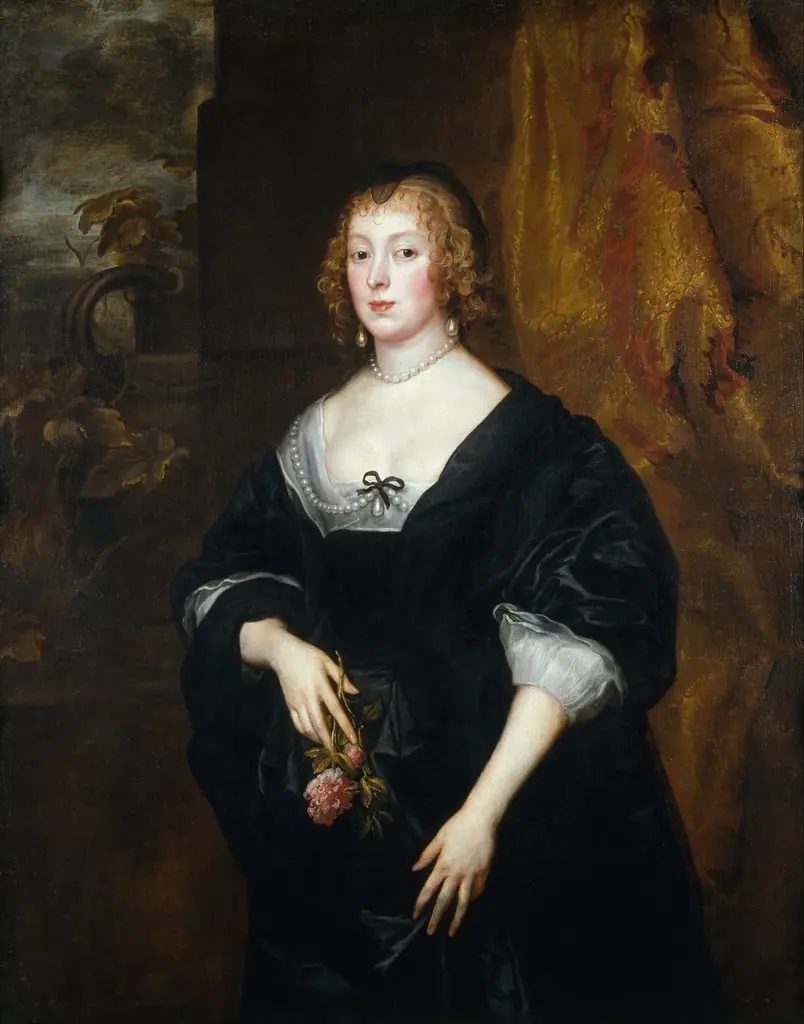 Lady Dacre
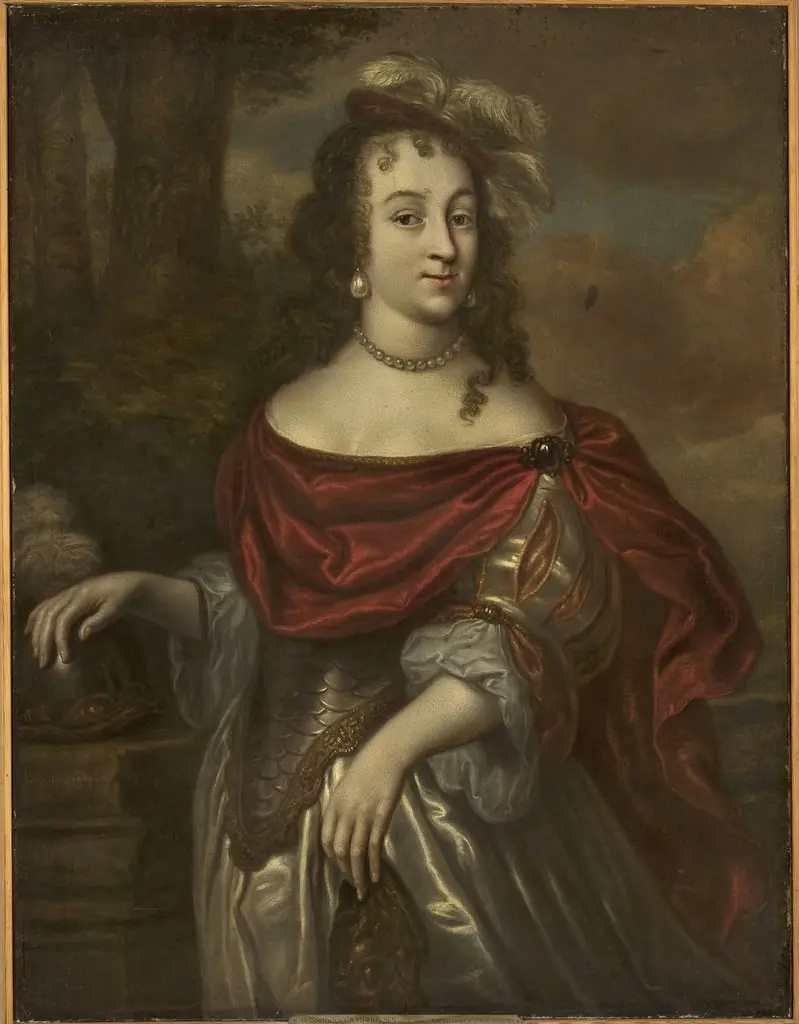 Portrait of a woman in Minerva’s costume
 Portrait of a Woman
 Anna von Österreich (1601-1666) (Umkreis)
 Portrait of a woman, thought to be Lucretia Boudaen
- Portrait of a woman, possibly a member of the van Citters family