Artwork
Beatriz van Hemmema, Countess of Oxford (formerly called Diana Cecil)
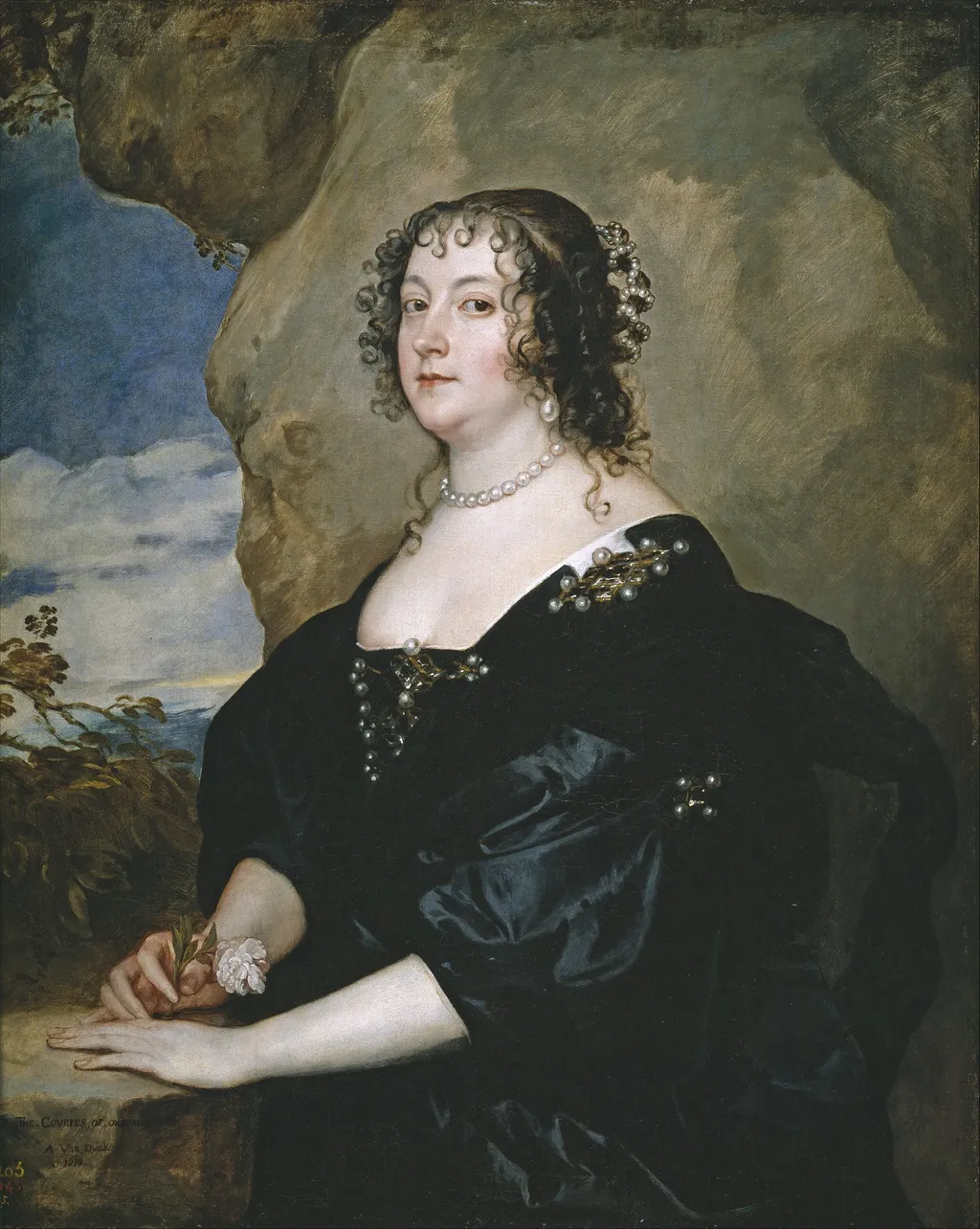
Beatriz van Hemmema, Countess of Oxford (formerly called Diana Cecil) is an oil painting by the Flemish Baroque painting artist Anthony van Dyck. It dates from 1638 and is held in the collection of the Museo del Prado.
About this work
Technique & Style
The work was formerly misidentified as a portrait of Diana Cecil, but in fact depicts Beatriz van Hemmema, Countess of Oxford.
The painting is executed in oil on canvas, measuring 107 by 86 cm. The work was formerly misidentified as a portrait of Diana Cecil, but in fact depicts Beatriz van Hemmema, Countess of Oxford. Despite its Wikidata classification under the genre of mythology, the painting functions as a portrait, with the sitter adorned with a gemstone that draws attention to her status and elegance. Van Dyck's handling of the oil medium is characteristic of his refined portraiture style from this period.
History & Provenance
The painting was created in 1638 by Anthony van Dyck as a portrait of Beatrix van Hemmema, who was later titled the Countess of Oxford and previously known as Diana Cecil. It was executed in oil on canvas and originally entered the collection of the Museo del Prado, where it remains today.
The work entered public view at the Prado shortly after its completion, forming part of the museum's early acquisitions of Van Dyck's portraiture.
The painting is housed in the Museo del Prado in Madrid, where it remains part of the permanent collection. It was created in 1638 by Anthony van Dyck and has been displayed in exhibitions focused on Baroque portraiture at the museum.
The work is cataloged under the inventory number P008686.
The piece was included in the 2015 exhibition "Van Dyck and the English Court" at the Museo del Prado, highlighting its significance within the artist's oeuvre and the royal collections of the period.
Overview
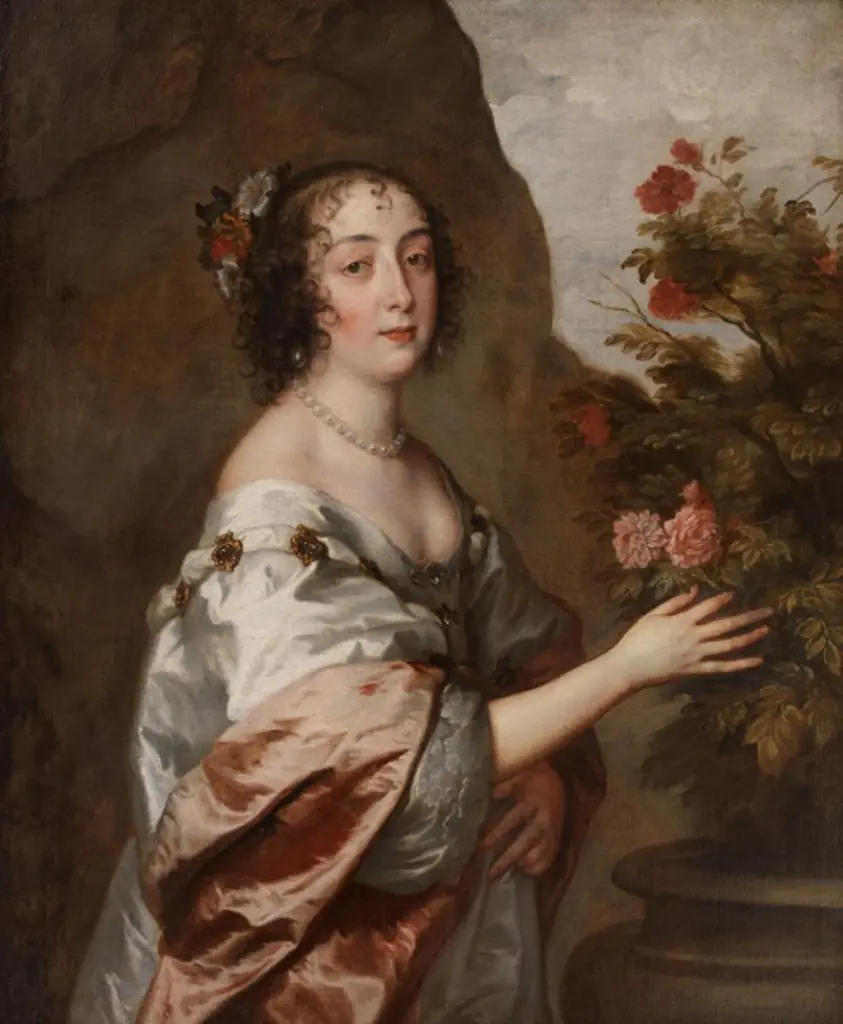
Anthony van Dyck’s 1638 oil portrait presents a young aristocratic woman positioned before a rugged cliff. She holds a small flower, her dark, high‑necked gown accentuated by a string of large beads, while her hair is swept back and threaded with pearls. The distant landscape, rendered with muted trees and a faint sky, frames the figure, whose face is illuminated against the surrounding shadows.
Subject & Meaning
The sitter is identified as Beatriz van Hemmema, later Countess of Oxford, a member of the European nobility whose status is emphasized through luxurious attire and the delicate flower, a conventional symbol of virtue and refinement. The inclusion of a gemstone in earlier titles suggests an interest in the period’s fascination with allegorical attributes linking aristocracy to mythic ideals.
Context
Created shortly after van Dyck’s appointment as court painter to Charles I, the portrait reflects the artist’s role in shaping the visual identity of the aristocracy across England and the continent. The composition aligns with contemporary trends that merged portraiture with classical references, catering to patrons who desired both personal likeness and symbolic prestige.
Own this work as a print
Artist & collection
Artist
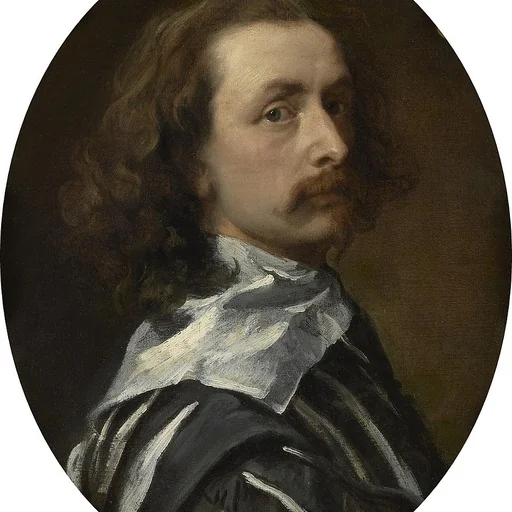
Sir Anthony van Dyck (; Dutch: Antoon van Dijck; 22 March 1599 – 9 December 1641) was a Flemish Baroque artist, who became the leading court painter in England after success in the Spanish Netherlands and Italy.

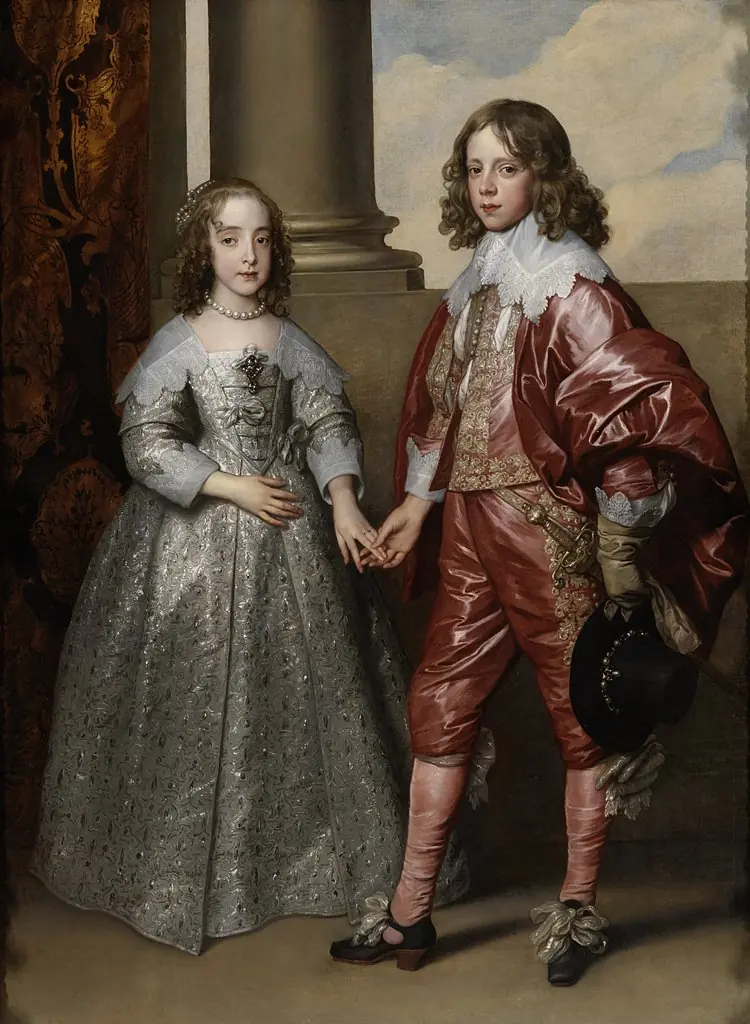
- Portrait of Lady Jane Goodwin
 Portræt af en kvinde som Flora
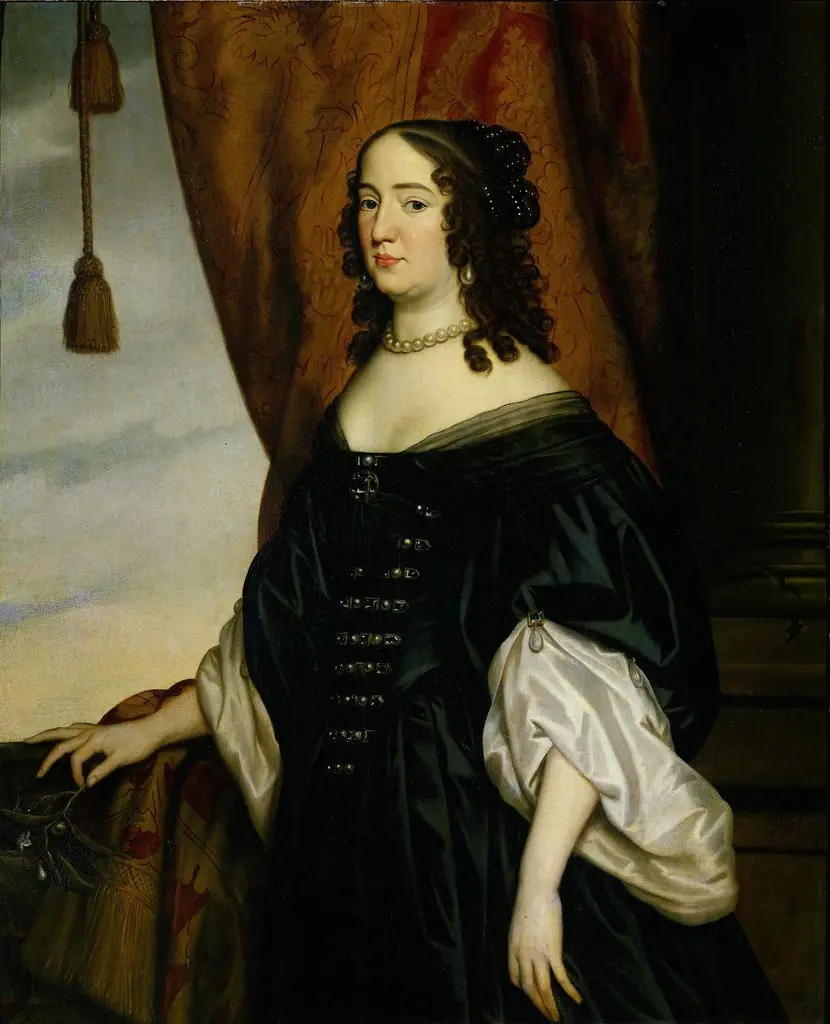 Portrait of Amalia van Solms (1602-75)
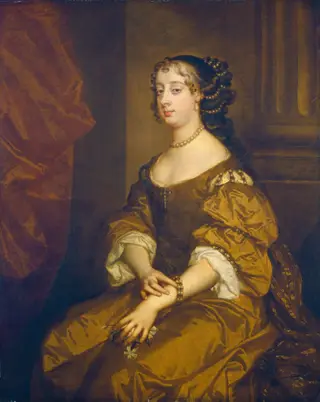 Barbara Villiers, Duchess of Cleveland
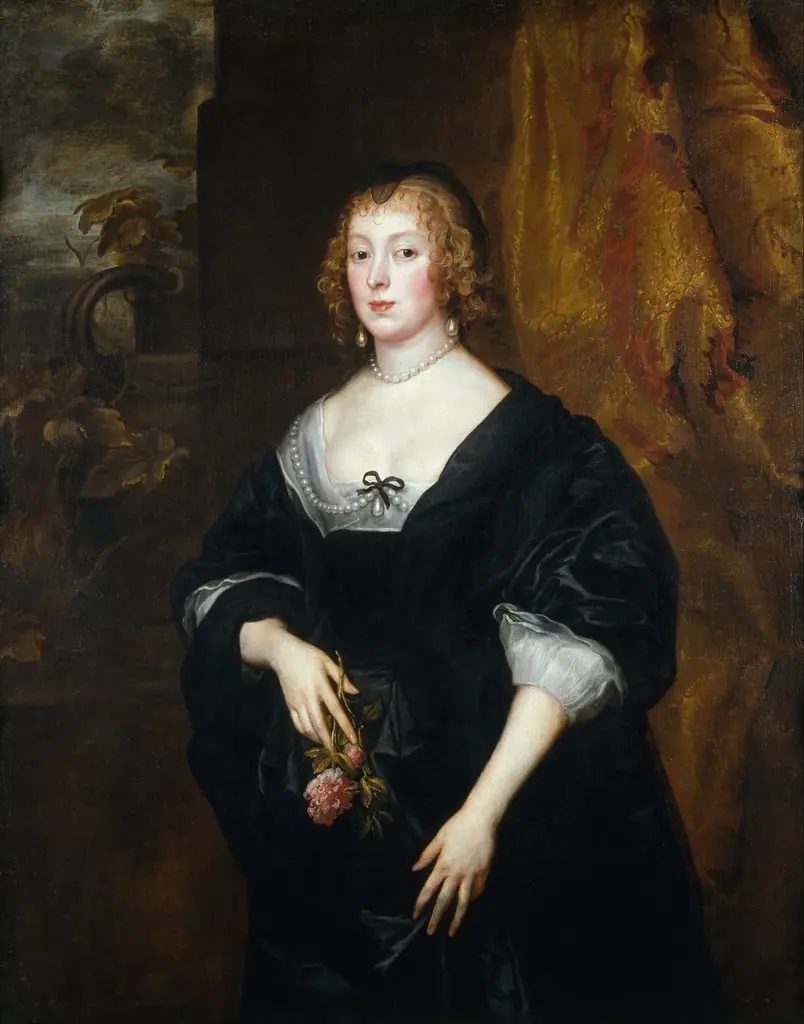 Lady Dacre
 Untitled
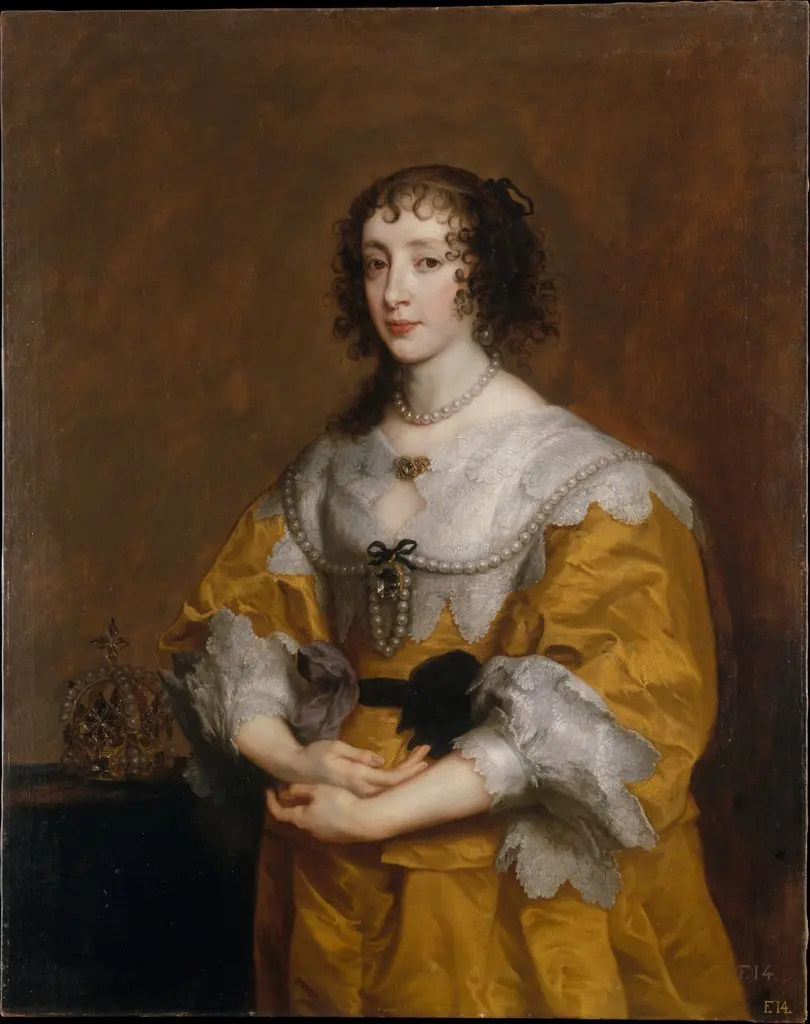 Queen Henrietta Maria
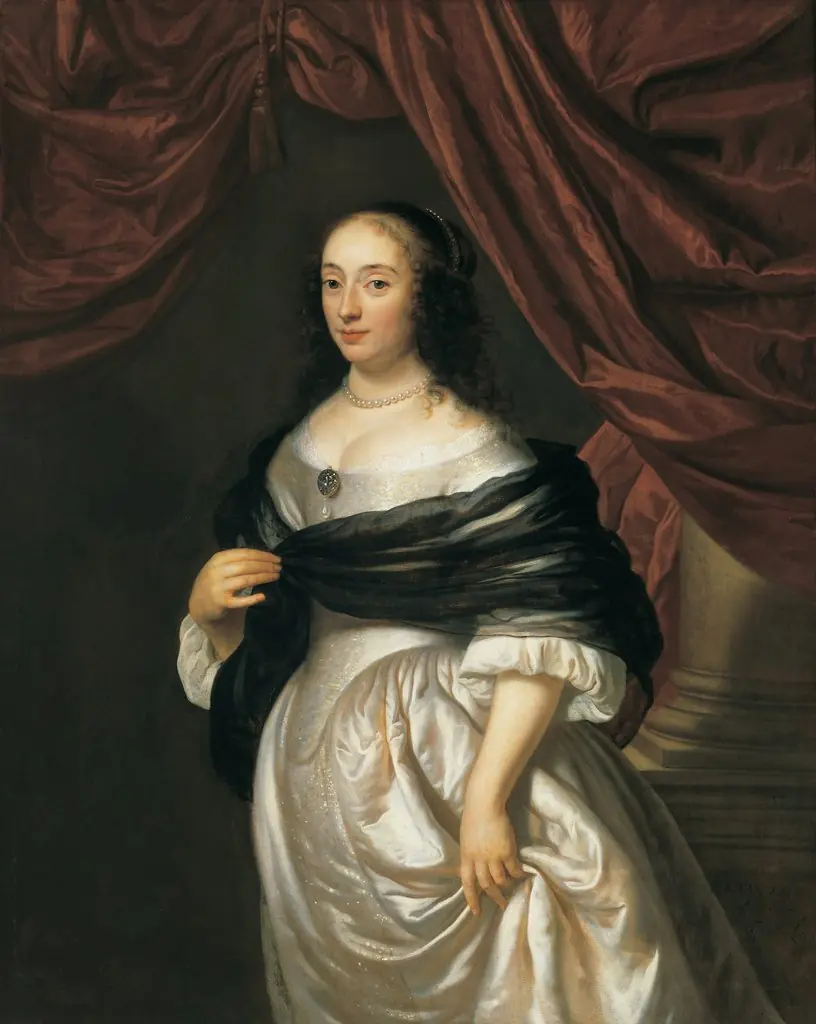 Retrato de la Condesa de Goldstein
 Portrait of a Lady
 Portrait of Mrs. Leneve
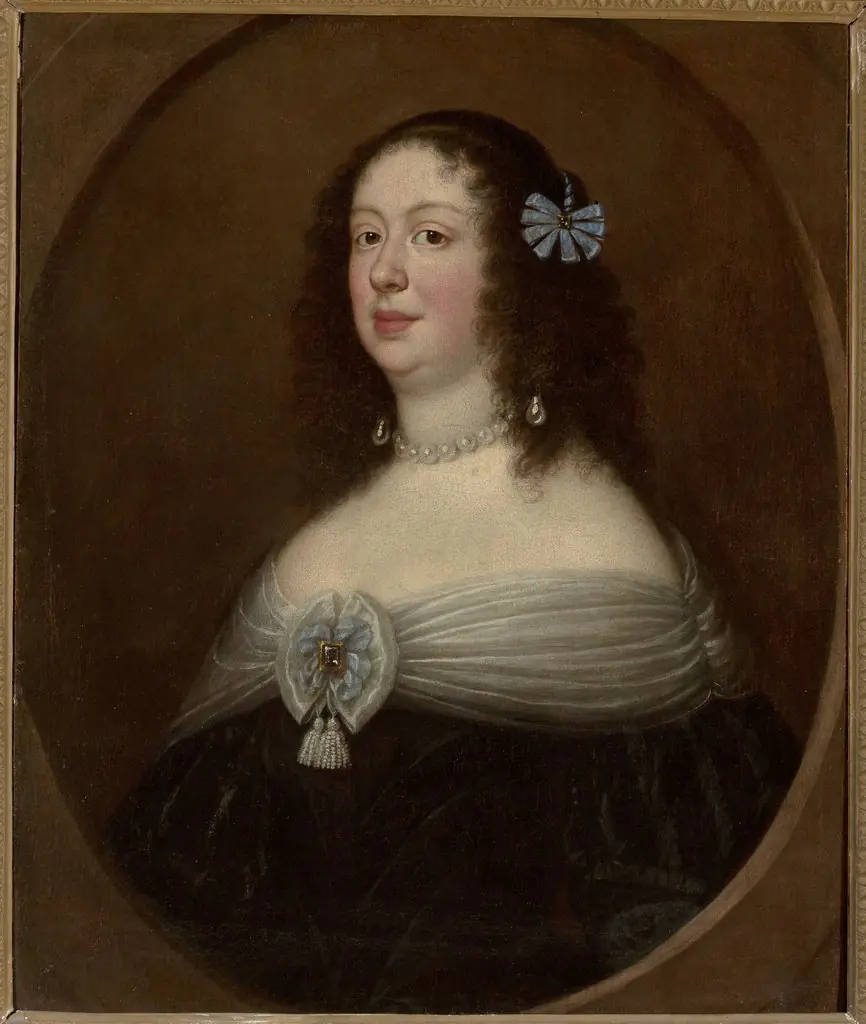 Portrait of princess Anna de Medici
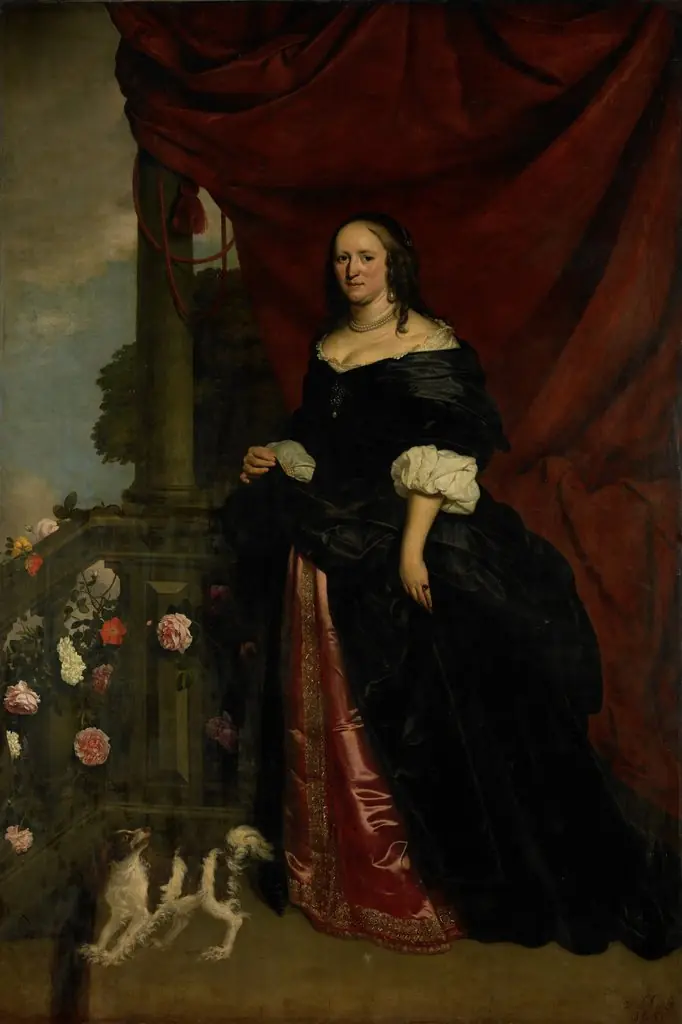 Portrait of a woman, probably Sophia Anna van Pipenpoy (c. 1618-70), Countess of Schellart