Artwork
Barbara Villiers, Duchess of Cleveland
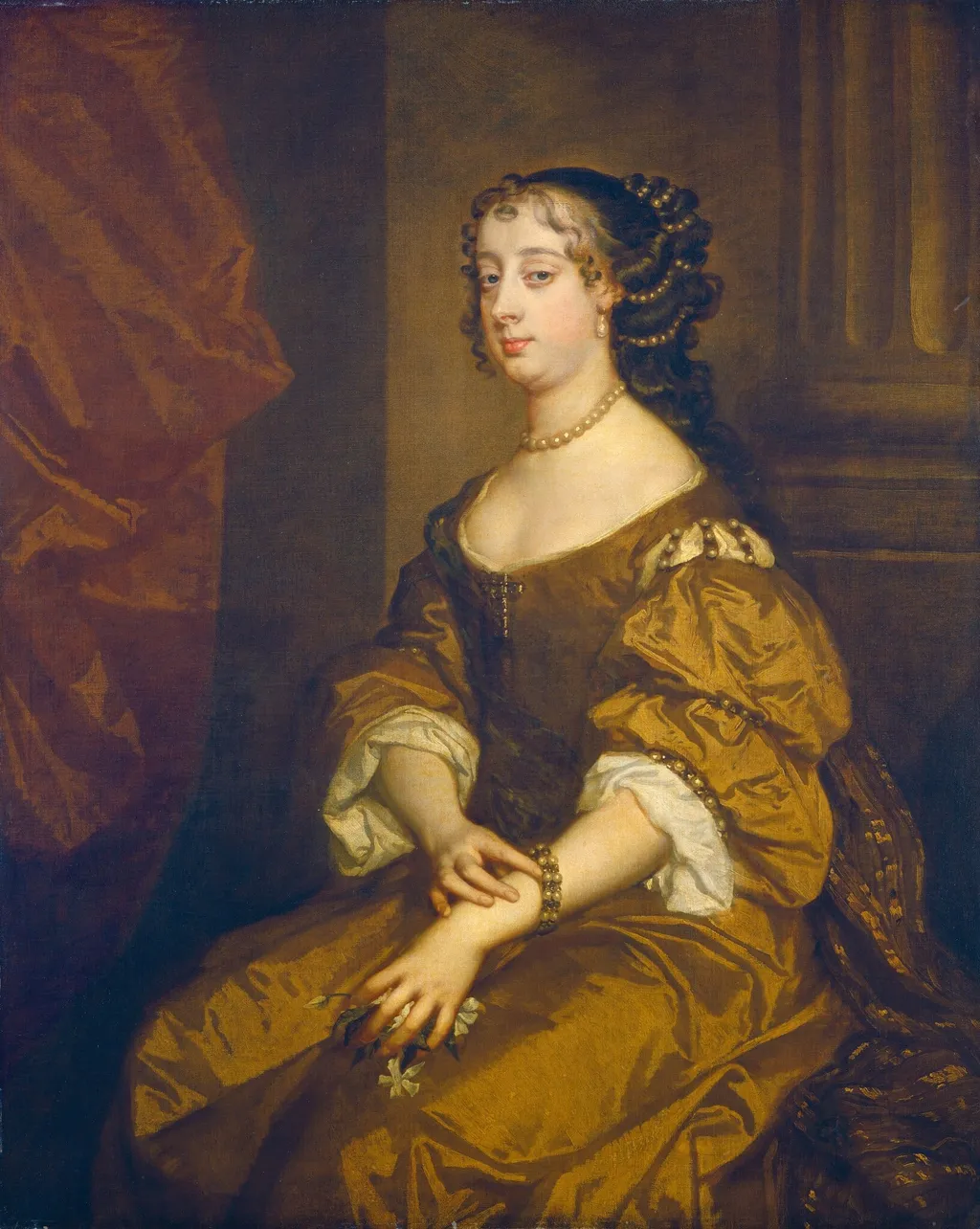
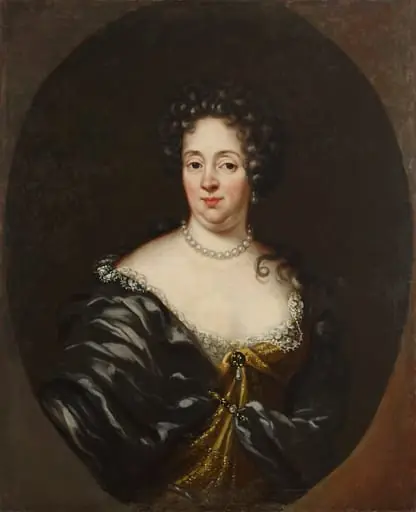
Barbara Villiers, Duchess of Cleveland is an oil painting by the Baroque artist Probably chiefly studio of Sir Peter Lely. It dates from 1663 and is held in the collection of the National Gallery of Art.
About this work
History & Provenance
The painting was created in 1661 as an oil on canvas portrait of Barbara Villiers, Duchess of Cleveland, attributed to an anonymous follower of Sir Peter Lely.
The painting was created in 1661 as an oil on canvas portrait of Barbara Villiers, Duchess of Cleveland, attributed to an anonymous follower of Sir Peter Lely. It entered the collection of Bethell Walrond at Dulford House, Devon, before being sold at Christie, Manson & Woods in July 1878 (lot 156). The work subsequently passed through several owners, including Sir Henry-Hope Edwardes, Martin H. Colnaghi, and the firm Thos.
Agnew & Sons, before being acquired by Frank Bulkeley Smith in 1920. Smith’s estate later sold it to Otto Bernet, acting for William R. Timken, and the painting remained in the Timken family until its bequest to the National Gallery of Art in 1960. The National Gallery of Art in Washington, D.C., now holds the work, which measures 126.1 cm by 101.5 cm.
The provenance chain is documented through multiple sales and transfers, with the 1878 Christie sale and the 1901 disposal by Edwardes recorded in auction ledgers. The 1908 joint sale between Agnew and Wallis & Son to Scott & Fowles in New York marks a key transfer point, followed by its acquisition by the American collector Frank Bulkeley Smith. After Smith’s death, the work passed through the Bernet and Timken families before its final donation to the National Gallery of Art.
The painting’s creation history is tied to the court of Charles II, with the sitter being a prominent mistress of the era. While the artist remains unidentified, stylistic analysis suggests influence from Sir Peter Lely’s circle, and the work is classified as a 17th-century portrait. Its dimensions and medium are consistent with contemporary portraiture, and its inclusion in the National Gallery of Art’s collection underscores its historical and artistic significance.
The painting is held by the National Gallery of Art in Washington, D.C., where it entered the collection in 1960 as part of the bequest of Lillian Guyer Timken, widow of William R. Timken. It had previously passed through a succession of owners, including Bethell Walrond at Dulford House, Devon; Sir Henry-Hope Edwardes at Wootton Hall, Derbyshire; the dealer Martin H. Colnaghi in London; and the American collector Frank Bulkeley Smith of Worcester, Massachusetts, before being acquired by Otto Bernet, likely on behalf of Timken.
The work was offered at several auctions during its documented provenance: at Christie's, Manson & Woods in London on 12–13 July 1878 (lot 156); again at the same house on 27 April 1901 (lot 11); and at the American Art Association in New York on 22–23 April 1920 (lot 109), the latter as part of Smith's estate sale.
Legacy
The portrait of Barbara Villiers, Duchess of Cleveland, painted in 1661 by an unknown artist, has been recognized for its role in shaping the visual representation of aristocratic women in 17th-century England. Its provenance, documented through sales at Christie, Manson & Woods in 1878 and 1901, and subsequent ownership by collectors including Martin H. Colnaghi and Otto Bernet, reflects its enduring presence in art markets. The work entered the National Gallery of Art in Washington, D.C., via the bequest of Lillian Guyer Timken in 1960, where it remains part of the collection.
The painting’s attribution to the circle of Sir Peter Lely and its stylistic influence on later portraiture underscore its significance in art historical discourse.
Overview
The portrait depicts Barbara Villiers, Duchess of Cleveland, rendered in oil on canvas. She is presented in a sumptuous gold gown with ruffled sleeves, a white lace cuff, and a pearl necklace and bracelet. A fan rests in her hand, and her hair is styled in curls pinned atop her head, set against a dark, neutral background that isolates the figure.
Subject & Meaning
Barbara Villies, a prominent figure in the English court of the 17th century, is portrayed with symbols of status and refinement. The luxurious attire, pearls, and fan allude to her aristocratic rank and fashionable sensibility, while the composed pose conveys confidence and poise typical of high‑society portraiture of the era.
Technique & Style
The artist employs a pronounced chiaroscuro, using strong contrasts of light and shadow to model the subject’s face and garments. This dramatic illumination, characteristic of mid‑17th‑century European painting, emphasizes texture, particularly the sheen of silk and the delicate lace, while the dark backdrop enhances the three‑dimensional effect.
Context
Created during the Restoration era, the portrait reflects the renewed courtly culture following the English Commonwealth. Portraits of courtiers like the Duchess of Cleveland were often used to assert loyalty to the monarchy and to showcase the renewed opulence of the royal court.
Artist & collection

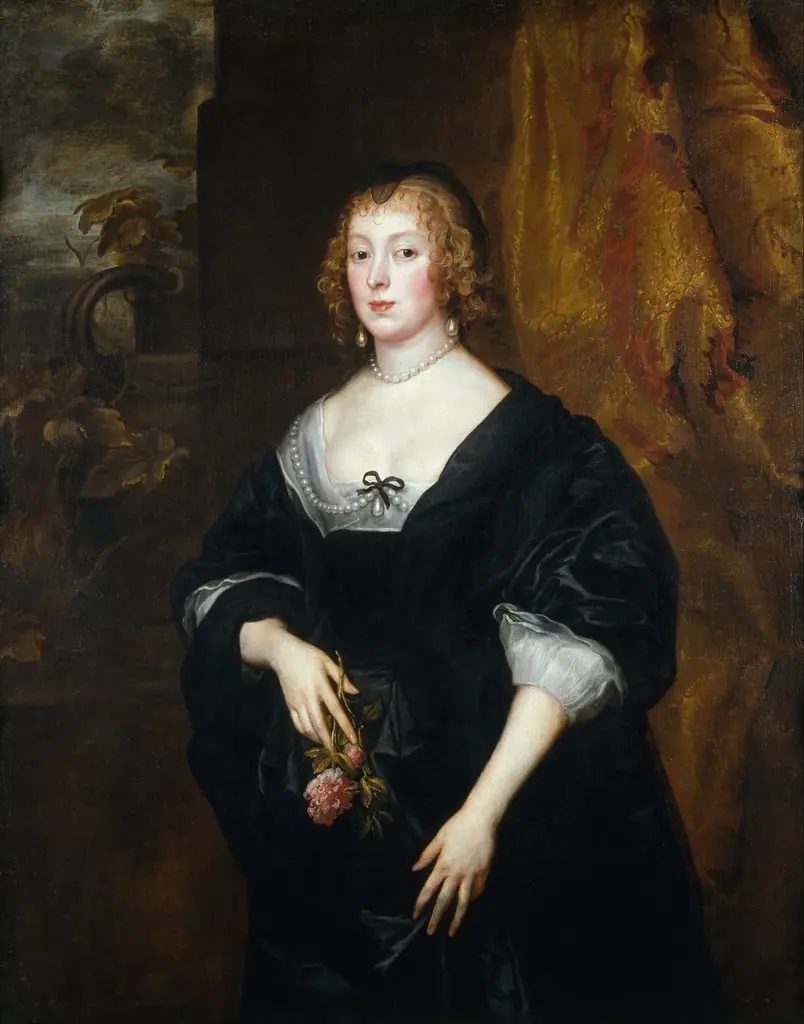
- Lady Dacre
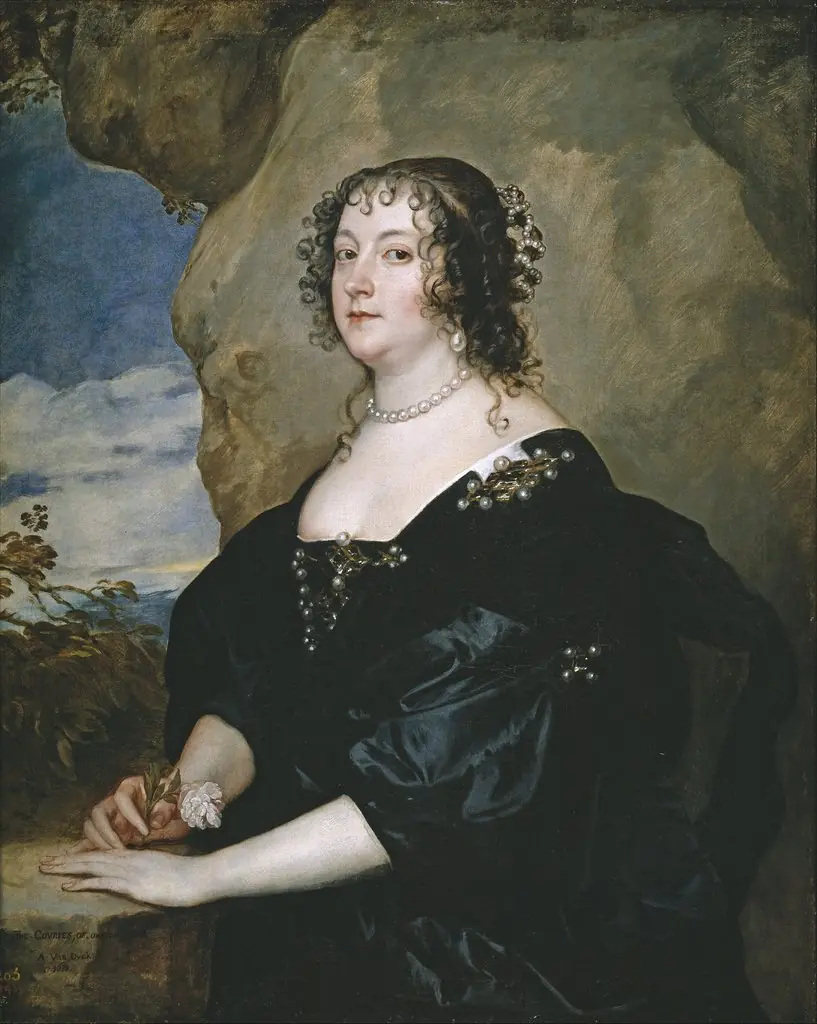 Beatriz van Hemmema, Countess of Oxford (formerly called Diana Cecil)
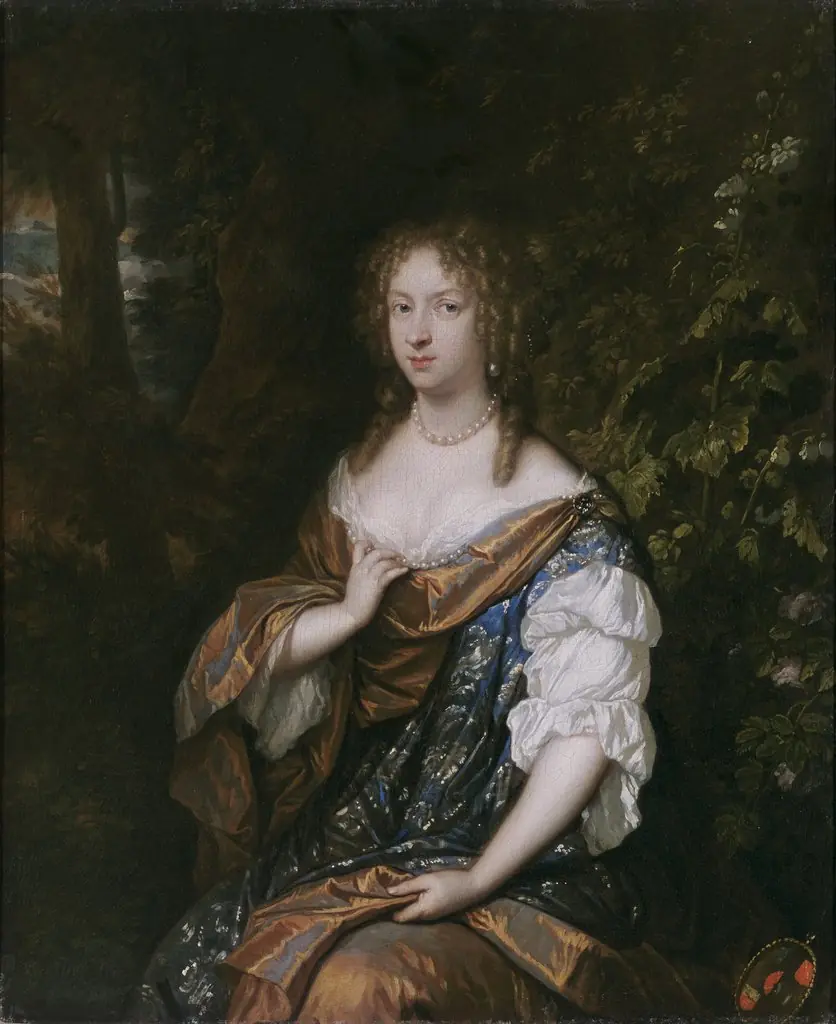 Alida de Lange, Wife of Johan Rammelman
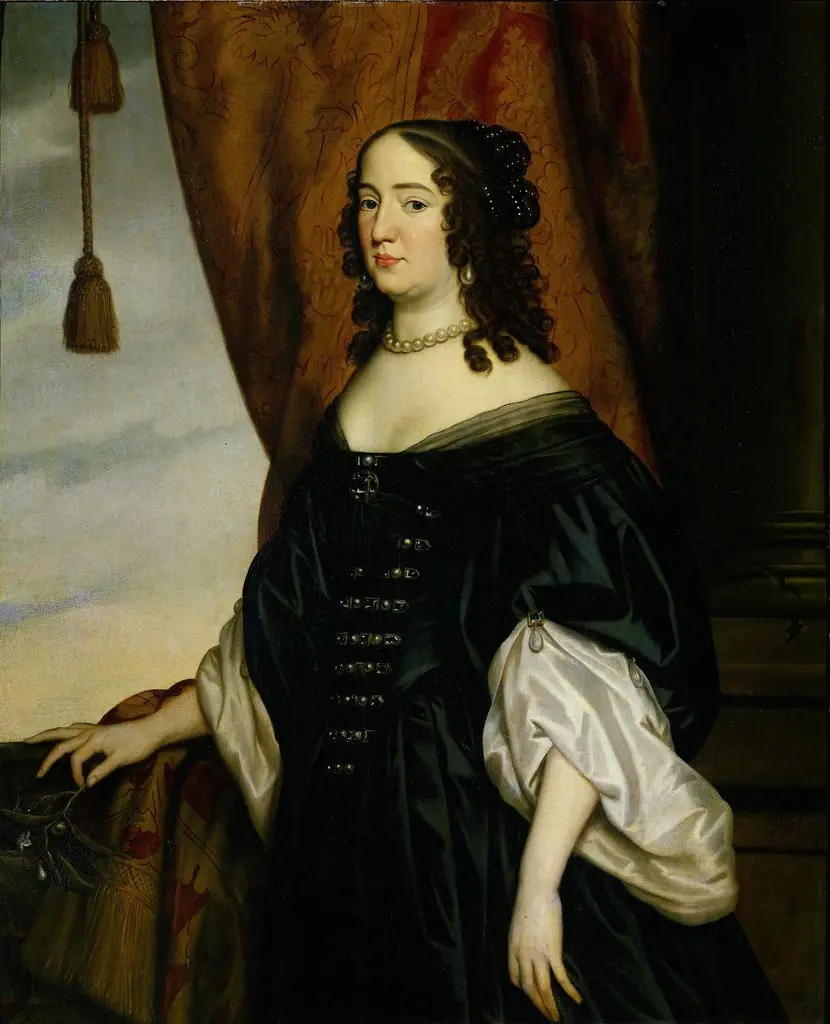 Portrait of Amalia van Solms (1602-75)
 Portrait of a Lady
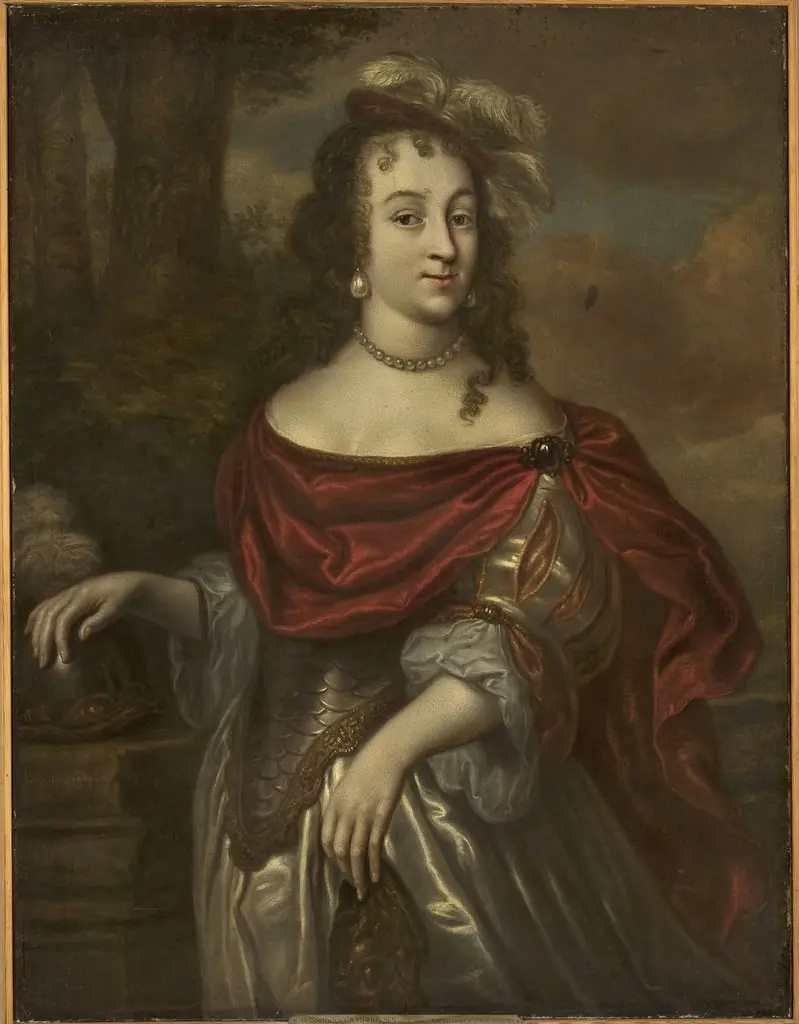 Portrait of a woman in Minerva’s costume
 Untitled
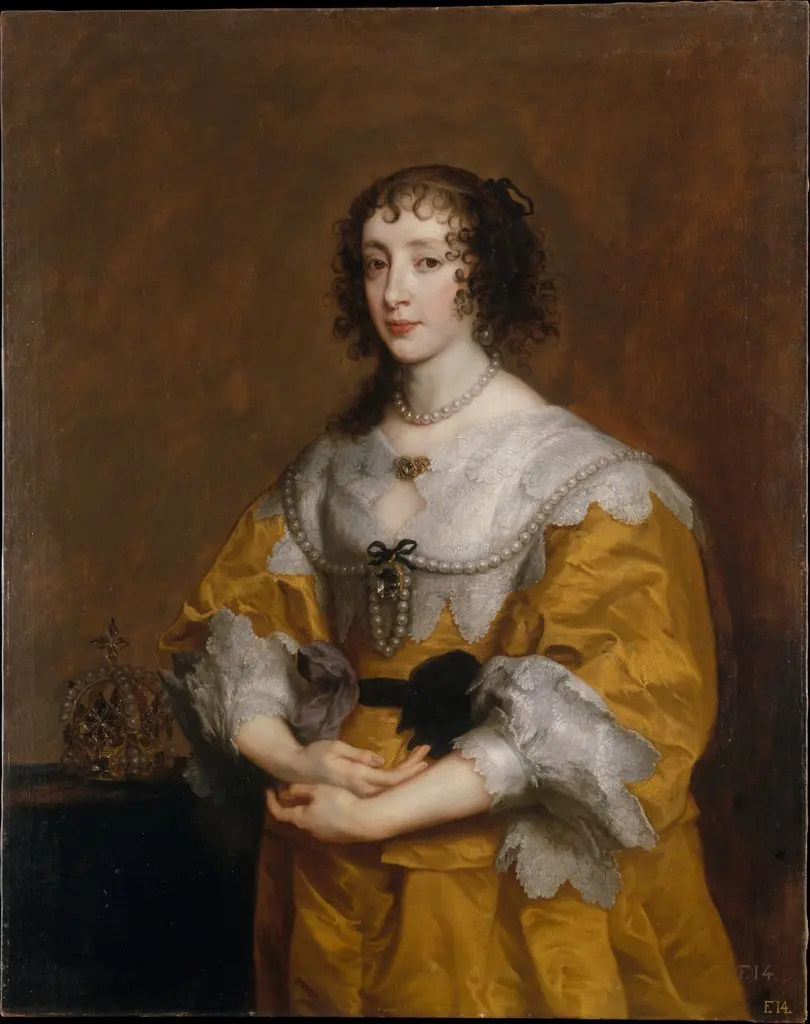 Queen Henrietta Maria
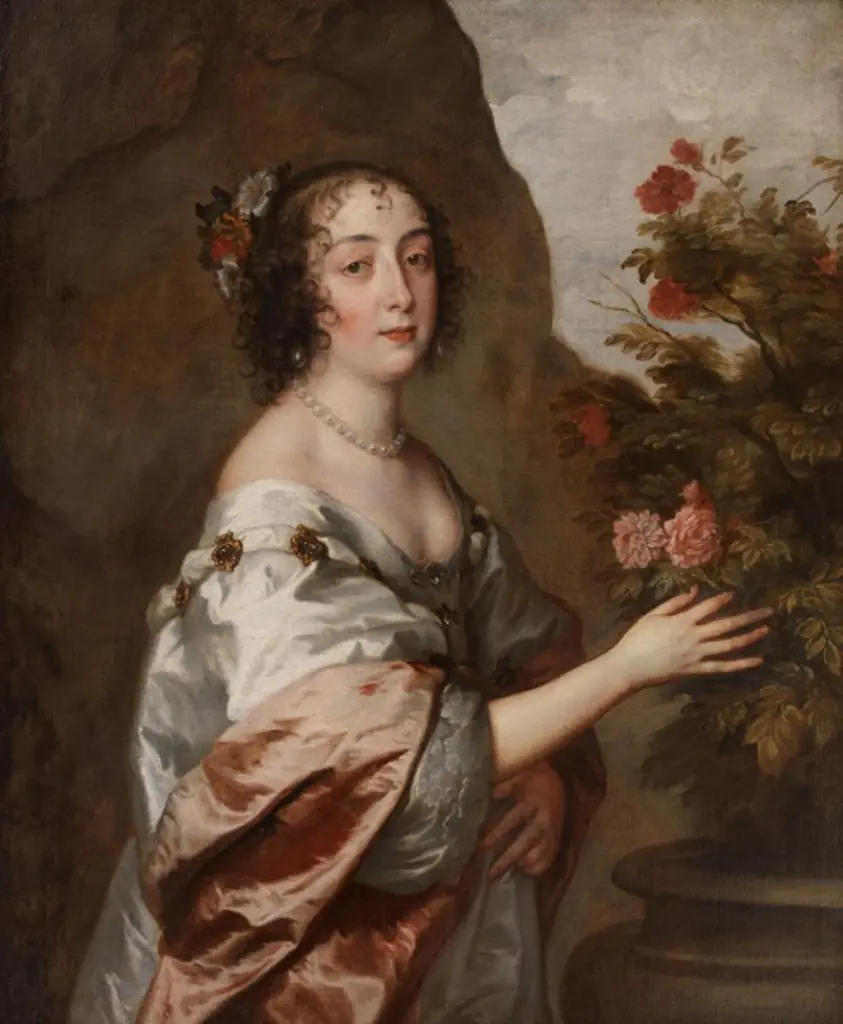 Portræt af en kvinde som Flora
 Portretul Marchizei de Crequi
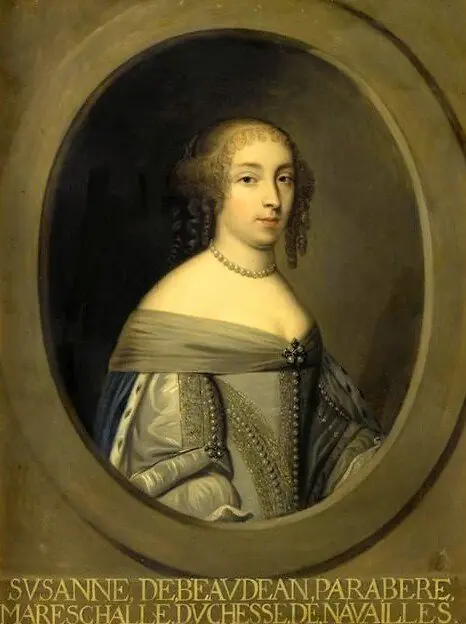 Portrait of Susanne de Baudéan (1625-1700)
 Jennings-suvun jäsen