Artwork
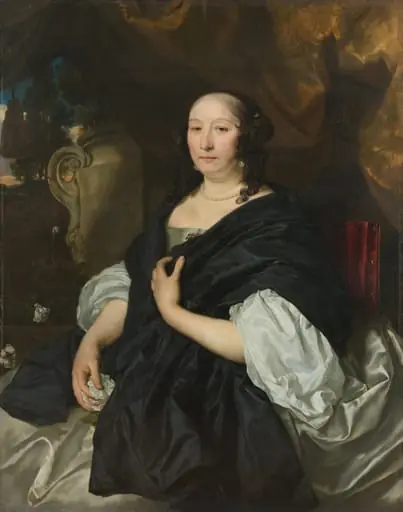
Portrait of a woman, thought to be Lucretia Boudaen
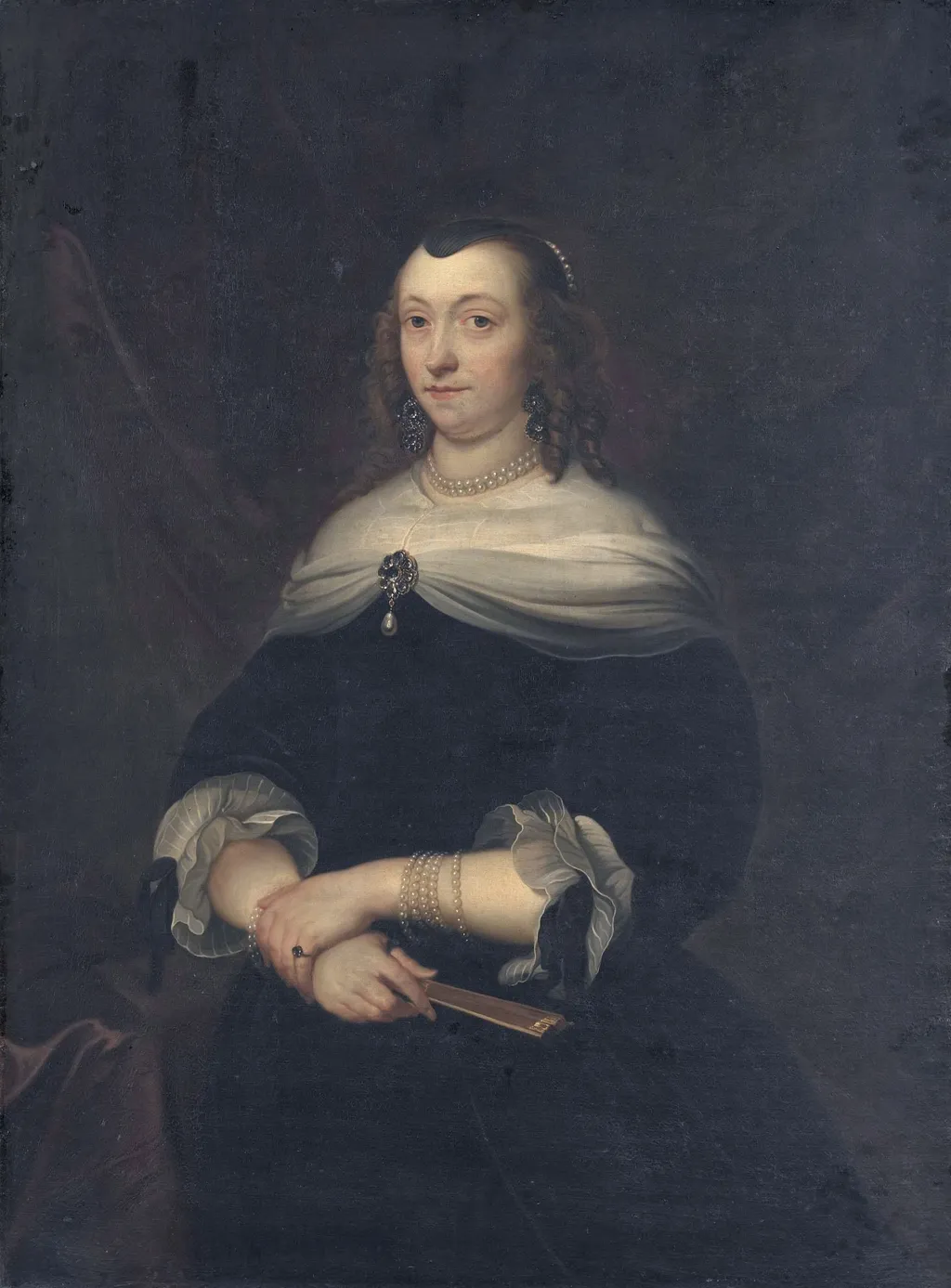
Portrait of a woman, thought to be Lucretia Boudaen is an oil painting by the Dutch Golden Age artist Jacob van Loo. It dates from 1650 and is held in the collection of the Rijksmuseum.
About this work
Technique & Style
Beyond these material and formal parameters, the sources do not provide further detail on handling, condition, or specific stylistic qualities.
The portrait is executed in oil paint on canvas, a standard combination for mid-seventeenth-century Dutch portraiture. Its physical dimensions measure 128 cm in height by 95.5 cm in width. The work belongs to the genre of portraiture, depicting a woman, and is dated to 1650.
Beyond these material and formal parameters, the sources do not provide further detail on handling, condition, or specific stylistic qualities.
Context
The work is generally classified as a 17th-century Dutch portrait within the Baroque tradition, reflecting the stylistic conventions of mid-century portraiture. As part of Jacob van Loo's oeuvre, it demonstrates his focus on capturing individual character through nuanced rendering of clothing and expression, situating it within the broader development of Dutch Golden Age portraiture. The attribution to van Loo and its dating to 1650 are supported by archival records and museum documentation, placing it among the notable examples of portraiture from this period.
Overview
Created circa 1650 by Dutch painter Jacob van Loo, this oil portrait presents a seated woman rendered in the refined manner typical of the Dutch Golden Age. The composition places the sitter against a dark, neutral backdrop, allowing the details of her attire and accessories to dominate the visual field. The work is part of the Rijksmuseum’s collection.
Subject & Meaning
The figure is identified as Lucretia Boudaen, though the attribution remains tentative. She is shown with curly brown hair, a white headband, and pearl jewelry, suggesting a status of wealth and cultivated taste. The inclusion of a fan and the poised hand gesture convey a sense of modest elegance, common in 17th‑century portraiture intended to reflect the sitter’s social standing.
History & Provenance
The painting was produced in Amsterdam during van Loo’s early career, before his relocation to Paris. It entered the Rijksmuseum’s holdings through acquisition in the 20th century, though earlier ownership records are sparse. The work has been exhibited as an example of van Loo’s portraiture, illustrating his reputation for rendering refined, affluent sitters.
Own this work as a print
Artist & collection
Artist
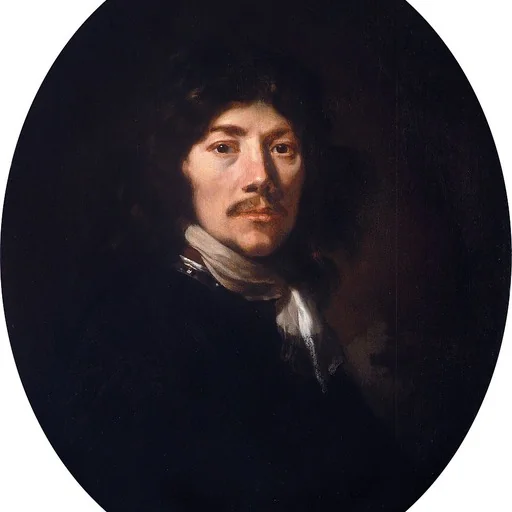
Jacob van Loo (1614 – 26 November 1670) was a painter of the Dutch Golden Age, chiefly active in Amsterdam and, after 1660, in Paris.

- Portrait of a Woman
 Anna von Österreich (1601-1666) (Umkreis)
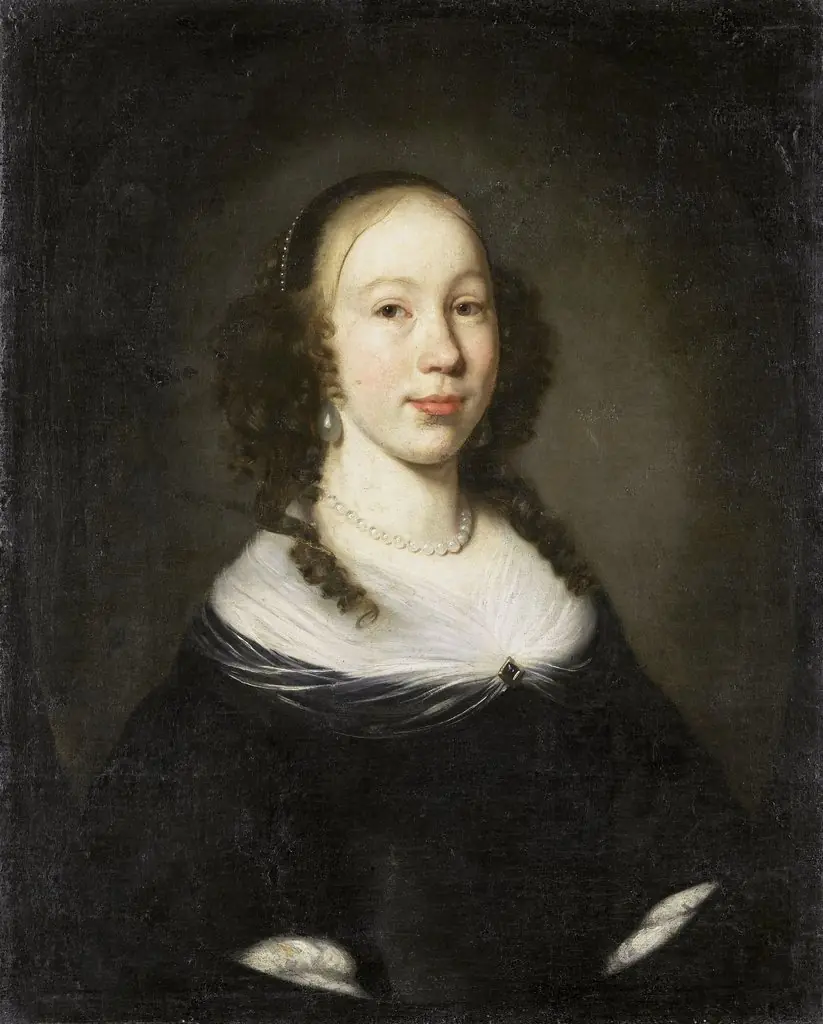 Portrait of a young woman
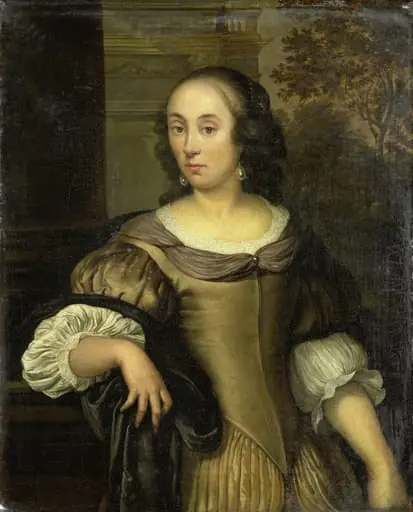 Portrait of a young woman
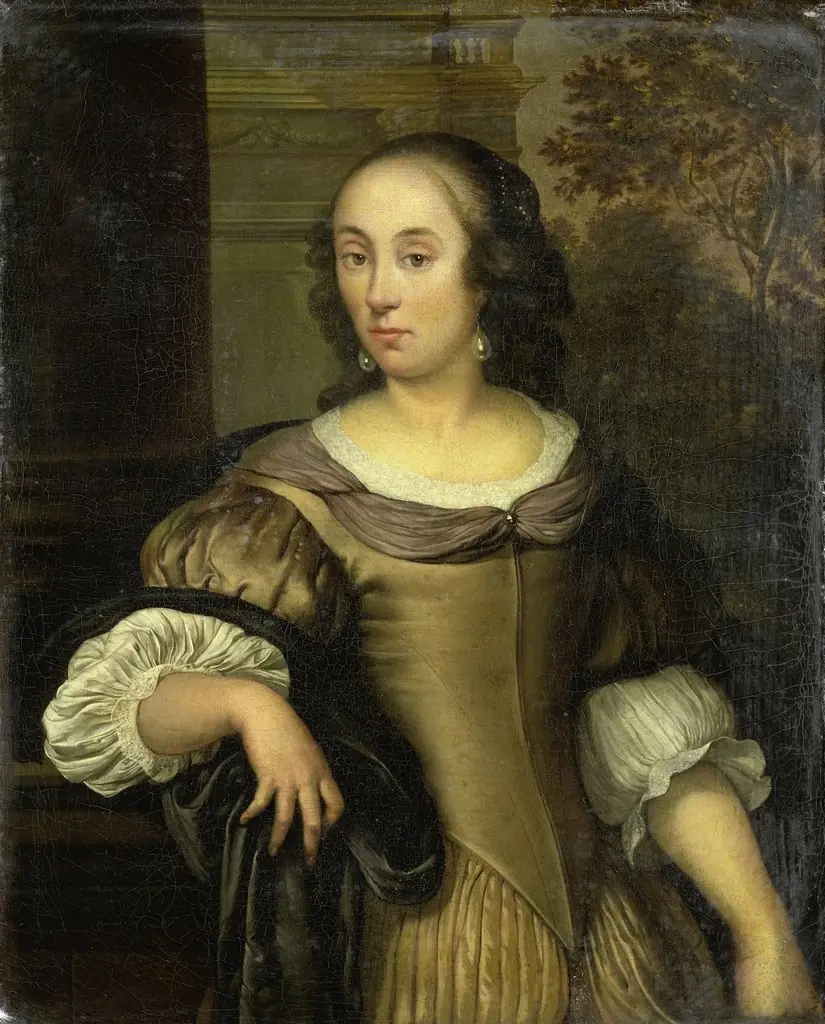 Portrait of a young woman
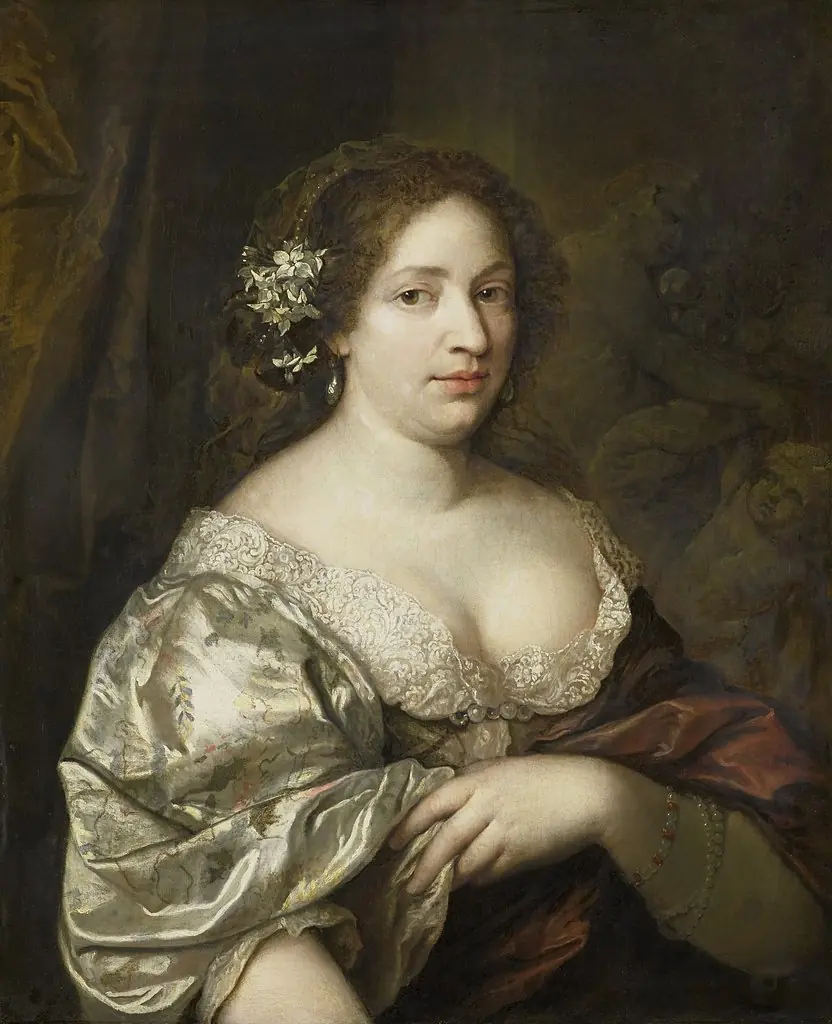 Portrait of Margaretha Godin (d. 1694), wife of the artist
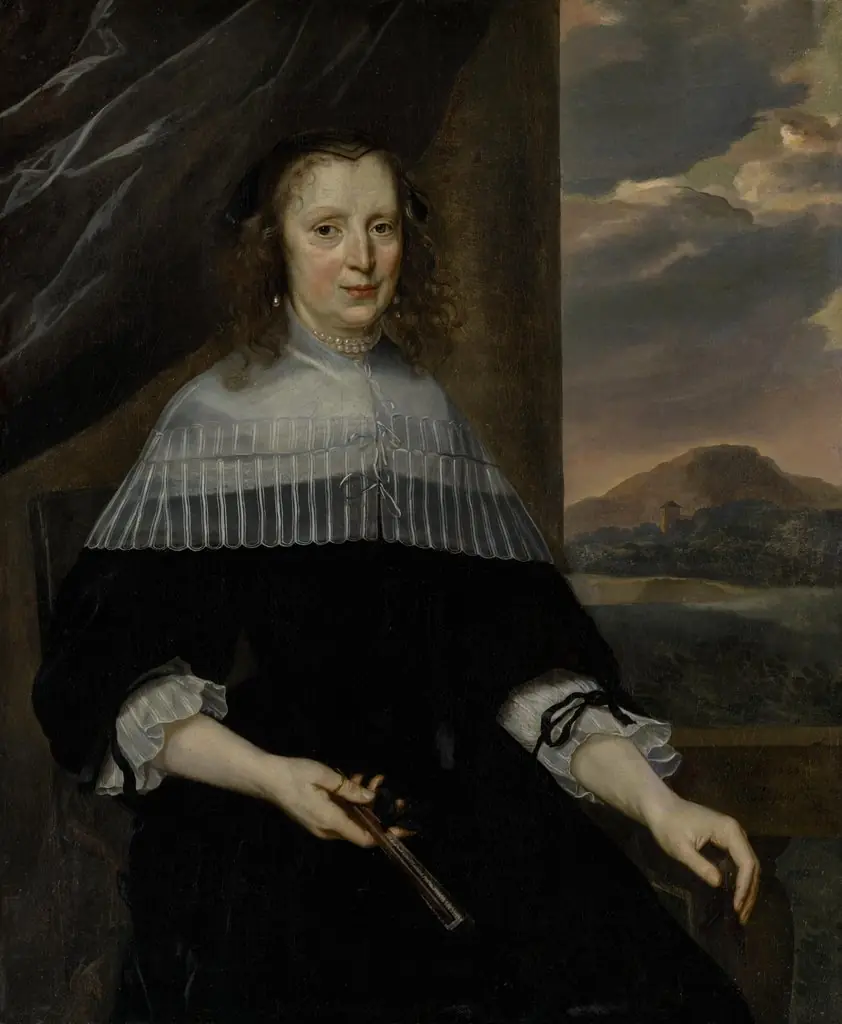 Bildnis einer Dame
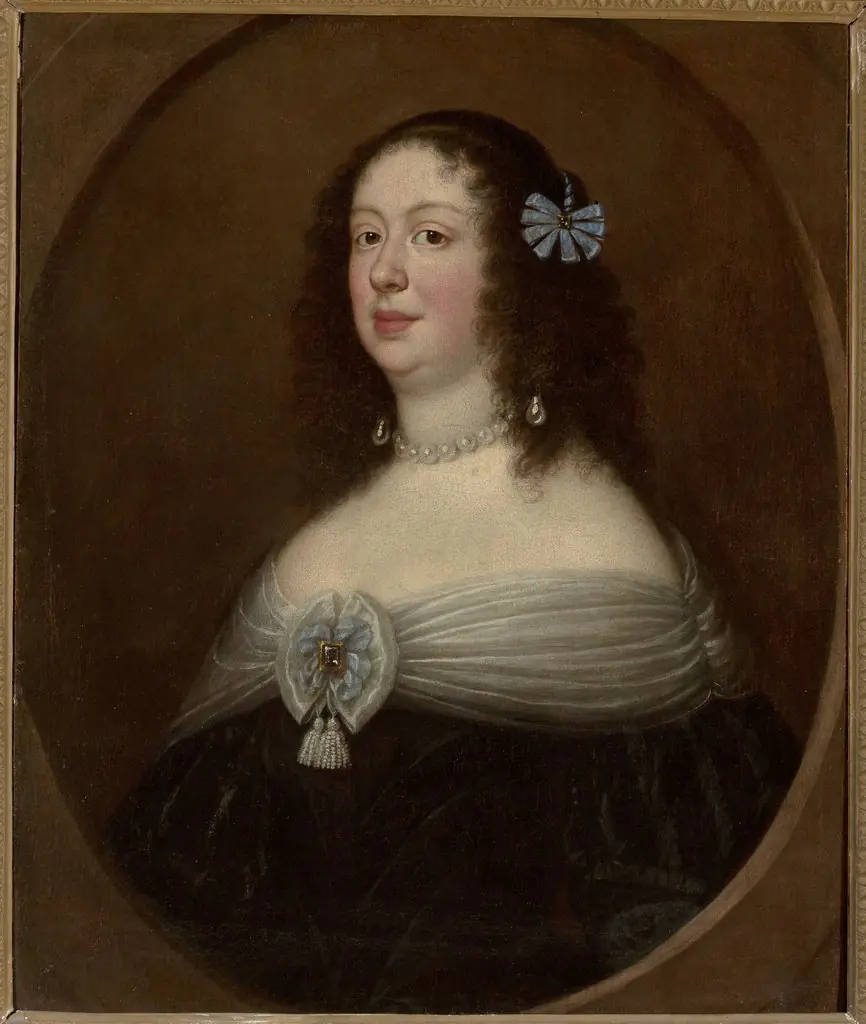 Portrait of princess Anna de Medici
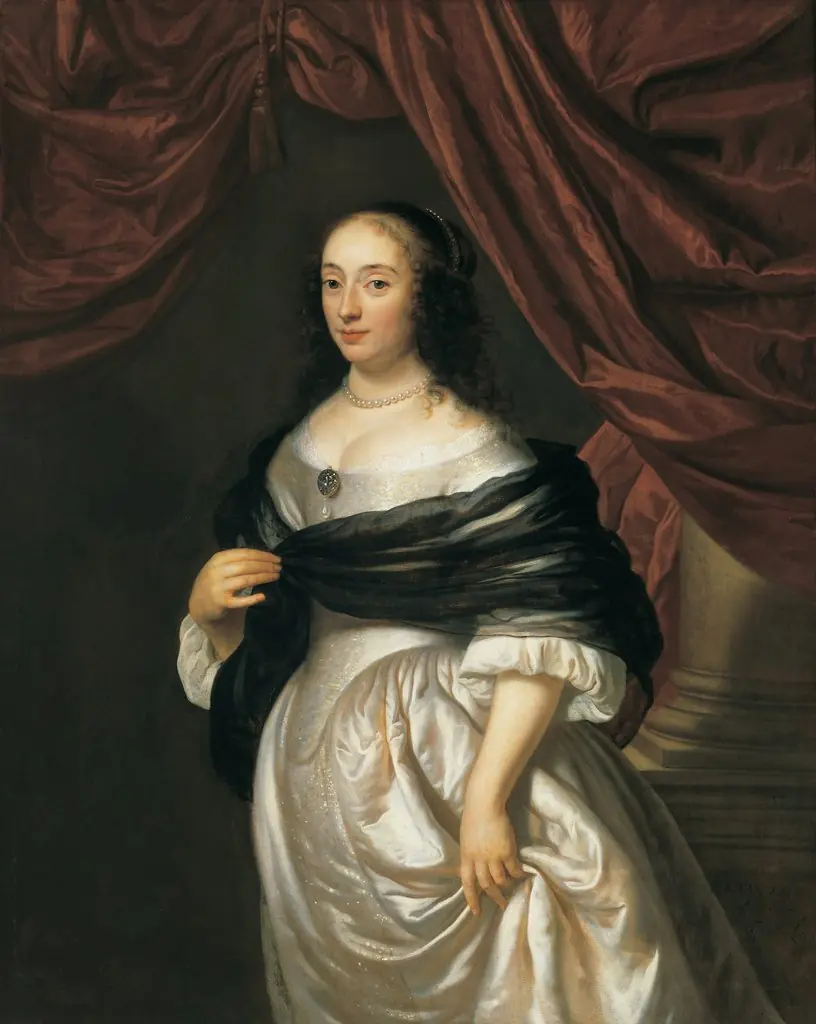 Retrato de la Condesa de Goldstein
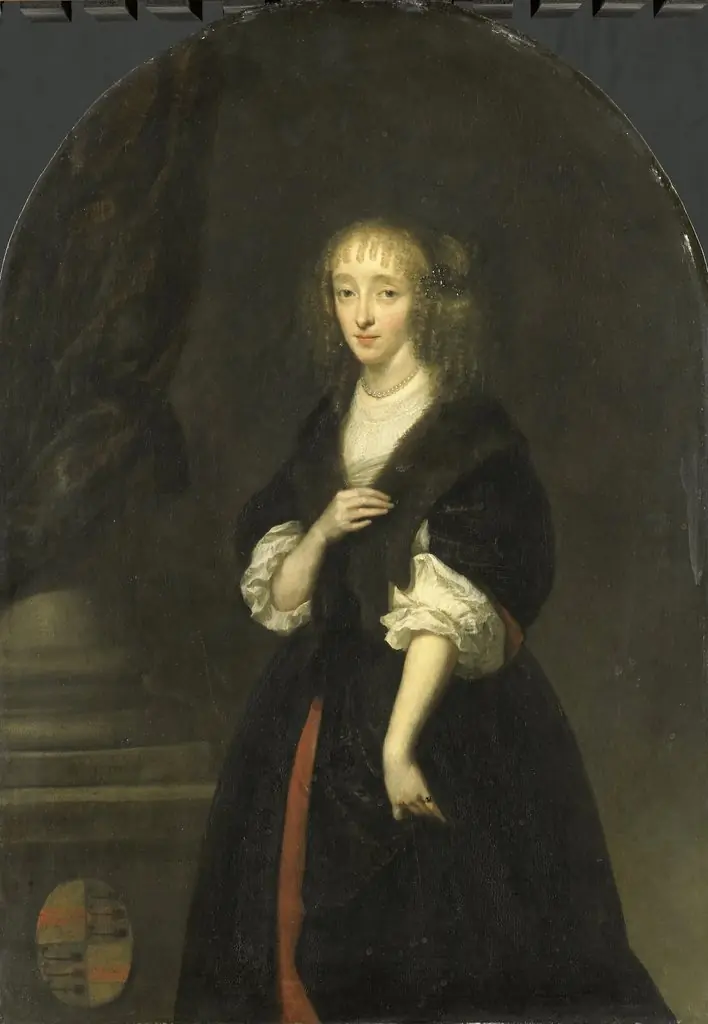 Portrait of Jacoba Bicker (1640-95), wife of Pieter de Graeff
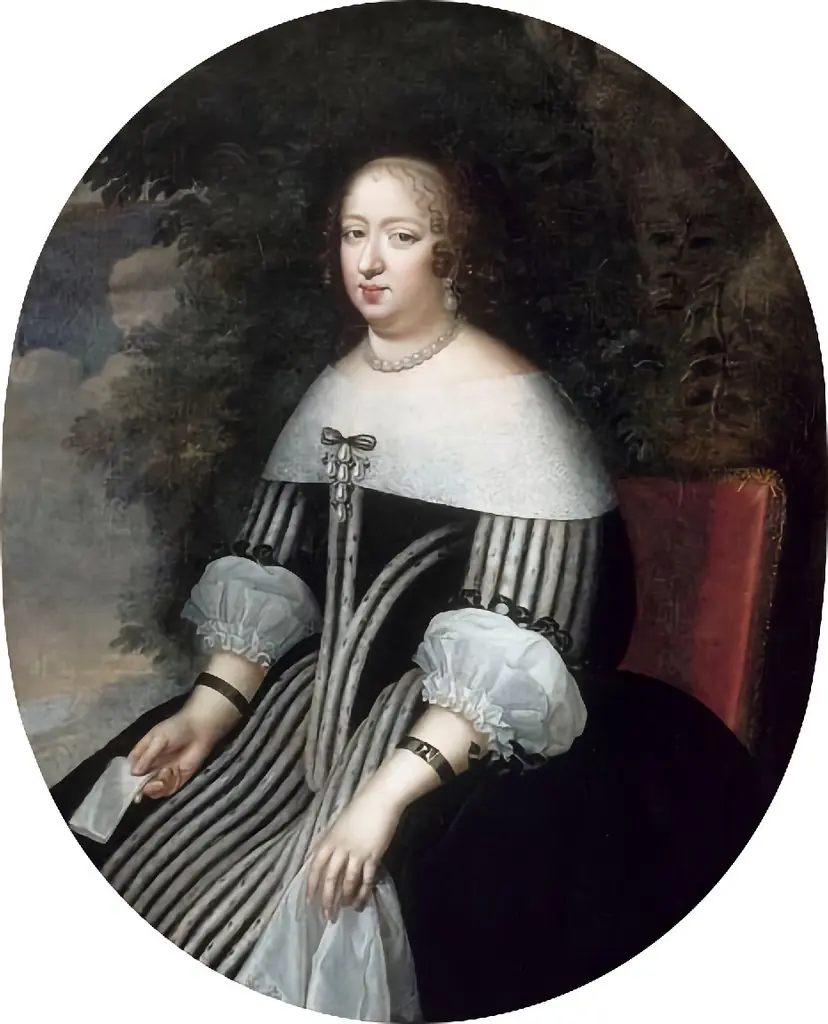 Portrait of Anne of Austria (1601-1666)
 Portrait of Catharina van der Voort