Artwork
Portrait of Jacob Hendricksz van Swieten (1558-1626)
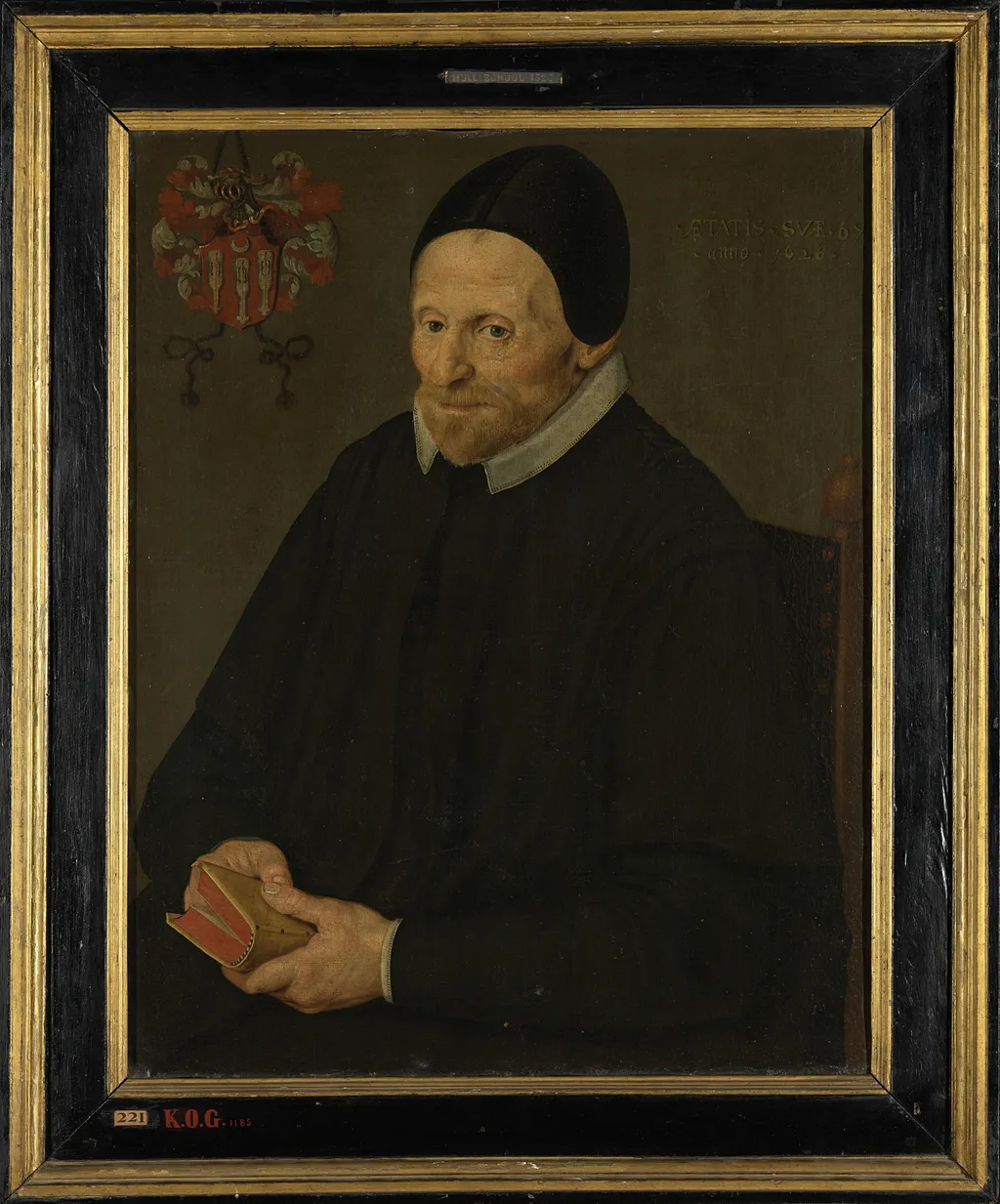
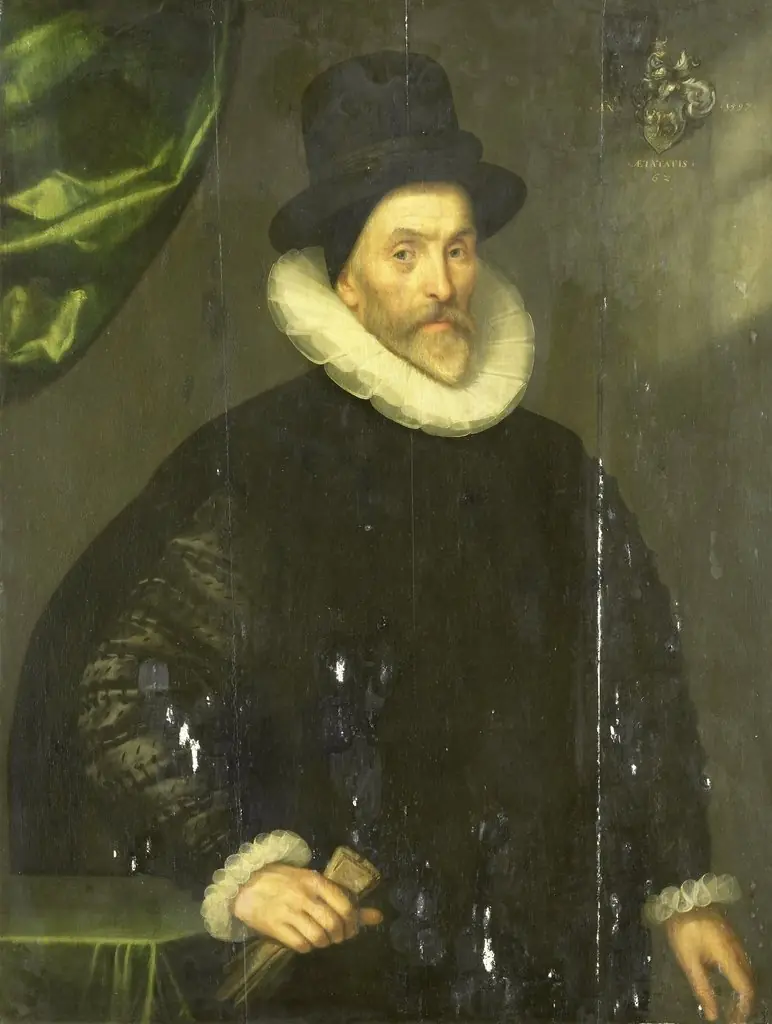
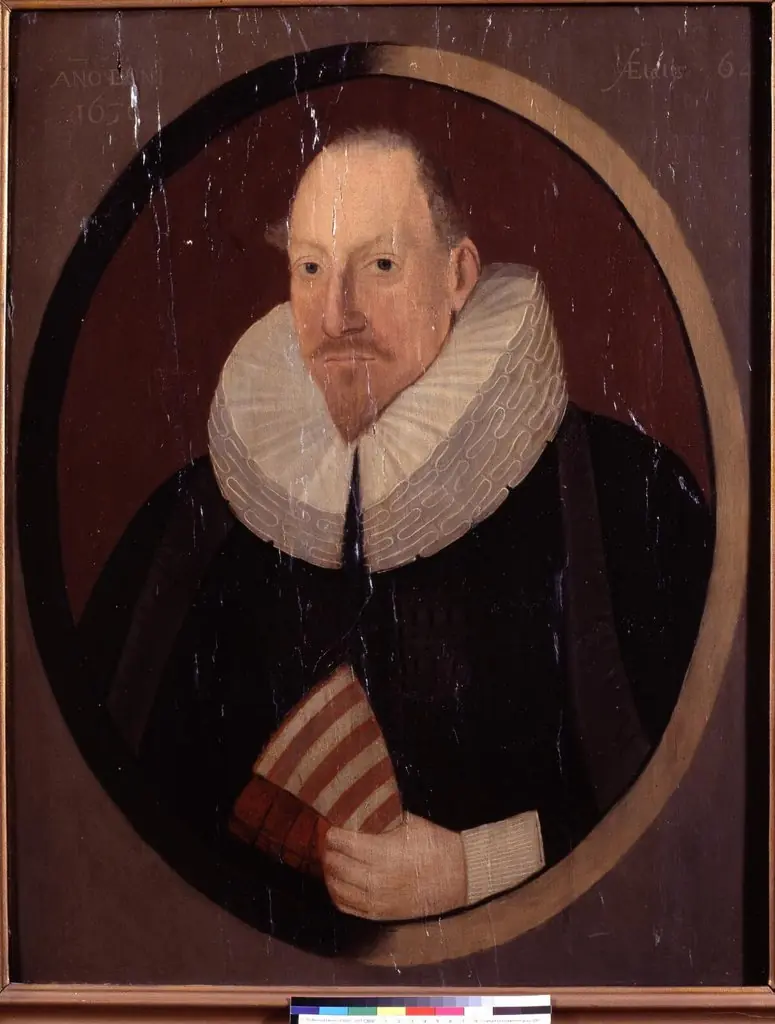
Portrait of Jacob Hendricksz van Swieten (1558-1626) is an oil painting. It dates from 1626 and is held in the collection of the Rijksmuseum. This oil painting depicts Jacob Hendricksz van Swieten, a figure from the late 16th and early 17th centuries.
About this work
Technique & Style
The composition adheres to the portrait genre conventions of the period, focusing on the upper body of the male figure.
Created in 1626, this portrait is executed in oil paint on a canvas support. The work measures 73.5 cm in height and 58 cm in width, originating from the Northern Low Countries. Stylistically, the anonymous artist depicts the sitter as a bearded man wearing headgear and a collar, with specific attention given to a coat of arms, a book, and the subject's head and beard.
The composition adheres to the portrait genre conventions of the period, focusing on the upper body of the male figure.
History & Provenance
Created in 1626 within the Northern Low Countries, this oil painting on canvas depicts Jacob Hendricksz van Swieten. The work is currently held in the collection of the Rijksmuseum. While the specific circumstances of its commission and the identity of the original patron remain unrecorded in the available data, the piece is attributed to an anonymous artist rather than a named master.
The portrait includes symbolic elements such as a coat of arms and a book, characteristic of the genre during this period.
Overview
This oil painting depicts Jacob Hendricksz van Swieten, a figure from the late 16th and early 17th centuries. The portrait presents him as a serious individual, dressed in somber attire typical of the period. He holds a small red book, while a prominent, colorful coat of arms is displayed behind him, suggesting his social standing. The artwork offers a direct gaze into the sitter's character.
Subject & Meaning
The subject, Jacob Hendricksz van Swieten, lived from 1558 to 1626. His formal attire and the inclusion of a richly colored, heraldic coat of arms on the wall behind him indicate a person of considerable social status. Such armorial bearings were typically reserved for nobility or high-ranking officials, underscoring the sitter's importance within his community. The small book might allude to his profession or intellectual pursuits.
Artist & collection

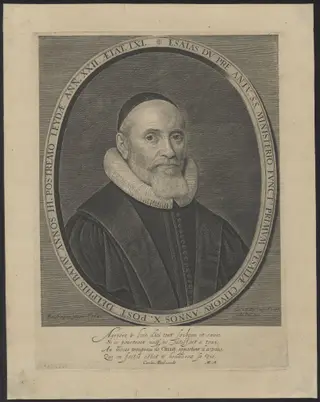 Portrait of Esaias du Pré
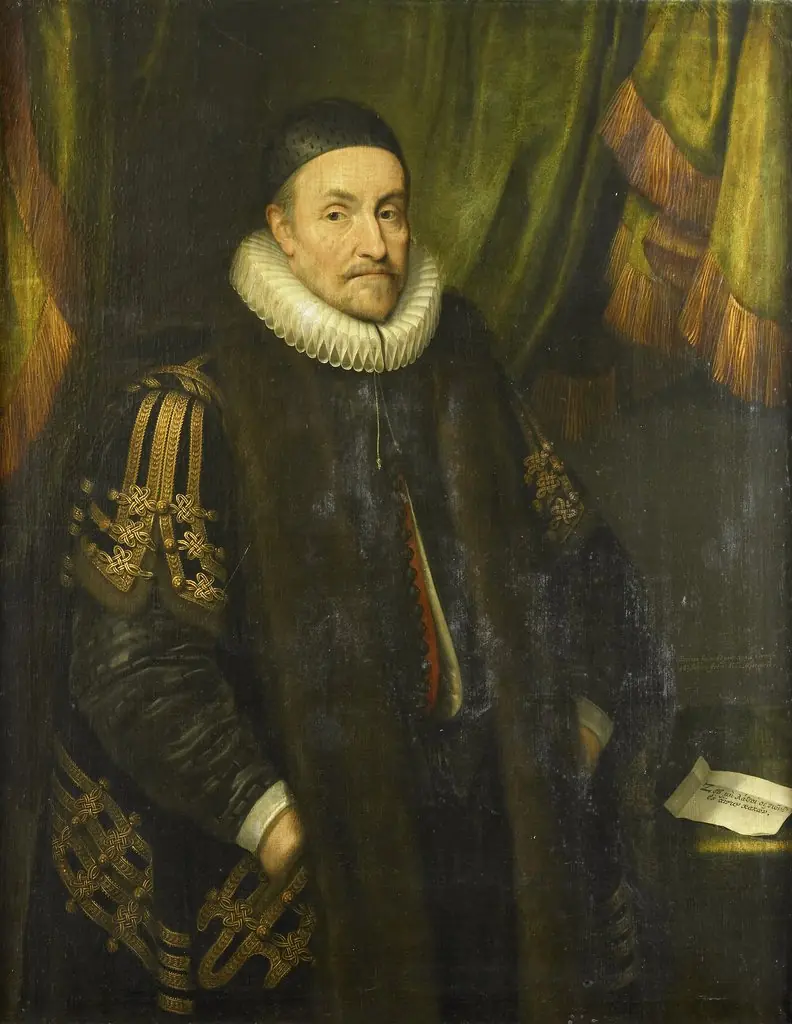 Portrait of Willem I (1533-84), prince of Orange, called William the Silent
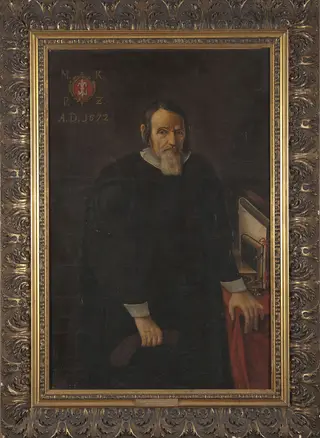 Portrait of a man – M.K., Gozdawa coat of arms
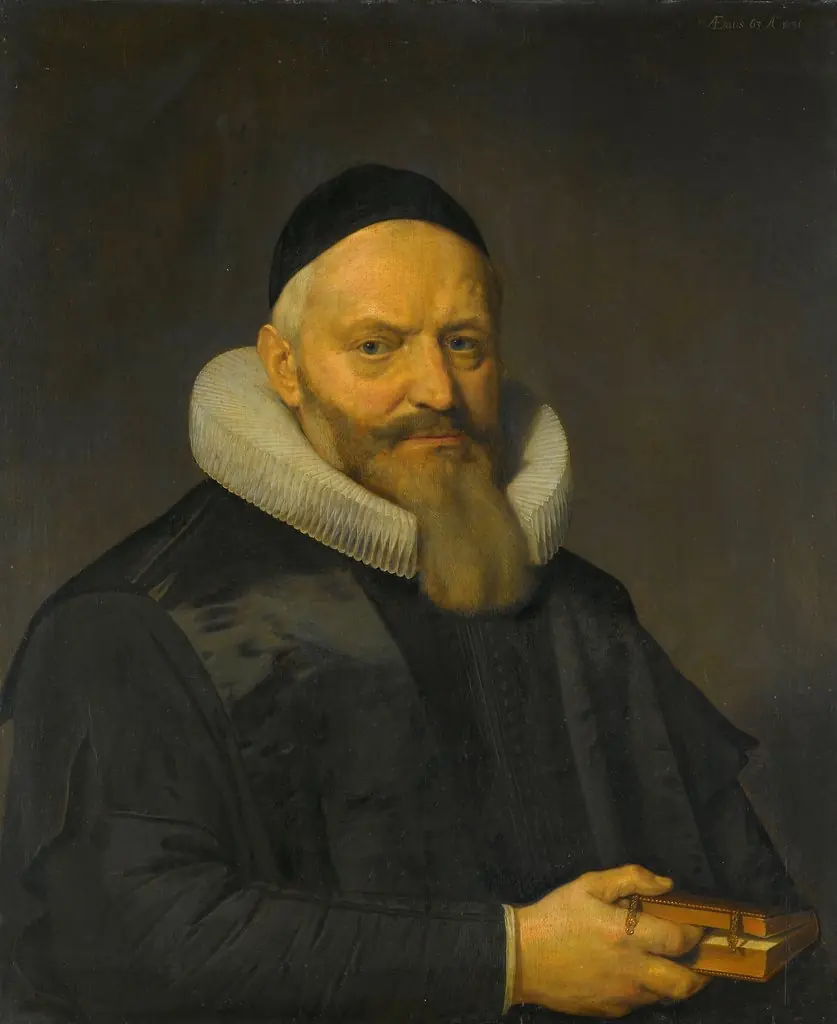
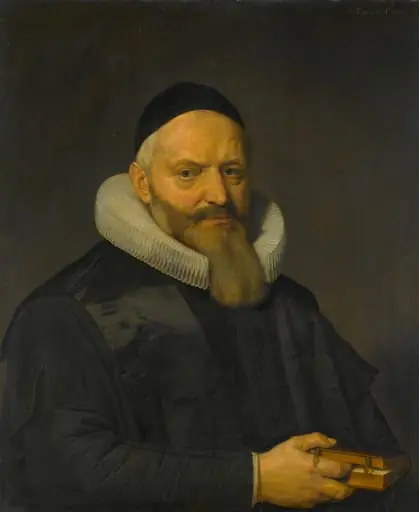 Portrait of Anthony de Wale (1573-1639). Professor of Theology at the University in Leiden
 Portrait of a Man
 Untitled
 Portrait of Anthony de Wale (1573-1639)
 Portrait of Gualtero del Prado
 Thomas Thelwall