Artwork
Untitled
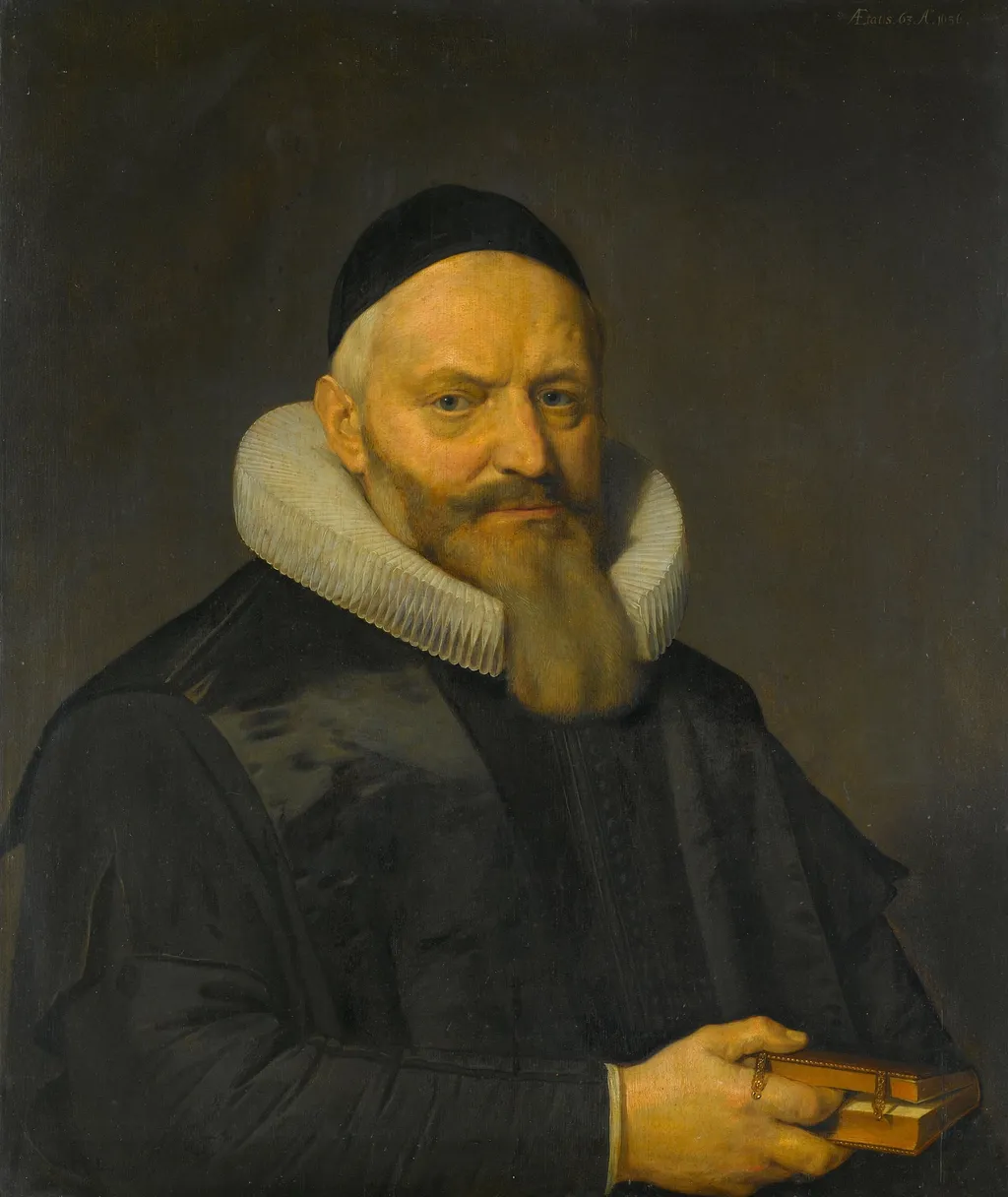
Untitled is an unspecified painting by the Dutch Golden Age artist David Bailly. It dates from 1636 and is held in the collection of the Rijksmuseum. The 1636 portrait depicts Anthony de Wale, a prominent Dutch theologian of the early 17th century.
About this work
This painting was made in 1636, right after the man in it, Anthony de Wale, helped decide a big church argument in the Netherlands.
You see an old man with a white beard, wearing a black robe and a white collar. His hands rest on a book, and he looks straight at you.
This painting was made in 1636, right after the man in it, Anthony de Wale, helped decide a big church argument in the Netherlands. The artist, David Bailly, was known for painting people just like this, but this work was only recently found and isn’t signed.
To see more paintings like this, look up Dutch Golden Age painting.
Subject & Meaning
David Bailly's Untitled (1636) depicts a portrait subject that embodies the symbolic language of transience characteristic of Dutch Golden Age vanitas painting. The work incorporates ephemeral symbols such as a skull, candle, and wilting flower to represent mortality and the fleeting nature of life, reflecting Bailly's known practice of embedding moralizing emblems within portraiture. This iconographic program aligns with his broader thematic focus on life's fragility, as documented in his vanitas still lifes and self-portraits created during his Leiden period.
The painting's composition functions as a visual meditation on human impermanence, where the portrait sitter is framed by objects that simultaneously signify wealth, knowledge, and mortality. This symbolic layering connects directly to Bailly's documented role in advancing vanitas imagery within Dutch portraiture, particularly through his use of domestic settings and carefully arranged still-life elements to convey philosophical meaning about existence.
Technique & Style
David Bailly worked on panel supports, applying oil paint in thin layers to build up luminous surfaces that emphasize chiaroscuro and intimate detail. His brushwork combines fine linear drawing with subtle tonal modeling, particularly in portrait heads where he often left flesh tones loosely rendered to heighten psychological immediacy. The handling of light typically isolates figures against dark backgrounds, creating a meditative stillness characteristic of Dutch Golden Age portraiture.
Formal stylistic qualities include restrained composition, precise rendering of textures such as fabric and metal, and a muted palette that reinforces the vanitas themes of transience.
History & Provenance
The painting Untitled by David Bailly was created in 1636 as a portrait, reflecting the artist's early career focus on portraiture and vanitas themes. Bailly, a Dutch Golden Age painter born in 1584 and active in Leiden and Amsterdam, developed his style through apprenticeships with his father, Jacques de Gheyn, and Cornelius van der Voort, later traveling to Germany and Italy to study and work for German princes before returning to the Netherlands to paint portraits of university figures and self-portraits. His work from this period includes vanitas still lifes with symbolic elements like candles and skulls, as seen in his 1651 self-portrait.
The painting's provenance and ownership history are not detailed in the provided sources, but its creation date and context align with Bailly's documented activity in 1636 as a portraitist.
The work was painted during Bailly's time in Leiden, where he began producing portraits of students and professors after returning from his travels, a practice noted in multiple sources. His use of vanitas symbolism and detailed portraiture, influenced by Dutch Golden Age traditions, is well established in his oeuvre, with documented examples in museum collections such as the Rijksmuseum and the J. Paul Getty Museum.
Bailly's artistic legacy includes teaching his nephews Harmen and Pieter Steenwijck, and his 1651 vanitas painting is recognized as a significant work in his later career, though the specific Untitled piece from 1636 remains contextual within his broader production of portraits and symbolic still lifes.
Context
David Bailly (1584–1657) was a Dutch Golden Age painter active in Leiden and Amsterdam, known for portraits, still-life compositions, and vanitas themes. He traveled extensively across Germany and Italy between 1608 and 1613, worked for German princes, and returned to the Netherlands to become a prominent portraitist and teacher. Bailly taught his nephews Harmen and Pieter Steenwijck and was head of the Leiden Guild of St. Luke by 1648.
His works often incorporated symbolic elements of transience, such as skulls and candles, reflecting the vanitas tradition. A 2023 exhibition at Museum De Lakenhal in Leiden provided a comprehensive overview of his artistic output.
Overview
The 1636 portrait depicts Anthony de Wale, a prominent Dutch theologian of the early 17th century. Rendered by the Leiden painter David Bailly, the work shows the elderly scholar in a black robe, white collar and white beard, his hands resting on an open volume as he gazes directly at the viewer.
Own this work as a print
Artist & collection
Artist
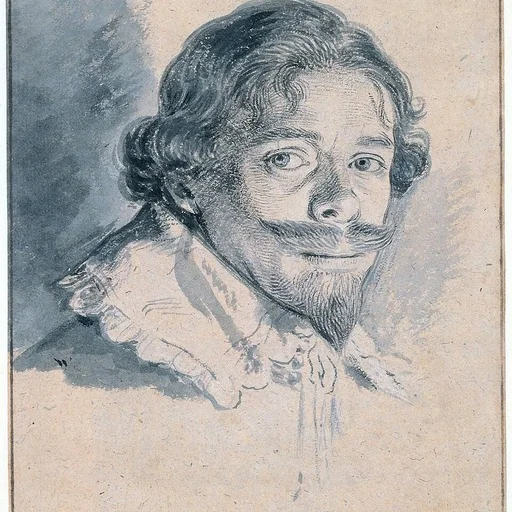
David Bailly (1584–1657) was a Dutch Golden Age artist known for his still-life paintings, portraits, and self-portraits.

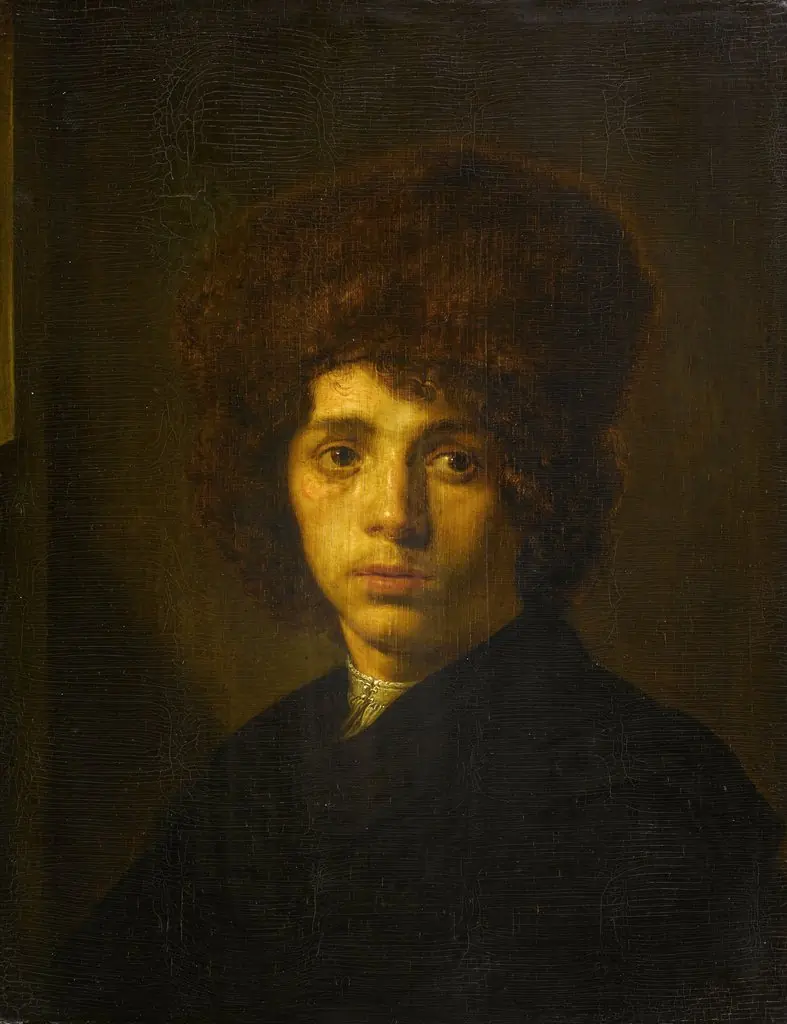
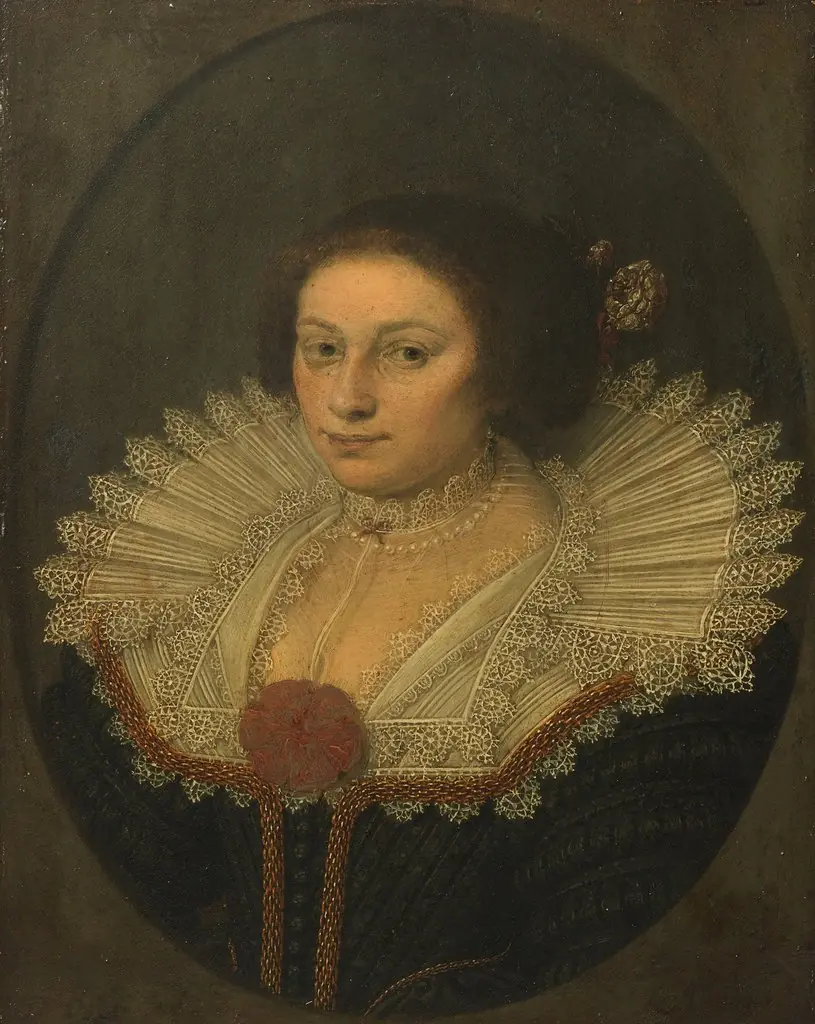
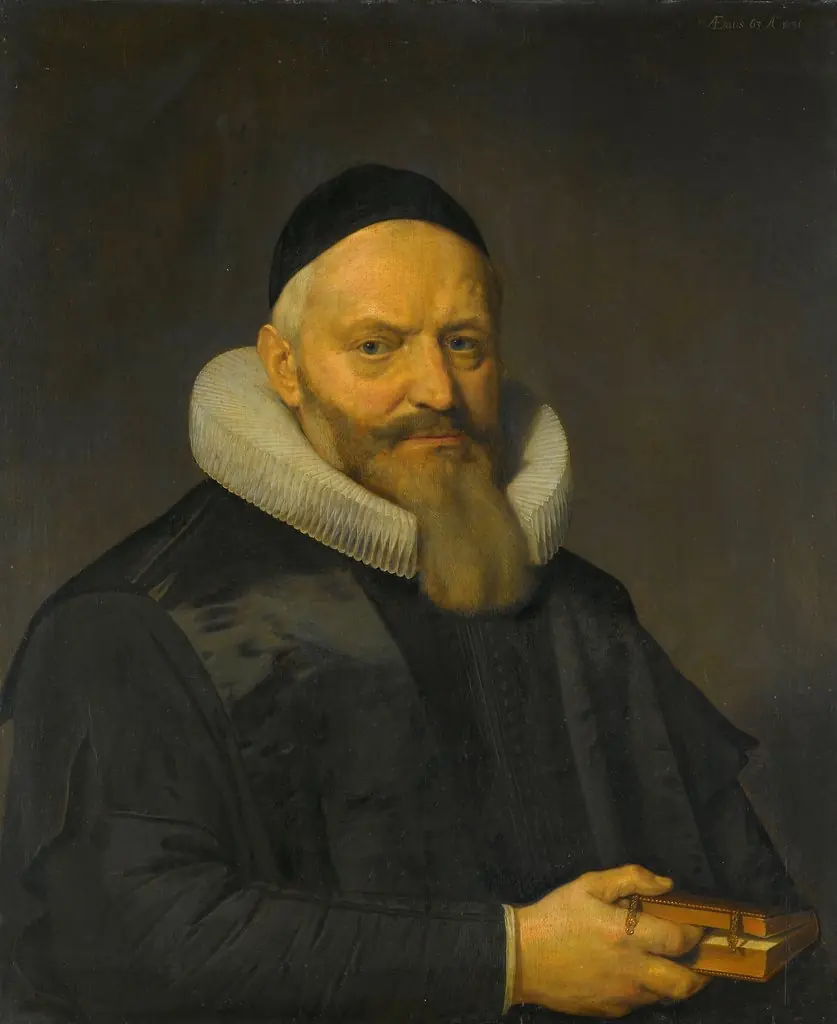 Portrait of Anthony de Wale (1573-1639)
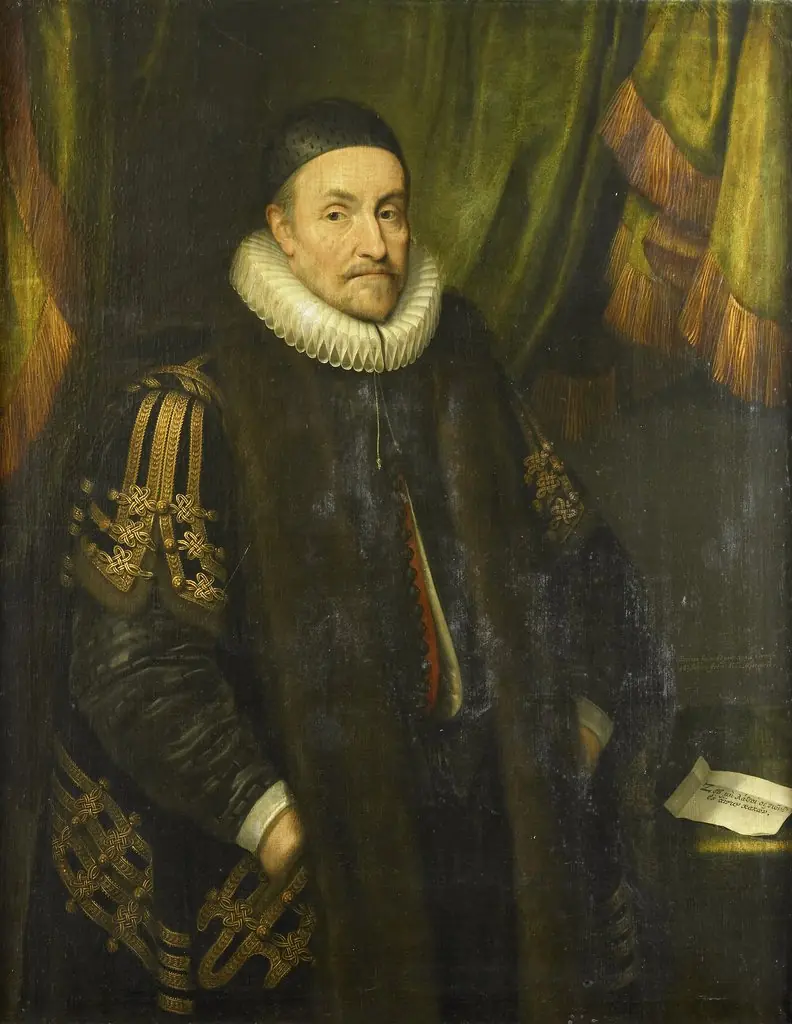 Portrait of Willem I (1533-84), prince of Orange, called William the Silent
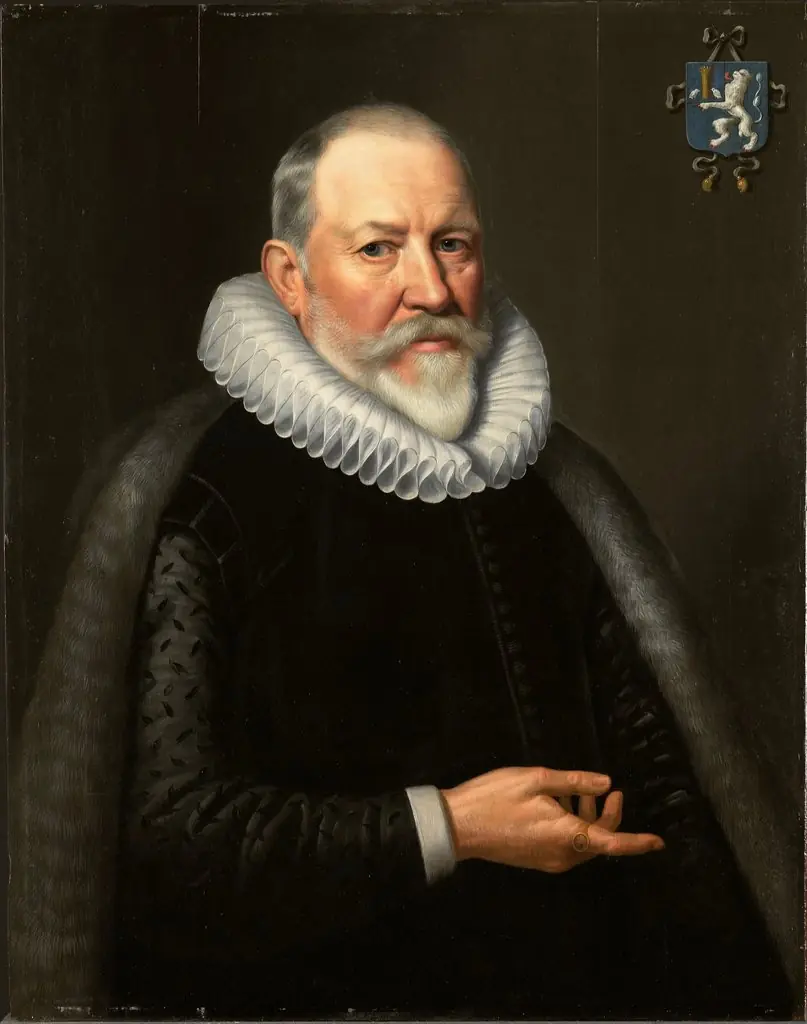 Portrait of Maerten Ruychaver (1545-1626)
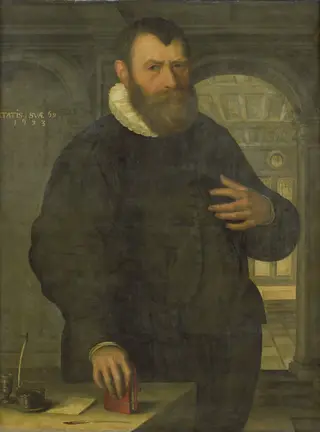 Portrait of Bartholomeus van der Wiere (1534-1603)
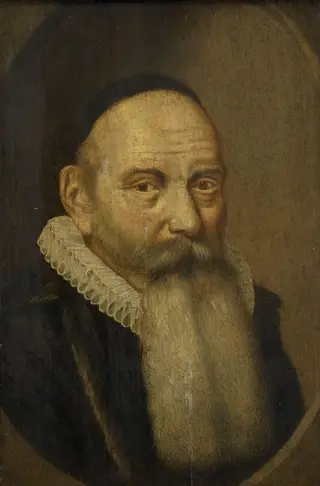 Untitled
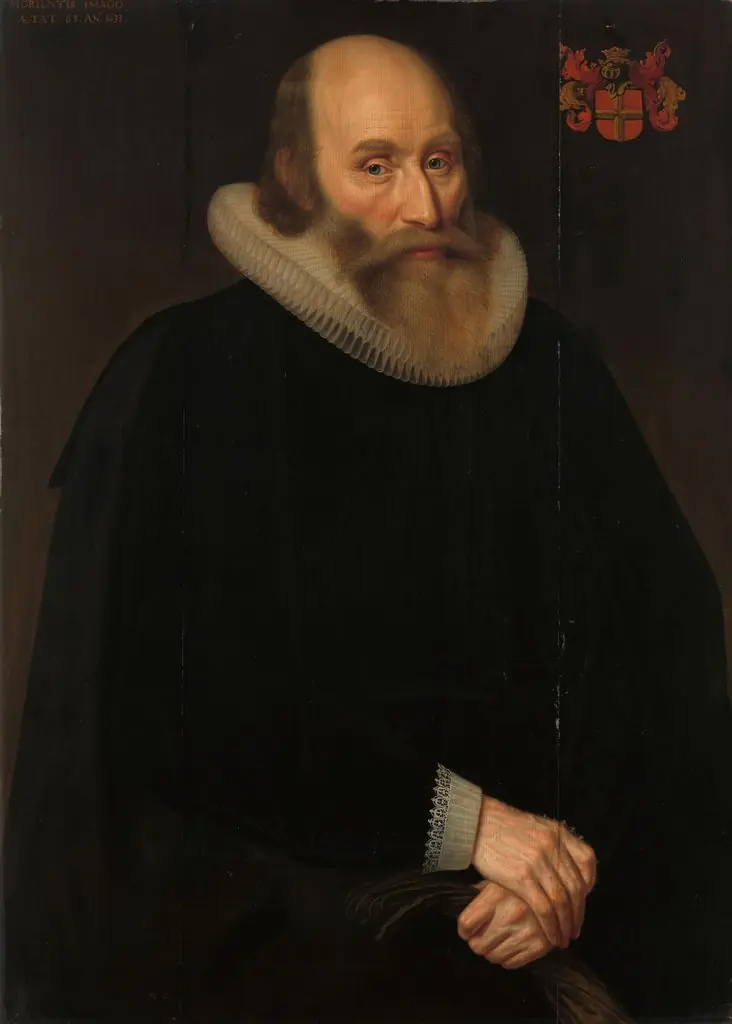 Portrait of Antonides van der Linden (1570-1633), Amsterdam physician
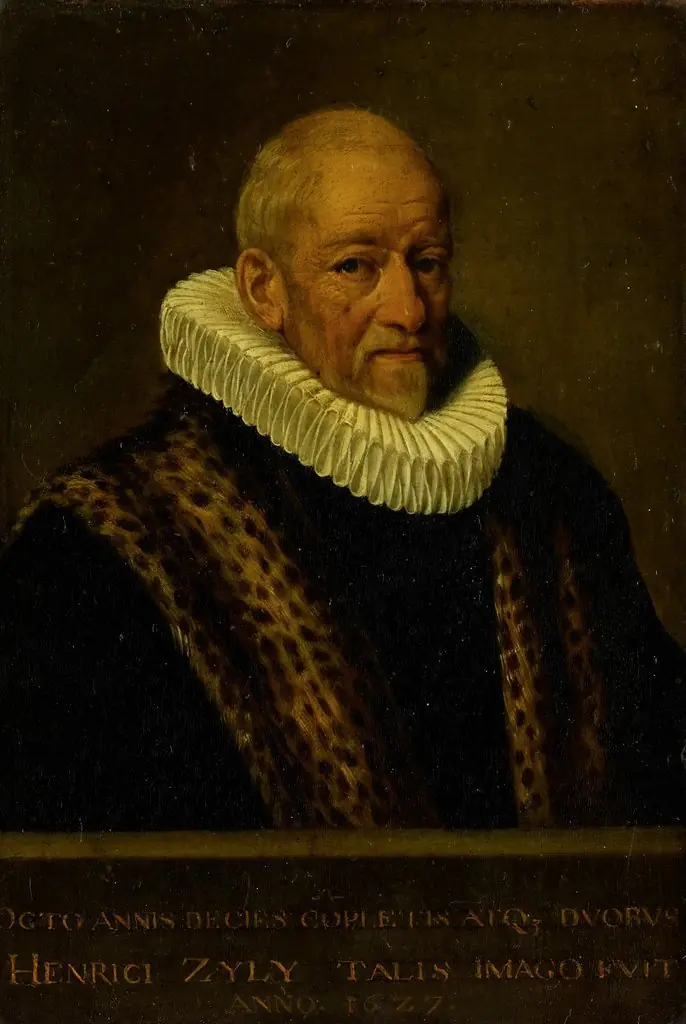 Portrait of Henricus van Zijl (1545-1627)
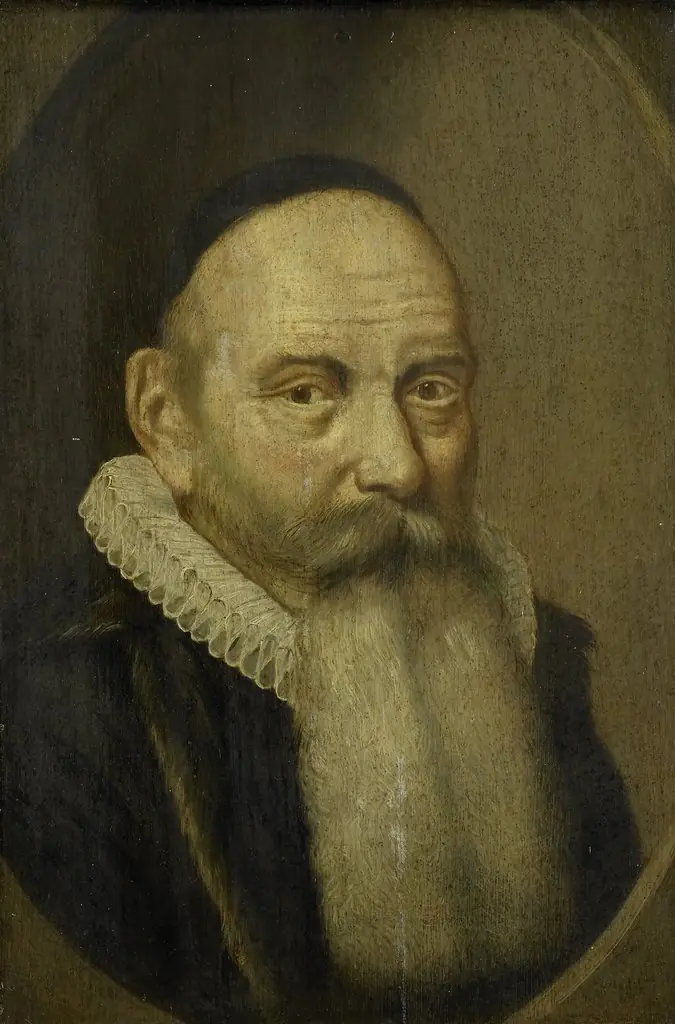 Portrait of Jacobus Rolandus (1562-1632)
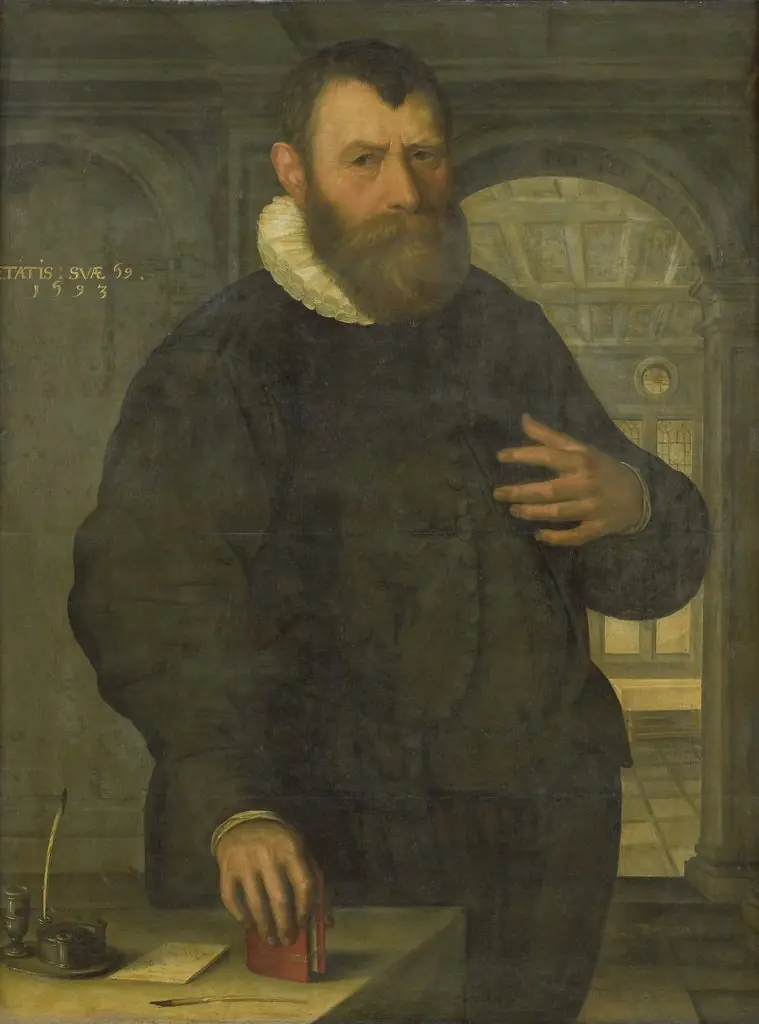 Portrait of Bartholomeus van der Wiere (1534-1603)
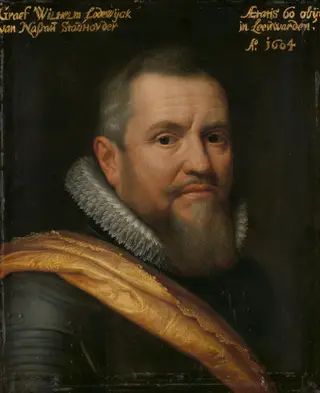 Untitled