Artwork
Portrait of Anthony de Wale (1573-1639)
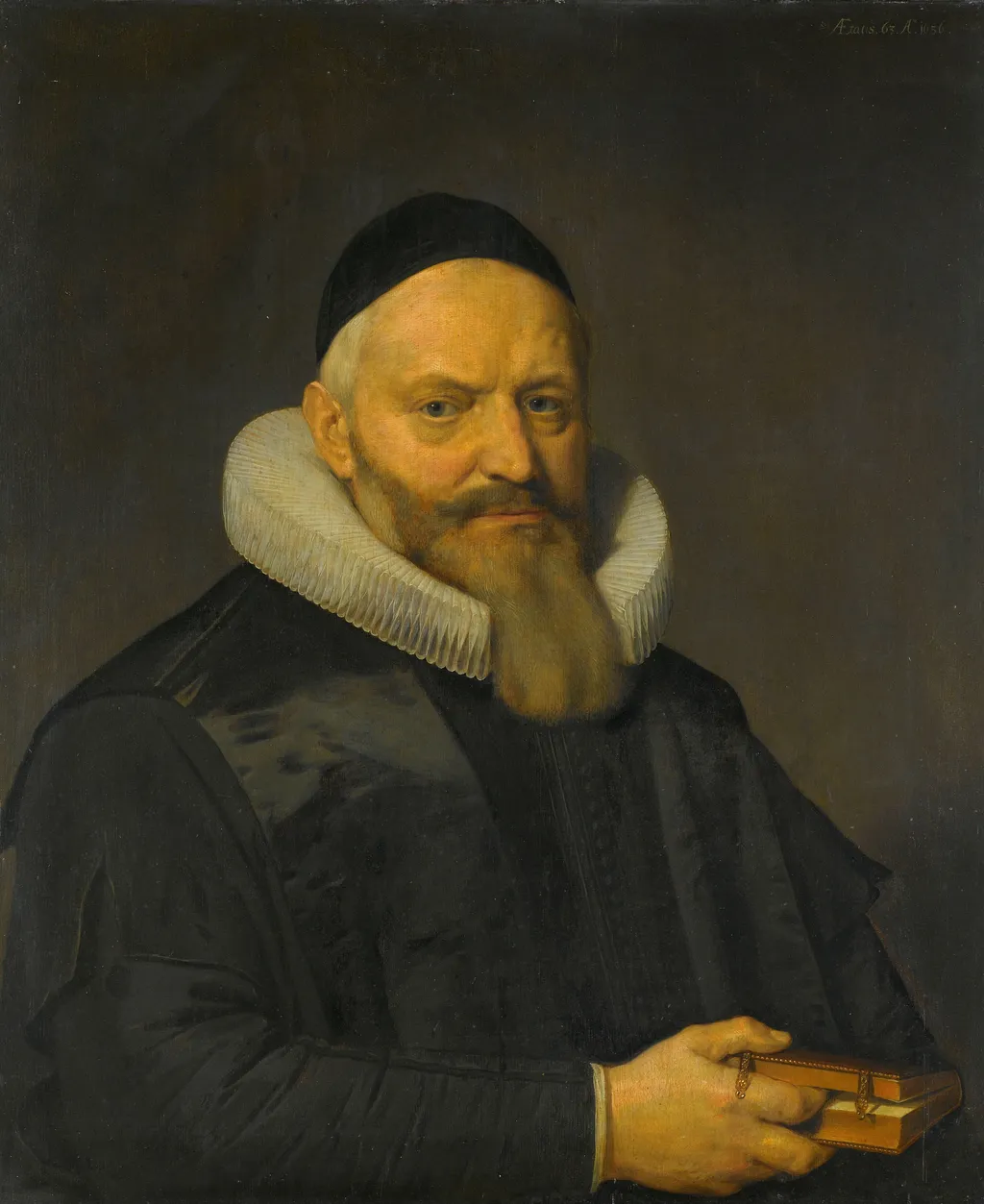
Portrait of Anthony de Wale (1573-1639) is an oil painting by the Dutch Golden Age artist David Bailly. It dates from 1636 and is held in the collection of the Rijksmuseum.
About this work
Technique & Style
Executed in oil paint on a vertically grained oak panel, the portrait measures 71.
Executed in oil paint on a vertically grained oak panel, the portrait measures 71.1 cm in height and 60 cm in width. The handling combines smooth, fine modeling of the face with looser, painterly treatment of the ruff and costume, emphasizing tactile surfaces and a subdued, silvery palette. Stylistically, the work adheres to Dutch portrait conventions of the 1630s, with careful attention to physiognomic detail and a restrained yet luminous handling of light that animates the sitter’s features without dramatic chiaroscuro.
History & Provenance
The portrait of Anthony de Wale was painted by David Bailly in 1636, as indicated by the artist’s dated inscription on the canvas.
By the early 20th century, the work had entered the collection of the Rijksmuseum Amsterdam, where it remains housed today. The museum’s records list the painting as part of its permanent holdings, with dimensions recorded as 71.1 cm in height and 60 cm in width.
The Portrait of Anthony de Wale (1573–1639) by David Bailly is held in the collection of the Rijksmuseum in Amsterdam. The painting, executed in oil on panel in 1636, measures 71.1 cm in height and 60 cm in width. While the sources confirm its current location and physical dimensions, they do not provide a specific inventory or accession number for the work. Additionally, no exhibition history is documented in the available records.
Overview
David Bailly’s 1636 oil painting presents Anthony de Wale, a man in his sixties, seated against a dark backdrop. The portrait captures de Wale’s dignified bearing, highlighted by a stark contrast between the illuminated white beard and the somber tones of his attire.
Subject & Meaning
De Wale is depicted wearing a black robe trimmed with a prominent white collar, suggesting a position of respect or clerical affiliation. His calm, contemplative expression, combined with the modest pose, conveys a sense of personal gravitas and introspection.
Context
Created during a period when Dutch portraiture often highlighted individual status through attire and objects, the inclusion of the wooden box hints at personal belongings or a symbolic token, a common motif in Bailly’s work to suggest the sitter’s private life.
Own this work as a print
Artist & collection
Artist
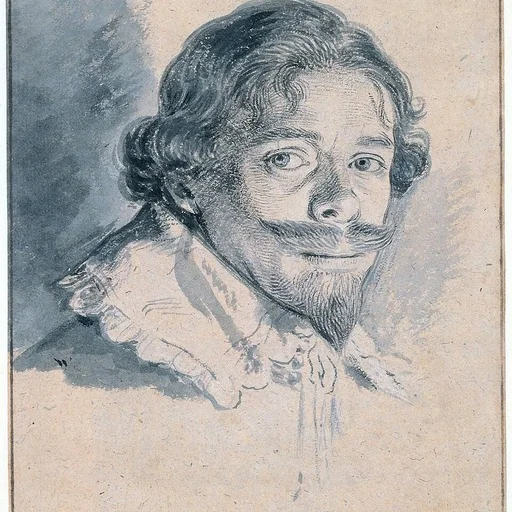
David Bailly (1584–1657) was a Dutch Golden Age artist known for his still-life paintings, portraits, and self-portraits.

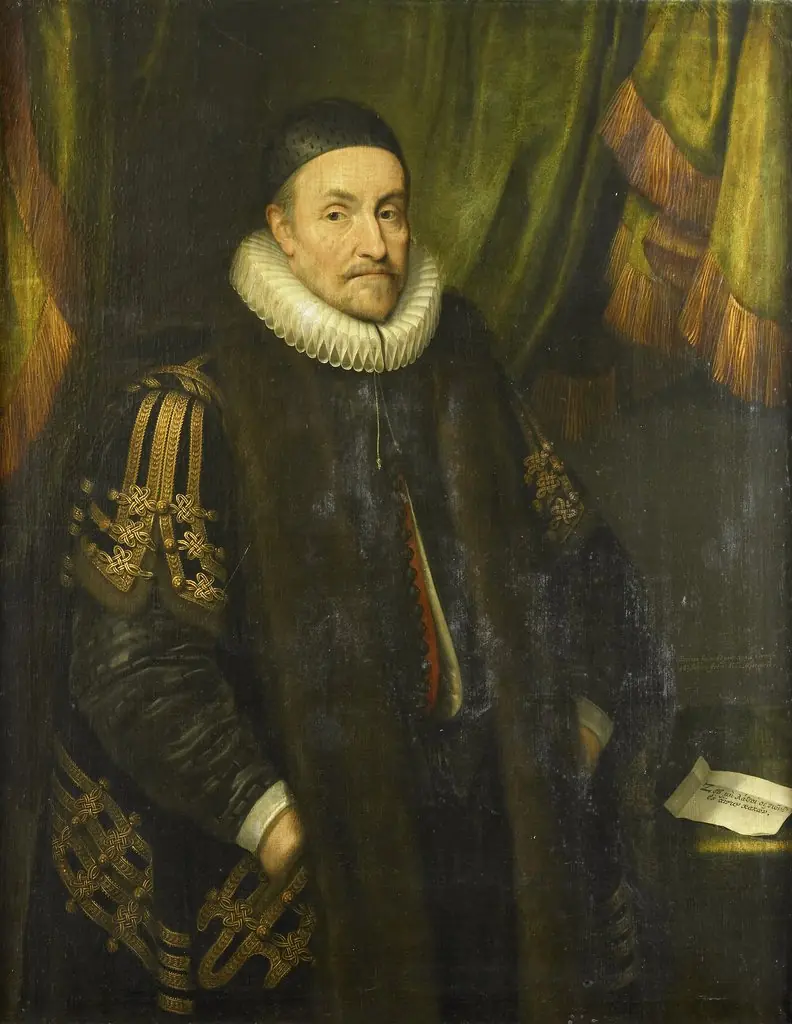 Portrait of Willem I (1533-84), prince of Orange, called William the Silent
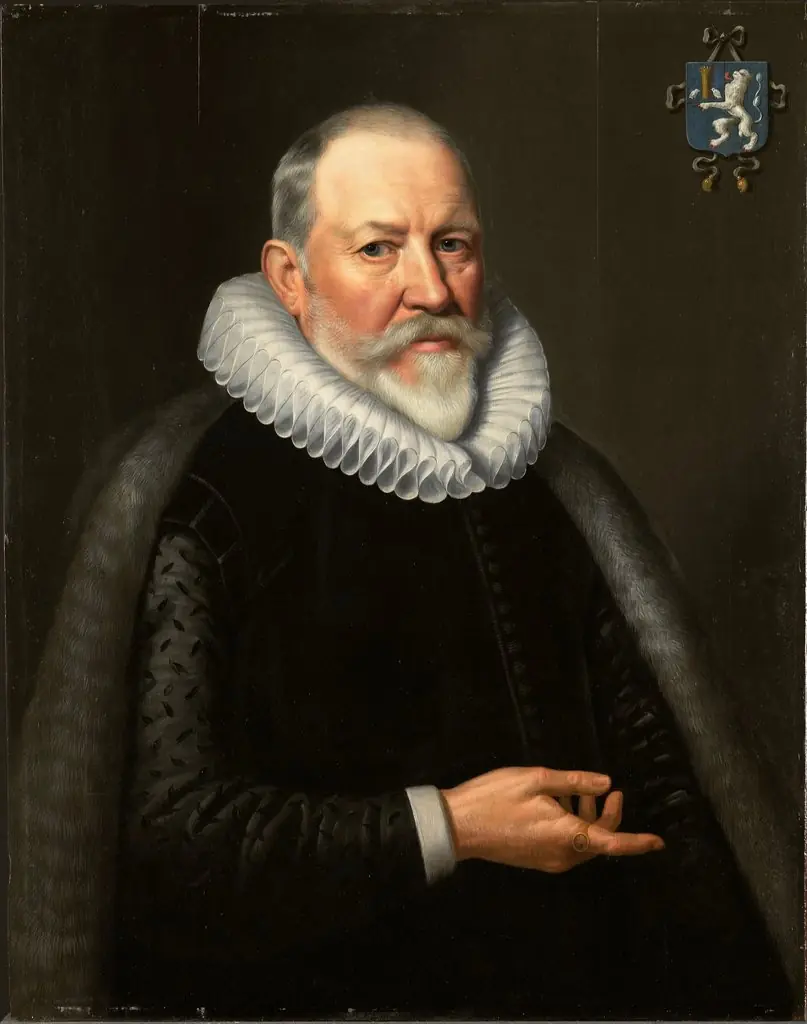 Portrait of Maerten Ruychaver (1545-1626)
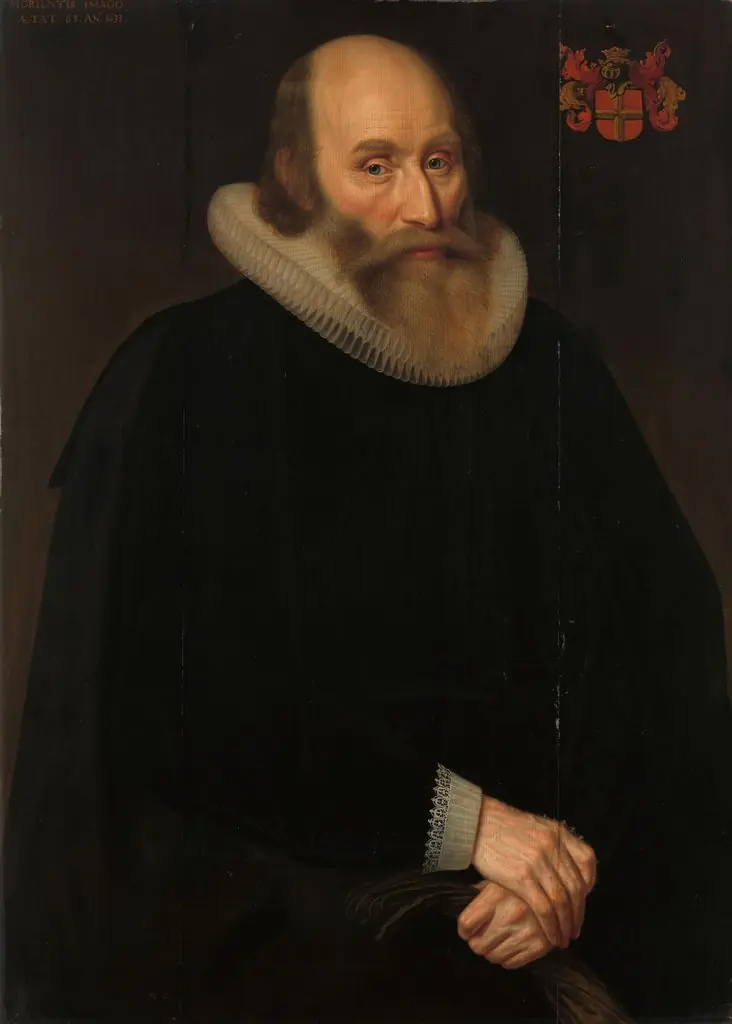 Portrait of Antonides van der Linden (1570-1633), Amsterdam physician
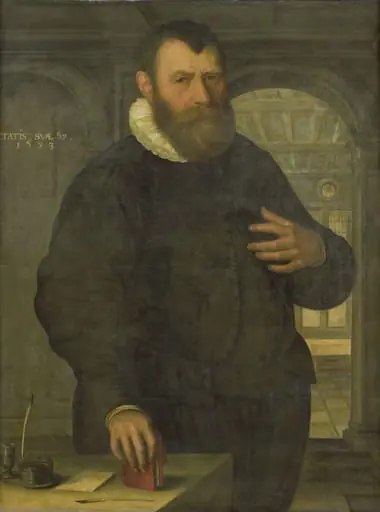 Portrait of Bartholomeus van der Wiere (1534-1603)
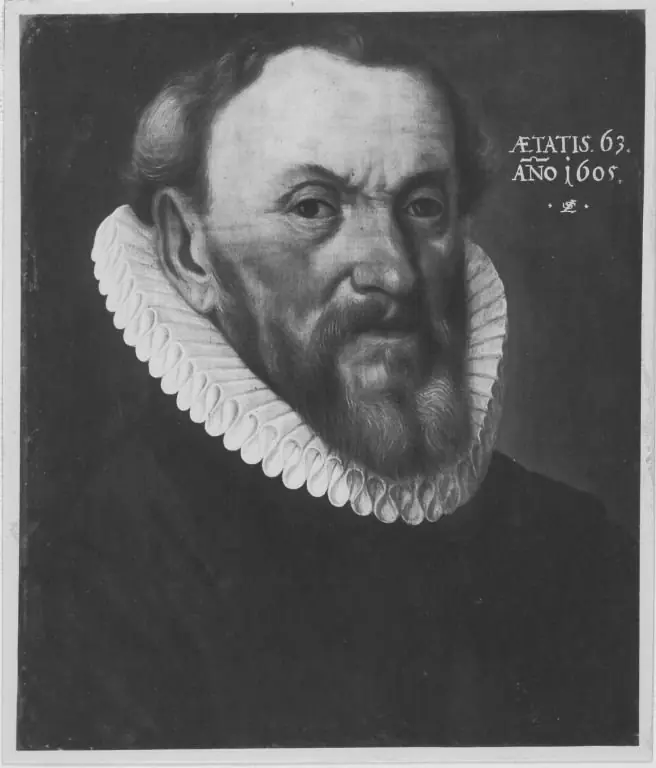 Bildnis eines bärtigen Mannes
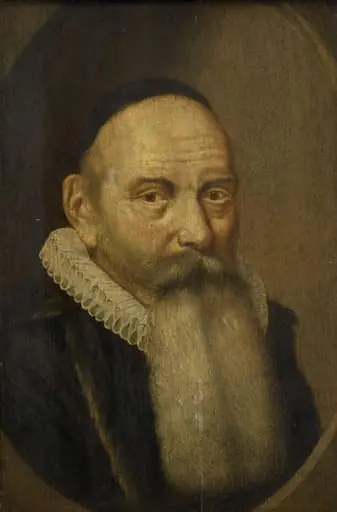 Untitled
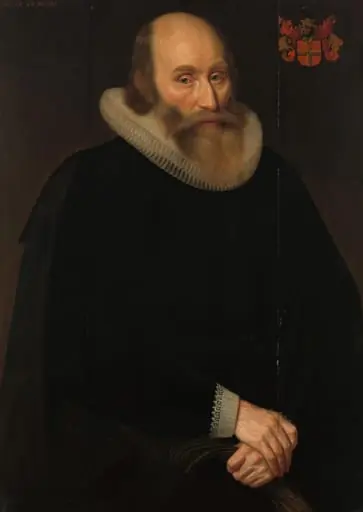 Portrait of Antonius Antonides van der Linden, Physician in Amsterdam
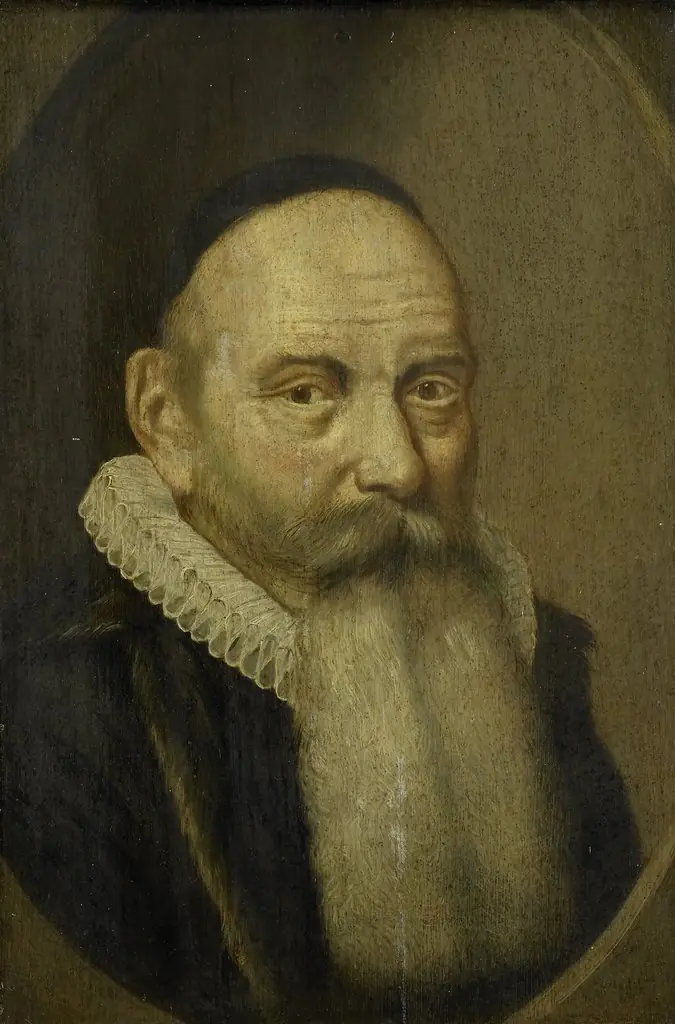 Portrait of Jacobus Rolandus (1562-1632)
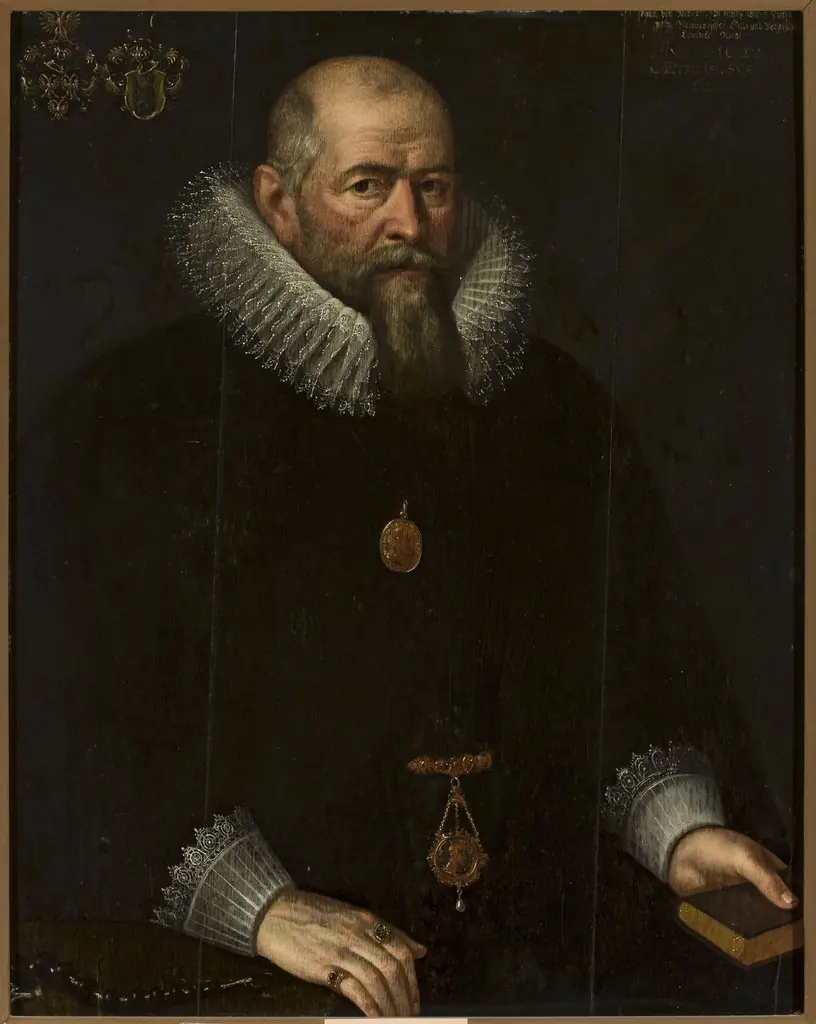 Portrait of Johan von Megen