Artwork
Portrait of Yinyuan Longqi (Ingen Ryūki)
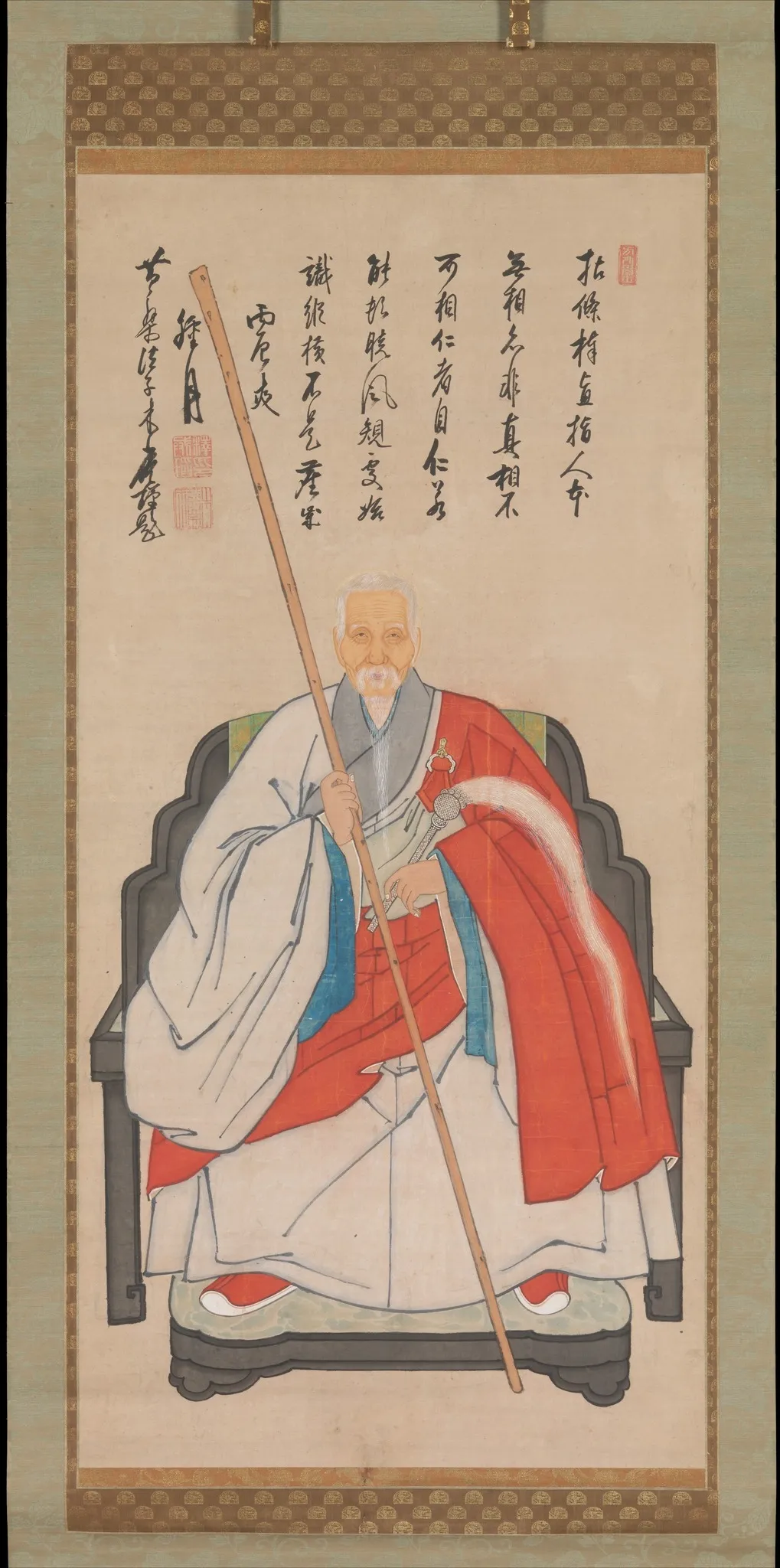
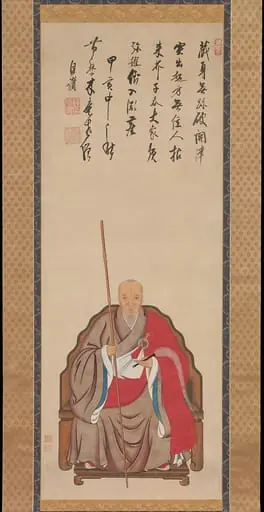
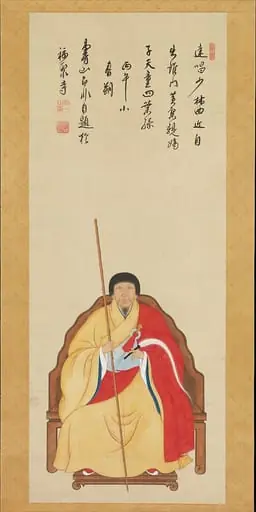
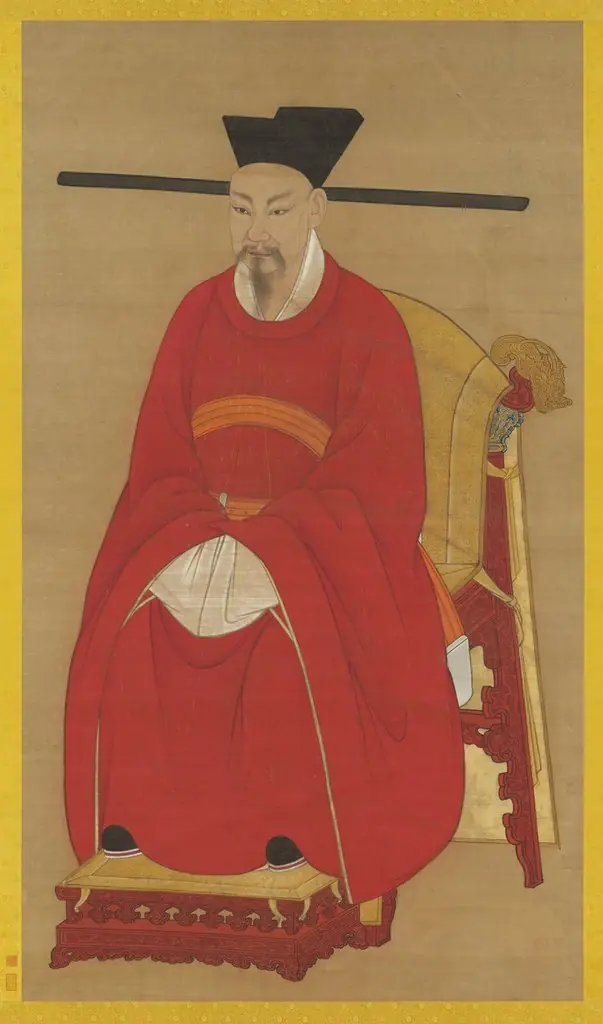
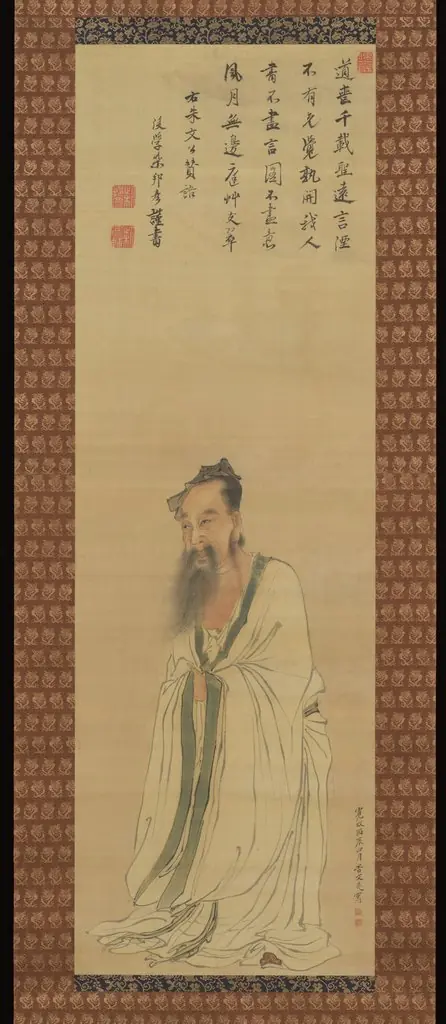
Portrait of Yinyuan Longqi (Ingen Ryūki) is an unspecified painting. It dates from 1688 and is held in the collection of the Metropolitan Museum of Art. This painting depicts Yinyuan Longqi, also known as Ingen Ryūki, seated on a low stool.
About this work
Subject & Meaning
Created in 1676 in Japan, this painting functions as a portrait of Yinyuan Longqi, also known as Ingen Ryūki. The work depicts the subject as a man and identifies him specifically as a poet. As a formal likeness, the image serves to represent the individual's identity and status within his historical context.
History & Provenance
The painting’s creation is documented by its inception date of 1 January 1676 and by records indicating it was made in Japan.
Portrait of Yinyuan Longqi (Ingen Ryūki) is a 1676 painting executed in Japan by an anonymous artist. The work, classified as a portrait, depicts the Chinese Zen poet Yinyuan Longqi, also known as Ingen Ryūki. It entered the collection of the Metropolitan Museum of Art, where it remains on display in New York.
The painting’s creation is documented by its inception date of 1 January 1676 and by records indicating it was made in Japan. No further commission details or ownership transfers are recorded in the available sources.
Overview
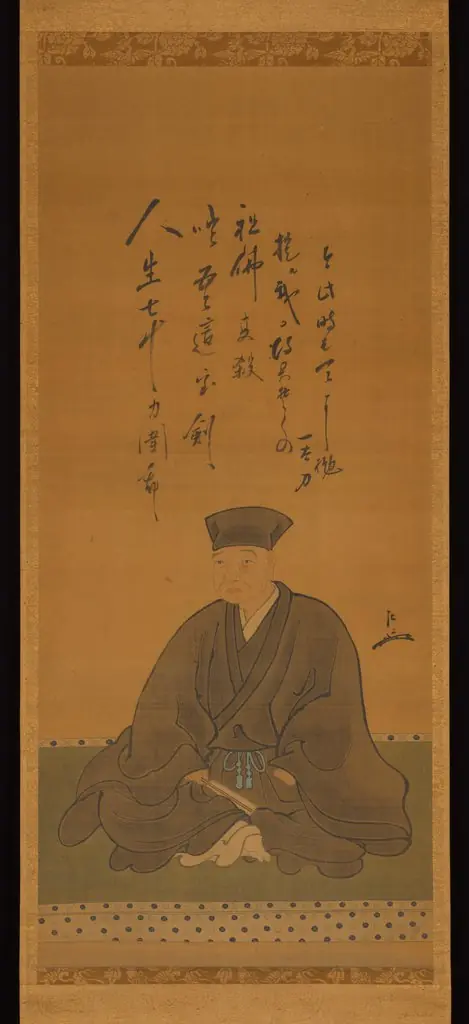
This painting depicts Yinyuan Longqi, also known as Ingen Ryūki, seated on a low stool. The elderly man is shown in traditional layered robes, with a long white beard and a calm demeanor. Above his head, an inscription in black ink adds a textual element to the visual representation. The artwork focuses on the individual, presenting him within a simple, uncluttered space.
Technique & Style
The composition emphasizes the figure through a plain background, drawing attention to his form and features. A distinctive decorative border, adorned with small dots, frames the central image. Above the sitter's head, black ink calligraphy provides an additional layer of meaning, potentially serving as a title or a poetic inscription. The artist's approach creates a direct and focused representation of the individual.
Artist & collection