Artwork
Portrait of Zhu Xi 朱熹像 (Shuki zō)
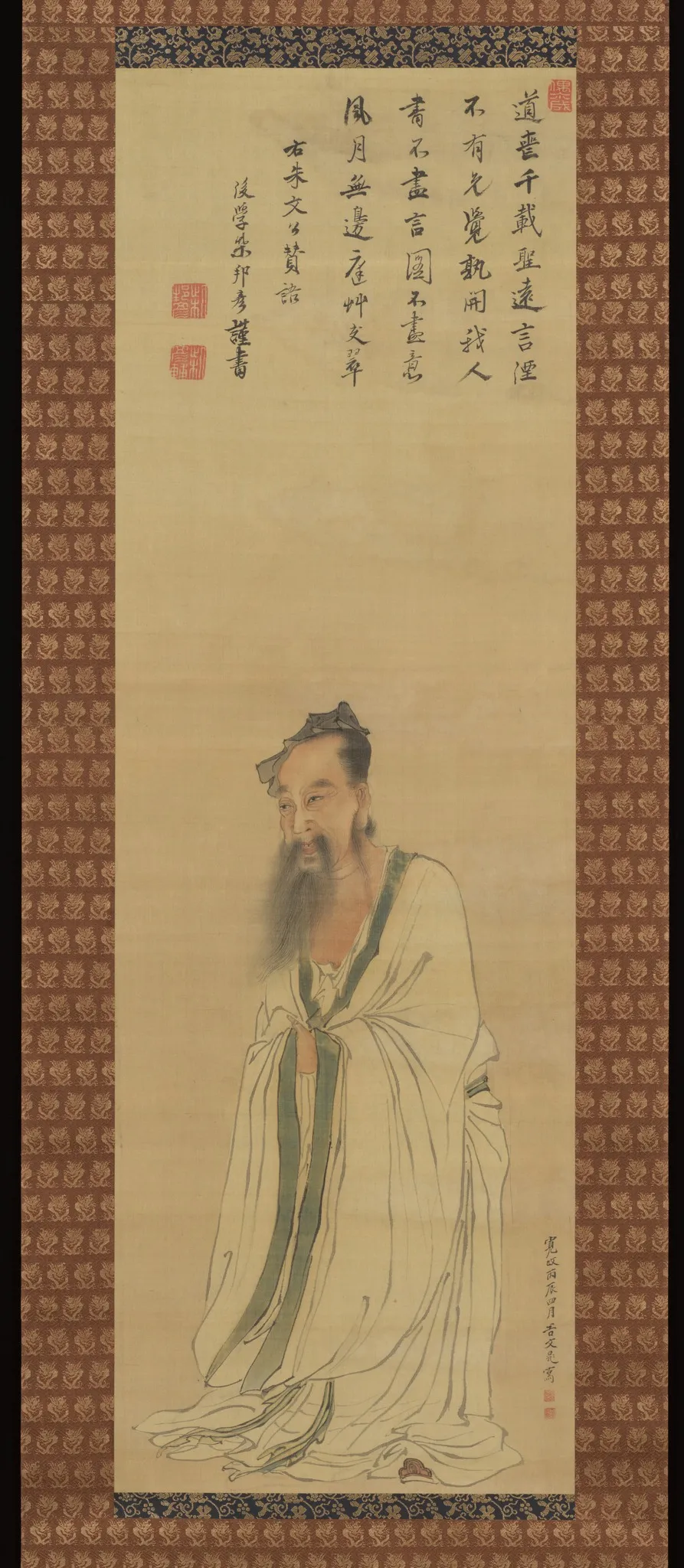
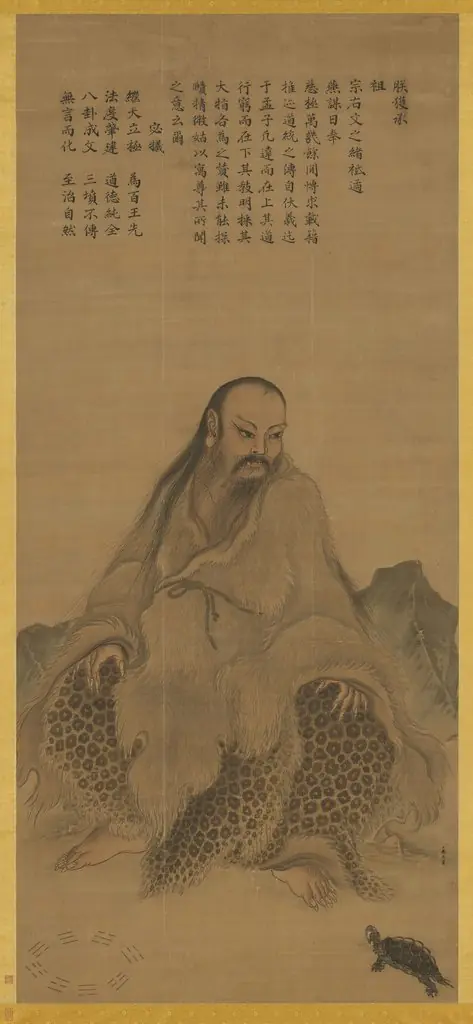
Portrait of Zhu Xi 朱熹像 (Shuki zō) is an unspecified painting by the Nanga artist Tani Bunchō. It dates from 1798 and is held in the collection of the Metropolitan Museum of Art.
About this work
Overview
Executed in ink and color on silk, the work reflects the Edo-period Japanese interest in Chinese intellectual traditions.
Painted in 1798 by the Japanese artist Tani Bunchō, this portrait depicts the Chinese Neo-Confucian scholar Zhu Xi. Executed in ink and color on silk, the work reflects the Edo-period Japanese interest in Chinese intellectual traditions. It is part of the collection at The Metropolitan Museum of Art, where it serves as a cultural bridge between Chinese scholarship and Japanese artistic practice of the late 18th century.
Subject & Meaning
Zhu Xi, a 12th-century philosopher, was foundational to Neo-Confucian thought, emphasizing moral self-cultivation and the study of classical texts. This portrait presents him in scholarly attire, seated with composure, embodying the ideal of the learned sage. The image was not intended as a literal likeness but as a symbolic representation of intellectual authority, revered across East Asia well into the Edo period.
Technique & Style
Tani Bunchō employed fine ink lines and restrained color to render Zhu Xi’s features and robes with precision. The background is left largely unadorned, focusing attention on the figure. The style draws from Chinese court portraiture traditions but is softened by Japanese aesthetic sensibilities, particularly in the delicate handling of fabric folds and the quiet dignity of the pose.
History & Provenance
Created in 1798, the portrait was likely commissioned by a Japanese scholar or patron with an interest in Chinese philosophy. It remained within private collections in Japan before entering the Metropolitan Museum of Art’s holdings. Its journey reflects the transmission of Chinese intellectual heritage through Japanese artistic channels during a time of selective cultural exchange.
Context
In late 18th-century Japan, Confucianism experienced a revival among educated elites, who looked to Chinese thinkers like Zhu Xi for moral and political guidance. Artists like Bunchō responded by producing images of these sages, blending reverence with artistic innovation. This portrait emerged amid broader efforts to reconcile indigenous traditions with imported Chinese learning.
Legacy
The portrait endures as a testament to the enduring influence of Zhu Xi’s thought beyond China’s borders. It illustrates how Japanese artists engaged with foreign intellectual figures not merely as subjects, but as moral exemplars. Today, it remains a key artifact in understanding cross-cultural scholarly exchange in pre-modern East Asia.
Artist & collection