Artwork
Portret van een officier
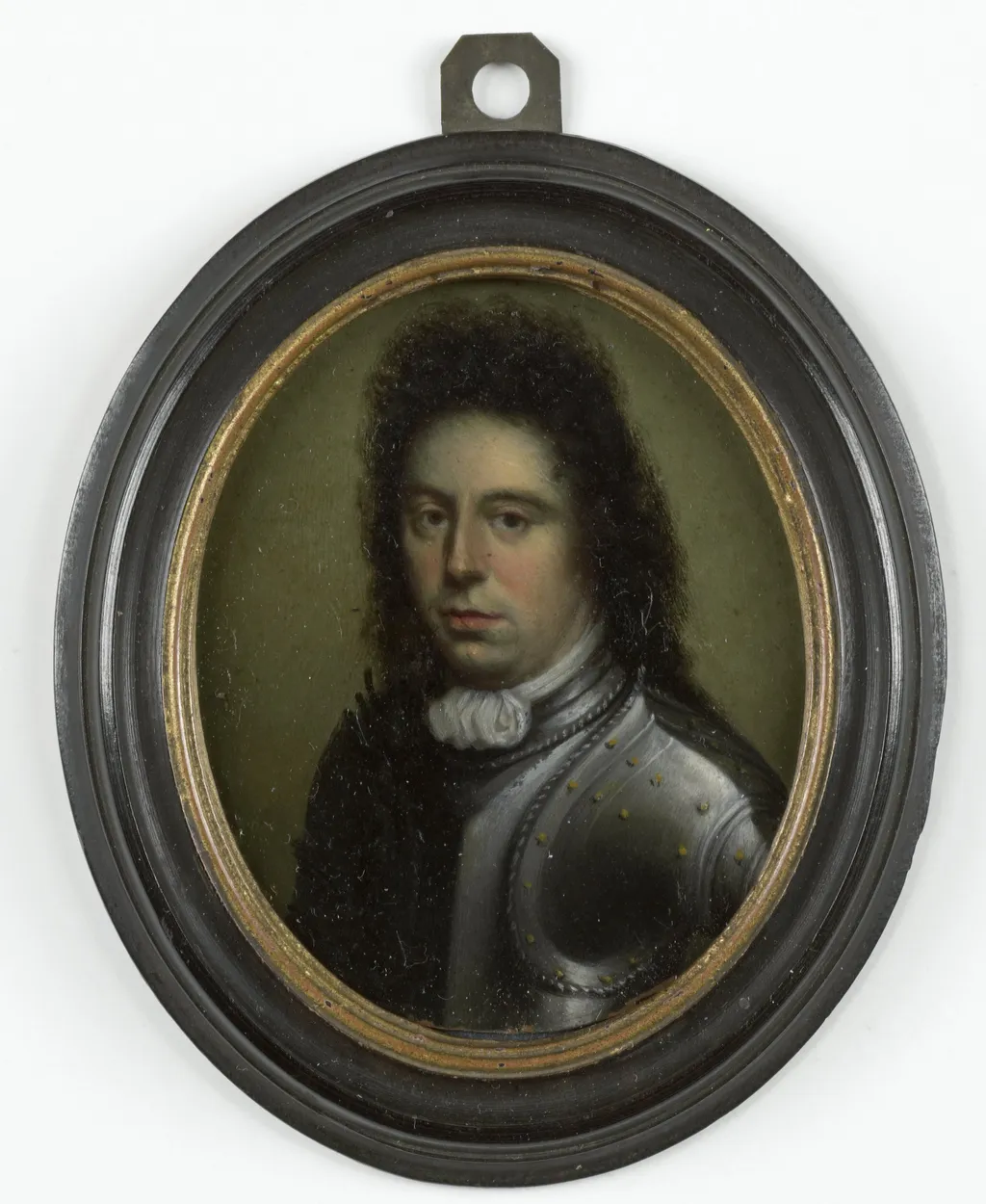
Portret van een officier is an oil painting. It dates from 1695 and is held in the collection of the Rijksmuseum. The work is an oval portrait executed on copper, depicting a solitary figure in a dark coat with a white collar.
About this work
Subject & Meaning
The painting depicts a military officer, a subject identified in the work's cataloguing.
The painting depicts a military officer, a subject identified in the work's cataloguing. Painted on a small copper support measuring 5.5 by 5 units, the miniature format is consistent with the intimate, jewel-like portraits of officers produced in the late seventeenth century, a genre in which sitters were typically shown in uniform with attributes signalling rank and service.
The choice of copper as a support allowed for the fine, polished finish associated with refined cabinet portraits intended for private display rather than public viewing. Such works functioned both as likenesses and as records of military identity, with the officer's bearing and attire communicating his status within the armed forces.
Technique & Style
Portret van een officier is executed in oil paint on a copper support, measuring 5.5 centimeters in both height and width. The use of copper as a substrate was relatively uncommon but prized for its smooth surface, which allowed for fine detail and luminous color effects. This choice of material likely contributed to the painting’s refined handling, with delicate brushwork capturing subtle gradations in the officer’s uniform and facial features.
Stylistically, the work reflects the portrait conventions of the late seventeenth century, characterized by precise rendering of textiles and military insignia. The monogrammist PP’s technique emphasizes clarity and meticulous detail, aligning with the period’s preference for lifelike representation in small-scale portraits. The condition of the painting is not explicitly detailed in the sources, but the durable copper support suggests potential preservation of its original vibrancy.
History & Provenance
Portret van een officier is dated to 1689 and was painted in oil on copper, depicting an unidentified military officer. The work is attributed to the Monogrammist PP, though no record of a specific commission survives. Its provenance is not documented prior to its entry into the Rijksmuseum collection, where it remains today as part of the museum’s holdings of Dutch portraiture.
Overview
The work is an oval portrait executed on copper, depicting a solitary figure in a dark coat with a white collar. The sitter’s right arm rests on a metal shoulder guard, and his dark, curly hair frames a solemn expression. A plain, dark background isolates the figure, drawing attention to his attire and posture.
Context
Portraits on copper were common in the 17th and 18th centuries, favored for their durability and the crispness they afforded in rendering fine details. The military attire aligns with the era’s practice of commemorating officers through formal portraiture, reflecting social status and professional identity.
Artist & collection

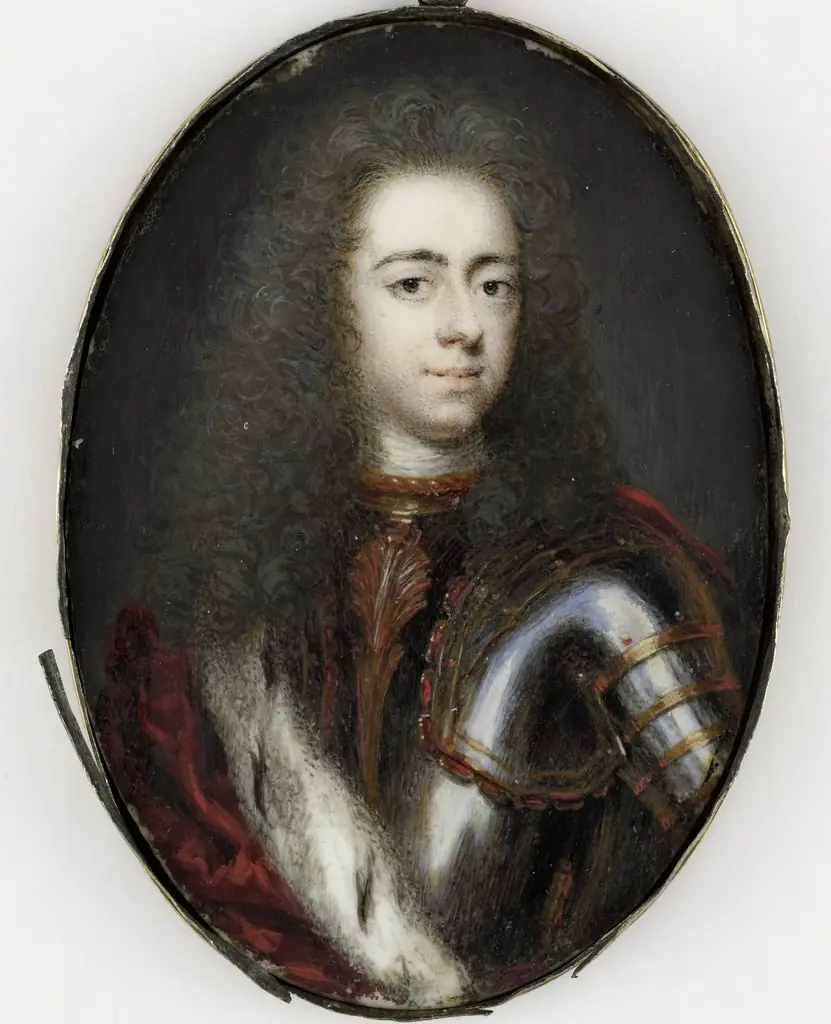 Portrait of John William Friso, Prince of Orange
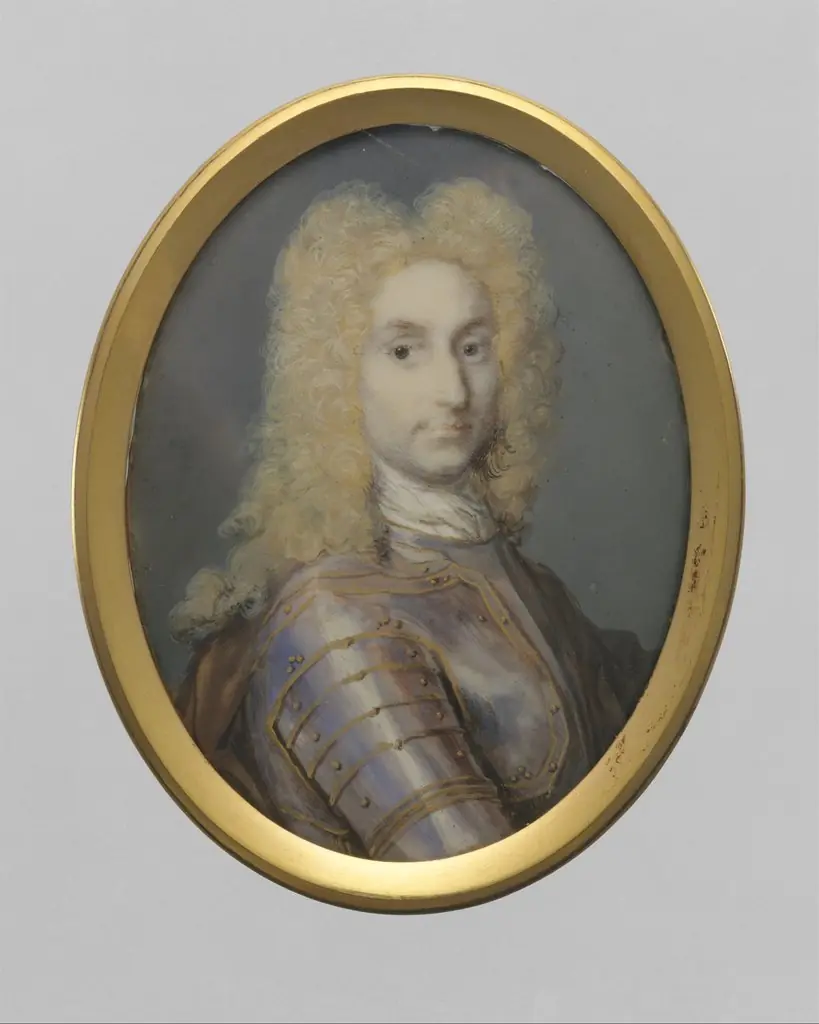 Portrait of a Man
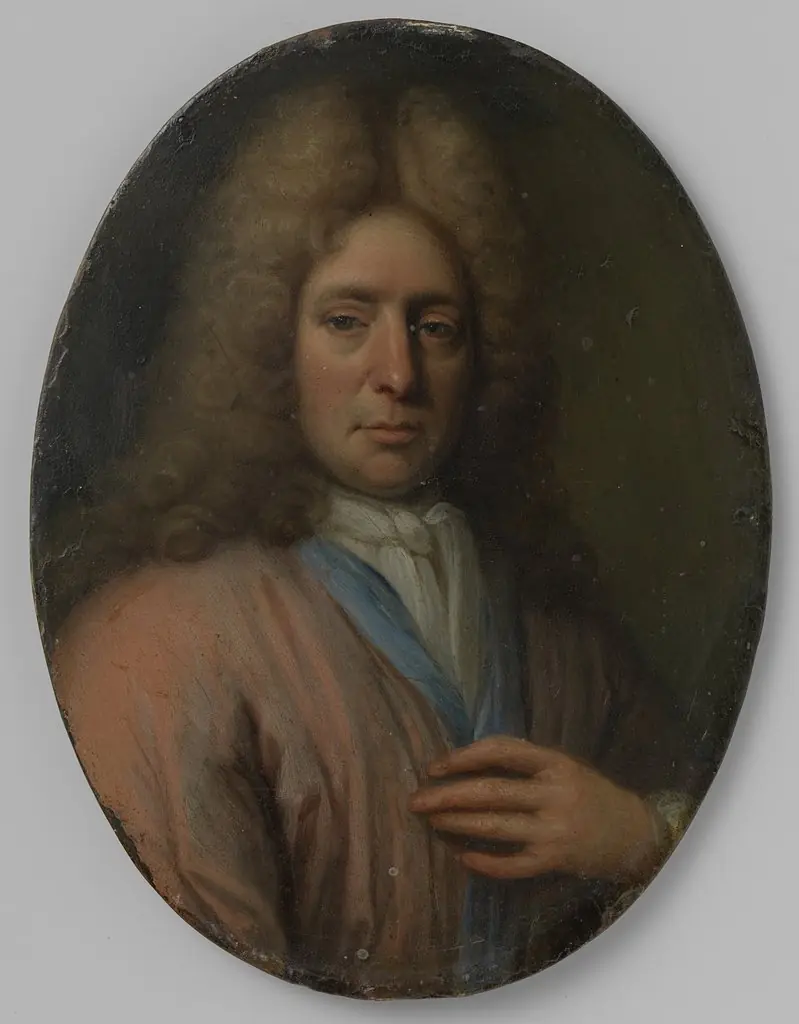 Portrait of a Man, perhaps a Self Portrait
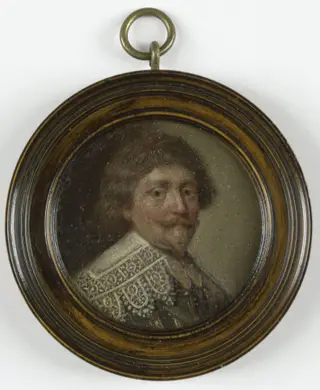 Portrait of Frederik Hendrik van Oranje-Nassau (1584-1647)
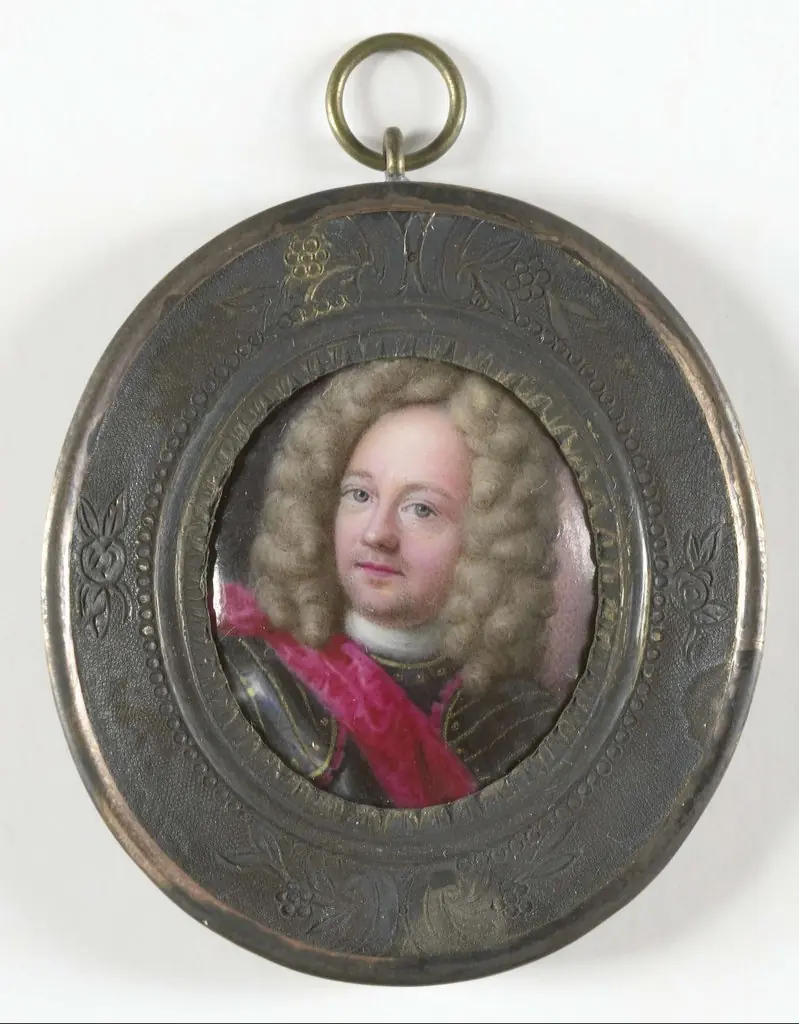 Portrait of John Churchill, Duke of Marlborough
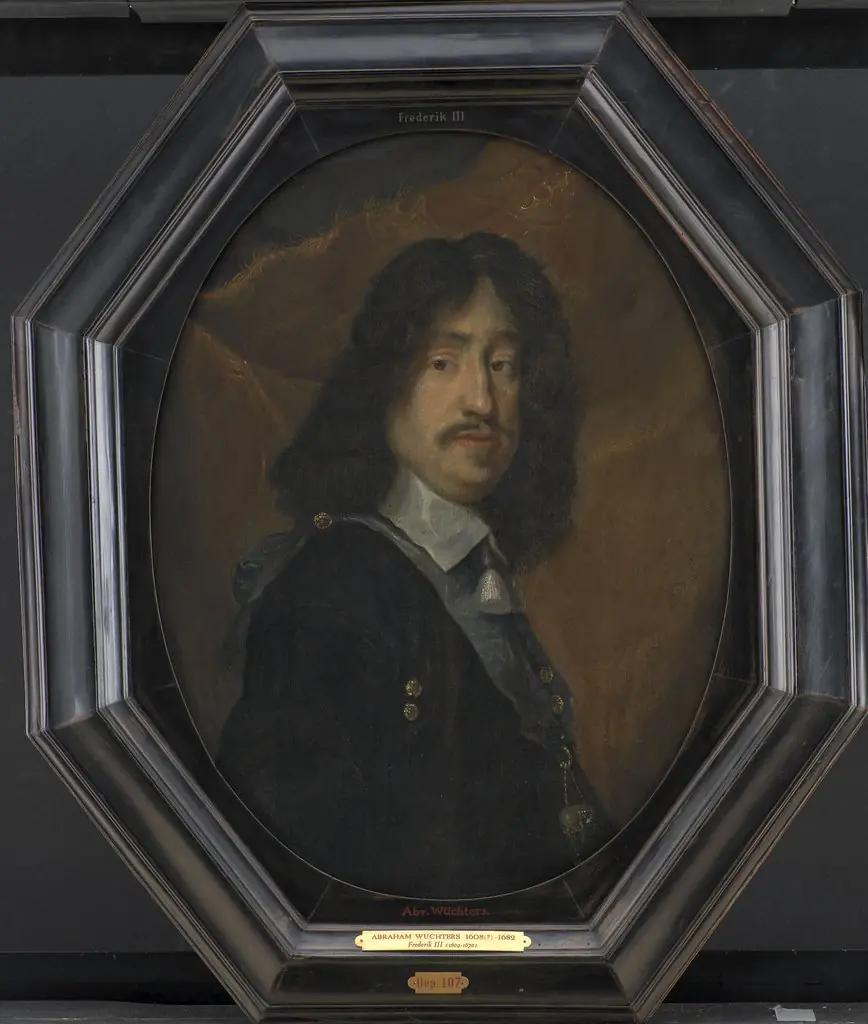 Frederik III
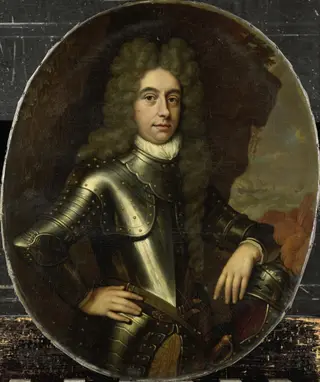 Portrait of Harmen Lijnslager, Secretary of the Admiralty of Amsterdam
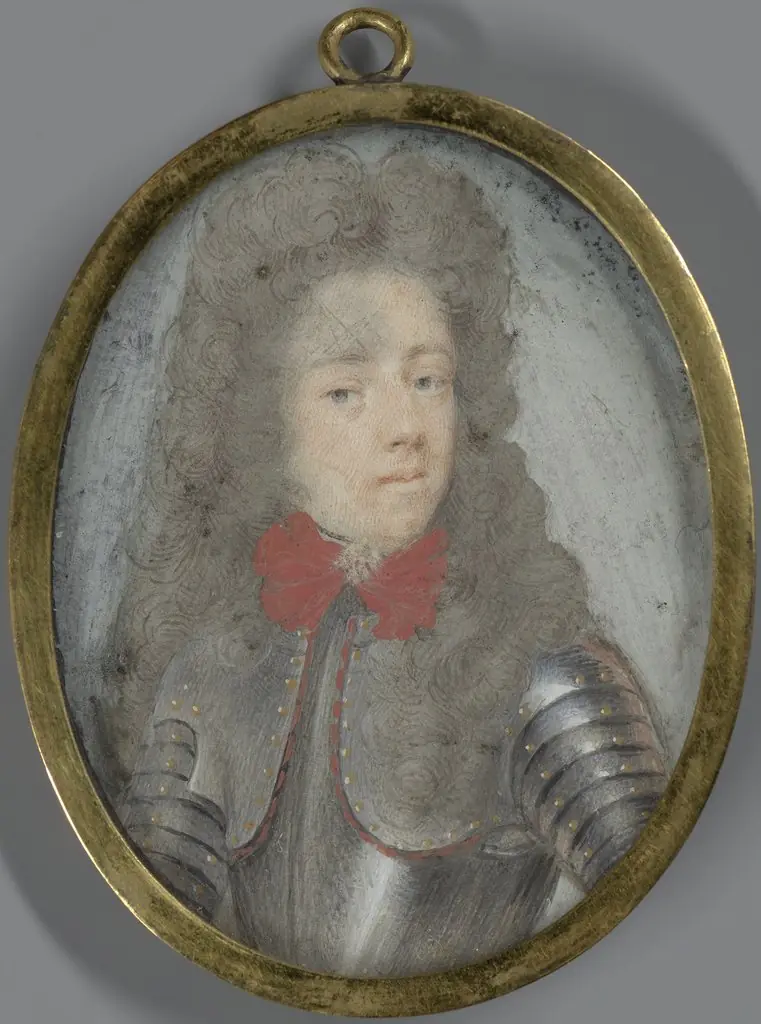 Portrait of Hendrik Casimir II (1657-96), ruler of Nassau-Dietz
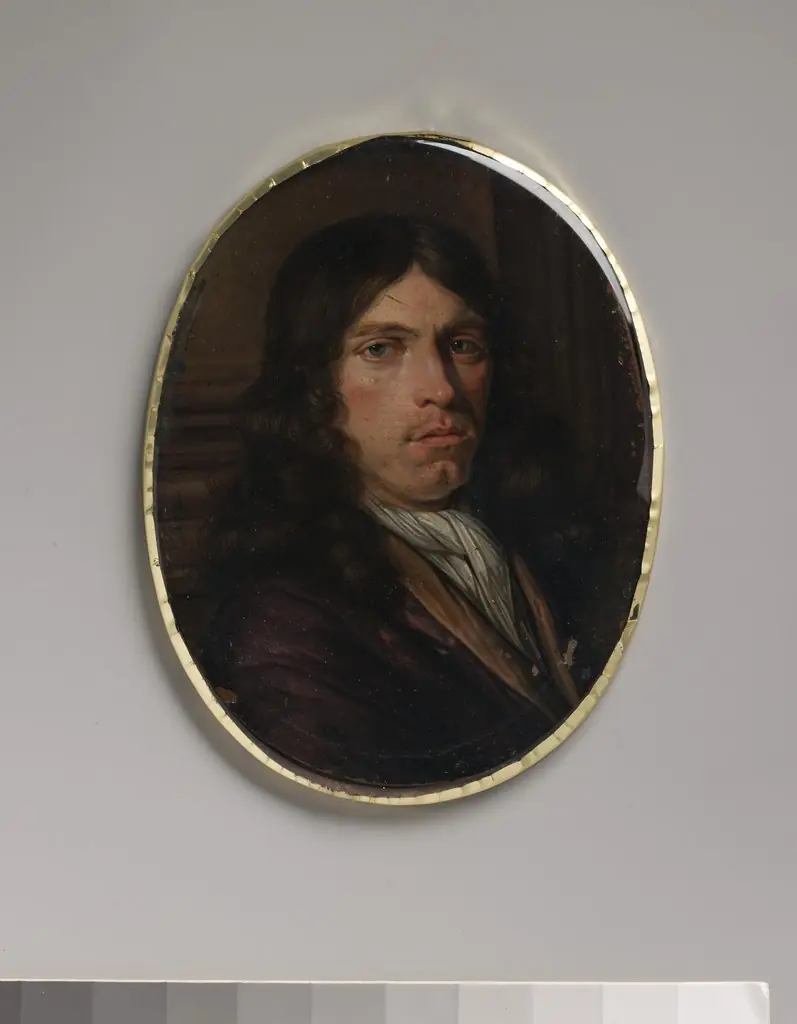 Portrait of a Man
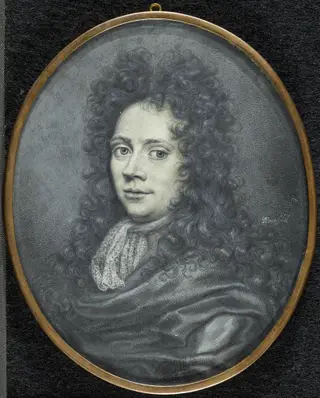 The Medalist Raumund Faltz (1658-1703)