Artwork
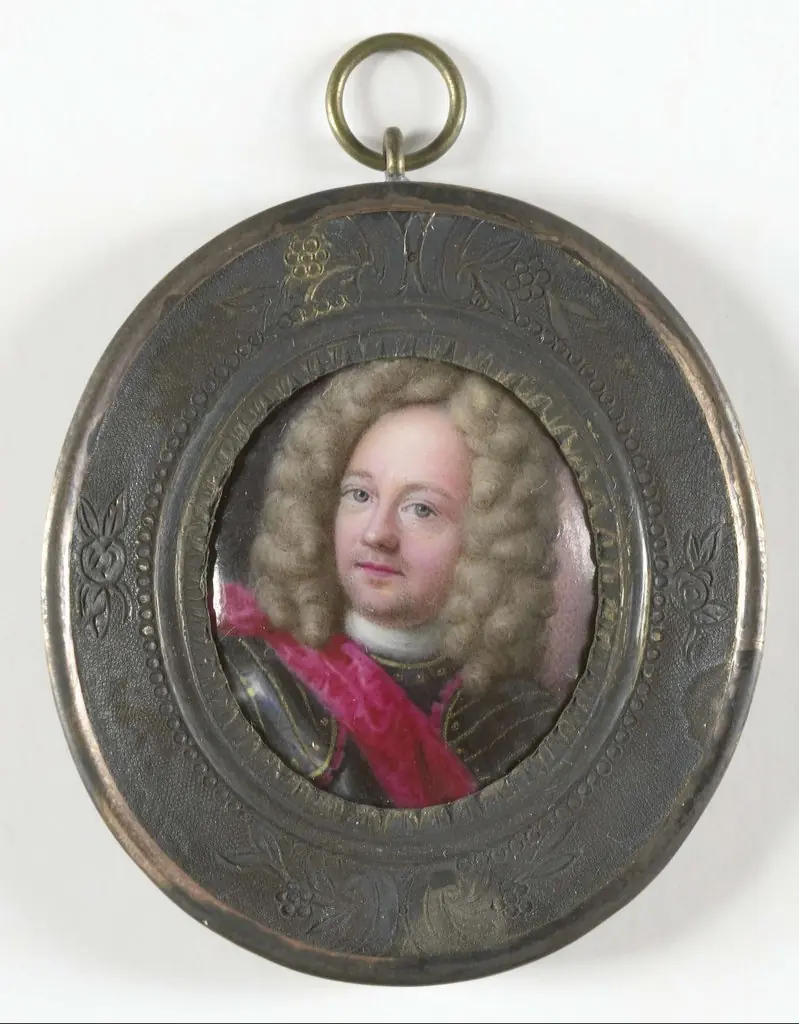
Portrait of John William Friso, Prince of Orange
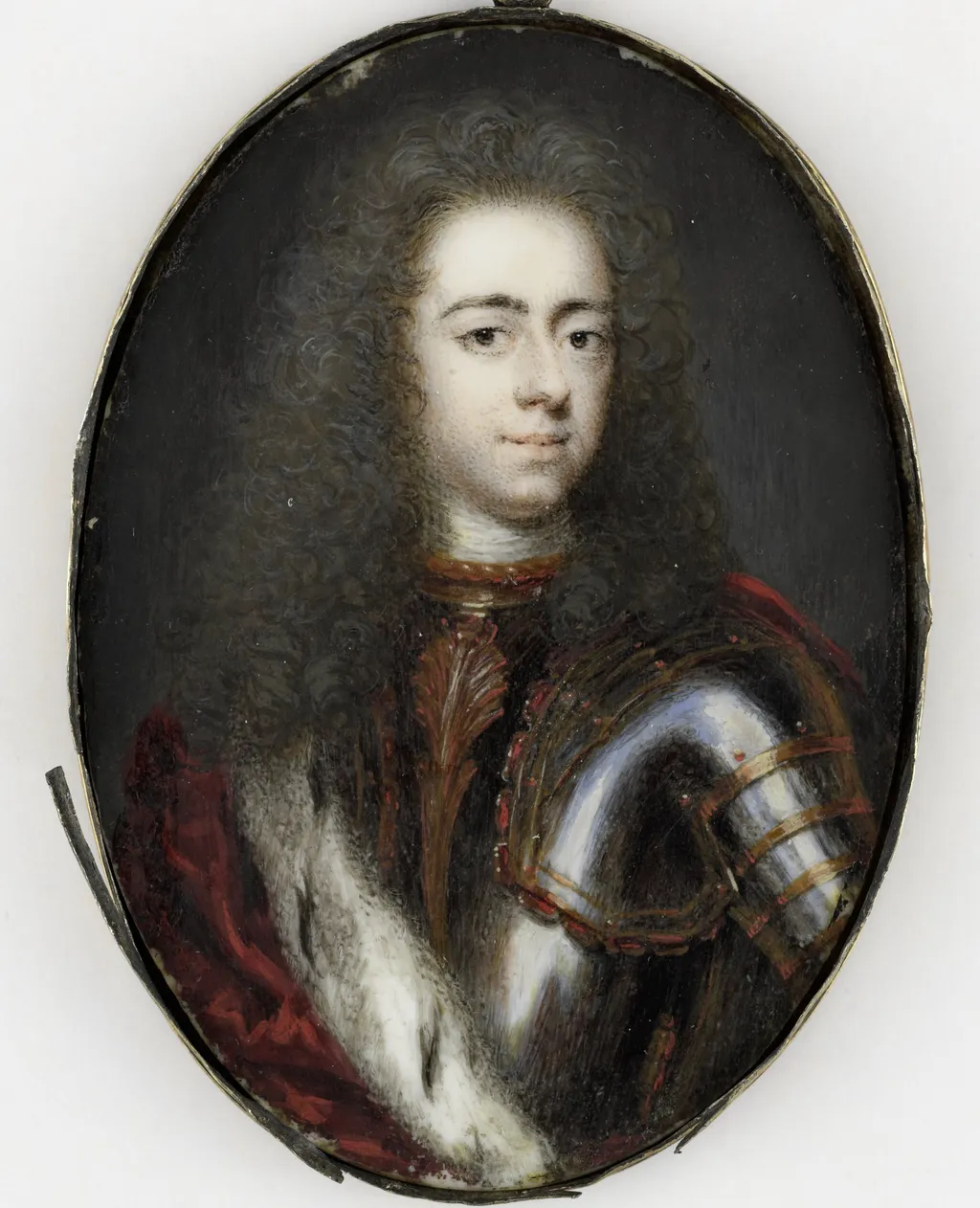
Portrait of John William Friso, Prince of Orange is an ivory painting by the Rococo painting artist Jacob Christoph Le Blon. It dates from 1710 and is held in the collection of the Rijksmuseum.
About this work
Technique & Style
Created in Holland, the piece utilizes the smooth surface of the ivory to achieve the fine detail characteristic of the miniature genre.
Executed in 1710 by Jacob Christoph Le Blon, this portrait is a miniature painting rendered on an ivory support. The work measures 8.5 cm in height and 5.8 cm in width. Created in Holland, the piece utilizes the smooth surface of the ivory to achieve the fine detail characteristic of the miniature genre.
The classification as a portrait highlights its focus on the likeness of John William Friso, Prince of Orange, adhering to the stylistic conventions of early eighteenth-century Dutch miniature painting.
History & Provenance
The portrait of John William Friso, Prince of Orange, was created in 1710 by the artist Jacob Christoph Le Blon. Executed as a miniature on ivory, the work originated in Holland. The piece has been associated with several Dutch institutions, including the Rijksmuseum, the Mauritshuis, and the Nederlandsch Museum voor Geschiedenis en Kunst, with the Rijksmuseum cited as a specific location for the work.
The miniature is held in the Rijksmuseum collection. According to the Wikidata record, the work is associated with the holdings of the Rijksmuseum, the Mauritshuis, and the Nederlandsch Museum voor Geschiedenis en Kunst, with the Rijksmuseum listed as its location.
No specific inventory or accession number is provided in the available sources, and no exhibition history is documented.
Overview
The Portrait of John William Friso, Prince of Orange is an oval ivory painting created in 1710 by Jacob Christoph Le Blon, a Frankfurt-based painter and engraver. The work is characterized by its Rococo style and is part of the Rijksmuseum's collection.
Subject & Meaning
The portrait depicts John William Friso, Prince of Orange, with a serious expression, adorned in a dark red collar and white lace ruff, alongside what appears to be a helmet or armor, symbolizing his status.
Context
As a Rococo piece, the portrait reflects the era's emphasis on elegance and refined detail, while its ivory medium adds a unique texture to the movement's characteristics.
Legacy
While the portrait itself is a testament to Le Blon's artistic versatility, his lasting impact on art and technology lies in his development of a halftone printing system, influencing later color printing technologies.
Own this work as a print
Artist & collection
Artist
Jacob Christoph Le Blon, or Jakob Christoffel Le Blon, (2 May 1667 – 16 May 1741) was a painter and engraver from Frankfurt who invented a halftone color printing system with three and four copper dyes using an RYB…

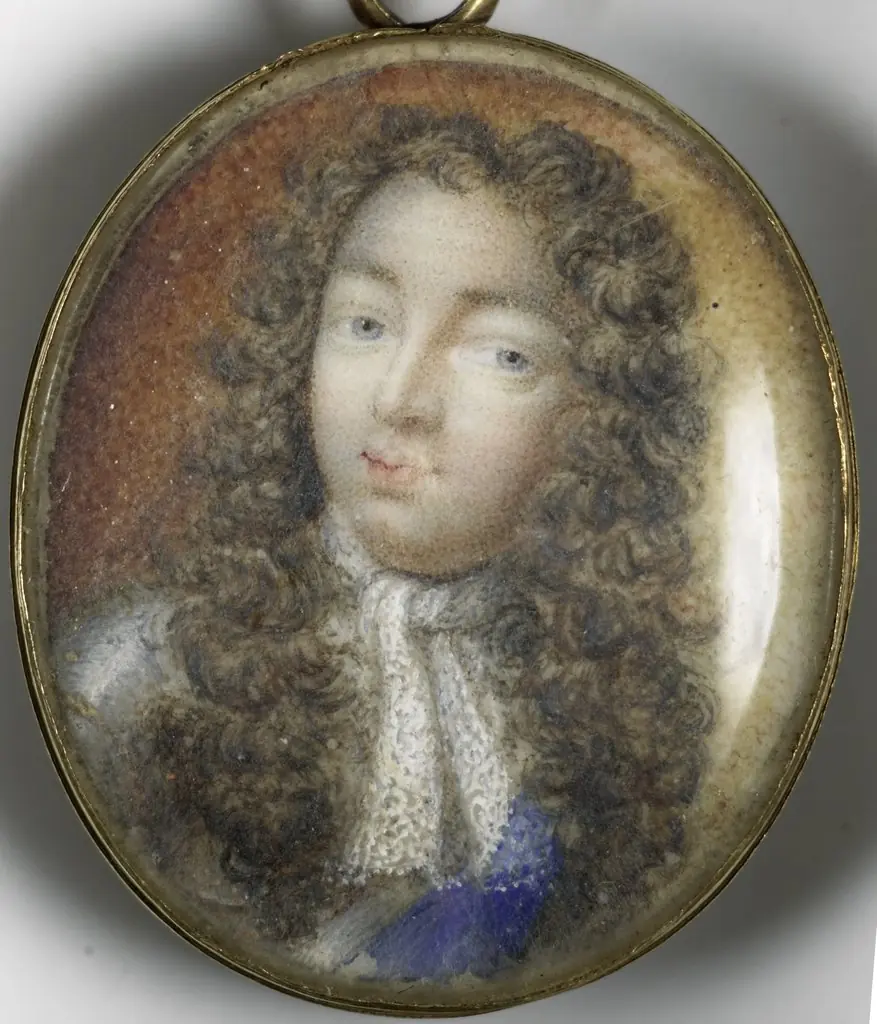 Portret van een man en een vrouw (keerzijde) vermoedelijk Willem Frederik Markgraaf van Brandenburg-Anspach (1686-1723) en zijn vrouw Christiane Charlotte van Württemberg (1694-1723)
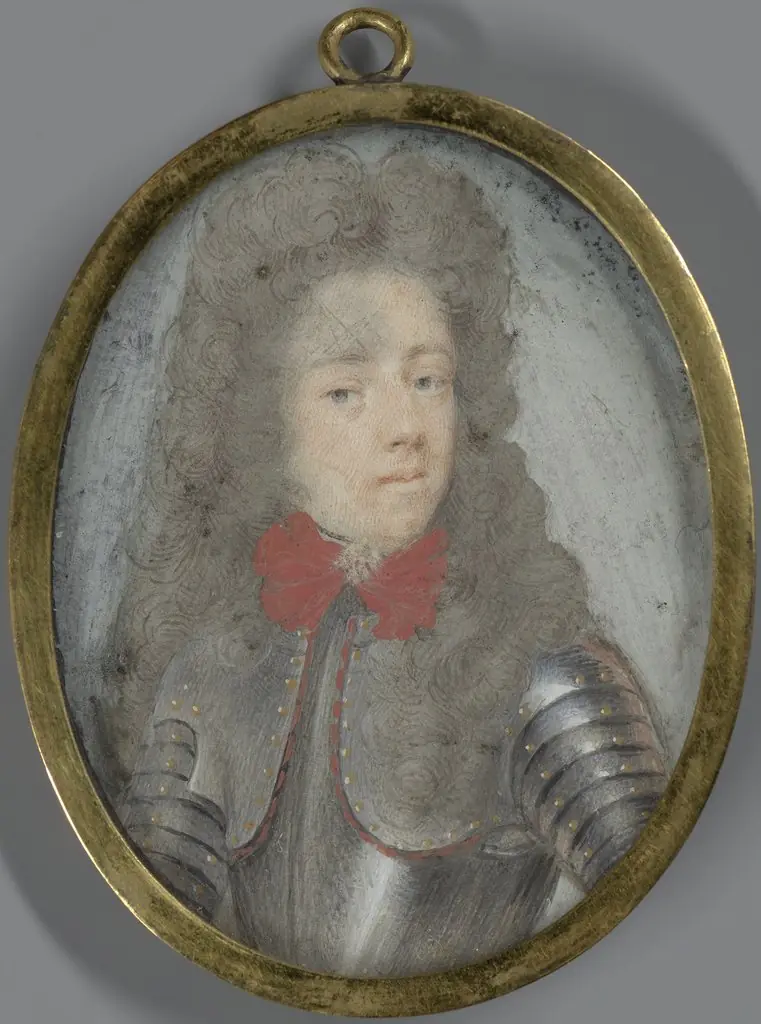 Portrait of Hendrik Casimir II (1657-96), ruler of Nassau-Dietz
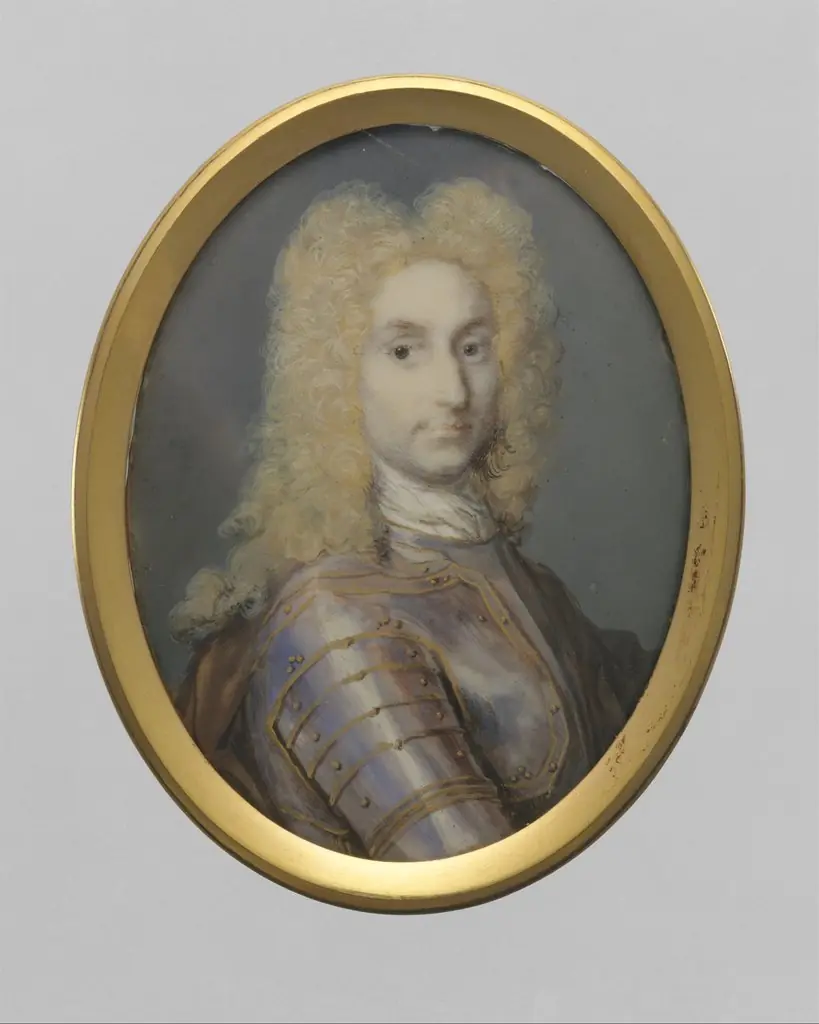 Portrait of a Man
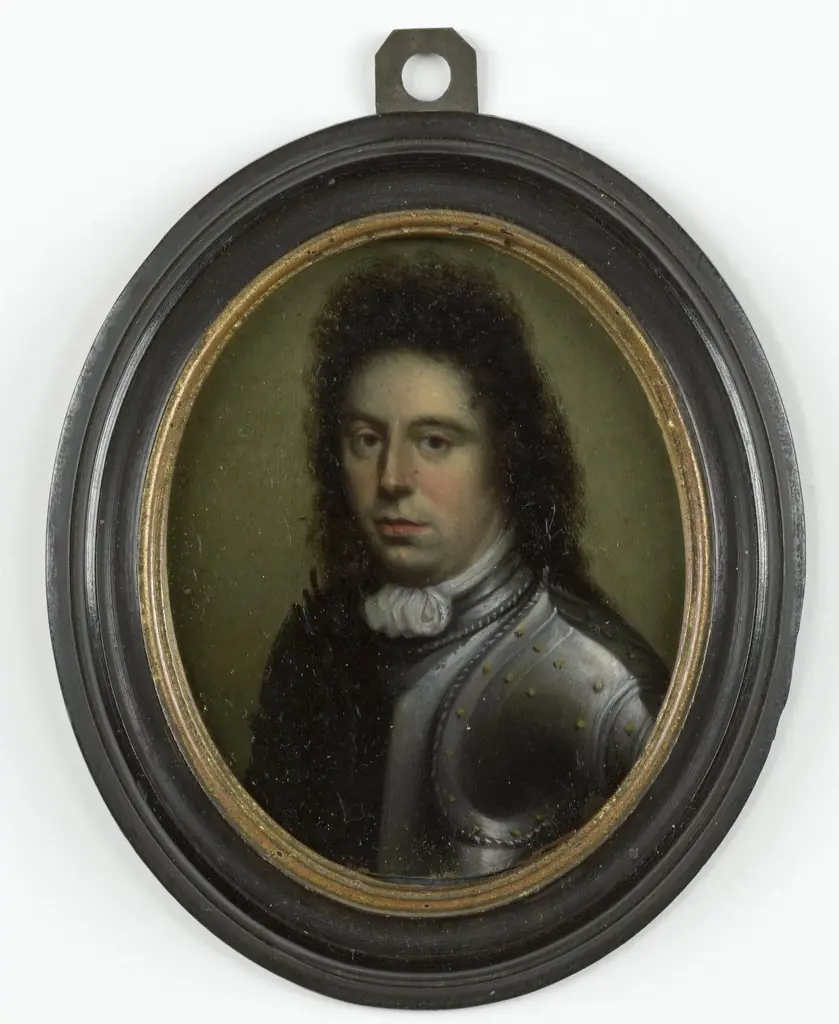 Portret van een officier
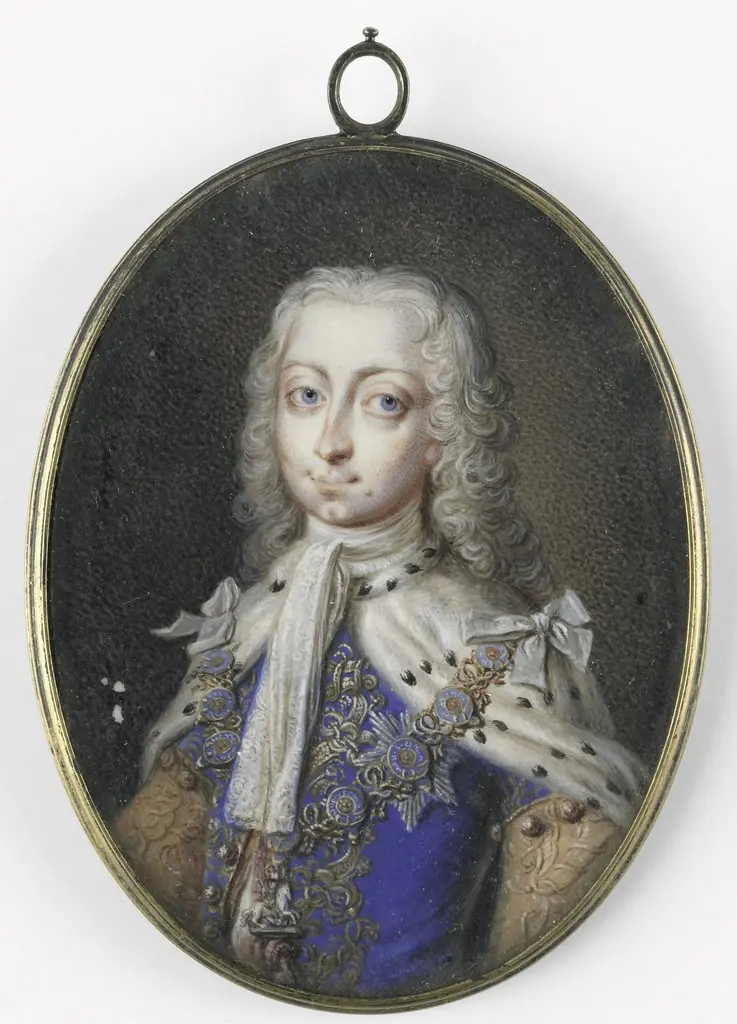 Frederick Louis (1707-51), prins van Wales. Zoon van koning George II
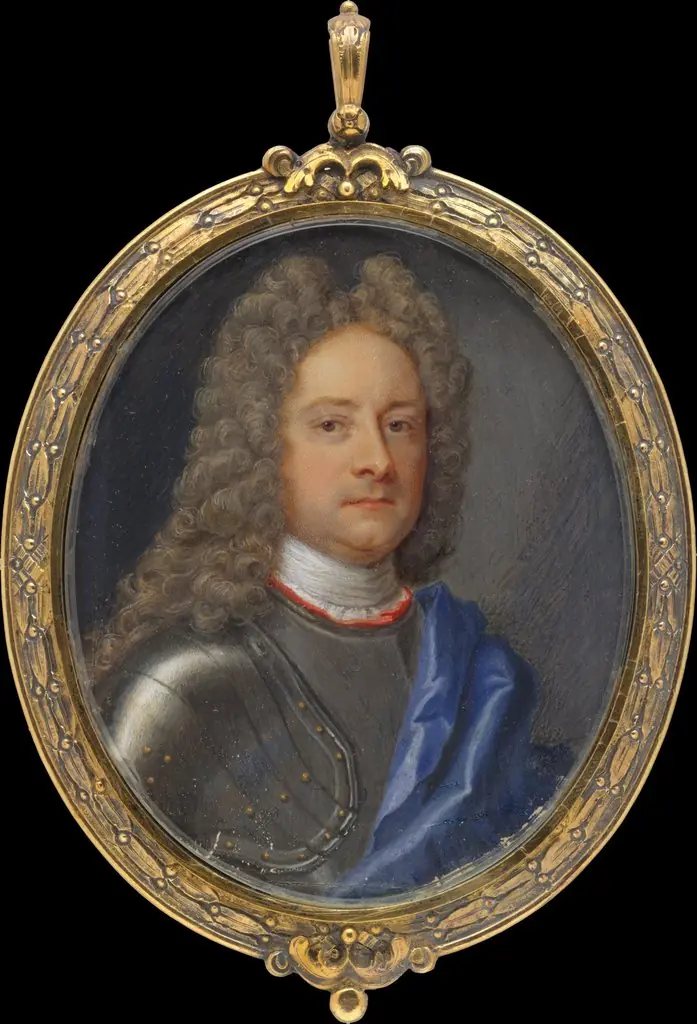 John Churchill (1650–1722), First Duke of Marlborough
 Portrait of John Churchill, Duke of Marlborough
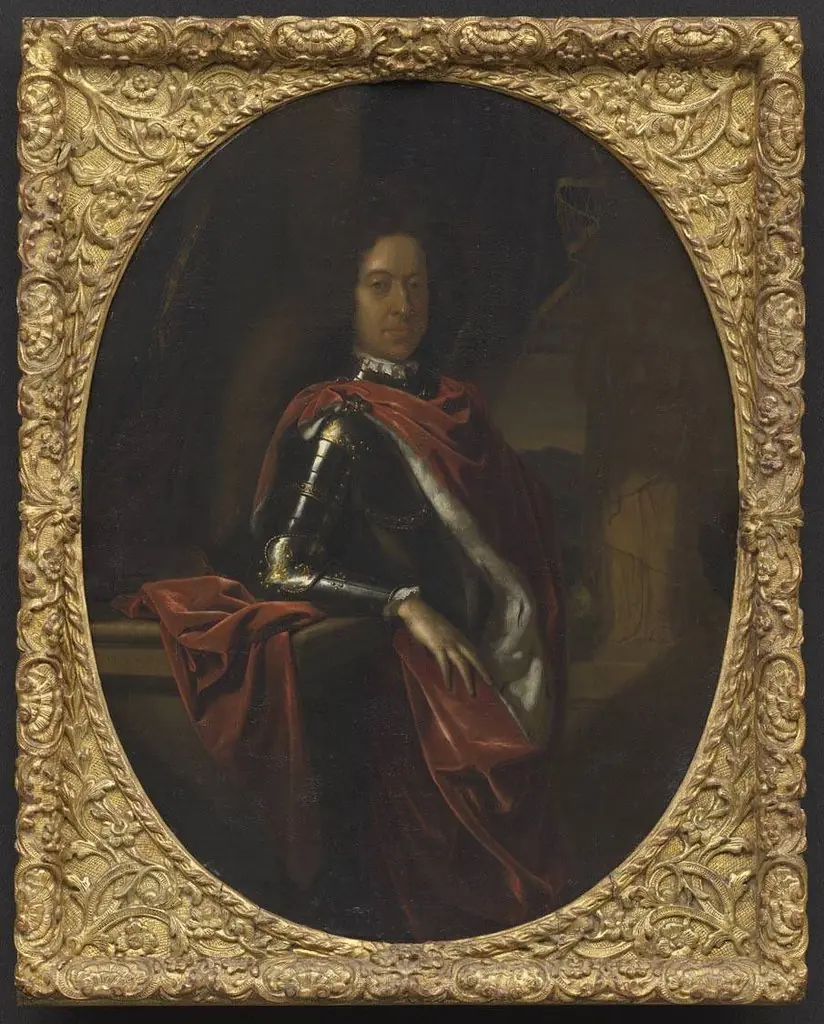 Portrait of Duke Giovanni Gastone de' Medici (1671-1737)
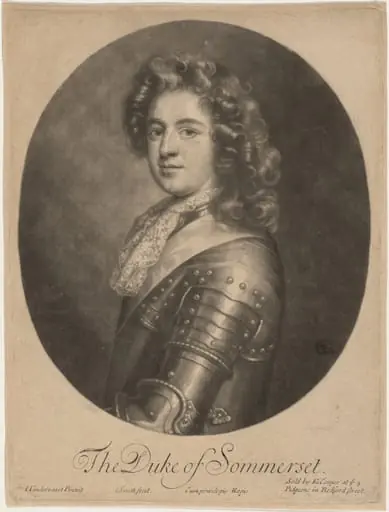 Charles Seymour, Sixth Duke of Somerset
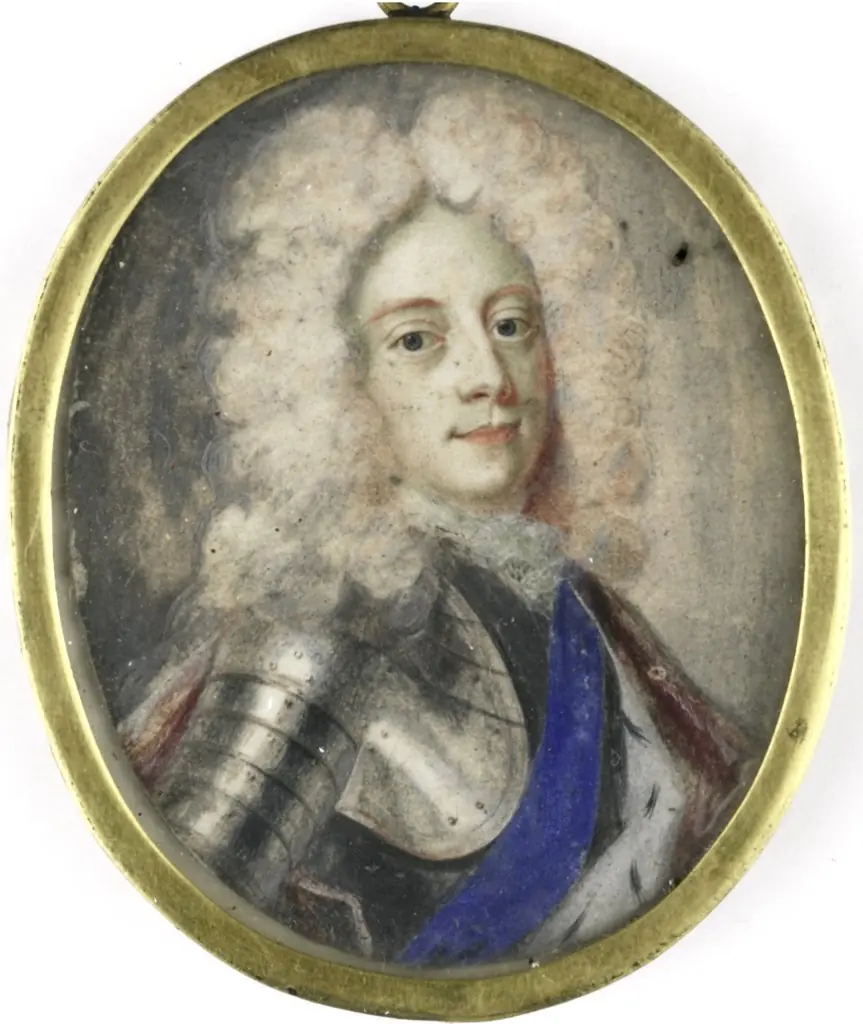 Portrait of Christiaan V van Denemarken (1646-1699)