Artwork
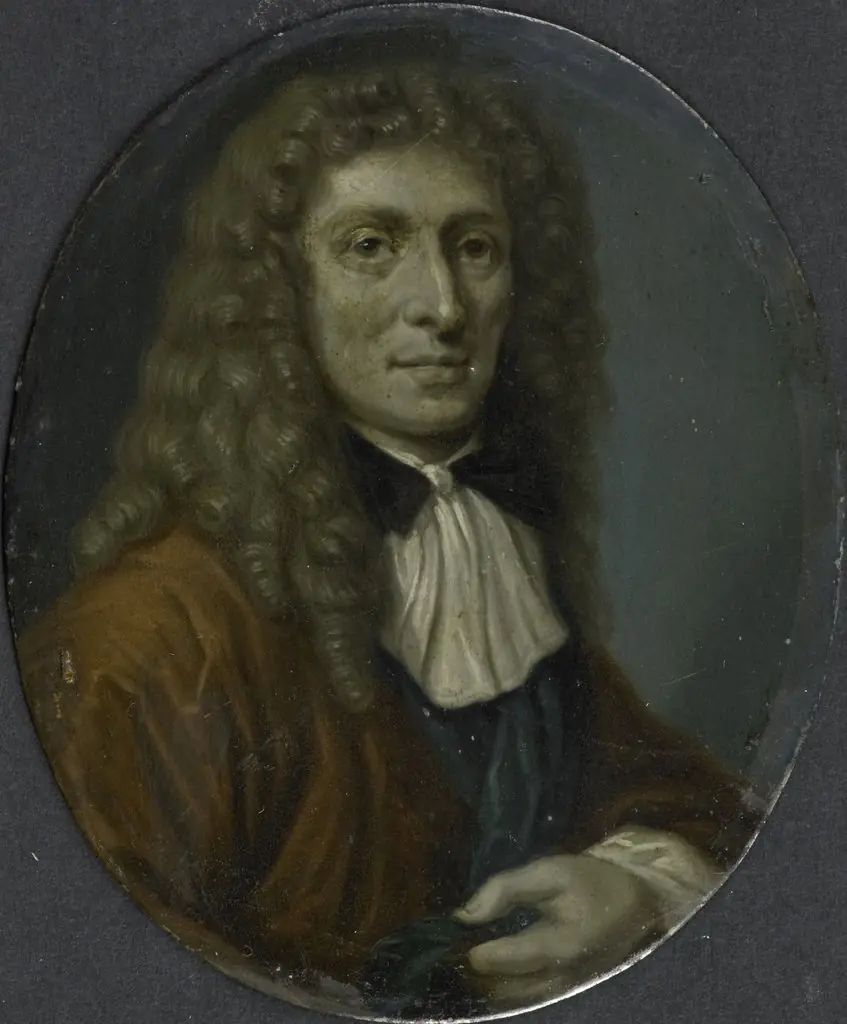
Portrait of a Man, perhaps a Self Portrait
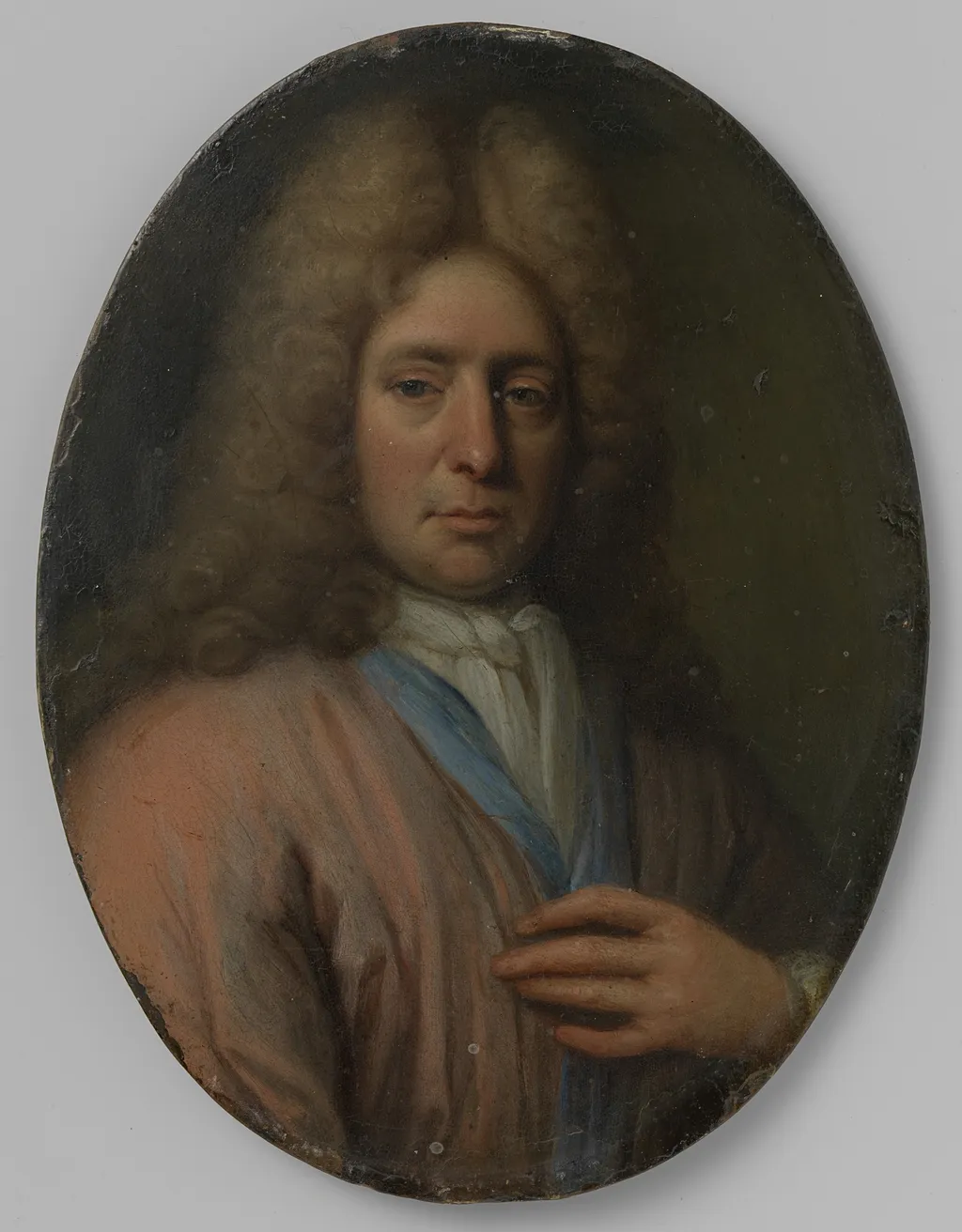
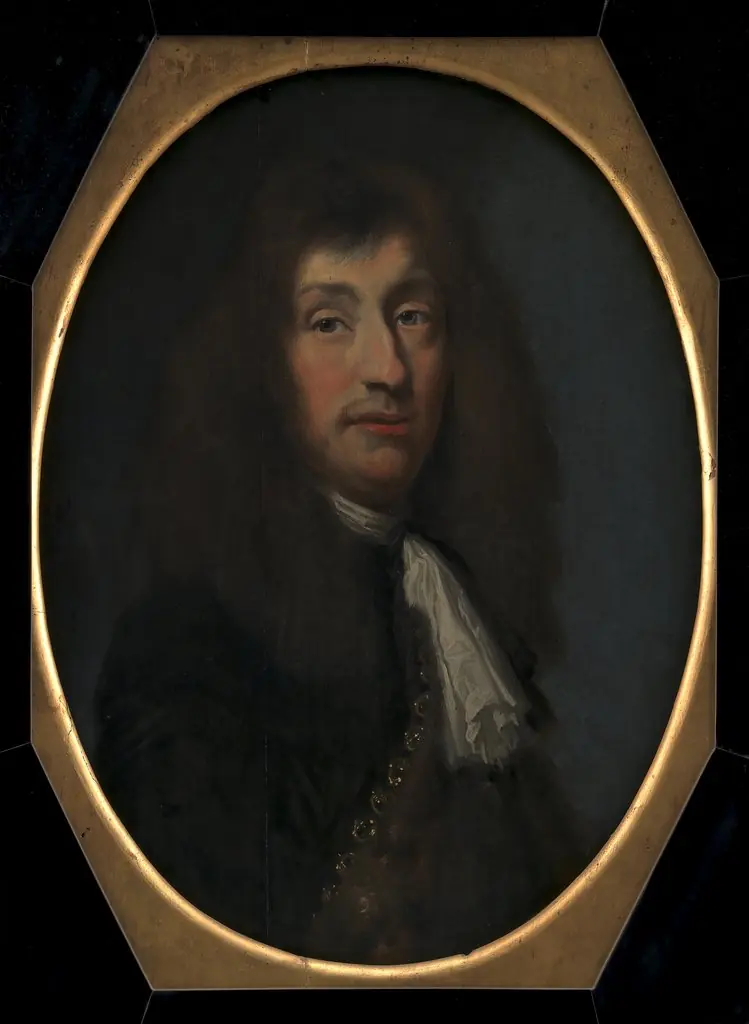
Portrait of a Man, perhaps a Self Portrait is an oil painting by the Dutch Golden Age artist Jan Verkolje. It dates from 1691 and is held in the collection of the Rijksmuseum.
About this work
Subject & Meaning
The piece functions within the genre of portraiture, capturing the likeness of Verkolje during his career.
Created in 1681, this small oil painting on copper depicts the Dutch artist Jan Verkolje. While formally titled as a portrait of an unidentified man, the work is widely characterized as a potential self-portrait, with the artist himself identified as the primary subject. The piece functions within the genre of portraiture, capturing the likeness of Verkolje during his career.
The identification of the sitter as the creator suggests the work serves as a personal representation, though the tentative nature of the title reflects the historical uncertainty surrounding the specific identity of the man portrayed.
Technique & Style
The work is an oil painting executed on a copper support, a technique documented for the piece and characteristic of late 17th‑century Dutch portraiture. The surface bears the fine brushwork and subtle chiaroscuro that emphasize the sitter’s facial features, while the composition remains tightly framed, reflecting a formal restraint typical of Verkolje’s self‑portraiture. The painting’s condition is stable, with no noted damage to the metal substrate, and its dimensions measure 19 cm in height by 14 cm in width.
History & Provenance
The work titled Portrait of a Man, perhaps a Self Portrait, was created by Jan Verkolje in 1681 on copper and is classified as a portrait painting. It entered the collection of the Rijksmuseum, where it remains on display in Amsterdam.
The painting was produced in the late 17th century and depicts the artist himself, reflecting his interest in self-representation. Its dimensions measure 19 cm in height by 14 cm in width, confirming its status as a small-scale work intended for intimate viewing.
Context
The painting Portrait of a Man, perhaps a Self Portrait, attributed to Jan Verkolje, was created in 1681 on copper and belongs to the portrait genre within Dutch Golden Age art. Its depiction of the artist himself situates it within his broader self-portraiture practice and reflects the period's emphasis on individual representation. The work is part of the Rijksmuseum's collection, underscoring its significance in institutional art historical narratives.
Legacy
Portrait of a Man, perhaps a Self Portrait, painted by Jan (I) Verkolje in 1681 on copper, entered the Rijksmuseum collection and is classified as a portrait and self-portrait. The work’s scholarly attribution to Verkolje and its status as a self-portrait have reinforced his reputation as a leading Dutch portraitist of the late 17th century, influencing later assessments of his oeuvre and inspiring further research into his use of copper support and intimate compositional formats.
Overview
Jan Verkolje’s Portrait of a Man, perhaps a Self Portrait (1691) is an oval image executed on a copper plate. The sitter is presented against a dark, unadorned background, his face illuminated by soft modelling that draws attention to the thoughtful expression. The work is part of the Rijksmuseum’s collection and exemplifies the refined portraiture typical of the Dutch Golden Age.
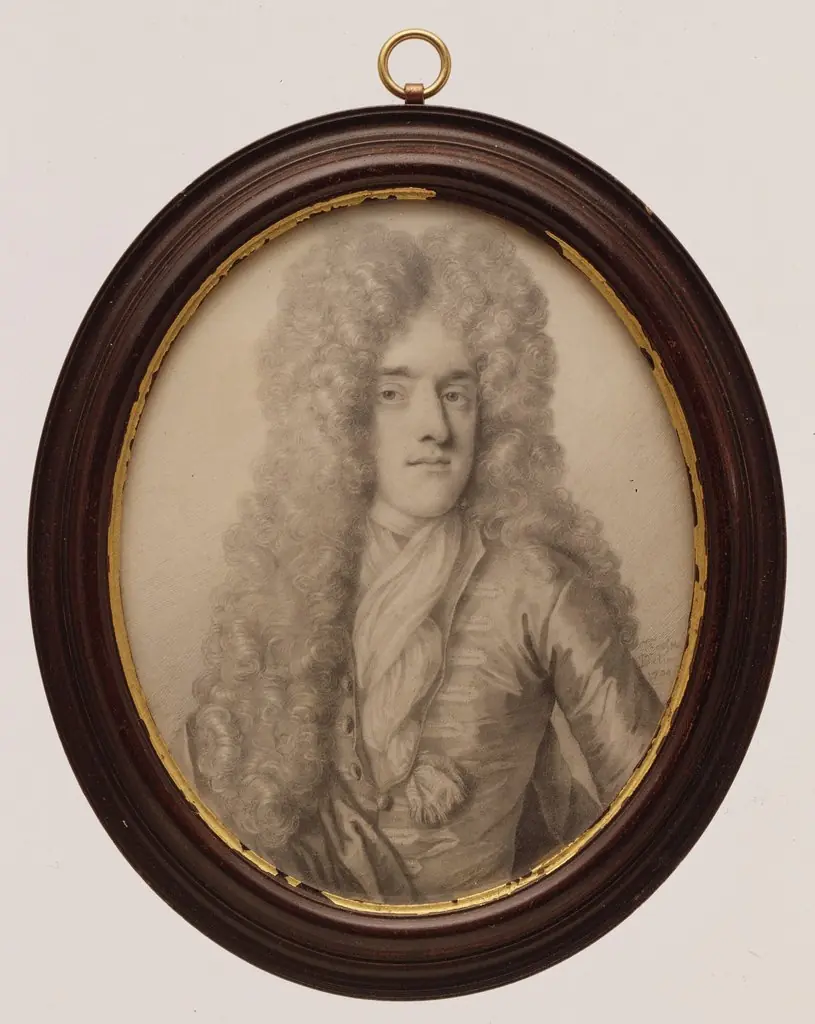
Own this work as a print
Artist & collection
Artist
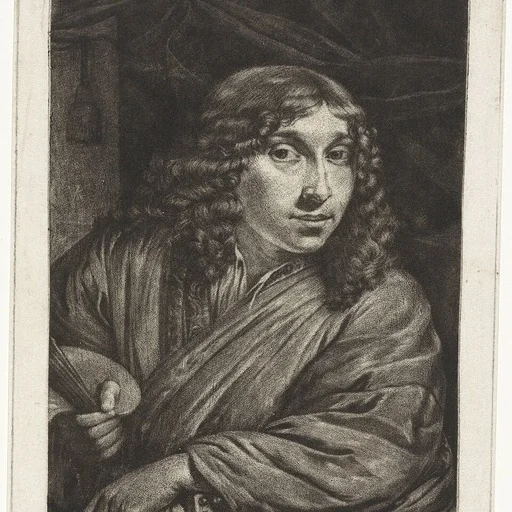
Jan Verkolje or Johannes Verkolje (9 February 1650 (baptized) – 8 May 1693 (buried)) was a Dutch painter, draughtsman and engraver.

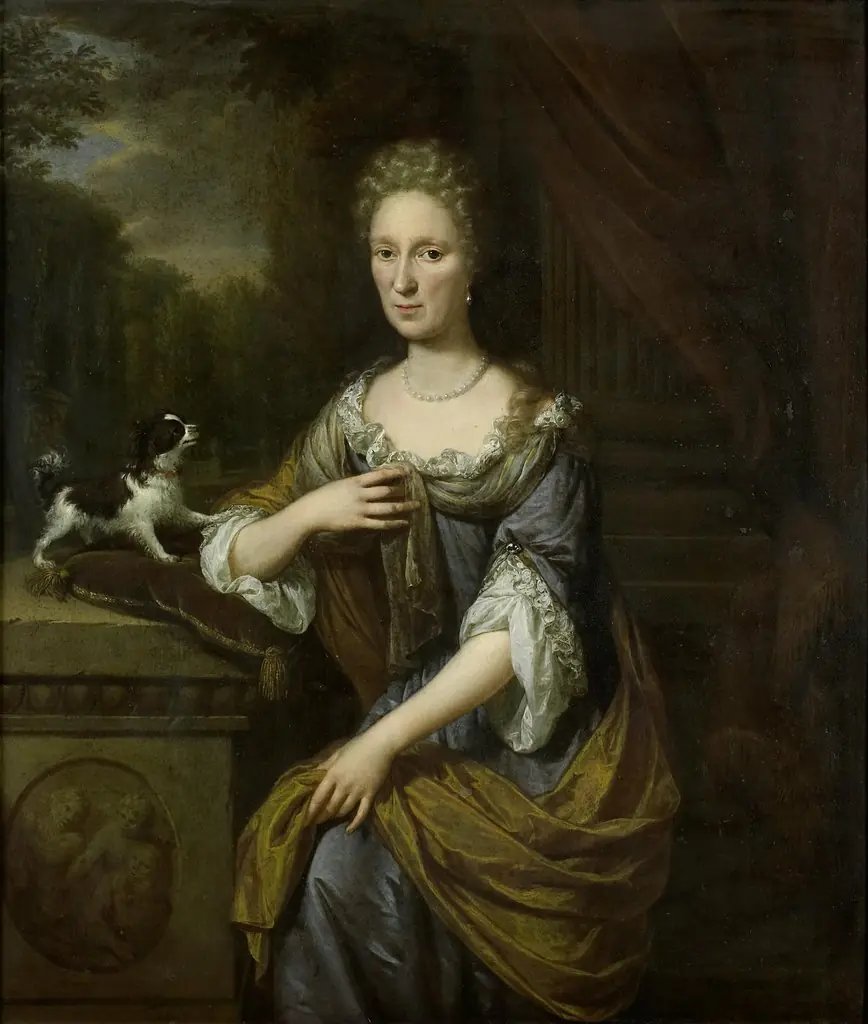
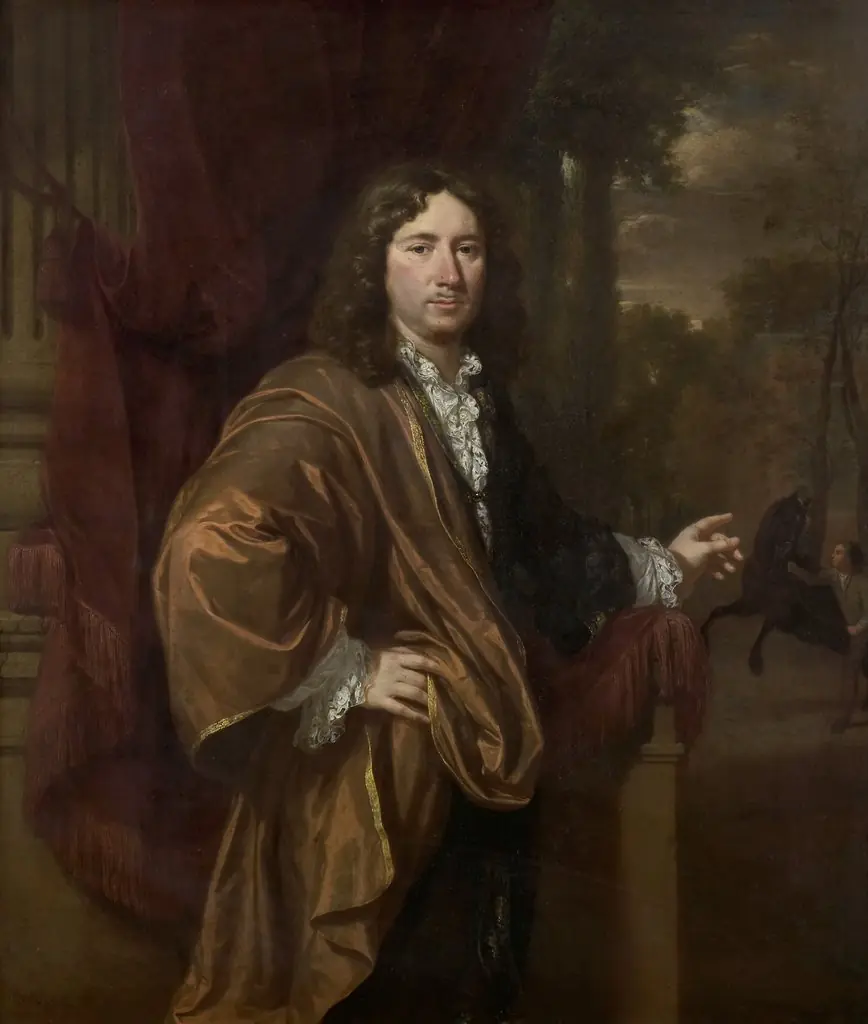
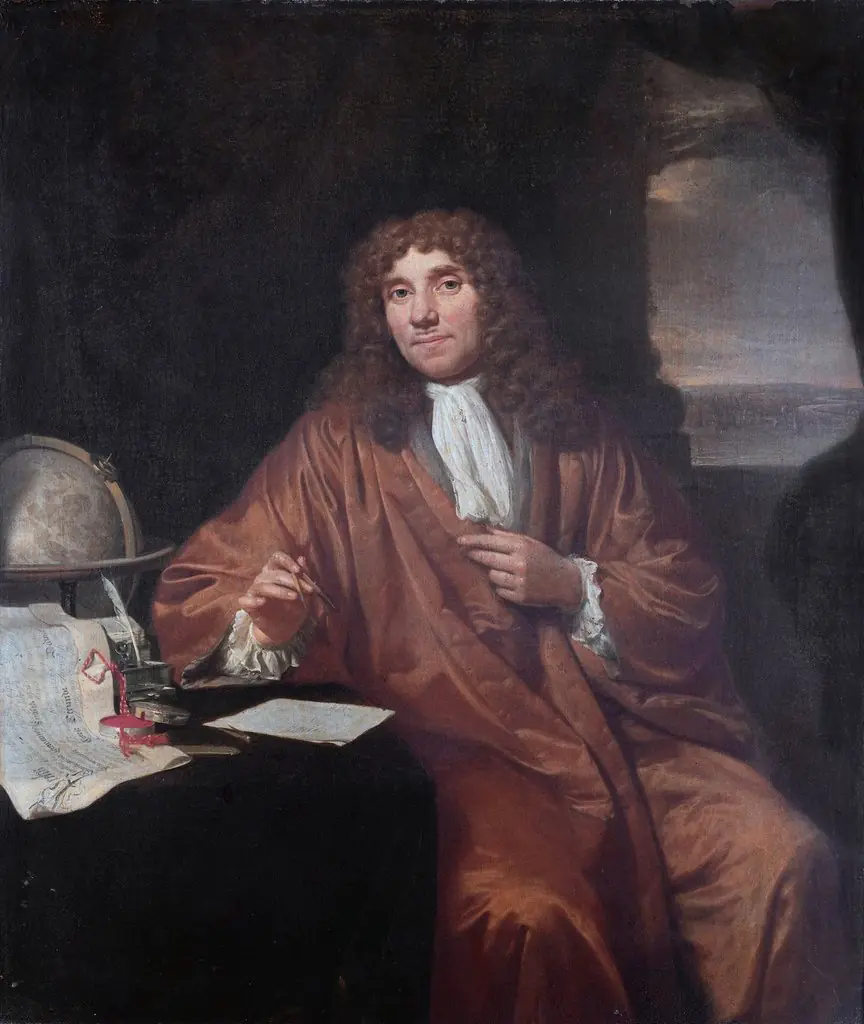
- Portrait of a Man
 Portrait of Govert Bidloo
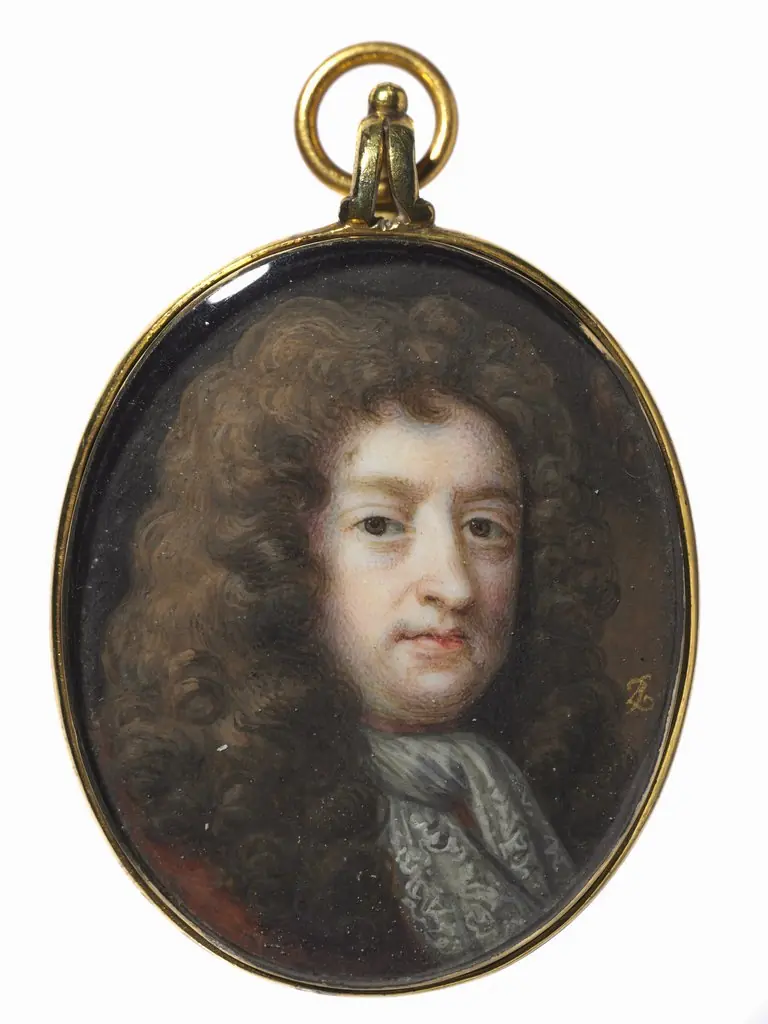 Portrait of Samuel Butler
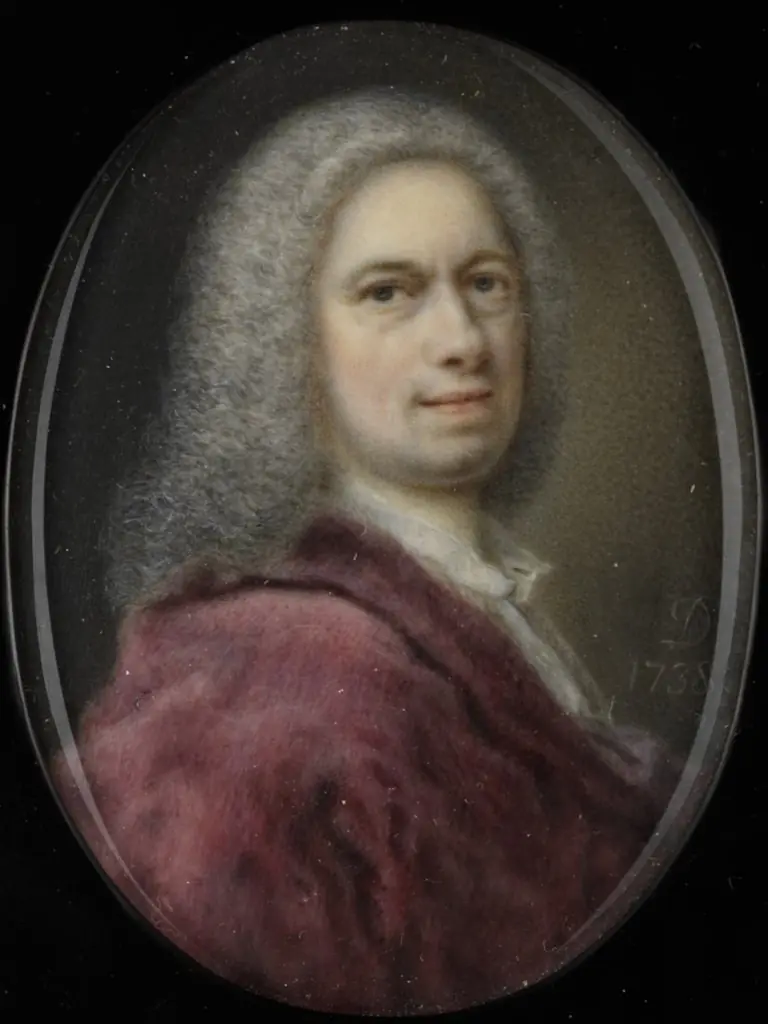 Self-portrait
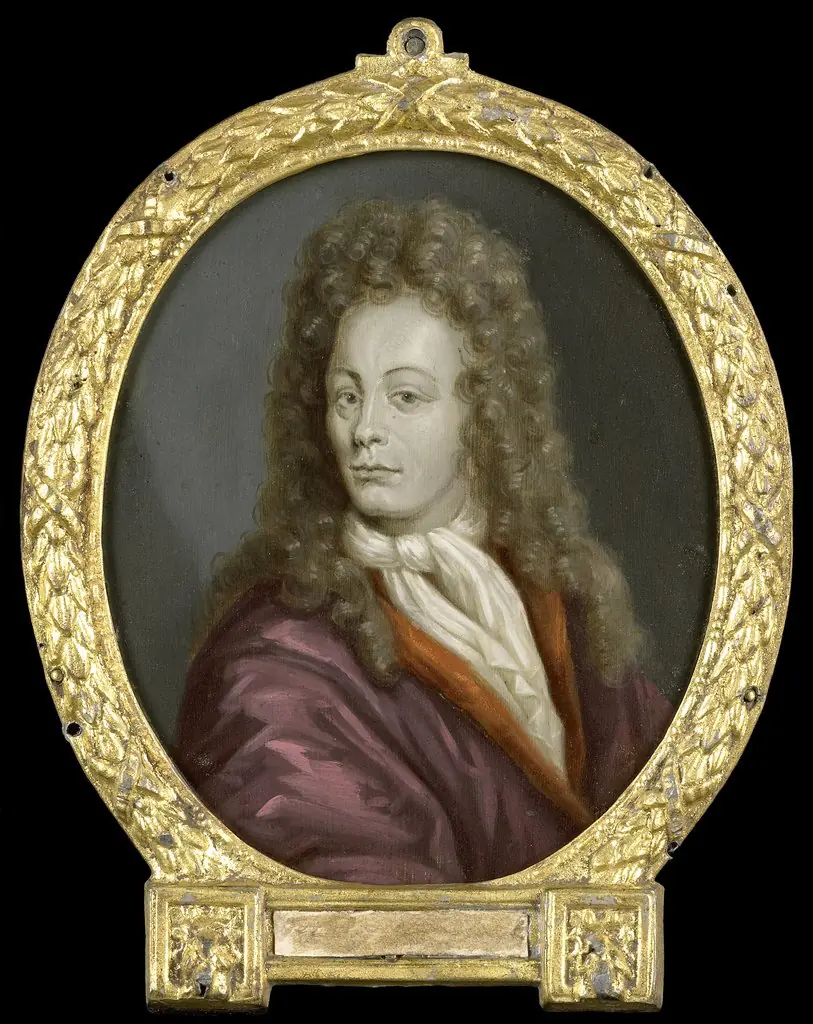 Portrait of Tobias Gutberleth, Man of Letters in Leeuwarden
 Portrait of a Painter
 Ulrik Frederik Gyldenløve
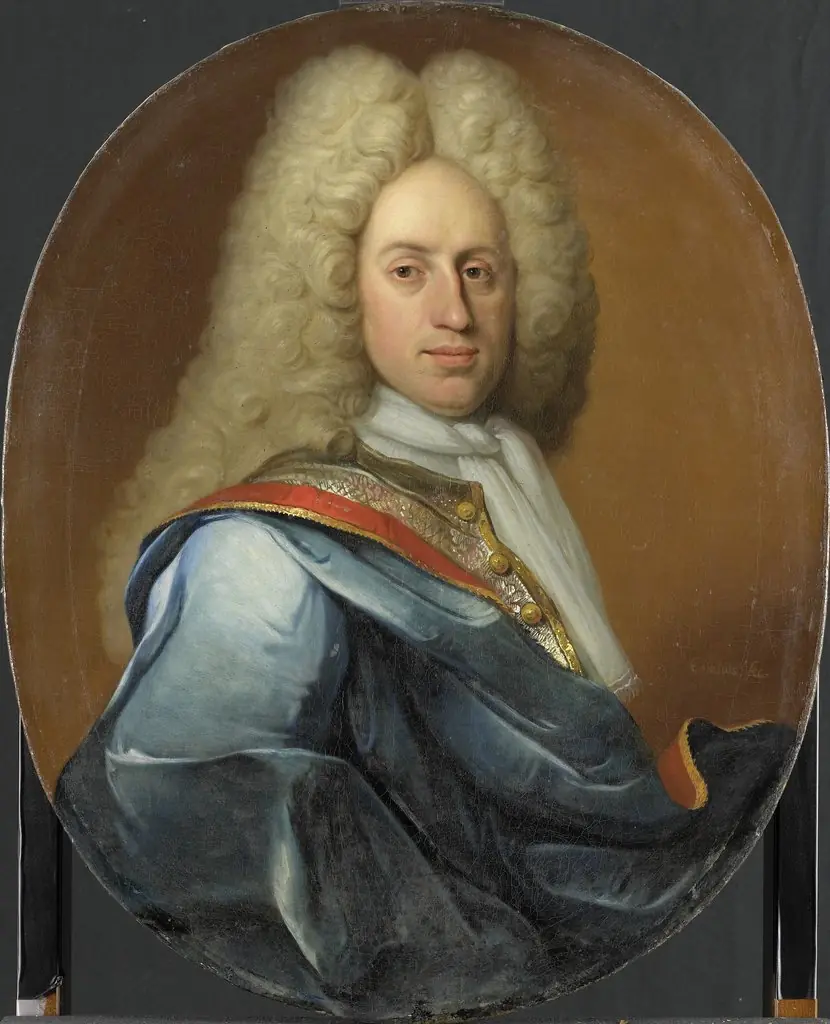 Portrait of Hieronymus Josephus Boudaen, Lord of St Laurens and Popkensburg
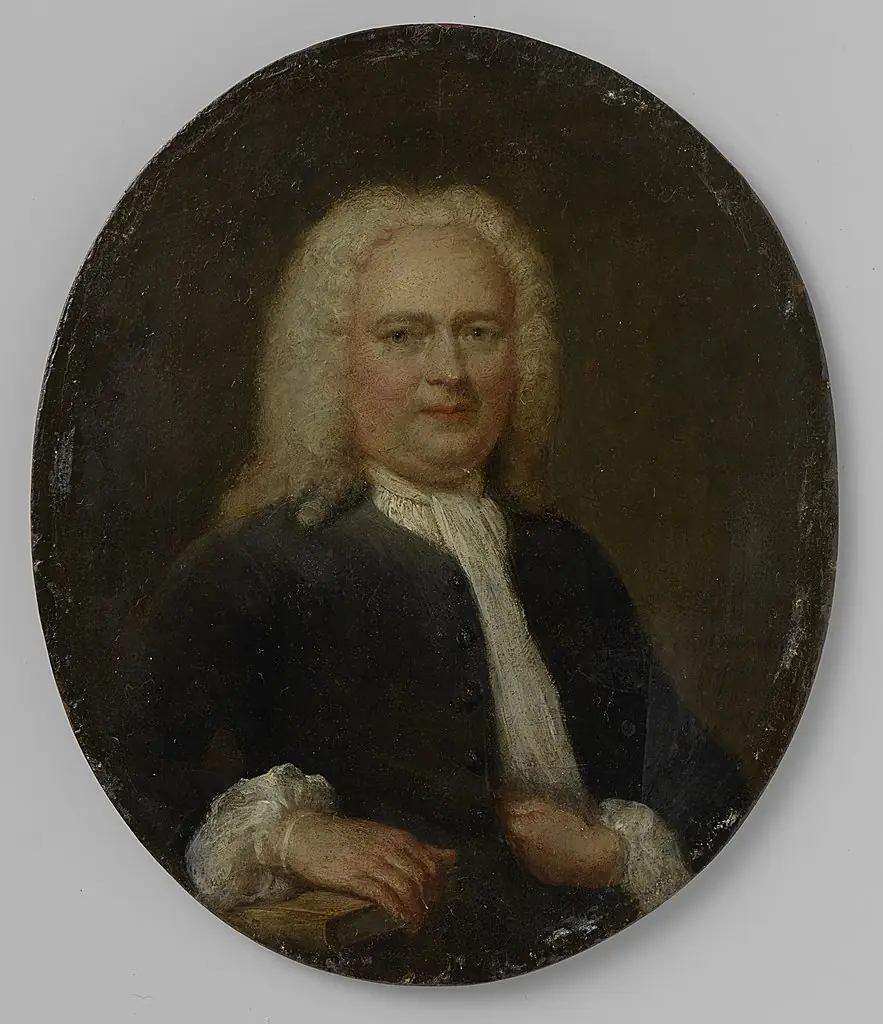 Portrait of a Man, perhaps a Member of the Klinkhamer Family
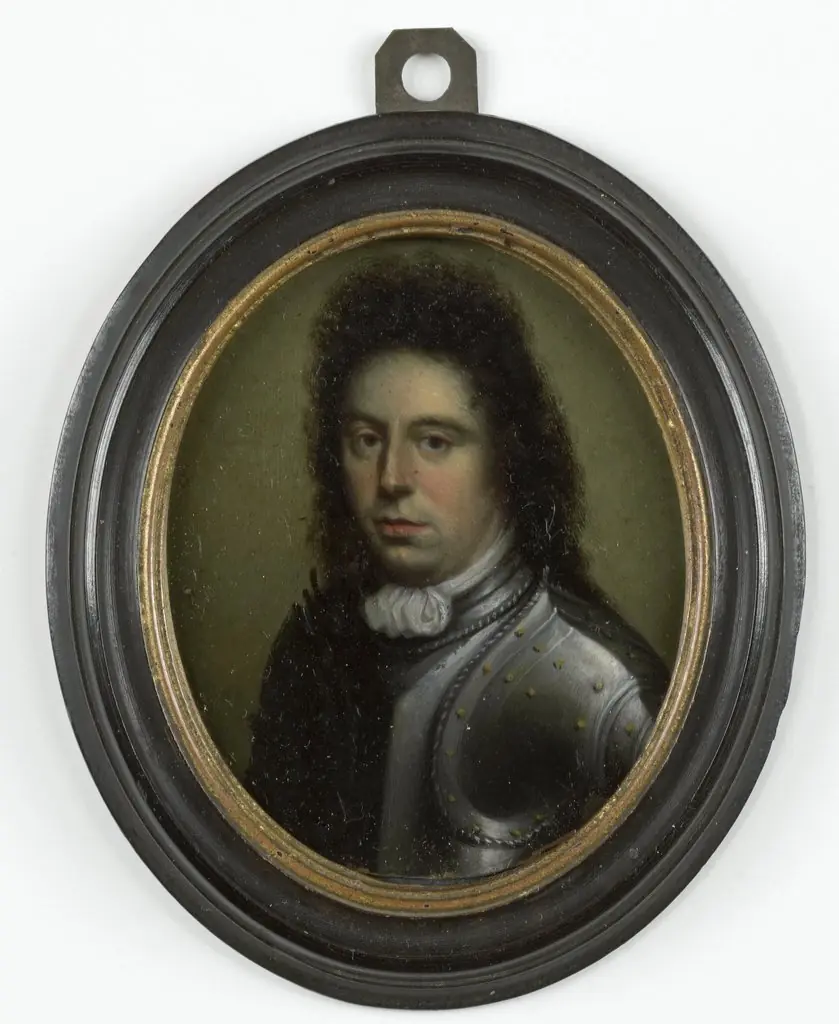 Portret van een officier
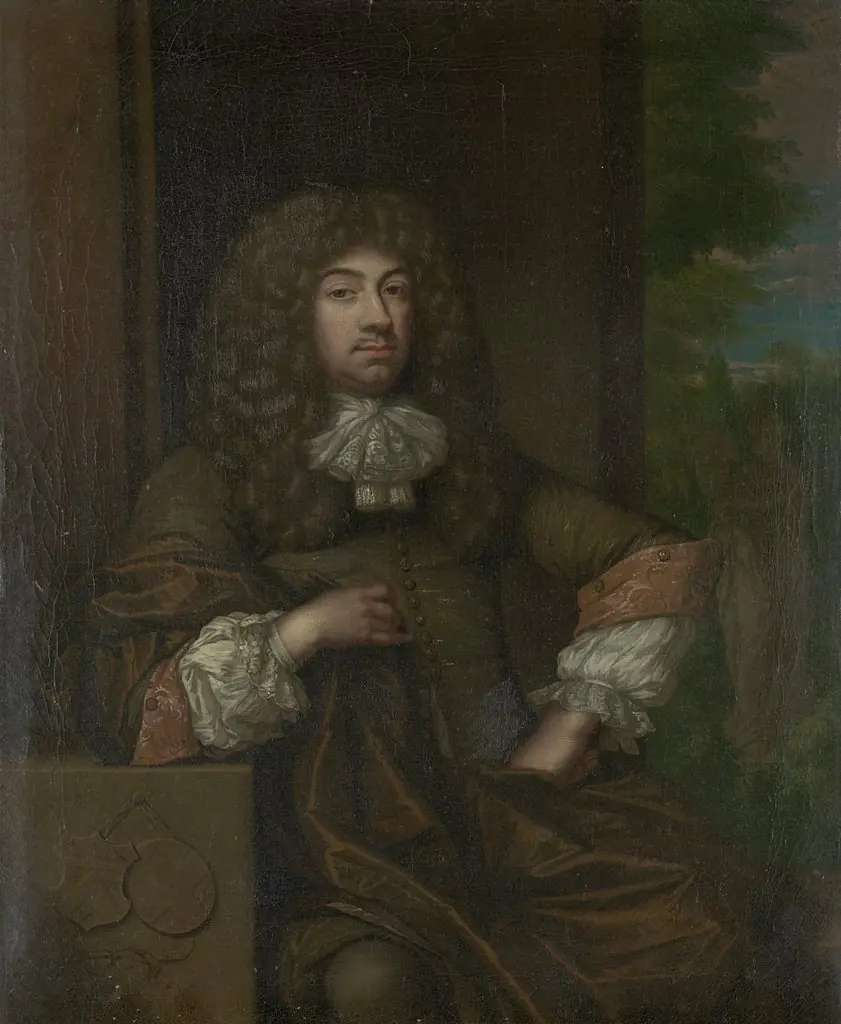 Portrait of Jan Boudaen Courten (1635-1716), lord of St. Laurens, Schellach and Popkensburg, Judge and alderman of Middelburg
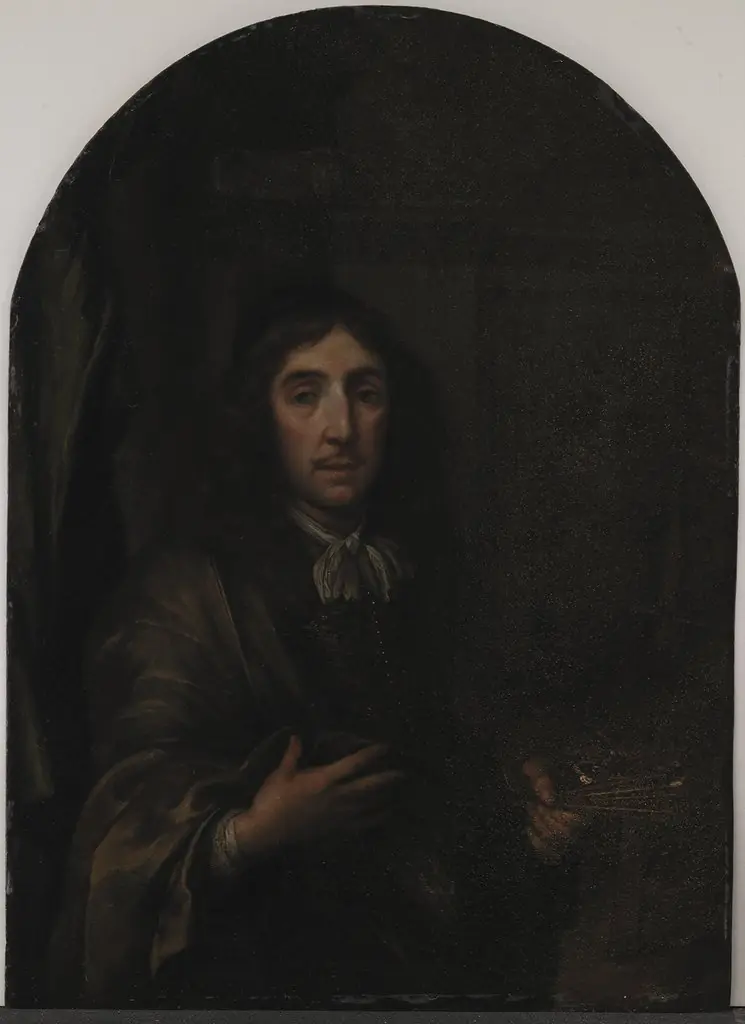 Portrait of a Painter