Artwork
염제신 초상
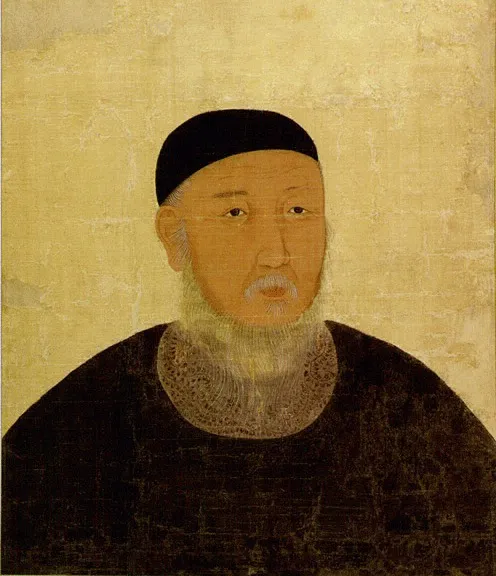
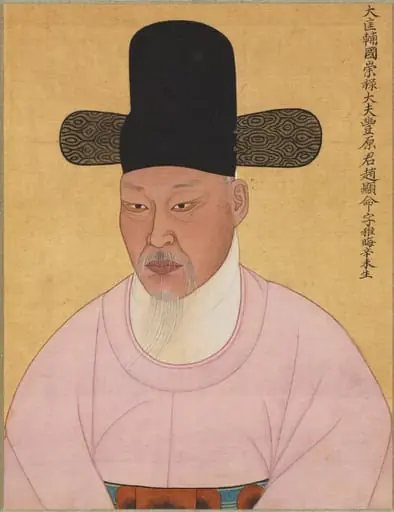
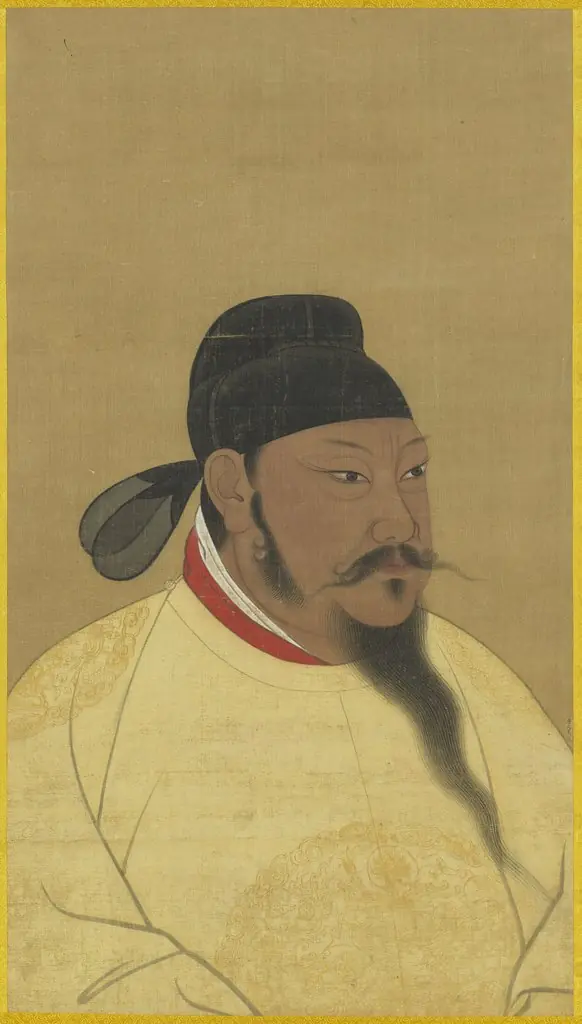
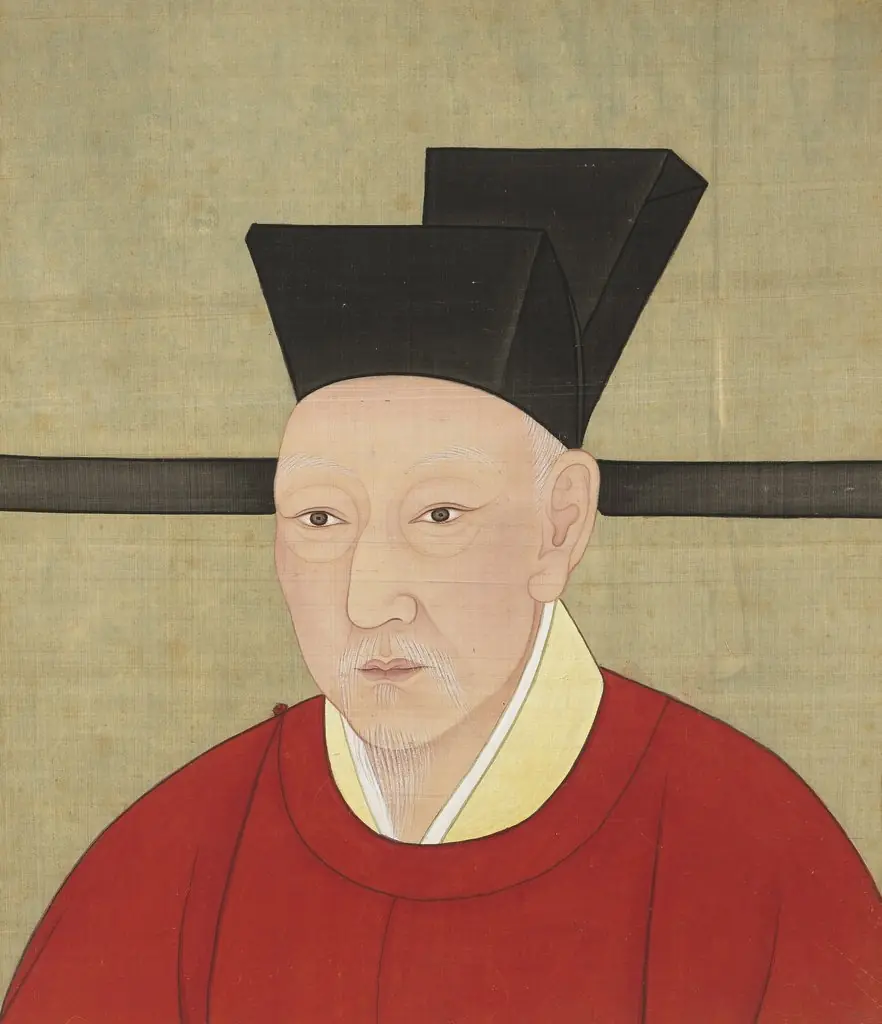
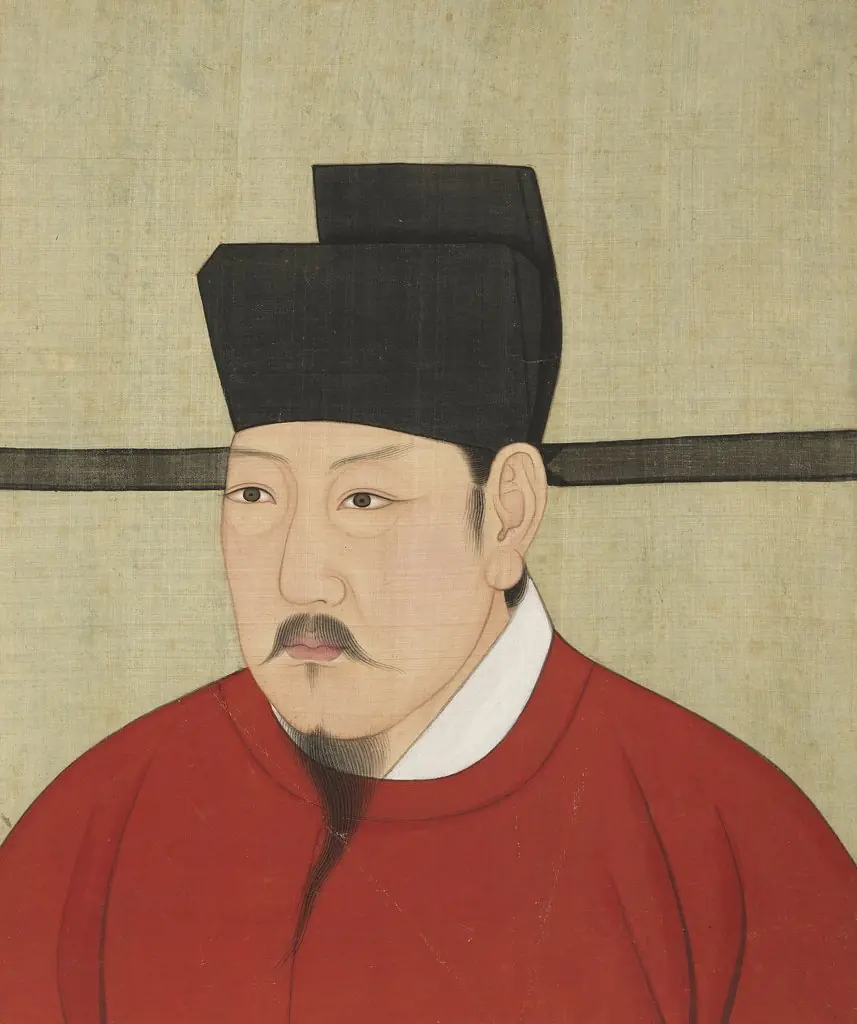
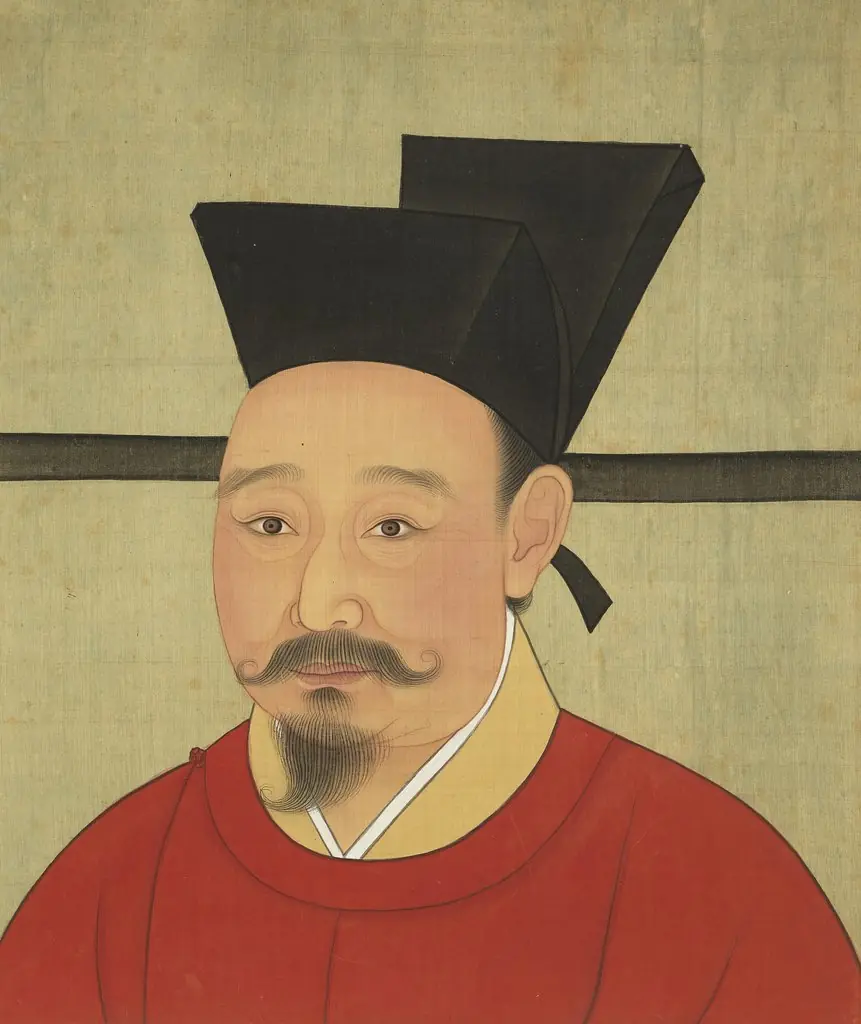
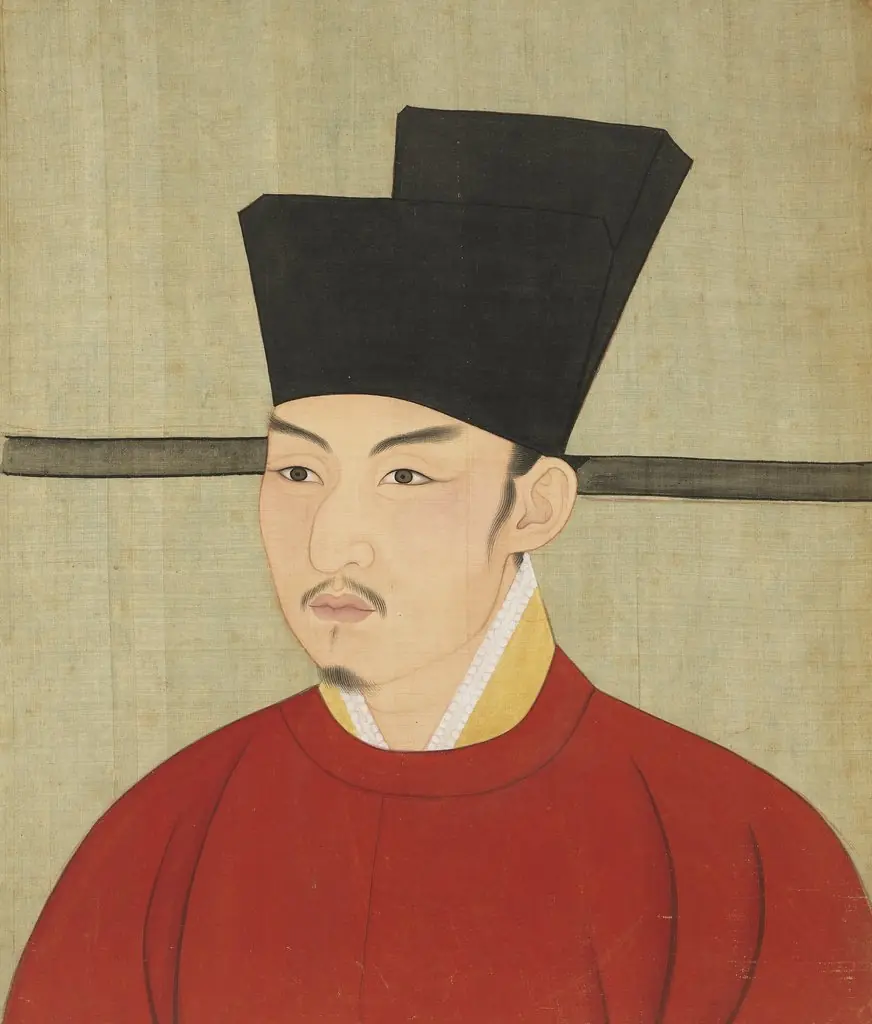
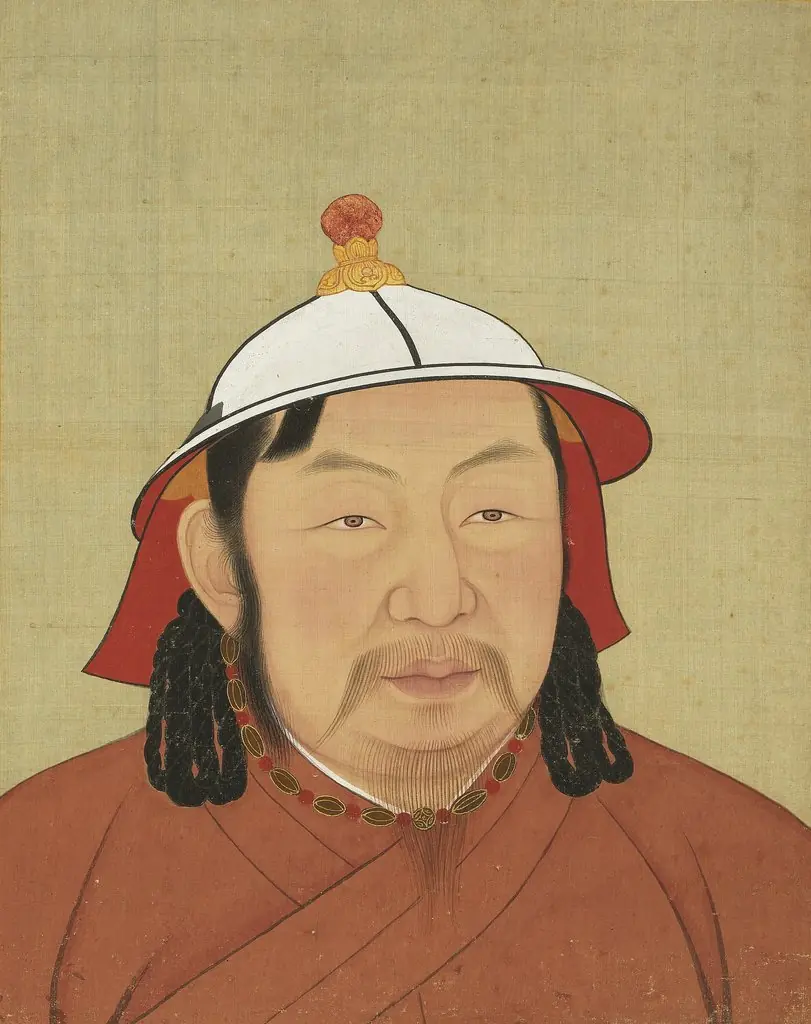
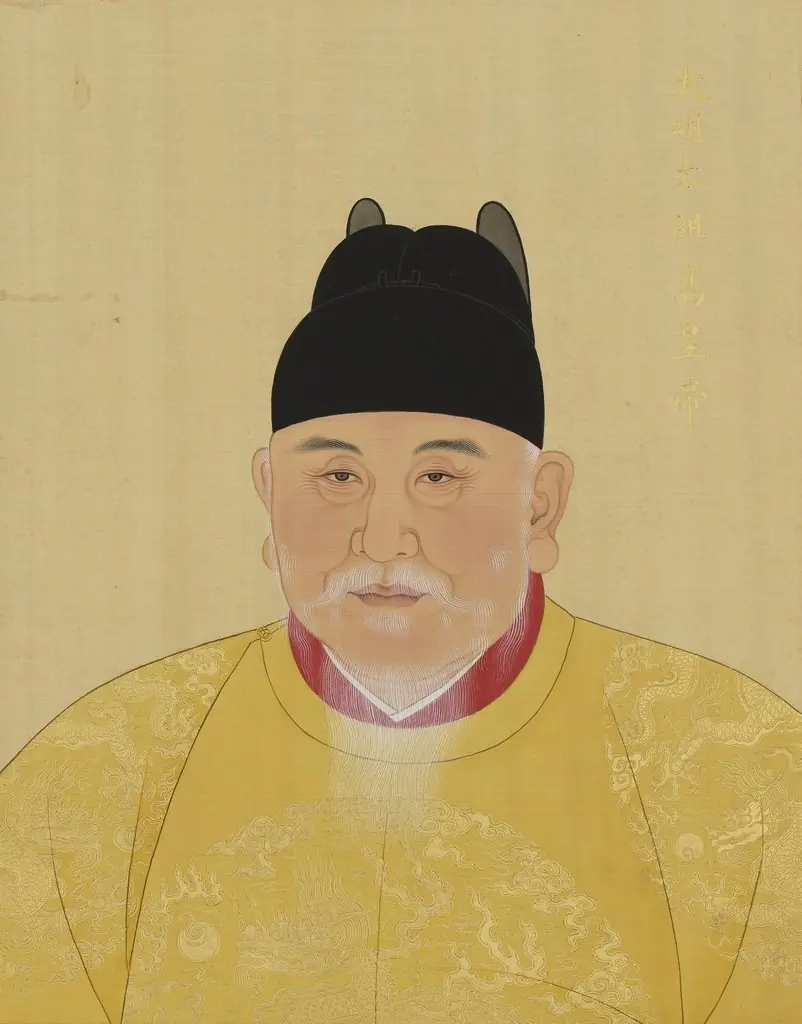
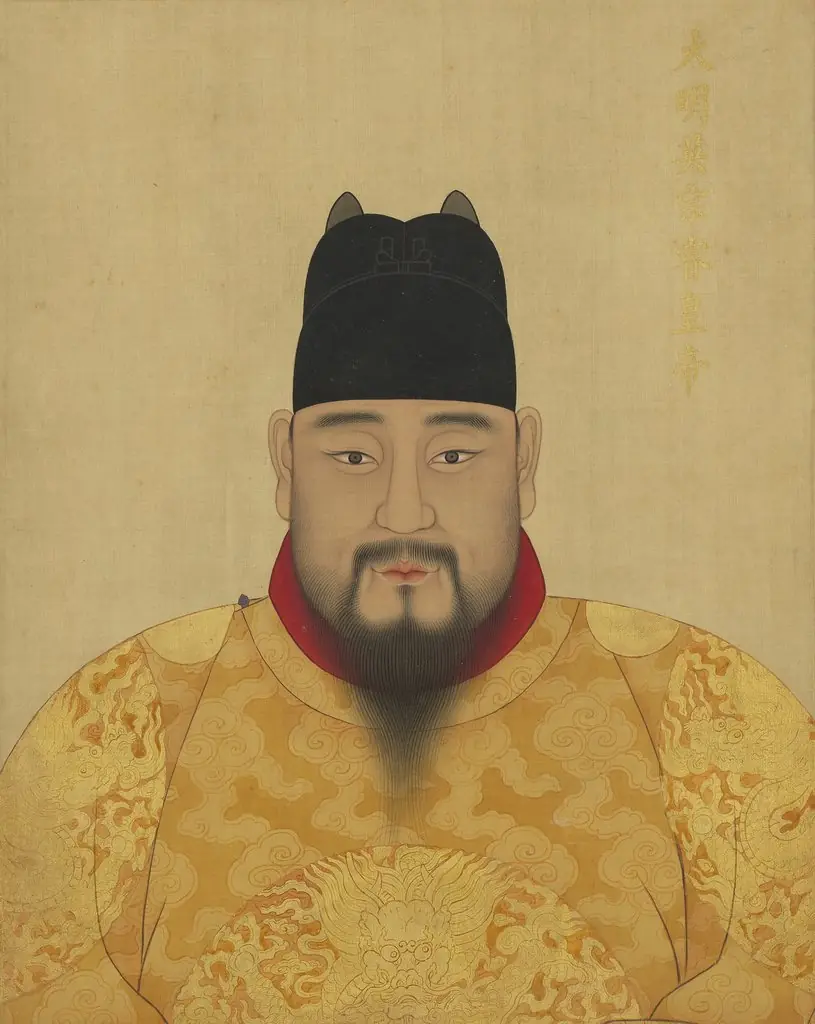
염제신 초상 is an unspecified painting by Unknown. It dates from 1850 and is held in the collection of the National Museum of Korea. This portrait, attributed to the Korean artist Yeom Je-sin, presents a solemn male figure rendered in a restrained, two-dimensional style.
About this work
Overview
This portrait, attributed to the Korean artist Yeom Je-sin, presents a solemn male figure rendered in a restrained, two-dimensional style.
This portrait, attributed to the Korean artist Yeom Je-sin, presents a solemn male figure rendered in a restrained, two-dimensional style. Executed in ink and color on paper, it reflects the conventions of late Joseon-era scholarly portraiture. The subject’s calm gaze and unadorned attire suggest an emphasis on inner dignity rather than external display. The painting is held in the collection of the National Museum of Korea.
Subject & Meaning
The subject is believed to be a Confucian scholar or official, identified by his black cap and dark robe with a lace collar—standard attire for educated men of the late Joseon period. His neutral expression and direct gaze convey a sense of quiet authority and moral composure. The portrait likely served as an ancestral image, intended to honor the subject’s character and lineage rather than capture a fleeting moment.
Technique & Style
The painting employs simplified forms and strong outlines, avoiding detailed modeling or shading. Facial features are rendered with minimal strokes, while the robe and cap are defined by flat areas of dark pigment. The light yellow background provides contrast without distraction. This approach reflects a deliberate aesthetic of restraint, prioritizing symbolic presence over naturalistic detail.
History & Provenance
The painting is documented as part of the National Museum of Korea’s collection, though its exact origin and early ownership remain unclear. It likely entered the museum’s holdings through state acquisition or donation in the 20th century. Its survival suggests it was preserved within a family or institutional context, possibly as a ritual object before becoming a cultural artifact.
Context
Created during the late Joseon dynasty, this portrait aligns with a broader tradition of scholarly portraiture that valued moral integrity over ornamental display. Unlike court paintings, which emphasized status through elaborate detail, such works focused on inner virtue. The simplicity of this image reflects Confucian ideals that prized humility and self-discipline among the literati class.
Legacy
As a representative example of late Joseon portraiture, this work contributes to understanding how Korean artists conveyed identity through minimalism. It stands as a quiet counterpoint to more decorative styles of the period, illustrating how cultural values shaped visual expression. Today, it remains a reference for studies on ancestral imagery and the aesthetics of restraint in Korean art.
Artist & collection

 Domestic Scene
 Giacomo and Cardinal Marco, investing Andrea, Abbot of San Zeno, with his Benefice
 The Nymph of Fontainebleau
 Portrait of a Woman
 Madonna and Child with Saints in the Enclosed Garden
 Venus and Minerva
 Family Group of Four on Sofa
 Wall painting from Room H of the Villa of P. Fannius Synistor at Boscoreale