National Museum
National Museum of Korea

Image: Wikimedia Commons.
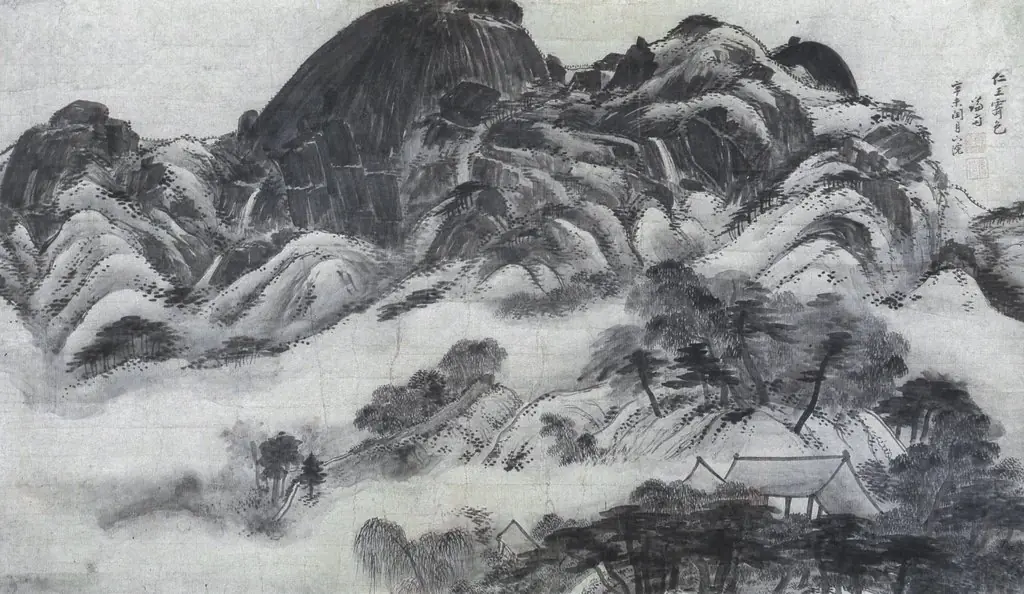
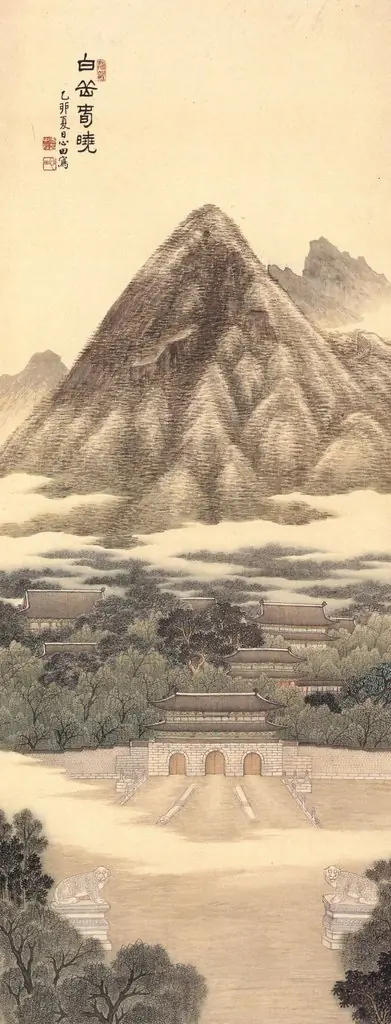
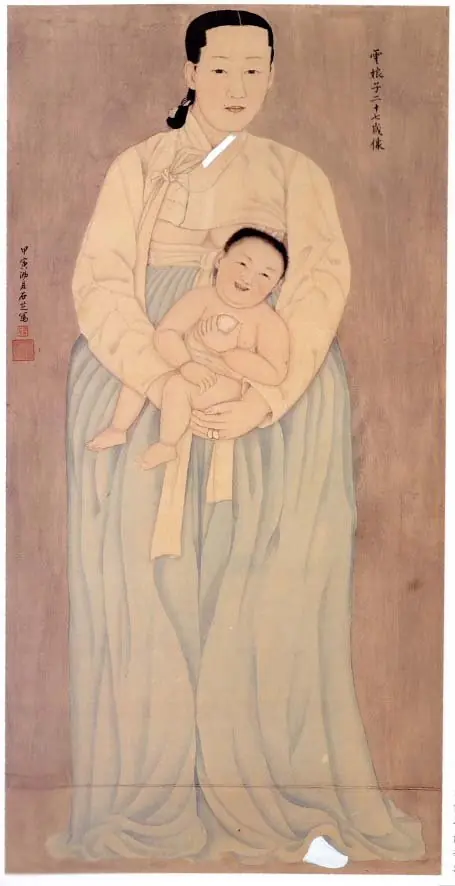
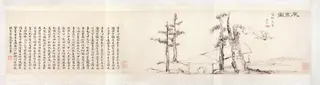
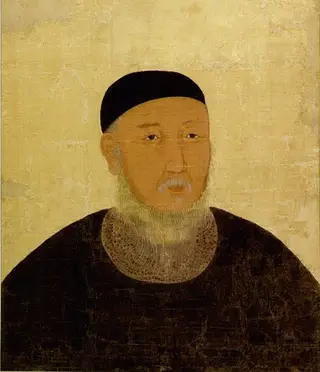
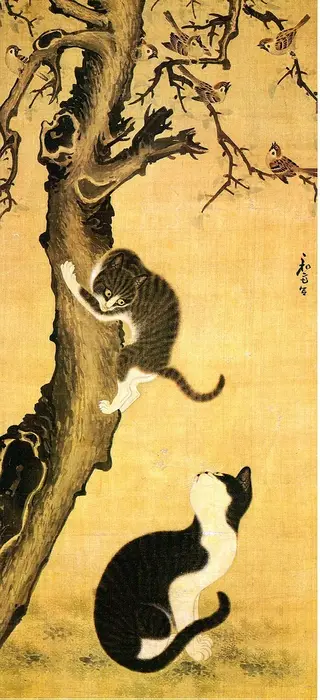
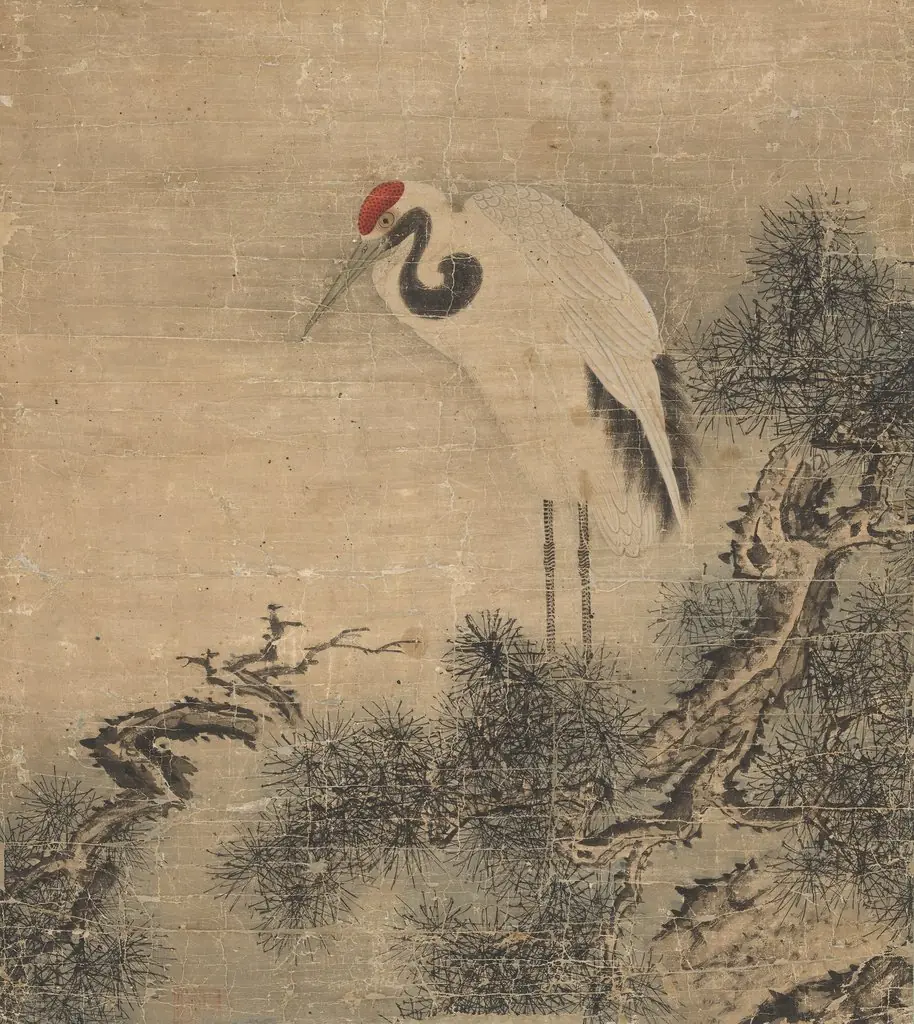
National Museum of Korea is a national museum in Yongsan District, South Korea. 9 works from its collection are in this catalog, including Chae Yong-sin and Jeong Seon.
About National Museum of Korea
The National Museum of Korea (Korean: 국립중앙박물관) is the flagship museum of Korean history and art in South Korea. Since its establishment in 1945, the museum has been committed to various studies and research activities in the fields of archaeology, history, and art, continuously developing a variety of exhibitions and education programs.
It was relocated to Yongsan District, Seoul in 2005. On June 24, 2021, the National Museum of Korea opened a new branch inside Incheon International Airport. Located in the boarding area of the airport in front of Gate No.22, the branch was opened in celebration of the museum's 20th anniversary.
Overview & Identity
The National Museum of Korea is the premier cultural institution in South Korea, dedicated to preserving and exhibiting the nation's artistic and historical heritage. Located in Seoul, the museum serves as the central repository for artifacts ranging from prehistoric times to the modern era. It operates a network of branch museums across the country, maintaining a vast collection that includes numerous national treasures.
The institution is recognized globally for its role in safeguarding Korean culture and facilitating international cultural exchange, particularly through its management of significant historical documents and royal artifacts.
History & Founding
The museum's history is deeply intertwined with the preservation of royal archives and the evolution of Korea's cultural institutions. A significant part of its collection involves the Oegyujanggak, a royal library annex established in 1782 on Gangwha Island to protect royal genealogies and protocols. These documents, known as Uigwe, were produced from the 15th century until the early 20th century and were inscribed on the UNESCO Memory of the World Register in 2007.
The museum has played a crucial role in the repatriation of these volumes, which were looted in 1866 and returned to Korea in 2011 after decades of diplomatic negotiation, including agreements made during the G20 Summit.
Building & Architecture
The current main building is situated on the site of a former golf course that was part of the Yongsan Garrison. Designed with advanced engineering, the structure is built to withstand earthquakes of magnitude 6.0 to protect the artifacts within. The architectural layout is symbolic, with the left side representing the past and the right side representing the future.
The complex includes three main floors for galleries, as well as ground-level outdoor spaces featuring parks, gardens of indigenous plants, waterfalls, and pools. The outdoor area also houses a significant collection of stone pagodas, stupas, lanterns, and steles.
Collection Highlights
The museum houses over 11,000 artifacts across its galleries. The Prehistory and Ancient History Gallery displays approximately 4,500 items, including the famous 5th-century Silla gold crown excavated from the North tomb of Hwangnamdaechong in Gyeongju. The Sculpture and Crafts Gallery features 630 pieces, highlighted by a 7th-century pensive Bodhisattva statue with a 'Three Mountain Crown' and a 12th-century Goryeo incense burner.
The Calligraphy and Painting Gallery contains 890 works, including pieces by the renowned 18th-century painter Kim Hong-do. The Asian Arts Gallery explores the confluence of Asian and Western art with 970 pieces.
Significance & Legacy
The National Museum of Korea stands as a testament to the continuity of Korean civilization, bridging ancient traditions with modern preservation efforts. Its significance is amplified by its successful efforts to recover looted cultural heritage, such as the Oegyujanggak volumes, which serve as vital records of the Joseon Dynasty's governing philosophy and Confucian rituals. The museum not only preserves the physical artifacts of the past but also actively engages in international dialogue, as seen in the reciprocal cultural heritage exchanges with France. It remains the primary venue for understanding the artistic and historical trajectory of the Korean peninsula.
National Museum of Korea by the numbers
- Founded
- 1945
- Visitors / year
- 1,262,562
Works from National Museum of Korea

Plan your visit
National Museum of Korea
- Website
- www.museum.go.kr
Museums near National Museum of Korea
- National Museum National Museum of China Donghuamen Subdistrict, People's Republic of China
- Art Museum Tokyo Fuji Art Museum Yanomachi, Japan
- Art Museum National Museum of Western Art Ueno-kōen, Japan
- National Museum National Palace Museum Shilin District, Taiwan
- Art Museum Lopez Museum Pasig, Philippines
- A. Kasteyev State Museum of Arts Almaty, Kazakhstan


What's on

Newly Donated Collections: A Shared Appreciation of Beauty
20 Apr 2026 – 19 Jul 2026
Tour of National Treasures: Masterpieces Across the Country
19 May 2026 – 29 Nov 2026