Artwork
Rejection of Hagar
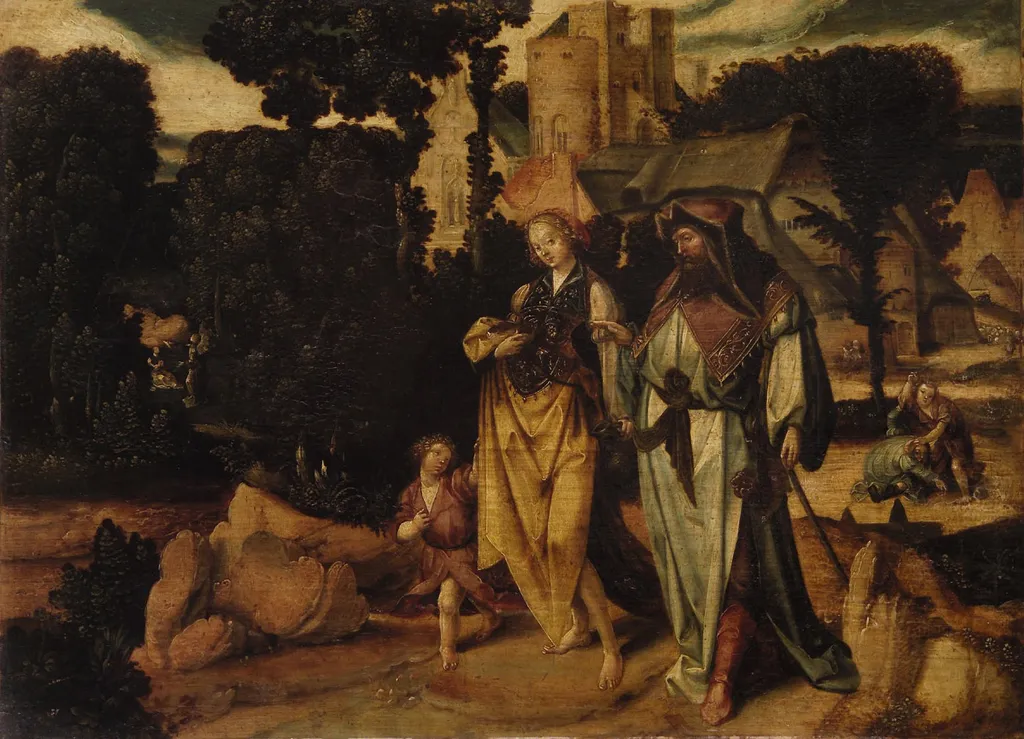
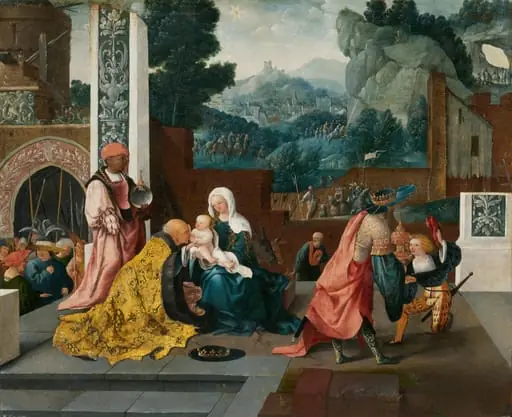
Rejection of Hagar is an oil painting. It dates from 1520 and is held in the collection of the Kunsthistorisches Museum.
About this work
Subject & Meaning
The composition emphasizes the emotional weight of separation, with Hagar cradling Ishmael amid a stark landscape that reinforces the narrative's gravity.
The painting portrays the biblical moment of Hagar and her son Ishmael being cast out by Abraham, a scene drawn from Genesis. This subject underscores themes of exile, divine favor, and maternal resilience, serving as a visual meditation on faith and survival. The composition emphasizes the emotional weight of separation, with Hagar cradling Ishmael amid a stark landscape that reinforces the narrative's gravity.
Technique & Style
The work is executed in oil paint on a wooden panel, measuring 34.8 cm in height by 48 cm in width. It portrays the biblical moment of Hagar’s banishment alongside Ishmael, rendered with the compositional clarity and rich coloration characteristic of early sixteenth-century religious painting.
History & Provenance
The painting known as Rejection of Hagar was created in 1520. Executed in oil paint on a panel, the work measures 34.8 cm in height and 48 cm in width. It depicts the biblical scene of the Banishment of Hagar and Ishmael, featuring the figures of Hagar, Abraham, and Ishmael within a religious context.
The piece is attributed to an artist described as Holländisch. Currently, the artwork forms part of the collection at the Kunsthistorisches Museum, where it remains located.
Context
Rejection of Hagar depicts the biblical moment of Hagar and Ishmael's banishment, painted circa 1520 in oil on panel. The work is attributed to the Dutch artistic circle and belongs to the religious genre, reflecting early Northern Renaissance approaches to Old Testament narratives. Its composition emphasizes the emotional tension of exile, aligning with contemporary devotional practices.
The painting measures 34.8 cm by 48 cm and is housed in the Kunsthistorisches Museum, where it remains part of the permanent collection.
Scholarship highlights its significance within early Dutch painting, particularly in the evolution of biblical storytelling through naturalistic detail and spatial depth. The attribution to a Dutch master underscores the cross-cultural transmission of Italianate techniques during the formative period of Northern art. Its inclusion in major art historical surveys reflects its recognized role in shaping religious imagery of the era.
Overview
The oil painting titled Rejection of Hagar portrays a quiet, contemplative moment drawn from the biblical narrative of Hagar and Ishmael. Central to the composition are a woman and a man walking together, the woman cradling a small child. The scene unfolds against a backdrop of trees and modest structures that suggest a rural or village environment.
Artist & collection

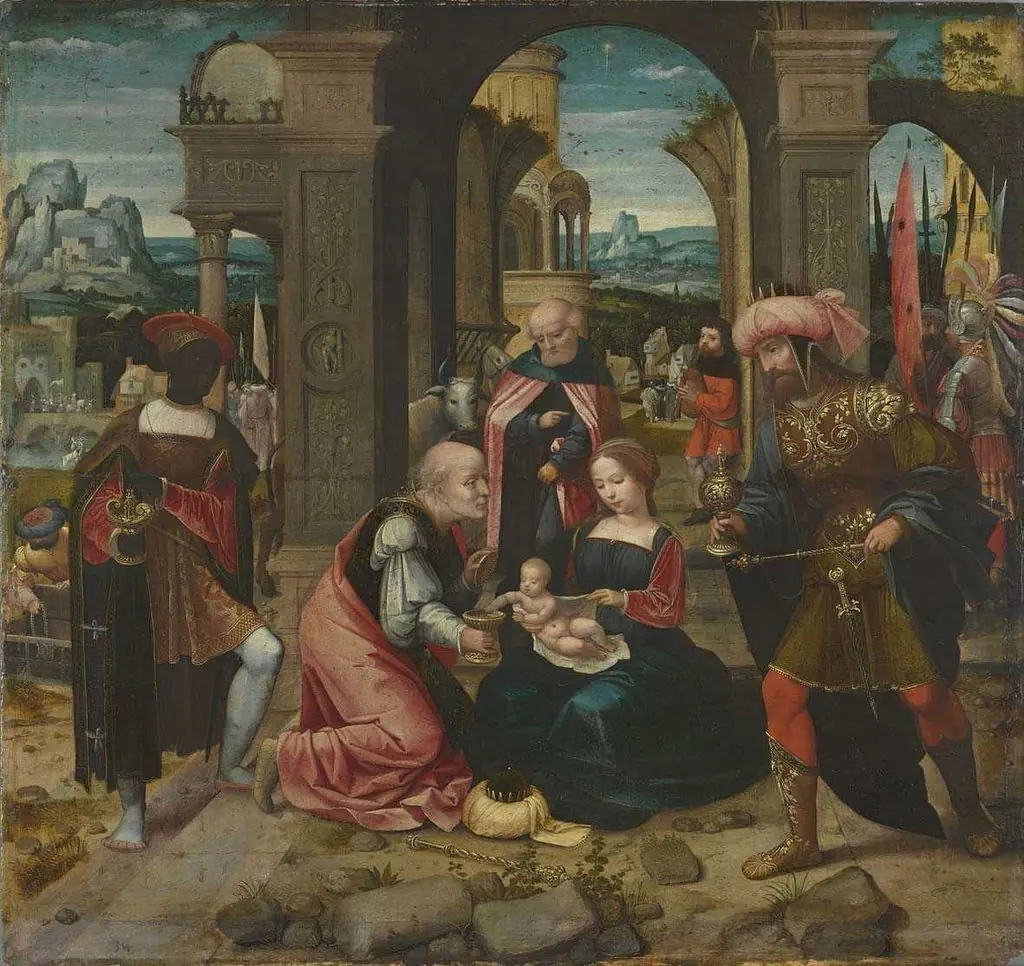
- Adoration of the Magi
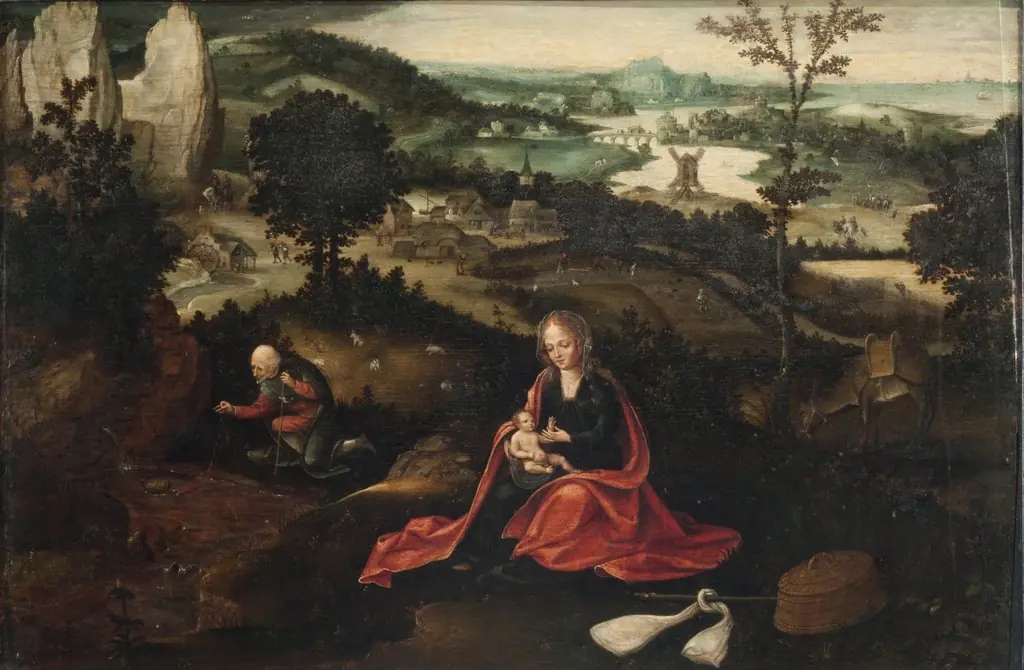 Rest on the Flight into Egypt
 The Baptism of Christ
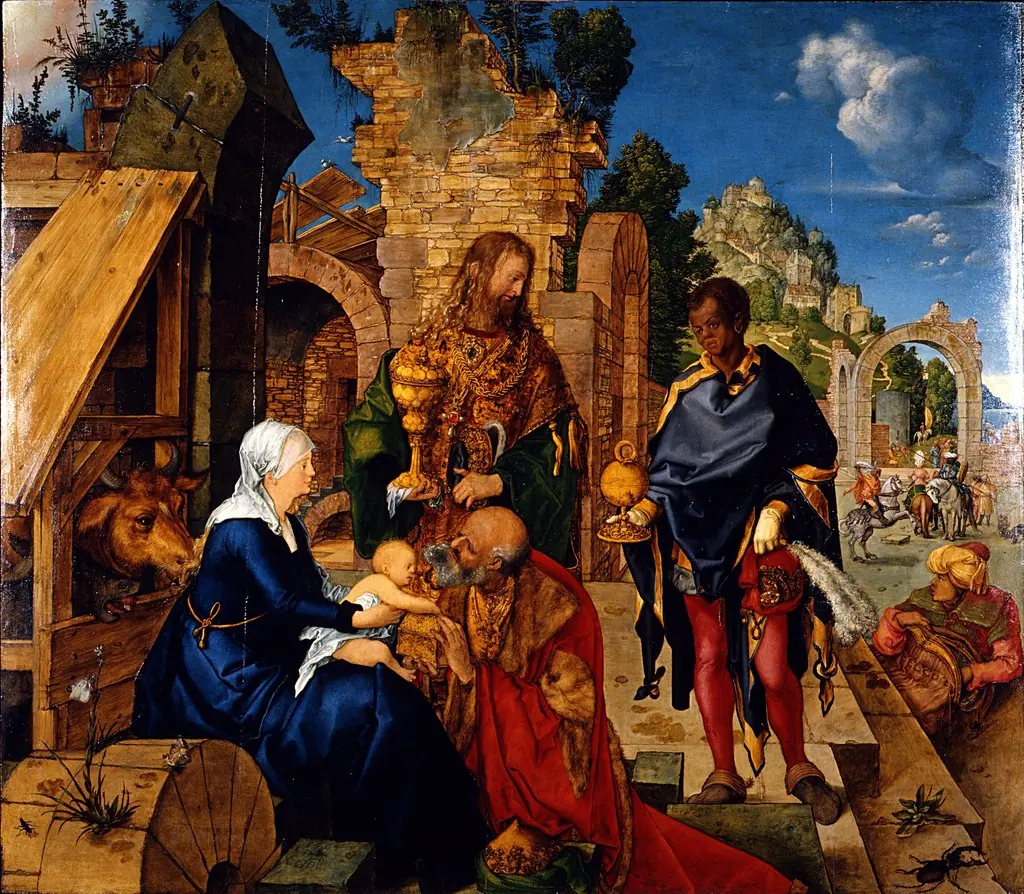 Adoration of the Magi
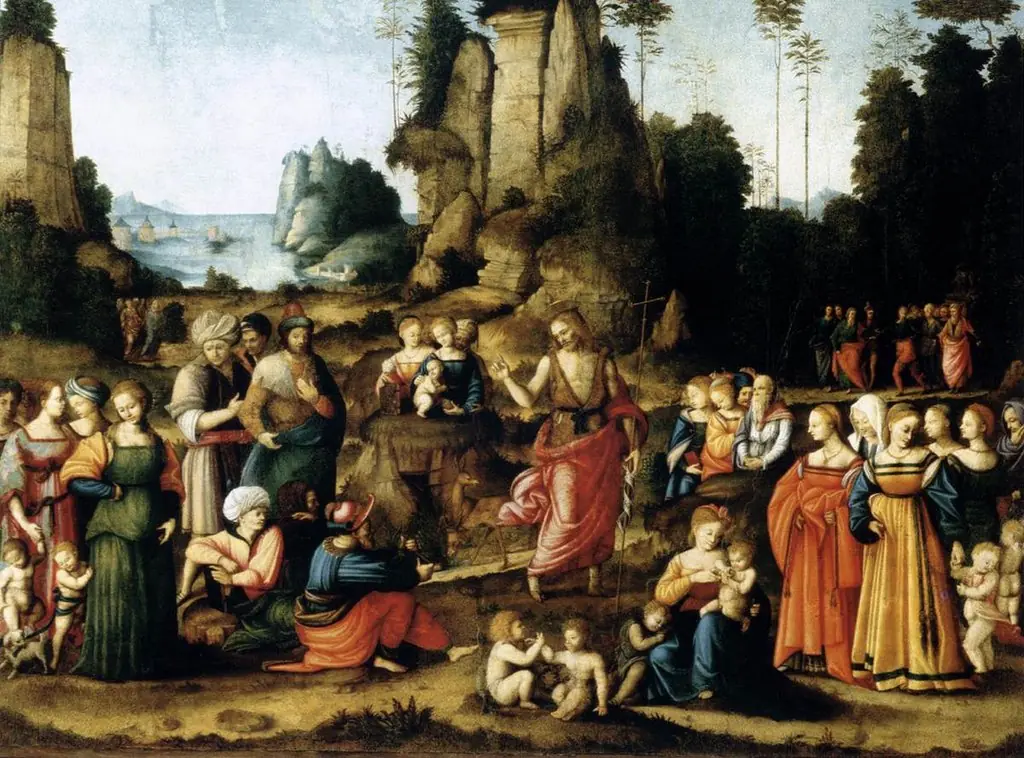 The Preaching of Saint John the Baptist
 Allegory
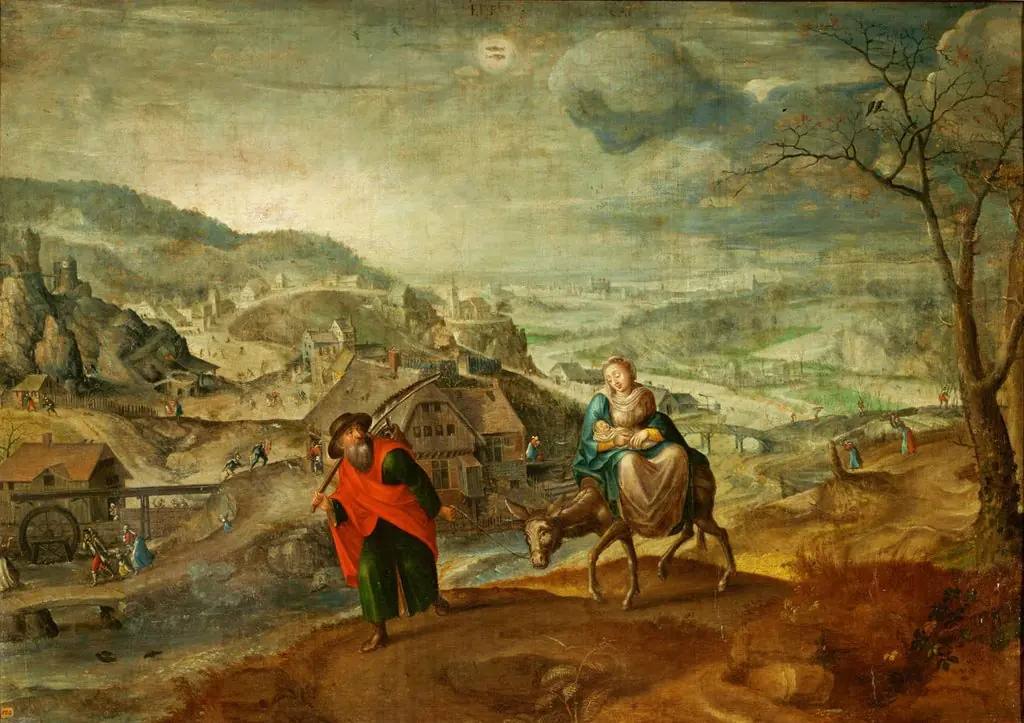 Flight into Egypt (February)
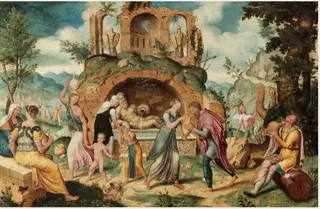 The Meeting of Rebecca and Abraham's Servant at the Well of Nahor
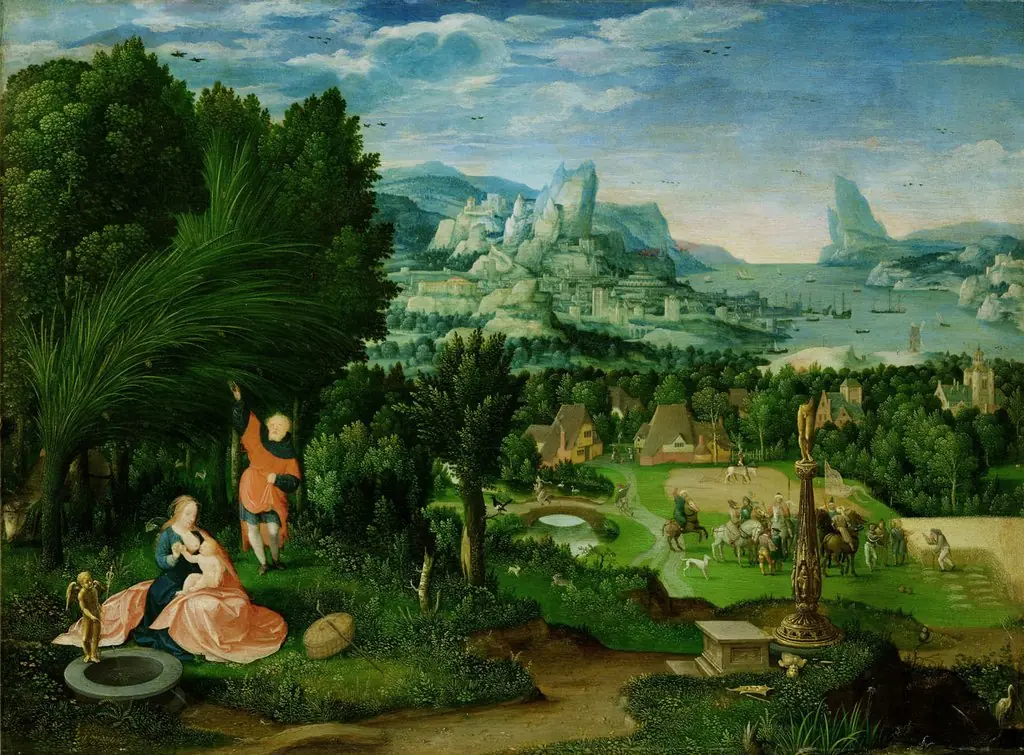 Landscape with the Rest on the Flight into Egypt
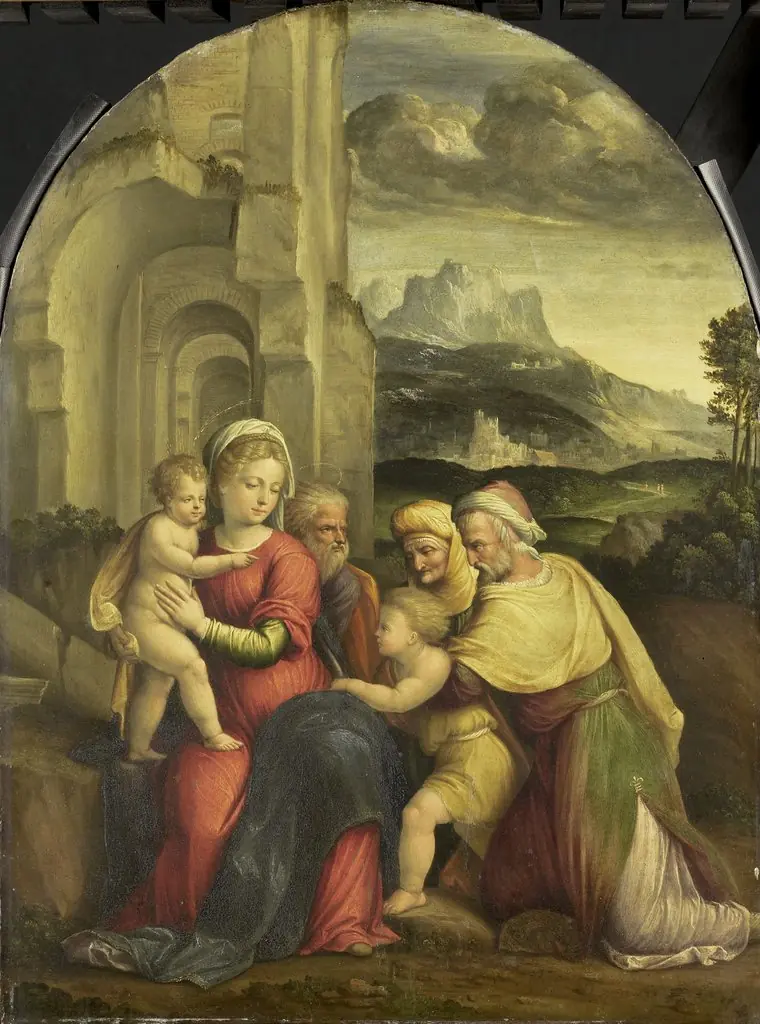 Holy Family
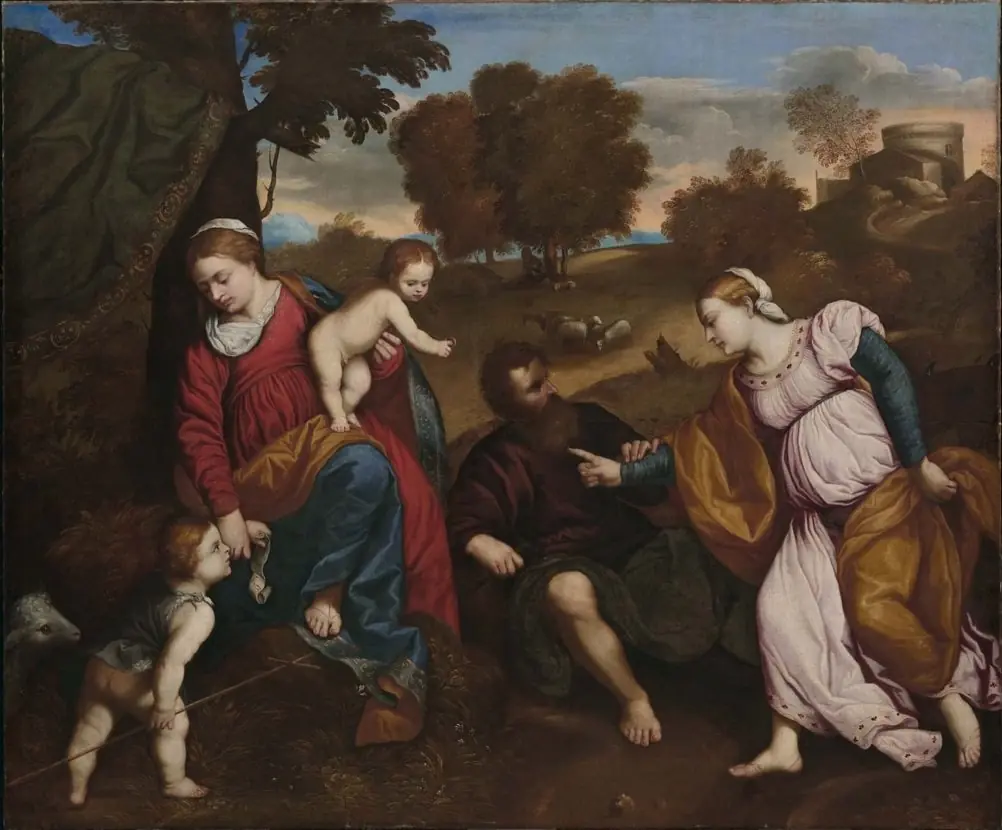 The Mystic Marriage of Saint Catherine
 Adoration of the Magi