Artwork
Holy Family
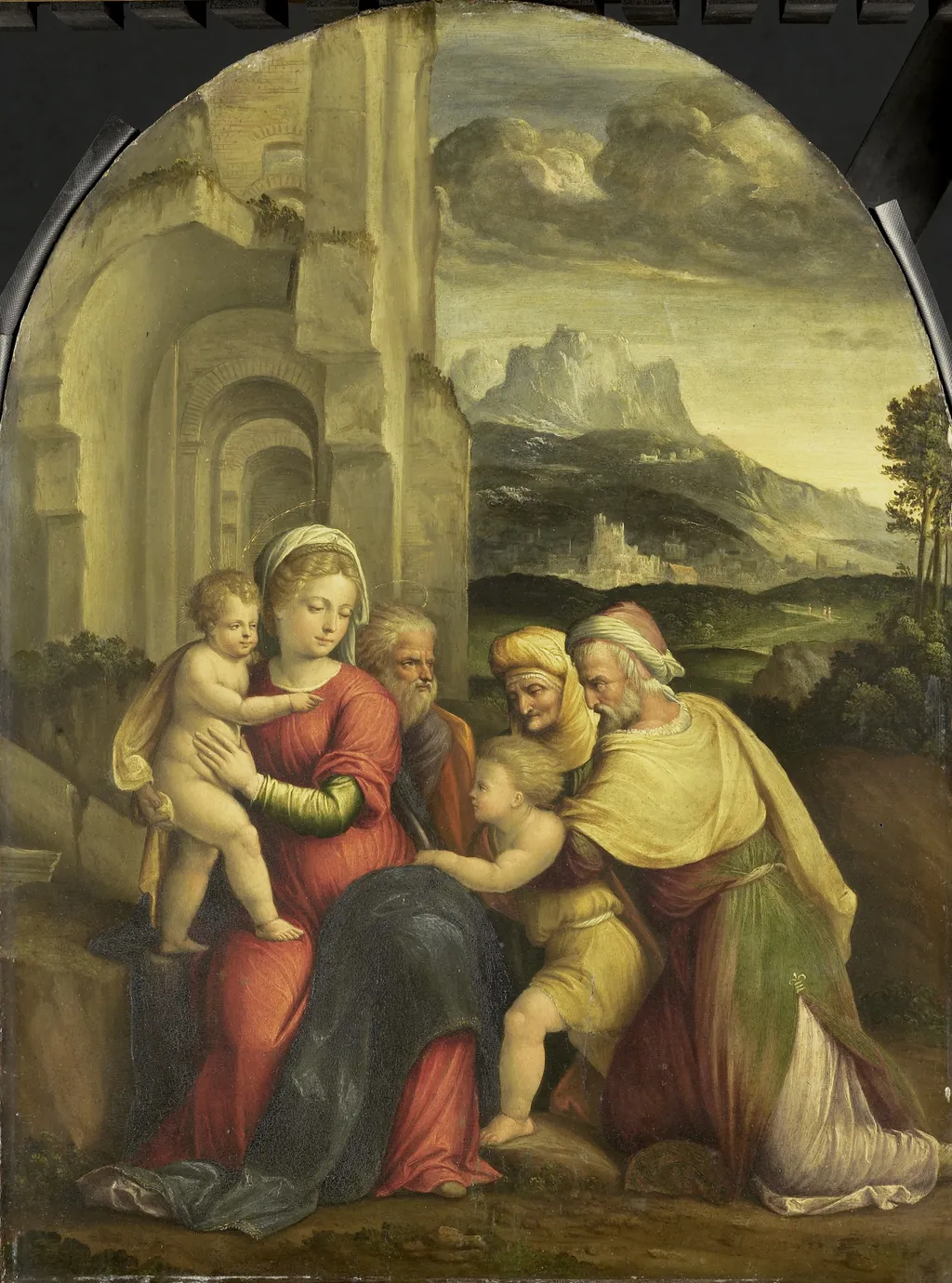
Holy Family is an oil painting by the Mannerist artist Benvenuto Tisi. It dates from 1535 and is held in the collection of the Amsterdam Museum.
About this work
Technique & Style
Created in 1535, this religious painting by Benvenuto Tisi da Garofalo is executed in oil paint on a panel support. The work measures 51 cm in height and 37.5 cm in width. As a representation of the Holy Family, the piece depicts Mary, the Christ Child, and Joseph within a composition classified as religious art.
History & Provenance
It entered the public record as part of the collection of Adriaan van der Hoop in Amsterdam, whose holdings were bequeathed to the Rijksmuseum in 1854.
The Holy Family by Benvenuto Tisi (Il Garofalo) is dated to 1535.
It entered the public record as part of the collection of Adriaan van der Hoop in Amsterdam, whose holdings were bequeathed to the Rijksmuseum in 1854. The painting has remained in the Rijksmuseum’s collection since the bequest, where it is currently housed.
The painting is held by the Rijksmuseum in Amsterdam, where it forms part of the Amsterdam Museum's collection. Specifically, it belongs to the Adriaan van der Hoop collection, a significant assembly of artworks owned by the collector Adriaan van der Hoop. Created in 1535, the work depicts the Holy Family and is executed in oil on panel.
The provided sources do not list a specific inventory or accession number, nor do they record any exhibition history for this piece.
Legacy
The Holy Family painting by Benvenuto Tisi, created in 1535, is recognized for its role in shaping religious composition in early Baroque art. Its depiction of the Virgin Mary, Christ Child, and Saint Joseph has been frequently referenced in studies of Counter-Reformation visual language, influencing later interpretations of familial holiness in sacred imagery. The work's presence in major Dutch collections, particularly within the Rijksmuseum and the Adriaan van der Hoop collection, contributed to renewed scholarly attention during the 19th century, reinforcing its reputation as an exemplar of devotional painting.
Its technical use of oil on panel and compositional balance have informed conservation practices and academic discourse on Renaissance material culture.
Overview
Created in 1535, this oil painting by Benvenuto Tisi, also known as Il Garofalo, presents a devotional scene of the Holy Family. The work is part of the Rijksmuseum’s collection and exemplifies the artist’s engagement with religious subjects during the Italian Renaissance.
Subject & Meaning
At the center, the Virgin Mary, clothed in traditional red and blue garments, cradles the infant Christ, while Joseph stands protectively behind them. Flanking the family are two elderly figures, traditionally identified as Saint Jerome and Saint Anne, adding layers of intergenerational sanctity to the composition.
Context
Executed during a period when Italian artists were integrating northern European influences, the work reflects the cross‑cultural exchange of compositional ideas. Tisi’s choice of a serene, pastoral setting aligns with contemporary trends that sought to humanize sacred narratives.
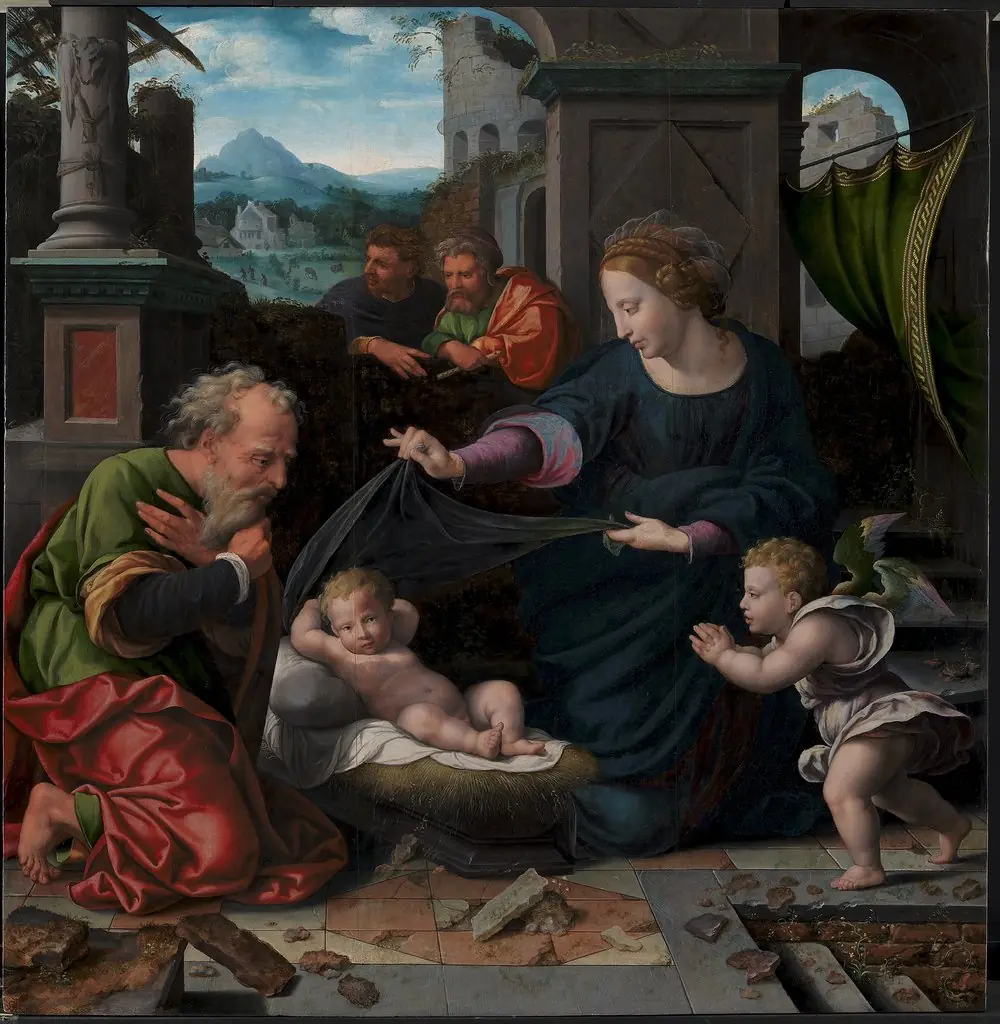
Own this work as a print
Artist & collection
Artist
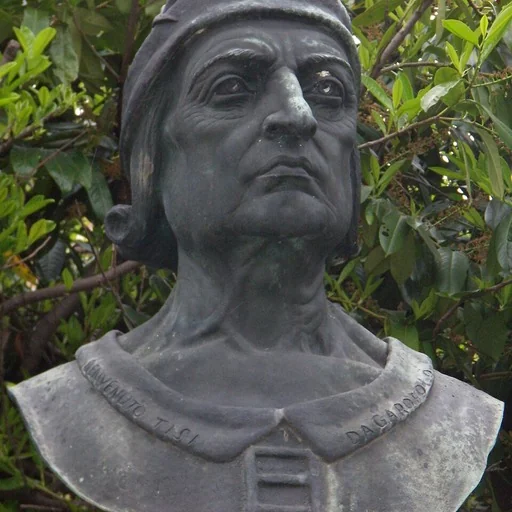
Benvenuto Tisi (Italian:; 1481 – September 6, 1559), also known as Il Garofalo (Italian: ), was a Late-Renaissance-Mannerist Italian painter of the School of Ferrara.

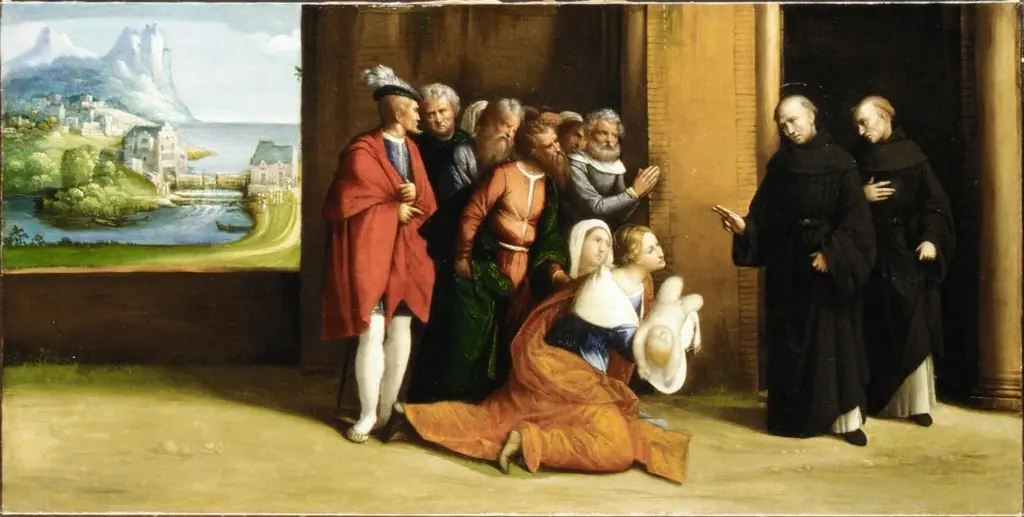
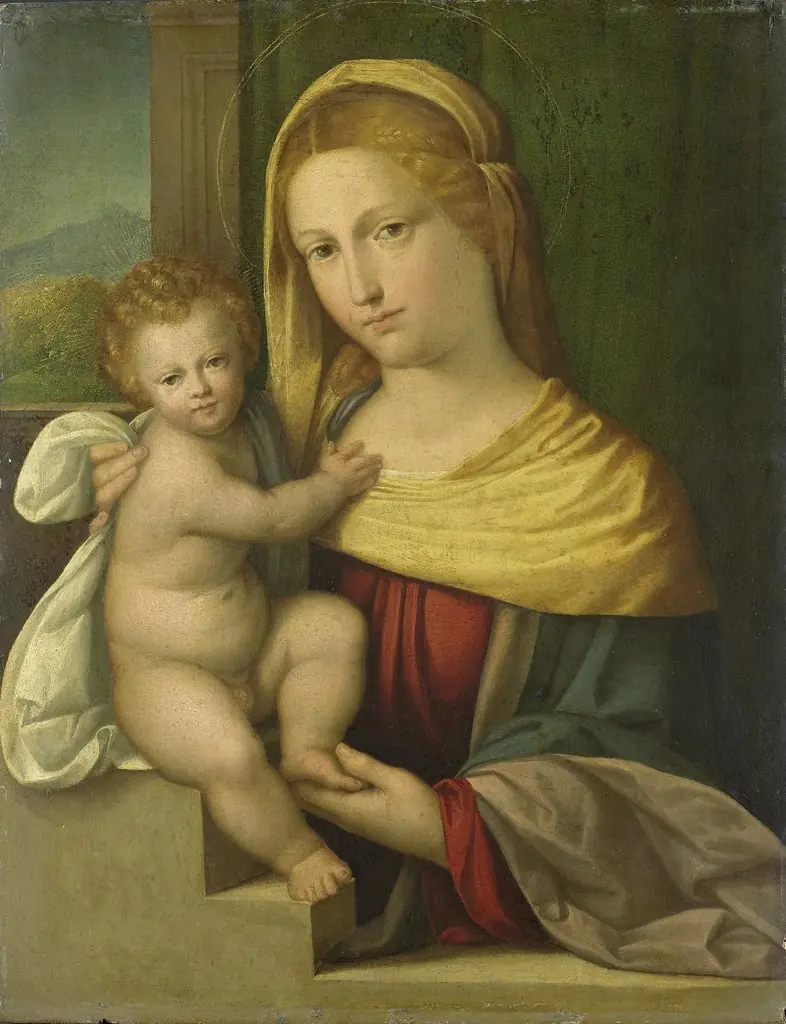
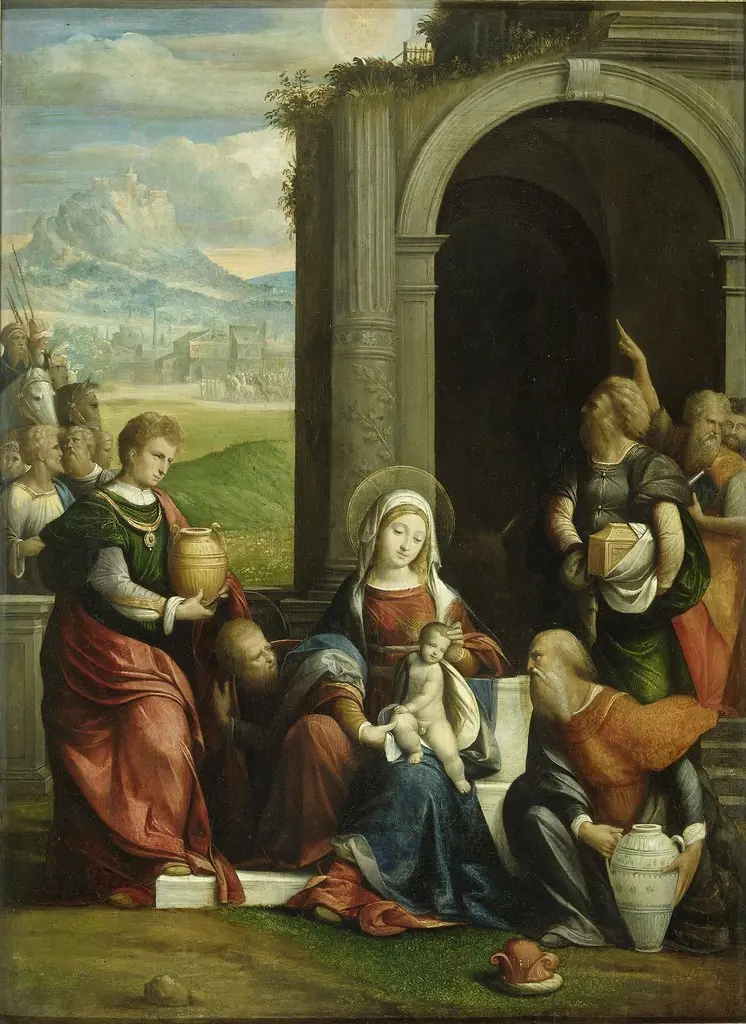
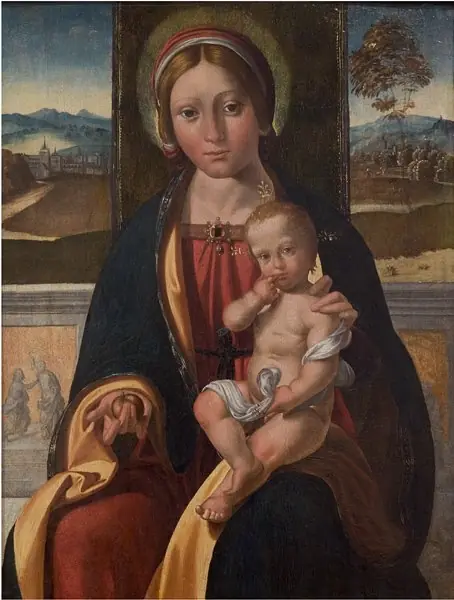
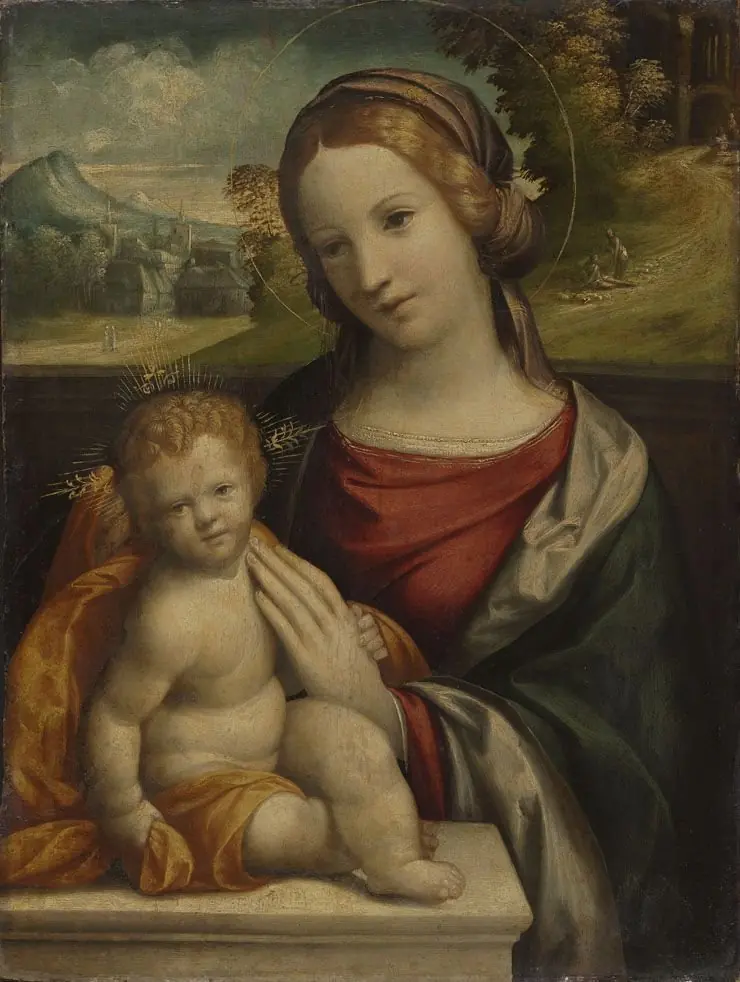
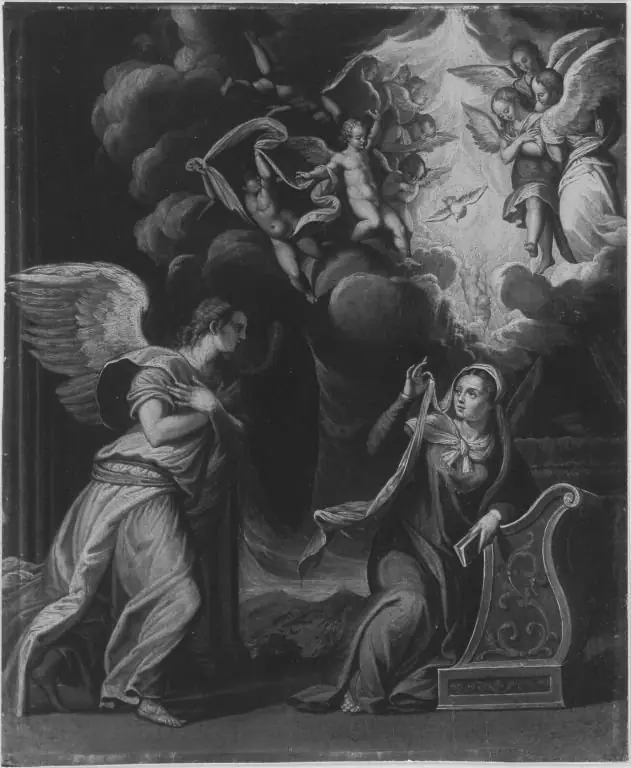
- The Holy Family
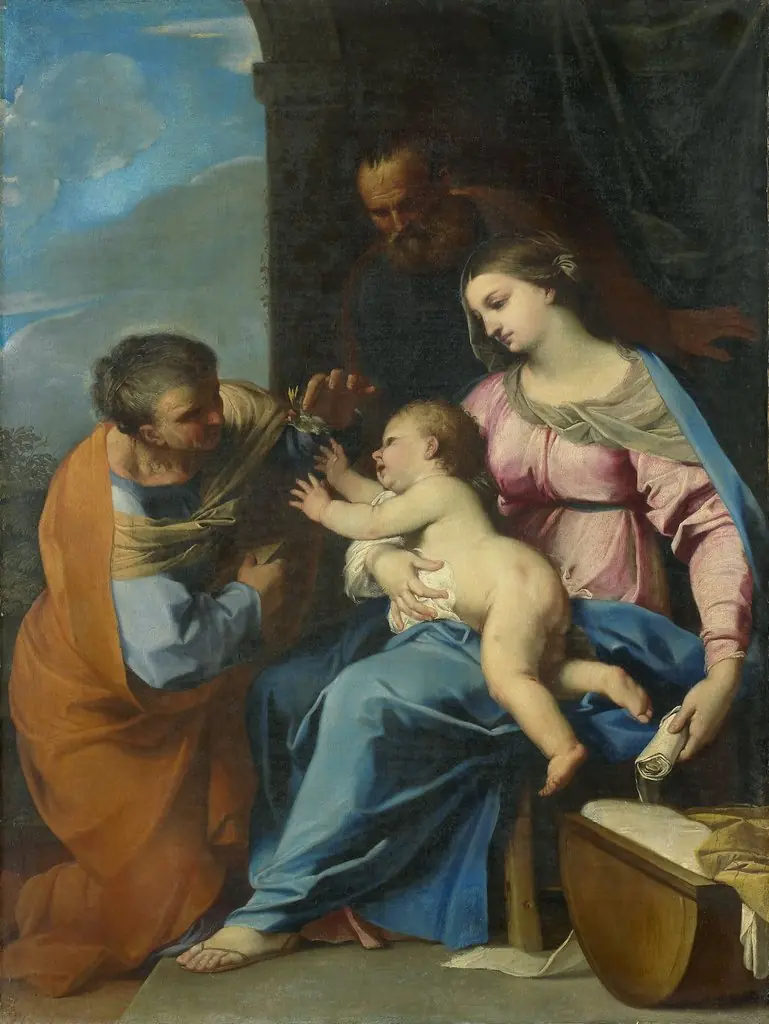 Holy Family
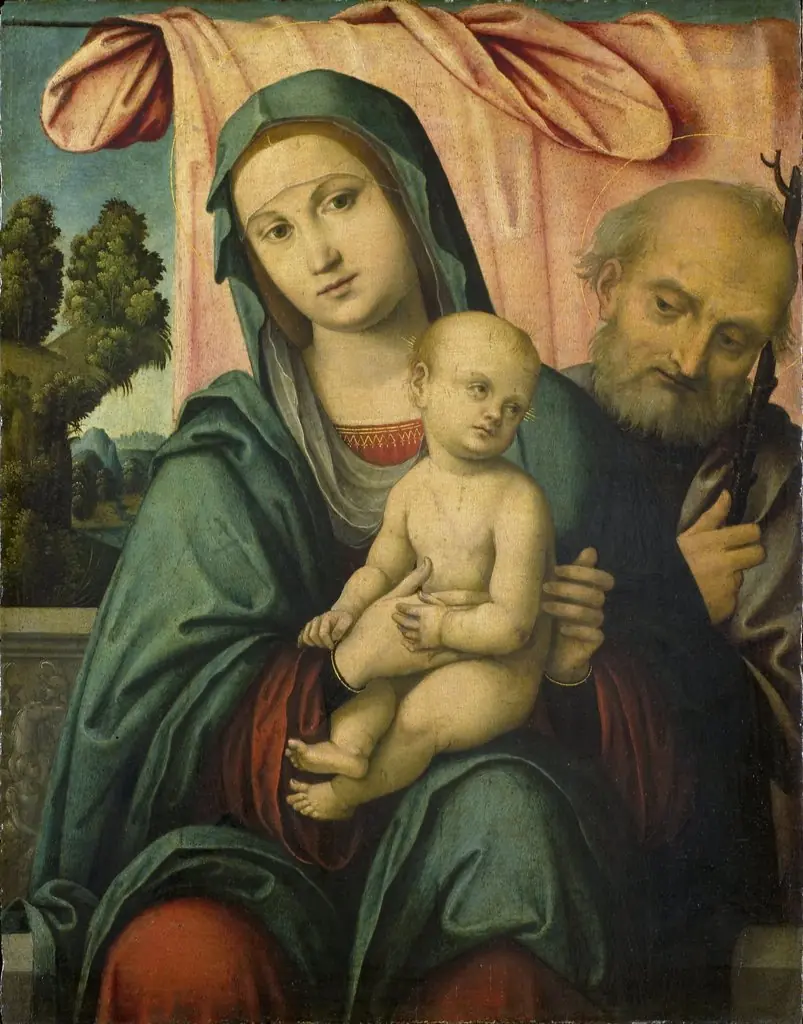 Holy Family
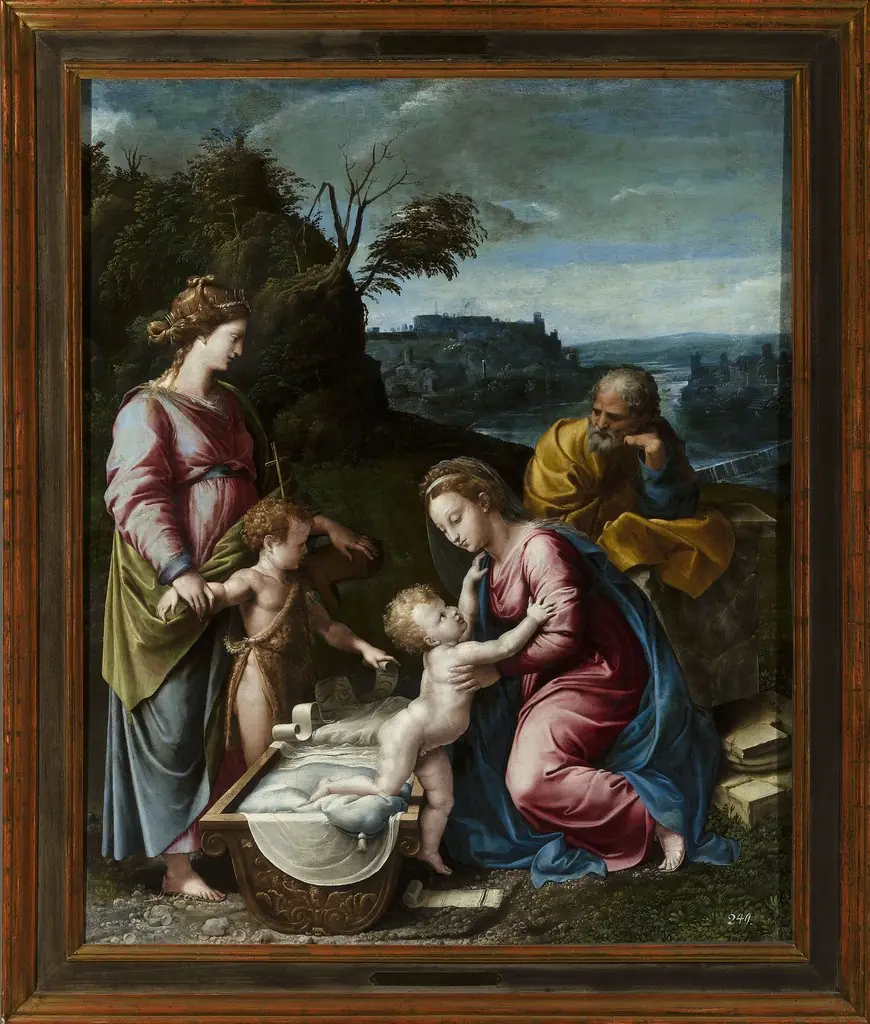 Holy Family with St. John the Baptist and St. Catherine of Alexandria
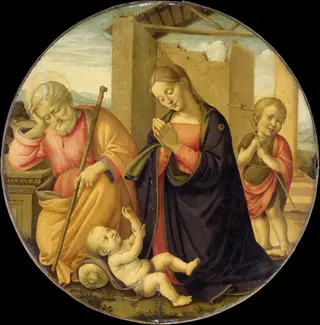 Worshipping the Christ Child
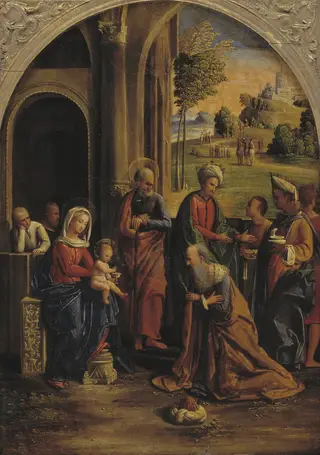 The Adoration of the Kings
 Worshipping the Christ Child
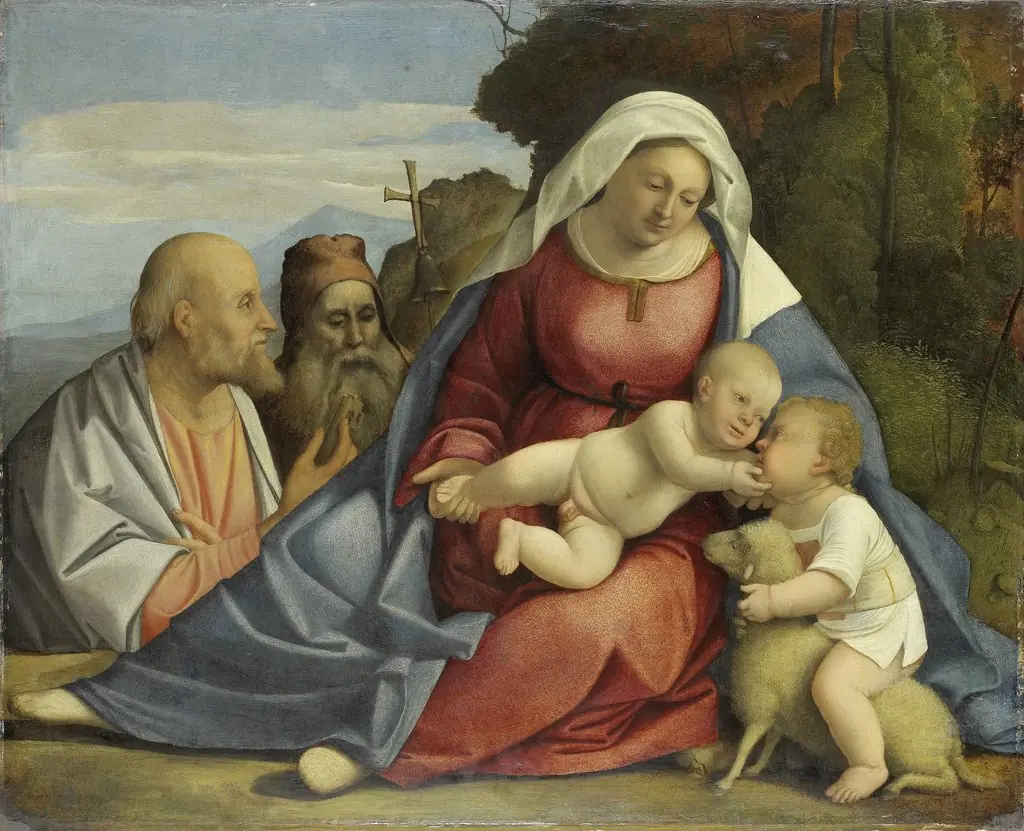 Virgin and Child with young John the Baptist, Saints Peter and Antony Abbot
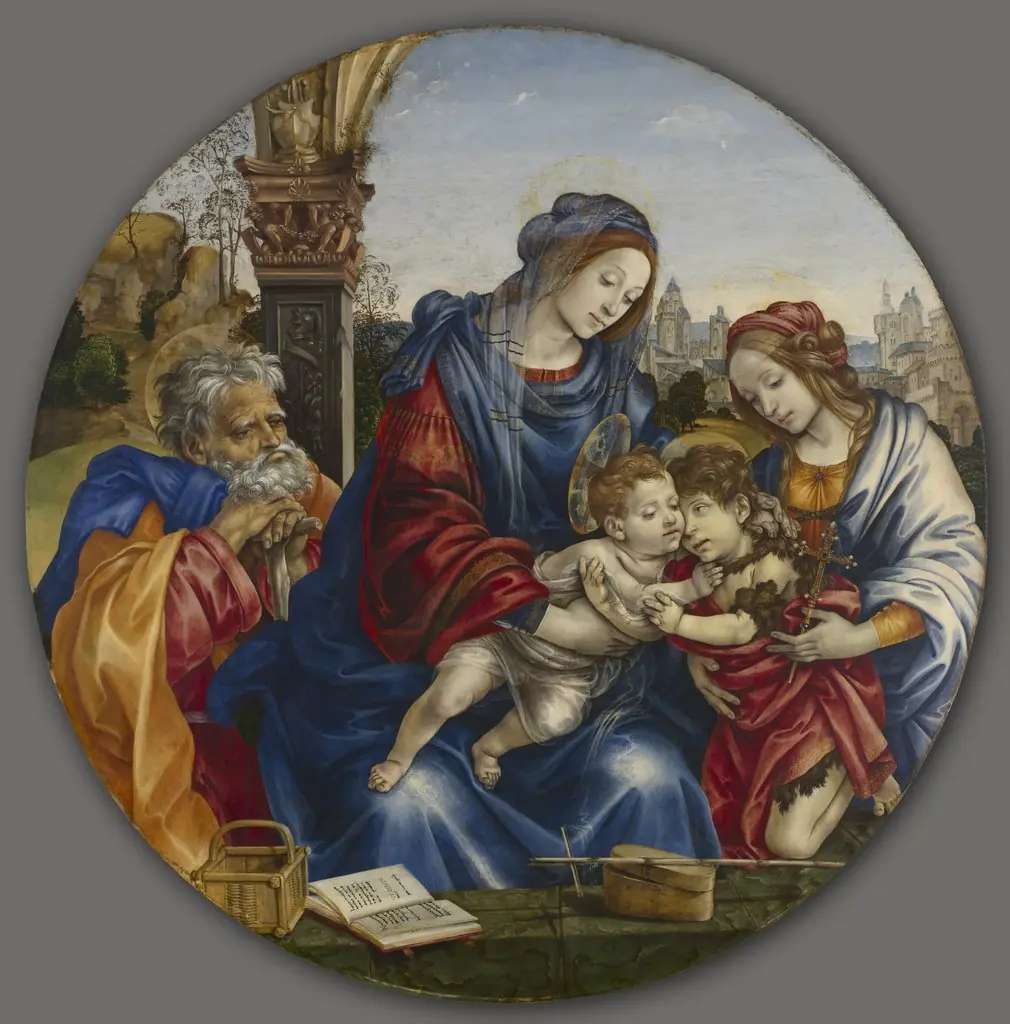 The Holy Family with Saint John the Baptist and Saint Margaret
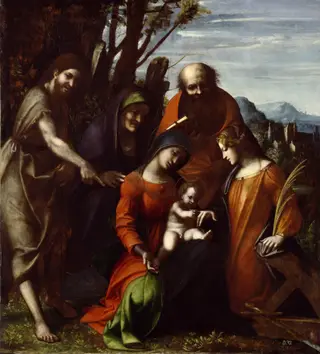 The Mystic Marriage of Saint Catherine
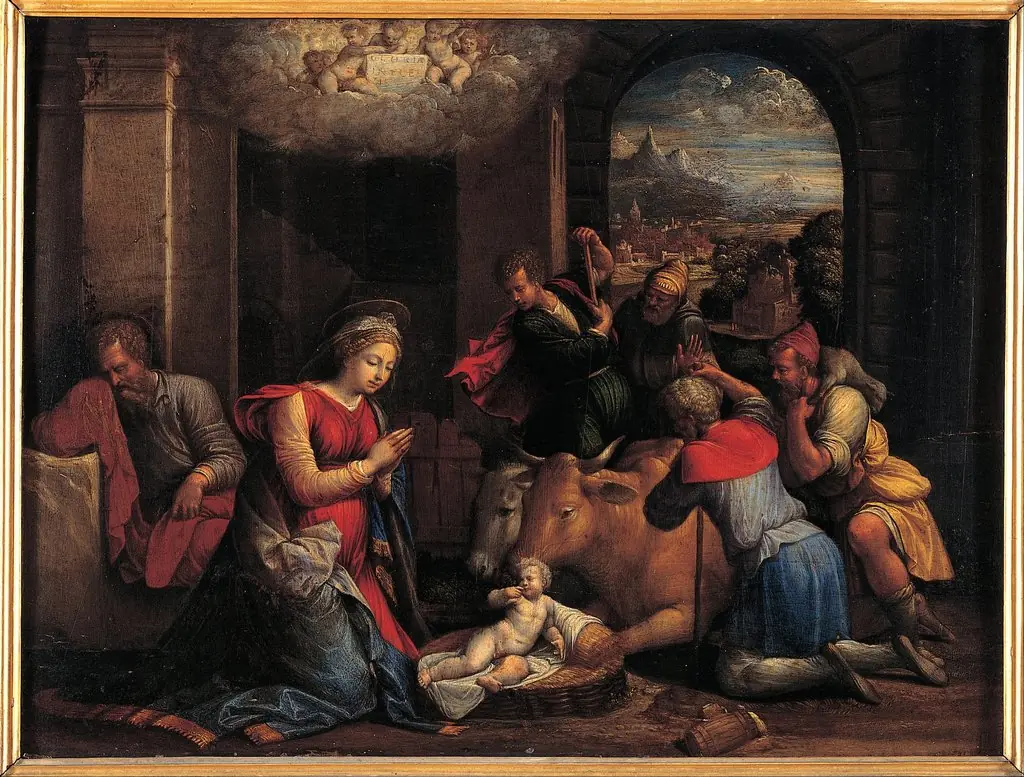 Adoration of the Shepherds
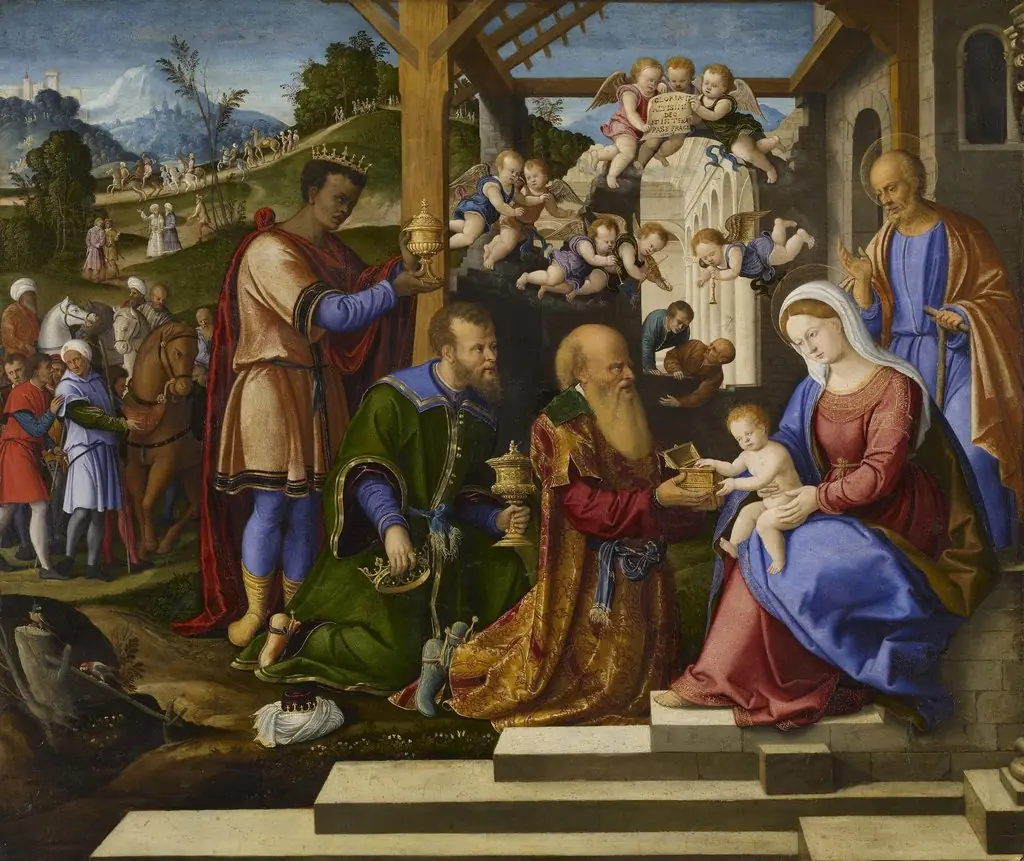 The Adoration of the Three Kings