Artwork
Roundel with Saint Catherine of Alexandria
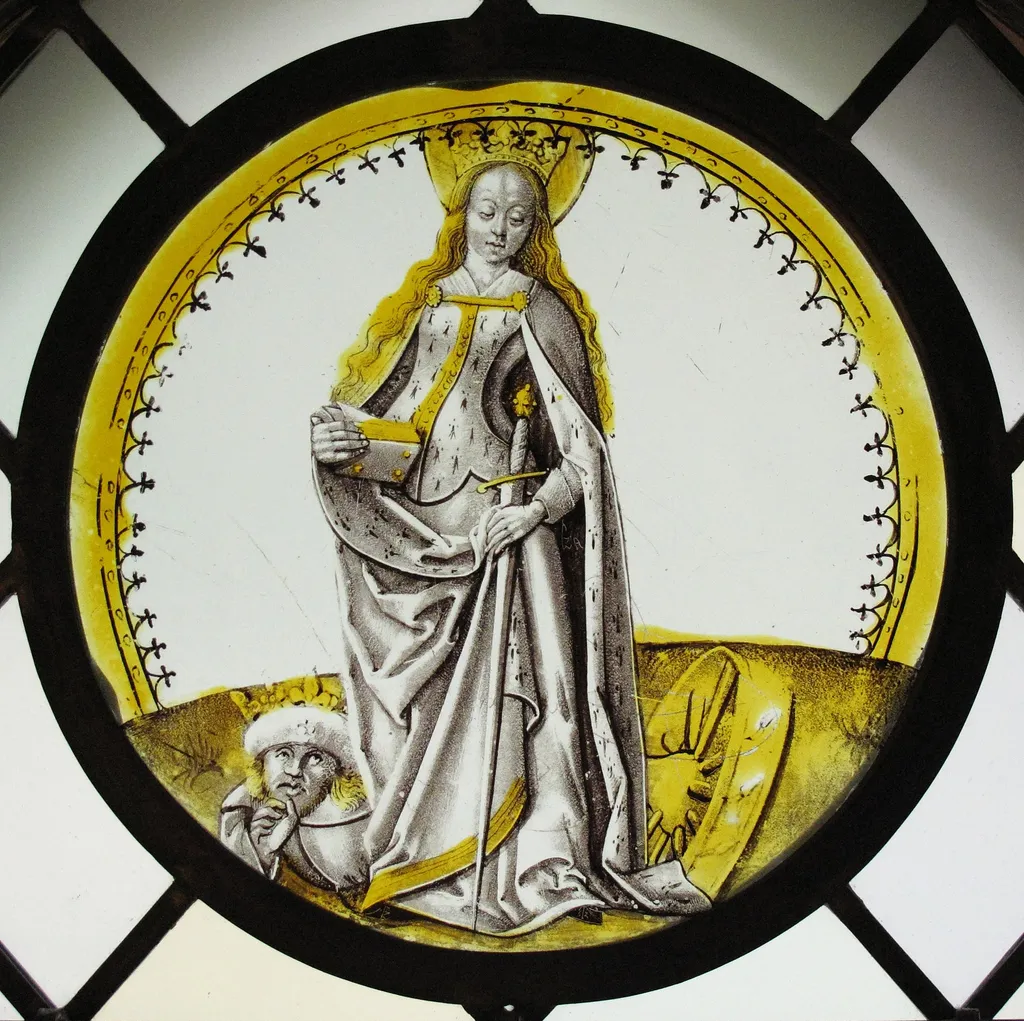
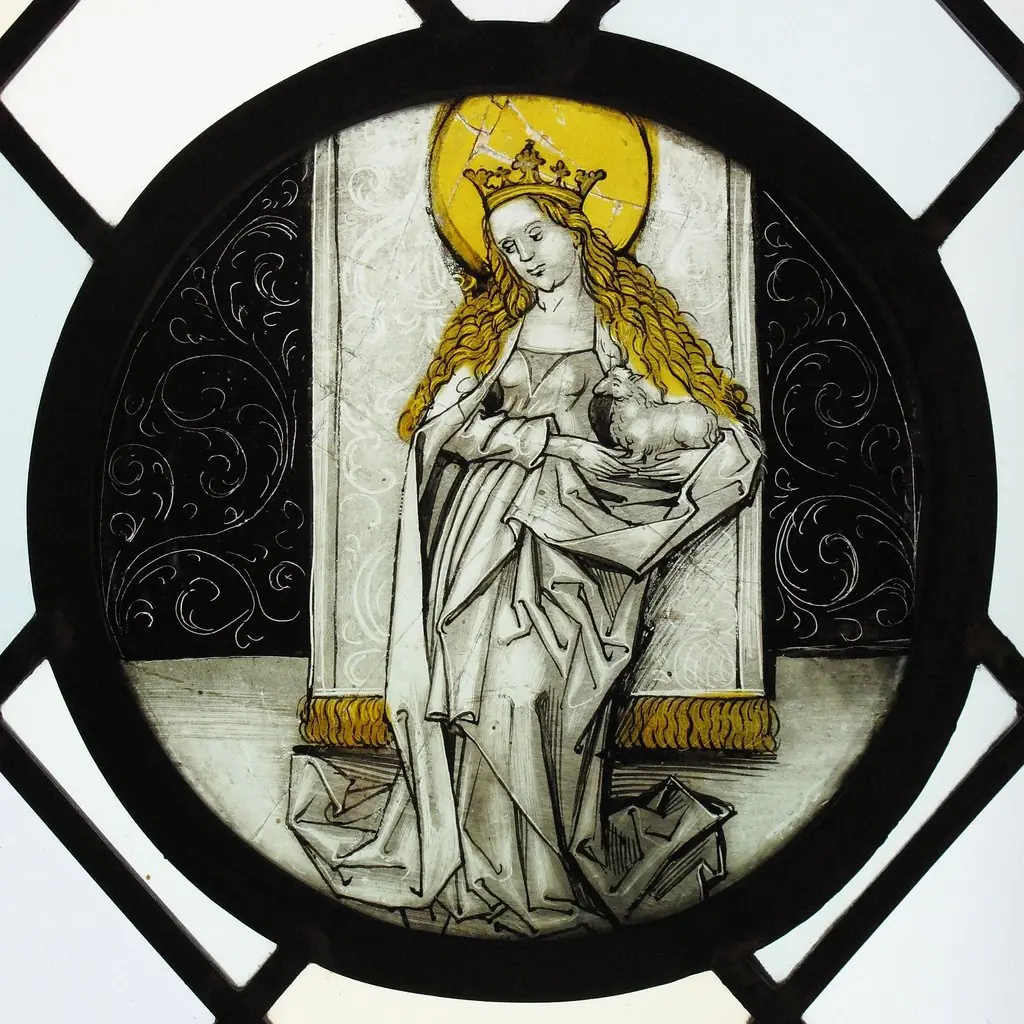
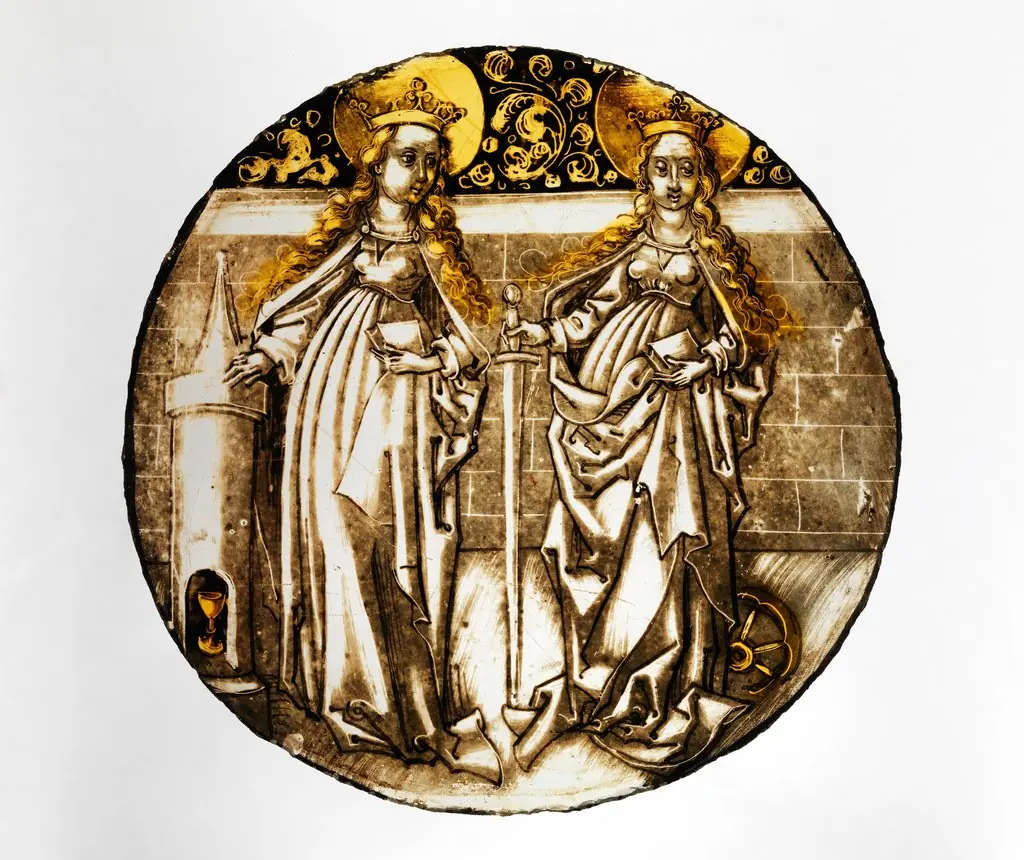
Roundel with Saint Catherine of Alexandria is an unspecified painting. It dates from 1500 and is held in the collection of the Metropolitan Museum of Art. This circular painting, known as a roundel, depicts Saint Catherine of Alexandria.
About this work
Subject & Meaning
Executed around 1500, the work was produced by an anonymous workshop and entered the collection of the Metropolitan Museum of Art.
The roundel portrays Saint Catherine of Alexandria, a learned martyr of the early Christian church. Her traditional attributes, a spiked wheel and a martyr's palm, reference the legendary torture she endured and symbolize both her intellectual virtue and sacrificial faith. Executed around 1500, the work was produced by an anonymous workshop and entered the collection of the Metropolitan Museum of Art. As a devotional image, it emphasizes female sanctity and the triumph of Christian wisdom over persecution.
History & Provenance
The roundel depicting Saint Catherine of Alexandria is an anonymous religious painting dated to 1500. No documentary evidence identifies its patron or original commission. The work entered the collection of the Metropolitan Museum of Art, where it remains on display as part of the European paintings department.
Context
The roundel of Saint Catherine of Alexandria, dated to 1500, exemplifies early sixteenth-century devotional imagery. It portrays Saint Catherine and is part of the Metropolitan Museum of Art's collection. Because the artist remains unidentified, scholarly discussion of the piece focuses on its stylistic context within anonymous religious art of the period.
Overview
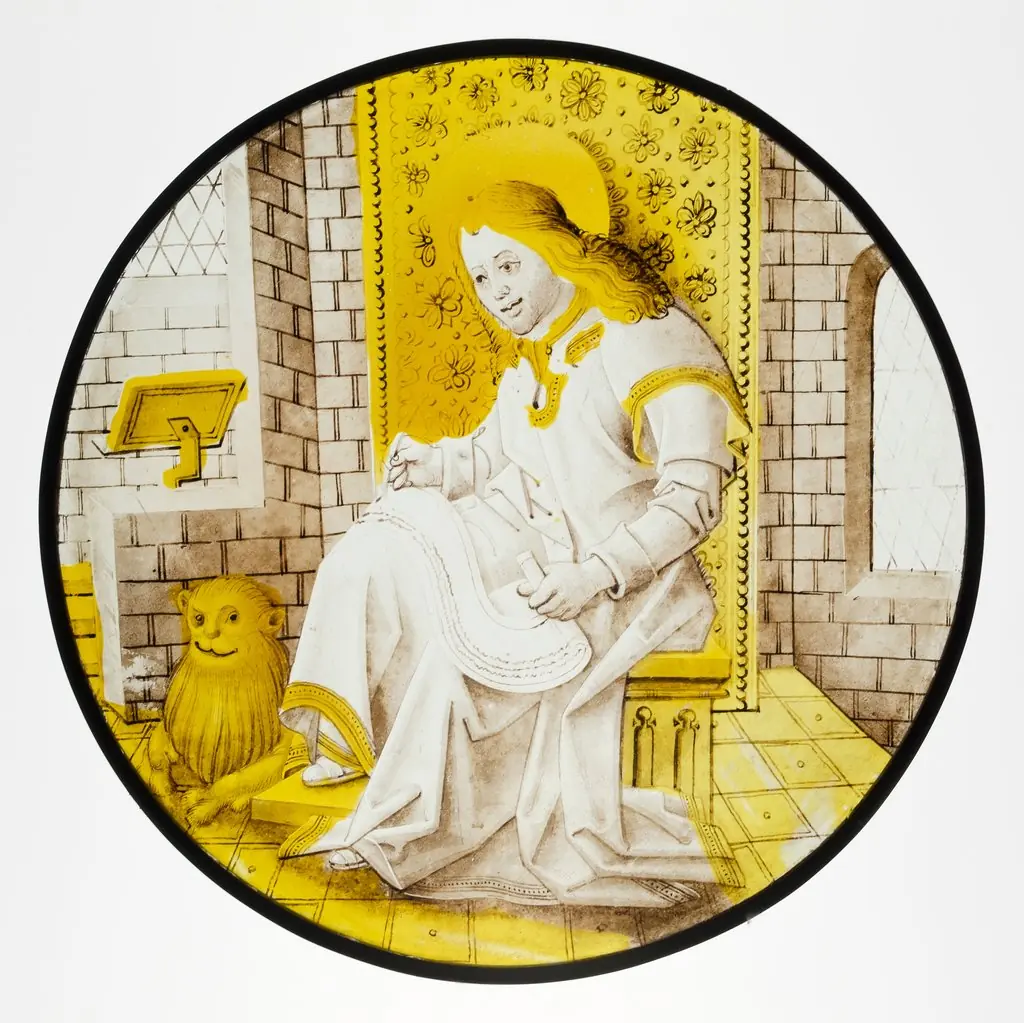
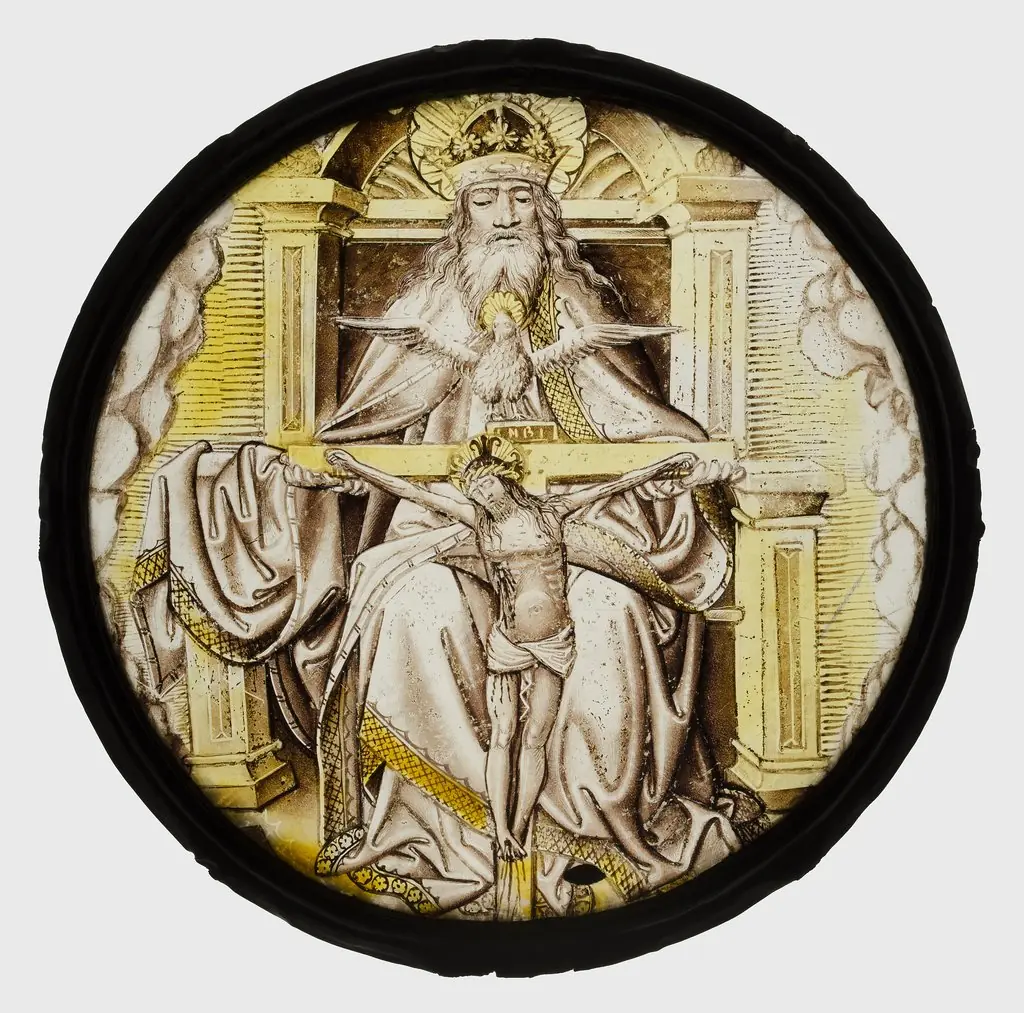
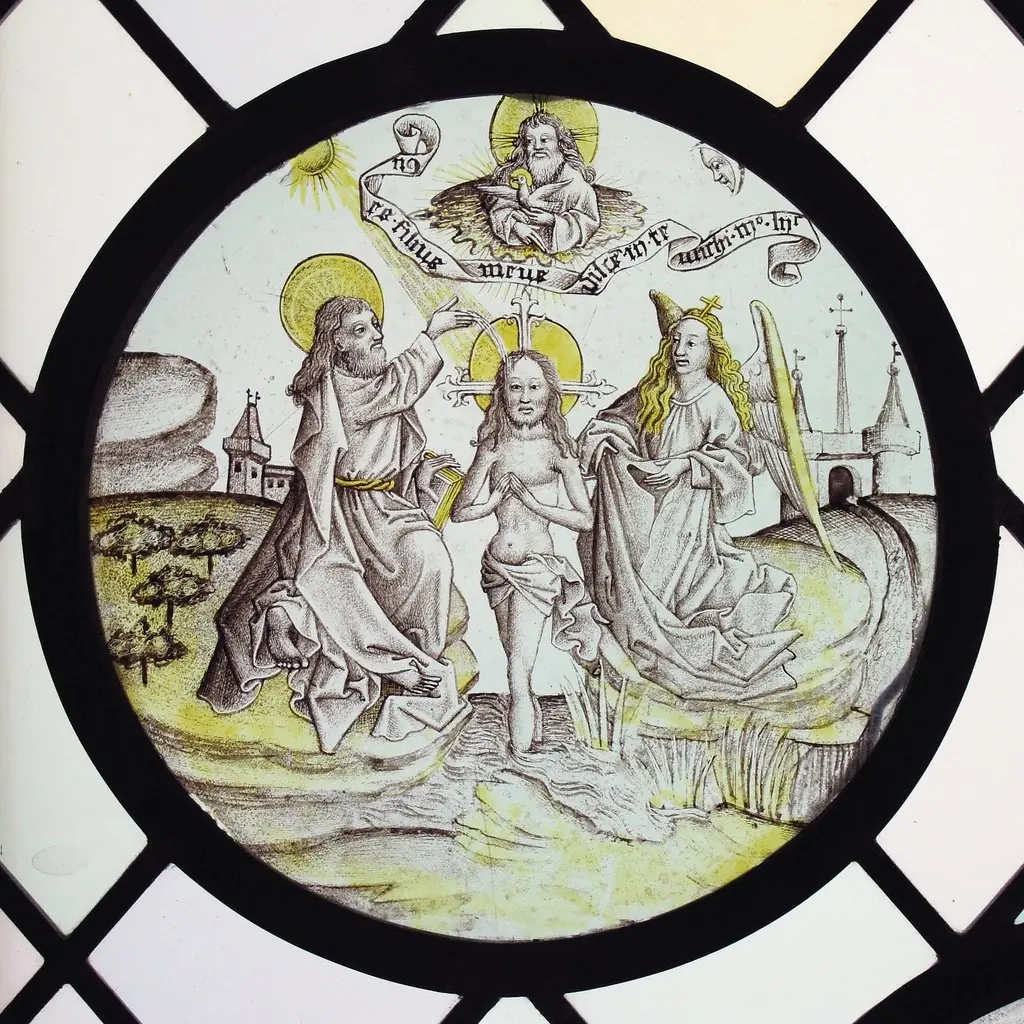
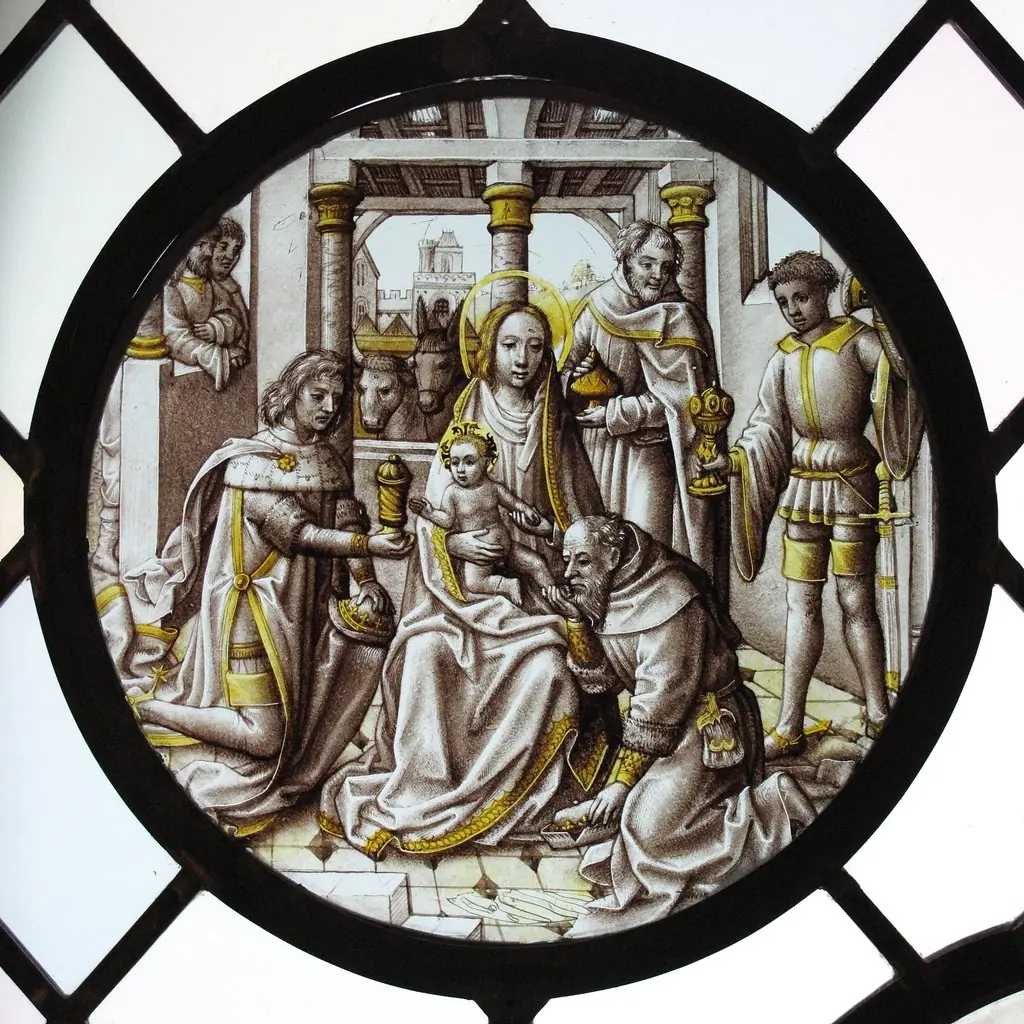
This circular painting, known as a roundel, depicts Saint Catherine of Alexandria. The central figure, a crowned woman in a long robe, stands prominently, holding a spoked wheel, her primary attribute. An older man gazes up from below, while a decorative yellow border with foliage frames a subtle landscape background.
The artwork serves as a visual representation of a significant figure in Christian hagiography, emphasizing her symbolic identifiers.
Artist & collection