Artwork
Saint John the Baptist
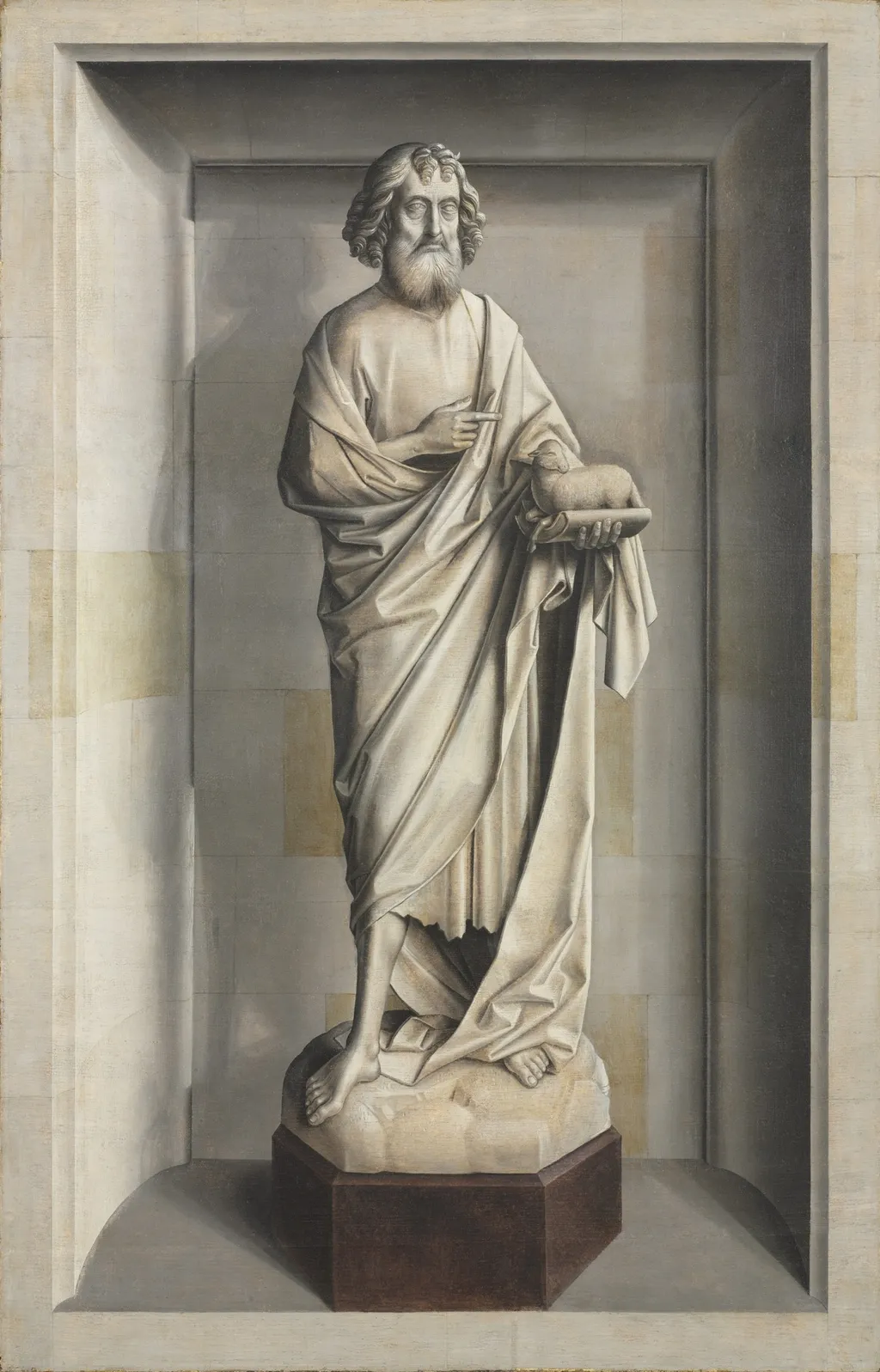
Saint John the Baptist is an oil painting. It dates from 1490 and is held in the collection of the Thyssen-Bornemisza Museum.
About this work
Subject & Meaning
Traditional iconography associates him with the Lamb of God and with baptism, symbolizing his role as precursor to the Messiah and his emphasis on repentance.
The work portrays Saint John the Baptist as the central figure of the composition, shown in a contemplative pose and clothed in a simple robe. Traditional iconography associates him with the Lamb of God and with baptism, symbolizing his role as precursor to the Messiah and his emphasis on repentance. The painting's religious genre underscores its devotional purpose, reflecting the spiritual authority of the sitter within the Netherlandish tradition. Its provenance through several collections highlights the enduring reverence for this biblical figure.
Technique & Style
The painting is executed in oil on a wooden panel, a support typical of Early Netherlandish practice, and measures approximately 102.8 cm in height by 65.5 cm in width. Its medium is listed as oil paint, classifying it as a religious work within the painting genre. The composition presents Saint John the Baptist in half-length format, reflecting the devotional emphasis of 15th-century Netherlandish art.
Formal qualities include a clear linear structure, restrained coloration, and meticulous surface detail, characteristic of the period's emphasis on tactile realism. The panel's dimensions and material are documented in the Cleveland Museum of Art's collection records.
History & Provenance
Attributed to Dieric Bouts, the oil-on-panel painting Saint John the Baptist is dated to 1490. Its recorded ownership includes Heinrich Wilhelm Campe and Schloss Wörlitz, and in the twentieth century the collection of Jacques Goudstikker. The work entered the collection of the Cleveland Museum of Art, where it is held under accession number 1951.354.
It was included in the Exposition des primitifs flamands à Bruges, shown as part of early Netherlandish art displays.
Legacy
The painting Saint John the Baptist, executed circa 1490 by the Netherlandish master Dieric Bouts, has been recognized as a significant example of early Netherlandish religious art. Its inclusion in the collection of the Cleveland Museum of Art and its provenance through prominent owners such as the Jacques Goudstikker collection have contributed to its scholarly reputation. The work was displayed at the Exposition des primitifs flamands à Bruges, highlighting its historical importance.
Over time, the painting's presence in major museums and exhibitions has reinforced its status as a key piece for the study of 15th-century devotional imagery, influencing subsequent interpretations of the Baptist motif.
Overview
This oil painting depicts Saint John the Baptist as a solitary, contemplative figure. The composition focuses on a bearded man enveloped in a long, flowing robe, presented against a simple, unadorned background. His posture and gaze suggest introspection, drawing the viewer's attention to his spiritual state. The work exemplifies a common devotional subject rendered with a focus on individual character.
Artist & collection

- Saint John the Baptist
 Saint John the Baptist
 Saint John the Baptist
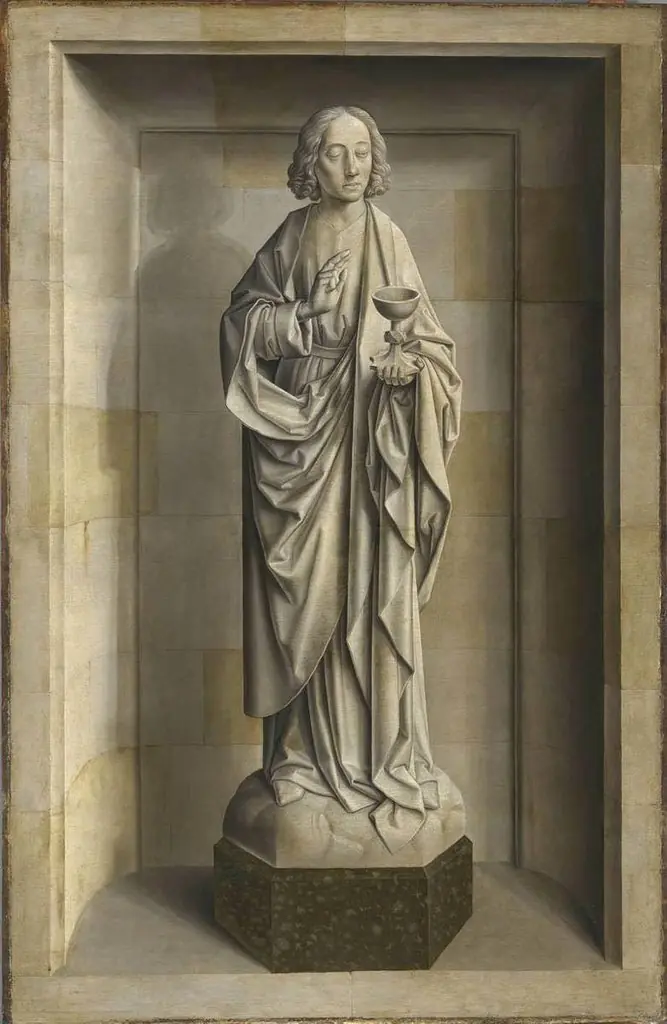 John the Evangelist
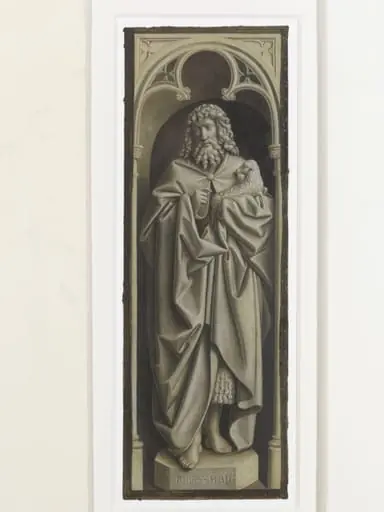 Copy of a detail of the Ghent Altarpiece, St John the Baptist by Hubert and Jan van Eyck in the church of St Bavon, Ghent.
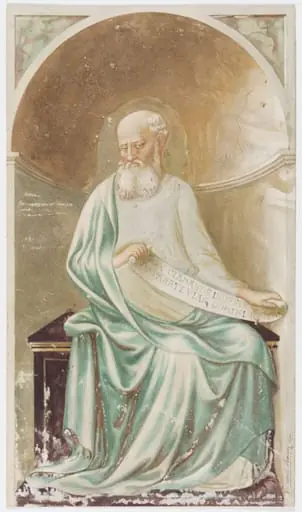 Copy after The Prophet Isaiah, Masolino in Castiglione Olona (Varese)
 Untitled
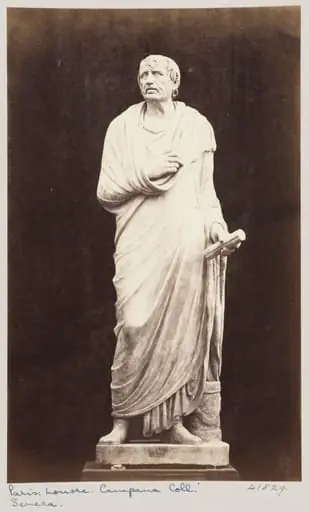 Marble Statue of Seneca
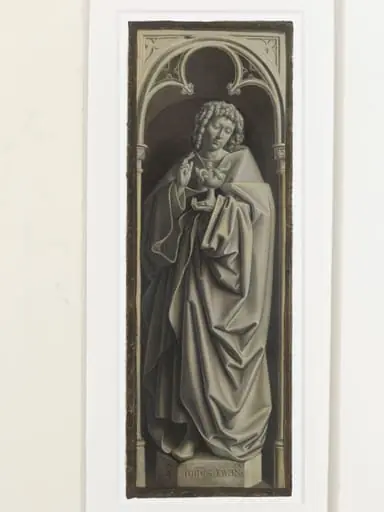 Copy of a detail of the Ghent Altarpiece, St John the Evangelist, by Hubert and Jan van Eyck in the church of St Bavon, Ghent.
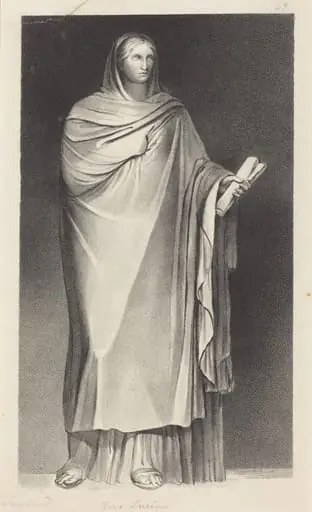 Juno Lucina
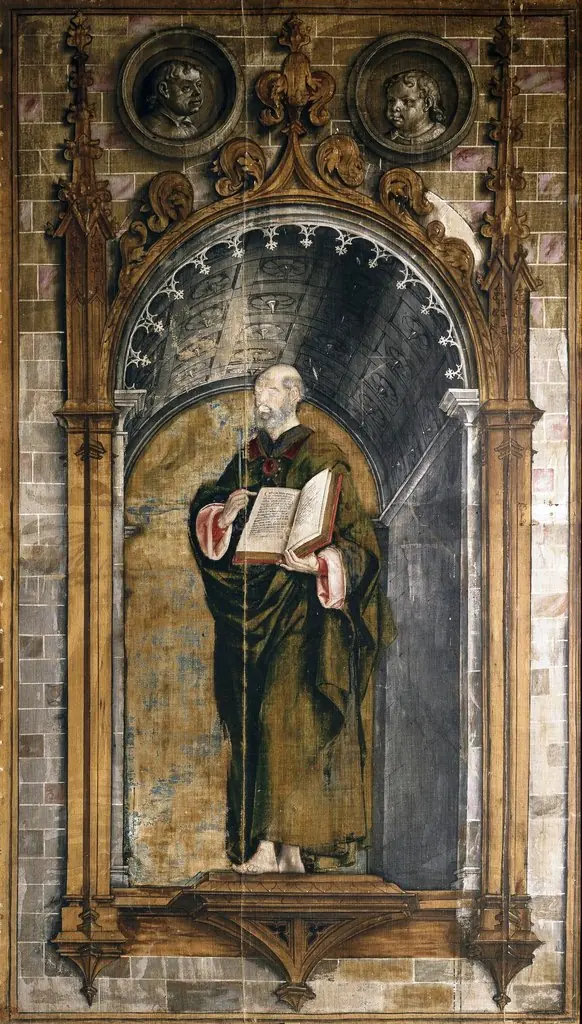 Saint Peter
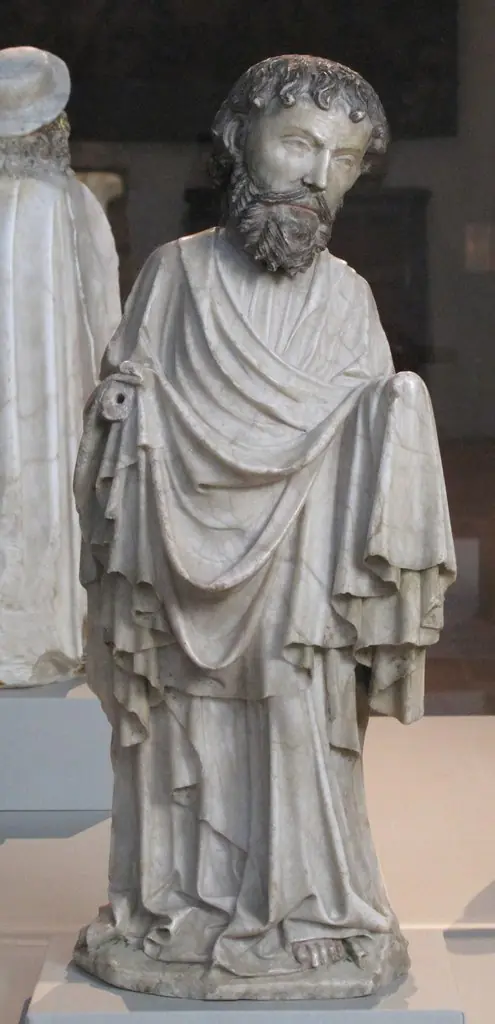 Standing Apostle